
 阅读时间:7 分钟
  浏览量:3154次
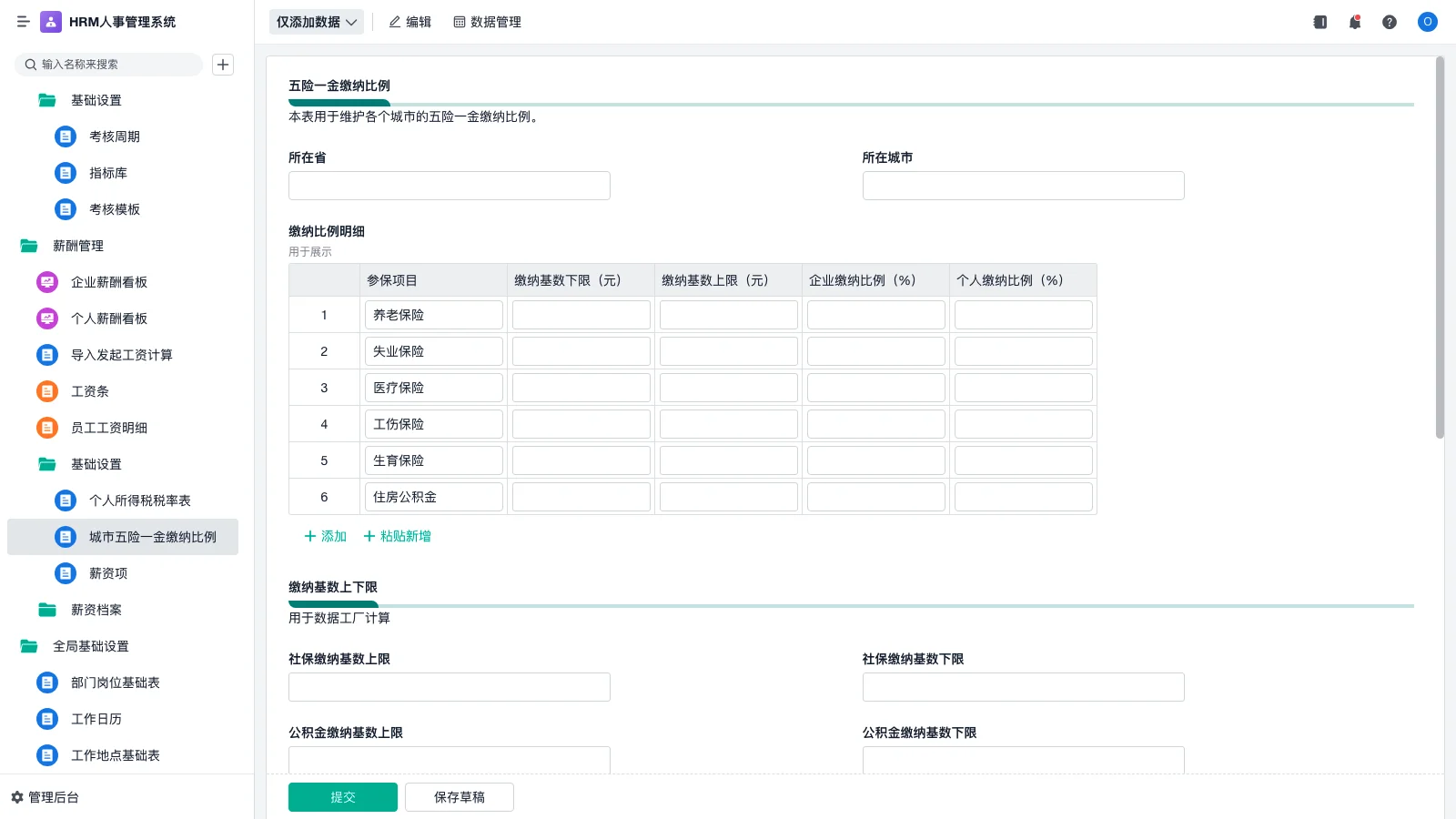

仓库管理涉及多个关键英文术语,包括1、Inventory Management 2, Warehouse Layout 3、Order Fulfillment 4、Supply Chain Management 5、Warehouse Management System (WMS)。Inventory Management是在仓库管理中非常核心的一项内容,涉及库存量的监控、库存盘点和库存调整等。它确保在任何时刻仓库内的物资数量准确,并能实现高效的物资流转,以满足供应链需求。良好的库存管理能够极大地提高仓库效率,减少不必要的库存持有成本,并避免短缺和过剩情况的发生。
一、INVENTORY MANAGEMENT
Inventory Management(库存管理)是仓库管理中的核心组成部分。它主要涉及库存物资的监控、管理和计划。有一个有效的库存管理系统,让仓库能够实现动态库存跟踪,保障库存的可见性和透明度。库存管理还包括盘点、调整和审查,定期的库存盘点能确保账面库存与实际库存一致。同时,利用现代化的工具和软件,如条码扫描仪、RFID标签等,可以提高库存管理的效率和准确性。
二、WAREHOUSE LAYOUT
Warehouse Layout(仓库布局)是涉及仓库内部空间的规划和设计的术语。一个优化的仓库布局设计能最大限度地利用空间,提高物资的存储容量,并减少货物在仓库内的搬运距离和时间。仓库布局设计需要考虑多种因素,包括货架类型、通道宽度、货物的储存方式及其流动路径。良好的仓库布局可以显著加快物资的检索和发货效率,比如采用ABC分类法,将周转快的商品放置在更容易接近的位置。
三、ORDER FULFILLMENT
Order Fulfillment(订单履行)涵盖了从客户下单到最终交付的整个流程。一个高效的订单履行系统能帮助公司迅速、准确地完成订单,提升客户满意度。订单履行包括订单接收、拣货、包装和发货等多个步骤。在这过程中,利用先进的仓库管理系统(WMS)和自动化设备,可以显著提高订单履行速度和精度。此外,在订单履行过程中,还应重视工人的培训和流程的标准化以确保服务质量。
四、SUPPLY CHAIN MANAGEMENT
Supply Chain Management(供应链管理)是仓库管理不可或缺的一部分。它涉及协调和管理从原材料采购到最终产品交付到客户手中的整个供应链过程。供应链管理需要与供应商、生产商、物流服务提供商等多方进行有效的沟通和协调。先进的供应链管理强调数据驱动决策,通过及时、准确的数据分析,优化供应链各个环节的运作,提高整体效率和反应速度。此外,不断评估和改进供应链的灵活性与响应能力,也是供应链管理的重要内容。
五、WAREHOUSE MANAGEMENT SYSTEM (WMS)
Warehouse Management System (WMS)(仓库管理系统)是用于管理和优化仓库日常操作的软件系统。高效的WMS帮助仓库管理人员实现库存的实时追踪,自动生成库存报表,优化拣货路径,并确保订单的准确和及时履行。WMS通常与其他企业资源计划系统(ERP)以及运输管理系统(TMS)集成,以实现无缝的信息流动和操作协同。此外,一个强大的WMS还具备分析和预测功能,使管理者能够更好地制定战略决策和应对市场变化。
仓库管理不仅关乎仓库本身的设计和运营,更涉及与整个供应链系统的协调和优化。通过合理利用Inventory Management、Warehouse Layout、Order Fulfillment、Supply Chain Management和Warehouse Management System等关键英文术语及其所代表的功能模块,能够显著提升仓库管理的效率与效益,从而增强企业的整体竞争力。
相关问答FAQs:
1. What are the key English terms related to warehouse management?
In the realm of warehouse management, there are numerous English terms that are commonly used. Some of the most crucial terms include inventory management, stock control, order processing, logistics, supply chain management, pick and pack, warehouse layout, automated storage and retrieval systems (AS/RS), barcode scanning, RFID technology, just-in-time (JIT) inventory, cross-docking, cycle counting, warehouse optimization, material handling equipment, reverse logistics, and warehouse automation.
2. What is the significance of English terminology in warehouse management?
English terminology plays a vital role in the field of warehouse management as it serves as a common language that facilitates communication and understanding across different regions and businesses. Utilizing standardized English terms allows for seamless collaboration among industry professionals, enhances efficiency in operations, simplifies training processes for employees, and ensures clarity in documentation and reports. Moreover, having a comprehensive grasp of English terminology in warehouse management enables organizations to stay updated with industry trends, implement best practices, and adapt to emerging technologies.
3. How can familiarity with English terms in warehouse management benefit professionals in the industry?
Professionals in the warehouse management sector can reap numerous benefits by being well-versed in English terminology. This knowledge enables them to effectively communicate with colleagues, customers, and stakeholders from diverse backgrounds, paving the way for enhanced teamwork and productivity. Understanding key terms in English also facilitates smoother interactions with international partners and suppliers, thereby promoting global trade and cooperation. Moreover, proficiency in English terminology empowers professionals to stay informed about the latest advancements in warehouse management practices, fostering continuous learning and professional growth.



































































 《零代码开发知识图谱》
 《零代码
新动能》案例集
《零代码
新动能》案例集
 《企业零代码系统搭建指南》