
 阅读时间:9 分钟
  浏览量:8040次


Warehouse Management System (WMS) ERP stands for "Warehouse Management System Enterprise Resource Planning." Here are the primary advantages and points about WMS ERP systems:
-
Inventory Accuracy: By integrating WMS with ERP, businesses can achieve higher inventory accuracy. This ensures that the data regarding stock levels, locations, and movements are up-to-date and precise. For example, automated data capture tools like barcode scanners and RFID tags reduce human errors, leading to more accurate inventory records.
-
Operational Efficiency: The combination of WMS and ERP streamlines various warehouse operations such as picking, packing, and shipping. This integration helps in optimizing routes within the warehouse, reducing the time taken to locate and move items, which in turn boosts overall productivity.
-
Improved Customer Service: With accurate inventory data and efficient warehouse operations, businesses can fulfill orders more quickly and accurately. This leads to better customer satisfaction as orders are delivered on time and correctly.
-
Cost Reduction: By optimizing warehouse operations and reducing errors, businesses can significantly cut down on operational costs. This includes savings on labor costs, reduced inventory holding costs, and minimized losses due to errors.
-
Enhanced Decision Making: With comprehensive data integration, management has access to real-time data across various functions. This facilitates better decision-making through detailed analytics and reporting.
I、INVENTORY ACCURACY
Integrating a WMS with an ERP system greatly enhances inventory accuracy. This integration provides real-time updates on inventory levels, locations, and movements. Automated tools such as barcode scanners and RFID tags play a significant role in reducing human errors. For example, when a product is scanned, the system automatically updates the inventory count, ensuring that the stock levels are always accurate. This minimizes discrepancies and helps in maintaining a reliable inventory record. Accurate inventory data is crucial for avoiding stockouts or overstock situations, thereby ensuring smooth warehouse operations.
II、OPERATIONAL EFFICIENCY
The integration of WMS and ERP systems streamlines various warehouse operations. By optimizing processes such as picking, packing, and shipping, businesses can significantly improve their operational efficiency. For instance, the system can suggest the most efficient picking routes within the warehouse, reducing the time required to locate and move items. Additionally, automated processes reduce the need for manual intervention, leading to faster and more accurate order fulfillment. This not only boosts productivity but also reduces labor costs.
III、IMPROVED CUSTOMER SERVICE
Accurate inventory data and efficient warehouse operations contribute to better customer service. When businesses can fulfill orders quickly and accurately, customer satisfaction increases. On-time delivery and correct order fulfillment are critical aspects of customer service. With a WMS ERP system, businesses can track orders in real-time, ensuring that customers are kept informed about the status of their orders. This transparency builds trust and enhances the overall customer experience.
IV、COST REDUCTION
By optimizing warehouse operations and reducing errors, businesses can achieve significant cost savings. For example, automated data capture tools reduce the need for manual inventory counts, saving labor costs. Accurate inventory data helps in avoiding overstock and stockout situations, reducing inventory holding costs. Moreover, minimizing errors in order fulfillment reduces the cost associated with returns and re-shipments. Overall, the integration of WMS and ERP systems leads to a more cost-effective warehouse management process.
V、ENHANCED DECISION MAKING
A WMS ERP system provides comprehensive data integration across various functions, facilitating better decision-making. Management has access to real-time data on inventory levels, order status, and warehouse performance. This data can be analyzed to identify trends, forecast demand, and make informed decisions. Detailed analytics and reporting capabilities enable businesses to monitor key performance indicators (KPIs) and make strategic decisions to improve warehouse operations. Enhanced decision-making leads to better resource allocation, increased efficiency, and ultimately, higher profitability.
In conclusion, the integration of Warehouse Management System (WMS) with Enterprise Resource Planning (ERP) offers numerous benefits, including improved inventory accuracy, operational efficiency, customer service, cost reduction, and enhanced decision-making. Businesses looking to optimize their warehouse operations should consider implementing a WMS ERP system to leverage these advantages. For further details, you can explore the 简道云WMS仓库管理系统模板 at https://s.fanruan.com/q6mjx;.
相关问答FAQs:
仓库管理系统ERP的全英文是什么?
仓库管理系统在英文中被称为“Warehouse Management System”,缩写为WMS。而企业资源计划系统则称为“Enterprise Resource Planning”,缩写为ERP。当这两者结合在一起时,通常会指代“Warehouse Management System ERP”,即将仓库管理的功能集成到企业资源计划系统中的一种解决方案。
仓库管理系统ERP的功能有哪些?
仓库管理系统ERP提供了一系列强大的功能,旨在提升仓库的运营效率和管理水平。以下是一些主要功能:
-
库存管理:通过实时监控库存水平,系统能够自动更新库存数据,减少库存过剩和短缺的风险。它还支持批次管理和序列号追踪,以便于更好地管理库存。
-
订单处理:该系统能够自动化订单接收、处理和发货的流程,确保订单的准确性和及时性。用户可以轻松查看订单状态,并跟踪发货信息。
-
入库与出库管理:仓库管理系统能够高效管理入库和出库流程,包括收货、检验、上架、拣货和发货等环节。通过条形码或RFID技术,能够快速准确地完成这些操作。
-
报表与分析:系统提供详细的报表和分析工具,帮助用户了解库存周转率、订单处理时间、仓库利用率等关键绩效指标。这些数据支持决策制定和战略规划。
-
多仓库管理:对于拥有多个仓库的企业,系统支持集中管理不同仓库的库存和订单,提升整体管理效率。
-
供应链集成:仓库管理系统ERP可以与其他系统(如采购、销售和配送系统)进行集成,实现数据共享和流程协同,优化整个供应链的运作。
为什么企业需要实施仓库管理系统ERP?
实施仓库管理系统ERP对于企业来说具有多重优势,以下是一些关键理由:
-
提高效率:通过自动化和优化仓库操作,企业能够减少人工错误,提高工作效率,缩短订单处理时间。
-
降低成本:有效的库存管理能够帮助企业降低存货成本,减少过期和损失,进而提高整体利润。
-
增强客户满意度:准确的订单处理和及时的配送能够提升客户体验,增加客户的忠诚度和满意度。
-
实时数据访问:通过实时监控库存和订单状态,企业能够快速做出决策,适应市场变化,提升竞争力。
-
灵活性与可扩展性:现代的仓库管理系统ERP通常具备良好的可扩展性,能够随着企业的成长进行调整和扩展,满足不断变化的业务需求。
-
合规性和追溯性:系统能够帮助企业满足行业标准和法规要求,提供必要的追溯记录,降低合规风险。
通过实施仓库管理系统ERP,企业能够在复杂的市场环境中保持竞争力,提升运营效率和客户满意度,为未来的增长奠定坚实基础。
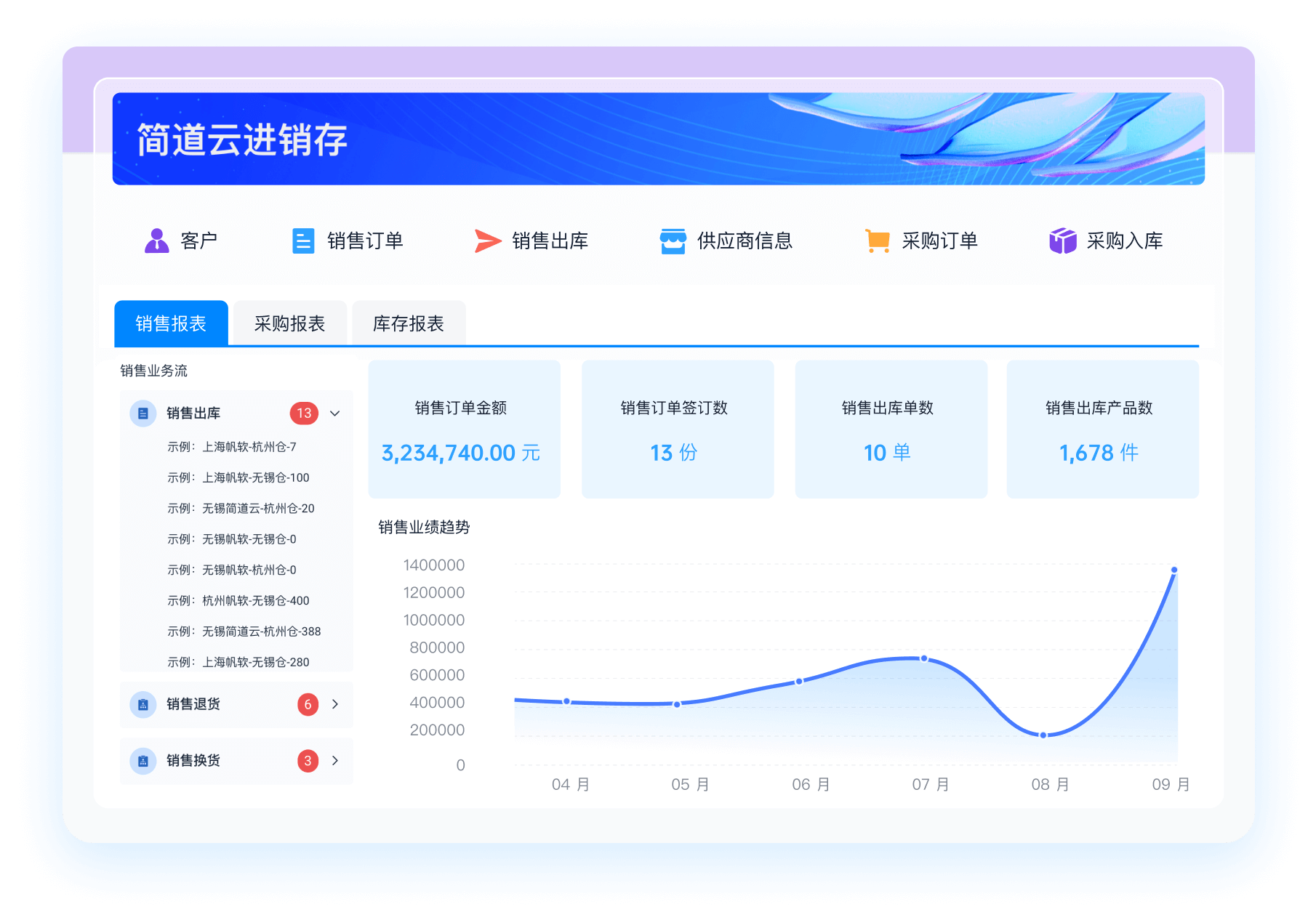
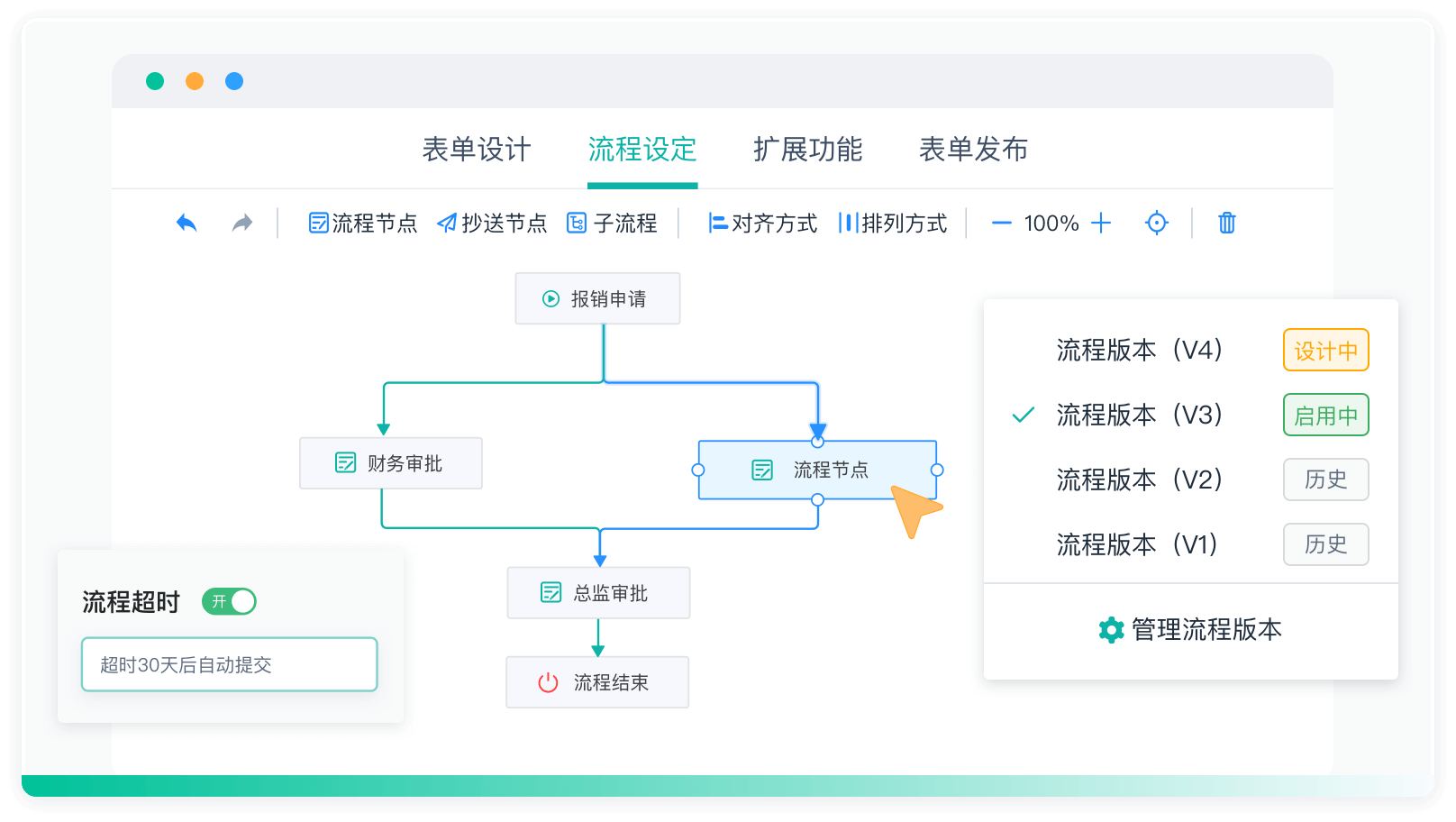
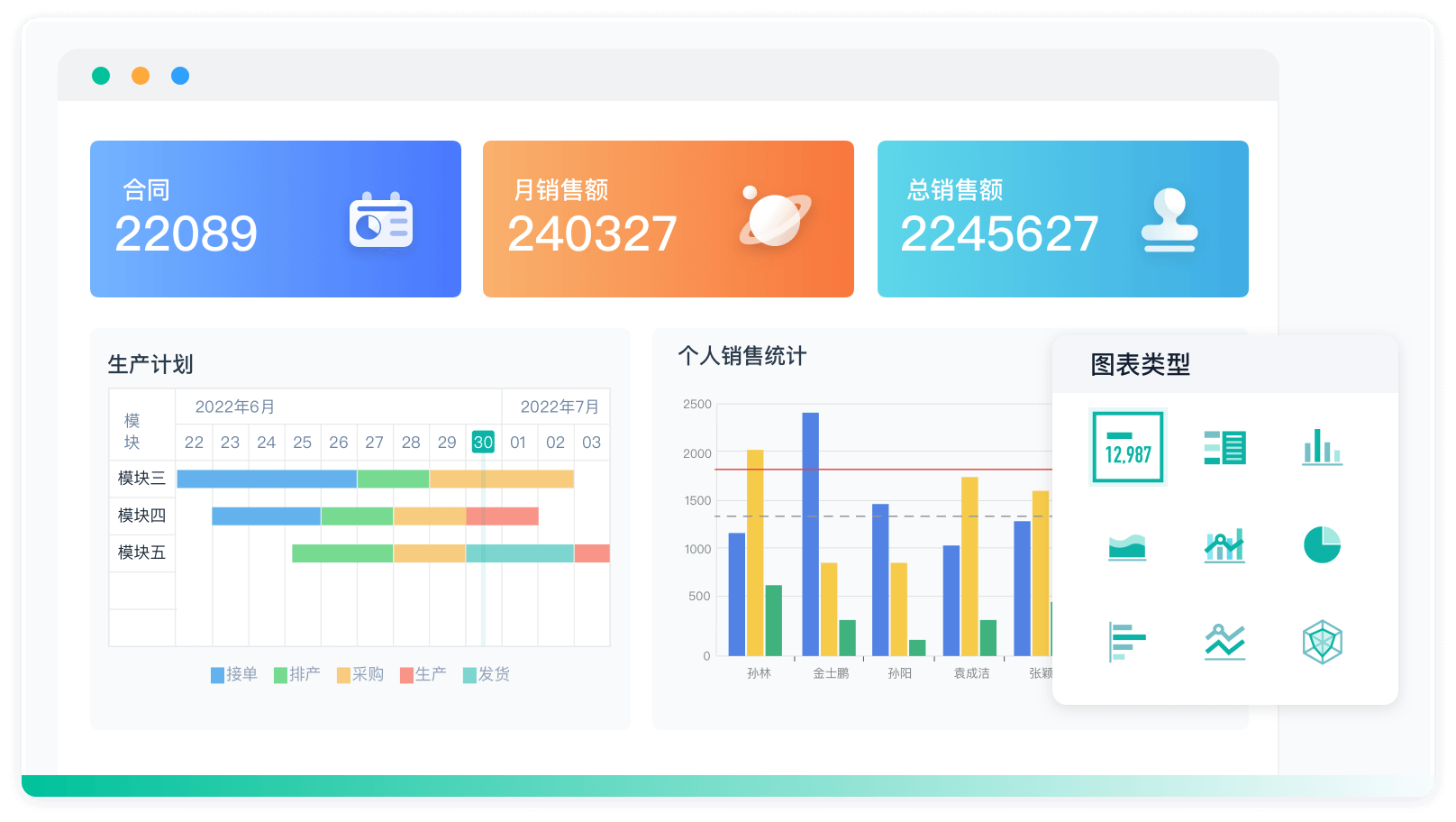
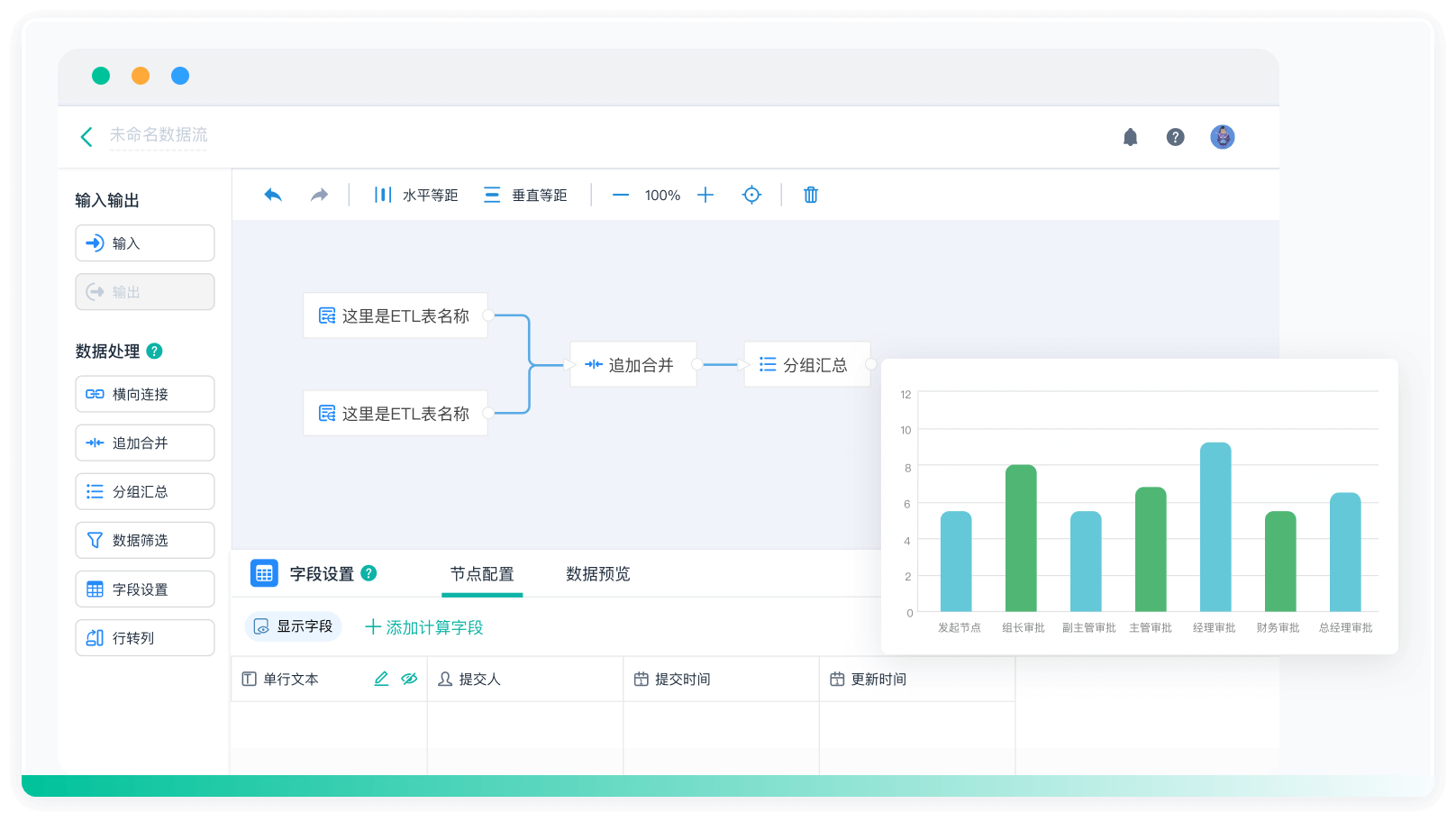
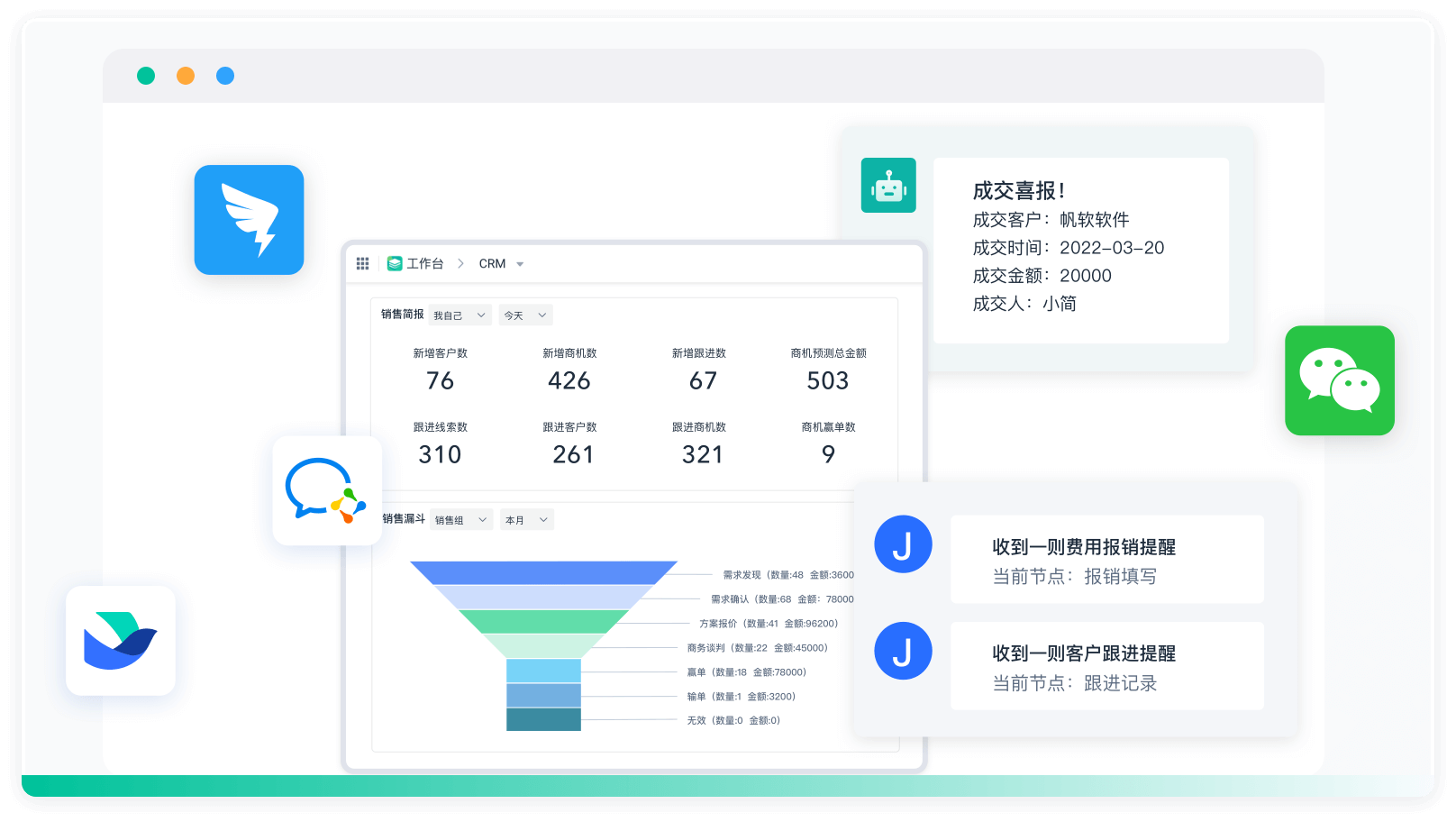
简道云WMS仓库管理系统模板:
无需下载,在线即可使用: https://s.fanruan.com/q6mjx;

































































 《零代码开发知识图谱》
 《零代码
新动能》案例集
《零代码
新动能》案例集
 《企业零代码系统搭建指南》