
 阅读时间:8 分钟
  浏览量:6796次


英文库存管理可以表达为“Inventory Management”。
1、Definition and Importance of Inventory Management:
Inventory management is the process of ordering, storing, using, and selling a company's inventory. This includes the management of raw materials, components, and finished products, as well as warehousing and processing of such items. Effective inventory management is crucial for businesses as it ensures that the right amount of stock is maintained to meet customer demand without excessive oversupply or stockouts.
2、Benefits of Inventory Management:
Effective inventory management offers several benefits:
- Cost Savings: By optimizing stock levels, businesses can reduce storage costs and minimize the capital tied up in inventory.
- Improved Cash Flow: Efficient inventory management helps maintain a healthy cash flow by reducing unnecessary stock and ensuring quicker turnover.
- Enhanced Customer Satisfaction: Keeping the right amount of inventory ensures that customer orders are fulfilled promptly, leading to higher customer satisfaction and loyalty.
3、Techniques Used in Inventory Management:
Several techniques are employed to manage inventory effectively:
- Just-In-Time (JIT): This strategy aims to reduce carrying costs by receiving goods only as they are needed in the production process, thus minimizing inventory levels.
- ABC Analysis: This technique categorizes inventory into three groups (A, B, and C) based on their importance and value, allowing businesses to prioritize management efforts.
- Economic Order Quantity (EOQ): EOQ is a formula used to determine the optimal order quantity that minimizes the total cost of inventory, including holding and ordering costs.
4、Challenges in Inventory Management:
Despite its benefits, inventory management comes with its own set of challenges:
- Demand Forecasting: Accurately predicting customer demand can be difficult, and errors in forecasting can lead to stockouts or excess inventory.
- Supply Chain Disruptions: Unforeseen events such as natural disasters or supplier issues can disrupt the supply chain, affecting inventory levels.
- Inventory Tracking: Keeping accurate records of inventory levels and movements can be challenging, especially for businesses with large or complex inventories.
5、Technological Solutions for Inventory Management:
Modern technology offers various solutions to improve inventory management:
- Inventory Management Software: Tools like Simplified Inventory Management Systems (SIMS), Enterprise Resource Planning (ERP) systems, and Warehouse Management Systems (WMS) can automate and optimize inventory processes.
- RFID and Barcode Scanning: These technologies enable accurate and real-time tracking of inventory, reducing errors and improving efficiency.
- Data Analytics: Advanced analytics can help businesses gain insights into inventory trends, optimize stock levels, and improve demand forecasting.
Conclusion:
Effective inventory management is essential for any business that deals with physical goods. By implementing the right strategies and leveraging modern technological solutions, businesses can optimize their inventory levels, reduce costs, and enhance customer satisfaction. For more information on inventory management solutions, you can visit the official website of 简道云WMS仓库管理系统模板: https://s.fanruan.com/q6mjx;
相关问答FAQs:
库存管理的英文表达是什么?
库存管理在英文中通常被称为“Inventory Management”。这个术语广泛应用于商业和物流领域,涉及到对库存的规划、控制和监督。有效的库存管理能够确保企业在满足客户需求的同时,减少库存成本,提高运营效率。
库存管理包括哪些主要内容?
库存管理的主要内容包括库存控制、库存记录、订单管理、供应链管理和需求预测等。库存控制涉及到制定库存水平的标准,以确保库存不会过多或过少。库存记录则是对所有库存物品的详细记录,以便追踪和管理。订单管理包括处理客户订单和供应商订单,以确保及时满足市场需求。供应链管理则关注于整个供应链的协调,以优化库存流动。需求预测利用历史数据和市场趋势来预测未来的库存需求,从而做好准备。
为什么企业需要重视库存管理?
企业需要重视库存管理的原因有很多。首先,良好的库存管理能够降低运营成本,避免过多库存造成的资金占用和损失。其次,准确的库存管理可以提高客户满意度,确保及时交货,减少缺货的情况。再次,库存管理还能够帮助企业更好地应对市场变化,提高整体竞争力。通过有效的库存管理,企业能够更灵活地调整运营策略,适应快速变化的市场环境。
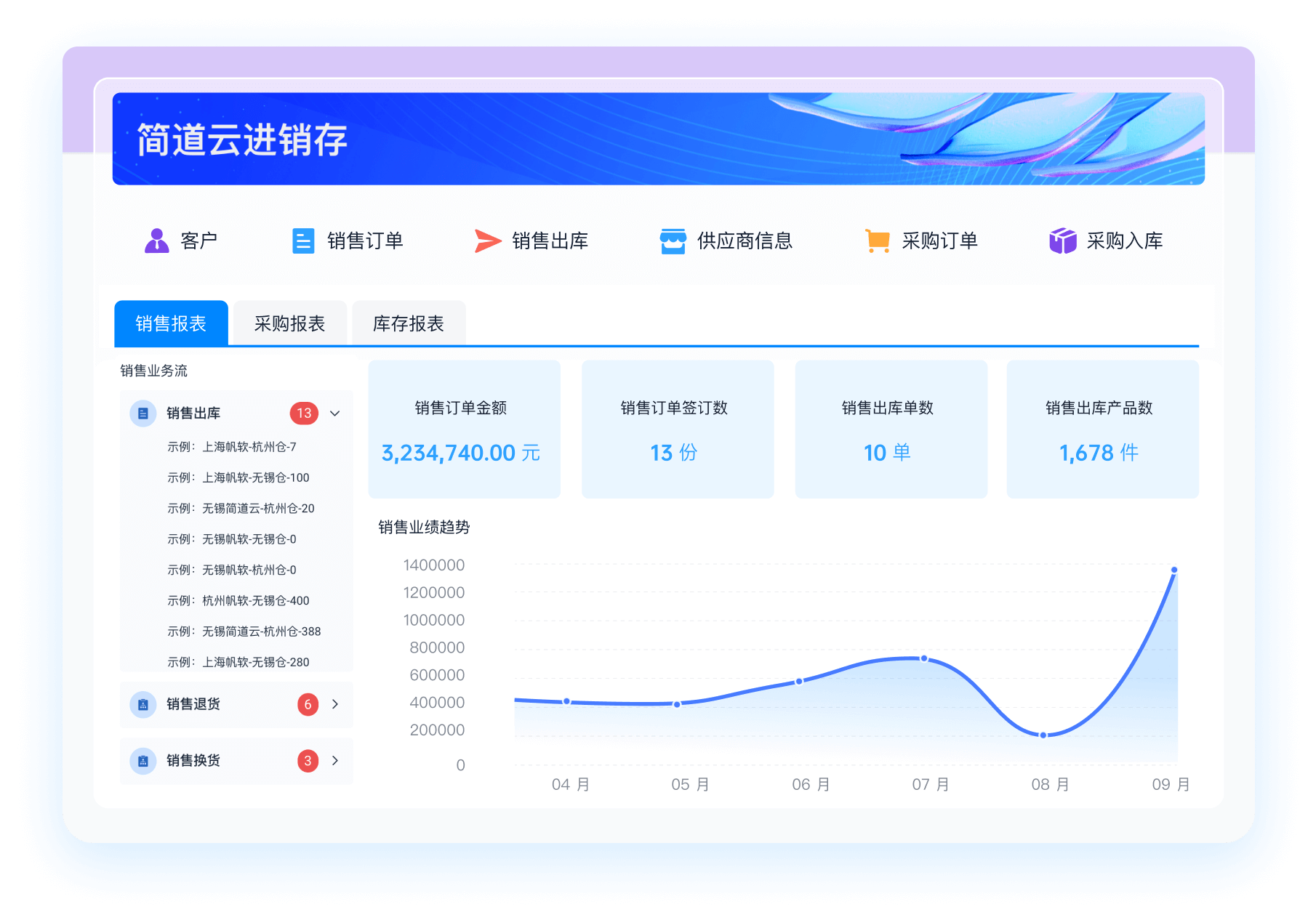
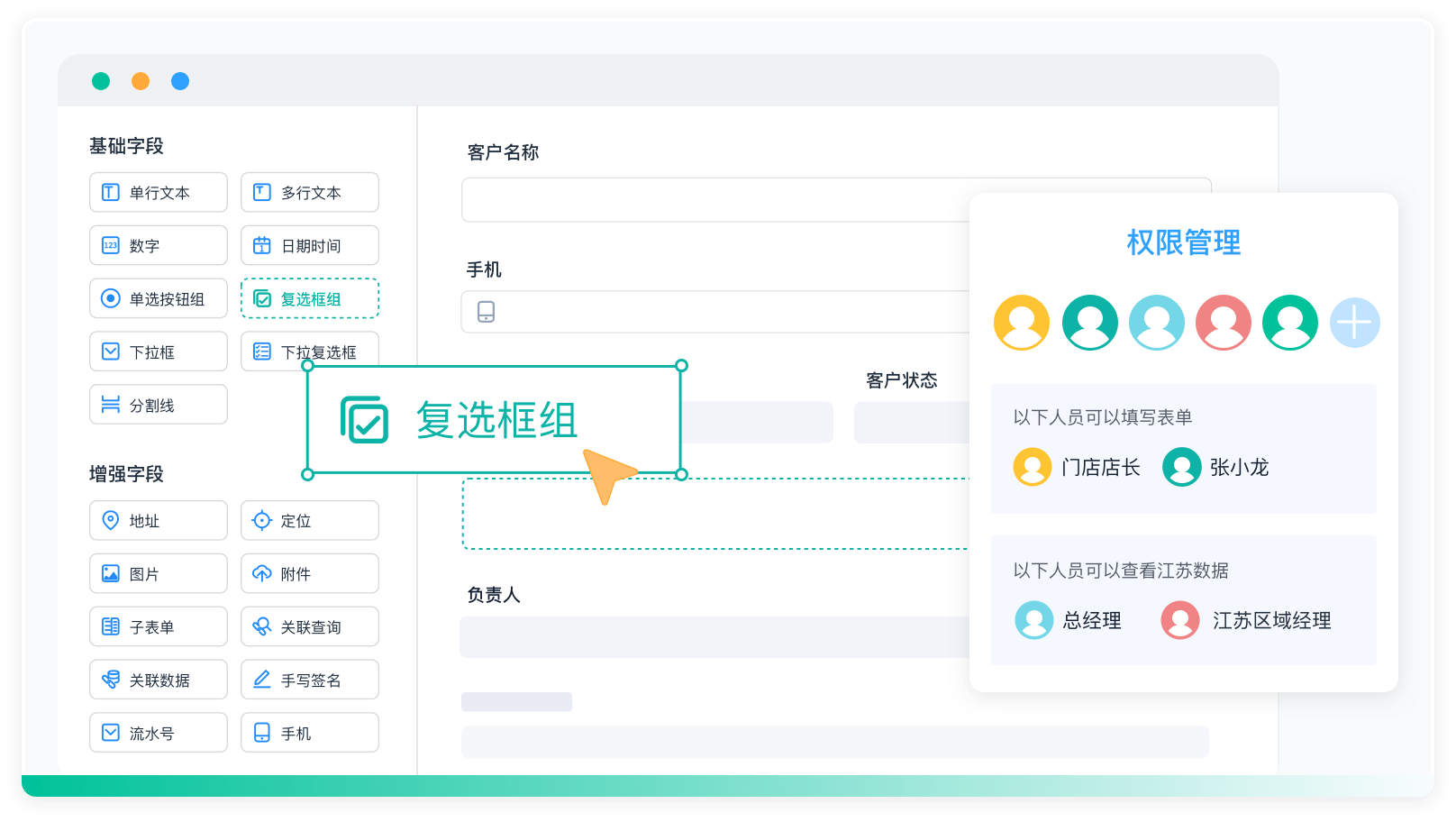
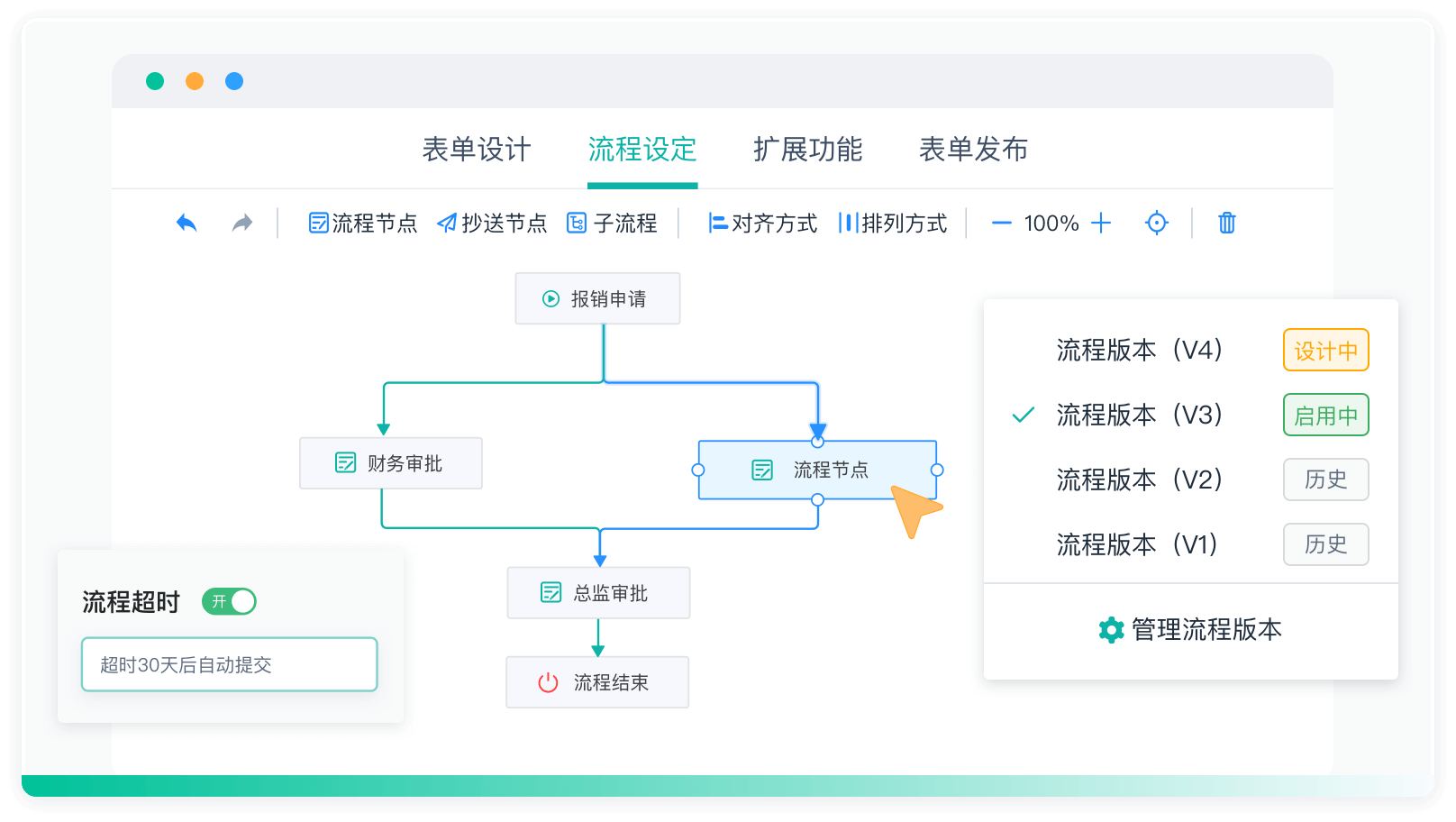
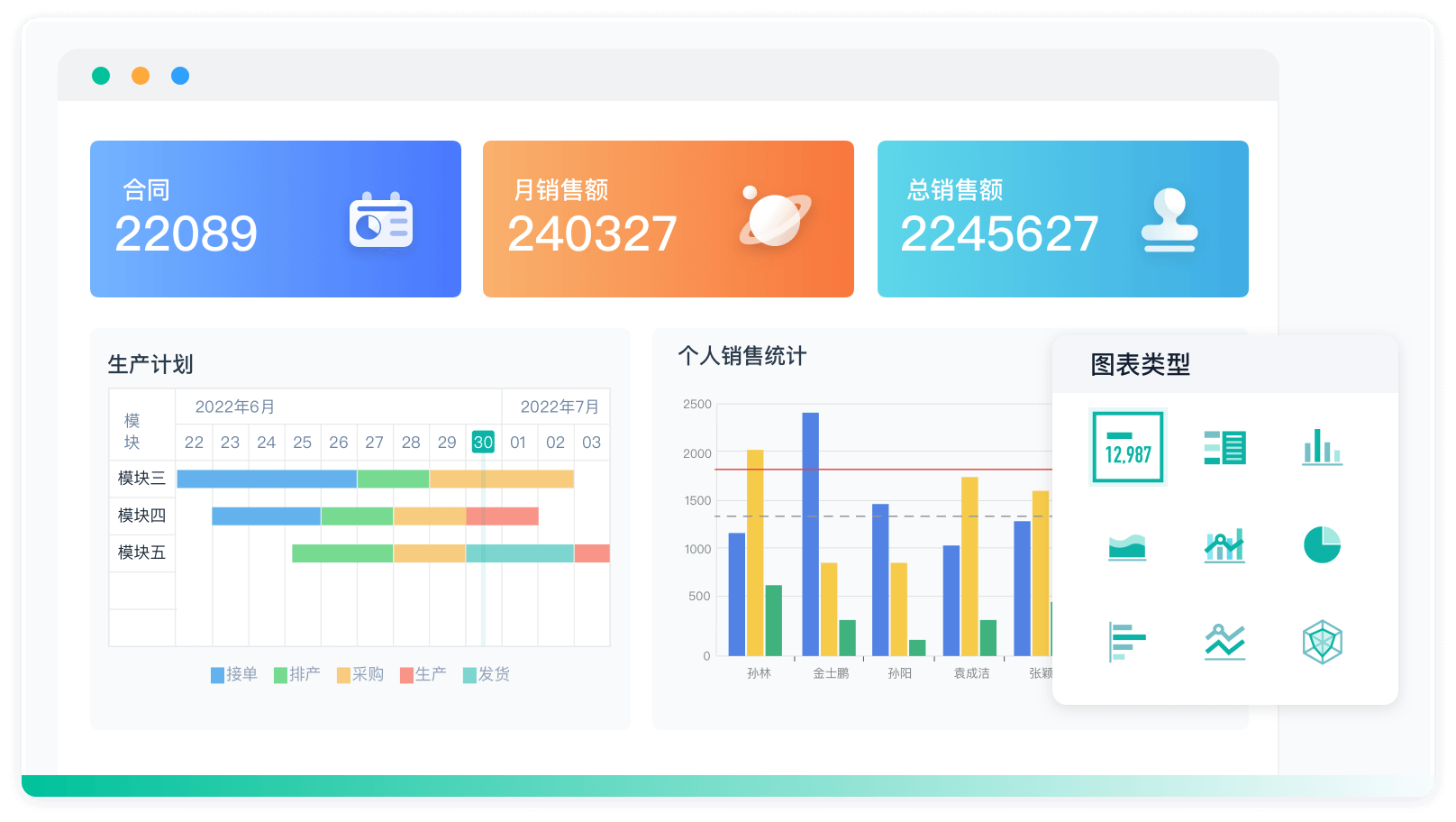
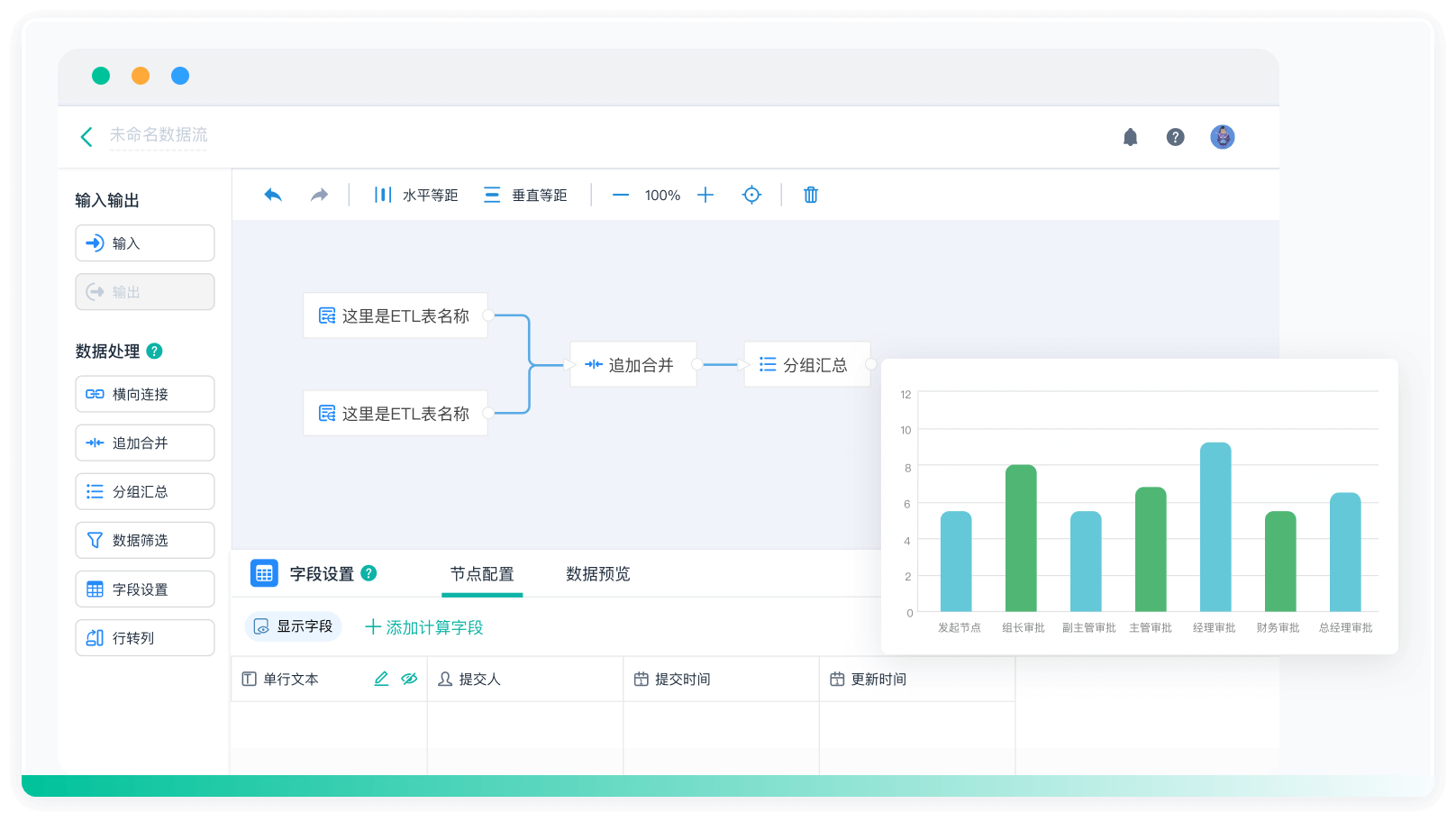
简道云WMS仓库管理系统模板:
无需下载,在线即可使用: https://s.fanruan.com/q6mjx;






























































 《零代码开发知识图谱》
 《零代码
新动能》案例集
《零代码
新动能》案例集
 《企业零代码系统搭建指南》