
 阅读时间:6 分钟
  浏览量:1563次


在编写出入库注入函数时,主要的步骤和要点包括:1、定义函数接口,2、数据验证,3、数据库操作,4、错误处理,5、日志记录。以下是一个详细的解释和示例代码,帮助你更好地理解和实现出入库注入函数。
一、定义函数接口
在编写出入库注入函数时,首先需要定义函数的接口,这包括函数的名称、输入参数和返回值。输入参数通常包括商品ID、数量、操作类型(入库或出库)等。
示例代码(Python):
def inventory_transaction(product_id, quantity, transaction_type):
    """
    处理出入库操作的函数
    :param product_id: 商品ID
    :param quantity: 操作数量
    :param transaction_type: 操作类型('in'表示入库,'out'表示出库)
    :return: 操作结果
    """
    pass
二、数据验证
在函数内部首先要对输入的数据进行验证,以确保数据的完整性和合法性。这里包括验证商品ID是否存在、数量是否为正整数、操作类型是否正确等。
示例代码:
def validate_data(product_id, quantity, transaction_type):
    if not isinstance(product_id, int) or product_id <= 0:
        raise ValueError("商品ID无效")
    if not isinstance(quantity, int) or quantity <= 0:
        raise ValueError("数量无效")
    if transaction_type not in ['in', 'out']:
        raise ValueError("操作类型无效")
三、数据库操作
根据不同的操作类型(入库或出库),进行相应的数据库操作。入库操作通常是增加库存数量,而出库操作则是减少库存数量。
示例代码:
import sqlite3
def update_inventory(product_id, quantity, transaction_type):
    conn = sqlite3.connect('inventory.db')
    cursor = conn.cursor()
    if transaction_type == 'in':
        cursor.execute("UPDATE inventory SET stock = stock + ? WHERE product_id = ?", (quantity, product_id))
    elif transaction_type == 'out':
        cursor.execute("SELECT stock FROM inventory WHERE product_id = ?", (product_id,))
        current_stock = cursor.fetchone()[0]
        if current_stock < quantity:
            raise ValueError("库存不足")
        cursor.execute("UPDATE inventory SET stock = stock - ? WHERE product_id = ?", (quantity, product_id))
    conn.commit()
    conn.close()
四、错误处理
在处理数据库操作时,要考虑各种可能的错误情况,如数据库连接失败、库存不足等,并进行相应的错误处理和提示。
示例代码:
def handle_errors():
    try:
        update_inventory(product_id, quantity, transaction_type)
    except sqlite3.DatabaseError as e:
        print("数据库错误:", e)
    except ValueError as e:
        print("数据错误:", e)
    except Exception as e:
        print("未知错误:", e)
五、日志记录
在出入库操作的过程中,记录操作日志是非常重要的,它有助于追踪问题和审计。可以将操作记录到文件或数据库中。
示例代码:
import logging
def log_transaction(product_id, quantity, transaction_type):
    logging.basicConfig(filename='inventory.log', level=logging.INFO)
    logging.info(f"商品ID: {product_id}, 数量: {quantity}, 操作类型: {transaction_type}")
综合示例
以下是一个综合的示例,包含了上述所有步骤:
“`python
import sqlite3
import logging
def inventory_transaction(product_id, quantity, transaction_type):
try:
validate_data(product_id, quantity, transaction_type)
update_inventory(product_id, quantity, transaction_type)
log_transaction(product_id, quantity, transaction_type)
return "操作成功"
except sqlite3.DatabaseError as e:
return f"数据库错误: {e}"
except ValueError as e:
return f"数据错误: {e}"
except Exception as e:
return f"未知错误: {e}"
def validate_data(product_id, quantity, transaction_type):
if not isinstance(product_id, int) or product_id <= 0:
raise ValueError("商品ID无效")
if not isinstance(quantity, int) or quantity <= 0:
raise ValueError("数量无效")
if transaction_type not in ['in', 'out']:
raise ValueError("操作类型无效")
def update_inventory(product_id, quantity, transaction_type):
conn = sqlite3.connect('inventory.db')
cursor = conn.cursor()
if transaction_type == 'in':
    cursor.execute("UPDATE inventory SET stock = stock + ? WHERE product_id = ?", (quantity, product_id))
elif transaction_type == 'out':
    cursor.execute("SELECT stock FROM inventory WHERE product_id = ?", (product_id,))
    current_stock = cursor.fetchone()[0]
    if current_stock < quantity:
        raise ValueError("库存不足")
    cursor.execute("UPDATE inventory SET stock = stock - ? WHERE product_id = ?", (quantity, product_id))
conn.commit()
conn.close()
def log_transaction(product_id, quantity, transaction_type):
logging.basicConfig(filename='inventory.log', level=logging.INFO)
logging.info(f"商品ID: {product_id}, 数量: {quantity}, 操作类型: {transaction_type}")
调用示例
print(inventory_transaction(1, 10, 'in'))
print(inventory_transaction(1, 5, 'out'))
<h2><strong>总结与建议</strong></h2>
实现一个有效的出入库注入函数需要经过严格的数据验证、合理的数据库操作、详细的错误处理和日志记录。建议在开发过程中,定期进行代码审查和测试,确保函数的健壮性和可靠性。希望这些示例和解释能够帮助你更好地理解和实现出入库注入函数。
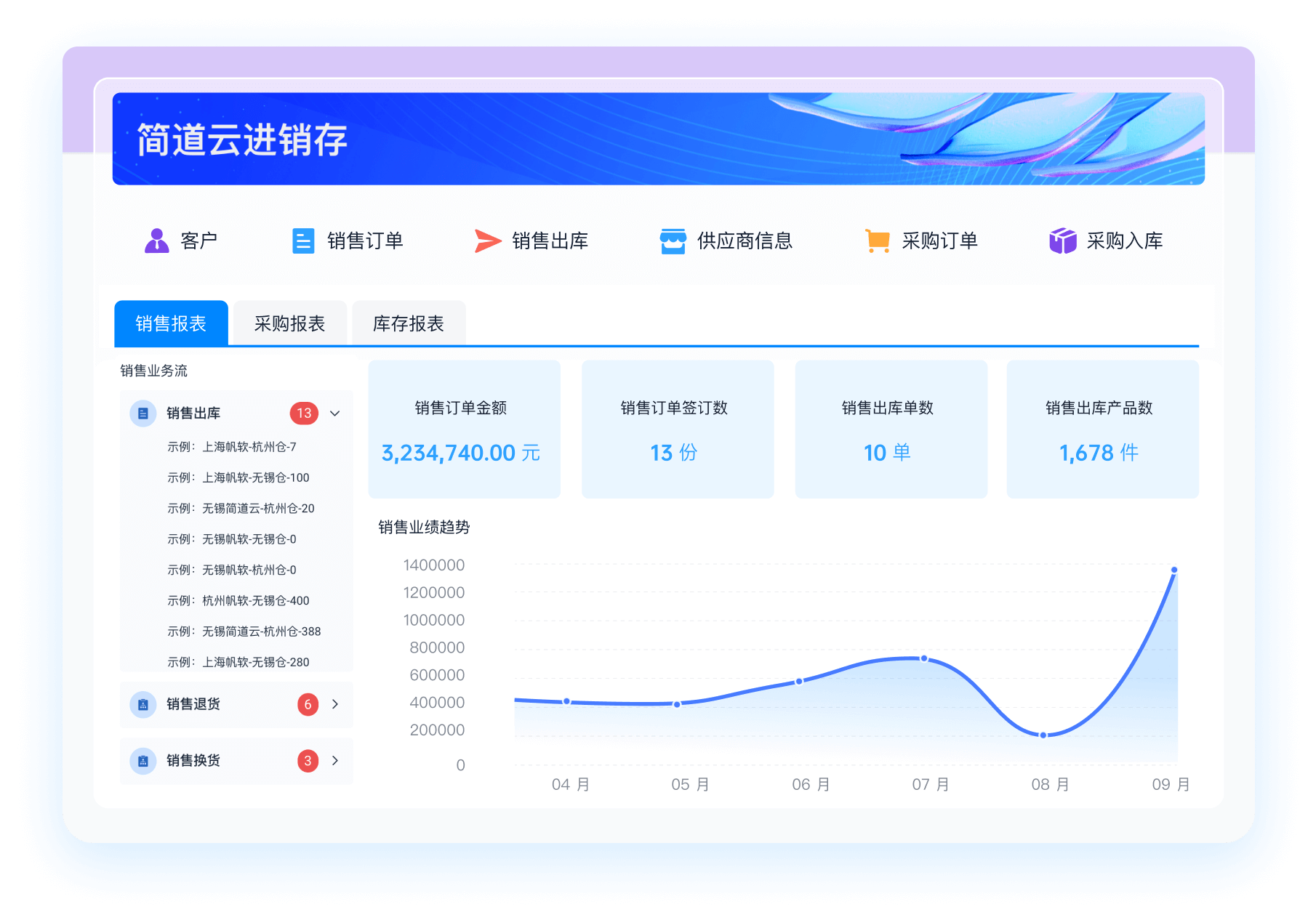
官网地址:
简道云WMS仓库管理系统模板:<span> https://s.fanruan.com/q6mjx;</span>
相关问答FAQs:
出入库注入函数怎么写?
出入库管理是现代仓库管理系统中不可或缺的一部分,合理的出入库注入函数能够提高数据处理效率、保证数据的准确性。编写出入库注入函数时,需要考虑数据结构、业务逻辑以及异常处理等多个方面。以下是编写出入库注入函数的一些基本步骤和代码示例。
1. 确定数据结构
在编写出入库注入函数之前,首先需要定义数据结构。这通常包括商品ID、商品名称、数量、入库时间、出库时间等。以下是一个可能的数据结构示例:
class InventoryItem:
    def __init__(self, item_id, item_name, quantity, in_time=None, out_time=None):
        self.item_id = item_id
        self.item_name = item_name
        self.quantity = quantity
        self.in_time = in_time
        self.out_time = out_time
2. 编写入库函数
入库函数的主要功能是将新商品或补充商品的数量添加到仓库中。以下是一个简单的入库函数示例:
def add_inventory(item):
    try:
        # 假设inventory是一个已经定义好的列表,用于存储库存商品
        inventory.append(item)
        print(f"入库成功:{item.item_name},数量:{item.quantity}")
    except Exception as e:
        print(f"入库失败:{str(e)}")
3. 编写出库函数
出库函数的功能则是从仓库中减少商品的数量。以下是一个出库函数的示例:
def remove_inventory(item_id, quantity):
    try:
        for item in inventory:
            if item.item_id == item_id:
                if item.quantity >= quantity:
                    item.quantity -= quantity
                    item.out_time = datetime.now()
                    print(f"出库成功:{item.item_name},数量:{quantity}")
                else:
                    print("库存不足,出库失败")
                return
        print("未找到该商品,出库失败")
    except Exception as e:
        print(f"出库失败:{str(e)}")
4. 增强功能
为了使出入库注入函数更为完善,可以考虑增加一些功能,例如库存查询、数据验证、记录日志等。以下是一个简单的库存查询函数:
def check_inventory(item_id):
    for item in inventory:
        if item.item_id == item_id:
            return item.quantity
    return 0
5. 完整示例
结合上述的功能,以下是一个完整的出入库管理系统示例:
from datetime import datetime

inventory = []

class InventoryItem:
    def __init__(self, item_id, item_name, quantity):
        self.item_id = item_id
        self.item_name = item_name
        self.quantity = quantity
        self.in_time = None
        self.out_time = None

def add_inventory(item):
    try:
        item.in_time = datetime.now()
        inventory.append(item)
        print(f"入库成功:{item.item_name},数量:{item.quantity}")
    except Exception as e:
        print(f"入库失败:{str(e)}")

def remove_inventory(item_id, quantity):
    try:
        for item in inventory:
            if item.item_id == item_id:
                if item.quantity >= quantity:
                    item.quantity -= quantity
                    item.out_time = datetime.now()
                    print(f"出库成功:{item.item_name},数量:{quantity}")
                else:
                    print("库存不足,出库失败")
                return
        print("未找到该商品,出库失败")
    except Exception as e:
        print(f"出库失败:{str(e)}")

def check_inventory(item_id):
    for item in inventory:
        if item.item_id == item_id:
            return item.quantity
    return 0

# 示例使用
item1 = InventoryItem(1, "商品A", 10)
add_inventory(item1)

item2 = InventoryItem(2, "商品B", 5)
add_inventory(item2)

remove_inventory(1, 3)

print(f"商品A库存:{check_inventory(1)}")
print(f"商品B库存:{check_inventory(2)}")
在这个示例中,我们创建了一个简单的库存管理系统,包含了商品的入库、出库和查询功能。可以根据实际需求扩展更多功能,例如数据存储、图形化界面等。
6. 代码优化和安全性
编写出入库注入函数时,还需要考虑代码的优化和安全性。例如:
- 使用数据库进行数据存储,避免数据丢失。
- 对用户输入进行验证,防止SQL注入等安全问题。
- 设计合理的异常处理机制,保证系统的稳定性。
7. 总结
出入库注入函数的编写涉及多个方面,包括数据结构的设计、功能的实现以及代码的优化。通过合理的设计和实现,可以提高仓库管理的效率和准确性,为企业的运营提供支持。
针对具体的业务需求,可以进一步完善和扩展出入库管理的功能,以适应不同的应用场景和需求。希望以上的示例和建议能够帮助您更好地理解和实现出入库注入函数。
若您需要使用更专业的仓库管理系统,可以考虑使用简道云WMS仓库管理系统模板,该系统提供了多种功能,能够有效提高仓库管理的效率。您无需下载,在线即可使用: https://s.fanruan.com/q6mjx;






























































 《零代码开发知识图谱》
 《零代码
新动能》案例集
《零代码
新动能》案例集
 《企业零代码系统搭建指南》