
 阅读时间:9 分钟
  浏览量:1734次


1、Warehouse Inbound and Outbound Statistics
Warehouse Inbound and Outbound Statistics refer to the comprehensive data analysis of goods moving into (inbound) and out of (outbound) a warehouse. The main benefits of tracking inbound and outbound statistics are: 1) Improved Inventory Management, 2) Enhanced Operational Efficiency, 3) Better Demand Forecasting, 4) Cost Reduction, and 5) Enhanced Customer Satisfaction.
To elaborate on Improved Inventory Management, maintaining accurate and up-to-date inbound and outbound statistics allows businesses to have a clear picture of their current inventory levels. This helps in preventing both overstocking and stockouts, ensuring that the right amount of inventory is always available to meet customer demands. With precise statistics, businesses can make informed decisions about reordering products, thus optimizing storage space and reducing holding costs.
2、IMPROVED INVENTORY MANAGEMENT
Tracking the movement of goods into and out of the warehouse can significantly enhance inventory management. Companies can:
- Avoid Overstocking: By understanding the rate at which products are sold, companies can avoid ordering excessive inventory that ties up capital and storage space.
- Prevent Stockouts: Ensuring that high-demand products are replenished in a timely manner to meet customer needs.
- Optimize Storage Space: Effective tracking helps in planning the storage layout, thus maximizing the use of available warehouse space.
- Reduce Holding Costs: Keeping inventory levels optimal can lead to lower holding costs, including reduced costs for storage, insurance, and obsolescence.
3、ENHANCED OPERATIONAL EFFICIENCY
Efficient tracking of inbound and outbound goods leads to streamlined warehouse operations. This includes:
- Faster Processing Times: With accurate data, warehouse staff can quickly locate and process items for shipping or storage.
- Improved Workflow: Understanding peak times for inbound and outbound activities allows for better workforce planning and resource allocation.
- Error Reduction: Accurate tracking helps in minimizing errors related to shipment and inventory counts, leading to fewer returns and customer complaints.
4、BETTER DEMAND FORECASTING
Inbound and outbound statistics play a crucial role in demand forecasting:
- Historical Data Analysis: Using past data to predict future sales trends and inventory needs.
- Seasonal Trends: Identifying and preparing for peak seasons or sales periods by analyzing patterns in inbound and outbound activities.
- Market Insights: Gaining insights into customer preferences and market demand, helping to tailor inventory and marketing strategies accordingly.
5、COST REDUCTION
Effective warehouse management using inbound and outbound statistics can lead to significant cost savings:
- Reduced Labor Costs: Streamlined processes mean fewer labor hours are needed for inventory management.
- Lower Transportation Costs: Efficient routing and scheduling of inbound and outbound shipments can reduce transportation expenses.
- Minimized Waste: Better inventory management reduces the risk of product obsolescence and spoilage, leading to less waste.
6、ENHANCED CUSTOMER SATISFACTION
Accurate and efficient management of warehouse operations can greatly improve customer satisfaction:
- Timely Deliveries: Ensuring that products are available and shipped on time to meet customer expectations.
- Order Accuracy: Reducing errors in order fulfillment leads to fewer returns and higher customer trust.
- Product Availability: Maintaining optimal inventory levels ensures that customers can find and purchase the products they need without delay.
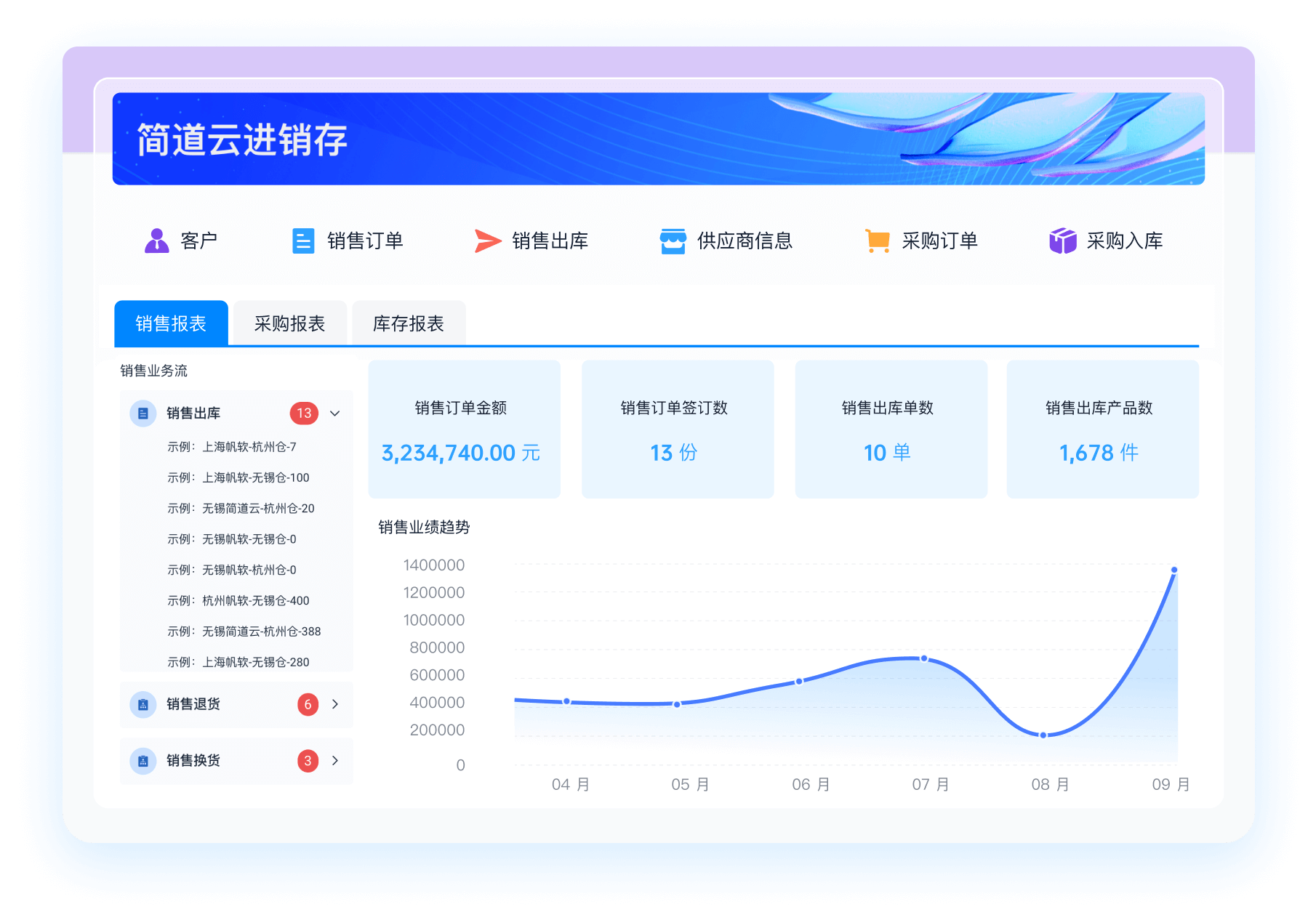
In conclusion, effective tracking and analysis of Warehouse Inbound and Outbound Statistics provide numerous benefits, including improved inventory management, operational efficiency, better demand forecasting, cost reduction, and enhanced customer satisfaction. For businesses looking to implement or enhance their warehouse management systems, utilizing tools like the 简道云WMS仓库管理系统模板 can be highly beneficial. More information can be found on their official website: https://s.fanruan.com/q6mjx;
相关问答FAQs:
出入库统计英文怎么说?
出入库统计在英文中通常翻译为“Inventory In and Out Statistics”或“Stock In and Out Statistics”。这个术语广泛应用于物流管理和仓库管理领域,主要用于描述商品在仓库中的进出情况。这一统计不仅帮助企业了解库存水平,还能为后续的采购和销售决策提供重要依据。
在实际的业务运作中,出入库统计涉及对库存物品的入库(即采购和到货)和出库(即销售和发货)进行记录和分析。通过对这些数据的细致分析,企业可以识别出热销产品和滞销库存,从而更有效地管理供应链,提高运营效率。
出入库统计在业务管理中的重要性是什么?
出入库统计在业务管理中扮演着至关重要的角色。首先,它帮助企业实时监控库存水平,避免出现库存不足或过剩的情况。准确的库存数据可以确保企业在需求高峰期不会因为缺货而失去销售机会,同时也能降低由于过剩库存所带来的资金占用和库存损失。
其次,通过分析出入库数据,企业可以发现市场趋势和客户偏好。这些数据不仅可以帮助企业优化产品组合,还能为销售策略的调整提供支持。例如,若某款产品的出库量持续上升,企业可以考虑增加该产品的采购量,以满足市场需求。
此外,出入库统计还可以提高仓库管理的效率。通过对入库和出库流程的分析,企业能够识别出流程中的瓶颈和问题,从而进行改进。这种数据驱动的决策方式有助于降低运营成本,提升整体业务效率。
出入库统计需要注意哪些关键指标?
在进行出入库统计时,有几个关键指标需要特别关注。首先是“库存周转率”,这一指标反映了库存商品的流动速度。库存周转率越高,意味着商品在仓库中滞留的时间越短,从而提高了资金的周转效率。
其次是“缺货率”,这一指标用于衡量在特定时间段内,客户需求未能满足的情况。高缺货率通常表明企业的库存管理存在问题,需要及时调整采购和库存策略。
还有“平均库存天数”,这一指标可以帮助企业了解其库存的流动性。通过计算平均库存天数,企业可以评估其库存管理的效率,进而做出相应的调整。
最后,企业还需要关注“出入库准确率”,这反映了仓库操作的精确程度。高的出入库准确率可以减少错误,提高客户满意度,进而提升企业的整体形象。
如何提升出入库统计的效率?
提升出入库统计的效率可以从多个方面入手。首先,企业可以考虑引入先进的仓库管理系统(WMS)。这样的系统通常具备实时数据更新、自动化报告生成等功能,可以大大提高出入库统计的效率和准确性。
其次,企业需要定期进行库存盘点。这不仅可以确保库存数据的准确性,还可以及时发现和纠正潜在的问题。定期盘点可以帮助企业了解实际库存与系统数据之间的差异,从而进行相应的调整。
此外,企业还可以通过培训员工,提高他们在出入库操作中的专业技能。熟练的操作人员能够更快更准确地完成出入库任务,进而提升整体工作效率。
最后,企业应建立科学的库存管理流程。合理的流程设计能够减少不必要的操作,提高工作效率。同时,通过对流程的持续优化,企业可以不断提升出入库统计的效率。
通过以上的探讨,可以看出出入库统计不仅是仓库管理的重要组成部分,更是企业整体运营效率的重要指标。在现代商业环境中,企业只有不断优化出入库统计,才能在激烈的市场竞争中立于不败之地。
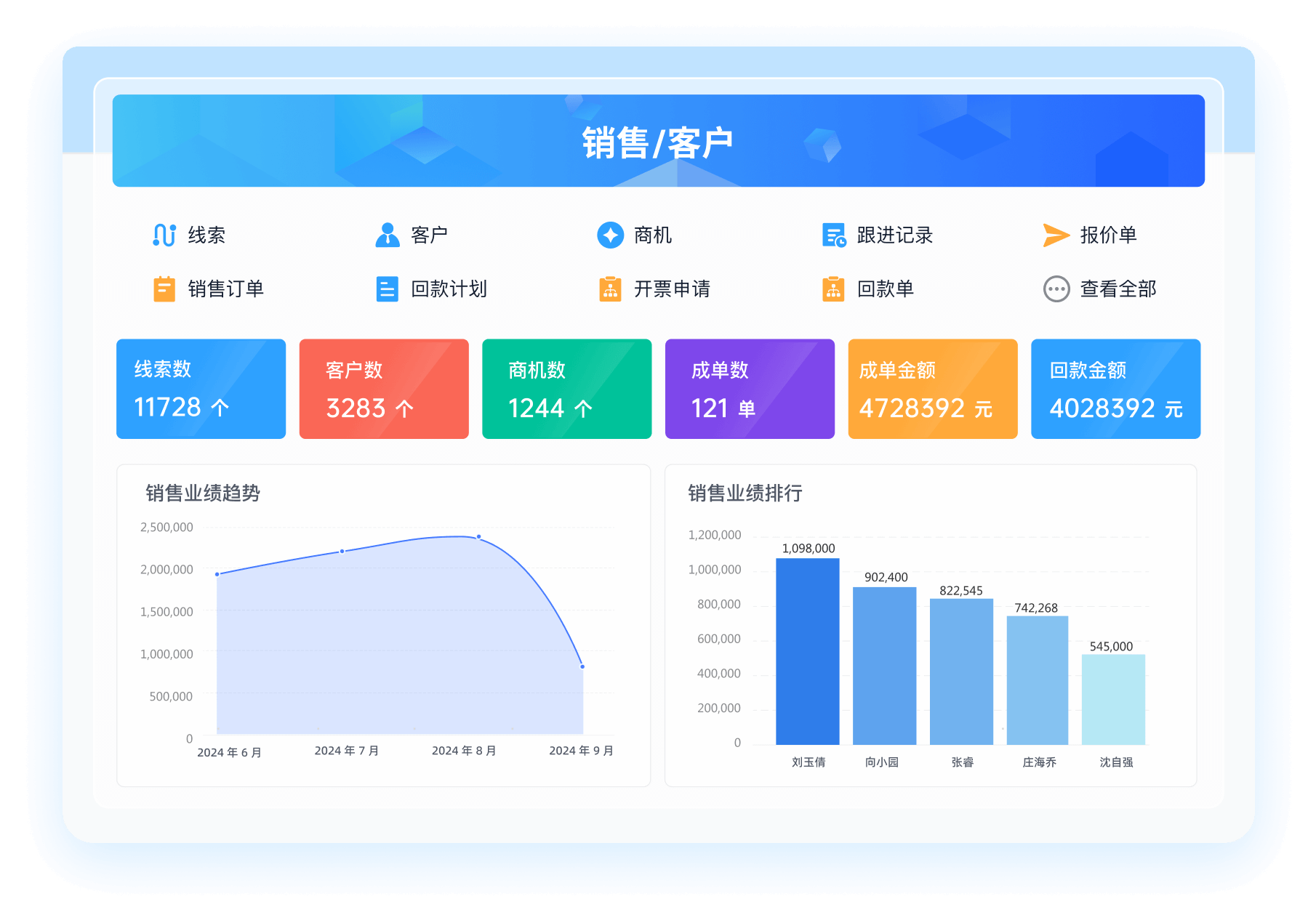
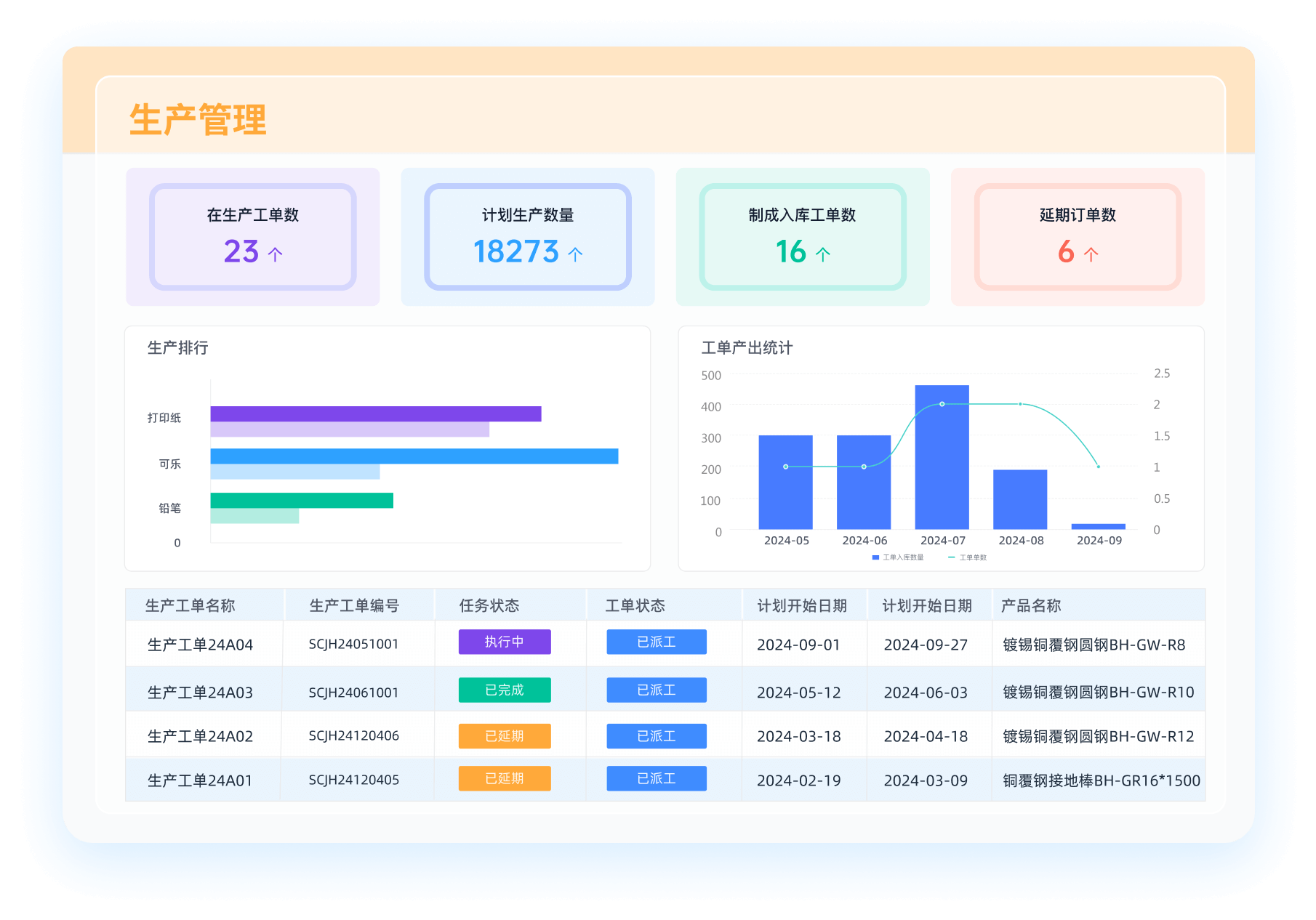
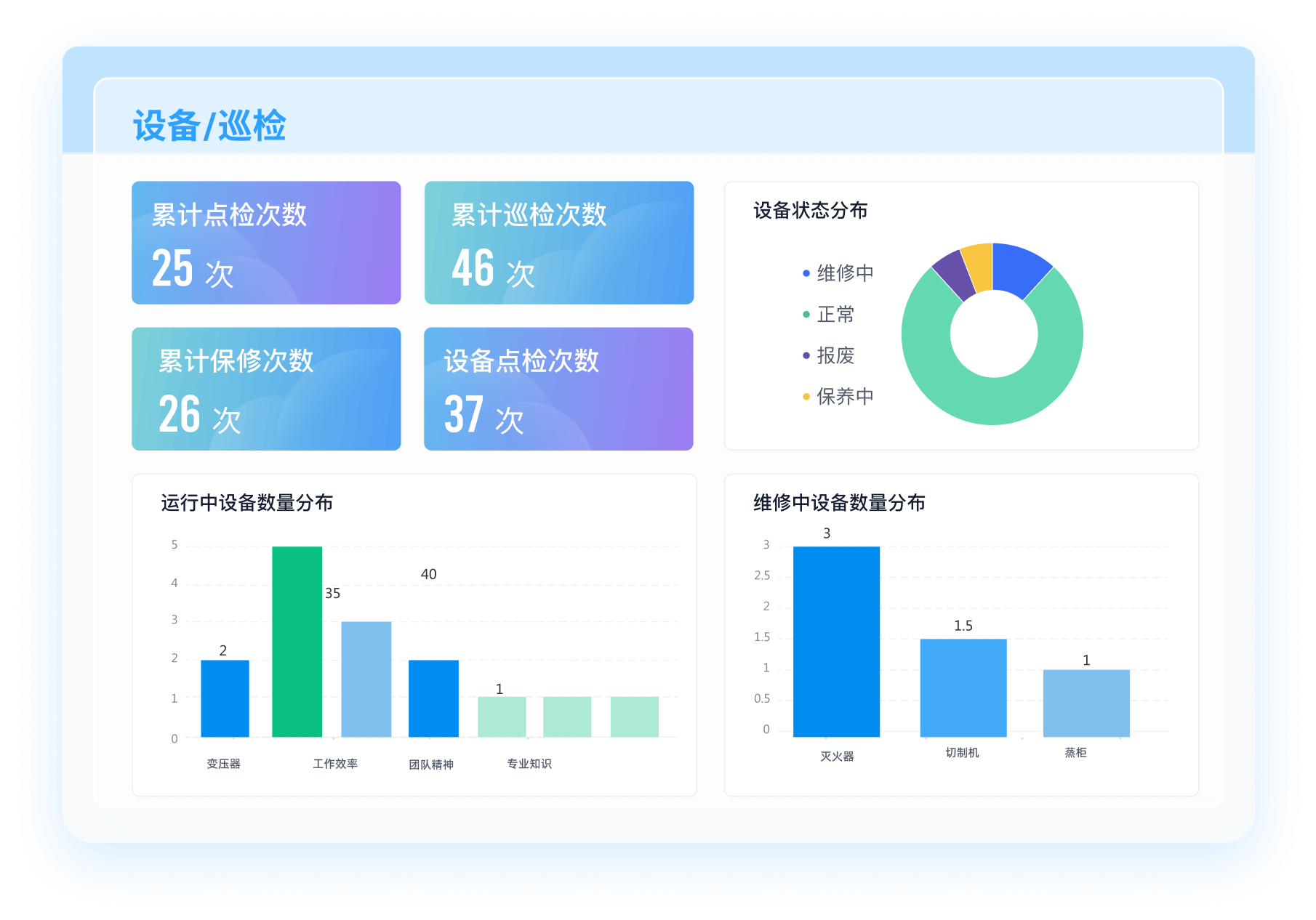
简道云WMS仓库管理系统模板:
无需下载,在线即可使用: https://s.fanruan.com/q6mjx;




































































 《零代码开发知识图谱》
 《零代码
新动能》案例集
《零代码
新动能》案例集
 《企业零代码系统搭建指南》