
 阅读时间:8 分钟
  浏览量:508次


Creating Effective Inbound and Outbound Inventory Tables
When managing a warehouse, 1) accurate record-keeping, 2) efficient tracking, and 3) smooth operations are crucial. Accurate record-keeping ensures that you always know what is in stock and where it is located, reducing the chances of errors. Efficient tracking allows for quicker responses to changes in inventory levels, whether that means restocking popular items or identifying slow-moving stock. Smooth operations mean that your warehouse runs like a well-oiled machine, minimizing delays and maximizing productivity. Let's delve into the details of creating inbound and outbound inventory tables, with a focus on achieving these goals.
I. INBOUND INVENTORY TABLE
Creating an inbound inventory table involves capturing essential details about the goods entering your warehouse. Here’s a structured format you can follow:
| Column Header | Description |
|---|---|
| Date Received | The date the inventory was received. |
| Product ID | Unique identifier for the product. |
| Product Name | Name or description of the product. |
| Quantity Received | The amount of each product received. |
| Supplier Name | The name of the supplier who sent the goods. |
| Batch Number | Batch or lot number for tracking purposes. |
| Location | Storage location within the warehouse. |
| Received By | Name of the employee who checked in the goods. |
| Condition | Condition of the goods upon arrival (e.g., new, damaged). |
| Comments | Any additional notes or observations about the received goods. |
Explanation:
- Date Received: This helps in tracking the freshness or age of your stock, which is especially important for perishable goods.
- Product ID and Name: Ensures that each product is uniquely identifiable.
- Quantity Received: Helps in updating the inventory levels accurately.
- Supplier Name: Useful for supplier performance evaluation and in case of quality issues.
- Batch Number: Critical for traceability, especially in case of product recalls.
- Location: Assists in quick retrieval and efficient warehouse space utilization.
- Received By: Accountability for the accuracy of the recorded data.
- Condition: Helps in quality control and handling of returns or claims.
- Comments: Any additional information that might be pertinent to the inventory received.
II. OUTBOUND INVENTORY TABLE
An outbound inventory table tracks the movement of goods leaving your warehouse. Here’s an example format:
| Column Header | Description |
|---|---|
| Date Shipped | The date the inventory was shipped out. |
| Product ID | Unique identifier for the product. |
| Product Name | Name or description of the product. |
| Quantity Shipped | The amount of each product shipped. |
| Customer Name | Name of the customer receiving the goods. |
| Order Number | Customer’s order number for reference. |
| Location | Storage location from where the goods were picked. |
| Shipped By | Name of the employee who processed the shipment. |
| Shipping Method | Method used for shipping (e.g., air, sea, ground). |
| Comments | Any additional notes or observations about the shipment. |
Explanation:
- Date Shipped: Important for tracking delivery times and managing customer expectations.
- Product ID and Name: Ensures correct items are shipped.
- Quantity Shipped: Helps in keeping inventory levels up-to-date.
- Customer Name: Necessary for customer service and order tracking.
- Order Number: Facilitates the reconciliation of shipped goods with customer orders.
- Location: Helps in understanding picking efficiency and storage practices.
- Shipped By: Accountability for the accuracy of the shipment.
- Shipping Method: Useful for logistics planning and cost management.
- Comments: Any additional information that might be pertinent to the shipment.
III. IMPORTANCE OF ACCURATE RECORD-KEEPING
Accurate record-keeping in both inbound and outbound inventory tables is essential for several reasons:
-
Inventory Accuracy:
- Reduces discrepancies between physical stock and recorded stock.
- Helps in maintaining optimal stock levels.
-
Traceability:
- Facilitates tracking of goods from supplier to customer.
- Crucial for managing recalls or quality control issues.
-
Efficiency:
- Streamlines warehouse operations.
- Reduces time spent searching for items.
-
Customer Satisfaction:
- Ensures timely and accurate fulfillment of orders.
- Enhances the overall customer experience.
-
Data Analytics:
- Provides valuable insights into inventory trends and supplier performance.
- Assists in making informed business decisions.
IV. BEST PRACTICES FOR INVENTORY MANAGEMENT
To ensure the effectiveness of your inbound and outbound inventory tables, consider the following best practices:
-
Regular Audits:
- Conduct routine physical counts to verify recorded data.
- Use cycle counting for continuous inventory accuracy.
-
Automation:
- Utilize barcode scanning or RFID technology for real-time updates.
- Implement warehouse management software (WMS) for integrated operations.
-
Training:
- Ensure all employees are trained in proper inventory management procedures.
- Regularly update training to keep up with new technologies and practices.
-
Standardization:
- Use standardized forms and processes for consistency.
- Ensure all data fields are uniformly filled out.
-
Data Backup:
- Regularly back up inventory data to prevent loss.
- Use cloud storage for secure and accessible data management.
V. EXAMPLES OF EFFECTIVE INVENTORY MANAGEMENT SYSTEMS
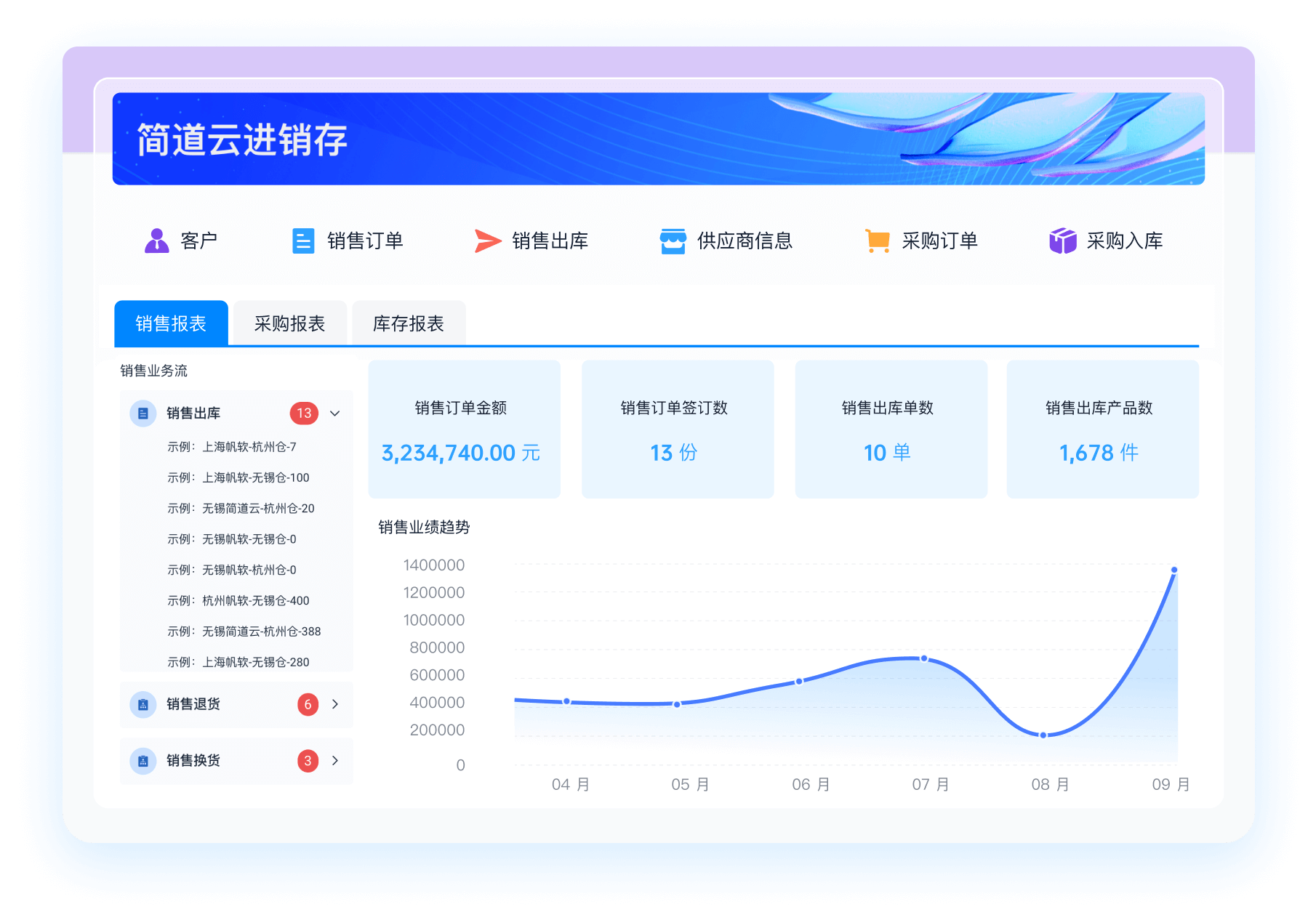
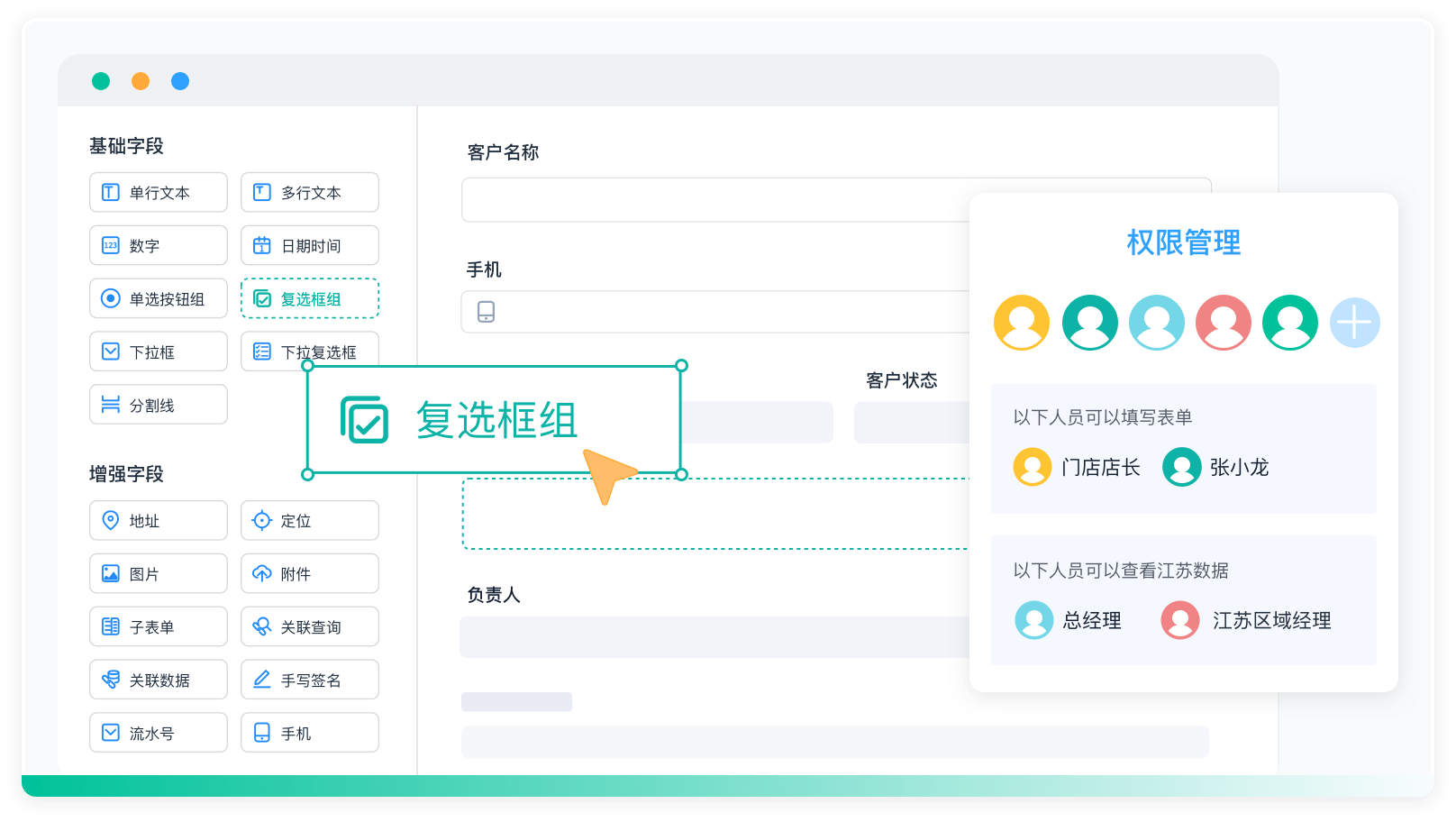
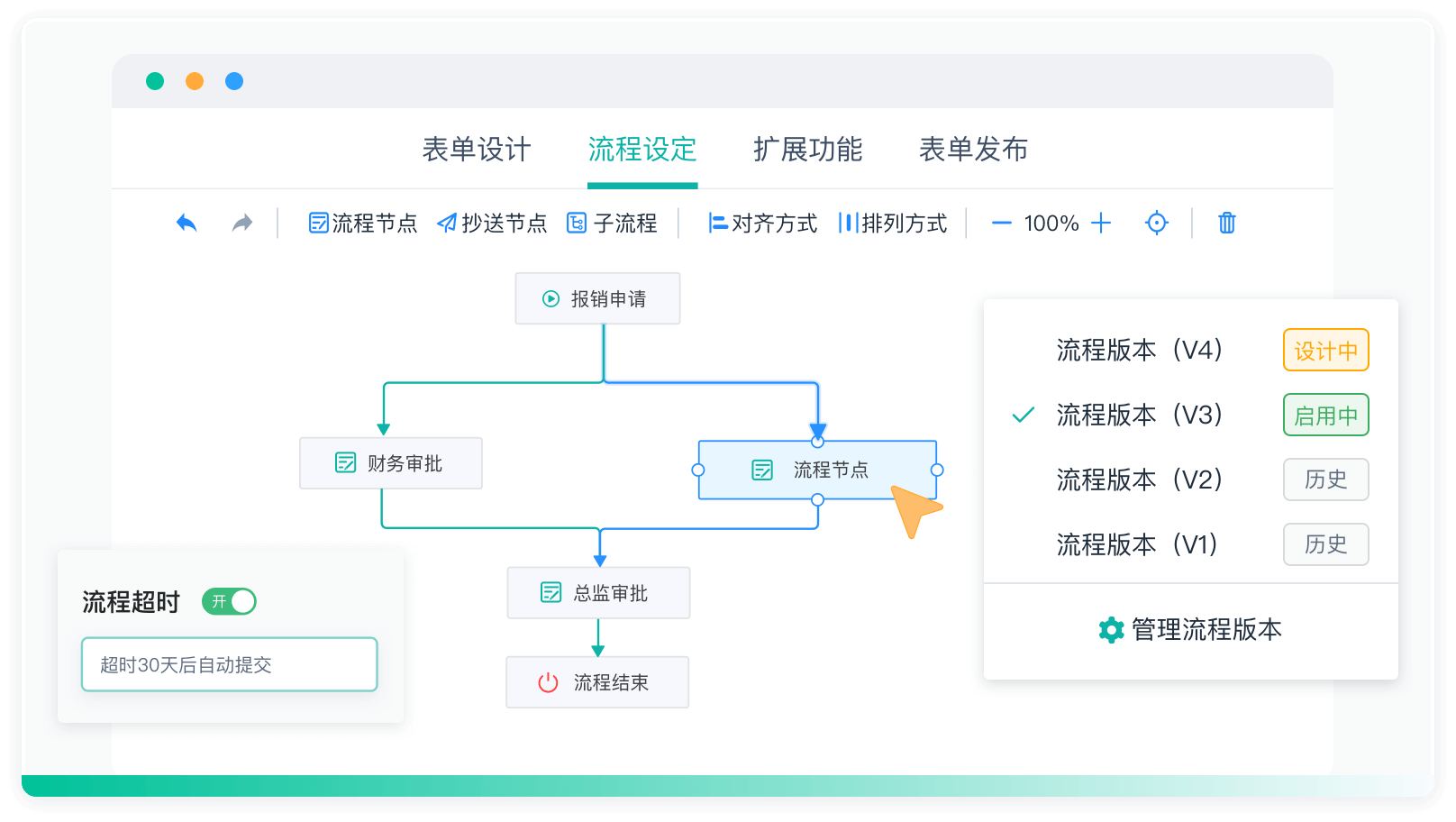
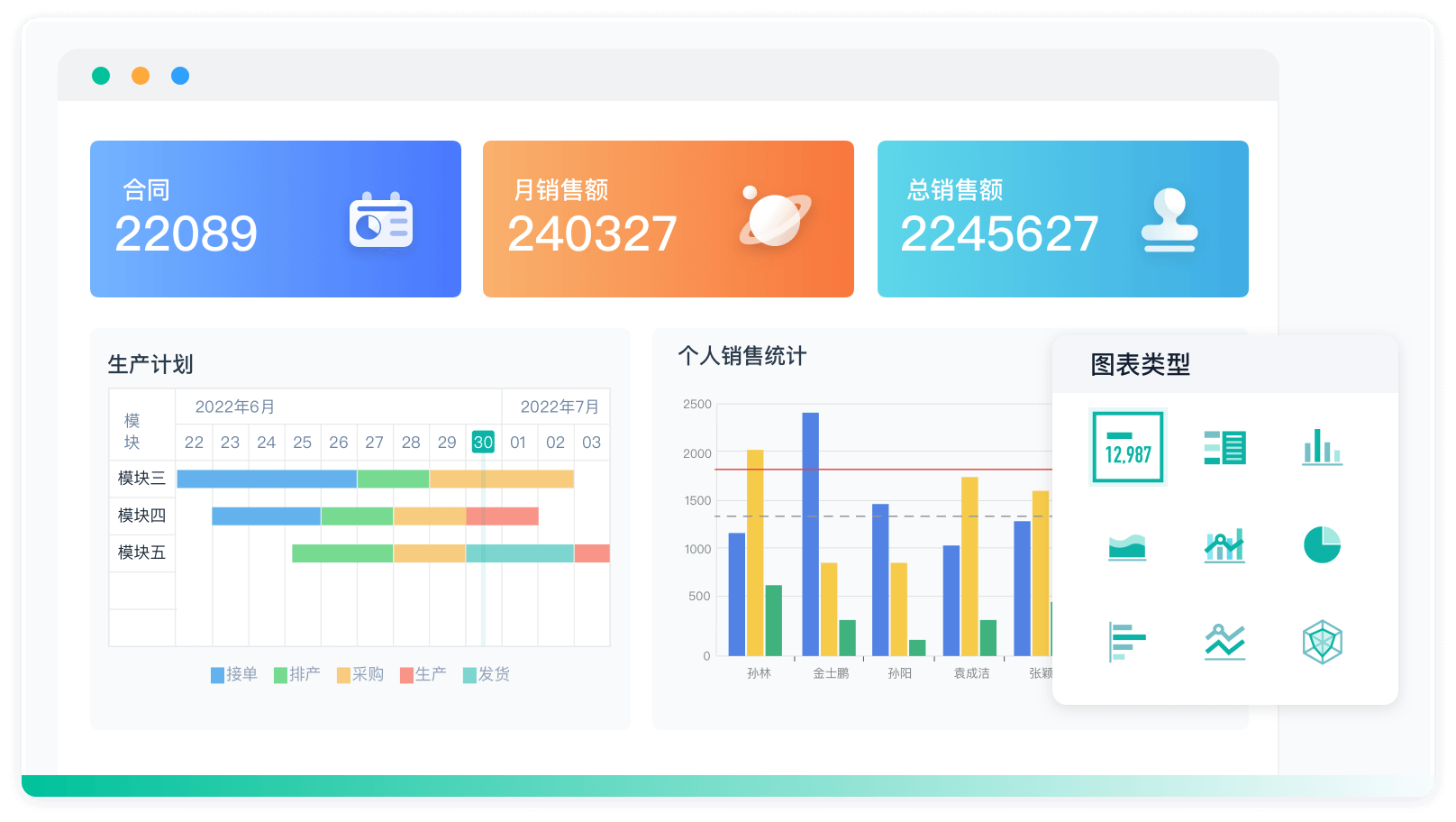
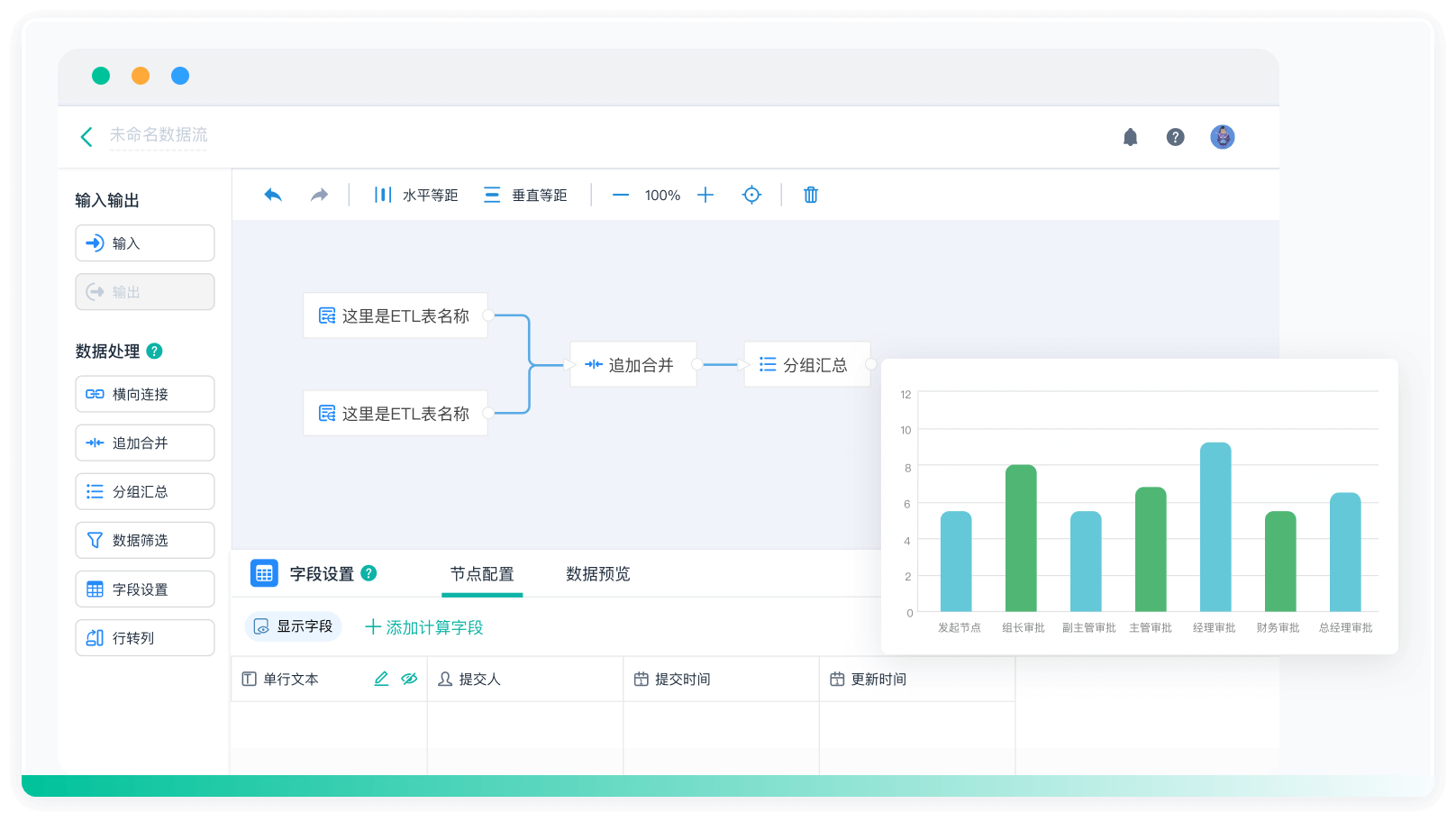
Several inventory management systems can help streamline inbound and outbound logistics. One notable example is the Jiandao Cloud WMS Warehouse Management System.
Jiandao Cloud WMS Warehouse Management System:
- Features:
- Real-time inventory tracking.
- Barcode and RFID integration.
- Comprehensive reporting and analytics.
- Benefits:
- Improved accuracy and efficiency in warehouse operations.
- Enhanced visibility into inventory levels and movements.
- Website: For more information, visit the official Jiandao Cloud WMS Warehouse Management System.
VI. CONCLUSION AND RECOMMENDATIONS
In conclusion, creating and maintaining accurate inbound and outbound inventory tables is crucial for effective warehouse management. By following the structured formats and best practices outlined, you can achieve greater inventory accuracy, efficiency, and customer satisfaction. Leveraging advanced tools like the Jiandao Cloud WMS Warehouse Management System can further enhance your warehouse operations.
Recommendations:
- Implement a robust WMS: Consider using a comprehensive WMS like Jiandao Cloud for integrated and automated inventory management.
- Regular Training: Continuously train your warehouse staff to ensure they are adept at using the latest technologies and following best practices.
- Continuous Improvement: Regularly review and update your inventory management processes to adapt to changing business needs and technological advancements.
By adopting these strategies, you can ensure your warehouse operations are efficient, accurate, and capable of meeting customer demands effectively.
相关问答FAQs:
在编写英文出入库表格时,需要确保表格能清晰地记录和呈现相关信息。以下是一些关键要素和样本格式,帮助您更好地制作出入库表格。
1. 出入库表格的基本结构是什么?
出入库表格通常包括以下几个基本部分:
- 日期 (Date):记录物品出入库的具体日期。
- 单号 (Document Number):每一笔出入库记录的唯一标识。
- 物品名称 (Item Name):具体的物品名称,便于识别。
- 规格型号 (Specification/Model):物品的具体型号或规格。
- 数量 (Quantity):出入库的数量。
- 入库/出库 (In/Out):标明是入库还是出库。
- 仓库位置 (Warehouse Location):物品存放的具体仓库位置。
- 操作人员 (Operator):执行出入库操作的人员姓名。
- 备注 (Remarks):其他需要记录的特殊信息。
2. 如何设计出入库表格的样式?
设计出入库表格时,可以使用电子表格软件(如Excel或Google Sheets)进行设计。以下是一个简单的表格样式示例:
| Date | Document Number | Item Name | Specification/Model | Quantity | In/Out | Warehouse Location | Operator | Remarks |
|---|---|---|---|---|---|---|---|---|
| 2023-10-01 | 001 | Widget A | Model X | 100 | In | Warehouse 1 | John Doe | Initial stock |
| 2023-10-02 | 002 | Widget B | Model Y | 50 | Out | Warehouse 1 | Jane Smith | Customer Order |
| 2023-10-03 | 003 | Widget C | Model Z | 200 | In | Warehouse 2 | John Doe | Supplier delivery |
3. 使用出入库表格的最佳实践是什么?
要有效使用出入库表格,以下是一些最佳实践:
- 定期更新:确保每次出入库操作后,及时更新表格,以保持数据的准确性和实时性。
- 数据备份:定期备份表格数据,以防止数据丢失。
- 清晰的命名规范:保持单号和物品名称的一致性,避免混淆。
- 培训操作人员:确保所有参与出入库操作的人员都了解表格的使用方法及重要性。
通过上述要素和结构,您可以制作出一份专业的英文出入库表格,以满足仓库管理的需求。
简道云WMS仓库管理系统模板:
无需下载,在线即可使用: https://s.fanruan.com/q6mjx;






























































 《零代码开发知识图谱》
 《零代码
新动能》案例集
《零代码
新动能》案例集
 《企业零代码系统搭建指南》