
 阅读时间:8 分钟
  浏览量:4245次


编写出入库代码的步骤如下:
1、确定需求和环境:首先,你需要明确你的出入库系统需要实现的功能和业务逻辑。比如,是否需要支持多仓库管理、是否需要记录每次出入库的时间和操作人员等。其次,选择合适的开发环境和工具,这可以是Java、Python、C#等编程语言以及相应的数据库管理系统。
2、设计数据库结构:在编写代码之前,设计一个合理的数据库结构是非常重要的。出入库系统通常需要以下几个基本的表:
– 仓库表(Warehouse):存储仓库的基本信息。
– 商品表(Product):存储商品的基本信息。
– 库存表(Inventory):记录每个商品在每个仓库中的数量。
– 出入库记录表(Transaction):记录每次出入库的详细信息。
3、编写代码实现业务逻辑:一旦数据库结构设计好,你就可以开始编写代码实现业务逻辑。主要包括以下几个模块:
– 商品入库:包括接收入库请求、验证商品信息、更新库存表、记录入库记录等。
– 商品出库:包括接收出库请求、验证库存、更新库存表、记录出库记录等。
– 库存查询:包括查询某个商品在某个仓库中的库存、查询某个仓库中的所有商品库存等。
以下是一个简化的入库和出库代码示例,假设使用Python和SQLite数据库:
import sqlite3
from datetime import datetime
连接数据库
conn = sqlite3.connect('warehouse.db')
cursor = conn.cursor()
创建表
cursor.execute('''
CREATE TABLE IF NOT EXISTS Warehouse (
    id INTEGER PRIMARY KEY,
    name TEXT
)
''')
cursor.execute('''
CREATE TABLE IF NOT EXISTS Product (
    id INTEGER PRIMARY KEY,
    name TEXT
)
''')
cursor.execute('''
CREATE TABLE IF NOT EXISTS Inventory (
    warehouse_id INTEGER,
    product_id INTEGER,
    quantity INTEGER,
    PRIMARY KEY (warehouse_id, product_id)
)
''')
cursor.execute('''
CREATE TABLE IF NOT EXISTS Transaction (
    id INTEGER PRIMARY KEY,
    warehouse_id INTEGER,
    product_id INTEGER,
    quantity INTEGER,
    type TEXT,
    timestamp TEXT
)
''')
入库函数
def add_stock(warehouse_id, product_id, quantity):
    cursor.execute('''
    INSERT OR REPLACE INTO Inventory (warehouse_id, product_id, quantity)
    VALUES (?, ?, COALESCE((SELECT quantity FROM Inventory WHERE warehouse_id = ? AND product_id = ?), 0) + ?)
    ''', (warehouse_id, product_id, warehouse_id, product_id, quantity))
    cursor.execute('''
    INSERT INTO Transaction (warehouse_id, product_id, quantity, type, timestamp)
    VALUES (?, ?, ?, 'IN', ?)
    ''', (warehouse_id, product_id, quantity, datetime.now().isoformat()))
    conn.commit()
出库函数
def remove_stock(warehouse_id, product_id, quantity):
    cursor.execute('''
    UPDATE Inventory
    SET quantity = quantity - ?
    WHERE warehouse_id = ? AND product_id = ? AND quantity >= ?
    ''', (quantity, warehouse_id, product_id, quantity))
    if cursor.rowcount == 0:
        raise ValueError("Insufficient stock")
    cursor.execute('''
    INSERT INTO Transaction (warehouse_id, product_id, quantity, type, timestamp)
    VALUES (?, ?, ?, 'OUT', ?)
    ''', (warehouse_id, product_id, quantity, datetime.now().isoformat()))
    conn.commit()
示例操作
add_stock(1, 1, 100)
remove_stock(1, 1, 50)
关闭连接
conn.close()
一、确定需求和环境
在实现出入库管理系统前,首先需要明确系统的需求和开发环境。需求主要包括是否支持多仓库管理、是否需要记录每次出入库的时间和操作人员等。开发环境可以选择Java、Python、C#等编程语言及相应的数据库管理系统。
二、设计数据库结构
设计一个合理的数据库结构是成功实现出入库管理系统的基础。数据库结构通常包括以下几张表:
- 仓库表(Warehouse):存储仓库的基本信息。
- 商品表(Product):存储商品的基本信息。
- 库存表(Inventory):记录每个商品在每个仓库中的数量。
- 出入库记录表(Transaction):记录每次出入库的详细信息。
三、编写代码实现业务逻辑
在数据库结构设计完毕后,可以开始编写代码实现业务逻辑。主要模块包括:
- 商品入库:接收入库请求、验证商品信息、更新库存表、记录入库记录等。
- 商品出库:接收出库请求、验证库存、更新库存表、记录出库记录等。
- 库存查询:查询某个商品在某个仓库中的库存、查询某个仓库中的所有商品库存等。
四、示例代码
以下是简化的入库和出库代码示例,假设使用Python和SQLite数据库:
import sqlite3
from datetime import datetime
连接数据库
conn = sqlite3.connect('warehouse.db')
cursor = conn.cursor()
创建表
cursor.execute('''
CREATE TABLE IF NOT EXISTS Warehouse (
    id INTEGER PRIMARY KEY,
    name TEXT
)
''')
cursor.execute('''
CREATE TABLE IF NOT EXISTS Product (
    id INTEGER PRIMARY KEY,
    name TEXT
)
''')
cursor.execute('''
CREATE TABLE IF NOT EXISTS Inventory (
    warehouse_id INTEGER,
    product_id INTEGER,
    quantity INTEGER,
    PRIMARY KEY (warehouse_id, product_id)
)
''')
cursor.execute('''
CREATE TABLE IF NOT EXISTS Transaction (
    id INTEGER PRIMARY KEY,
    warehouse_id INTEGER,
    product_id INTEGER,
    quantity INTEGER,
    type TEXT,
    timestamp TEXT
)
''')
入库函数
def add_stock(warehouse_id, product_id, quantity):
    cursor.execute('''
    INSERT OR REPLACE INTO Inventory (warehouse_id, product_id, quantity)
    VALUES (?, ?, COALESCE((SELECT quantity FROM Inventory WHERE warehouse_id = ? AND product_id = ?), 0) + ?)
    ''', (warehouse_id, product_id, warehouse_id, product_id, quantity))
    cursor.execute('''
    INSERT INTO Transaction (warehouse_id, product_id, quantity, type, timestamp)
    VALUES (?, ?, ?, 'IN', ?)
    ''', (warehouse_id, product_id, quantity, datetime.now().isoformat()))
    conn.commit()
出库函数
def remove_stock(warehouse_id, product_id, quantity):
    cursor.execute('''
    UPDATE Inventory
    SET quantity = quantity - ?
    WHERE warehouse_id = ? AND product_id = ? AND quantity >= ?
    ''', (quantity, warehouse_id, product_id, quantity))
    if cursor.rowcount == 0:
        raise ValueError("Insufficient stock")
    cursor.execute('''
    INSERT INTO Transaction (warehouse_id, product_id, quantity, type, timestamp)
    VALUES (?, ?, ?, 'OUT', ?)
    ''', (warehouse_id, product_id, quantity, datetime.now().isoformat()))
    conn.commit()
示例操作
add_stock(1, 1, 100)
remove_stock(1, 1, 50)
关闭连接
conn.close()
五、总结与建议
本文详细介绍了出入库管理系统的实现步骤,从需求分析、数据库设计到代码实现。通过合理的数据库结构和清晰的业务逻辑,可以确保系统的稳定性和可扩展性。在实际应用中,可以根据业务需求进行进一步的优化和扩展,例如增加用户权限管理、数据备份和恢复等功能。
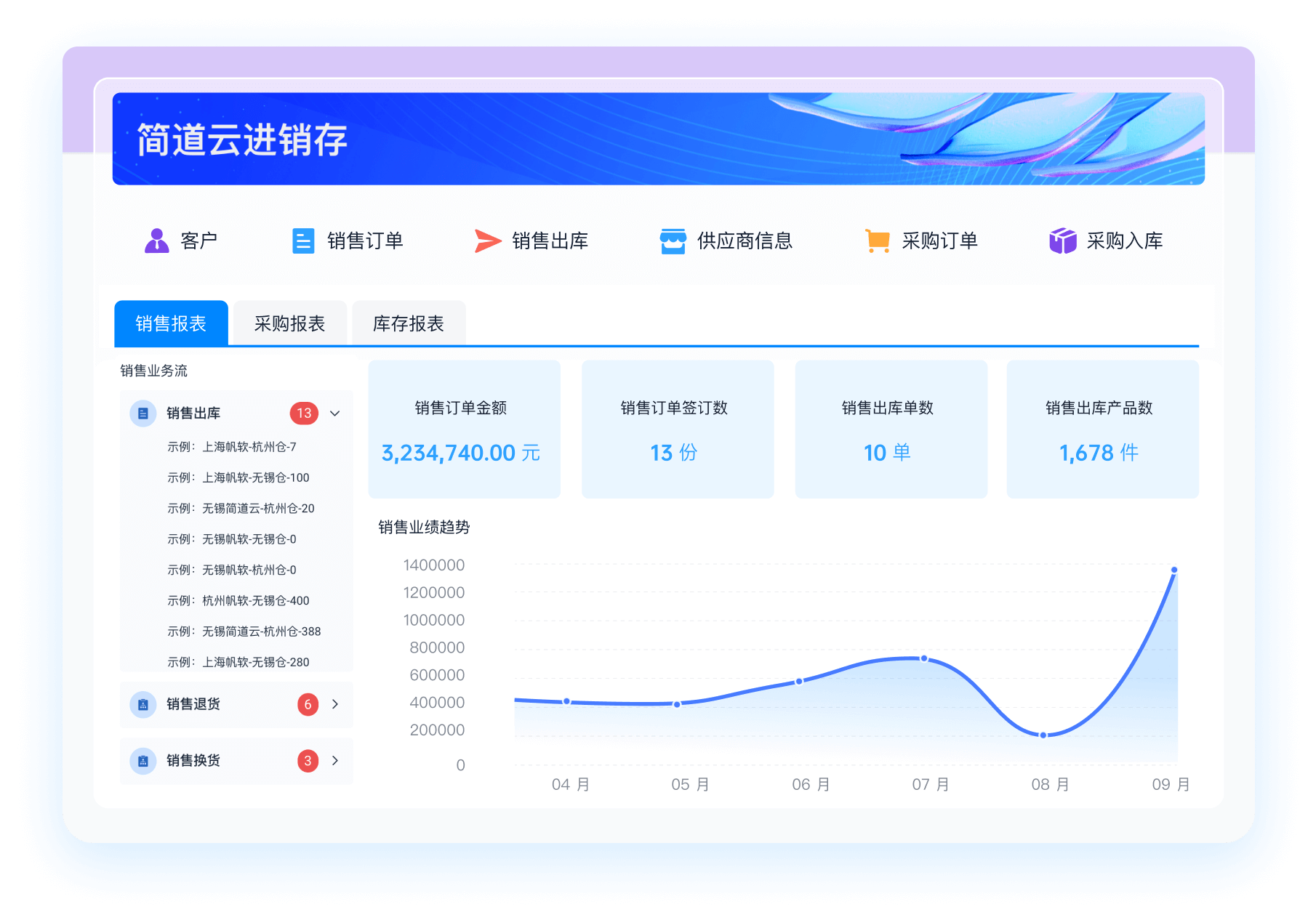
对于进一步的理解和应用,可以参考简道云WMS仓库管理系统模板:https://s.fanruan.com/q6mjx。该模板提供了更加完善的功能和更高的可定制性,可以作为一个很好的参考和起点。
相关问答FAQs:
在编写出入库管理系统的代码时,需要考虑多个方面,包括数据存储、用户交互、库存管理等。下面将详细说明如何实现一个简单的出入库管理系统的代码示例。
1. 需求分析
在实现出入库管理系统之前,需要明确系统的基本功能需求:
- 库存管理:能够查看当前库存情况。
- 出库管理:记录出库信息,减少库存数量。
- 入库管理:记录入库信息,增加库存数量。
- 数据持久化:使用数据库存储库存信息。
2. 技术选型
可以使用多种技术来实现出入库管理系统。以下是常见的技术选型:
- 前端:HTML、CSS、JavaScript(可以使用框架如React、Vue等)
- 后端:Python(Flask或Django)、Java(Spring Boot)、Node.js等
- 数据库:MySQL、MongoDB、SQLite等
3. 数据库设计
在数据库中,可以设计一个简单的表结构来存储库存信息。以下是一个示例的库存表:
CREATE TABLE inventory (
    id INT AUTO_INCREMENT PRIMARY KEY,
    product_name VARCHAR(100) NOT NULL,
    quantity INT NOT NULL
);
4. 后端代码示例
以下是使用Python Flask框架的后端代码示例,包括入库和出库的处理逻辑。
from flask import Flask, request, jsonify
from flask_sqlalchemy import SQLAlchemy

app = Flask(__name__)
app.config['SQLALCHEMY_DATABASE_URI'] = 'sqlite:///inventory.db'
db = SQLAlchemy(app)

class Inventory(db.Model):
    id = db.Column(db.Integer, primary_key=True)
    product_name = db.Column(db.String(100), nullable=False)
    quantity = db.Column(db.Integer, nullable=False)

@app.route('/add', methods=['POST'])
def add_inventory():
    data = request.json
    product_name = data['product_name']
    quantity = data['quantity']

    item = Inventory.query.filter_by(product_name=product_name).first()
    if item:
        item.quantity += quantity
    else:
        item = Inventory(product_name=product_name, quantity=quantity)
        db.session.add(item)

    db.session.commit()
    return jsonify({'message': 'Inventory updated successfully.'}), 200

@app.route('/remove', methods=['POST'])
def remove_inventory():
    data = request.json
    product_name = data['product_name']
    quantity = data['quantity']

    item = Inventory.query.filter_by(product_name=product_name).first()
    if item and item.quantity >= quantity:
        item.quantity -= quantity
        db.session.commit()
        return jsonify({'message': 'Inventory decremented successfully.'}), 200
    else:
        return jsonify({'message': 'Not enough inventory or product not found.'}), 404

@app.route('/inventory', methods=['GET'])
def get_inventory():
    items = Inventory.query.all()
    inventory_list = [{'product_name': item.product_name, 'quantity': item.quantity} for item in items]
    return jsonify(inventory_list), 200

if __name__ == '__main__':
    db.create_all()
    app.run(debug=True)
5. 前端代码示例
以下是使用HTML和JavaScript的简单前端代码示例,用于与后端进行交互。
<!DOCTYPE html>
<html lang="en">
<head>
    <meta charset="UTF-8">
    <meta name="viewport" content="width=device-width, initial-scale=1.0">
    <title>Inventory Management</title>
</head>
<body>
    <h1>Inventory Management System</h1>

    <h2>Add Inventory</h2>
    <input type="text" id="addProductName" placeholder="Product Name">
    <input type="number" id="addQuantity" placeholder="Quantity">
    <button onclick="addInventory()">Add</button>

    <h2>Remove Inventory</h2>
    <input type="text" id="removeProductName" placeholder="Product Name">
    <input type="number" id="removeQuantity" placeholder="Quantity">
    <button onclick="removeInventory()">Remove</button>

    <h2>Current Inventory</h2>
    <button onclick="getInventory()">Refresh</button>
    <ul id="inventoryList"></ul>

    <script>
        async function addInventory() {
            const productName = document.getElementById('addProductName').value;
            const quantity = parseInt(document.getElementById('addQuantity').value);
            const response = await fetch('/add', {
                method: 'POST',
                headers: { 'Content-Type': 'application/json' },
                body: JSON.stringify({ product_name: productName, quantity: quantity })
            });
            const result = await response.json();
            alert(result.message);
            getInventory();
        }

        async function removeInventory() {
            const productName = document.getElementById('removeProductName').value;
            const quantity = parseInt(document.getElementById('removeQuantity').value);
            const response = await fetch('/remove', {
                method: 'POST',
                headers: { 'Content-Type': 'application/json' },
                body: JSON.stringify({ product_name: productName, quantity: quantity })
            });
            const result = await response.json();
            alert(result.message);
            getInventory();
        }

        async function getInventory() {
            const response = await fetch('/inventory');
            const inventory = await response.json();
            const inventoryList = document.getElementById('inventoryList');
            inventoryList.innerHTML = '';
            inventory.forEach(item => {
                const li = document.createElement('li');
                li.textContent = `${item.product_name}: ${item.quantity}`;
                inventoryList.appendChild(li);
            });
        }
    </script>
</body>
</html>
6. 总结
以上代码实现了一个简单的出入库管理系统。后端使用Flask框架处理请求,前端使用HTML和JavaScript与后端进行交互。通过这个系统,用户能够方便地进行库存管理,包括入库和出库操作。
在实际项目中,可以考虑增加更多的功能和优化,例如用户权限管理、数据统计分析、定时任务等。希望这个简单的示例能够为您提供一个良好的出发点。
额外资源
简道云WMS仓库管理系统模板:
无需下载,在线即可使用: https://s.fanruan.com/q6mjx;
这种系统的实现可以根据具体业务需求不断迭代和优化,确保其适应性和可扩展性。






























































 《零代码开发知识图谱》
 《零代码
新动能》案例集
《零代码
新动能》案例集
 《企业零代码系统搭建指南》