
 阅读时间:5 分钟
  浏览量:7377次


1、QuickBooks 2、Xero 3、FreshBooks are among the best financial software options available in English. These platforms offer comprehensive tools and features to manage finances efficiently, catering to various business needs. QuickBooks is renowned for its user-friendly interface and extensive features. Xero is appreciated for its flexibility and seamless integration capabilities, making it ideal for small to medium-sized businesses. FreshBooks is noted for its excellent invoicing and client management features, appealing to freelancers and small business owners.
I、QuickBooks: A Comprehensive Financial Solution
QuickBooks stands out as one of the most popular financial software solutions for several reasons:
-
User-Friendly Interface:
- Easy navigation and intuitive design make it accessible even for those with limited accounting knowledge.
- Step-by-step tutorials and support resources are available to assist users.
-
Comprehensive Features:
- Includes invoicing, expense tracking, payroll management, and tax preparation.
- Offers real-time financial reporting and analytics.
-
Scalability:
- Suitable for small businesses and can scale up to meet the needs of larger enterprises.
- Different pricing tiers allow businesses to choose the package that best fits their requirements.
-
Integration Capabilities:
- Integrates with a wide range of third-party applications, such as payment processors, CRM systems, and e-commerce platforms.
- Enhances functionality and provides a holistic view of business operations.
II、Xero: Flexibility and Seamless Integration
Xero is another top contender in the financial software market, known for its versatility and integration options:
-
Cloud-Based Platform:
- Allows access from anywhere with an internet connection, providing flexibility for remote work.
- Regular updates and backups ensure data security and availability.
-
Integration with Third-Party Apps:
- Connects with over 800 business applications, including payment gateways, inventory management systems, and more.
- Streamlines workflow and improves efficiency.
-
User-Friendly Design:
- Clean and modern interface simplifies navigation and use.
- User guides and community support are readily available.
-
Multi-Currency Support:
- Ideal for businesses operating internationally, as it handles multiple currencies seamlessly.
- Provides real-time currency conversion and financial reporting.
III、FreshBooks: Ideal for Freelancers and Small Business Owners
FreshBooks is particularly well-suited for freelancers and small business owners due to its focus on invoicing and client management:
-
Invoicing Capabilities:
- Customizable invoices with professional templates.
- Automated invoicing and payment reminders reduce administrative tasks.
-
Expense Tracking:
- Simplified expense recording through receipt capture and categorization.
- Provides insights into spending patterns and helps manage budgets.
-
Time Tracking:
- Built-in time tracking feature for billing clients accurately.
- Allows for easy conversion of tracked time into invoices.
-
Client Management:
- Centralized client information and communication history.
- Enhances customer relationship management and improves client satisfaction.
IV、Comparison of Key Features
| Feature | QuickBooks | Xero | FreshBooks |
|---|---|---|---|
| User Interface | User-friendly | Clean and modern | Intuitive and simple |
| Invoicing | Comprehensive | Good | Excellent |
| Expense Tracking | Extensive | Robust | Simplified |
| Payroll Management | Available | Available | Limited |
| Integration | Extensive | Very extensive | Good |
| Multi-Currency Support | Yes | Yes | Limited |
| Scalability | High | High | Moderate |
| Best For | Small to large businesses | Small to medium-sized businesses | Freelancers, small businesses |
V、Factors to Consider When Choosing Financial Software
When selecting the right financial software, consider the following factors:
-
Business Size and Needs:
- Evaluate the scale of your business and specific financial management needs.
- Choose software that aligns with your growth plans.
-
Budget:
- Determine your budget for financial software.
- Compare pricing plans and features to find the best value.
-
Ease of Use:
- Consider the learning curve and user experience.
- Opt for software with a user-friendly interface and good customer support.
-
Integration Requirements:
- Assess the need for integration with other business tools.
- Ensure the software can connect with existing systems.
-
Security and Compliance:
- Verify the software’s data security measures and compliance with regulations.
- Choose a platform with robust security protocols.
VI、Conclusion and Recommendations
In conclusion, QuickBooks, Xero, and FreshBooks are excellent financial software options for English-speaking users, each catering to different business needs. QuickBooks is ideal for businesses of all sizes due to its comprehensive features and scalability. Xero offers flexibility and extensive integration capabilities, making it perfect for small to medium-sized enterprises. FreshBooks excels in invoicing and client management, making it a great choice for freelancers and small business owners.
Recommendations:
- Small to Medium-Sized Businesses: Consider QuickBooks or Xero for their robust features and scalability.
- Freelancers and Small Business Owners: FreshBooks is highly recommended for its ease of use and invoicing capabilities.
- Businesses with International Operations: Xero is ideal due to its multi-currency support and extensive integrations.
For those looking to streamline their financial management processes, exploring these software options and selecting the one that best fits your specific requirements will ensure efficiency and accuracy in your financial operations.
相关问答FAQs:
Which is the Best English Financial Software?
In today’s fast-paced business environment, choosing the right financial software can significantly impact your company’s efficiency and profitability. Various options are available, each catering to different needs and preferences. Here’s a look at some of the top English financial software that stands out in the market.
-
QuickBooks Online
QuickBooks Online is a widely recognized financial software solution, particularly popular among small and medium-sized businesses. Its user-friendly interface allows users to manage invoicing, payroll, expenses, and financial reporting seamlessly. The software offers robust integrations with various applications, which enhances its functionality. Additionally, QuickBooks Online provides cloud-based access, allowing users to work from anywhere, making it a flexible option for businesses with remote teams. -
Xero
Xero is another top contender in the financial software arena. Known for its intuitive design and comprehensive features, Xero provides tools for invoicing, bank reconciliation, inventory management, and financial reporting. One of its standout features is the ability to collaborate with multiple users in real-time, enabling teams to work together more effectively. Xero also integrates with a multitude of third-party applications, providing businesses with the flexibility to tailor their financial management systems to their specific needs. -
FreshBooks
FreshBooks is tailored for service-based businesses that require efficient invoicing and time-tracking capabilities. Its straightforward interface allows users to create professional invoices, track billable hours, and manage client relationships effortlessly. FreshBooks also offers reporting features that help users gain insights into their financial health. The software’s mobile app enables users to manage their finances on the go, making it an excellent choice for freelancers and small business owners.
What Features Should You Look for in Financial Software?
When considering financial software, it’s essential to evaluate specific features to ensure it meets your business needs. Here are some critical features to look out for:
-
User-Friendly Interface
A software with a clean and intuitive interface will save you time and reduce the learning curve for your team. An easy-to-navigate platform allows users to focus on their tasks rather than struggling with the software. -
Customizable Reporting Tools
Robust reporting tools enable businesses to generate customized reports that can provide insights into financial performance. Look for software that allows you to tailor reports according to your specific metrics and KPIs. -
Integration Capabilities
The ability to integrate with other applications is crucial for seamless data flow. Check if the software can connect with other tools you already use, such as CRM systems, e-commerce platforms, or payroll services. -
Mobile Access
In the modern business landscape, mobile access is increasingly important. Financial software with mobile applications allows users to manage their finances on the go, ensuring that they can stay updated wherever they are. -
Multi-Currency Support
For businesses operating globally, having multi-currency support is essential. This feature allows users to manage transactions in various currencies, making it easier to work with international clients and suppliers. -
Customer Support
Reliable customer support can be a lifesaver when you encounter issues or have questions about the software. Look for software providers that offer extensive support options, including live chat, phone support, and comprehensive online resources.
How Do I Choose the Right Financial Software for My Business?
Selecting the right financial software involves a systematic approach to ensure you find a solution that aligns with your business requirements. Consider the following steps:
-
Assess Your Business Needs
Start by analyzing your current financial processes and identifying areas for improvement. Determine what features are critical for your business and prioritize them. For example, if invoicing is a significant part of your operations, look for software that excels in that area. -
Set a Budget
Establishing a budget is crucial. Financial software can vary significantly in price, so knowing what you can afford will help narrow down your options. Consider not only the upfront costs but also any ongoing subscription fees. -
Research Options
Conduct thorough research on various financial software solutions. Read reviews, explore feature lists, and compare pricing structures. Websites that aggregate software reviews can provide valuable insights from real users. -
Take Advantage of Free Trials
Many financial software providers offer free trials, allowing you to test the software before making a commitment. Take advantage of these trials to assess usability, functionality, and whether the software meets your needs. -
Involve Your Team
If you have a team, involve them in the decision-making process. Gathering feedback from users who will be interacting with the software daily will provide insights into what features are essential and whether the software is user-friendly. -
Consider Scalability
As your business grows, your financial software should be able to grow with you. Look for solutions that offer scalable features and pricing plans that can accommodate your expanding needs.
What Are the Benefits of Using Financial Software?
Utilizing financial software can revolutionize how businesses manage their finances. Here are some of the key benefits:
-
Increased Efficiency
Automating financial processes reduces the time spent on manual tasks, allowing your team to focus on more strategic initiatives. Features like automated invoicing and expense tracking streamline operations and improve overall productivity. -
Enhanced Accuracy
Financial software minimizes the risk of human error in calculations and data entry. Automated processes ensure that transactions are recorded correctly, leading to more accurate financial reporting. -
Real-Time Financial Insights
Access to real-time data allows businesses to make informed decisions quickly. Financial software provides dashboards and reporting tools that give a clear view of your financial health at any given moment. -
Improved Compliance
Keeping track of financial regulations and compliance requirements can be challenging. Many financial software solutions are designed to help businesses maintain compliance, offering features that ensure accurate record-keeping and reporting. -
Better Cash Flow Management
Financial software aids in tracking income and expenses, allowing businesses to manage cash flow effectively. This visibility enables better forecasting and planning for future financial needs. -
Streamlined Collaboration
With cloud-based financial software, multiple users can access and collaborate on financial data simultaneously. This promotes better communication among team members and ensures that everyone is on the same page.
What Are Some Common Mistakes to Avoid When Choosing Financial Software?
Selecting financial software is a significant decision, and avoiding common pitfalls can save you time and resources. Here are some mistakes to steer clear of:
-
Ignoring User Feedback
Failing to consider the opinions of team members who will use the software can lead to dissatisfaction. Engage your team in discussions and gather their input on what features are important to them. -
Overlooking Training Needs
Implementing new software often requires training to ensure that your team can use it effectively. Overlooking this aspect can lead to underutilization of the software and hinder its benefits. -
Focusing Solely on Price
While budget is an essential factor, focusing solely on cost can lead to compromised quality. Consider the value and features the software provides in relation to its price. -
Neglecting Future Growth
Choosing software that meets your current needs but does not allow for future growth can be detrimental. Evaluate the scalability of the software and whether it can adapt to your changing business requirements. -
Disregarding Security Features
Financial data is sensitive, and security should be a top priority when selecting software. Ensure that the software provider follows industry-standard security protocols to protect your data. -
Rushing the Decision
Taking the time to evaluate your options thoroughly is crucial. Rushing the decision can lead to choosing software that may not be the best fit for your business, resulting in wasted time and resources.
Conclusion
Selecting the right English financial software can make a significant difference in how your business manages its finances. With numerous options available, it’s essential to assess your business needs, evaluate features, and consider factors like ease of use, integration capabilities, and scalability. By doing so, you can find a solution that not only streamlines your financial processes but also supports your business’s growth and success.
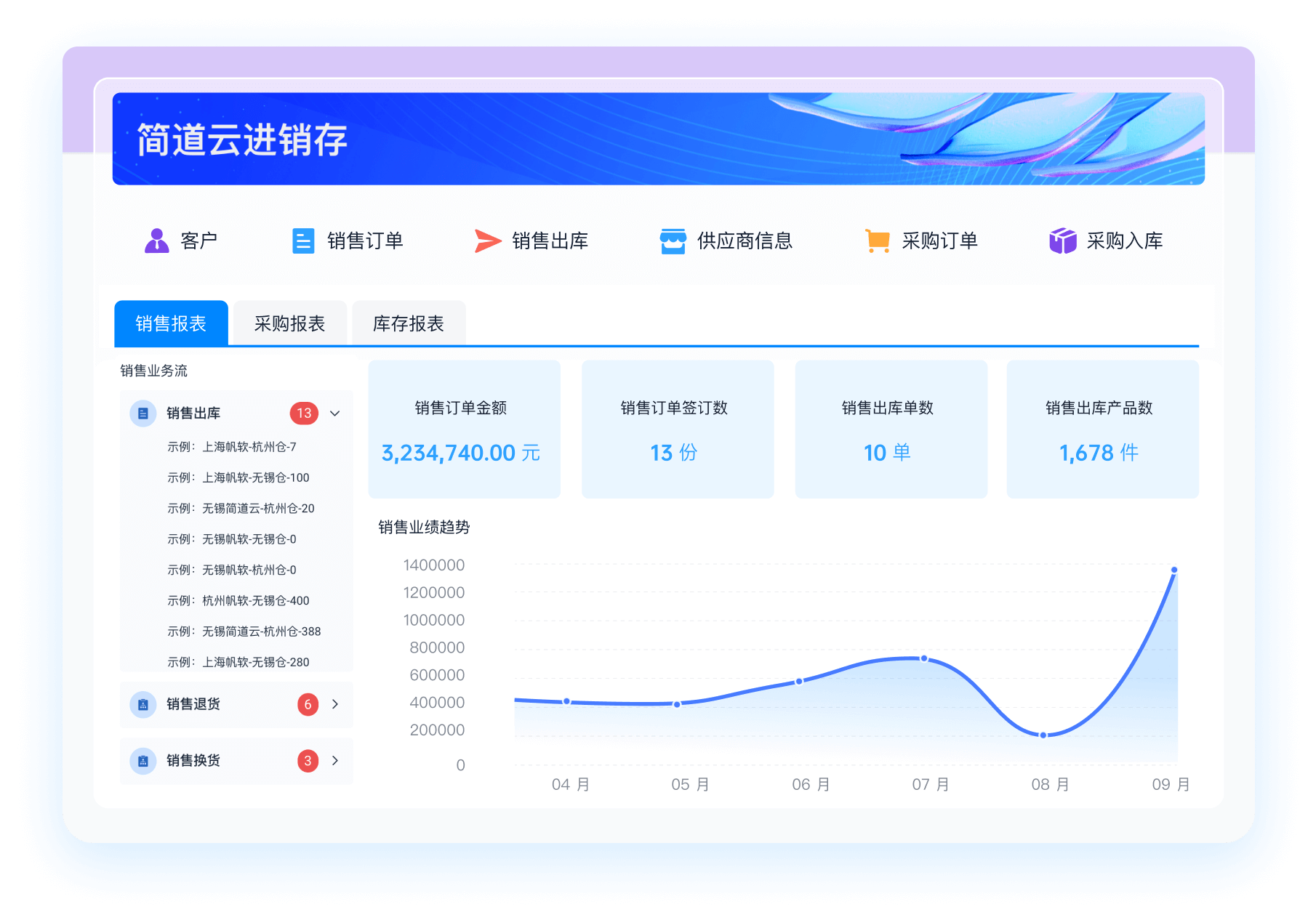
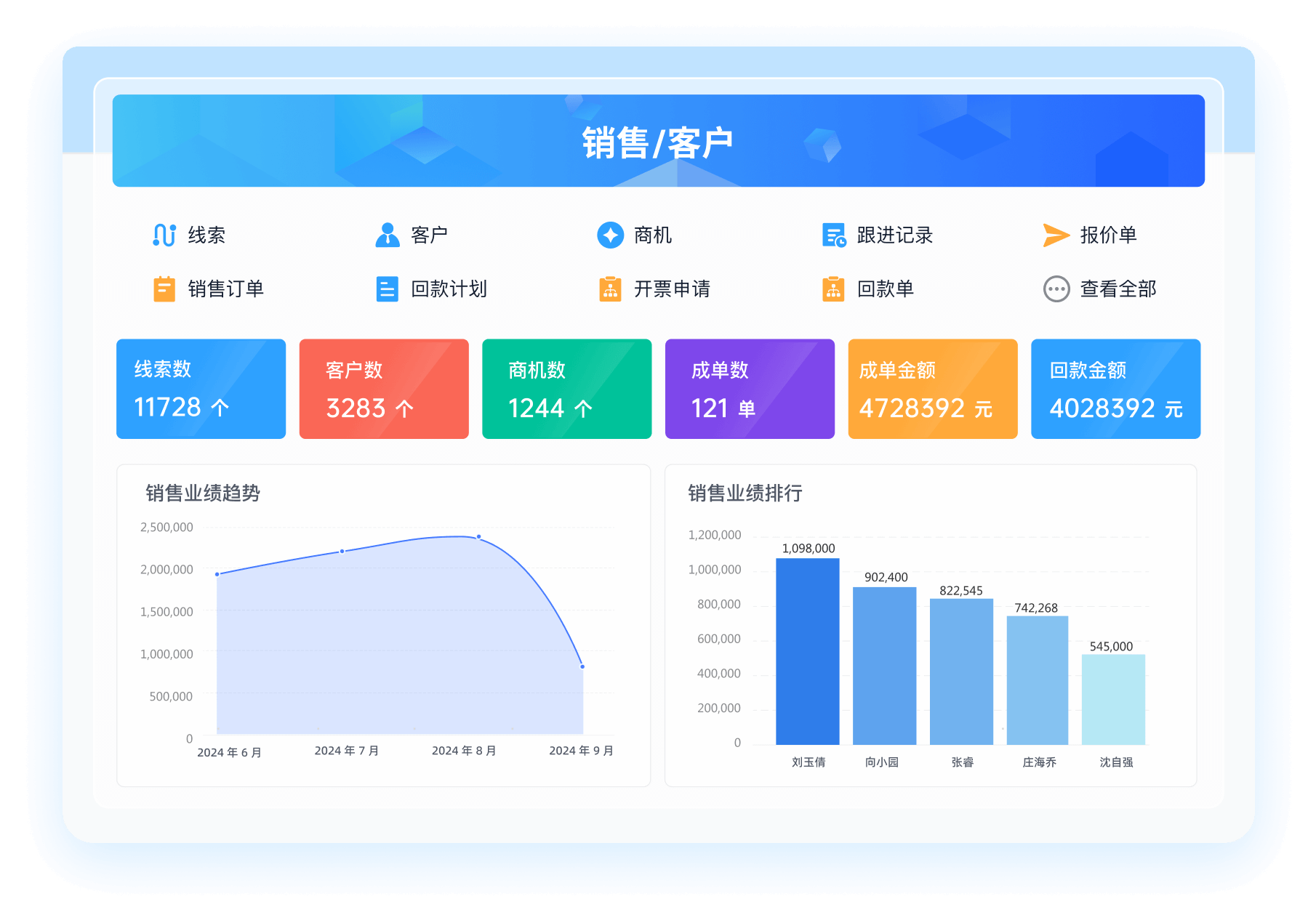
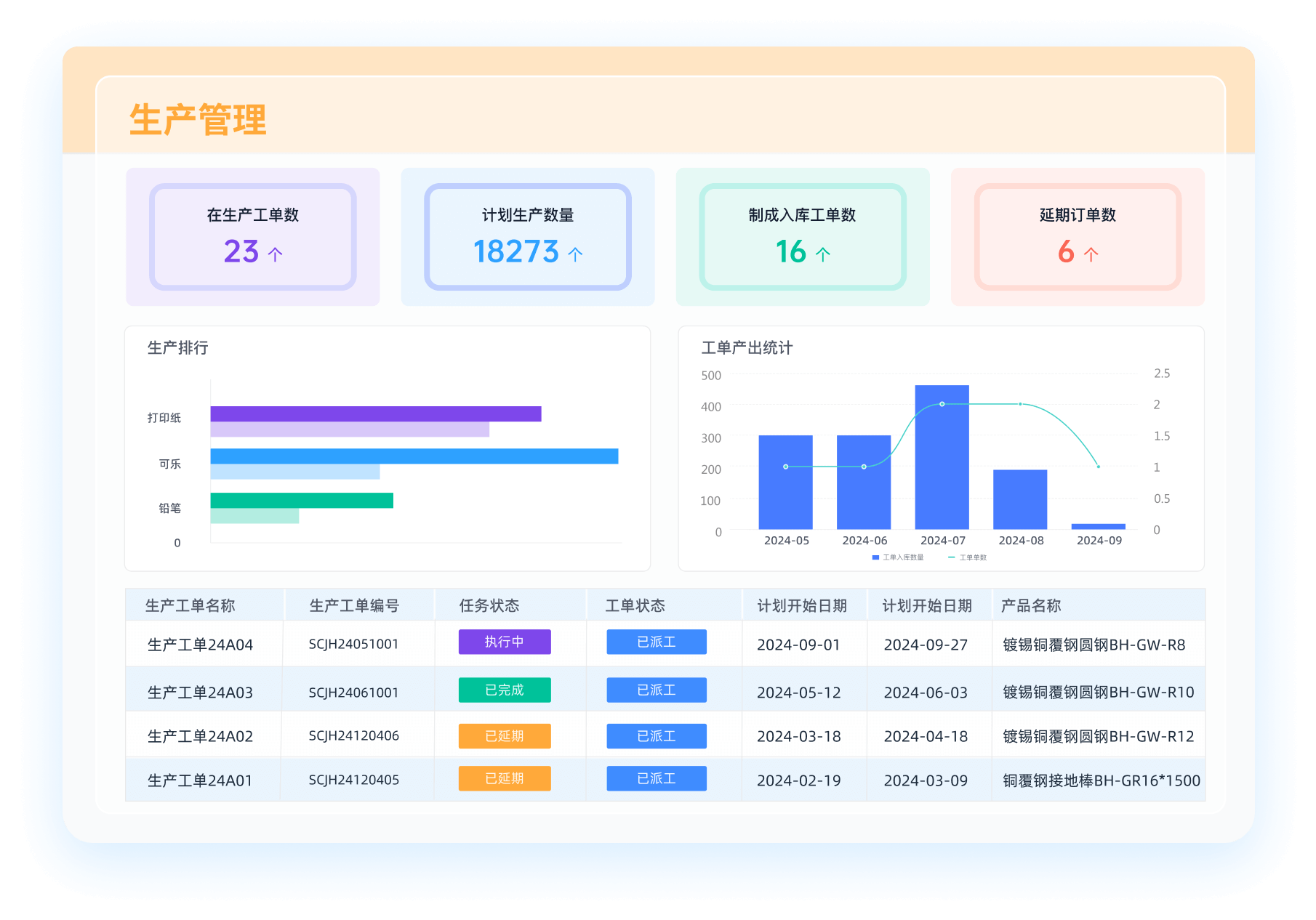
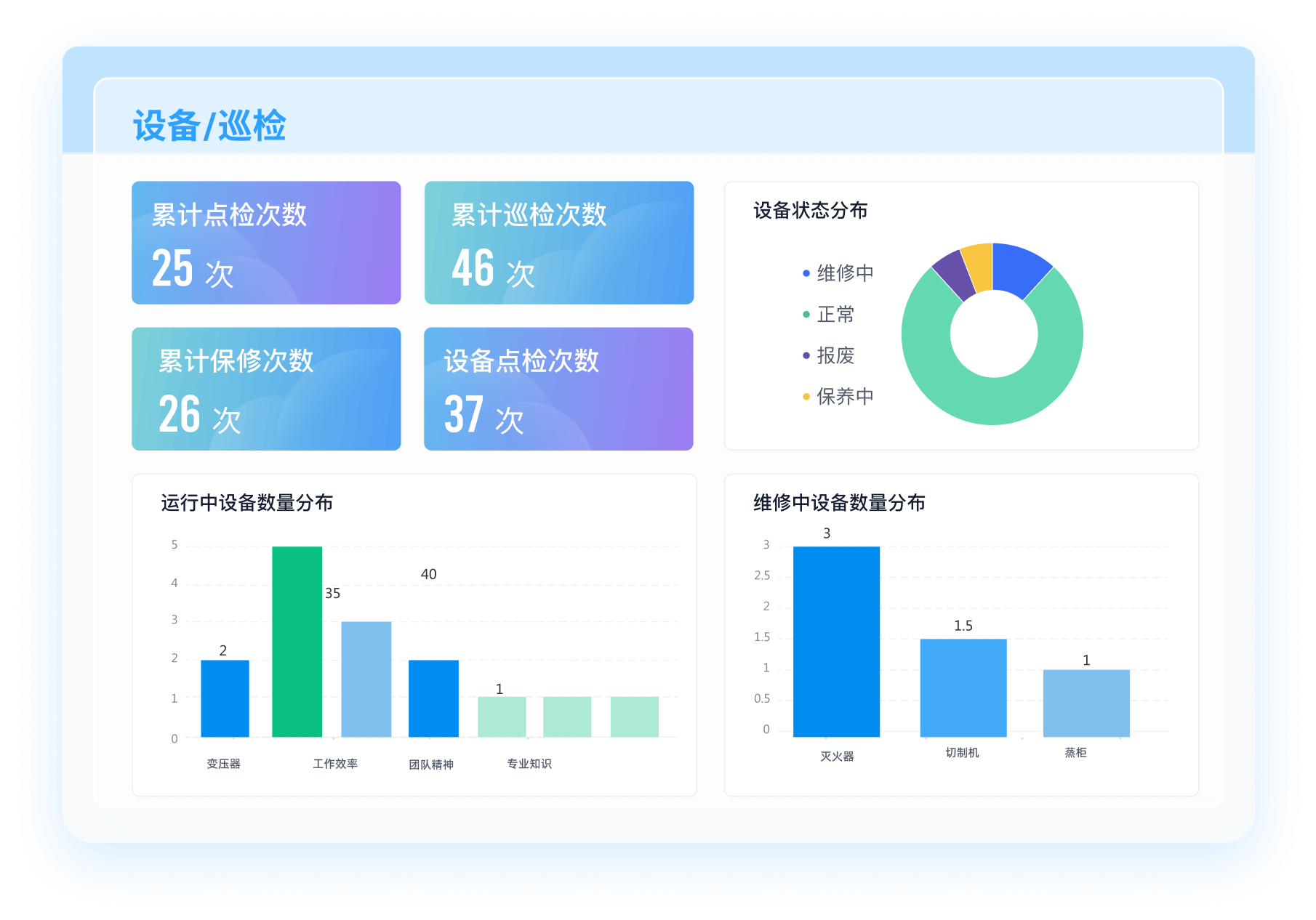
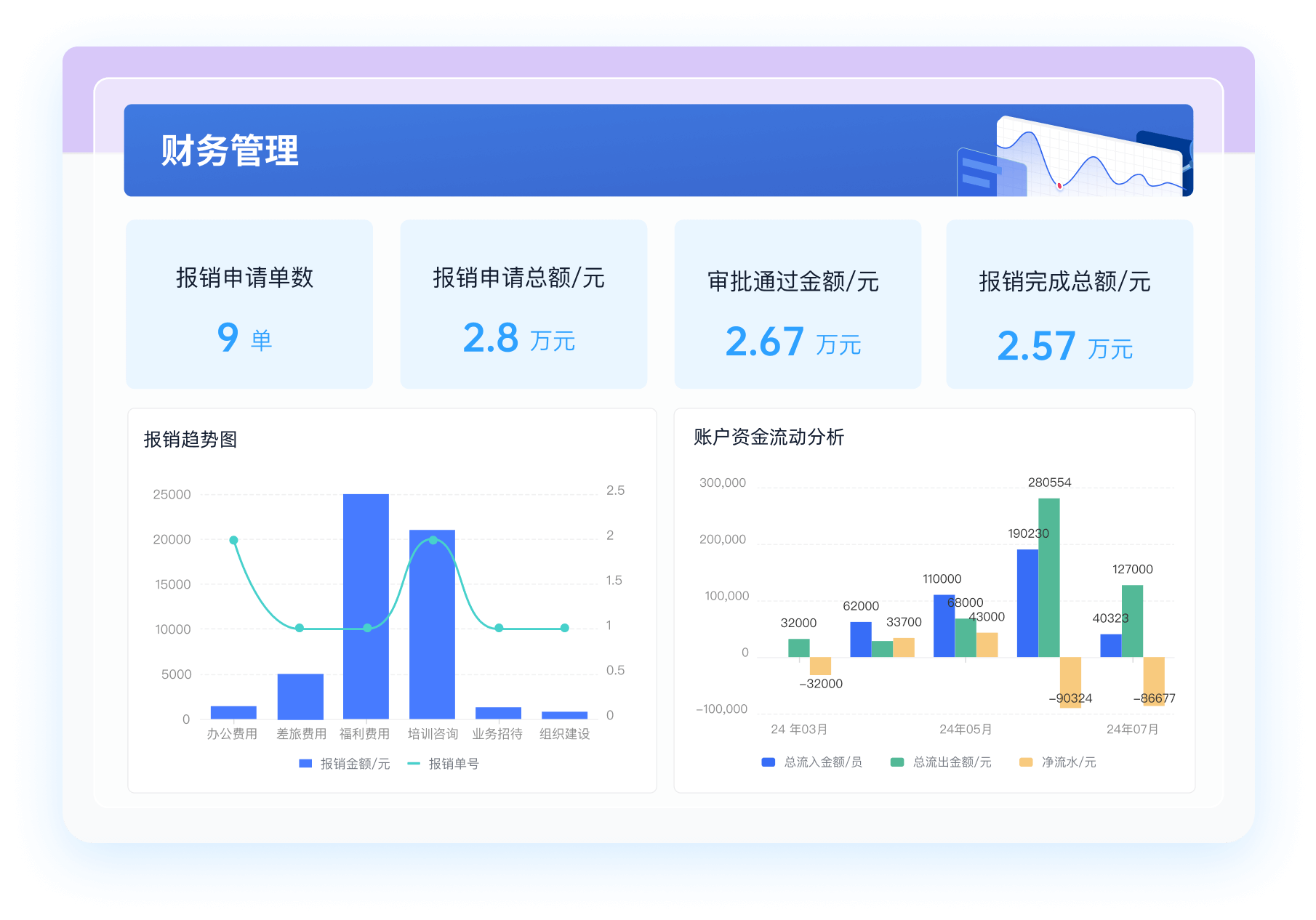
简道云财务管理模板: https://s.fanruan.com/a2orj;
无需下载,在线即可使用

































































 《零代码开发知识图谱》
 《零代码
新动能》案例集
《零代码
新动能》案例集
 《企业零代码系统搭建指南》