
 阅读时间:5 分钟
  浏览量:554次


How to Manage Projects in English
1. Define Project Scope and Objectives: A clear understanding of the project scope and objectives is essential. This involves detailing what the project aims to achieve, its boundaries, and deliverables.
2. Create a Project Plan: Develop a comprehensive project plan that outlines the tasks, timelines, resources, and milestones. This plan acts as a roadmap guiding the project from start to finish.
3. Allocate Resources: Identify and assign the necessary resources, including team members, tools, and budget, to ensure the project runs smoothly.
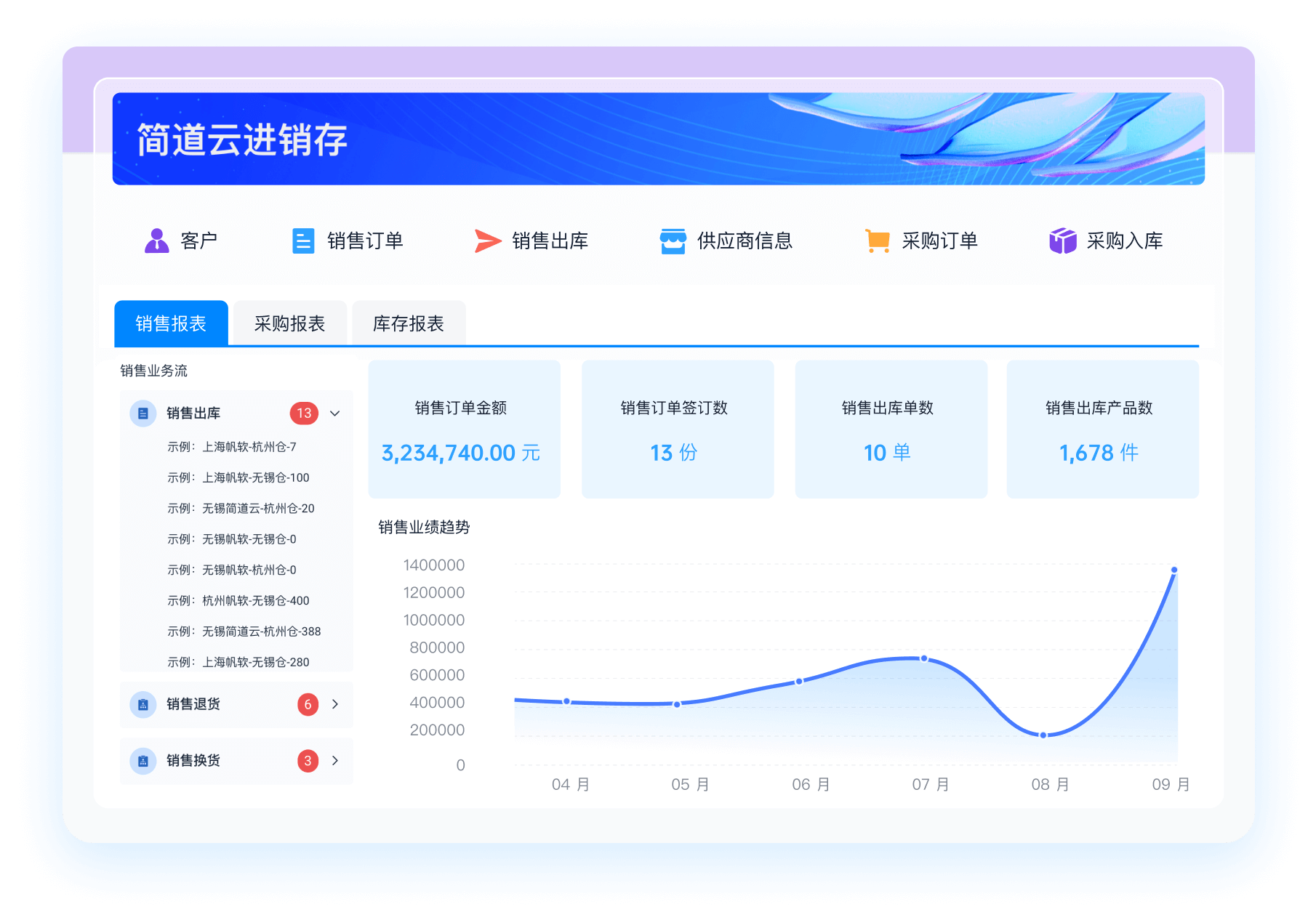
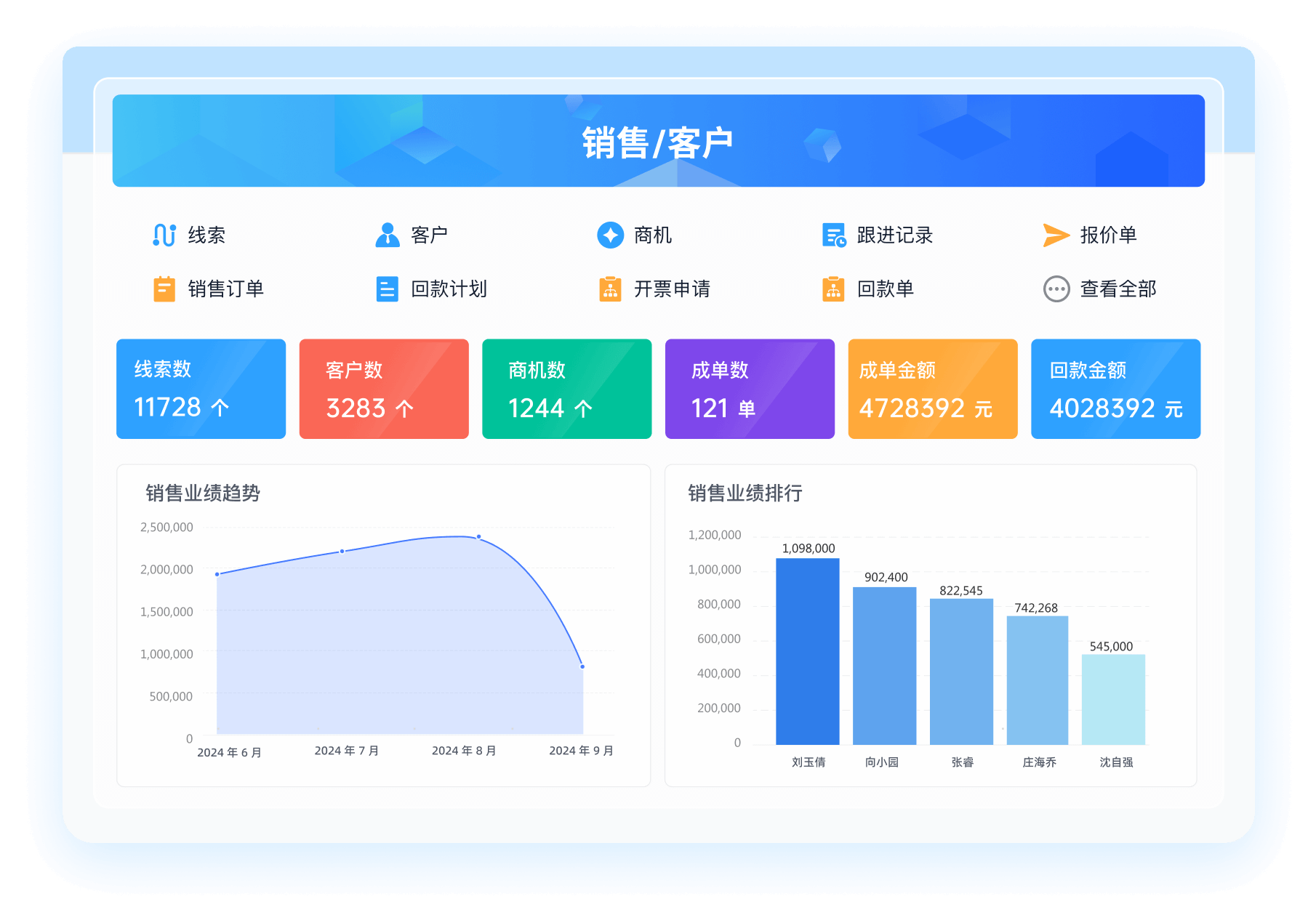
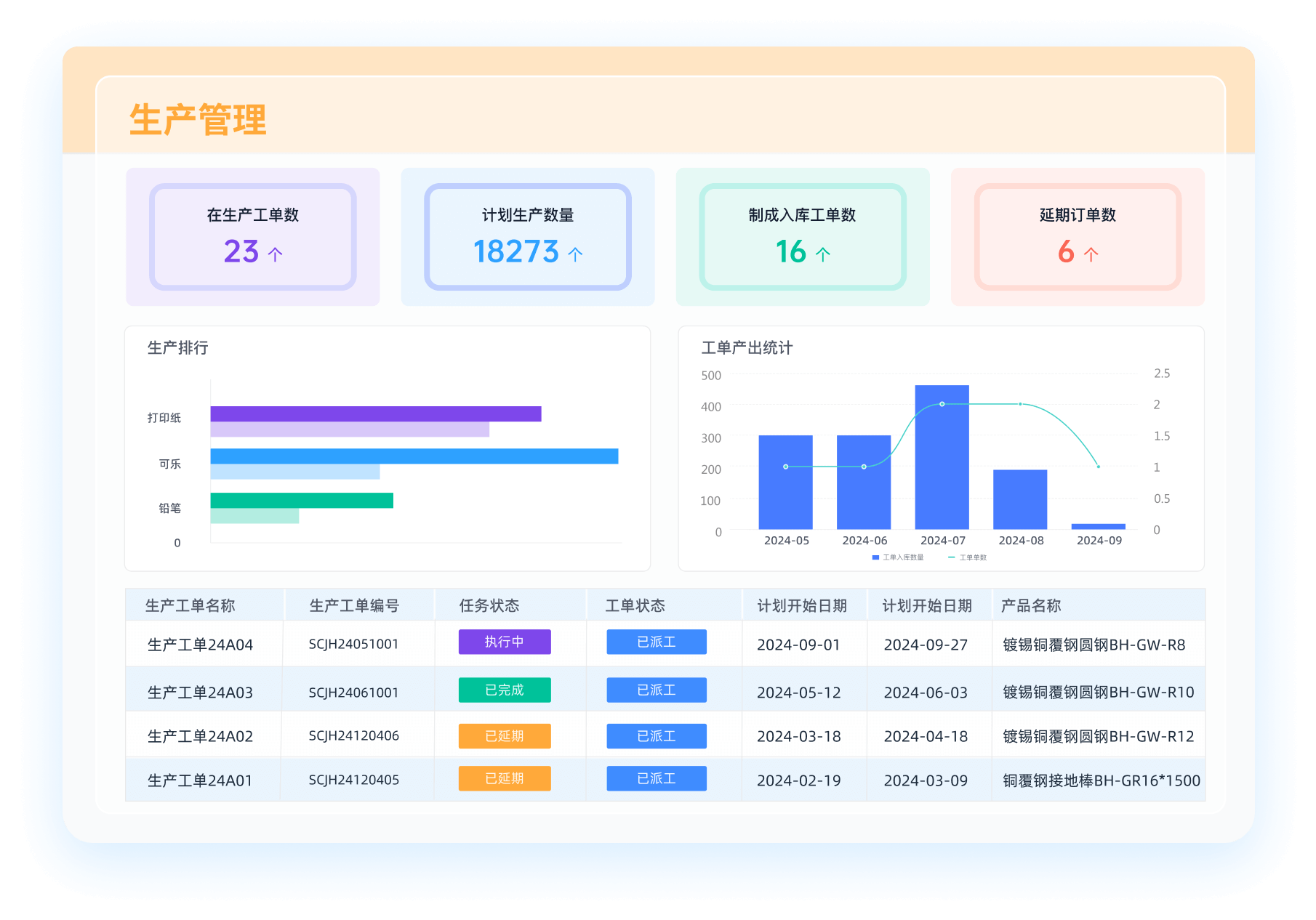
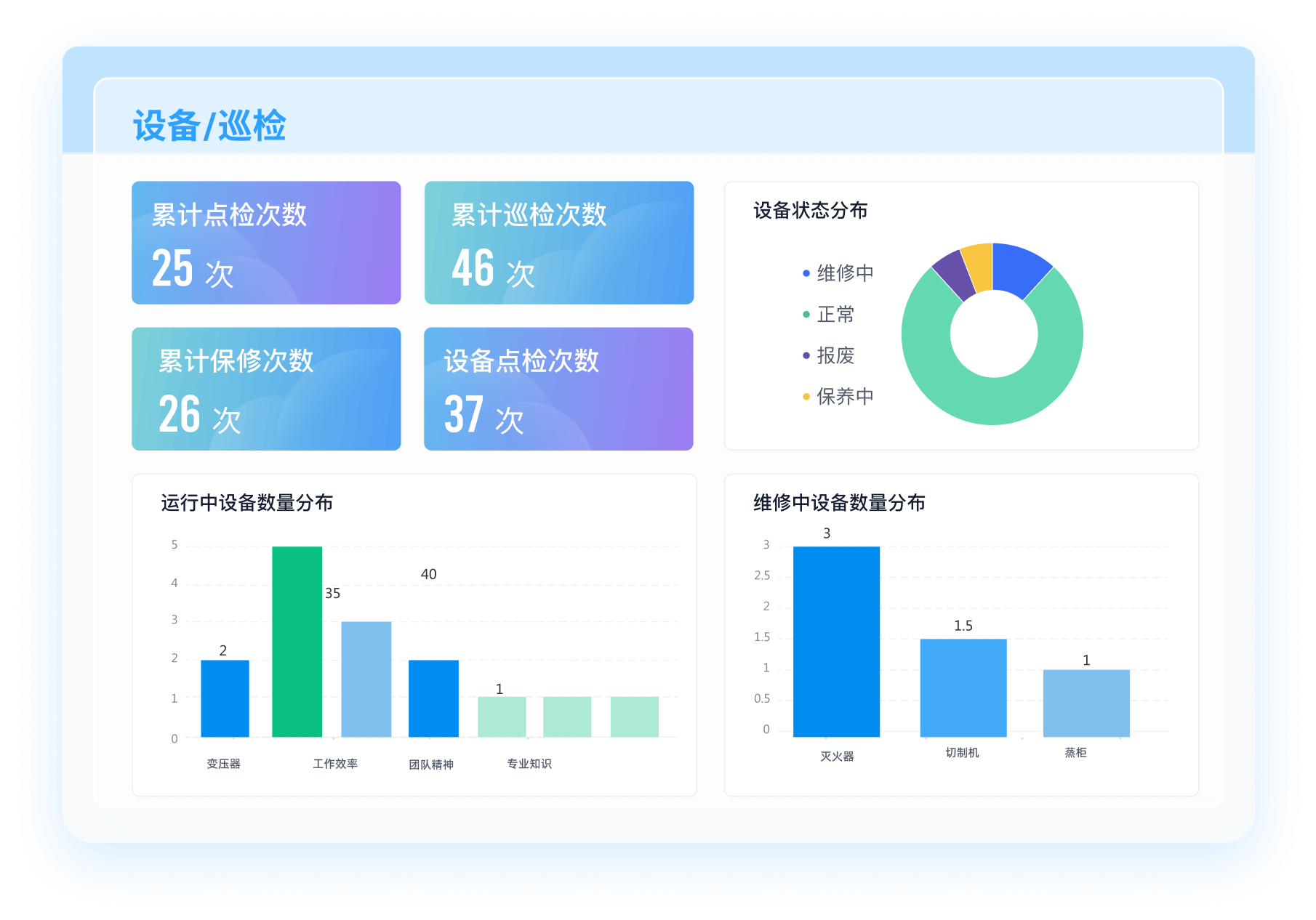
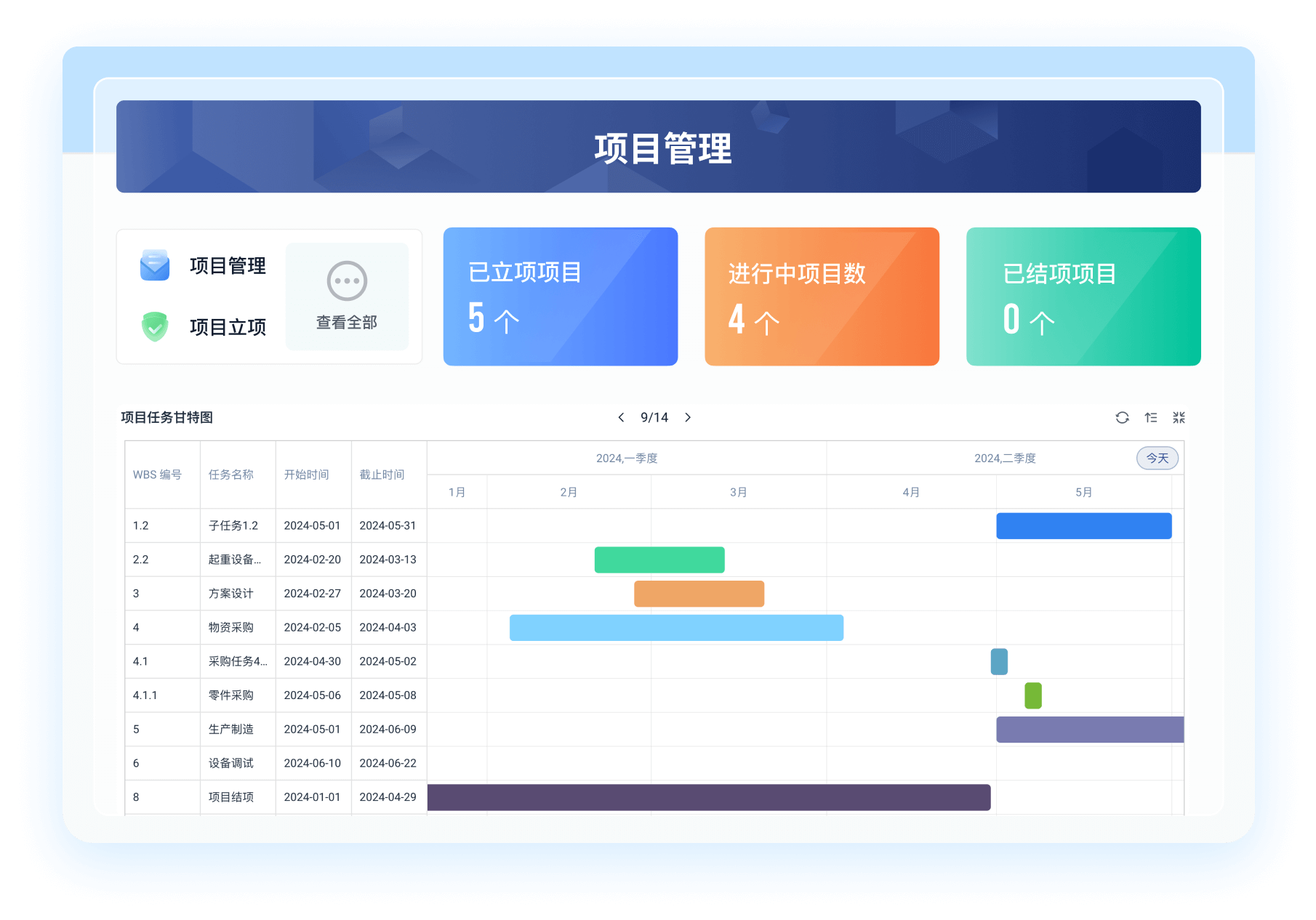
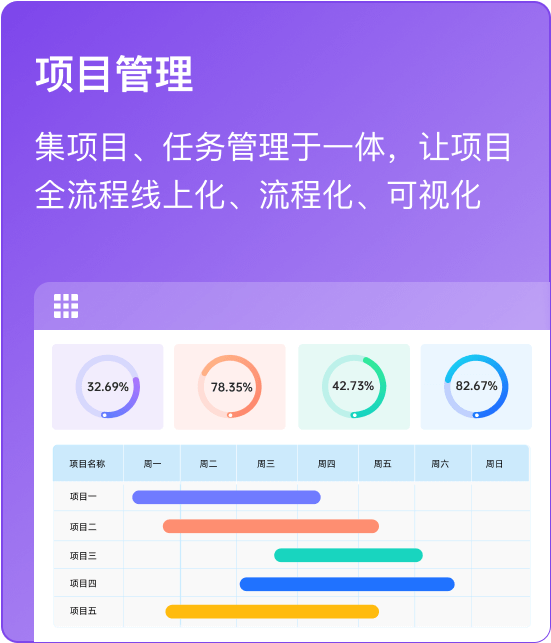
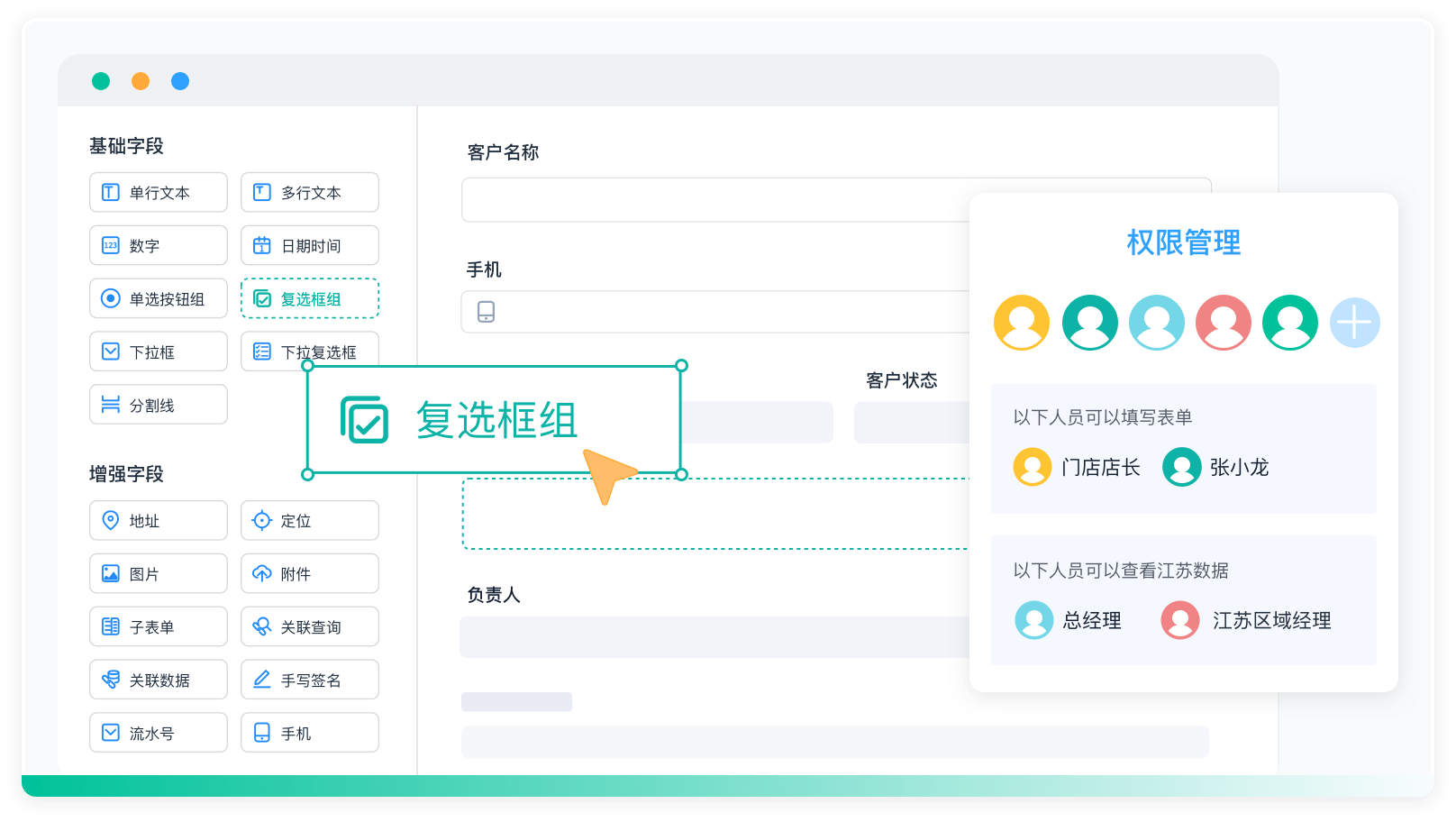
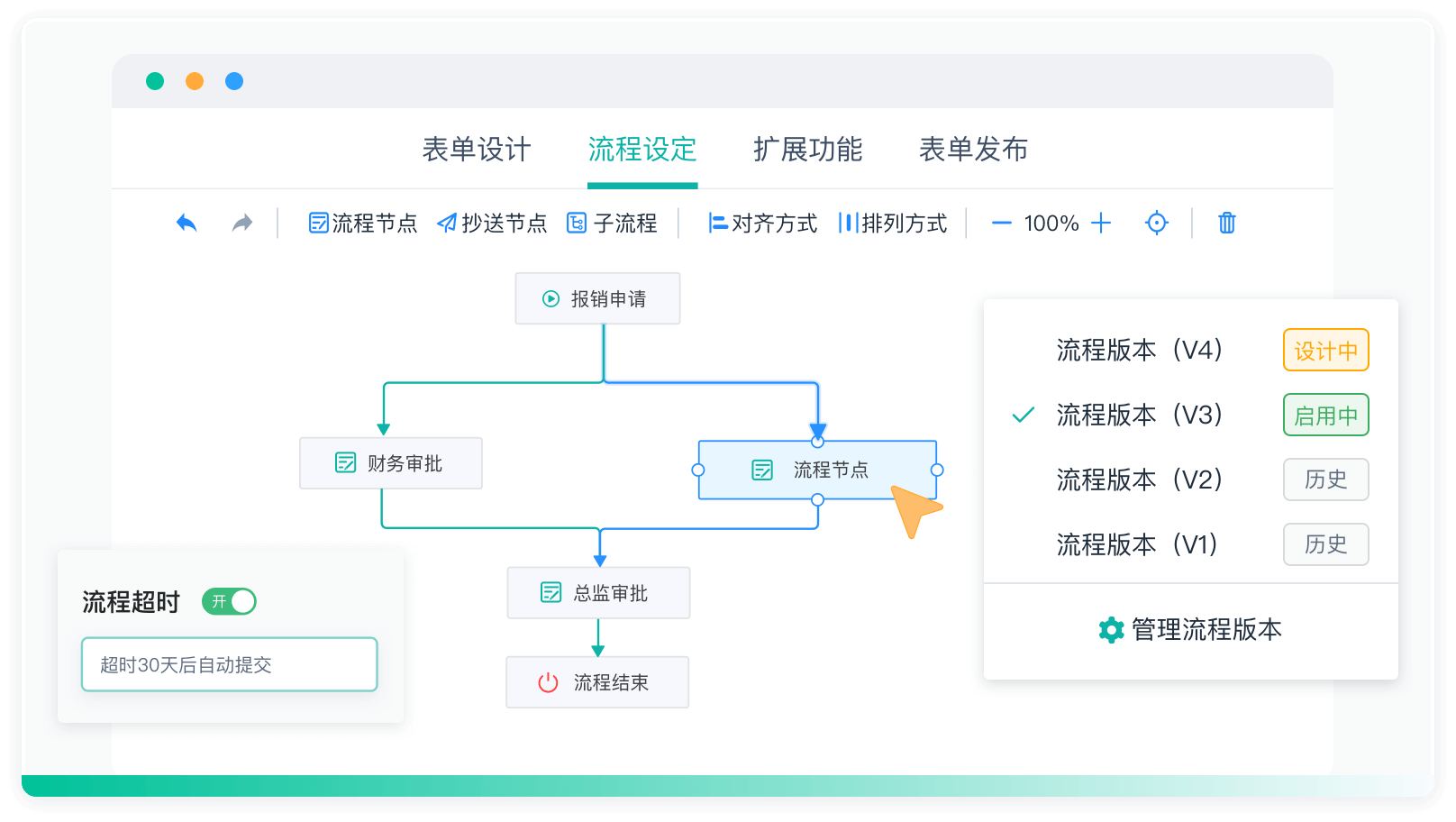
4. Implement Project Management Software: Utilize project management software like JianDaoYun (简道云) to streamline tasks, track progress, and facilitate communication among team members. JianDaoYun offers customizable templates for various business needs, including project management, CRM, and ERP.
5. Monitor and Control: Continuously monitor the project's progress against the plan. Use project management tools to track deadlines, budgets, and quality standards. Implement changes as needed to address any issues that arise.
6. Communicate Effectively: Maintain open lines of communication with all stakeholders. Regular updates, meetings, and reports help ensure everyone is on the same page and any issues are promptly addressed.
7. Review and Evaluate: After project completion, review the project outcomes against the initial objectives. Evaluate what went well and identify areas for improvement for future projects.
DETAILED EXPLANATION
I. DEFINE PROJECT SCOPE AND OBJECTIVES
Defining the project scope and objectives is the first critical step in project management. It involves:
- Setting Clear Goals: Determine the primary aim of the project and what success looks like.
- Identifying Deliverables: List the tangible and intangible outputs of the project.
- Establishing Boundaries: Define what is included in the project and what is not to avoid scope creep.
- Stakeholder Identification: Identify all stakeholders and understand their needs and expectations.
For example, a software development project might aim to create a new CRM system. The deliverables could include the CRM software, user manuals, and training sessions for staff. Boundaries might exclude marketing activities for the software.
II. CREATE A PROJECT PLAN
A detailed project plan is essential for guiding the team through the project's lifecycle. Key components of a project plan include:
- Task Breakdown: Divide the project into smaller, manageable tasks.
- Timeline and Milestones: Establish a timeline with key milestones to track progress.
- Resource Allocation: Identify the resources (time, money, personnel) needed for each task.
- Risk Management: Identify potential risks and develop mitigation strategies.
Using JianDaoYun, you can create a comprehensive project plan with customizable templates that fit your specific needs. This ensures that all aspects of the project are covered and progress is easily trackable.
III. ALLOCATE RESOURCES
Effective resource allocation ensures that the project has the necessary inputs to succeed. This involves:
- Team Assignment: Assign team members based on their skills and expertise.
- Budget Management: Allocate the budget across different tasks and monitor spending.
- Tool Provisioning: Ensure that the team has access to the necessary tools and software.
For instance, in a marketing campaign project, you might assign a graphic designer to create visuals, a copywriter for content, and allocate a budget for online advertising.
IV. IMPLEMENT PROJECT MANAGEMENT SOFTWARE
Project management software like JianDaoYun can significantly enhance efficiency by:
- Task Management: Assign and track tasks, set deadlines, and monitor progress.
- Collaboration: Facilitate communication and collaboration among team members.
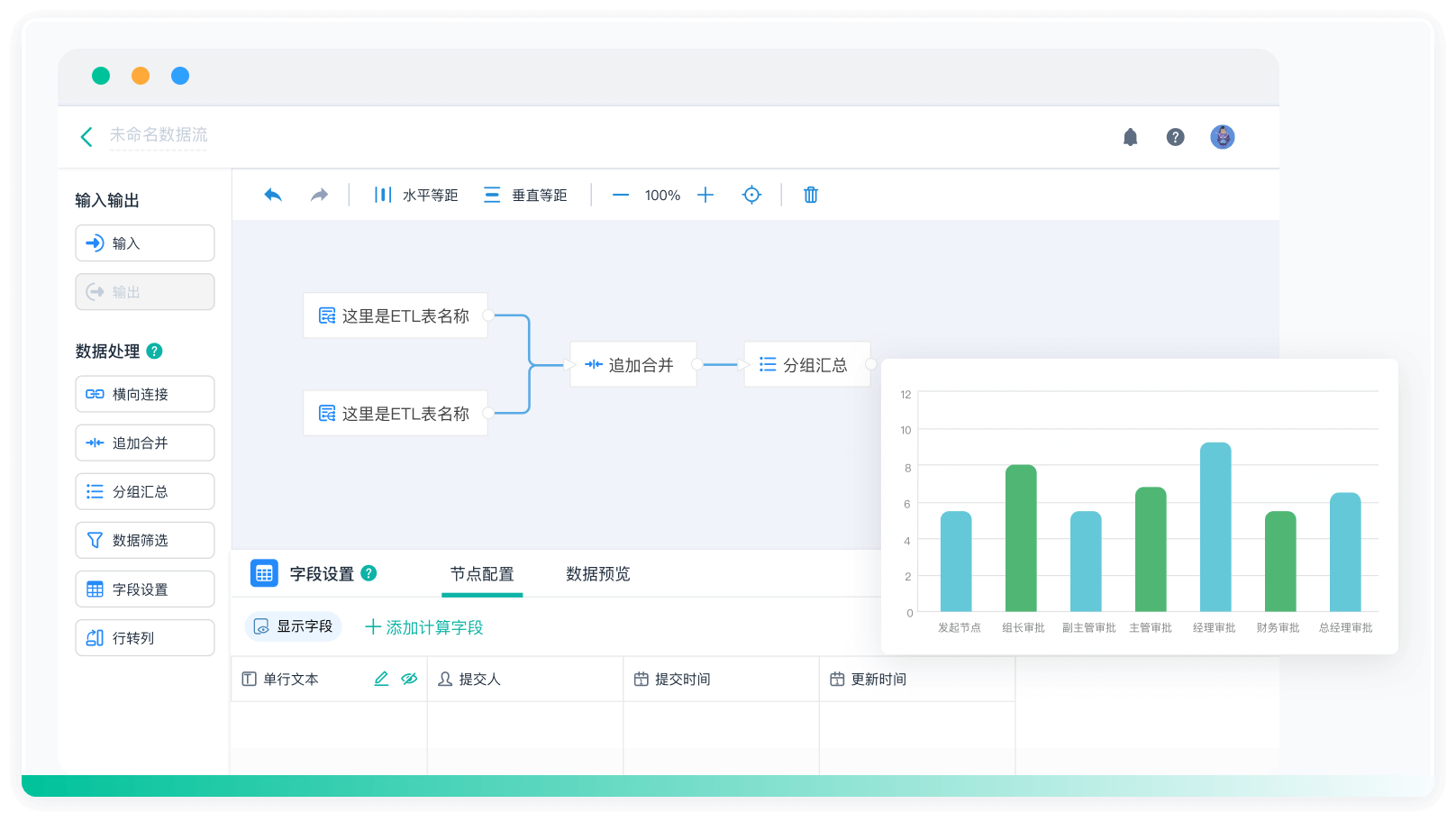
- Reporting: Generate reports to analyze performance and identify areas for improvement.
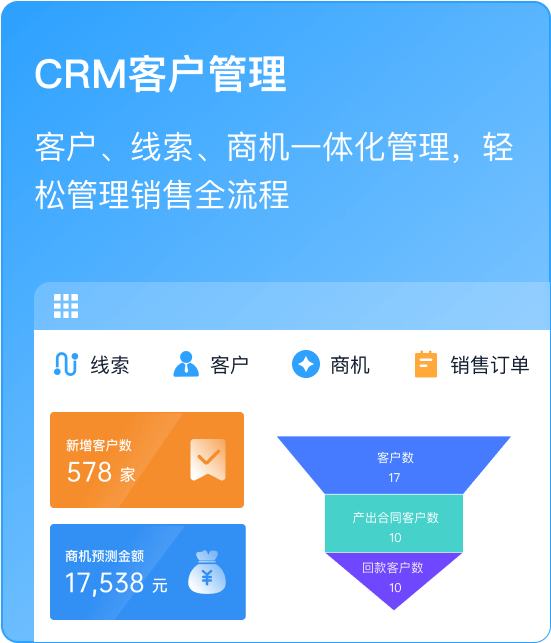
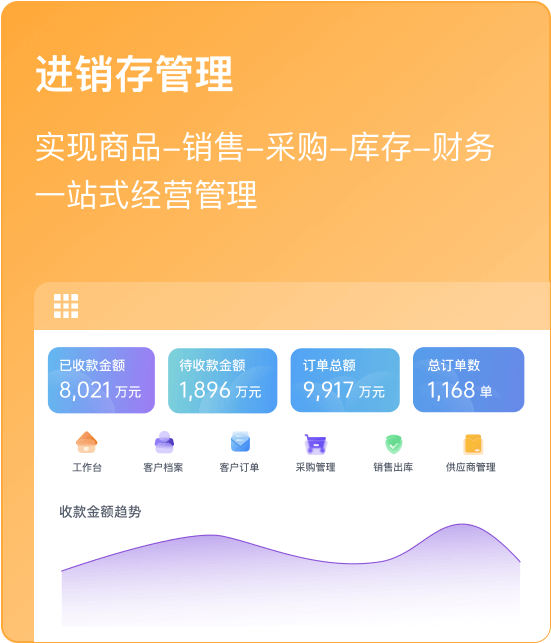
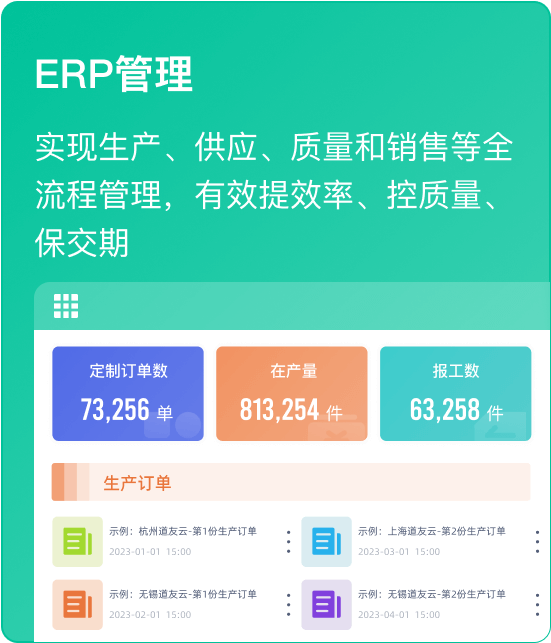
JianDaoYun's templates for project management, CRM, and ERP allow for easy customization to fit the unique needs of your project, ensuring that all critical aspects are managed effectively.
V. MONITOR AND CONTROL
Continuous monitoring and control of the project ensure that it stays on track. This involves:
- Progress Tracking: Regularly update the project plan and track task completion.
- Budget Control: Monitor spending to ensure it aligns with the budget.
- Quality Assurance: Implement quality control measures to ensure deliverables meet standards.
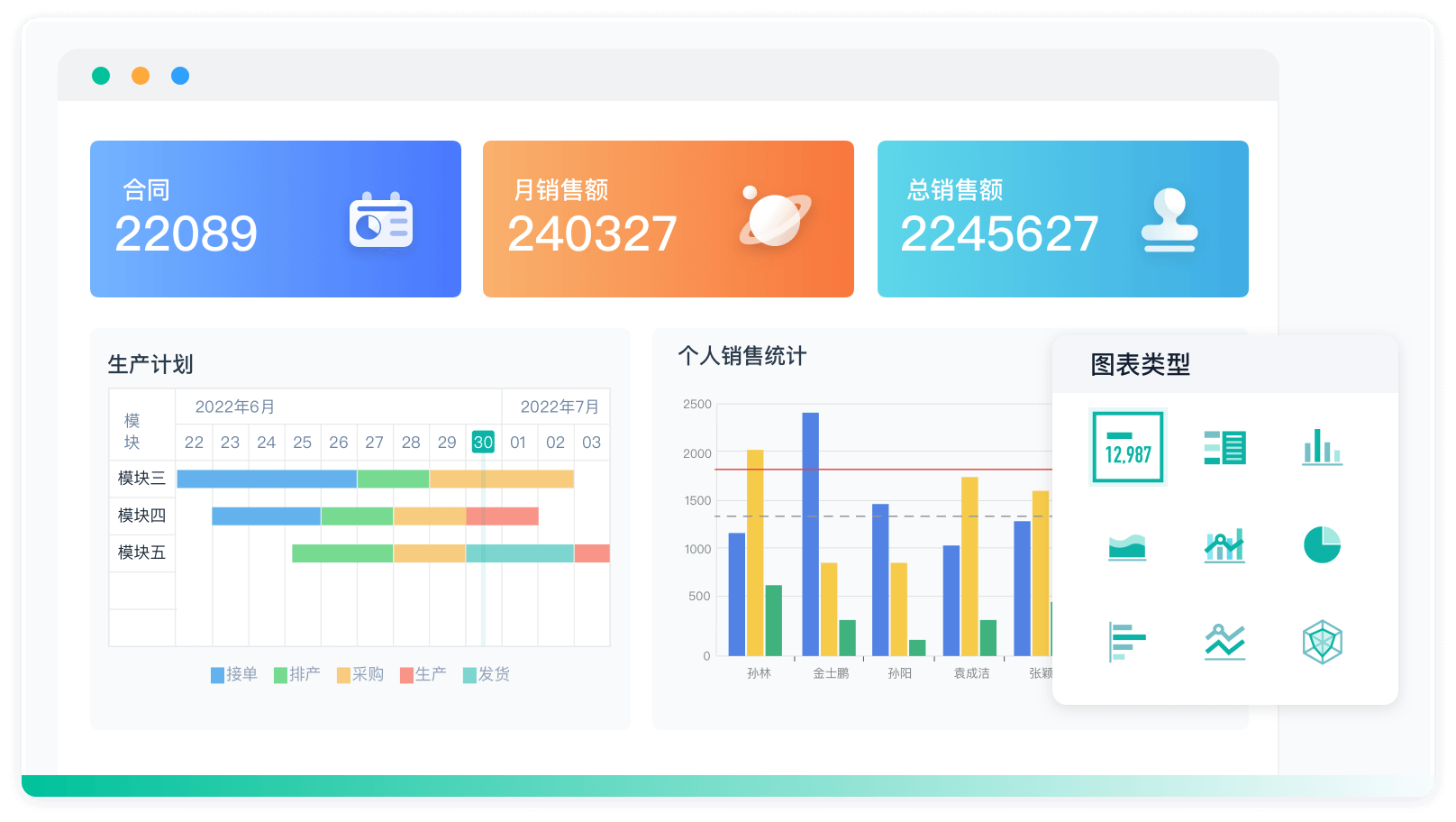
Using project management tools, you can set up dashboards to visualize progress and quickly identify any deviations from the plan.
VI. COMMUNICATE EFFECTIVELY
Effective communication is crucial for project success. Strategies include:
- Regular Updates: Provide consistent updates to stakeholders on project status.
- Meetings: Hold regular meetings to discuss progress, address issues, and plan next steps.
- Reporting: Create detailed reports to communicate key metrics and outcomes.
For example, weekly meetings with the project team can help address any roadblocks and keep everyone aligned with project goals.
VII. REVIEW AND EVALUATE
Post-project review and evaluation help identify successes and areas for improvement. This involves:
- Outcome Assessment: Compare the project outcomes with the initial objectives.
- Lessons Learned: Document what worked well and what didn't to improve future projects.
- Stakeholder Feedback: Gather feedback from stakeholders to understand their perspective.
Conducting a thorough review ensures that valuable insights are captured and applied to future projects, enhancing overall project management practices.
CONCLUSION
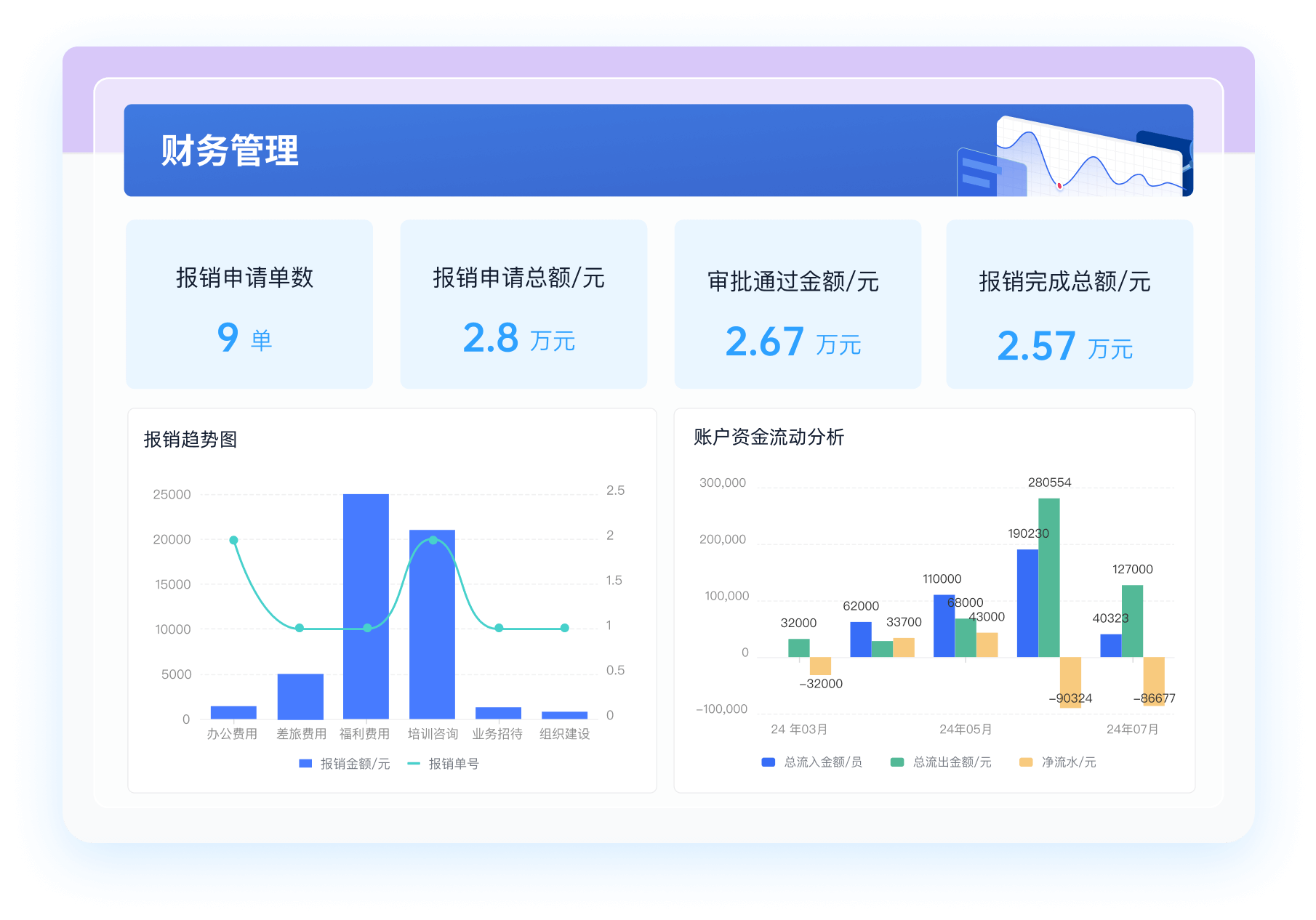
Effective project management involves a series of structured steps, from defining the project scope to reviewing and evaluating the outcomes. By leveraging tools like JianDaoYun and following best practices in resource allocation, monitoring, and communication, you can ensure project success. For more detailed templates and tools for managing various business processes, visit JianDaoYun's financial management template: https://s.fanruan.com/kw0y5;.
相关问答FAQs:
项目管理是一门涉及多种技能和方法的复杂学科,旨在有效地规划、执行和监控项目,以确保按时、按预算和按预期质量完成项目。在英文环境中,项目管理通常遵循一些标准的框架和流程。以下是一些关键的项目管理方法和实践。
项目管理的基本概念是什么?
项目管理是应用知识、技能、工具和技术来满足项目需求的过程。它通常包括五个主要阶段:启动、规划、执行、监控和收尾。在每个阶段,项目经理需要进行不同的活动,以确保项目的成功。
在启动阶段,项目的目标和范围被明确,相关利益相关者被识别。规划阶段则涉及详细的项目计划,包括时间线、资源分配、预算等。执行阶段是项目实际进行的阶段,项目经理需要协调团队工作并解决问题。监控阶段则是对项目进展进行跟踪和控制,以确保一切按照计划进行。最后,收尾阶段涉及完成项目的所有任务,并进行项目评估和总结。
有效的项目管理需要良好的沟通技巧、团队合作、时间管理和问题解决能力。
在英文环境中,项目管理的最佳实践有哪些?
在英文环境中,项目管理的最佳实践包括但不限于以下几个方面:
-
明确的沟通: 项目团队成员之间、与利益相关者之间的有效沟通至关重要。定期召开会议,提供项目进展报告,确保所有人都了解项目状态和未来的步骤。
-
使用项目管理工具: 现代项目管理软件可以帮助团队更好地组织和监控项目。例如,项目管理工具如Trello、Asana或Jira可以用于任务分配和进度跟踪。
-
风险管理: 提前识别潜在风险并制定应对策略是项目成功的关键。定期评估项目风险,并确保团队准备好应对可能的问题。
-
灵活性: 项目管理需要适应变化,无论是市场条件的变化还是客户需求的变化。保持灵活的态度,能够快速调整计划以应对新情况。
-
持续学习和改进: 项目结束后,进行回顾和总结,识别成功的因素和需要改进的地方。这有助于团队在未来的项目中更有效地工作。
如何有效地使用项目管理软件?
项目管理软件是提升项目效率的重要工具。有效使用这些工具可以帮助团队更好地协作和管理任务。以下是一些使用项目管理软件的建议:
-
选择合适的工具: 根据团队的需求和项目的复杂性选择合适的项目管理工具。不同的软件具有不同的功能,确保选择与团队工作流程相匹配的工具。
-
合理配置项目结构: 在项目管理软件中设置合理的项目结构,包括任务、子任务、里程碑等。这有助于清晰地定义项目的各个组成部分,确保团队成员了解自己的职责。
-
定期更新任务状态: 团队成员应定期在软件中更新任务的状态。这可以帮助项目经理实时了解项目进展,并及时处理任何可能出现的问题。
-
利用协作功能: 大多数项目管理软件提供了协作功能,如评论、文件共享等。团队成员应充分利用这些功能,以增强沟通和协作。
-
培训团队成员: 确保所有团队成员都熟悉所使用的软件。提供必要的培训,以帮助他们充分利用软件的功能。
管理项目是一个动态的过程,成功的项目需要有效的计划、执行和监控。通过采用最佳实践和使用合适的工具,项目经理可以大大提高项目成功的可能性。希望这些信息能够帮助您在项目管理方面取得更大的成功。
最后分享一下我们公司在用的项目管理软件的模板,可直接用,也可以自主修改功能: https://s.fanruan.com/kw0y5;






























































 《零代码开发知识图谱》
 《零代码
新动能》案例集
《零代码
新动能》案例集
 《企业零代码系统搭建指南》