
 阅读时间:8 分钟
  浏览量:5587次


1、Common English Office Software Terms
When working with English office software, there are several common terms and phrases you should be familiar with. These include:
- File – This refers to a digital document or data stored on a computer.
- Edit – This allows you to modify the content of a document.
- Save – This command stores the current document or data.
- Open – This command loads an existing file for viewing or editing.
- Close – This command terminates the current document window.
- Print – This command sends the document to a printer.
- Copy – This command duplicates selected text or objects.
- Paste – This command inserts copied content into a new location.
- Cut – This command removes selected text or objects and stores them in clipboard.
- Undo – This command reverses the last action taken.
- Redo – This command re-applies an action that was undone.
- Format – This refers to the arrangement of text and objects within a document.
- Insert – This command adds elements like tables, images, or shapes into the document.
- View – This command adjusts how the document is displayed on the screen.
- Tools – This menu provides various utilities and settings for the software.
2、FILE MANAGEMENT TERMS
Effective file management is essential in office software. Here are some key terms:
- Folder: A virtual container within a file system to organize files.
- Directory: Another term for a folder, typically used in the context of command-line interfaces.
- Subfolder: A folder within another folder.
- Path: The specific location or address of a file or folder within the file system.
- Backup: A copy of files or data stored separately to prevent data loss.
- Archive: A collection of files compressed into a single file for easier storage or transfer.
3、DOCUMENT FORMATTING TERMS
Formatting documents correctly is crucial for readability and professionalism. Key terms include:
- Font: The design of text characters, including typeface and size.
- Bold: Text that is made thicker to stand out.
- Italic: Text that is slanted to the right for emphasis.
- Underline: A line drawn under text for emphasis.
- Alignment: How text is positioned horizontally within a document (left, center, right, justified).
- Indentation: The space between text and the document margin.
- Bullet Points: Symbols used to list items.
- Numbering: A sequential list format.
- Header: Text appearing at the top of each page.
- Footer: Text appearing at the bottom of each page.
- Margin: The blank space surrounding the content of a page.
- Spacing: The amount of space between lines or paragraphs.
4、COMMUNICATION AND COLLABORATION TERMS
Effective communication and collaboration are key in office environments. Familiar terms include:
- Email: Electronic mail for sending and receiving messages.
- Attachment: A file sent along with an email.
- CC (Carbon Copy): Sending a copy of an email to additional recipients.
- BCC (Blind Carbon Copy): Sending a copy of an email to additional recipients without others knowing.
- Reply: Responding to an email.
- Reply All: Responding to all recipients of an email.
- Forward: Sending an email you received to another recipient.
- Meeting: A scheduled gathering, often virtual, to discuss business matters.
- Conference Call: A call involving multiple participants.
- Chat: Instant messaging for quick communication.
- Comment: Adding notes or feedback on a document.
- Track Changes: A feature that records edits made to a document.
5、PRESENTATION SOFTWARE TERMS
Creating effective presentations requires understanding specific terms:
- Slide: An individual page in a presentation.
- Slide Deck: A collection of slides in a presentation.
- Transition: Visual effects used when moving from one slide to another.
- Animation: Effects applied to text or objects within a slide.
- Template: A pre-designed slide layout used to maintain consistency.
- Theme: A set of design elements including colors, fonts, and effects.
- Presenter View: A display mode that shows notes and controls to the presenter.
- Slide Master: A slide template that controls the overall design and layout of the slides.
- Handout: Printed copies of the presentation slides for audience members.
- Notes: Additional information intended for the presenter, not shown on slides.
6、SPREADSHEET SOFTWARE TERMS
Working with spreadsheet software involves understanding the following terms:
- Cell: The intersection of a row and column in a spreadsheet.
- Row: A horizontal line of cells.
- Column: A vertical line of cells.
- Sheet: A single page of a spreadsheet.
- Workbook: A file containing multiple sheets.
- Formula: An equation used to calculate values in a spreadsheet.
- Function: A predefined formula for common calculations.
- Range: A selection of multiple cells.
- Chart: A visual representation of data.
- Pivot Table: A tool for summarizing and analyzing data.
- Filter: A feature to display only the data that meets certain criteria.
- Sort: Arranging data in a specific order.
- Data Validation: Ensuring data entered into cells meets specific criteria.
7、DATABASE SOFTWARE TERMS
Managing databases requires familiarity with these terms:
- Table: A collection of related data organized in rows and columns.
- Record: A single entry in a table.
- Field: A single piece of data within a record.
- Primary Key: A unique identifier for a record in a table.
- Foreign Key: A field that links to the primary key of another table.
- Query: A request for specific data from a database.
- SQL (Structured Query Language): A programming language used to manage and manipulate databases.
- Index: A structure that improves the speed of data retrieval.
- Schema: The structure of a database, including tables, fields, and relationships.
- Normalization: The process of organizing data to reduce redundancy.
- Join: Combining data from multiple tables based on related fields.
8、PROJECT MANAGEMENT SOFTWARE TERMS
Project management software involves the following key terms:
- Task: A specific piece of work to be completed.
- Milestone: A significant point or event in a project timeline.
- Gantt Chart: A visual timeline of tasks and milestones.
- Resource: People, equipment, or materials needed to complete tasks.
- Dependency: A relationship where one task relies on the completion of another.
- Scope: The total work required to complete a project.
- Timeline: The schedule of tasks and milestones.
- Budget: The estimated cost of a project.
- Risk: Potential issues that could impact the project.
- Stakeholder: Anyone with an interest in the project.
- Deliverable: A tangible or intangible output produced during a project.
9、CONCLUSION
Understanding these common English office software terms is essential for efficient and effective use of various tools in a professional environment. Familiarity with these terms can improve communication, streamline workflows, and enhance productivity. To further improve your skills, consider practicing with different office software and exploring additional resources and tutorials. For more information on a versatile office software solution, visit the 简道云官网: https://s.fanruan.com/x6aj1;.
相关问答FAQs:
1. 在使用英文办公软件时,常见的术语有哪些?
在英文办公软件中,用户会经常遇到一些专业术语,这些术语通常与文档处理、数据管理和项目协作相关。例如,"Spreadsheet"(电子表格)用于处理数字和数据表,"Document"(文档)指的是文字处理文件,"Presentation"(演示文稿)用于制作幻灯片。此外,还有"Cloud Storage"(云存储),"Collaboration Tools"(协作工具),以及"Task Management"(任务管理)等术语,这些都是现代办公环境中不可或缺的一部分。
2. 如何提高在英文办公软件中的工作效率?
提高工作效率的方式有很多,首先,熟悉快捷键是非常有效的方法。大多数办公软件都提供了丰富的快捷键组合,可以帮助用户更快速地执行常见操作。此外,合理利用模板和样板文档可以大大节省时间,避免重复工作。还有,积极使用云存储功能,确保文档在不同设备间的同步和共享,可以提高团队的协作效率。
3. 在英文办公软件中,如何处理团队协作和文件共享?
在现代办公环境中,团队协作和文件共享变得尤为重要。许多英文办公软件提供了实时协作功能,团队成员可以同时编辑同一个文档,这样可以减少沟通成本。同时,利用云存储平台,用户可以方便地分享文件链接,设定访问权限,确保信息安全。此外,使用评论和标记工具可以让团队成员更好地进行反馈和讨论,从而提升工作效率。
推荐一个好用的零代码OA办公平台:
https://s.fanruan.com/x6aj1
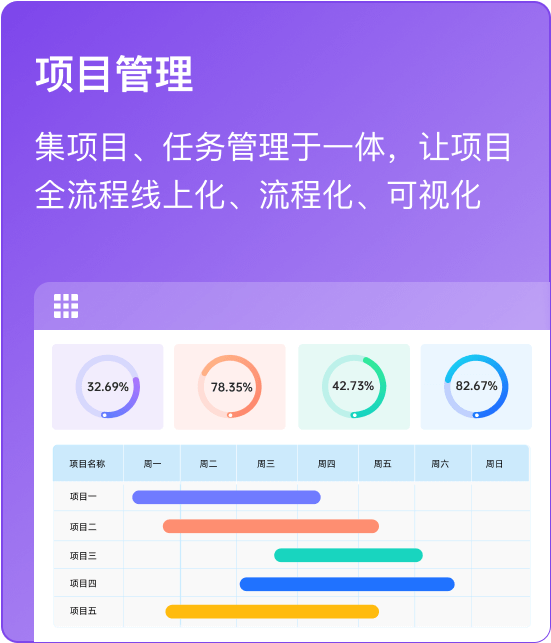
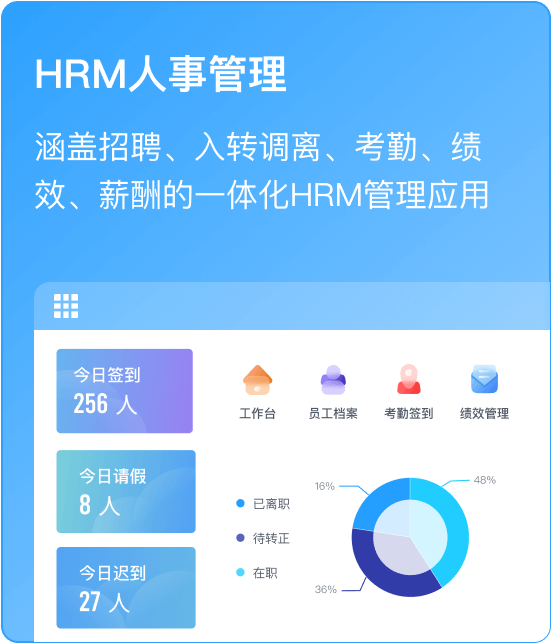
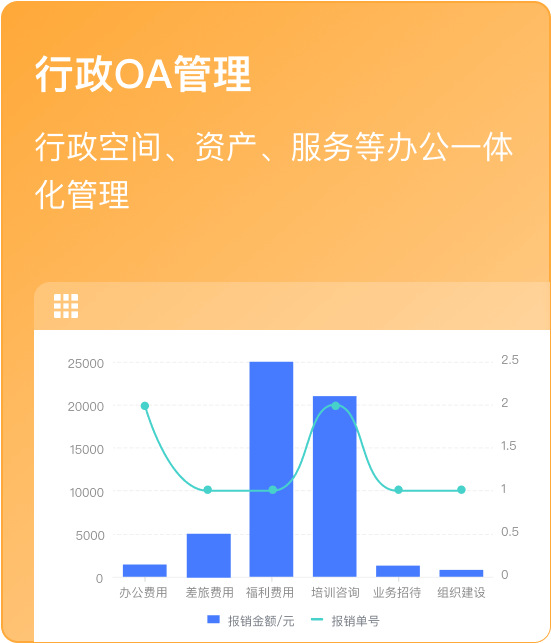
100+企业管理系统模板免费使用>>>无需下载,在线安装:
https://s.fanruan.com/7wtn5






























































 《零代码开发知识图谱》
 《零代码
新动能》案例集
《零代码
新动能》案例集
 《企业零代码系统搭建指南》