
 阅读时间:7 分钟
  浏览量:4775次


Daily Office Software is the English term for 日常办公软件. Here are the main types of daily office software tools widely used in various workplaces:
1. Office Suites:
Office suites are comprehensive packages that typically include word processors, spreadsheets, presentation programs, and other productivity tools. The most well-known office suite is Microsoft Office, which includes:
- Word: A powerful word processing tool used for creating and editing documents.
- Excel: A spreadsheet application used for data analysis, calculations, and visualization.
- PowerPoint: A presentation software used for creating slideshows and visual presentations.
- Outlook: An email client and personal information manager.
2. Cloud-Based Office Tools:
Cloud-based office tools allow for real-time collaboration and access from any location. Popular examples include:
- Google Workspace (formerly G Suite): Includes Google Docs, Google Sheets, Google Slides, and Gmail.
- Microsoft 365 (formerly Office 365): Offers cloud versions of Microsoft Office applications along with collaboration tools like Teams and OneDrive.
3. Project Management Software:
Project management software helps in planning, organizing, and managing resources and tasks. Popular options include:
- Trello: A visual collaboration tool that uses boards, lists, and cards.
- Asana: A task management tool that helps teams track their work.
- Jira: A project management tool for agile development.
4. Communication Tools:
Effective communication is crucial for any office environment. Commonly used communication tools include:
- Slack: A messaging platform for teams.
- Microsoft Teams: A collaboration tool that includes chat, video meetings, and file sharing.
- Zoom: A video conferencing tool for virtual meetings.
5. File Management and Sharing Tools:
Efficient file management and sharing are essential for daily office work. Key tools include:
- Dropbox: A file hosting service that offers cloud storage and file synchronization.
- Google Drive: A cloud storage service that integrates with Google Workspace.
- OneDrive: Microsoft’s cloud storage service that integrates with Microsoft 365.
Detailed Explanation and Examples:
Office Suites:
Office suites are essential for creating, editing, and managing various types of documents. Microsoft Office is the most widely used office suite, with applications like Word, Excel, and PowerPoint being industry standards. For example, Word is used for drafting reports and letters, Excel for financial analysis and data tracking, and PowerPoint for creating engaging presentations.
Cloud-Based Office Tools:
Cloud-based tools like Google Workspace and Microsoft 365 offer the advantage of accessibility from any device with internet access. They facilitate real-time collaboration, allowing multiple users to work on the same document simultaneously. For instance, Google Docs enables team members to edit a document together while tracking changes and adding comments.
Project Management Software:
Project management tools like Trello, Asana, and Jira help teams stay organized and ensure that projects are completed on time. Trello uses a card-based system to track tasks, while Asana offers detailed task management features. Jira is particularly popular in software development for managing agile projects.
Communication Tools:
Effective communication tools are vital for remote and in-office teams. Slack provides channels for different topics, direct messaging, and integration with other tools. Microsoft Teams integrates with Microsoft 365, offering chat, video conferencing, and file sharing in one platform. Zoom is widely used for virtual meetings, webinars, and online training sessions.
File Management and Sharing Tools:
File management and sharing tools like Dropbox, Google Drive, and OneDrive ensure that files are securely stored and easily accessible. They support collaboration by allowing users to share files and folders with specific permissions. For example, a team can use Google Drive to store project files and collaborate on documents in real-time.
Conclusion:
Daily office software encompasses a wide range of tools that enhance productivity, collaboration, and communication in the workplace. By understanding and utilizing these tools effectively, teams can streamline their workflows and achieve better results. Whether it’s through office suites, cloud-based tools, project management software, communication platforms, or file management systems, the right daily office software can significantly impact an organization's efficiency and success.
Further Recommendations:
To maximize the benefits of daily office software, consider the following steps:
- Training and Onboarding: Ensure that all team members are adequately trained on the tools being used.
- Integration: Look for software that integrates well with your existing systems and workflows.
- Customization: Customize tools to fit the specific needs of your organization.
- Regular Updates: Keep software updated to access new features and security improvements.
- Feedback and Evaluation: Regularly gather feedback from users and evaluate the effectiveness of the tools to make necessary adjustments.
By taking these steps, organizations can enhance their productivity and ensure that their teams are equipped with the best tools for their daily office tasks.
相关问答FAQs:
日常办公软件的英文名称是什么?
日常办公软件在英文中通常称为 "office software" 或 "productivity software"。这些软件通常用于文档处理、表格制作、演示文稿设计等常见的办公任务。
常见的日常办公软件有哪些?
常见的日常办公软件包括Microsoft Office(如Word、Excel、PowerPoint)、Google Workspace(如Google Docs、Sheets、Slides)和LibreOffice等。这些工具提供了丰富的功能,以满足日常办公需求。
如何选择适合的日常办公软件?
选择适合的日常办公软件需要考虑几个因素,包括你的具体需求(例如文档处理、数据分析或团队协作)、预算、软件的易用性以及是否支持云存储和多设备访问。可以先试用不同的软件,找到最符合自己工作方式的工具。
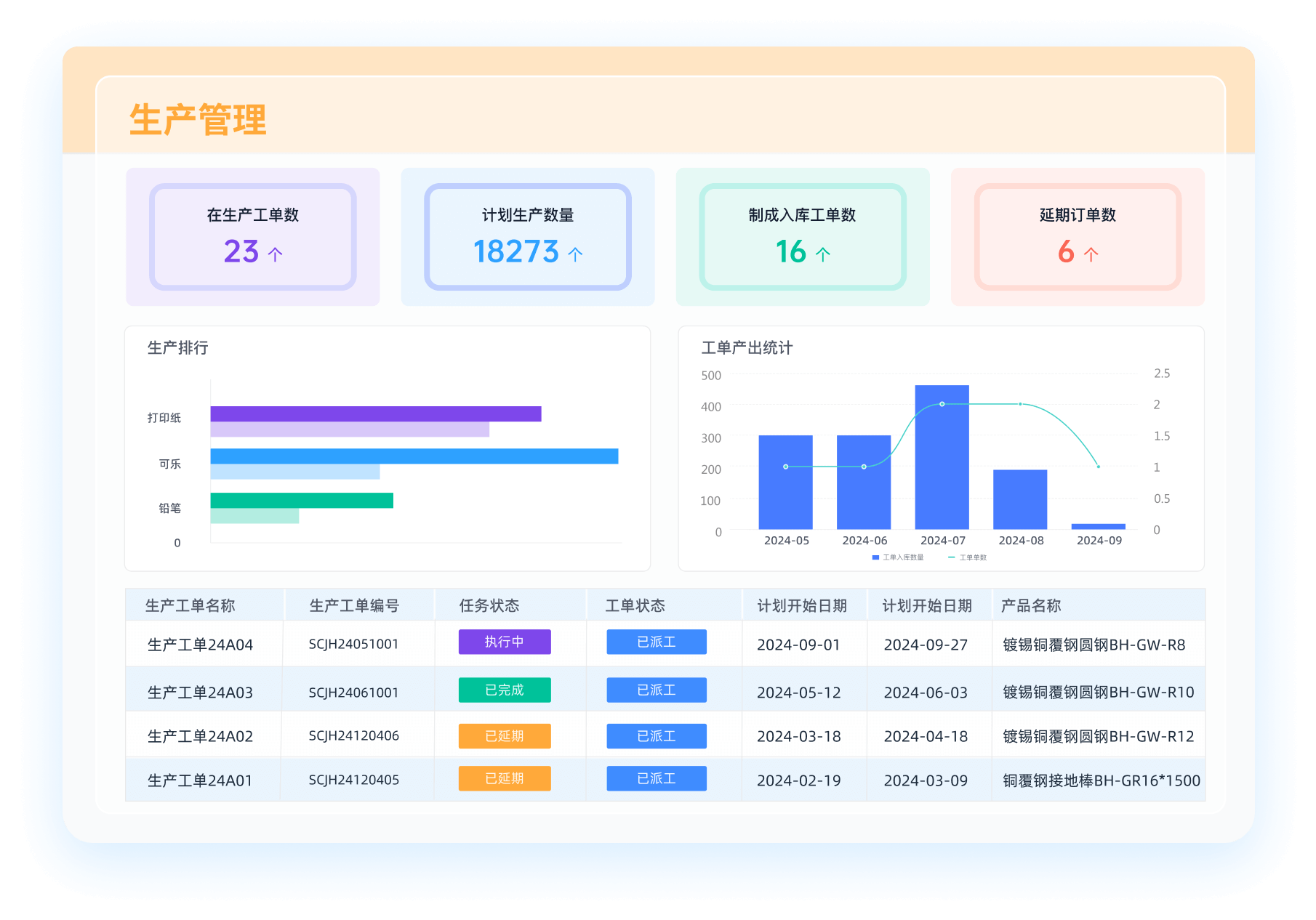
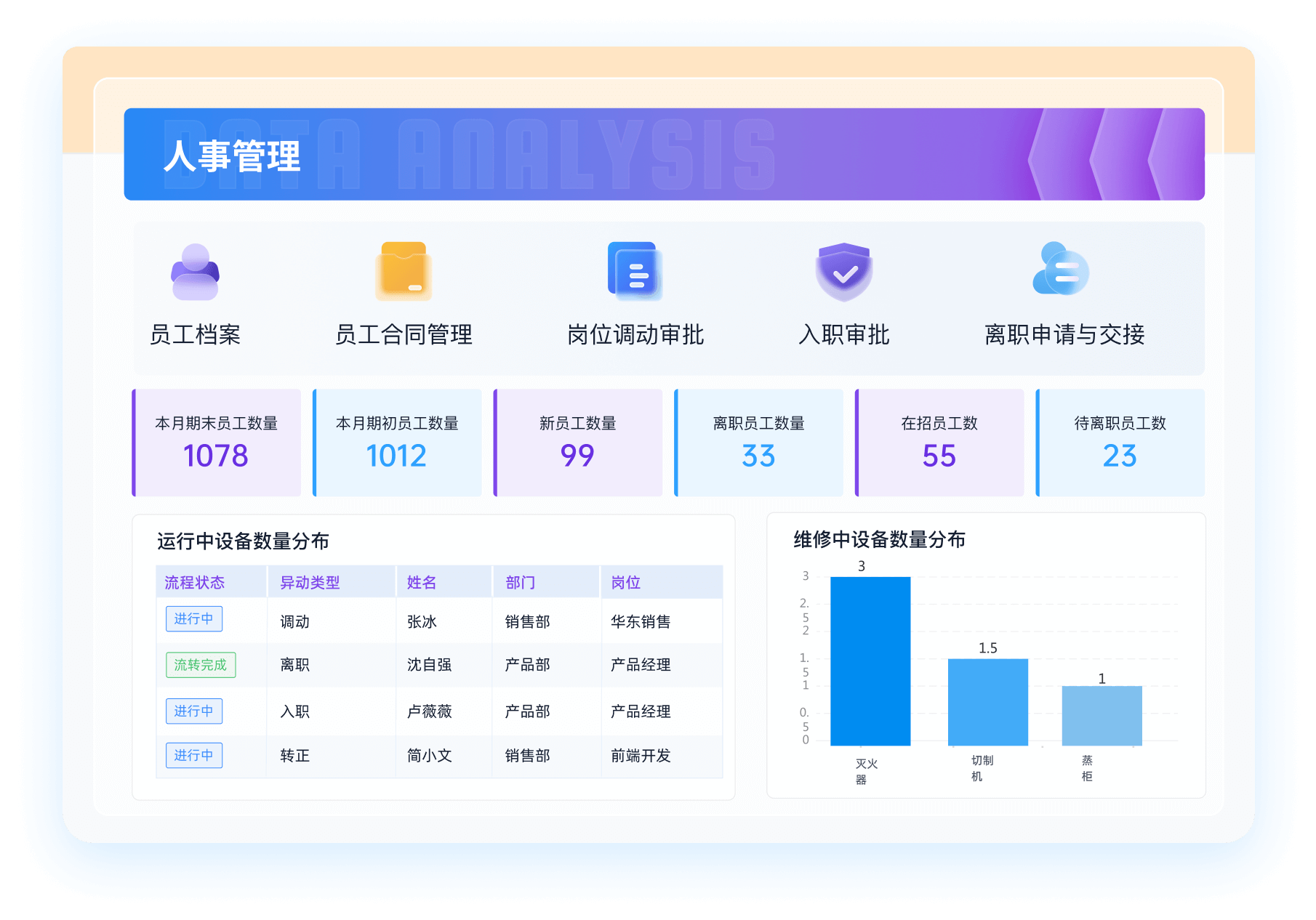
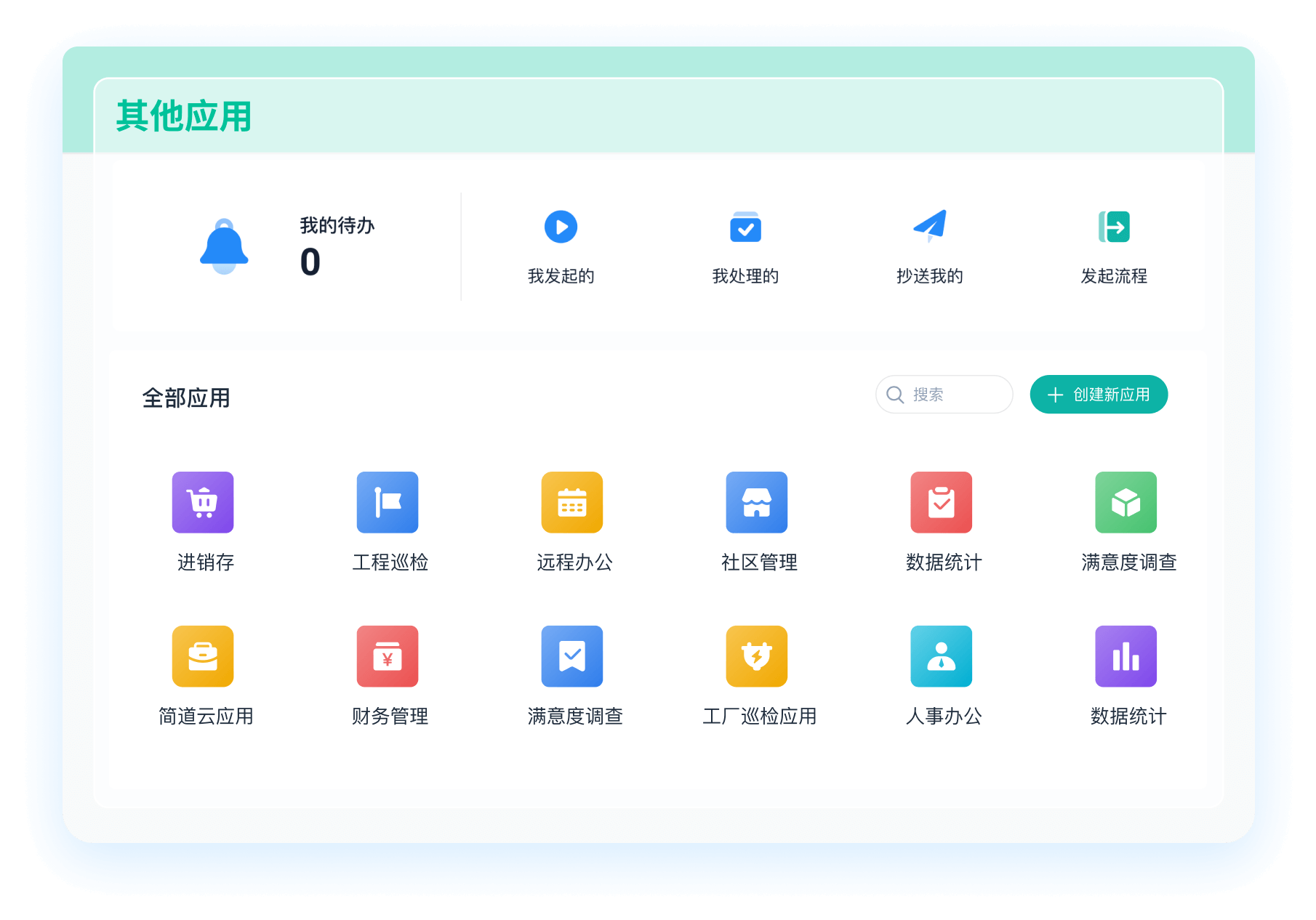
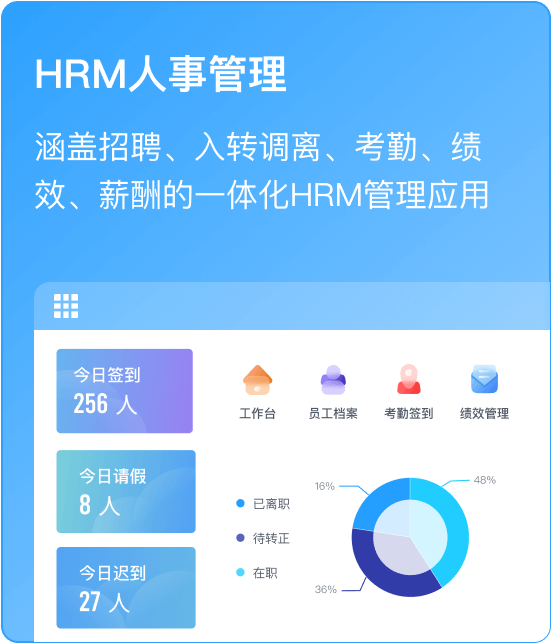
推荐一个好用的零代码OA办公平台:
https://s.fanruan.com/x6aj1
100+企业管理系统模板免费使用>>>无需下载,在线安装:
https://s.fanruan.com/7wtn5

















































































 《零代码开发知识图谱》
 《零代码
新动能》案例集
《零代码
新动能》案例集
 《企业零代码系统搭建指南》