
 阅读时间:9 分钟
  浏览量:1026次


Exploring the World of HRIS: Unveiling the Power of Human Resource Information Systems
Human Resource Information Systems (HRIS) have become indispensable tools for modern organizations, streamlining the management of human resources. 1. HRIS systems enable businesses to centralize and automate HR processes, improving efficiency and reducing manual tasks. 2. These systems offer a wide array of features, from employee data management to performance tracking and payroll. 3. HRIS can significantly enhance decision-making by providing data-driven insights, empowering HR teams to make informed choices. In this article, we’ll delve into the essential aspects of HRIS, highlighting its benefits, key components, and how it transforms HR practices.
一、HRIS的定义和重要性
Human Resource Information System (HRIS) refers to a software solution designed to manage and streamline HR-related tasks, providing businesses with a centralized database to handle everything from employee information to payroll, benefits, and performance management. These systems are crucial because they enable companies to automate HR functions, ensuring consistency, accuracy, and efficiency.
- 自动化流程:HRIS eliminates the need for paper-based systems and manual data entry, automating processes such as employee onboarding, time tracking, payroll, and benefits administration.
- 数据集成:HRIS integrates different HR functions, allowing HR departments to manage all aspects of human resources in one place, thus reducing the need for multiple systems.
- 实时更新:HRIS provides real-time data on employee performance, leave balances, and compensation, giving HR teams immediate access to accurate and up-to-date information.
二、HRIS的关键功能
HRIS systems come equipped with a wide range of features that can be customized to meet the specific needs of an organization. These functionalities play a pivotal role in improving the efficiency of HR departments and supporting various business processes.
- 员工数据管理:Centralized storage of personal details, job history, qualifications, and performance data.
- 考勤与时间管理:Automated time tracking, shift scheduling, and attendance monitoring.
- 薪资与福利管理:Management of payroll processes, tax deductions, and benefits administration.
- 招聘与入职管理:Streamlining the recruitment process, including candidate tracking, interviewing, and onboarding.
- 绩效管理:Tracking employee performance, setting goals, and conducting appraisals.
- 员工自助服务:Self-service portals that allow employees to view their records, request time off, and manage benefits.
三、HRIS对企业的优势
Implementing HRIS offers numerous advantages that can help businesses achieve their HR goals efficiently. Some of the key benefits include:
- 提高效率:Automation of repetitive tasks, such as payroll processing and benefits administration, saves HR teams significant time and effort.
- 减少错误:Automated systems reduce human errors related to data entry, payroll, and performance tracking.
- 增强决策能力:HRIS provides valuable analytics and reports, helping managers make data-driven decisions that can improve employee engagement, retention, and performance.
- 提升员工满意度:With self-service portals and more accurate tracking of time off, benefits, and performance, HRIS enhances the employee experience.
- 合规性保障:HRIS helps businesses comply with labor laws and tax regulations by automating compliance-related tasks, ensuring that all records are accurate and up to date.
四、HRIS的实施步骤
The process of implementing an HRIS in an organization requires careful planning and execution. Here’s a step-by-step guide to ensure a successful HRIS implementation:
- 需求评估:Identify the specific HR needs of your organization, including which processes need automation and which features are essential.
- 选择合适的软件:Choose an HRIS solution that aligns with your organization's size, budget, and requirements.
- 定制和配置:Work with the software provider to configure the system according to your organization's workflows, including employee data fields, payroll structures, and reporting needs.
- 员工培训:Train HR staff and employees on how to use the HRIS effectively, ensuring everyone is comfortable with the new system.
- 系统测试与上线:Conduct thorough testing of the system before full deployment to ensure all functions work as intended. Once successful, roll out the HRIS to the entire organization.
- 持续支持与优化:Provide ongoing support and updates to address any issues and ensure the system continues to meet organizational needs.
五、简道云HRM人事管理系统的优势
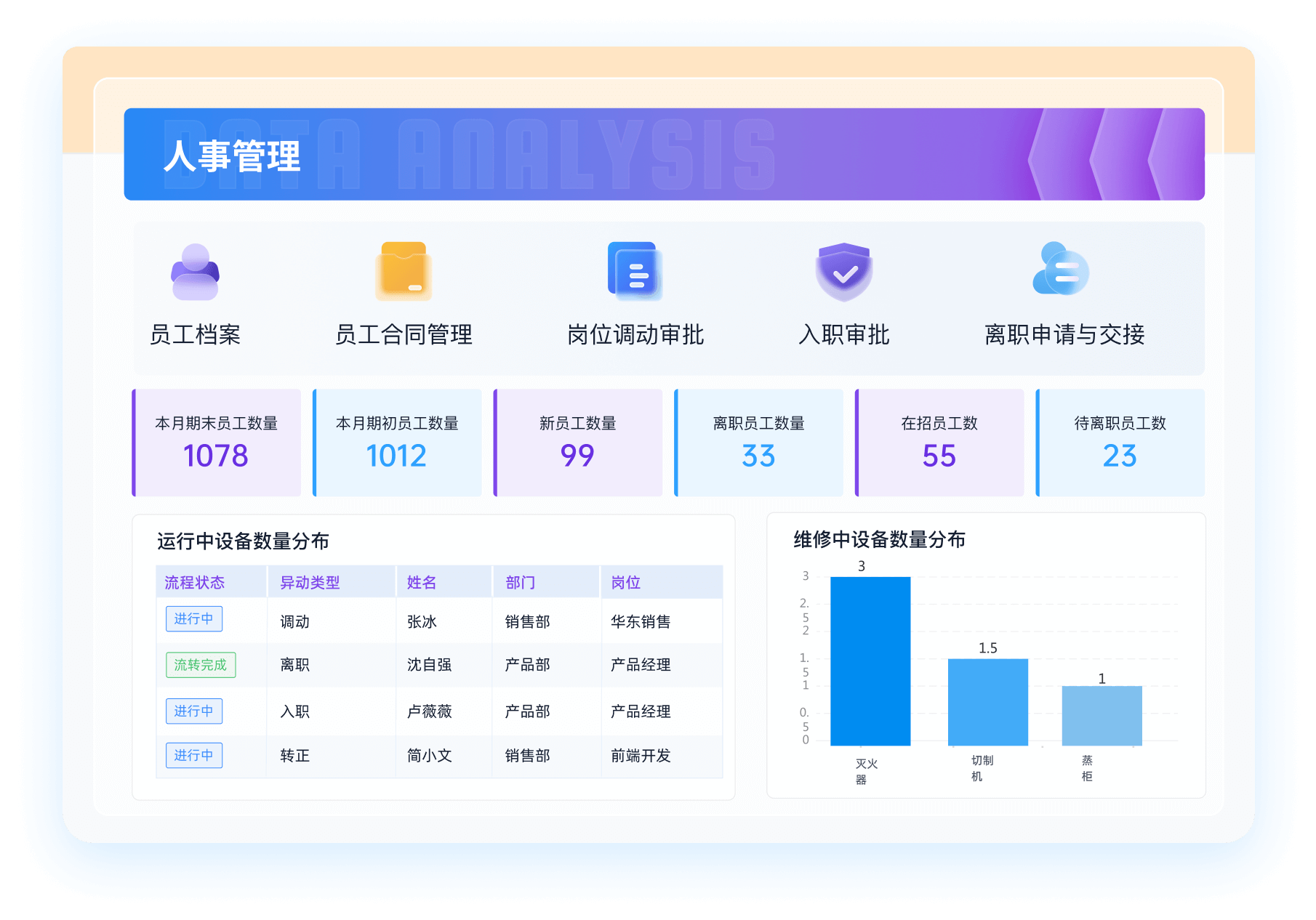
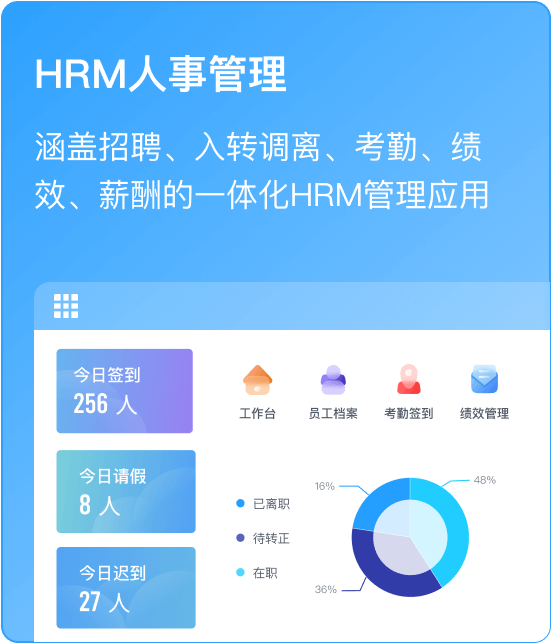
简道云HRM人事管理系统作为一款领先的HRIS解决方案,具备多种功能,可帮助企业优化人力资源管理流程。简道云HRM系统提供一站式的HR管理服务,涵盖了员工信息管理、考勤、薪酬、招聘、培训等各项功能。
简道云HRM的主要优势包括:
- 全面的功能:提供完整的HR管理功能,满足从招聘到离职的全过程管理需求。
- 自定义能力强:根据企业需求定制化功能,灵活应对各种管理场景。
- 用户友好界面:界面简洁直观,员工和HR人员均能轻松上手使用。
- 数据安全性高:采用先进的加密技术,确保企业数据的安全性。
- 云端服务:支持云端部署,方便远程访问,确保随时随地管理HR任务。
官网地址:简道云HRM人事管理系统
六、HRIS的未来发展趋势
随着技术的不断发展,HRIS系统也在不断演进,以下是未来发展的一些趋势:
- 人工智能与机器学习的应用:HRIS将利用AI和机器学习来自动化员工的招聘、评估和绩效分析。
- 数据分析和预测:HRIS将集成更强大的分析工具,帮助企业预测员工流失、招聘需求等,优化人力资源战略。
- 移动端优化:随着移动设备的普及,HRIS将提供更多的移动端功能,方便员工和HR团队随时随地访问系统。
总结与建议
HRIS是现代企业管理中不可或缺的一部分,能够帮助公司提升运营效率、确保合规性、增强决策能力并优化员工体验。选择合适的HRIS系统,如简道云HRM人事管理系统,可以为企业提供强大的支持,推动人力资源管理的数字化转型。
企业在选择和实施HRIS时,应根据自身需求进行定制,注重系统的安全性和易用性,同时保持对未来发展的关注,充分利用最新的技术提升人力资源管理水平。
相关问答FAQs:
1. 什么是人力资源信息系统(HRIS),它的主要功能是什么?
人力资源信息系统(HRIS)是一个集成的软件解决方案,旨在帮助组织有效管理与人力资源相关的数据和流程。HRIS的主要功能包括员工管理、薪资处理、招聘、绩效评估、培训与发展、考勤管理和合规性监测等。通过这些功能,HRIS能够提高数据的准确性,减少人为错误,并优化人力资源部门的工作效率。员工信息可以通过一个集中平台进行管理,确保信息的实时更新和访问,从而使企业能够在快速变化的市场环境中做出更为灵活的决策。
HRIS的优势还在于其数据分析能力,企业可以利用这些数据进行深入分析,帮助制定战略决策。通过生成报告和可视化数据,HRIS为管理层提供了及时的信息支持,助力企业在人才管理、成本控制和员工满意度等方面的持续改进。
2. 在选择HRIS时,企业应该考虑哪些关键因素?
选择合适的HRIS是一项重要的决策,涉及多个关键因素。首先,企业需要评估系统的可扩展性,确保所选HRIS能够随着企业的增长和需求变化而进行升级和扩展。其次,用户友好的界面至关重要,这样员工和HR团队都能够快速上手,减少培训时间,提高工作效率。
此外,集成能力也是一个重要考虑因素,HRIS应能够与其他系统(如财务软件、项目管理工具等)无缝连接,以实现数据共享和流程自动化。安全性也是不可忽视的,企业需要确保所选系统能有效保护员工的敏感信息,遵循相关的数据保护法规。
最后,成本是选择HRIS时的一个重要因素。企业需要在预算内选择最符合需求的系统,考虑到初始投资和长期维护费用。同时,了解供应商的客户支持和服务质量也是必要的,以确保在使用过程中能够获得及时的技术支持。
3. HRIS如何提高员工管理和组织效率?
HRIS通过多种方式提升员工管理和组织效率。首先,通过自动化日常人力资源流程,如薪资发放、考勤记录和招聘管理,HRIS显著减少了人工操作的需求,从而降低了错误率,提高了工作效率。员工可以通过自助服务门户访问自己的信息,如工资单、假期余额等,减轻了HR团队的工作负担。
其次,HRIS提供的数据分析功能使企业能够实时监控员工绩效和满意度,及时发现潜在问题并采取措施。这种数据驱动的管理方式使得组织能够更好地识别人才,并为员工提供个性化的发展机会,从而提升员工的忠诚度和工作动力。
此外,HRIS还促进了沟通与协作,尤其是在远程工作日益普及的今天。通过集成的沟通工具和项目管理功能,HRIS能够帮助团队成员之间保持良好的沟通,确保信息透明和任务顺利完成。这种协作环境不仅提高了工作效率,还增强了团队的凝聚力。
在信息时代,HRIS已成为现代企业不可或缺的工具,帮助企业在激烈的市场竞争中保持优势。通过有效利用HRIS,企业能够优化人力资源管理,推动组织向更高的目标迈进。






























































 《零代码开发知识图谱》
 《零代码
新动能》案例集
《零代码
新动能》案例集
 《企业零代码系统搭建指南》