 阅读时间:8 分钟
  浏览量:4156次
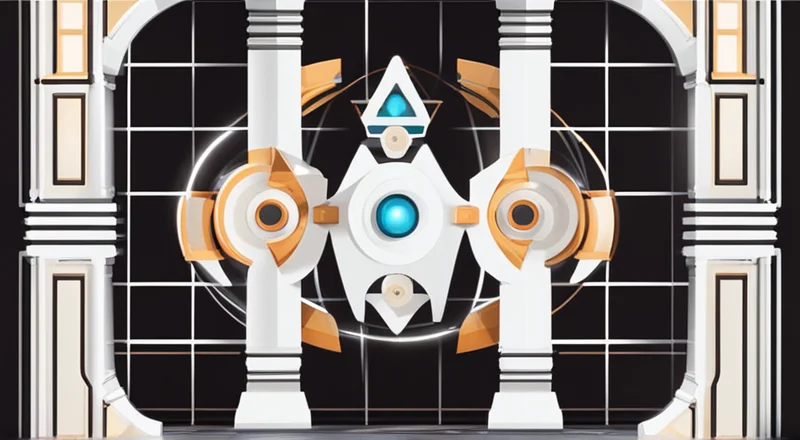

Kronos, the Ancient God of Time, holds a significant place in Greek mythology, symbolizing the passage and control of time itself. 1、Kronos, also known as Cronus, was the leader of the first generation of Titans, the divine beings who ruled the cosmos before the Olympian gods took over. 2、He was often depicted as a powerful, cruel god, associated with both time and destruction, known for his eventual downfall. 3、His myth is rich with themes of power, fate, and the cyclical nature of time. In this article, we will explore the key aspects of Kronos’s story, his symbolism, and the myths surrounding him.
一、Kronos’s Origins and Role in Greek Mythology
Kronos was the son of Uranus (the sky) and Gaia (the earth), and his birth marked the beginning of the Titan era. He was one of the youngest of the Titans but soon rose to prominence by overthrowing his father, Uranus, with the help of his mother, Gaia. According to the myth, Uranus was a cruel and tyrannical ruler who imprisoned his children, and Kronos, driven by the desire for power, castrated him with a sickle, taking his place as the ruler of the cosmos.
Kronos’s rule was marked by fear and suspicion—he believed that one of his children would eventually overthrow him, just as he had done to his own father. This prophecy deeply troubled him, leading him to take drastic measures to avoid it.
二、The Prophecy and Kronos’s Downfall
Kronos’s fear of being overthrown by one of his children was realized when his wife, Rhea, gave birth to several children. To prevent the prophecy from coming true, Kronos swallowed each of his newborn children immediately after their birth, including Hestia, Hera, Demeter, Poseidon, and Hades. However, when Rhea gave birth to her youngest child, Zeus, she could not bear to lose him like the others. Instead, she tricked Kronos by wrapping a stone in swaddling clothes and presenting it to him as the newborn Zeus. Kronos swallowed the stone, and Zeus was secretly raised in safety.
Zeus’s eventual return to confront Kronos and rescue his siblings marked the beginning of the Titanomachy, a great war between the Olympian gods, led by Zeus, and the Titans, led by Kronos. The war culminated in the defeat of the Titans and the imprisonment of Kronos in Tartarus, a deep, dark abyss in the underworld.
三、Symbolism of Kronos: The God of Time
Kronos’s association with time is multifaceted and deeply symbolic. He is often seen as embodying the inevitable passage of time, with both its destructive and transformative qualities. Time, as symbolized by Kronos, is cyclical, unrelenting, and all-encompassing. His devouring of his children can be interpreted as a metaphor for the way time consumes all things, even the most precious aspects of life, such as family and love. Time, according to this myth, is both a creator and destroyer.
The visual representation of Kronos—an old man with a sickle—also emphasizes the idea of time as something that brings decay, aging, and eventual death. The sickle itself is a tool often associated with the harvest, suggesting that time harvests life and opportunities, taking them away as they mature.
四、The Titanomachy: Zeus vs. Kronos
The Titanomachy was a ten-year war between the Olympian gods, led by Zeus, and the Titans, led by Kronos. This epic conflict is one of the central events in Greek mythology, symbolizing the triumph of the younger generation over the older, more established order. The Olympians, with their allies, including the Cyclopes and the Hundred-Handed Ones, ultimately defeated Kronos and the Titans.
Here are some key events in the Titanomachy:
- Zeus’s Release of His Siblings: After escaping his father's wrath, Zeus returned to free his swallowed siblings, who were trapped in Kronos’s stomach. This act restored the strength of the Olympians.
- Alliances with Other Beings: During the war, the Olympians made alliances with other powerful beings, including the Cyclopes, who forged Zeus’s thunderbolts, and the Hundred-Handed Ones, who helped in the battle.
- Kronos’s Defeat and Imprisonment: After being defeated in the battle, Kronos and the other Titans were imprisoned in Tartarus, where they would remain until the end of time.
五、Kronos’s Legacy in Modern Culture
Kronos’s influence extends beyond ancient mythology into modern culture. He is often used as a symbol for the inevitability of time, the cyclical nature of life, and the dangers of unchecked power. In literature, films, and other art forms, Kronos or characters inspired by him frequently appear as representations of time’s consuming nature or as figures representing tyranny and fear of the future.
Some of the most notable portrayals of Kronos in modern media include his appearance in works such as Clash of the Titans, where his image is used to represent both the literal and metaphorical passage of time. Additionally, the concept of time as a powerful, often destructive force is explored in various science fiction and fantasy genres, echoing the ancient god’s mythological influence.
六、Conclusion: Understanding the Myth and Symbolism of Kronos
Kronos, as the ancient god of time, symbolizes both the cyclical and destructive nature of time, as well as the eternal conflict between generations. His myth is a timeless reminder of the inexorable passage of time and the inevitability of change. Despite his fall from power, Kronos’s legacy continues to influence modern thought and culture, making him one of the most enduring figures in Greek mythology.
As we reflect on Kronos’s story, we are reminded that time is not something we can control or escape from. It is an ever-present force that shapes all aspects of life, from birth to death, growth to decay. Understanding Kronos’s myth can help us appreciate the importance of living in the moment and making the most of the time we have.
相关问答FAQs:
Kronos是谁?他在希腊神话中的角色是什么?
Kronos是希腊神话中的重要神祇,常被视为时间的化身。他是乌拉诺斯(天)和盖亚(地)的儿子,也是泰坦神族的领袖。Kronos不仅是时间的象征,还被认为是农业的守护神。他的形象常常与收割、丰收及生命的轮回相联系。Kronos在希腊神话中以其对权力的渴望而闻名,传说他因预见到自己将被儿子推翻而选择吞噬自己的子女,直到最后被宙斯所击败。Kronos的故事反映了时间的无情与循环,象征着生与死、创造与毁灭的永恒主题。
Kronos与宙斯之间的斗争有什么象征意义?
Kronos与宙斯之间的斗争在希腊神话中具有深刻的象征意义。Kronos代表着旧的秩序和权威,而宙斯则象征着新的开始和希望。这场斗争不仅是父子之间的冲突,更是对旧传统的挑战与新思想的崛起。Kronos吞噬子女的行为象征着对生命和创造的恐惧,而宙斯的反抗则代表着对自由和未来的渴望。这场斗争最终导致了泰坦战争的爆发,宙斯和他的兄弟姐妹们成功推翻了Kronos,建立了新的神祇秩序,象征着新生与变革的力量。这一故事在文化中反复出现,反映了人类对权力、时间以及生命循环的深刻思考。
Kronos在现代文化中的影响有哪些?
Kronos不仅在古希腊神话中占据重要地位,还对现代文化产生了深远的影响。他的形象和故事在文学、电影、艺术等多个领域得到了广泛引用。在文学作品中,Kronos常被用作时间的象征,探讨人类对时间流逝的反思。在电影中,Kronos的故事被改编为各种剧情,展示了时间与命运之间的紧密联系。同时,Kronos的形象也出现在一些电子游戏中,作为反派角色或象征性人物,推动剧情发展。此外,Kronos的故事也启发了许多关于权力、代际冲突和人类存在意义的哲学讨论,持续影响着现代社会对时间和生命的理解。
Kronos的多重身份和丰富的故事,继续在当代文化中激发灵感,促使人们探索时间的本质和人类的命运。





















































































 《零代码开发知识图谱》
 《零代码
新动能》案例集
《零代码
新动能》案例集
 《企业零代码系统搭建指南》