
 阅读时间:8 分钟
  浏览量:4706次
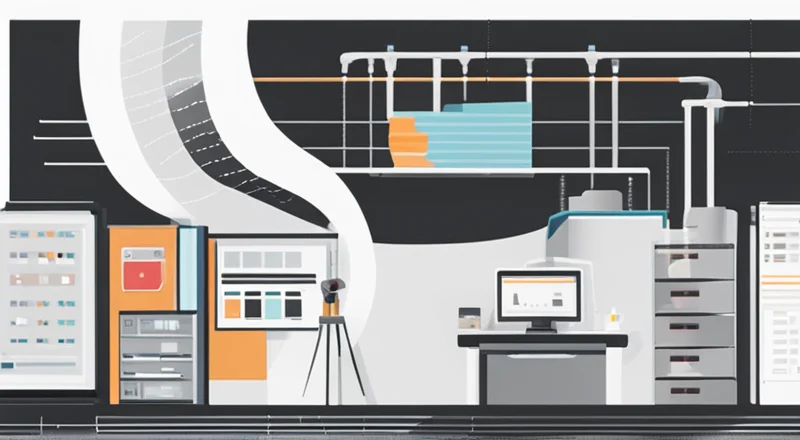

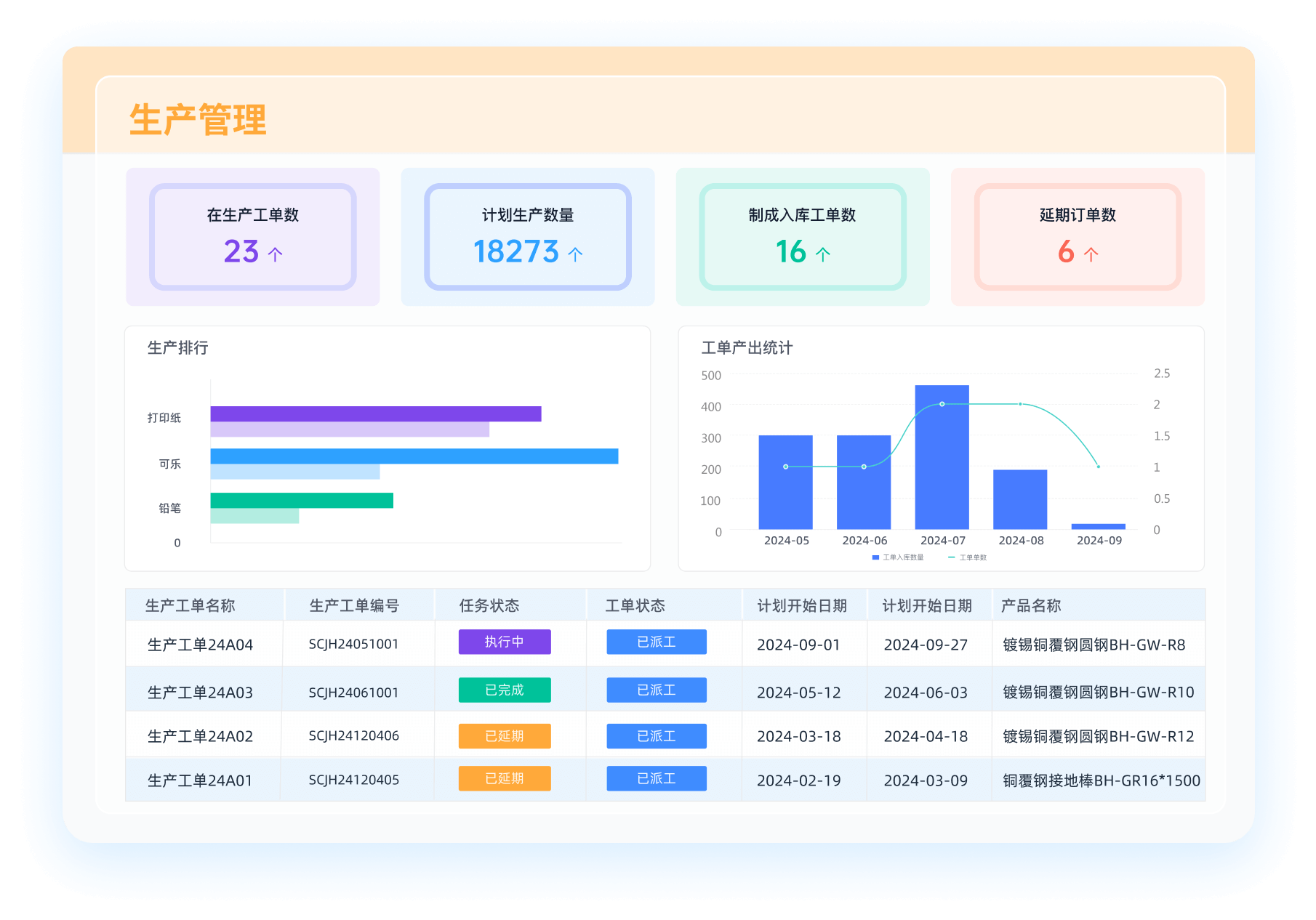
Production management system software is critical for improving efficiency, reducing costs, enhancing quality, and ensuring timely delivery in manufacturing. Among these, improving efficiency is particularly significant. By automating various manual processes, production management systems can substantially reduce the time and effort required to complete tasks. This not only speeds up production but also minimizes the chances of human error, leading to higher accuracy and reliability. Enhanced efficiency means that resources are better utilized, and the overall productivity of the manufacturing process is significantly boosted. The software can provide real-time data, enabling managers to make informed decisions quickly, which further enhances operational efficiency.
I. IMPROVING EFFICIENCY
Production management system software plays a pivotal role in streamlining manufacturing processes. Automating manual tasks, such as scheduling, inventory management, and quality control, drastically reduces the time and labor required. By integrating various functions into a single platform, the software ensures seamless communication and coordination between departments. Real-time data collection and analysis allow managers to monitor production stages closely, identify bottlenecks, and take corrective actions promptly. This leads to a more efficient workflow, where resources are allocated optimally, and downtime is minimized. Automation also reduces human error, ensuring that processes are carried out with precision and consistency.
One of the primary ways production management systems improve efficiency is through real-time tracking and reporting. By providing instant visibility into production status, managers can quickly identify issues and address them before they escalate. For instance, if a machine breaks down, the system can alert the maintenance team immediately, reducing downtime and preventing delays. Moreover, with predictive maintenance features, the software can forecast potential equipment failures, allowing for proactive maintenance and reducing unexpected disruptions.
II. REDUCING COSTS
Cost reduction is a major benefit of implementing production management system software. Optimizing resource utilization is one of the primary ways to achieve cost savings. By providing detailed insights into resource allocation, the software ensures that materials, labor, and machinery are used efficiently. This reduces wastage and lowers production costs. Inventory management is another area where cost savings are realized. By maintaining optimal inventory levels, the software prevents overstocking and understocking, both of which can be costly. Overstocking ties up capital in unsold goods, while understocking can lead to production delays and lost sales.
Labor costs can also be significantly reduced with production management systems. By automating repetitive tasks and streamlining workflows, the software reduces the need for manual labor, leading to lower labor expenses. Additionally, the improved efficiency and productivity enabled by the software mean that fewer workers are needed to achieve the same output. Energy consumption is another area where costs can be cut. By optimizing production schedules and reducing downtime, the software ensures that machinery and equipment are used more efficiently, leading to lower energy bills.
III. ENHANCING QUALITY
Production management system software plays a crucial role in enhancing the quality of manufactured products. Standardizing processes ensures that every product meets the same quality standards, reducing variations and defects. The software can enforce quality control procedures at every stage of production, ensuring that any deviations are promptly identified and corrected. Real-time monitoring and reporting allow for continuous quality assessments, enabling quick adjustments to maintain high standards.
Traceability is another significant benefit. By maintaining detailed records of materials, processes, and finished products, the software ensures that any quality issues can be traced back to their source. This is particularly important in industries with stringent regulatory requirements, such as pharmaceuticals and aerospace. Customer satisfaction is directly linked to product quality. By consistently producing high-quality products, manufacturers can enhance their reputation, leading to increased customer loyalty and repeat business.
IV. ENSURING TIMELY DELIVERY
Timely delivery is critical in maintaining customer satisfaction and meeting contractual obligations. Production management system software helps ensure that products are delivered on time by optimizing production schedules and coordinating various stages of the manufacturing process. By providing real-time visibility into production status, the software allows managers to identify and address potential delays promptly. Inventory management features ensure that materials and components are available when needed, preventing production stoppages due to stockouts.
Supply chain coordination is another key factor in ensuring timely delivery. By integrating with suppliers and logistics providers, the software enables seamless communication and coordination, ensuring that materials are delivered on time and finished products are shipped according to schedule. Predictive analytics can also play a role in timely delivery. By forecasting demand and production requirements, the software allows manufacturers to plan ahead and ensure that they can meet customer orders on time.
V. INTEGRATING WITH OTHER SYSTEMS
Production management system software often needs to integrate with other systems within the organization, such as ERP (Enterprise Resource Planning), CRM (Customer Relationship Management), and MES (Manufacturing Execution Systems). Seamless integration ensures that data flows smoothly between systems, providing a comprehensive view of the entire production process. This enables better decision-making and more efficient operations. Data consistency is another benefit of integration. By ensuring that all systems use the same data, the software reduces the risk of errors and discrepancies.
Enhanced collaboration is facilitated by integration. By providing a unified platform for communication and data sharing, the software ensures that all departments are aligned and working towards common goals. For example, integrating the production management system with the ERP system allows for better coordination between production and financial planning, ensuring that production schedules align with budget constraints. Scalability is also improved with integration. As the organization grows and its needs evolve, the software can easily adapt and integrate with new systems and technologies.
VI. CUSTOMIZATION AND FLEXIBILITY
One of the key advantages of modern production management system software is its ability to be customized to meet the specific needs of different organizations. Tailoring the software to fit the unique requirements of a company ensures that it delivers maximum value. This customization can include configuring workflows, setting up specific quality control procedures, and integrating with existing systems. Flexibility is also crucial. As market conditions and business needs change, the software should be able to adapt quickly and easily.
User-friendly interfaces are an important aspect of customization. By providing intuitive and easy-to-use interfaces, the software ensures that all users, regardless of their technical expertise, can effectively utilize its features. Scalable solutions are another aspect of flexibility. As the organization grows, the software should be able to scale up to handle increased production volumes and more complex processes. Continuous improvement is facilitated by customizable and flexible software. By allowing for ongoing adjustments and enhancements, the software ensures that it remains aligned with the organization's goals and objectives.
VII. DATA SECURITY AND COMPLIANCE
Data security is a critical concern for any organization, and production management system software must ensure that sensitive information is protected. Robust security measures should be in place to prevent unauthorized access and data breaches. This includes encryption, user authentication, and access controls. Compliance with industry regulations is another important aspect. The software should ensure that all production processes adhere to relevant standards and regulations, such as ISO, FDA, or other industry-specific requirements.
Audit trails are essential for both security and compliance. By maintaining detailed records of all actions and changes within the system, the software provides a transparent and traceable history of production activities. This is particularly important in regulated industries, where thorough documentation is required for compliance audits. Regular updates and patches are necessary to address new security threats and ensure that the software remains compliant with evolving regulations. Employee training is also crucial. By educating staff on best practices for data security and compliance, organizations can further protect their sensitive information and maintain regulatory adherence.
VIII. FUTURE TRENDS IN PRODUCTION MANAGEMENT SYSTEM SOFTWARE
As technology continues to evolve, so too will production management system software. Artificial intelligence (AI) and machine learning (ML) are expected to play a significant role in the future. By analyzing large volumes of data, AI and ML can provide predictive insights and optimize production processes. For example, AI can predict equipment failures before they occur, allowing for proactive maintenance and reducing downtime. Internet of Things (IoT) integration is another trend. By connecting machines and equipment to the internet, IoT enables real-time data collection and monitoring, enhancing visibility and control over the production process.
Cloud-based solutions are becoming increasingly popular due to their scalability, flexibility, and cost-effectiveness. By hosting the software in the cloud, organizations can easily scale up or down based on their needs, and access the system from anywhere with an internet connection. Augmented reality (AR) and virtual reality (VR) are also emerging technologies that could impact production management. For example, AR can be used for remote assistance and training, while VR can simulate production processes for testing and optimization. Sustainability is another important trend. As environmental concerns grow, production management systems will need to incorporate features that promote sustainable practices, such as reducing waste and optimizing energy use.
In conclusion, production management system software is an essential tool for modern manufacturing organizations. By improving efficiency, reducing costs, enhancing quality, and ensuring timely delivery, the software provides significant value. As technology continues to advance, the capabilities of these systems will only grow, offering even greater benefits to manufacturers.
相关问答FAQs:
What is a production management system software?
A production management system software is a computer program designed to help businesses plan, organize, and control the production process. It typically includes features such as inventory management, scheduling, quality control, and reporting tools to streamline operations and improve efficiency.
How can a production management system software benefit a company?
Implementing a production management system software can bring a range of benefits to a company. It can help optimize production processes, reduce waste, improve quality control, enhance productivity, and streamline communication between different departments. Additionally, it can provide real-time insights into production performance, allowing for better decision-making and resource allocation.
What are some key features to look for in a production management system software?
When choosing a production management system software, it's essential to look for features that align with your company's specific needs. Some key features to consider include capacity planning, production scheduling, inventory tracking, quality management, reporting and analytics tools, integration capabilities with other systems, and scalability to accommodate future growth. By selecting a software that offers these features, companies can better manage their production processes and drive overall business success.





























































 《零代码开发知识图谱》
 《零代码
新动能》案例集
《零代码
新动能》案例集
 《企业零代码系统搭建指南》