
 阅读时间:8 分钟
  浏览量:6484次


The English translation of "设备管理系统" is "Equipment Management System". An Equipment Management System (EMS) is a crucial tool for maintaining and managing the assets within an organization. It ensures optimal utilization of equipment, reduces downtime, and enhances operational efficiency. The system typically includes functionalities such as tracking equipment usage, scheduling maintenance, and generating reports. In particular, the scheduling maintenance feature helps in preemptively addressing potential issues, thereby prolonging the equipment's lifespan and reducing unexpected failures.
一、功能、模块
An Equipment Management System typically consists of several key modules that work together to ensure efficient management and utilization of equipment. Asset Tracking, Maintenance Scheduling, Inventory Management, and Reporting and Analytics are some of the critical modules.
Asset Tracking: This module enables organizations to keep a detailed record of each piece of equipment. It includes information such as the equipment's location, usage history, and current status. By having all this data readily available, organizations can easily track their assets and ensure they are being used efficiently.
Maintenance Scheduling: Preventive maintenance is crucial for the longevity of equipment. This module helps in scheduling regular maintenance tasks, alerting the relevant personnel, and keeping a record of all maintenance activities. Regular maintenance not only prevents unexpected breakdowns but also ensures that equipment operates at optimal efficiency.
Inventory Management: This module is essential for keeping track of spare parts and consumables. By managing inventory effectively, organizations can ensure they have the necessary parts on hand when equipment needs repair or maintenance, reducing downtime and increasing productivity.
Reporting and Analytics: Data is a powerful tool in managing equipment. This module generates various reports and analytics, providing insights into equipment performance, maintenance costs, and usage patterns. These insights can help in making informed decisions about equipment purchases, maintenance schedules, and overall management strategies.
二、优势、好处
Implementing an Equipment Management System offers numerous advantages. Improved Efficiency, Cost Savings, Enhanced Equipment Lifespan, and Compliance and Safety are some of the key benefits.
Improved Efficiency: By automating many of the processes involved in managing equipment, an EMS can significantly improve efficiency. Tasks that once required manual intervention, such as scheduling maintenance or tracking usage, can be automated, freeing up time for employees to focus on more strategic activities.
Cost Savings: Effective equipment management can lead to significant cost savings. Regular maintenance and timely repairs can prevent costly breakdowns, and efficient inventory management can reduce the costs associated with overstocking or running out of critical parts. Additionally, by optimizing the use of equipment, organizations can avoid unnecessary purchases.
Enhanced Equipment Lifespan: Regular maintenance and proper usage tracking can significantly extend the lifespan of equipment. An EMS ensures that equipment is maintained according to manufacturer recommendations and used within its capacity, preventing premature wear and tear.
Compliance and Safety: Many industries have strict regulations regarding equipment maintenance and safety. An EMS helps organizations comply with these regulations by keeping detailed records of maintenance activities and ensuring that equipment is in good working condition. This not only helps in avoiding fines and legal issues but also ensures a safe working environment for employees.
三、实施步骤、策略
Implementing an Equipment Management System requires careful planning and execution. Assessment and Planning, System Selection, Implementation and Training, and Monitoring and Improvement are the key steps involved.
Assessment and Planning: The first step is to assess the current state of equipment management within the organization. This involves identifying the types and quantities of equipment, current management practices, and any existing issues or inefficiencies. Based on this assessment, a detailed plan for implementing the EMS can be developed, outlining the goals, timelines, and resources required.
System Selection: Choosing the right EMS is crucial for successful implementation. Organizations should evaluate different systems based on their specific needs, such as the types of equipment they manage, the size of their operations, and their budget. Key features to look for include user-friendliness, scalability, integration capabilities, and support services.
Implementation and Training: Once a system is selected, the next step is to implement it. This involves setting up the system, entering data about the equipment, and configuring the various modules. Training is also a critical component of this step. Employees need to be trained on how to use the system effectively, including how to enter data, generate reports, and use the various features.
Monitoring and Improvement: After the system is implemented, it is important to continuously monitor its performance and make improvements as needed. This involves regularly reviewing the system’s outputs, such as maintenance schedules and usage reports, and making adjustments to ensure optimal performance. Feedback from users can also provide valuable insights into potential areas for improvement.
四、挑战、解决方案
Implementing an Equipment Management System can present several challenges. Resistance to Change, Data Accuracy, Integration with Existing Systems, and Ongoing Maintenance are some of the common challenges faced.
Resistance to Change: Employees may be resistant to adopting a new system, especially if they are accustomed to existing processes. To address this, it is important to communicate the benefits of the new system clearly and involve employees in the implementation process. Providing adequate training and support can also help in easing the transition.
Data Accuracy: The effectiveness of an EMS depends on the accuracy of the data entered into the system. Ensuring data accuracy requires careful planning and execution during the initial data entry phase, as well as ongoing efforts to maintain data integrity. Implementing data validation checks and regularly auditing the data can help in maintaining accuracy.
Integration with Existing Systems: Integrating the EMS with other existing systems, such as enterprise resource planning (ERP) systems or human resource management systems (HRMS), can be challenging. It is important to choose an EMS that offers integration capabilities and to work closely with the vendors of the existing systems to ensure smooth integration.
Ongoing Maintenance: An EMS requires ongoing maintenance to ensure it continues to function effectively. This includes regular updates to the software, addressing any technical issues that arise, and continuously training employees on any new features or updates. Having a dedicated team or support service to manage these tasks can help in ensuring the system remains effective in the long term.
五、成功案例、行业应用
Many organizations across various industries have successfully implemented Equipment Management Systems and reaped significant benefits. Manufacturing, Healthcare, Construction, and Energy are some of the industries where EMS is commonly used.
Manufacturing: In the manufacturing industry, equipment uptime is critical for maintaining production schedules and meeting customer demands. An EMS helps in tracking the usage and maintenance of machinery, ensuring that equipment is always in good working condition and reducing downtime.
Healthcare: In the healthcare industry, equipment such as MRI machines, ventilators, and surgical instruments are essential for patient care. An EMS helps in managing the maintenance and calibration of this equipment, ensuring it operates accurately and reliably, which is crucial for patient safety.
Construction: Construction companies rely heavily on equipment such as cranes, bulldozers, and excavators. An EMS helps in managing the maintenance and usage of this equipment, ensuring it is available when needed and reducing the risk of costly breakdowns.
Energy: In the energy industry, equipment such as turbines, generators, and pipelines are critical for operations. An EMS helps in managing the maintenance and monitoring of this equipment, ensuring it operates efficiently and reducing the risk of failures that could lead to significant operational disruptions.
These examples illustrate the wide-ranging applications and benefits of Equipment Management Systems across different industries. By implementing an EMS, organizations can achieve significant improvements in efficiency, cost savings, and equipment reliability.
相关问答FAQs:
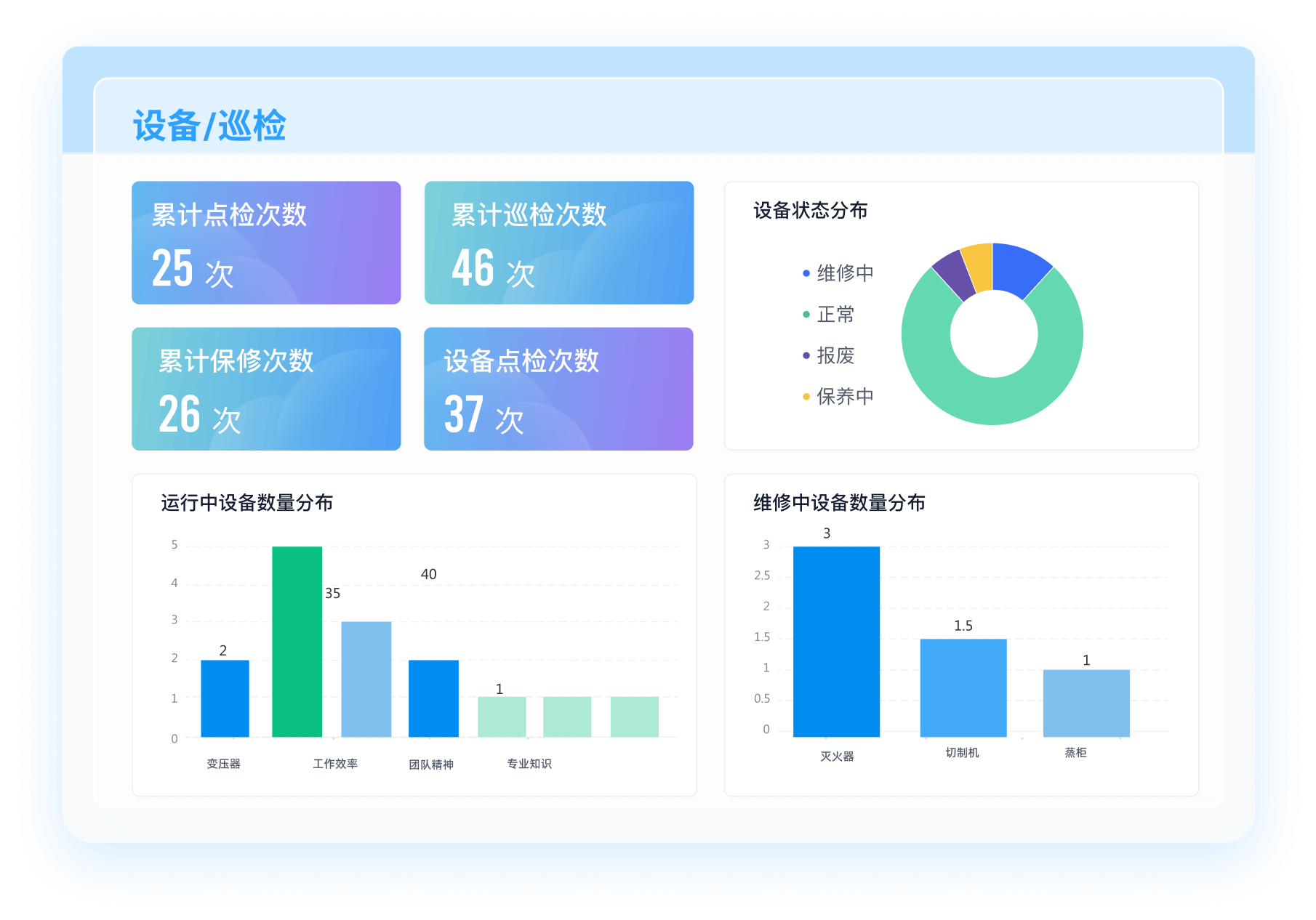
设备管理系统的英文翻译是 "Equipment Management System"。这个术语通常用于描述用于跟踪、管理和维护设备的系统,广泛应用于各类行业,如制造业、建筑业、医疗保健等。设备管理系统能够帮助企业提高设备的使用效率,降低维护成本,并延长设备的使用寿命。































































 《零代码开发知识图谱》
 《零代码
新动能》案例集
《零代码
新动能》案例集
 《企业零代码系统搭建指南》