 阅读时间:8 分钟
  浏览量:5854次


Mastering various equipment management systems requires understanding their core functionalities, key benefits, and integration methods. Streamlined maintenance processes、enhanced equipment lifecycle management、real-time monitoring capabilities、data-driven decision making are crucial. Streamlined maintenance processes are particularly important as they ensure all equipment operates optimally, reducing downtime and repair costs. This involves implementing preventive maintenance schedules, automating work order generation, and tracking maintenance history to predict future needs accurately.
I. STREAMLINED MAINTENANCE PROCESSES
Efficient maintenance processes are vital for any equipment management system. These processes include preventive maintenance schedules that help avoid unexpected breakdowns and ensure equipment reliability. Automated work order generation ensures that maintenance tasks are assigned promptly, reducing the time needed for manual intervention. Tracking maintenance history provides valuable insights into equipment performance, enabling predictive maintenance. By analyzing historical data, organizations can identify patterns and predict potential issues before they occur, thus minimizing downtime and optimizing resource allocation.
Implementing a Computerized Maintenance Management System (CMMS) can significantly enhance maintenance efficiency. CMMS software automates the scheduling of preventive maintenance tasks, ensuring that all equipment receives timely attention. This not only extends the equipment's lifespan but also improves safety and compliance with industry standards.
II. ENHANCED EQUIPMENT LIFECYCLE MANAGEMENT
Effective equipment lifecycle management encompasses the entire lifespan of the equipment, from acquisition to disposal. By using an equipment management system, organizations can track each stage of the lifecycle, ensuring that equipment is used efficiently and replaced at the right time. Asset tracking and inventory management are essential components of lifecycle management. They help in monitoring the usage, performance, and condition of equipment, allowing for informed decision-making regarding repairs, upgrades, or replacements.
Equipment management systems also facilitate capital planning and budgeting by providing accurate data on the current state of assets. This helps organizations allocate resources more effectively and plan for future investments. Depreciation tracking is another critical aspect, ensuring that financial records accurately reflect the value of the equipment over time.
III. REAL-TIME MONITORING CAPABILITIES
Real-time monitoring is a cornerstone of modern equipment management systems. It allows organizations to keep a constant eye on the status and performance of their equipment. Sensors and IoT (Internet of Things) devices play a crucial role in this, providing real-time data on various parameters such as temperature, pressure, and vibration. This data is then analyzed to detect anomalies and potential failures before they occur.
Dashboard interfaces provide a centralized view of all equipment, enabling quick identification of issues and facilitating swift response. Real-time alerts and notifications ensure that maintenance teams are immediately informed of any problems, reducing reaction time and preventing minor issues from escalating into major failures. Predictive analytics further enhance real-time monitoring by using historical data to forecast future performance and maintenance needs.
IV. DATA-DRIVEN DECISION MAKING
Data is the backbone of any robust equipment management system. By collecting and analyzing data from various sources, organizations can make informed decisions that enhance efficiency and productivity. Data analytics tools help in identifying trends, patterns, and insights that would be difficult to discern manually. This enables better planning and optimization of resources.
Key Performance Indicators (KPIs) are essential metrics used to measure the effectiveness of equipment management strategies. These include metrics such as Mean Time Between Failures (MTBF), Mean Time to Repair (MTTR), and overall equipment effectiveness (OEE). By monitoring these KPIs, organizations can gauge the performance of their equipment and identify areas for improvement.
Reporting and documentation are also critical components of data-driven decision-making. Detailed reports provide a comprehensive overview of equipment status, maintenance activities, and performance metrics. This information is invaluable for compliance purposes and helps in making strategic decisions regarding equipment investments and maintenance strategies.
V. INTEGRATION WITH OTHER SYSTEMS
For an equipment management system to be truly effective, it needs to integrate seamlessly with other enterprise systems. Enterprise Resource Planning (ERP) systems, for instance, can benefit greatly from integration with equipment management systems. This integration ensures that data flows smoothly between different departments, enhancing overall organizational efficiency.
Supply chain management is another area where integration is beneficial. By linking equipment management systems with supply chain systems, organizations can ensure that spare parts and maintenance supplies are readily available when needed. This reduces downtime and ensures that maintenance activities are carried out without delays.
Workforce management systems also benefit from integration, as it allows for better scheduling and resource allocation. Maintenance teams can be deployed more efficiently, ensuring that the right personnel with the right skills are available when and where they are needed.
VI. TRAINING AND SUPPORT
Effective use of equipment management systems requires proper training and support for all users. Comprehensive training programs ensure that staff are well-versed in using the system, understanding its functionalities, and leveraging its features to improve maintenance processes. Ongoing support and updates are also crucial, as they ensure that the system remains effective and up-to-date with the latest advancements in technology.
Training should cover all aspects of the system, from basic operation to advanced features such as data analytics and reporting. Hands-on training sessions, along with detailed manuals and documentation, can help users become proficient in using the system.
Technical support is equally important, as it provides users with assistance in resolving any issues they may encounter. This ensures that the system operates smoothly and that any disruptions are quickly addressed.
VII. SECURITY AND COMPLIANCE
Security is a paramount concern in equipment management systems, as these systems often contain sensitive data about organizational assets. Robust security measures are essential to protect this data from unauthorized access and cyber threats. This includes implementing strong authentication protocols, encryption, and regular security audits.
Compliance with industry standards and regulations is also critical. Equipment management systems must adhere to relevant laws and guidelines to ensure that the organization remains compliant. This includes maintaining accurate records, conducting regular inspections, and ensuring that all equipment meets safety standards.
Data backup and recovery plans are essential to safeguard against data loss. Regular backups ensure that data can be restored in the event of a system failure or cyberattack. Having a comprehensive disaster recovery plan in place further ensures that the organization can quickly recover and resume operations.
VIII. FUTURE TRENDS AND DEVELOPMENTS
The field of equipment management is constantly evolving, with new technologies and trends emerging regularly. Artificial Intelligence (AI) and Machine Learning (ML) are set to revolutionize equipment management by providing advanced predictive analytics and automation capabilities. These technologies can help in predicting failures with greater accuracy and optimizing maintenance schedules.
Augmented Reality (AR) and Virtual Reality (VR) are also making their way into equipment management, providing immersive training experiences and remote assistance capabilities. Technicians can use AR and VR tools to visualize complex equipment and receive real-time guidance during maintenance tasks.
Blockchain technology offers potential benefits in terms of data security and transparency. By providing a secure and immutable ledger, blockchain can enhance the tracking of equipment history and ensure the integrity of maintenance records.
Staying abreast of these trends and incorporating them into equipment management strategies will be essential for organizations looking to maintain a competitive edge and ensure the optimal performance of their assets.
相关问答FAQs:
FAQs关于设备管理系统
1. 什么是设备管理系统,它的主要功能是什么?
设备管理系统是一种专门用于监控、管理和维护企业内部各种设备的工具。它的主要功能包括设备资产跟踪、维护计划管理、故障检测与报警、以及性能分析等。通过有效地监控设备的使用情况,企业能够更好地进行资源配置,减少设备故障的发生,提高生产效率。设备管理系统通常还具备数据报表功能,帮助管理者实时了解设备的运行状态和维护需求,从而做出更为科学的决策。
2. 设备管理系统如何提高企业的运营效率?
设备管理系统通过集中管理企业的所有设备,能够显著提高运营效率。首先,它能够提供实时数据监控,帮助管理者及时识别设备故障和潜在的问题,降低停机时间。其次,系统可以自动化维护任务的安排,确保定期检查和保养,从而延长设备的使用寿命。此外,设备管理系统还可以通过数据分析,找出设备使用中的瓶颈和低效环节,帮助企业优化生产流程,节约成本。最终,企业将能够实现更高的生产力和更低的运营成本。
3. 在选择设备管理系统时,企业应该考虑哪些关键因素?
在选择设备管理系统时,企业需要考虑多个关键因素。首先,系统的功能是否满足企业的需求,如设备跟踪、维护管理、报告生成等。其次,用户界面的友好性也非常重要,系统应易于操作,便于员工快速上手。此外,系统的可扩展性也是一个重要考量,随着企业的成长,系统需要能够支持新增设备和功能。同时,数据安全性也不能忽视,确保系统能够有效保护企业的敏感信息。最后,售后服务和技术支持也是企业需要关注的内容,及时的技术支持能够帮助企业在使用过程中解决问题,保证系统的正常运作。
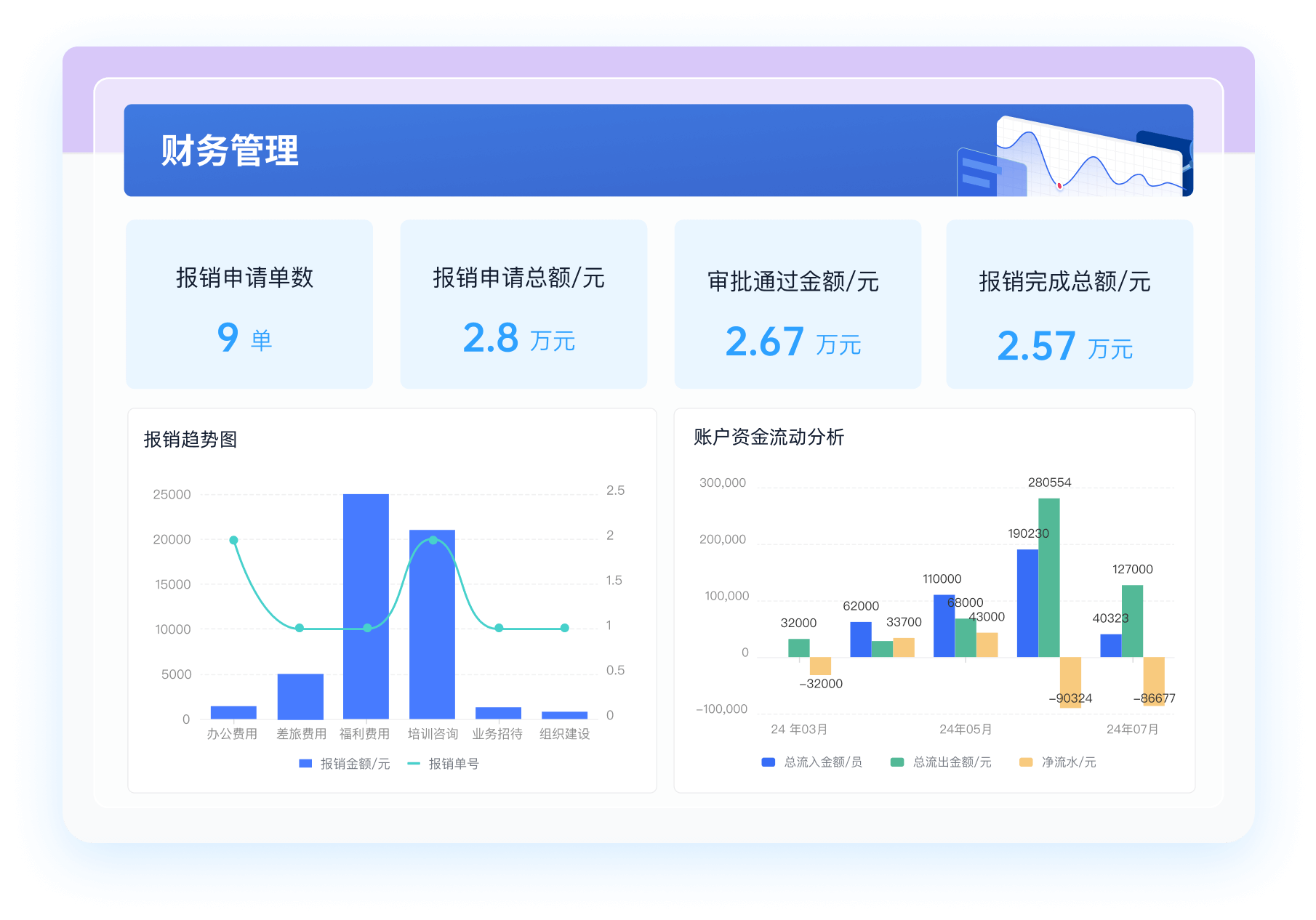
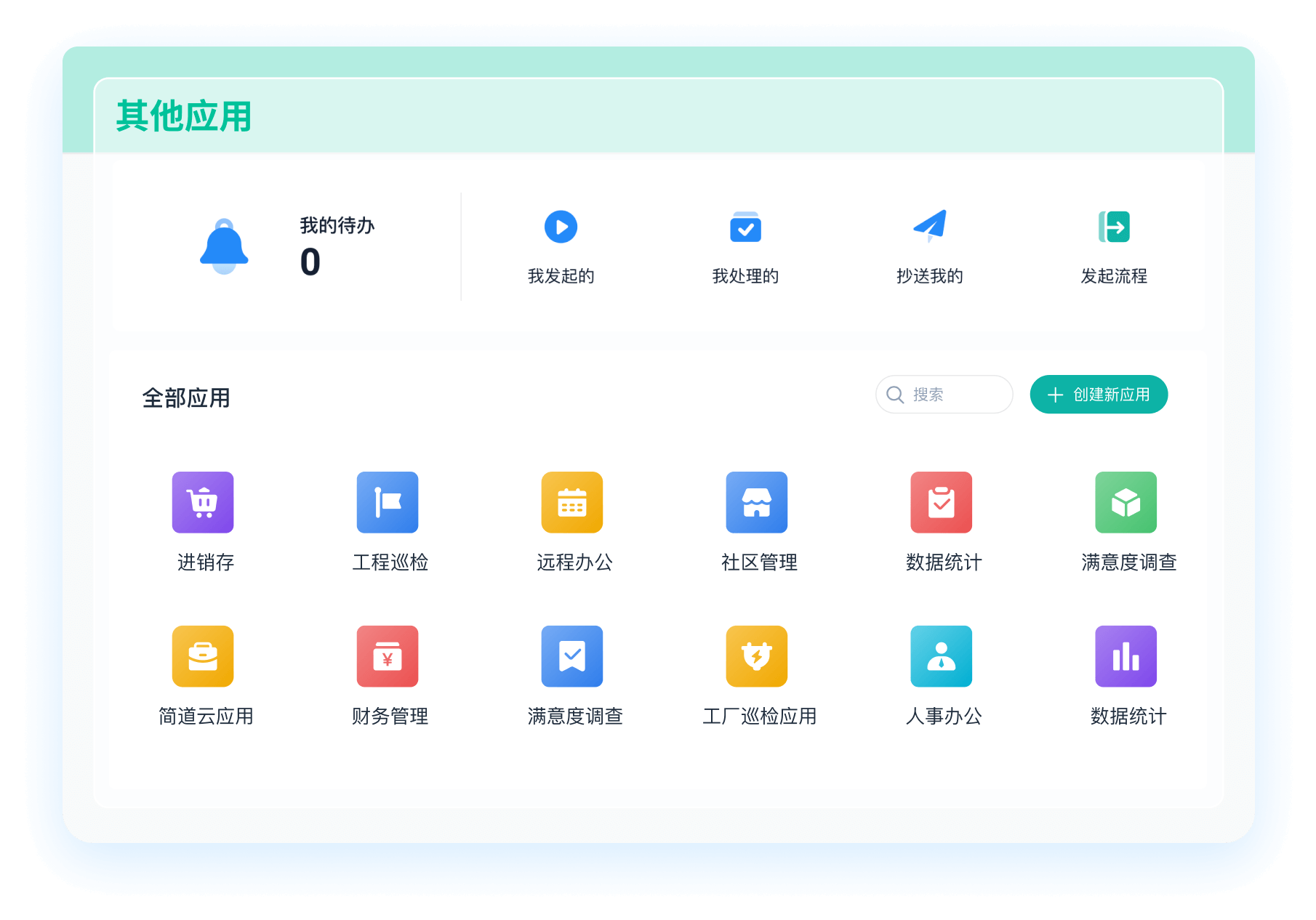
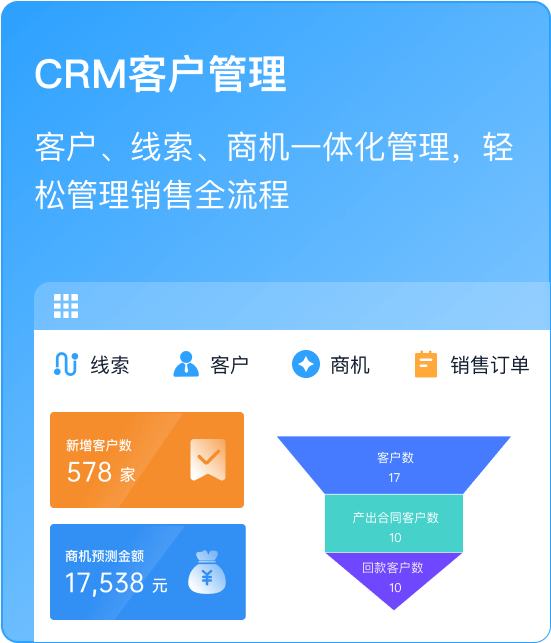
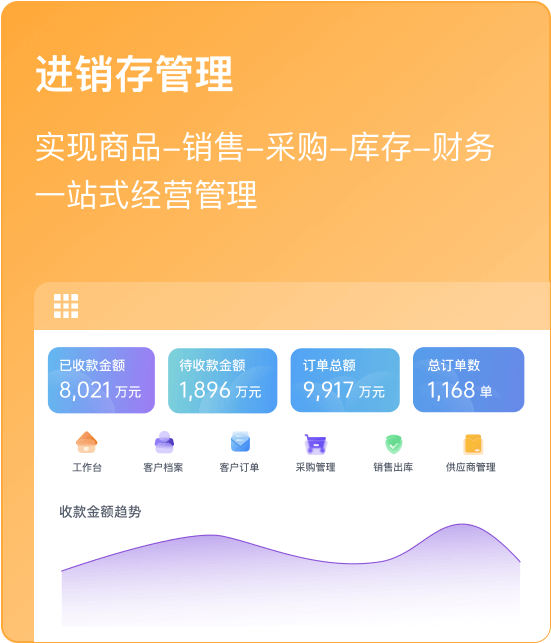
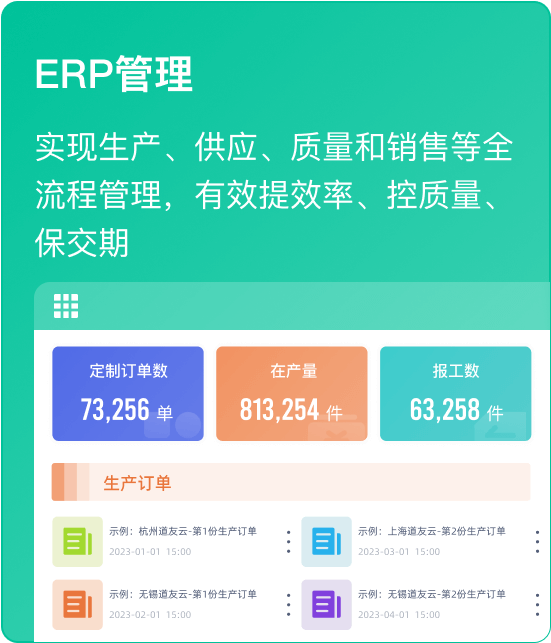
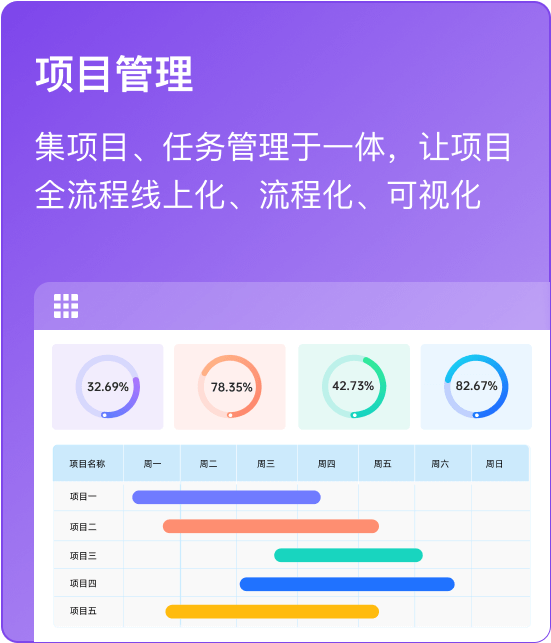
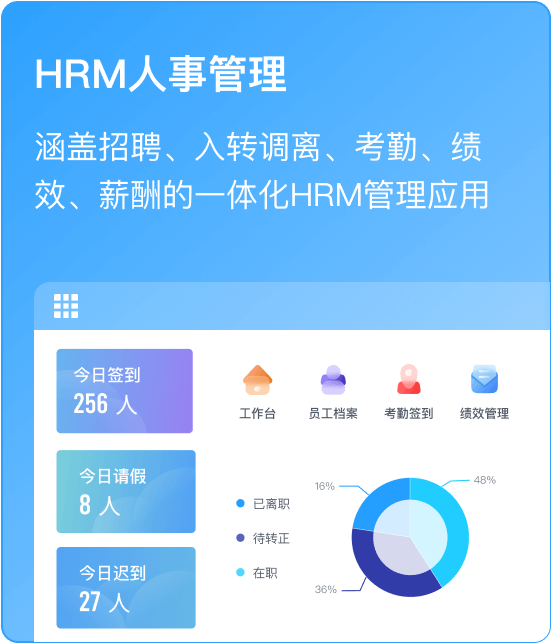
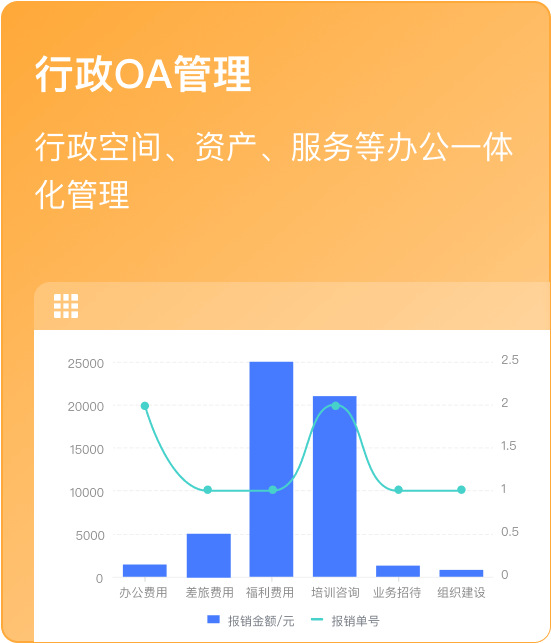
推荐一个好用的零代码开发平台,5分钟即可搭建一个管理软件:
地址: https://s.fanruan.com/x6aj1;
100+企业管理系统模板免费使用>>>无需下载,在线安装:
地址: https://s.fanruan.com/7wtn5;


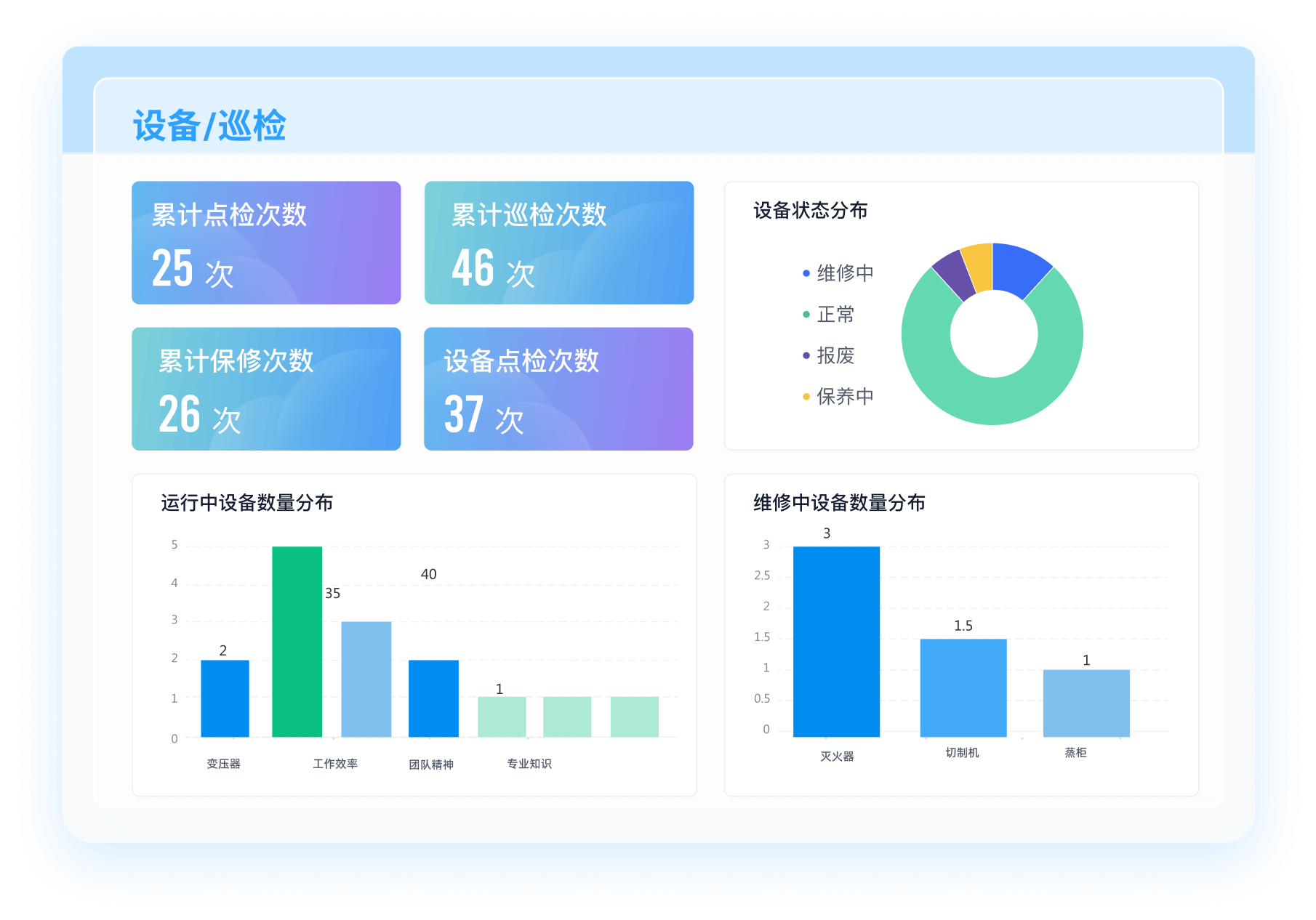
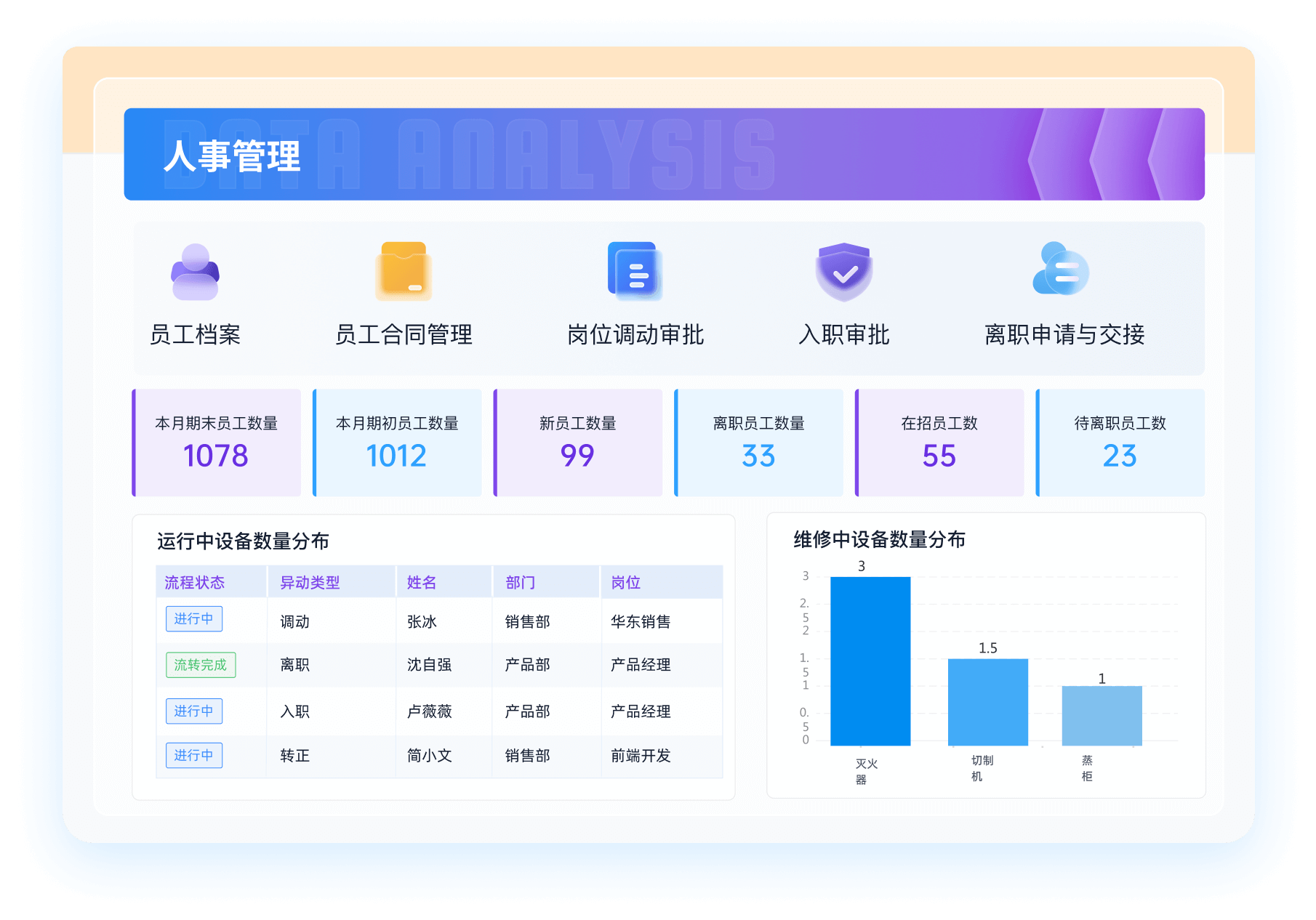
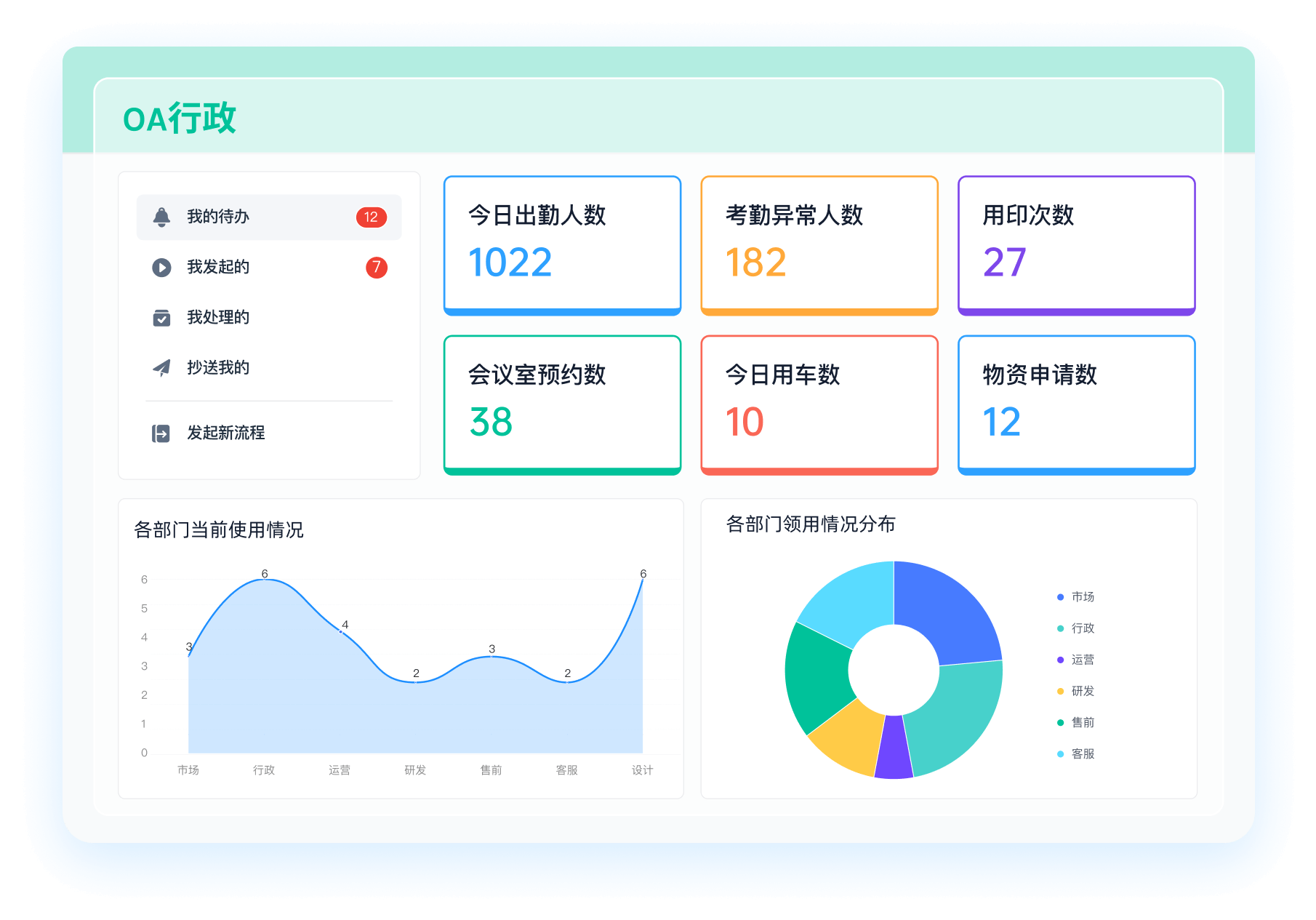
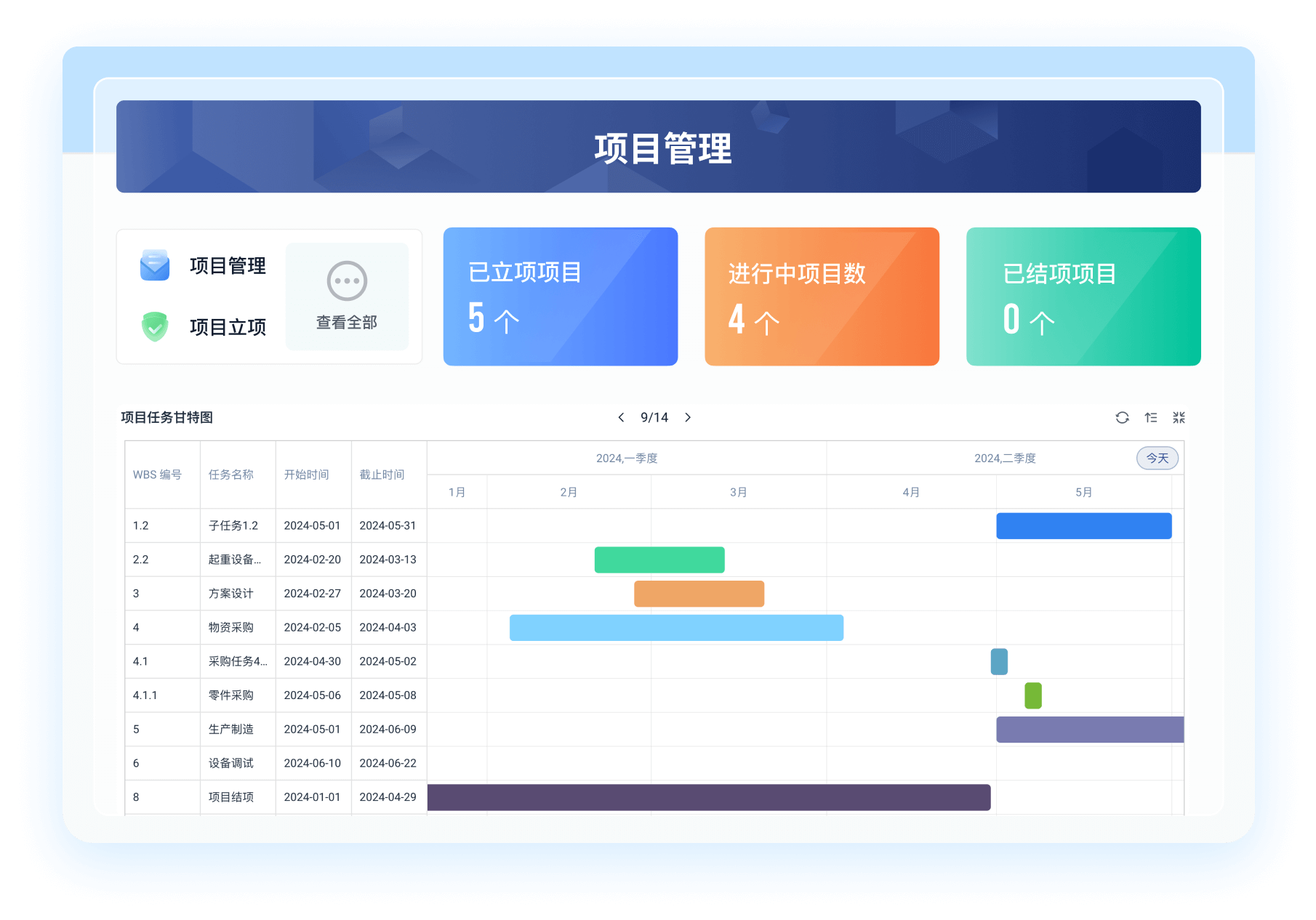

















































 《零代码开发知识图谱》
 《零代码
新动能》案例集
《零代码
新动能》案例集
 《企业零代码系统搭建指南》