 阅读时间:9 分钟
  浏览量:3792次


An equipment management system, or EMS, in English provides several critical benefits: asset tracking, preventive maintenance, inventory control, and compliance management. By implementing an EMS, businesses can ensure optimal performance of their equipment, reducing downtime and increasing productivity. For instance, asset tracking allows companies to know the exact location and status of their equipment, facilitating better decision-making and resource allocation.
一、ASSET TRACKING
Asset tracking is a fundamental feature of an equipment management system. This functionality allows organizations to monitor the location, usage, and condition of their assets in real-time. Knowing the exact location and status of each piece of equipment helps in making informed decisions about resource allocation and operational planning. With GPS integration and RFID technology, businesses can precisely track equipment, reducing the risk of loss or theft. Moreover, asset tracking enables companies to optimize their inventory levels, ensuring that critical equipment is always available when needed.
二、PREVENTIVE MAINTENANCE
Preventive maintenance is crucial for ensuring the longevity and efficiency of equipment. An equipment management system facilitates scheduling and monitoring of regular maintenance activities, which helps in preventing unexpected breakdowns. By setting up automated reminders for maintenance tasks, businesses can ensure that all equipment is serviced on time, thus extending its life span. This proactive approach reduces repair costs and minimizes downtime, leading to significant cost savings and uninterrupted operations.
三、INVENTORY CONTROL
Effective inventory control is essential for managing the supply of spare parts and consumables. An EMS provides accurate tracking of inventory levels, helping businesses maintain optimal stock levels. This prevents both overstocking and stockouts, ensuring that necessary parts are always available without tying up too much capital in inventory. By integrating with procurement systems, an EMS can automate reordering processes, ensuring that inventory is replenished promptly when levels drop below a certain threshold.
四、COMPLIANCE MANAGEMENT
Compliance management is a critical aspect of equipment management, especially in industries with stringent regulatory requirements. An EMS helps businesses track and document compliance-related activities, ensuring that all equipment meets regulatory standards. This includes maintaining records of inspections, certifications, and audits. By centralizing compliance information, an EMS simplifies the process of preparing for regulatory audits and reduces the risk of non-compliance penalties. Moreover, it ensures that all safety and environmental regulations are consistently met, protecting the company from legal issues and enhancing its reputation.
五、DATA ANALYTICS AND REPORTING
Data analytics and reporting are powerful tools provided by an equipment management system. By collecting and analyzing data from various equipment, an EMS can provide valuable insights into operational efficiency, equipment performance, and maintenance effectiveness. These insights help businesses identify trends, pinpoint areas for improvement, and make data-driven decisions. Customizable reports and dashboards offer a clear view of key performance indicators, facilitating better strategic planning and resource management.
六、COST MANAGEMENT
Cost management is another significant benefit of using an EMS. By tracking all costs associated with equipment, including purchase, maintenance, repair, and operation, businesses can gain a comprehensive understanding of their total cost of ownership. This enables them to identify cost-saving opportunities and optimize their budgeting processes. Additionally, an EMS helps in forecasting future expenses, allowing companies to plan more effectively and allocate resources efficiently.
七、IMPROVED PRODUCTIVITY
An EMS contributes to improved productivity by ensuring that equipment is always operational and available when needed. By reducing downtime through effective maintenance and quick access to spare parts, businesses can maintain a steady workflow. Moreover, the automation of administrative tasks such as scheduling, tracking, and reporting frees up valuable time for employees, allowing them to focus on more strategic activities. This overall enhancement in productivity leads to increased output and profitability.
八、ENHANCED DECISION-MAKING
Enhanced decision-making is a key advantage of implementing an EMS. By providing real-time data and comprehensive analytics, an EMS equips managers with the information needed to make informed decisions quickly. Whether it's deciding when to replace equipment, allocate resources, or adjust maintenance schedules, having accurate and timely data at hand enables better decision-making. This agility is particularly valuable in dynamic industries where conditions can change rapidly, requiring swift and informed responses.
九、CUSTOMIZATION AND SCALABILITY
Customization and scalability are important features of a robust EMS. The ability to tailor the system to meet specific organizational needs ensures that it can support unique workflows and processes. Additionally, as businesses grow and their equipment management needs evolve, an EMS can scale accordingly. This flexibility ensures that the system remains relevant and effective over time, providing continuous value and support to the organization.
十、USER-FRIENDLY INTERFACE
A user-friendly interface is crucial for the successful adoption of an EMS. Intuitive design and ease of use ensure that employees can quickly learn and effectively use the system without extensive training. A well-designed EMS interface improves user engagement and reduces the likelihood of errors, leading to more accurate data entry and better overall system performance. Additionally, mobile accessibility allows users to access the EMS from anywhere, enhancing flexibility and convenience.
十一、INTEGRATION WITH OTHER SYSTEMS
Integration with other business systems is a key feature of an EMS. Seamless integration with ERP, CMMS, and other enterprise systems ensures a unified approach to equipment management. This connectivity allows for the free flow of data between systems, reducing redundancy and improving data accuracy. Integrated systems enhance overall efficiency by enabling automated workflows and providing a holistic view of the organization's operations.
十二、REMOTE MONITORING AND CONTROL
Remote monitoring and control capabilities are essential for modern equipment management. An EMS with remote monitoring features allows businesses to oversee equipment performance and conditions from any location. This is particularly beneficial for organizations with geographically dispersed assets. Remote control functionalities enable quick response to issues, minimizing downtime and ensuring continuous operation. Additionally, remote monitoring supports predictive maintenance by providing real-time data on equipment health, allowing for timely interventions.
十三、SUSTAINABILITY AND ENVIRONMENTAL IMPACT
Sustainability and reducing environmental impact are becoming increasingly important in equipment management. An EMS can help track and manage energy consumption, emissions, and other environmental metrics. By optimizing equipment performance and maintenance, businesses can reduce their carbon footprint and contribute to sustainability goals. Moreover, compliance with environmental regulations is facilitated, ensuring that operations are eco-friendly and aligned with industry standards.
十四、ENHANCED CUSTOMER SERVICE
Enhanced customer service is a direct benefit of effective equipment management. Reliable and well-maintained equipment ensures that customer needs are met efficiently. For service-oriented businesses, an EMS helps in managing service requests, tracking response times, and ensuring timely resolution of issues. This leads to higher customer satisfaction and loyalty, as customers can rely on the business to deliver consistent and high-quality service.
By incorporating these functionalities, an equipment management system not only enhances operational efficiency but also supports strategic business objectives, ensuring long-term success and sustainability.
相关问答FAQs:
FAQs关于设备管理系统英文版
1. 什么是设备管理系统?它的主要功能有哪些?
设备管理系统是用于监控、管理和维护各种设备的工具,通常用于企业和组织以确保设备的最佳运行状态。它的主要功能包括:
- 资产跟踪:系统能够实时监控设备的位置、状态及使用情况,帮助管理者了解每一台设备的使用效率。
- 维护管理:支持定期维护计划,自动提醒维护时间,记录维护历史,提高设备的使用寿命。
- 报告和分析:提供数据分析功能,生成设备使用报告,帮助管理者做出更明智的决策。
- 故障管理:当设备出现故障时,系统能及时发出警报,并记录故障信息,以便进行后续处理。
- 库存管理:对设备配件和耗材进行管理,确保库存充足,避免因缺少配件而影响设备运转。
设备管理系统通过集成这些功能,使得企业能够更有效地管理其资产,提高生产力和降低运营成本。
2. 使用设备管理系统有哪些好处?
使用设备管理系统能为企业带来多方面的好处,主要包括:
- 提升效率:通过实时监控设备状态,管理者能够迅速识别和解决问题,减少设备停机时间。
- 降低成本:系统能够帮助企业优化设备使用,减少不必要的开支,如过度维护或设备闲置等。
- 增强安全性:设备管理系统能够监测设备的安全状态,及时发现潜在的安全隐患,保护员工的安全。
- 改善决策:通过数据分析功能,管理者可以更好地理解设备的使用情况,从而制定更有效的管理策略。
- 合规性管理:许多行业都有特定的设备合规性要求,设备管理系统可以帮助企业保持合规,避免罚款和法律问题。
总的来说,设备管理系统能够大幅提升企业的运营效率和经济效益,尤其是在设备数量较多的情况下,能显著简化管理流程。
3. 如何选择适合自己企业的设备管理系统?
选择合适的设备管理系统需要考虑多个因素,以下是一些关键点:
- 功能需求:明确企业的具体需求,选择具备相应功能的系统。例如,如果企业需要重视维护管理,那么选择一个支持维护计划和提醒功能的系统尤为重要。
- 用户友好性:系统的界面和操作是否直观,是否易于培训员工使用,这直接影响到系统的实施效果。
- 可扩展性:考虑未来的业务增长,选择一个可随时扩展功能和用户数量的系统,以避免后期更换系统带来的麻烦。
- 支持与服务:选择一个提供良好技术支持和客户服务的供应商,以确保在使用过程中遇到问题时能够及时得到帮助。
- 成本:除了购买软件的初期费用,还要考虑后续的维护费用、升级费用等,选择性价比高的方案。
通过综合评估以上因素,企业可以选择到最适合自己需求的设备管理系统,从而实现最佳的设备管理效果。
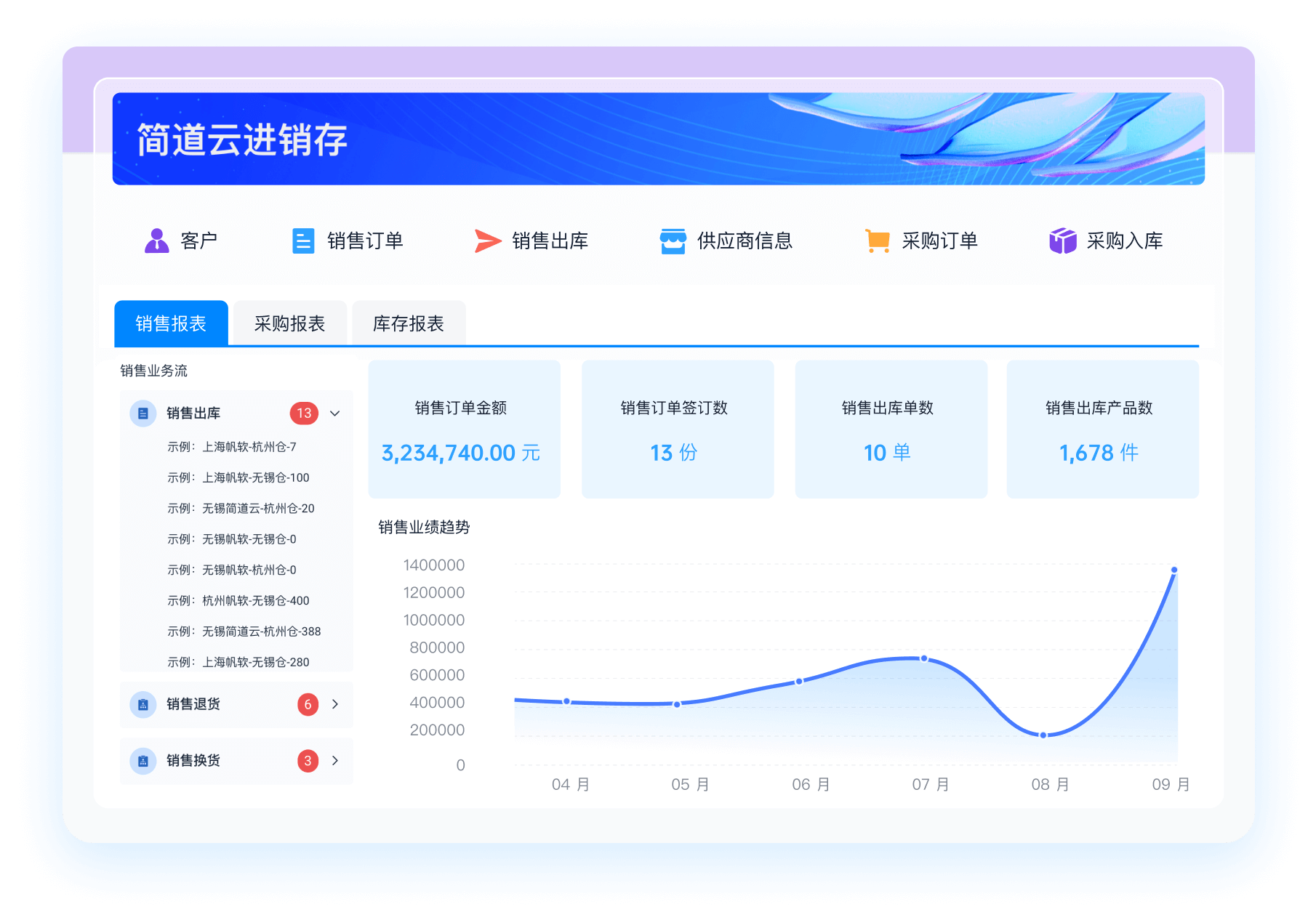
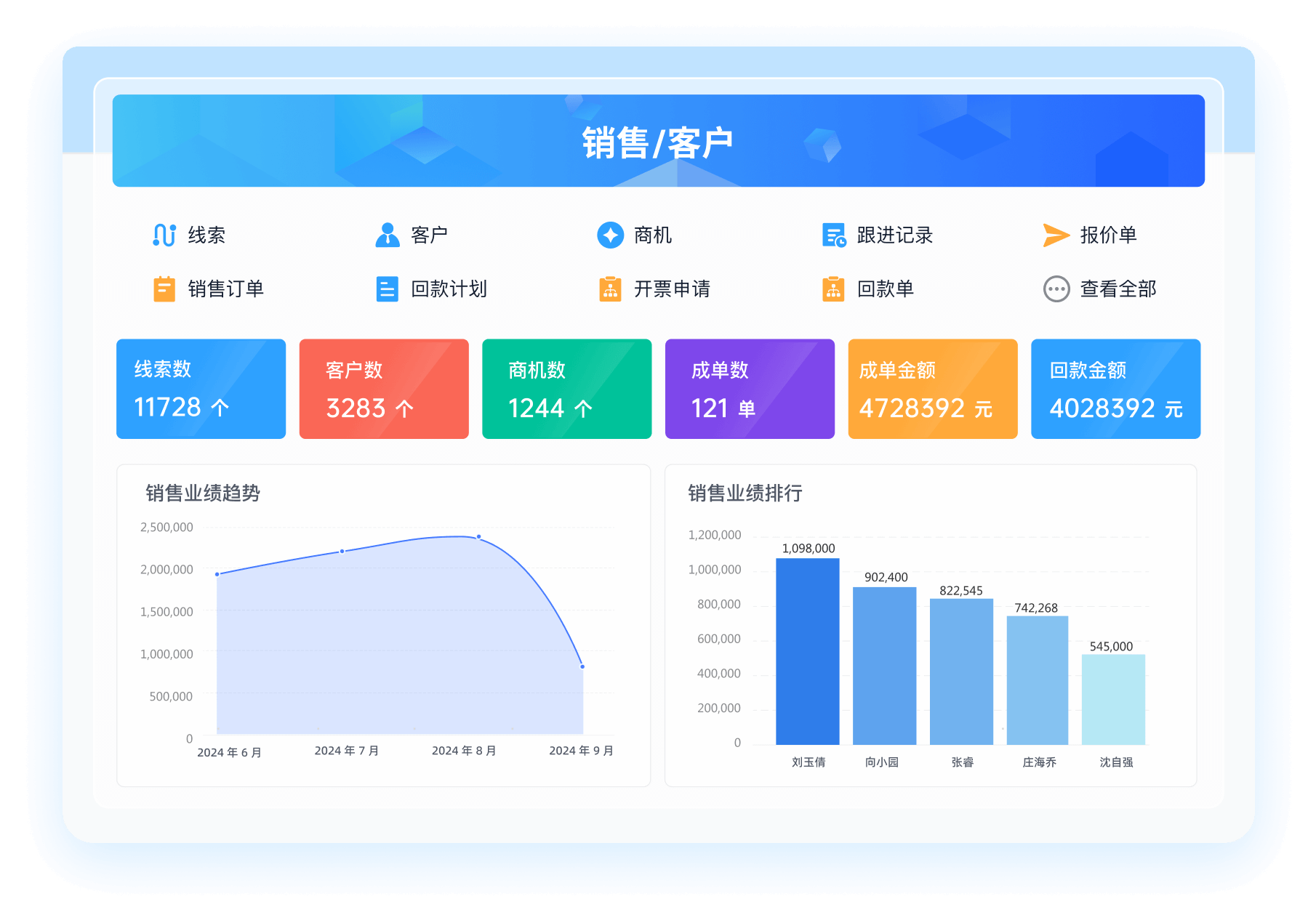
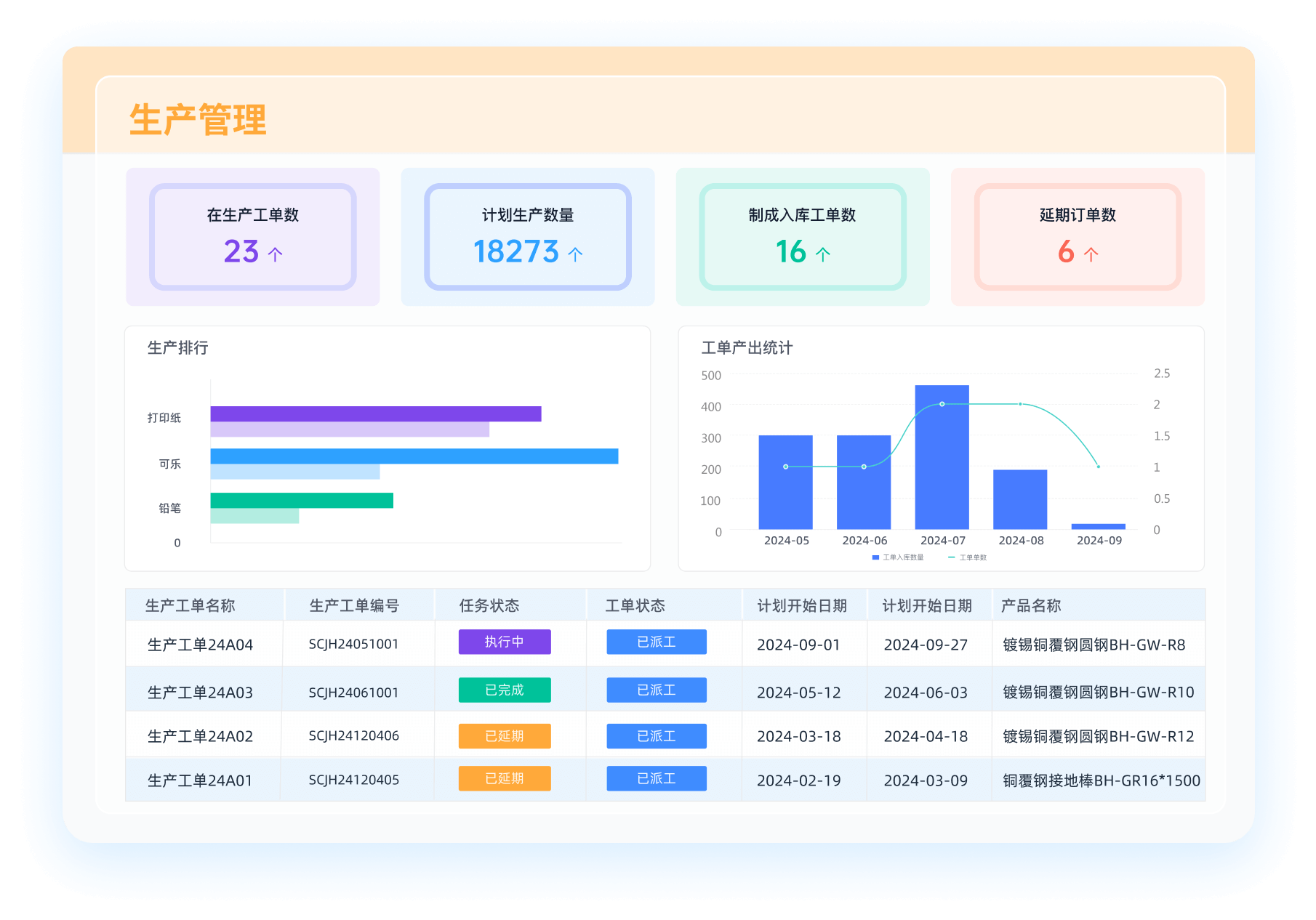
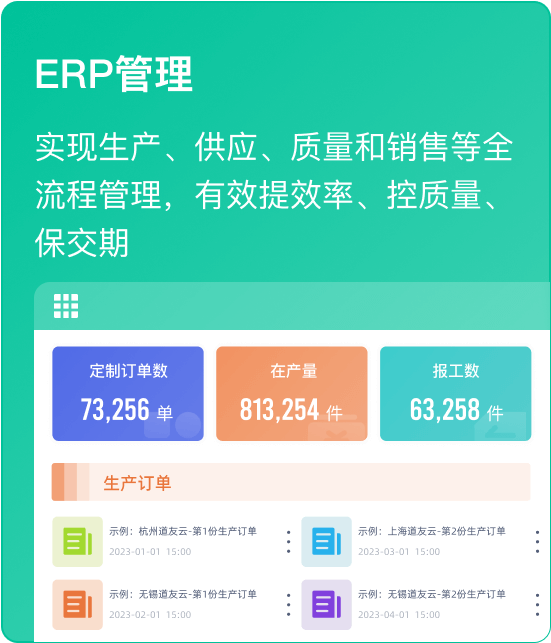
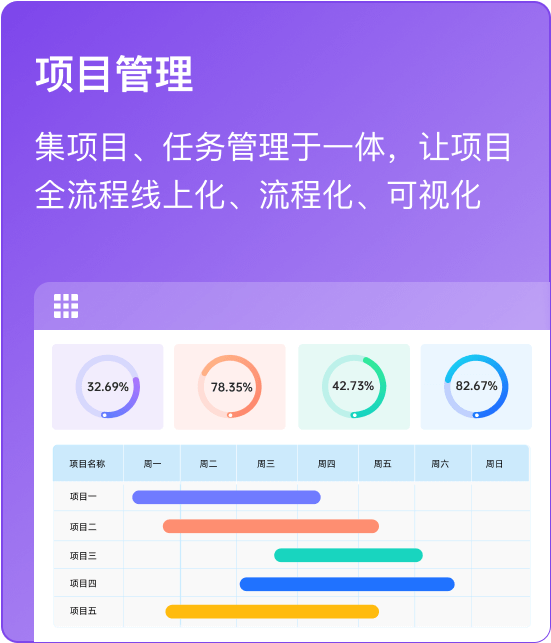
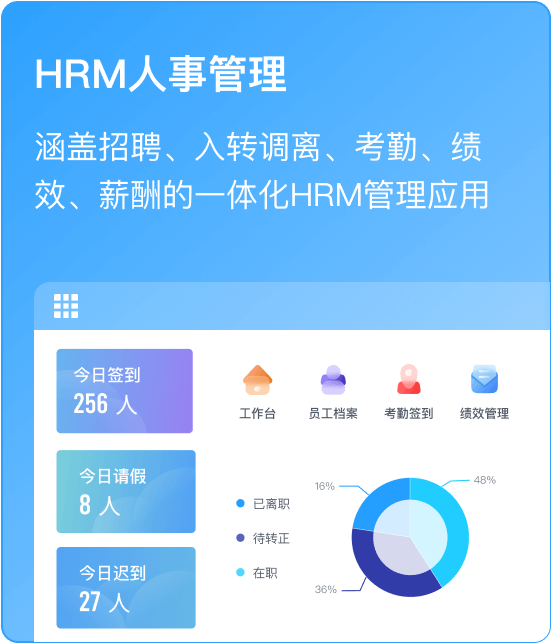
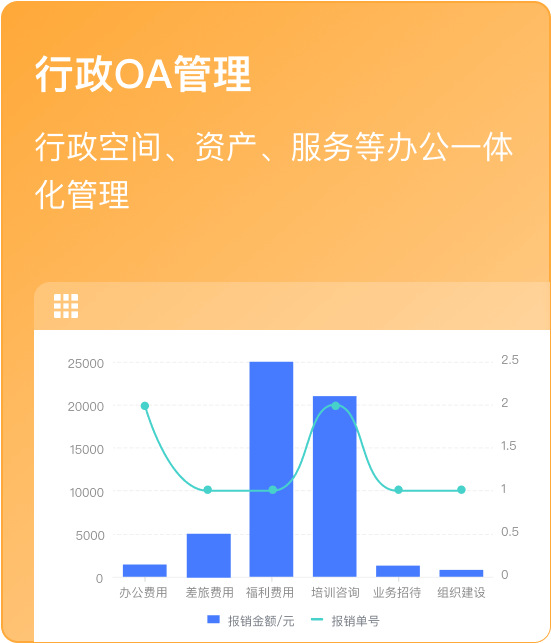
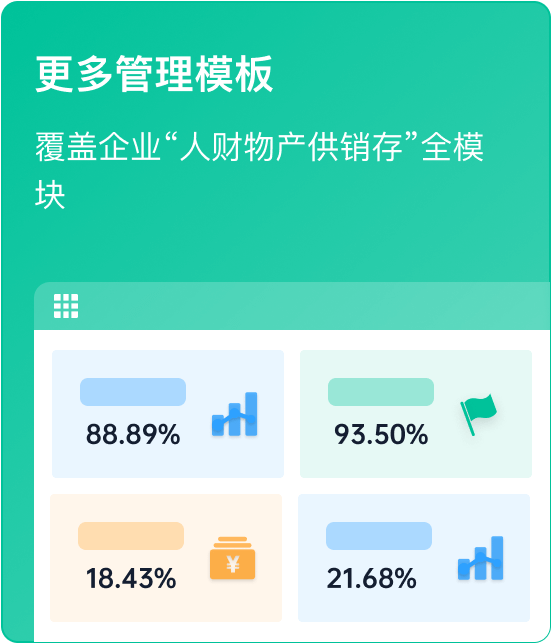
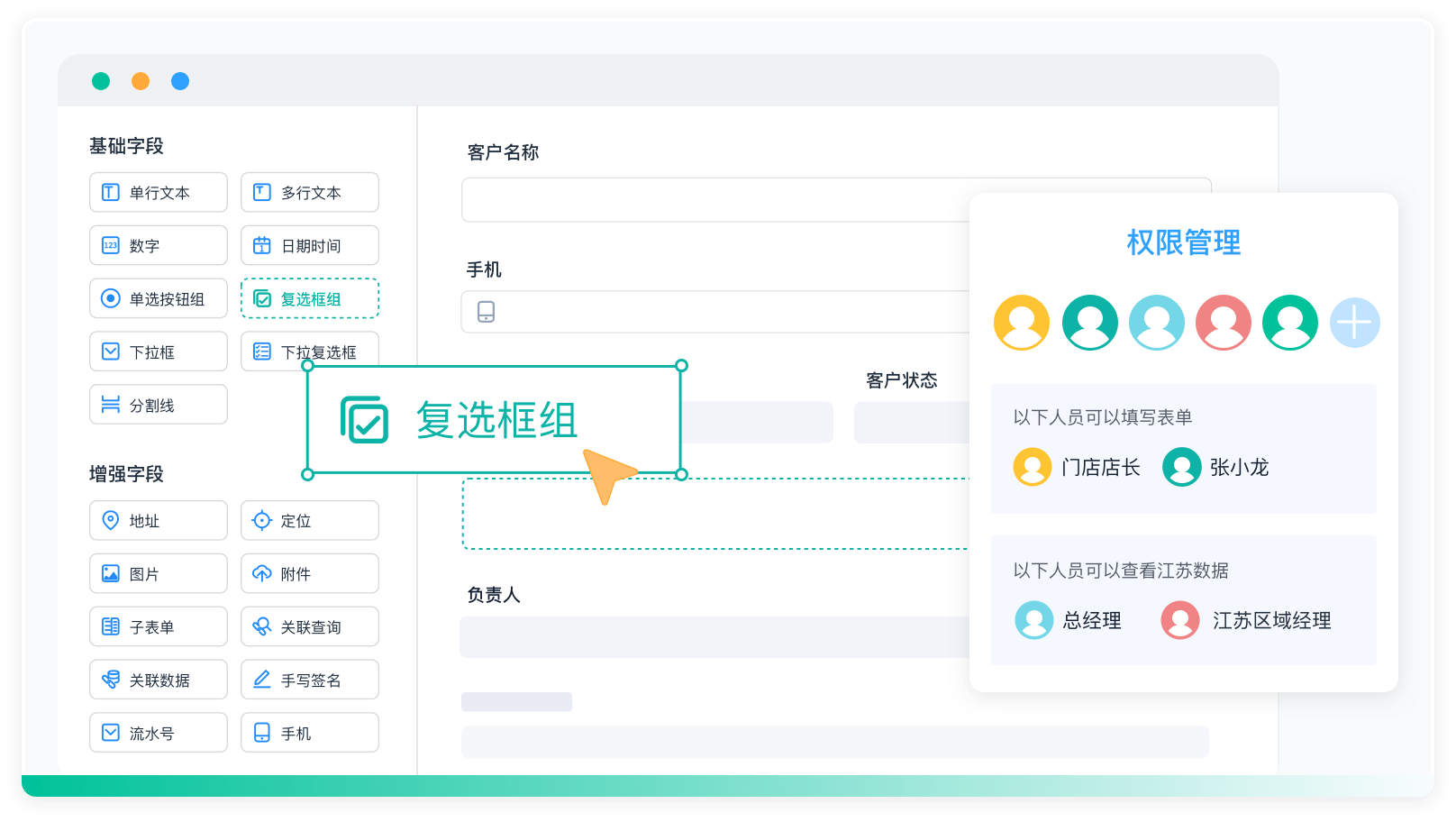
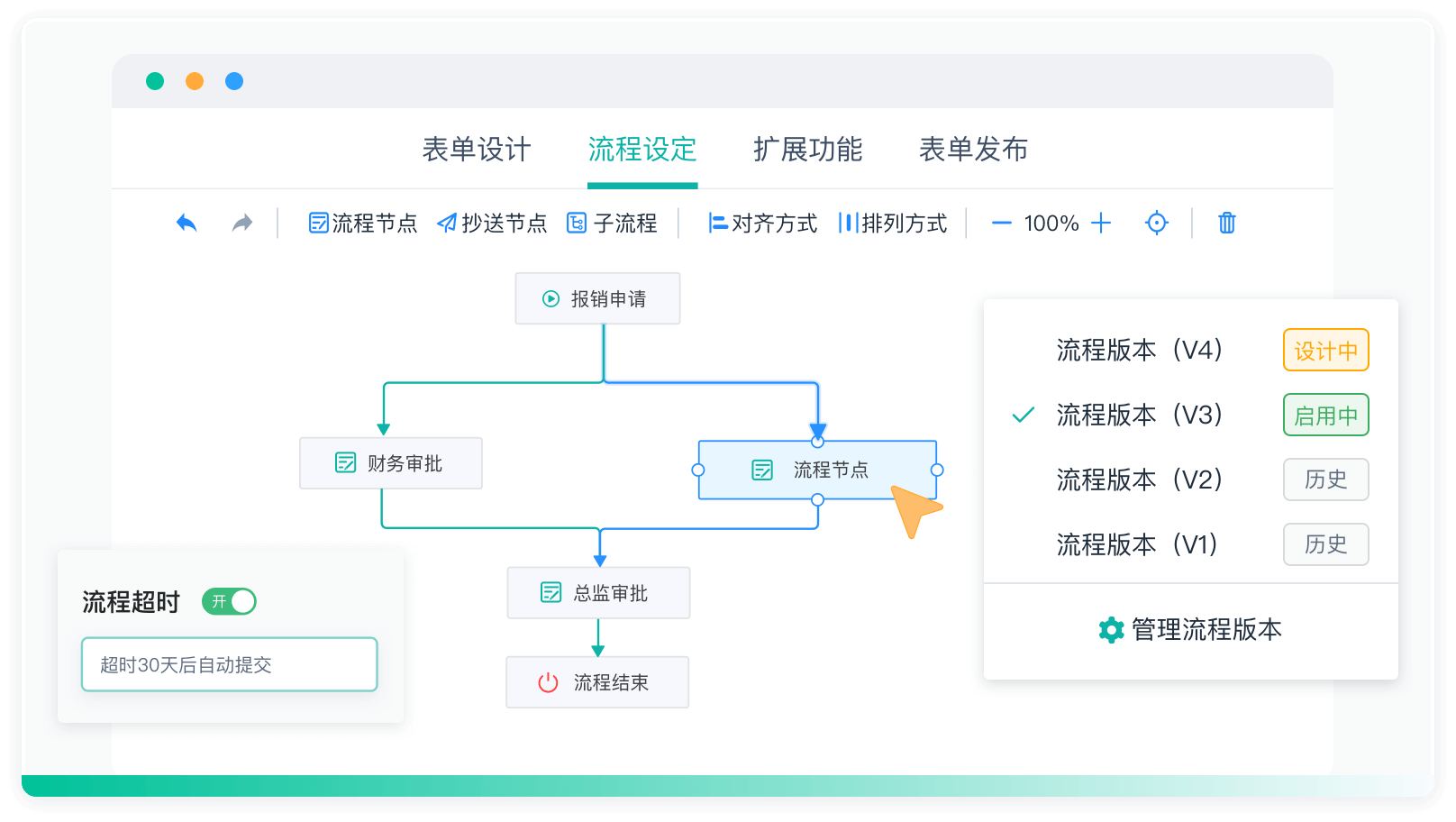
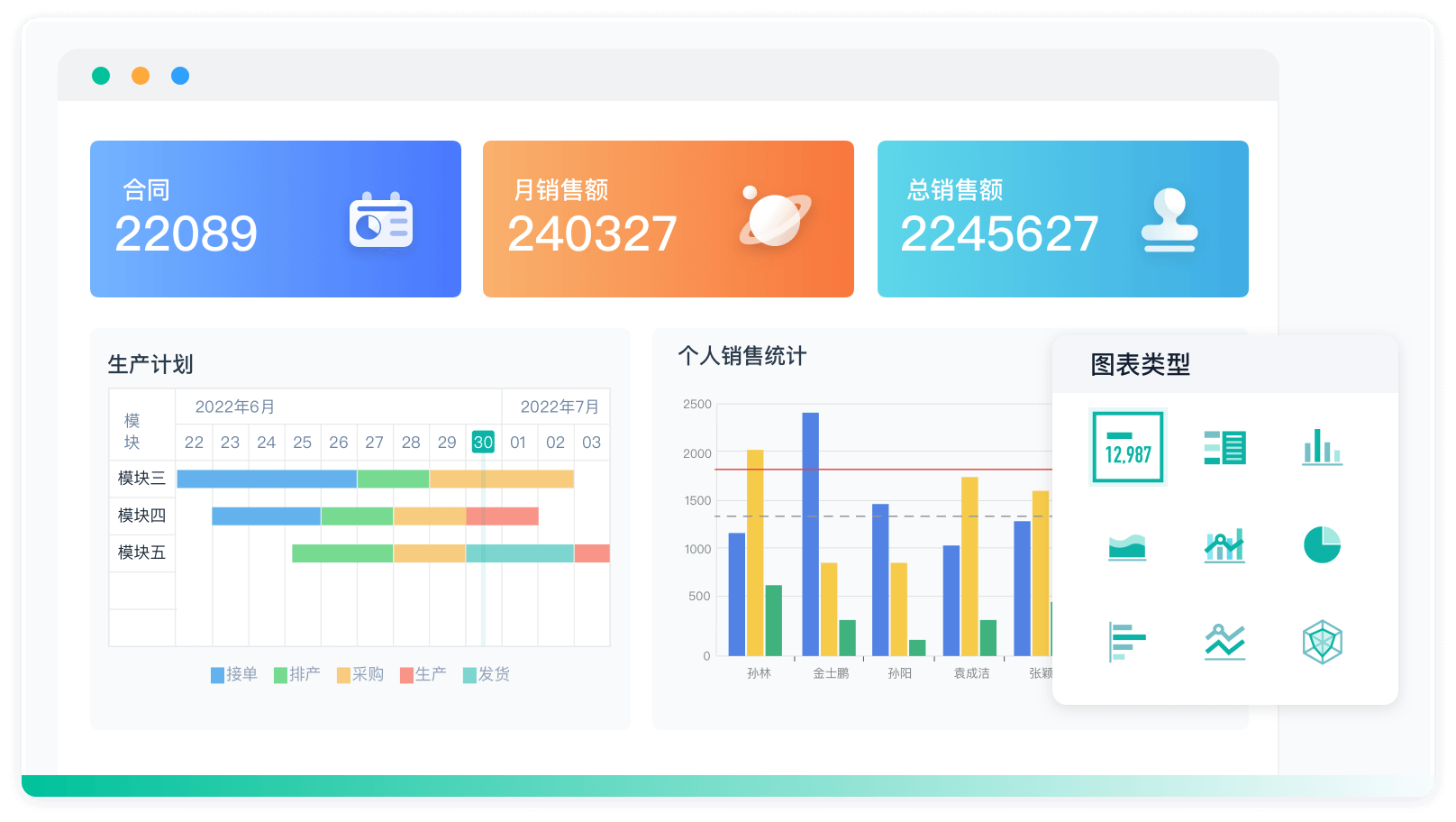
推荐一个好用的零代码开发平台,5分钟即可搭建一个管理软件:
地址: https://s.fanruan.com/x6aj1;
100+企业管理系统模板免费使用>>>无需下载,在线安装:
地址: https://s.fanruan.com/7wtn5;














































 《零代码开发知识图谱》
 《零代码
新动能》案例集
《零代码
新动能》案例集
 《企业零代码系统搭建指南》