
 阅读时间:8 分钟
  浏览量:8724次

要开发一个JAVAEE框架的设备管理系统代码,可以使用Spring框架、Hibernate ORM、Spring MVC、以及MySQL数据库。Spring框架提供了强大的依赖注入和面向切面编程功能,Hibernate ORM简化了数据库操作,Spring MVC用于构建基于Web的应用程序,而MySQL则作为数据库存储设备数据。下面详细介绍如何使用这些技术构建一个JAVAEE框架的设备管理系统代码,并且会包括各个层次的代码示例和详细的配置说明。
一、系统架构设计
在设计设备管理系统之前,需要确定系统的架构。系统架构包括表示层(View)、业务逻辑层(Service)、数据访问层(DAO)、和数据库层(Database)。表示层主要负责用户界面的展示和用户输入的处理;业务逻辑层负责业务规则的处理;数据访问层负责与数据库的交互;数据库层用于存储设备的相关数据。
表示层可以使用JSP或Thymeleaf模板引擎来编写。业务逻辑层将包含处理设备管理的各种业务逻辑,如添加设备、更新设备、删除设备等。数据访问层将使用Hibernate来实现与数据库的交互。数据库层可以使用MySQL来存储设备数据。
二、项目配置与依赖管理
首先,创建一个Maven项目并添加必要的依赖。下面是一个典型的pom.xml文件:
<project xmlns="http://maven.apache.org/POM/4.0.0"
         xmlns:xsi="http://www.w3.org/2001/XMLSchema-instance"
         xsi:schemaLocation="http://maven.apache.org/POM/4.0.0 http://maven.apache.org/xsd/maven-4.0.0.xsd">
    <modelVersion>4.0.0</modelVersion>
    <groupId>com.example</groupId>
    <artifactId>device-management-system</artifactId>
    <version>1.0-SNAPSHOT</version>
    <dependencies>
        <!-- Spring framework dependencies -->
        <dependency>
            <groupId>org.springframework</groupId>
            <artifactId>spring-context</artifactId>
            <version>5.3.8</version>
        </dependency>
        <dependency>
            <groupId>org.springframework</groupId>
            <artifactId>spring-webmvc</artifactId>
            <version>5.3.8</version>
        </dependency>
        <!-- Hibernate dependencies -->
        <dependency>
            <groupId>org.hibernate</groupId>
            <artifactId>hibernate-core</artifactId>
            <version>5.5.3.Final</version>
        </dependency>
        <!-- MySQL connector -->
        <dependency>
            <groupId>mysql</groupId>
            <artifactId>mysql-connector-java</artifactId>
            <version>8.0.25</version>
        </dependency>
        <!-- Other necessary dependencies -->
        <dependency>
            <groupId>javax.servlet</groupId>
            <artifactId>javax.servlet-api</artifactId>
            <version>4.0.1</version>
        </dependency>
        <dependency>
            <groupId>javax.servlet.jsp</groupId>
            <artifactId>javax.servlet.jsp-api</artifactId>
            <version>2.3.3</version>
        </dependency>
        <dependency>
            <groupId>javax.servlet</groupId>
            <artifactId>jstl</artifactId>
            <version>1.2</version>
        </dependency>
    </dependencies>
</project>
三、Spring配置文件
需要配置Spring的上下文环境,创建一个applicationContext.xml文件:
<?xml version="1.0" encoding="UTF-8"?>
<beans xmlns="http://www.springframework.org/schema/beans"
       xmlns:xsi="http://www.w3.org/2001/XMLSchema-instance"
       xsi:schemaLocation="http://www.springframework.org/schema/beans
       http://www.springframework.org/schema/beans/spring-beans.xsd">
    <!-- DataSource configuration -->
    <bean id="dataSource" class="org.apache.commons.dbcp2.BasicDataSource">
        <property name="driverClassName" value="com.mysql.cj.jdbc.Driver"/>
        <property name="url" value="jdbc:mysql://localhost:3306/device_management"/>
        <property name="username" value="root"/>
        <property name="password" value="password"/>
    </bean>
    <!-- Hibernate SessionFactory configuration -->
    <bean id="sessionFactory" class="org.springframework.orm.hibernate5.LocalSessionFactoryBean">
        <property name="dataSource" ref="dataSource"/>
        <property name="packagesToScan" value="com.example.device"/>
        <property name="hibernateProperties">
            <props>
                <prop key="hibernate.dialect">org.hibernate.dialect.MySQL5Dialect</prop>
                <prop key="hibernate.show_sql">true</prop>
                <prop key="hibernate.hbm2ddl.auto">update</prop>
            </props>
        </property>
    </bean>
    <!-- Transaction Manager -->
    <bean id="transactionManager" class="org.springframework.orm.hibernate5.HibernateTransactionManager">
        <property name="sessionFactory" ref="sessionFactory"/>
    </bean>
    <!-- Enable annotation-driven transaction management -->
    <tx:annotation-driven transaction-manager="transactionManager"/>
</beans>
四、数据模型设计
定义设备管理系统的实体类,如Device类:
package com.example.device;
import javax.persistence.*;
@Entity
@Table(name = "devices")
public class Device {
    @Id
    @GeneratedValue(strategy = GenerationType.IDENTITY)
    private Long id;
    @Column(name = "name")
    private String name;
    @Column(name = "type")
    private String type;
    @Column(name = "status")
    private String status;
    // Getters and Setters
    public Long getId() {
        return id;
    }
    public void setId(Long id) {
        this.id = id;
    }
    public String getName() {
        return name;
    }
    public void setName(String name) {
        this.name = name;
    }
    public String getType() {
        return type;
    }
    public void setType(String type) {
        this.type = type;
    }
    public String getStatus() {
        return status;
    }
    public void setStatus(String status) {
        this.status = status;
    }
}
五、数据访问层(DAO)设计
创建一个数据访问对象接口和实现类:
package com.example.device;
import java.util.List;
public interface DeviceDAO {
    void saveDevice(Device device);
    void updateDevice(Device device);
    void deleteDevice(Long id);
    Device getDeviceById(Long id);
    List<Device> getAllDevices();
}
实现类:
package com.example.device;
import org.hibernate.SessionFactory;
import org.springframework.beans.factory.annotation.Autowired;
import org.springframework.stereotype.Repository;
import org.springframework.transaction.annotation.Transactional;
import java.util.List;
@Repository
@Transactional
public class DeviceDAOImpl implements DeviceDAO {
    @Autowired
    private SessionFactory sessionFactory;
    @Override
    public void saveDevice(Device device) {
        sessionFactory.getCurrentSession().save(device);
    }
    @Override
    public void updateDevice(Device device) {
        sessionFactory.getCurrentSession().update(device);
    }
    @Override
    public void deleteDevice(Long id) {
        Device device = sessionFactory.getCurrentSession().byId(Device.class).load(id);
        sessionFactory.getCurrentSession().delete(device);
    }
    @Override
    public Device getDeviceById(Long id) {
        return sessionFactory.getCurrentSession().get(Device.class, id);
    }
    @Override
    public List<Device> getAllDevices() {
        return sessionFactory.getCurrentSession().createQuery("from Device", Device.class).list();
    }
}
六、业务逻辑层(Service)设计
创建一个服务接口和实现类:
package com.example.device;
import java.util.List;
public interface DeviceService {
    void saveDevice(Device device);
    void updateDevice(Device device);
    void deleteDevice(Long id);
    Device getDeviceById(Long id);
    List<Device> getAllDevices();
}
实现类:
package com.example.device;
import org.springframework.beans.factory.annotation.Autowired;
import org.springframework.stereotype.Service;
import org.springframework.transaction.annotation.Transactional;
import java.util.List;
@Service
@Transactional
public class DeviceServiceImpl implements DeviceService {
    @Autowired
    private DeviceDAO deviceDAO;
    @Override
    public void saveDevice(Device device) {
        deviceDAO.saveDevice(device);
    }
    @Override
    public void updateDevice(Device device) {
        deviceDAO.updateDevice(device);
    }
    @Override
    public void deleteDevice(Long id) {
        deviceDAO.deleteDevice(id);
    }
    @Override
    public Device getDeviceById(Long id) {
        return deviceDAO.getDeviceById(id);
    }
    @Override
    public List<Device> getAllDevices() {
        return deviceDAO.getAllDevices();
    }
}
七、表示层(Controller)设计
创建一个控制器类来处理设备管理的请求:
package com.example.device;
import org.springframework.beans.factory.annotation.Autowired;
import org.springframework.stereotype.Controller;
import org.springframework.ui.Model;
import org.springframework.web.bind.annotation.*;
import java.util.List;
@Controller
@RequestMapping("/devices")
public class DeviceController {
    @Autowired
    private DeviceService deviceService;
    @GetMapping
    public String listDevices(Model model) {
        List<Device> devices = deviceService.getAllDevices();
        model.addAttribute("devices", devices);
        return "device_list";
    }
    @GetMapping("/new")
    public String showNewDeviceForm(Model model) {
        model.addAttribute("device", new Device());
        return "device_form";
    }
    @PostMapping
    public String saveDevice(@ModelAttribute("device") Device device) {
        deviceService.saveDevice(device);
        return "redirect:/devices";
    }
    @GetMapping("/edit/{id}")
    public String showEditDeviceForm(@PathVariable("id") Long id, Model model) {
        Device device = deviceService.getDeviceById(id);
        model.addAttribute("device", device);
        return "device_form";
    }
    @PostMapping("/update/{id}")
    public String updateDevice(@PathVariable("id") Long id, @ModelAttribute("device") Device device) {
        device.setId(id);
        deviceService.updateDevice(device);
        return "redirect:/devices";
    }
    @GetMapping("/delete/{id}")
    public String deleteDevice(@PathVariable("id") Long id) {
        deviceService.deleteDevice(id);
        return "redirect:/devices";
    }
}
八、视图层设计
创建JSP文件来显示设备列表和设备表单。设备列表页面(device_list.jsp):
<%@ taglib uri="http://java.sun.com/jsp/jstl/core" prefix="c" %>
<!DOCTYPE html>
<html>
<head>
    <title>Device List</title>
</head>
<body>
<h2>Device List</h2>
<a href="${pageContext.request.contextPath}/devices/new">Add New Device</a>
<table border="1">
    <tr>
        <th>ID</th>
        <th>Name</th>
        <th>Type</th>
        <th>Status</th>
        <th>Actions</th>
    </tr>
    <c:forEach var="device" items="${devices}">
        <tr>
            <td>${device.id}</td>
            <td>${device.name}</td>
            <td>${device.type}</td>
            <td>${device.status}</td>
            <td>
                <a href="${pageContext.request.contextPath}/devices/edit/${device.id}">Edit</a>
                <a href="${pageContext.request.contextPath}/devices/delete/${device.id}">Delete</a>
            </td>
        </tr>
    </c:forEach>
</table>
</body>
</html>
设备表单页面(device_form.jsp):
<%@ taglib uri="http://java.sun.com/jsp/jstl/core" prefix="c" %>
<!DOCTYPE html>
<html>
<head>
    <title>Device Form</title>
</head>
<body>
<h2>${device.id == null ? 'Add New Device' : 'Edit Device'}</h2>
<form action="${pageContext.request.contextPath}/devices${device.id == null ? '' : '/update/' + device.id}" method="post">
    <table>
        <tr>
            <td>Name:</td>
            <td><input type="text" name="name" value="${device.name}"/></td>
        </tr>
        <tr>
            <td>Type:</td>
            <td><input type="text" name="type" value="${device.type}"/></td>
        </tr>
        <tr>
            <td>Status:</td>
            <td><input type="text" name="status" value="${device.status}"/></td>
        </tr>
        <tr>
            <td colspan="2"><input type="submit" value="Save"/></td>
        </tr>
    </table>
</form>
<a href="${pageContext.request.contextPath}/devices">Back to Device List</a>
</body>
</html>
九、数据库配置与初始化
创建一个MySQL数据库并初始化设备表:
CREATE DATABASE device_management;
USE device_management;
CREATE TABLE devices (
    id BIGINT AUTO_INCREMENT PRIMARY KEY,
    name VARCHAR(255) NOT NULL,
    type VARCHAR(255) NOT NULL,
    status VARCHAR(255) NOT NULL
);
十、应用服务器配置与部署
配置应用服务器如Tomcat的web.xml文件:
<web-app xmlns="http://xmlns.jcp.org/xml/ns/javaee"
         xmlns:xsi="http://www.w3.org/2001/XMLSchema-instance"
         xsi:schemaLocation="http://xmlns.jcp.org/xml/ns/javaee
         http://xmlns.jcp.org/xml/ns/javaee/web-app_3_1.xsd"
         version="3.1">
    <display-name>Device Management System</display-name>
    <servlet>
        <servlet-name>dispatcher</servlet-name>
        <servlet-class>org.springframework.web.servlet.DispatcherServlet</servlet-class>
        <init-param>
            <param-name>contextConfigLocation</param-name>
            <param-value>/WEB-INF/applicationContext.xml</param-value>
        </init-param>
        <load-on-startup>1</load-on-startup>
    </servlet>
    <servlet-mapping>
        <servlet-name>dispatcher</servlet-name>
        <url-pattern>/</url-pattern>
    </servlet-mapping>
    <welcome-file-list>
        <welcome-file>/devices</welcome-file>
    </welcome-file-list>
</web-app>
十一、测试与调试
在部署到Tomcat服务器后,通过浏览器访问http://localhost:8080/设备管理系统,测试各个功能模块,包括设备的添加、更新、删除和列表显示。使用日志记录和调试工具来排查和解决可能出现的问题。
十二、总结与优化
优化代码和配置文件,确保系统的健壮性和易维护性。可以使用Spring Boot来简化配置和部署过程,并引入其他技术如Spring Security来增强系统的安全性。定期进行代码审查和性能测试,确保系统的高可用性和高性能。
通过以上步骤,一个完整的基于JavaEE框架的设备管理系统就开发完成了。这个系统涵盖了从架构设计、项目配置、数据模型、数据访问、业务逻辑、表示层、数据库配置到应用服务器配置的各个方面,具有较高的扩展性和维护性。
相关问答FAQs:
FAQ 1: 为什么选择Java EE框架开发设备管理系统?
Java EE(Java Platform, Enterprise Edition)框架是一个强大且灵活的企业级开发平台,特别适合于构建大型分布式应用。选择Java EE框架开发设备管理系统有许多优势。首先,Java EE提供了丰富的API和工具,支持开发者快速构建高效的应用程序。通过使用EJB(Enterprise JavaBeans)、JPA(Java Persistence API)、Servlet和JSP(JavaServer Pages),可以实现复杂的业务逻辑和持久化操作,这对于设备管理系统至关重要。
其次,Java EE的可扩展性使得系统可以轻松适应未来的需求变化。随着企业设备数量的增加,系统需要能够处理更高的并发用户请求和数据量。Java EE支持负载均衡和集群配置,能够确保系统在高负载下依然稳定运行。
最后,Java EE具有良好的社区支持和文档资源,开发者可以轻松找到解决方案和最佳实践,从而提高开发效率。对于企业来说,选择一个有广泛支持的框架可以降低技术风险,并加快项目交付速度。
FAQ 2: 开发设备管理系统时需要考虑哪些核心功能?
在开发设备管理系统时,需要考虑多个核心功能,以确保系统能够有效管理企业中的各种设备。首先,设备注册与信息管理是基础功能,系统应该允许用户添加、编辑和删除设备信息,包括设备名称、型号、序列号、购置日期、使用状态等。
其次,设备状态监控功能也是不可或缺的。通过与设备的集成,系统应能够实时获取设备的运行状态、故障报警和维护记录。这可以帮助企业及时发现问题并进行维修,从而减少设备停机时间,提高工作效率。
另外,用户权限管理功能同样重要。不同的用户可能需要不同的访问权限,系统应支持根据用户角色进行权限的细分,以保护敏感数据和确保操作的安全性。用户管理模块应能够提供用户注册、登录、角色分配和权限管理等功能。
最后,报表生成与数据分析功能能够帮助企业进行设备使用情况的统计和分析,支持决策制定。通过对历史数据的分析,企业可以优化设备使用,合理安排维护计划,并降低运营成本。
FAQ 3: 如何实现一个基于Java EE的设备管理系统?
实现一个基于Java EE的设备管理系统需要经过多个步骤。首先,进行需求分析,明确系统的功能模块和用户需求。这一阶段非常重要,因为它将直接影响后续的设计和开发工作。
接下来,进行系统设计,包括数据库设计和架构设计。数据库设计应考虑到设备信息、用户信息、维护记录等数据表的结构,确保数据的完整性和一致性。在架构设计上,可以选择MVC(模型-视图-控制器)模式,以提高系统的可维护性和扩展性。
在开发阶段,可以使用IDE(集成开发环境)如Eclipse或IntelliJ IDEA进行编码。使用JPA进行数据持久化,通过EJB实现业务逻辑,使用Servlet和JSP构建前端页面。可以使用RESTful API来实现前后端分离,提升系统的灵活性。
测试阶段同样重要,务必进行单元测试和集成测试,确保系统各个部分能够正常协同工作。测试完成后,可以进行部署,将系统部署到应用服务器上,如Apache Tomcat或JBoss。
最后,系统上线后需要进行维护和优化,定期收集用户反馈,进行版本更新和功能扩展,以持续提高系统的性能和用户体验。
基于以上的内容,开发一个设备管理系统并不简单,但通过合理的设计和开发流程,可以构建出一个高效、稳定的管理平台。
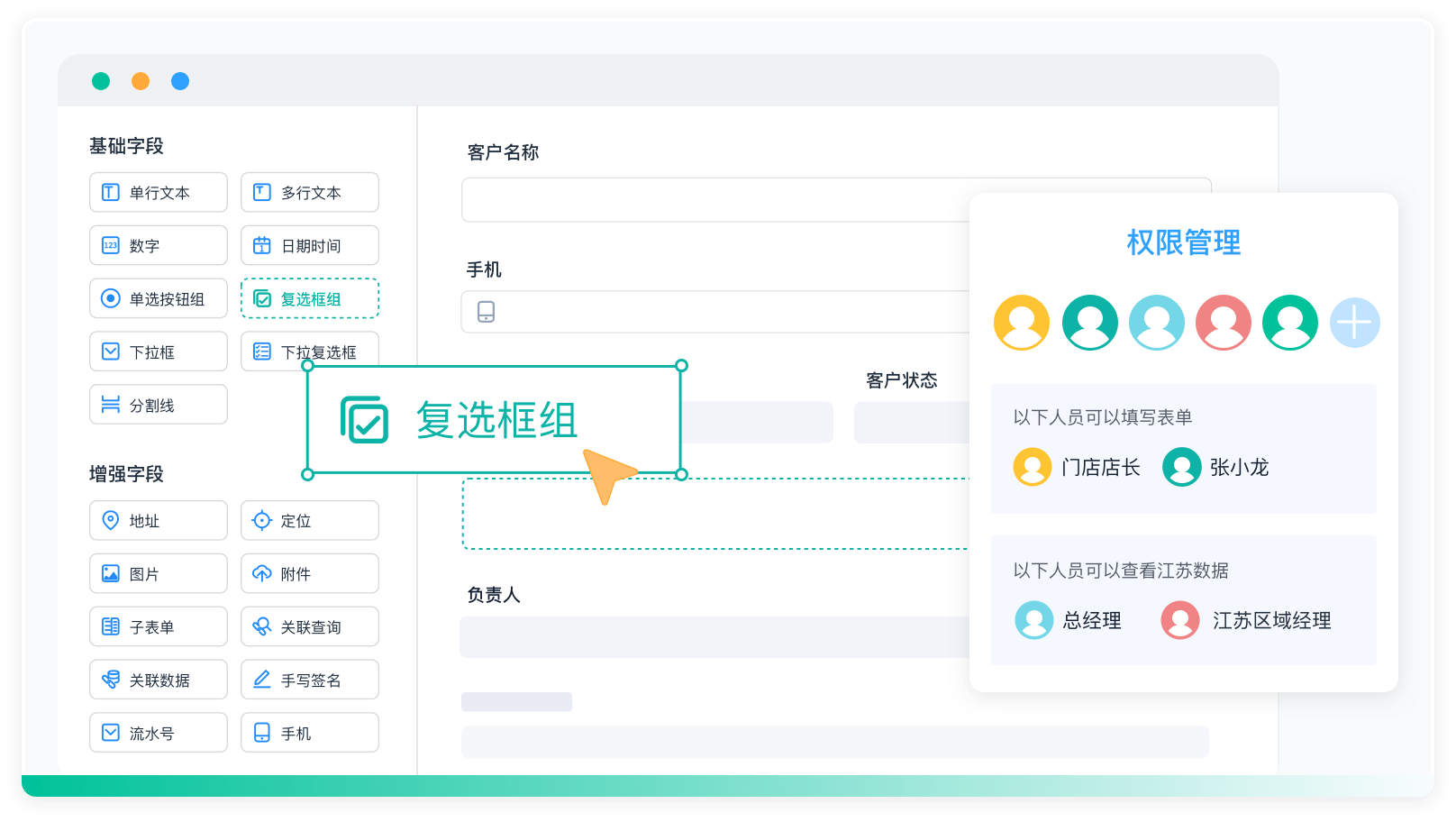
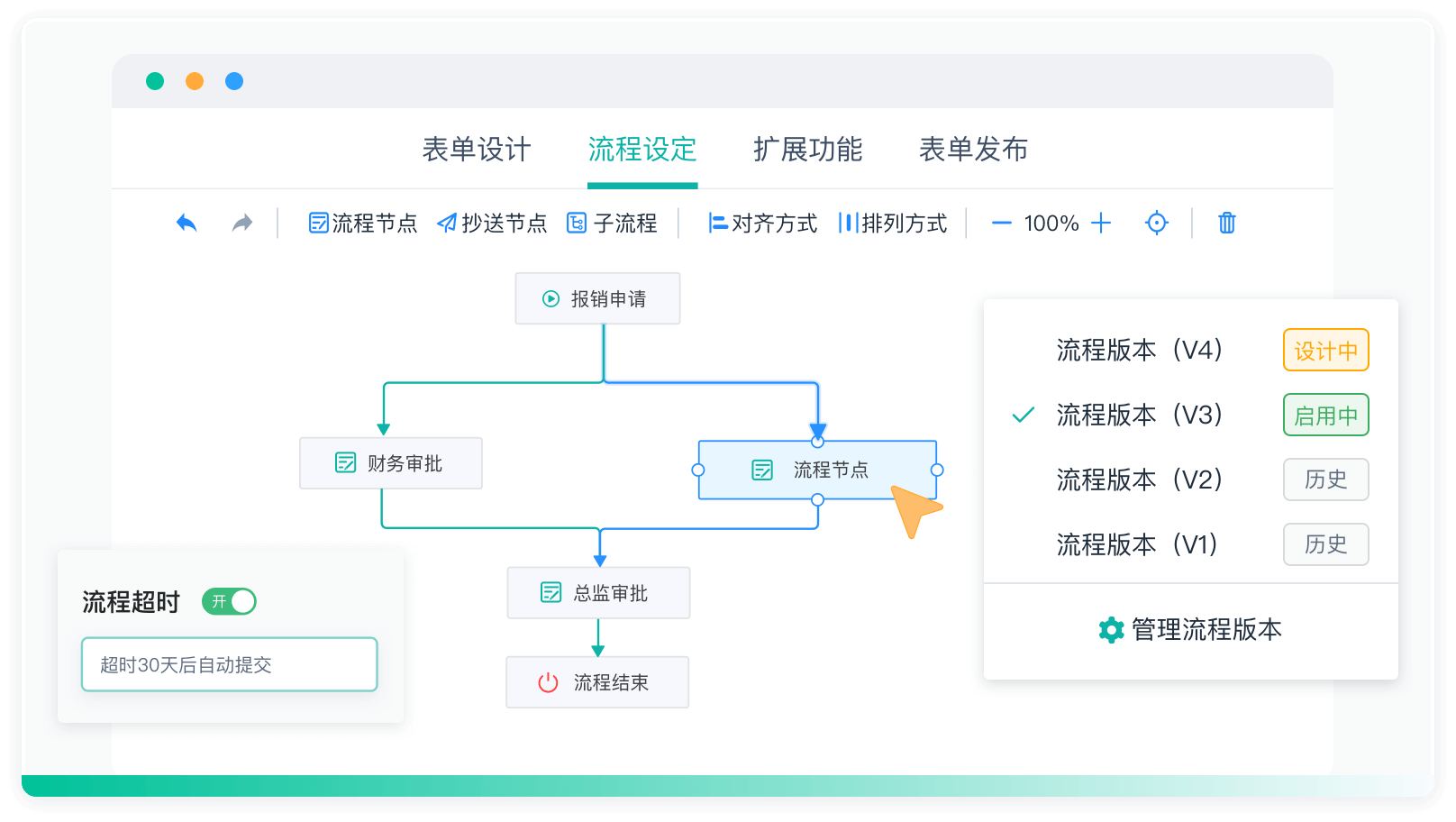
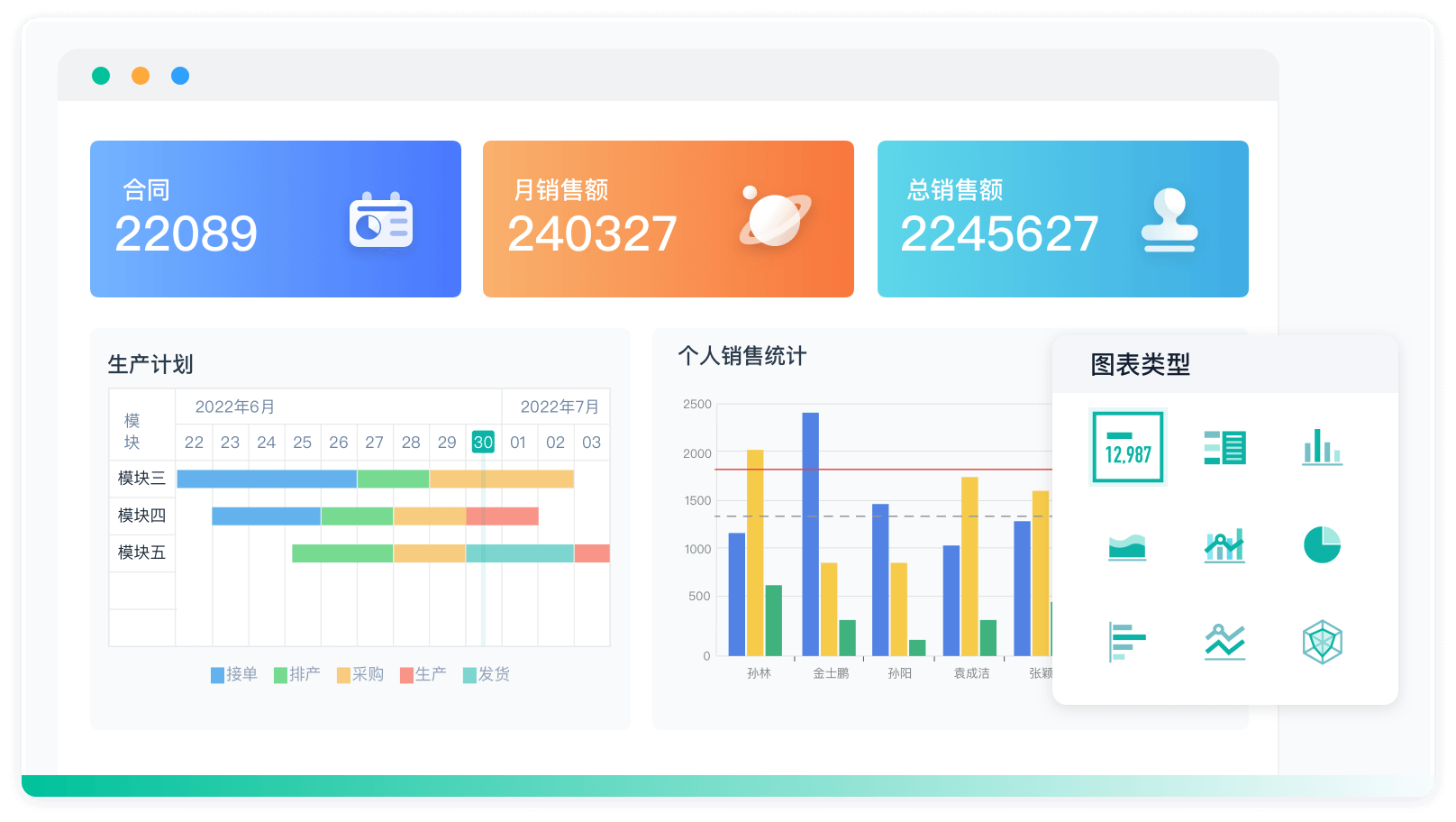
推荐一个好用的零代码开发平台,5分钟即可搭建一个管理软件:
地址: https://s.fanruan.com/x6aj1;
100+企业管理系统模板免费使用>>>无需下载,在线安装:
地址: https://s.fanruan.com/7wtn5;





























































 《零代码开发知识图谱》
 《零代码
新动能》案例集
《零代码
新动能》案例集
 《企业零代码系统搭建指南》