
 阅读时间:6 分钟
  浏览量:387次

C语言设备管理信息系统代码的实现需要涉及设备数据的存储与管理、用户界面设计、数据处理和文件操作等多方面的内容。 其中,设备数据的存储与管理是实现这一系统的核心部分。为了更好地管理设备信息,我们需要在代码中设计结构体来存储设备的基本信息,如设备ID、设备名称、设备类型、设备状态等。接下来,我们将详细描述如何在C语言中实现一个简单的设备管理信息系统。
一、设备数据的存储与结构体设计
在设备管理信息系统中,设备的数据存储是非常重要的一环。我们可以使用C语言中的结构体(struct)来定义设备的基本信息,并将这些结构体存储在数组或链表中。以下是一个简单的结构体定义,用于存储设备的基本信息:
#include <stdio.h>
#include <stdlib.h>
#include <string.h>
#define MAX_DEVICES 100
typedef struct {
    int id;
    char name[50];
    char type[50];
    char status[20];
} Device;
Device deviceList[MAX_DEVICES];
int deviceCount = 0;
通过上述定义,我们可以存储最多100个设备的信息。每个设备的信息包括设备ID、名称、类型和状态。
二、设备信息的添加与删除
为了管理设备信息,我们需要实现设备信息的添加与删除功能。以下是添加设备信息的代码示例:
void addDevice(int id, const char* name, const char* type, const char* status) {
    if (deviceCount >= MAX_DEVICES) {
        printf("Device list is full.\n");
        return;
    }
    deviceList[deviceCount].id = id;
    strcpy(deviceList[deviceCount].name, name);
    strcpy(deviceList[deviceCount].type, type);
    strcpy(deviceList[deviceCount].status, status);
    deviceCount++;
    printf("Device added successfully.\n");
}
设备信息的删除功能可以通过设备ID来实现:
void deleteDevice(int id) {
    int i, found = 0;
    for (i = 0; i < deviceCount; i++) {
        if (deviceList[i].id == id) {
            int j;
            for (j = i; j < deviceCount - 1; j++) {
                deviceList[j] = deviceList[j + 1];
            }
            deviceCount--;
            found = 1;
            break;
        }
    }
    if (found) {
        printf("Device deleted successfully.\n");
    } else {
        printf("Device not found.\n");
    }
}
三、设备信息的查询与更新
设备信息的查询功能可以通过设备ID来实现:
void queryDevice(int id) {
    int i, found = 0;
    for (i = 0; i < deviceCount; i++) {
        if (deviceList[i].id == id) {
            printf("Device ID: %d\n", deviceList[i].id);
            printf("Device Name: %s\n", deviceList[i].name);
            printf("Device Type: %s\n", deviceList[i].type);
            printf("Device Status: %s\n", deviceList[i].status);
            found = 1;
            break;
        }
    }
    if (!found) {
        printf("Device not found.\n");
    }
}
设备信息的更新功能可以通过设备ID来实现:
void updateDevice(int id, const char* name, const char* type, const char* status) {
    int i, found = 0;
    for (i = 0; i < deviceCount; i++) {
        if (deviceList[i].id == id) {
            strcpy(deviceList[i].name, name);
            strcpy(deviceList[i].type, type);
            strcpy(deviceList[i].status, status);
            found = 1;
            printf("Device updated successfully.\n");
            break;
        }
    }
    if (!found) {
        printf("Device not found.\n");
    }
}
四、用户界面的设计
为了让用户方便地使用设备管理信息系统,我们需要设计一个简单的用户界面。以下是一个基于文本的用户界面示例:
void displayMenu() {
    printf("Device Management System\n");
    printf("1. Add Device\n");
    printf("2. Delete Device\n");
    printf("3. Query Device\n");
    printf("4. Update Device\n");
    printf("5. Exit\n");
    printf("Enter your choice: ");
}
int main() {
    int choice, id;
    char name[50], type[50], status[20];
    while (1) {
        displayMenu();
        scanf("%d", &choice);
        switch (choice) {
            case 1:
                printf("Enter Device ID: ");
                scanf("%d", &id);
                printf("Enter Device Name: ");
                scanf("%s", name);
                printf("Enter Device Type: ");
                scanf("%s", type);
                printf("Enter Device Status: ");
                scanf("%s", status);
                addDevice(id, name, type, status);
                break;
            case 2:
                printf("Enter Device ID to delete: ");
                scanf("%d", &id);
                deleteDevice(id);
                break;
            case 3:
                printf("Enter Device ID to query: ");
                scanf("%d", &id);
                queryDevice(id);
                break;
            case 4:
                printf("Enter Device ID to update: ");
                scanf("%d", &id);
                printf("Enter new Device Name: ");
                scanf("%s", name);
                printf("Enter new Device Type: ");
                scanf("%s", type);
                printf("Enter new Device Status: ");
                scanf("%s", status);
                updateDevice(id, name, type, status);
                break;
            case 5:
                exit(0);
            default:
                printf("Invalid choice. Please try again.\n");
        }
    }
    return 0;
}
五、数据的持久化存储
为了确保设备信息在系统关闭后依然保存,我们需要将设备信息存储到文件中,并在系统启动时从文件中读取数据。以下是将设备信息保存到文件的代码示例:
void saveDataToFile(const char* filename) {
    FILE* file = fopen(filename, "w");
    if (file == NULL) {
        printf("Failed to open file for writing.\n");
        return;
    }
    fwrite(&deviceCount, sizeof(int), 1, file);
    fwrite(deviceList, sizeof(Device), deviceCount, file);
    fclose(file);
    printf("Data saved successfully.\n");
}
从文件中读取设备信息的代码示例:
void loadDataFromFile(const char* filename) {
    FILE* file = fopen(filename, "r");
    if (file == NULL) {
        printf("Failed to open file for reading.\n");
        return;
    }
    fread(&deviceCount, sizeof(int), 1, file);
    fread(deviceList, sizeof(Device), deviceCount, file);
    fclose(file);
    printf("Data loaded successfully.\n");
}
我们需要在主函数中调用这些函数来保存和加载数据:
int main() {
    loadDataFromFile("devices.dat");
    int choice, id;
    char name[50], type[50], status[20];
    while (1) {
        displayMenu();
        scanf("%d", &choice);
        switch (choice) {
            case 1:
                printf("Enter Device ID: ");
                scanf("%d", &id);
                printf("Enter Device Name: ");
                scanf("%s", name);
                printf("Enter Device Type: ");
                scanf("%s", type);
                printf("Enter Device Status: ");
                scanf("%s", status);
                addDevice(id, name, type, status);
                break;
            case 2:
                printf("Enter Device ID to delete: ");
                scanf("%d", &id);
                deleteDevice(id);
                break;
            case 3:
                printf("Enter Device ID to query: ");
                scanf("%d", &id);
                queryDevice(id);
                break;
            case 4:
                printf("Enter Device ID to update: ");
                scanf("%d", &id);
                printf("Enter new Device Name: ");
                scanf("%s", name);
                printf("Enter new Device Type: ");
                scanf("%s", type);
                printf("Enter new Device Status: ");
                scanf("%s", status);
                updateDevice(id, name, type, status);
                break;
            case 5:
                saveDataToFile("devices.dat");
                exit(0);
            default:
                printf("Invalid choice. Please try again.\n");
        }
    }
    return 0;
}
六、错误处理与输入验证
为了提高系统的健壮性,我们需要对用户输入进行验证,并在出现错误时进行适当的处理。以下是一个简单的输入验证示例:
int getIntegerInput() {
    int value;
    while (scanf("%d", &value) != 1) {
        while (getchar() != '\n'); // 清除输入缓冲区
        printf("Invalid input. Please enter an integer: ");
    }
    return value;
}
void getStringInput(char* buffer, int bufferSize) {
    while (1) {
        fgets(buffer, bufferSize, stdin);
        if (buffer[strlen(buffer) - 1] == '\n') {
            buffer[strlen(buffer) - 1] = '\0';
        }
        if (strlen(buffer) > 0) {
            break;
        }
        printf("Invalid input. Please enter a non-empty string: ");
    }
}
我们可以在主函数中使用这些函数来获取用户输入:
int main() {
    loadDataFromFile("devices.dat");
    int choice, id;
    char name[50], type[50], status[20];
    while (1) {
        displayMenu();
        choice = getIntegerInput();
        switch (choice) {
            case 1:
                printf("Enter Device ID: ");
                id = getIntegerInput();
                printf("Enter Device Name: ");
                getStringInput(name, sizeof(name));
                printf("Enter Device Type: ");
                getStringInput(type, sizeof(type));
                printf("Enter Device Status: ");
                getStringInput(status, sizeof(status));
                addDevice(id, name, type, status);
                break;
            case 2:
                printf("Enter Device ID to delete: ");
                id = getIntegerInput();
                deleteDevice(id);
                break;
            case 3:
                printf("Enter Device ID to query: ");
                id = getIntegerInput();
                queryDevice(id);
                break;
            case 4:
                printf("Enter Device ID to update: ");
                id = getIntegerInput();
                printf("Enter new Device Name: ");
                getStringInput(name, sizeof(name));
                printf("Enter new Device Type: ");
                getStringInput(type, sizeof(type));
                printf("Enter new Device Status: ");
                getStringInput(status, sizeof(status));
                updateDevice(id, name, type, status);
                break;
            case 5:
                saveDataToFile("devices.dat");
                exit(0);
            default:
                printf("Invalid choice. Please try again.\n");
        }
    }
    return 0;
}
七、系统的扩展与优化
为了提高系统的可用性与性能,我们可以对系统进行进一步的扩展与优化。例如,我们可以使用链表代替数组来存储设备信息,以便在添加和删除设备时更加高效。此外,我们还可以增加更多的功能,如设备信息的排序与筛选,设备信息的批量导入与导出等。以下是一个使用链表存储设备信息的示例:
typedef struct DeviceNode {
    Device device;
    struct DeviceNode* next;
} DeviceNode;
DeviceNode* deviceListHead = NULL;
void addDevice(int id, const char* name, const char* type, const char* status) {
    DeviceNode* newNode = (DeviceNode*)malloc(sizeof(DeviceNode));
    newNode->device.id = id;
    strcpy(newNode->device.name, name);
    strcpy(newNode->device.type, type);
    strcpy(newNode->device.status, status);
    newNode->next = deviceListHead;
    deviceListHead = newNode;
    printf("Device added successfully.\n");
}
void deleteDevice(int id) {
    DeviceNode* current = deviceListHead;
    DeviceNode* previous = NULL;
    while (current != NULL && current->device.id != id) {
        previous = current;
        current = current->next;
    }
    if (current != NULL) {
        if (previous == NULL) {
            deviceListHead = current->next;
        } else {
            previous->next = current->next;
        }
        free(current);
        printf("Device deleted successfully.\n");
    } else {
        printf("Device not found.\n");
    }
}
void queryDevice(int id) {
    DeviceNode* current = deviceListHead;
    while (current != NULL) {
        if (current->device.id == id) {
            printf("Device ID: %d\n", current->device.id);
            printf("Device Name: %s\n", current->device.name);
            printf("Device Type: %s\n", current->device.type);
            printf("Device Status: %s\n", current->device.status);
            return;
        }
        current = current->next;
    }
    printf("Device not found.\n");
}
void updateDevice(int id, const char* name, const char* type, const char* status) {
    DeviceNode* current = deviceListHead;
    while (current != NULL) {
        if (current->device.id == id) {
            strcpy(current->device.name, name);
            strcpy(current->device.type, type);
            strcpy(current->device.status, status);
            printf("Device updated successfully.\n");
            return;
        }
        current = current->next;
    }
    printf("Device not found.\n");
}
通过以上代码,我们实现了一个简单的设备管理信息系统。这个系统可以进行设备信息的添加、删除、查询与更新,并且支持数据的持久化存储。通过进一步的扩展与优化,我们可以使系统更加完善与高效,以满足更多的需求。
相关问答FAQs:
C语言设备管理信息系统代码示例
以下是一个简单的C语言设备管理信息系统的示例代码。该系统可以实现对设备的基本管理功能,包括添加设备、查看设备、删除设备等。
#include <stdio.h>
#include <stdlib.h>
#include <string.h>

#define MAX_DEVICES 100

typedef struct {
    int id;
    char name[50];
    char type[50];
    int status; // 0: 可用, 1: 不可用
} Device;

Device devices[MAX_DEVICES];
int device_count = 0;

void add_device() {
    if (device_count >= MAX_DEVICES) {
        printf("设备数量已达到上限,无法添加更多设备。\n");
        return;
    }
    Device new_device;
    new_device.id = device_count + 1;
    printf("请输入设备名称: ");
    scanf("%s", new_device.name);
    printf("请输入设备类型: ");
    scanf("%s", new_device.type);
    new_device.status = 0; // 默认可用

    devices[device_count] = new_device;
    device_count++;
    printf("设备添加成功!\n");
}

void view_devices() {
    if (device_count == 0) {
        printf("没有设备可供查看。\n");
        return;
    }
    printf("设备列表:\n");
    for (int i = 0; i < device_count; i++) {
        printf("ID: %d, 名称: %s, 类型: %s, 状态: %s\n",
               devices[i].id,
               devices[i].name,
               devices[i].type,
               devices[i].status == 0 ? "可用" : "不可用");
    }
}

void delete_device() {
    int id;
    printf("请输入要删除的设备ID: ");
    scanf("%d", &id);

    if (id <= 0 || id > device_count) {
        printf("无效的设备ID。\n");
        return;
    }

    for (int i = id - 1; i < device_count - 1; i++) {
        devices[i] = devices[i + 1];
    }
    device_count--;
    printf("设备删除成功!\n");
}

void display_menu() {
    printf("设备管理信息系统\n");
    printf("1. 添加设备\n");
    printf("2. 查看设备\n");
    printf("3. 删除设备\n");
    printf("4. 退出\n");
}

int main() {
    int choice;

    while (1) {
        display_menu();
        printf("请选择操作: ");
        scanf("%d", &choice);

        switch (choice) {
            case 1:
                add_device();
                break;
            case 2:
                view_devices();
                break;
            case 3:
                delete_device();
                break;
            case 4:
                printf("退出系统。\n");
                exit(0);
            default:
                printf("无效的选择,请重试。\n");
        }
    }

    return 0;
}
代码说明
-
数据结构定义:定义了一个
Device结构体,用于存储设备的信息,包括设备ID、名称、类型和状态。状态字段用0表示可用,1表示不可用。 -
设备管理功能:
add_device():该函数用于添加新设备,首先检查设备数量是否已达到上限。如果可以添加,则从用户输入获取设备信息并存储。view_devices():该函数用于查看现有设备,遍历设备数组并打印每个设备的信息。delete_device():该函数允许用户通过设备ID删除设备,输入的ID会验证有效性,如果有效,则进行删除操作。
-
主菜单与循环:通过
display_menu()函数展示操作选项,利用while循环持续运行程序,直到用户选择退出。
使用说明
- 编译并运行该程序后,用户可以选择添加、查看或删除设备。
- 输入设备信息时,请遵循提示输入。
- 设备ID是自动生成的,从1开始。
- 程序会持续运行,直到用户选择退出。
注意事项
- 该示例是一个基础的设备管理系统,未实现文件存储功能,所有数据在程序退出后将丢失。
- 可以根据需要扩展功能,比如增加设备的详细信息、支持设备状态更新、或者持久化存储等。
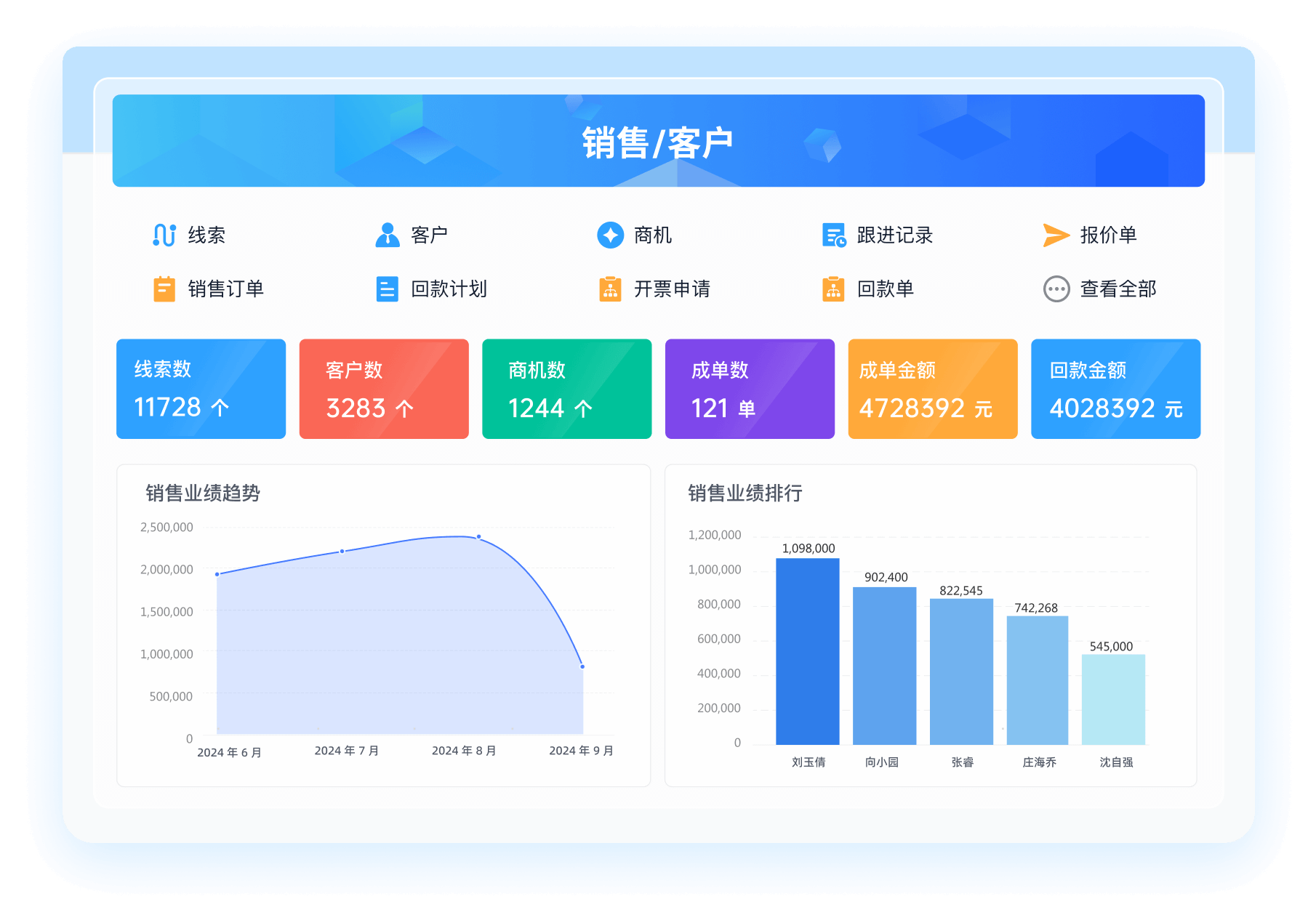
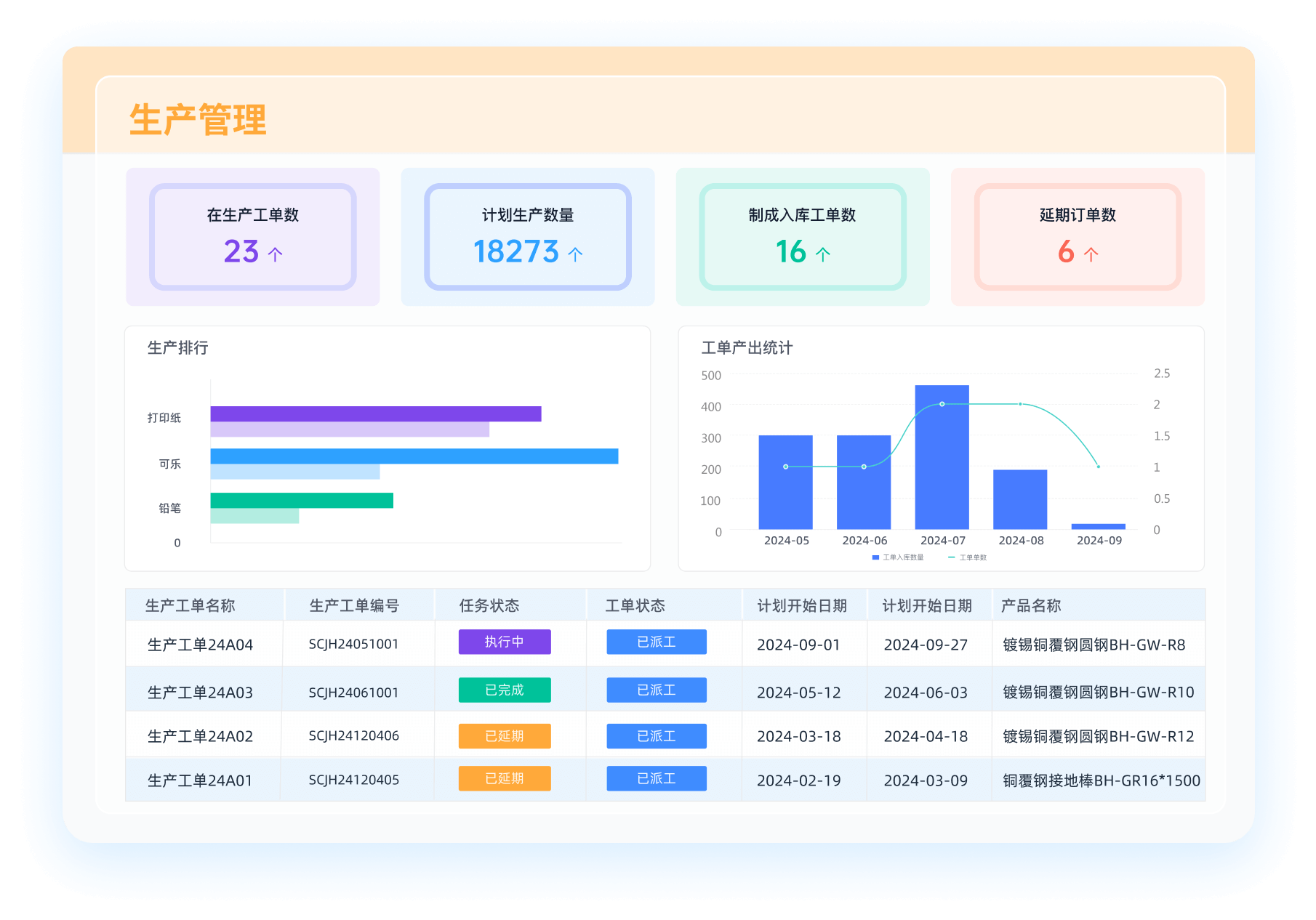
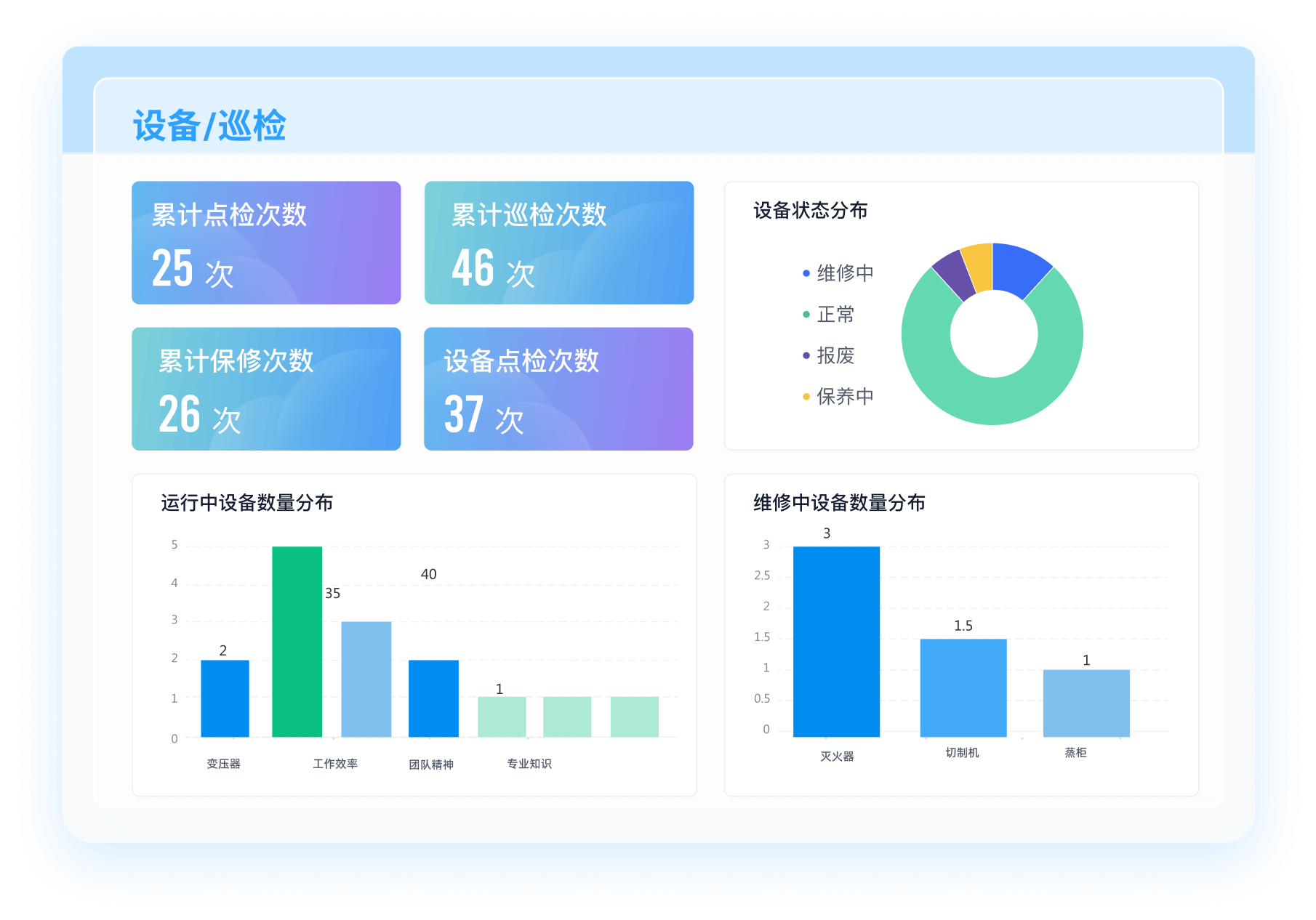
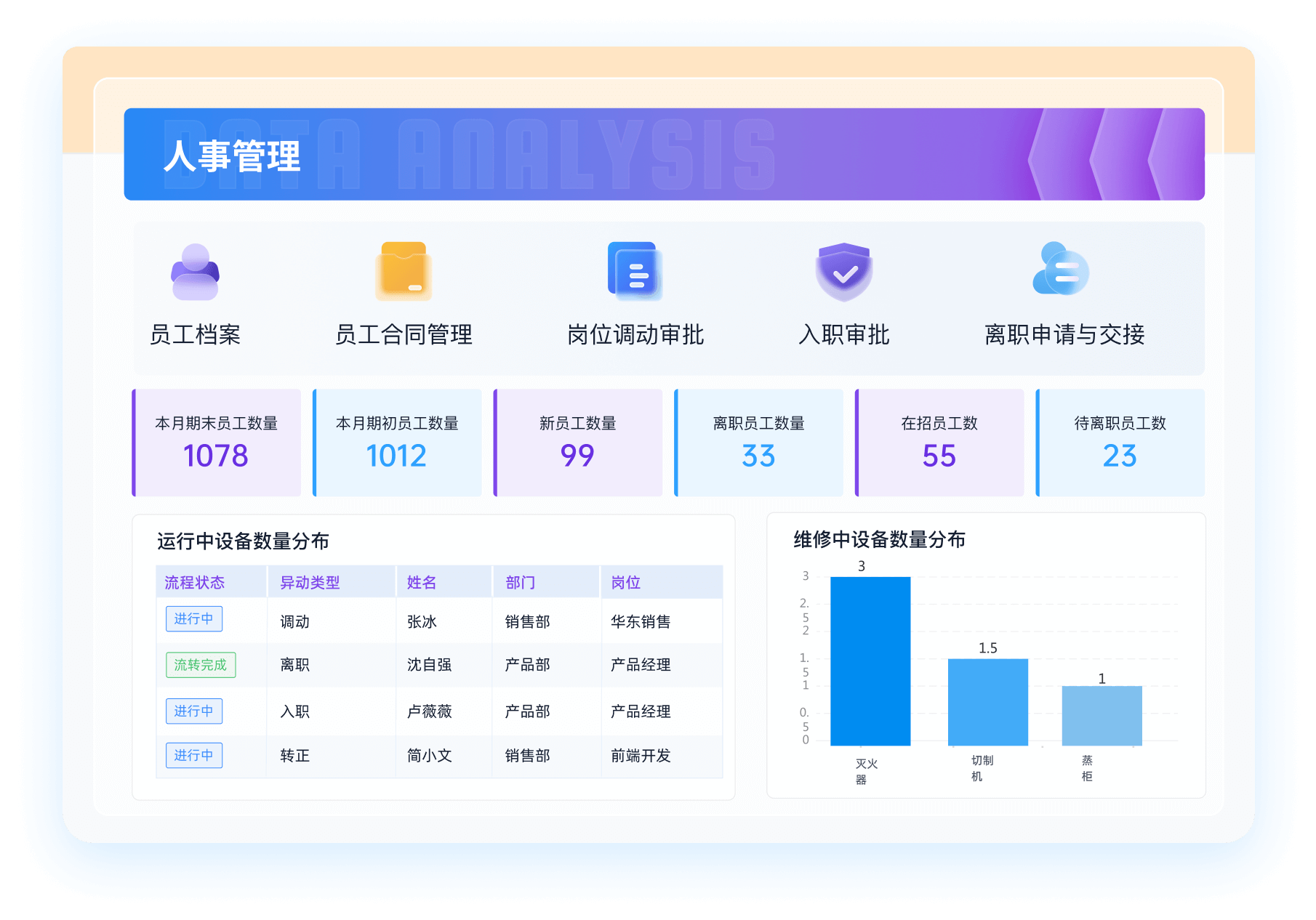
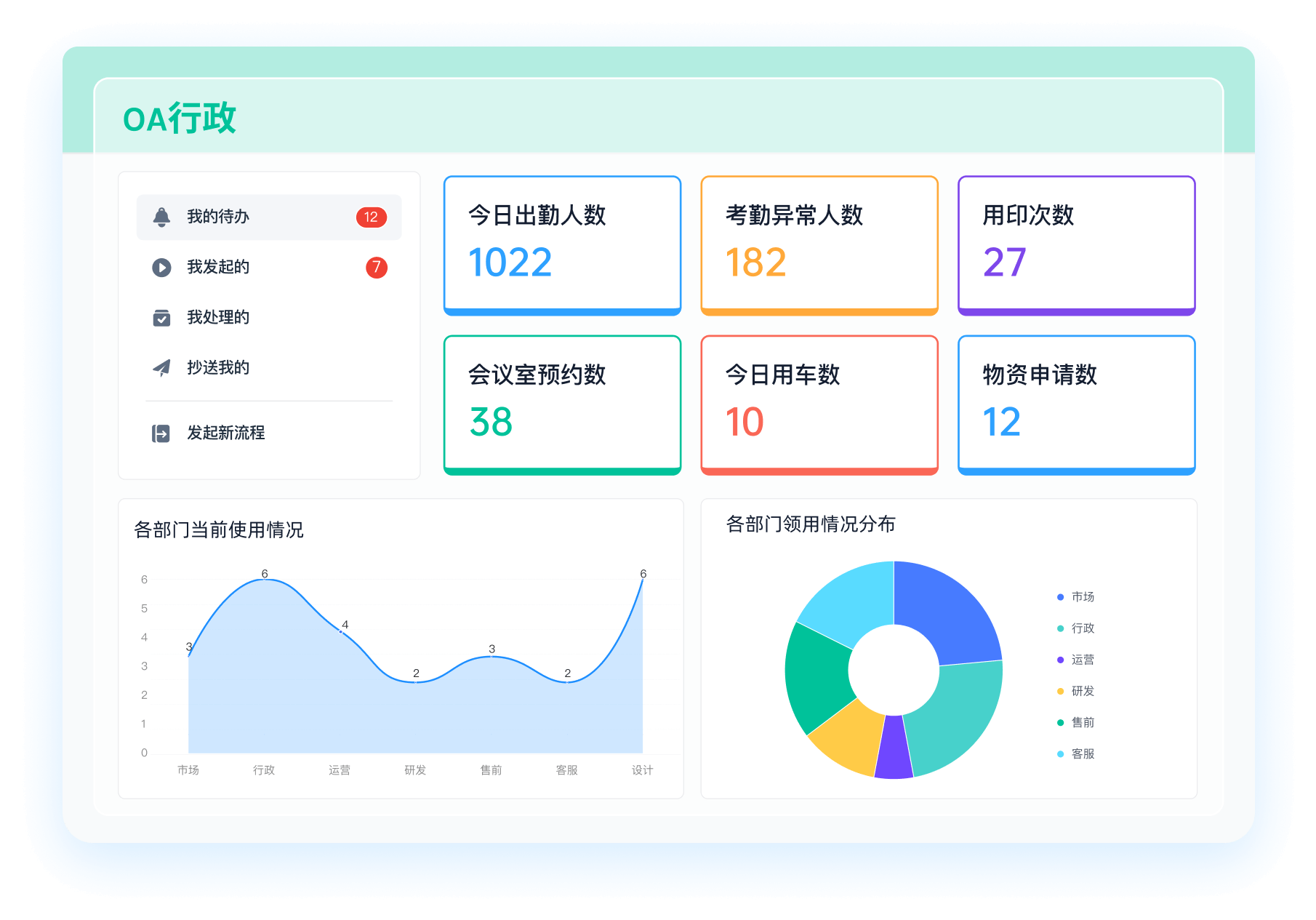
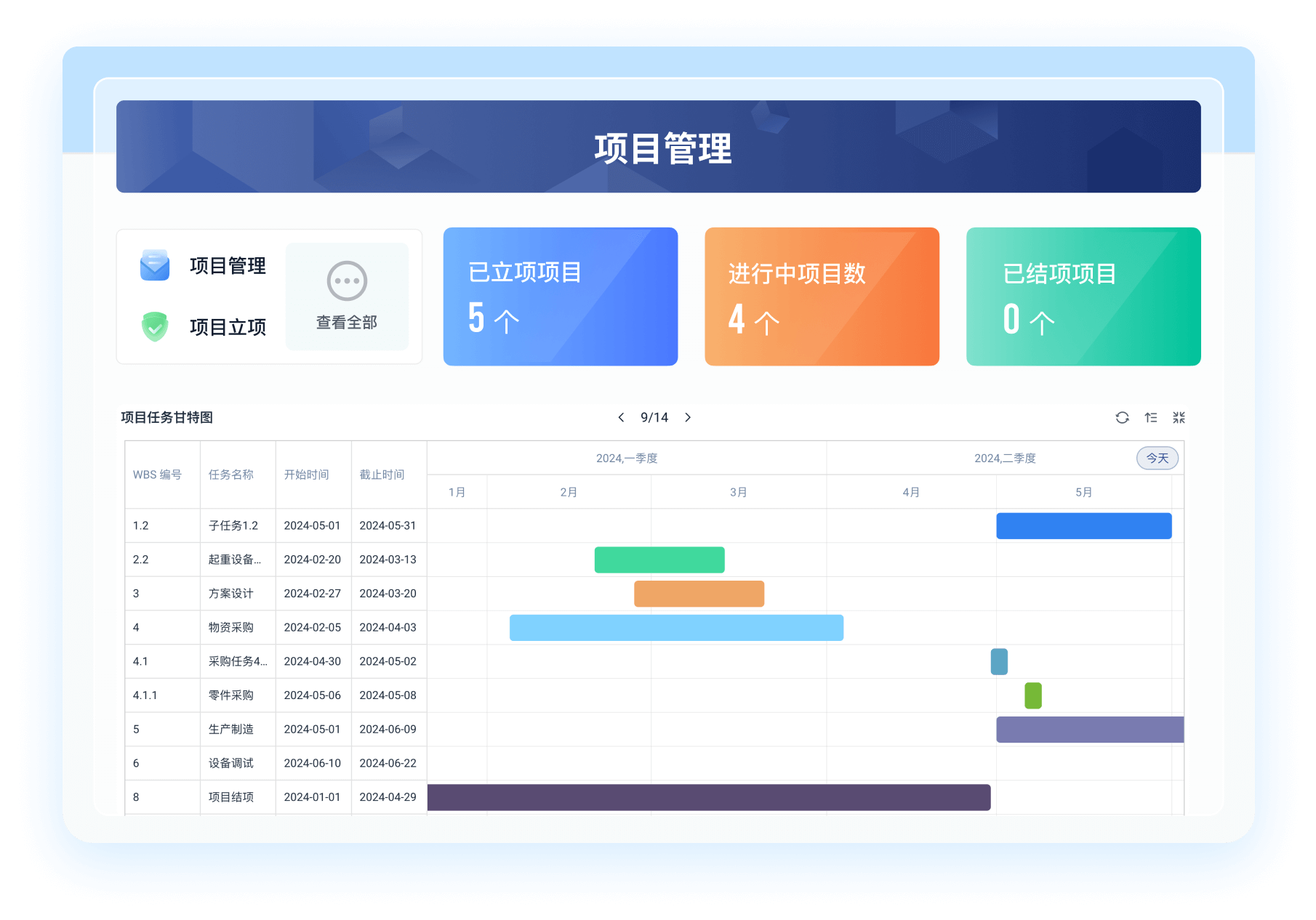
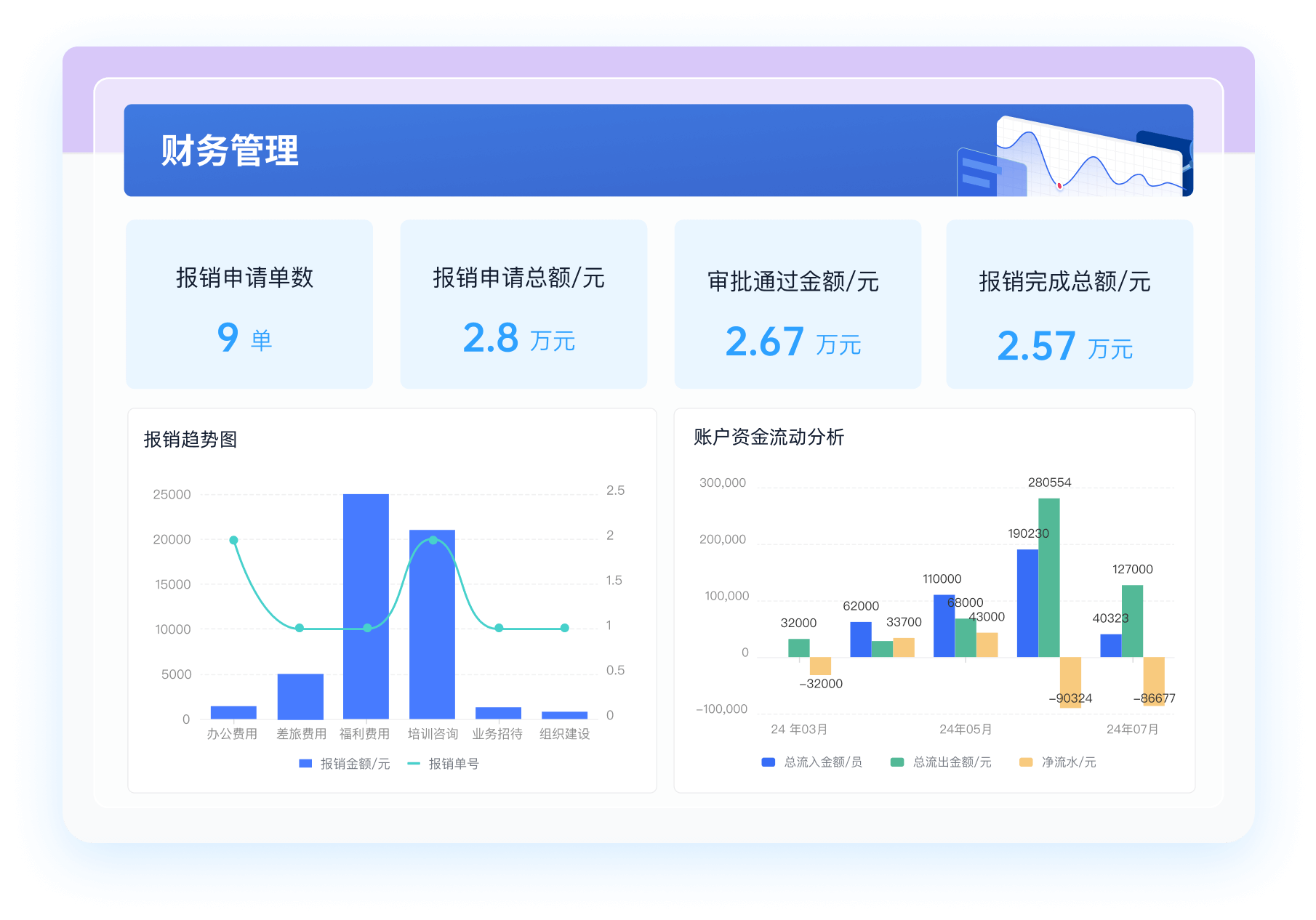
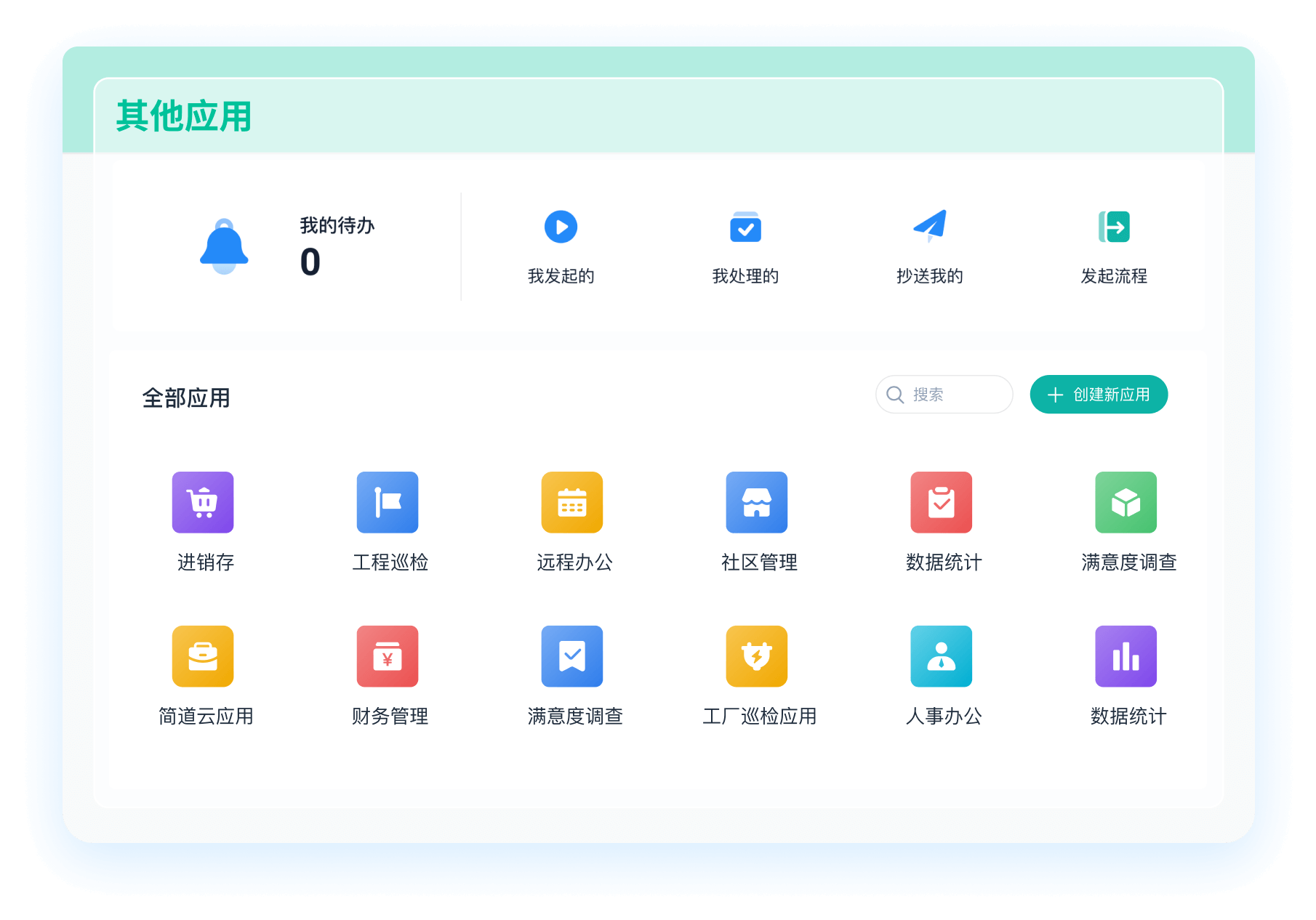
推荐一个好用的零代码开发平台,5分钟即可搭建一个管理软件:
地址: https://s.fanruan.com/x6aj1;
100+企业管理系统模板免费使用>>>无需下载,在线安装:
地址: https://s.fanruan.com/7wtn5;






































































 《零代码开发知识图谱》
 《零代码
新动能》案例集
《零代码
新动能》案例集
 《企业零代码系统搭建指南》