
 阅读时间:8 分钟
  浏览量:1237次
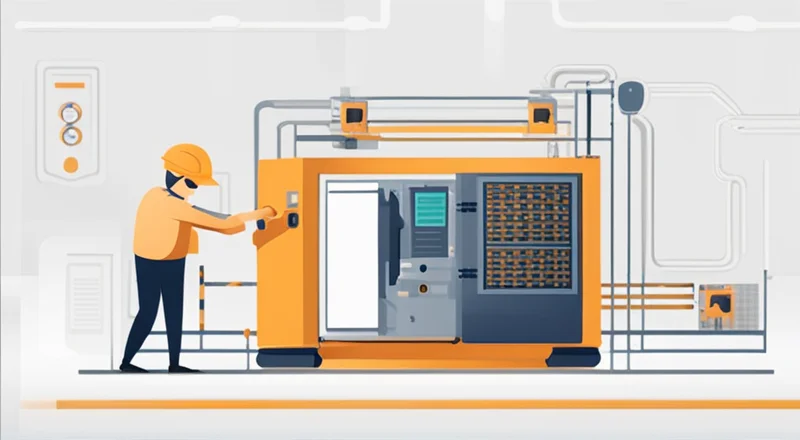

The English Name for a Building Equipment Management System
The English name for a building equipment management system is Building Equipment Management System or BEMS. BEMS is crucial for modern buildings as it helps in the efficient management and monitoring of various building systems such as HVAC, lighting, security, and energy systems. By integrating these systems, BEMS provides real-time data and insights that can lead to significant energy savings, improved occupant comfort, and enhanced operational efficiency. One key advantage of BEMS is its ability to optimize energy consumption through intelligent automation and control. For instance, BEMS can automatically adjust heating, cooling, and lighting based on occupancy patterns, thereby reducing unnecessary energy usage and lowering operational costs.
I、DEFINITION AND IMPORTANCE OF BEMS
A Building Equipment Management System (BEMS) is an advanced computer-based control system that helps in monitoring and managing the mechanical and electrical services within a building. These systems include HVAC (Heating, Ventilation, and Air Conditioning), lighting, power, fire systems, and security systems. BEMS integrates all these services, allowing for centralized and efficient management. The importance of BEMS lies in its ability to provide real-time data and insights, enabling building managers to make informed decisions that can enhance operational efficiency and energy conservation. The integration of various building systems into a single platform not only simplifies management but also leads to significant cost savings.
II、COMPONENTS OF BEMS
BEMS typically comprises several key components:
1. Sensors and Actuators: These are the fundamental devices that collect data from the environment and execute commands, respectively. For instance, temperature sensors monitor indoor climate conditions, while actuators control HVAC systems to maintain desired temperature levels.
2. Controllers: These are the brains of the system. Controllers process data from sensors and send commands to actuators. They are responsible for executing predefined algorithms to optimize building operations.
3. User Interface: A user-friendly interface is essential for building managers to interact with the BEMS. This interface often includes dashboards, visualizations, and reporting tools that provide real-time data and analytics.
4. Communication Network: A robust communication network is necessary to ensure seamless data transfer between sensors, controllers, and the user interface. This network can be wired or wireless, depending on the building's infrastructure.
5. Software Platform: The software platform is the core of BEMS, integrating all components and providing the necessary tools for data analysis, system control, and reporting.
III、FUNCTIONALITIES OF BEMS
1. Monitoring and Control: BEMS continuously monitors various building systems and provides real-time data on their performance. It allows for centralized control, enabling building managers to adjust settings remotely.
2. Energy Management: One of the primary functions of BEMS is to optimize energy consumption. By analyzing data from sensors, BEMS can identify inefficiencies and implement strategies to reduce energy usage. For example, it can adjust HVAC settings based on occupancy patterns, ensuring that energy is not wasted on empty rooms.
3. Fault Detection and Diagnostics: BEMS can detect faults in building systems and diagnose their causes. This functionality helps in identifying issues before they become major problems, reducing downtime and maintenance costs.
4. Predictive Maintenance: By analyzing historical data, BEMS can predict when equipment is likely to fail and schedule maintenance accordingly. This proactive approach minimizes unexpected breakdowns and extends the lifespan of building systems.
5. Reporting and Analytics: BEMS provides detailed reports and analytics on building performance, energy usage, and system health. These insights enable building managers to make informed decisions that can enhance operational efficiency and sustainability.
IV、BENEFITS OF IMPLEMENTING BEMS
1. Energy Savings: One of the most significant benefits of BEMS is its ability to reduce energy consumption. By optimizing the performance of HVAC, lighting, and other systems, BEMS can lead to substantial energy savings. This not only lowers operational costs but also contributes to environmental sustainability.
2. Improved Comfort: BEMS helps in maintaining optimal indoor conditions, enhancing occupant comfort. For instance, it can automatically adjust temperature and lighting based on occupancy and weather conditions.
3. Enhanced Security: By integrating security systems into BEMS, building managers can monitor and control security cameras, access control systems, and alarms from a single platform. This centralized approach enhances overall security and response times.
4. Increased Operational Efficiency: BEMS streamlines the management of building systems, reducing the time and effort required for manual monitoring and control. This increased efficiency allows building managers to focus on other critical tasks.
5. Cost Savings: By reducing energy consumption, optimizing maintenance schedules, and improving operational efficiency, BEMS can lead to significant cost savings. These savings can offset the initial investment in BEMS, making it a cost-effective solution in the long run.
V、CHALLENGES IN IMPLEMENTING BEMS
1. High Initial Cost: The initial investment required for BEMS can be high, especially for older buildings that may need significant upgrades to their infrastructure. However, the long-term benefits and cost savings often justify this initial expense.
2. Complexity: Implementing BEMS requires a thorough understanding of building systems and their interactions. This complexity can be a barrier for some building managers, necessitating specialized training and expertise.
3. Integration with Existing Systems: Integrating BEMS with existing building systems can be challenging, particularly if those systems are outdated or incompatible. Careful planning and coordination are essential to ensure seamless integration.
4. Cybersecurity: As BEMS relies on a robust communication network, it is vulnerable to cybersecurity threats. Protecting BEMS from cyberattacks requires implementing strong security measures, such as encryption, firewalls, and regular security audits.
5. Maintenance and Upgrades: BEMS requires regular maintenance and periodic upgrades to ensure optimal performance. This ongoing requirement can be a challenge for building managers, particularly in terms of budgeting and resource allocation.
VI、FUTURE TRENDS IN BEMS
1. Integration with IoT: The Internet of Things (IoT) is revolutionizing building management. Integrating BEMS with IoT devices can enhance data collection and analysis, leading to more precise control and optimization of building systems.
2. Artificial Intelligence and Machine Learning: AI and machine learning are increasingly being used to analyze data collected by BEMS. These technologies can identify patterns and trends, enabling predictive maintenance and more efficient energy management.
3. Cloud-Based Solutions: Cloud-based BEMS solutions are becoming more popular, offering scalability, flexibility, and remote access. These solutions can reduce the need for on-site infrastructure and make it easier to manage multiple buildings from a central location.
4. Enhanced User Interfaces: The development of more intuitive and user-friendly interfaces will make it easier for building managers to interact with BEMS. These interfaces will provide more detailed insights and actionable recommendations, improving overall decision-making.
5. Sustainability and Green Building Standards: As sustainability becomes a priority for many organizations, BEMS will play a crucial role in meeting green building standards. Future BEMS solutions will focus on reducing carbon footprints and enhancing energy efficiency, contributing to a more sustainable built environment.
VII、CASE STUDIES OF SUCCESSFUL BEMS IMPLEMENTATIONS
1. Commercial Office Buildings: Many commercial office buildings have successfully implemented BEMS to improve energy efficiency and occupant comfort. For instance, a leading global technology company implemented BEMS in its headquarters, resulting in a 30% reduction in energy consumption and a significant improvement in indoor air quality.
2. Hospitals and Healthcare Facilities: Healthcare facilities have unique requirements for maintaining optimal indoor conditions. A large hospital implemented BEMS to manage its HVAC, lighting, and security systems, leading to improved patient comfort and substantial energy savings.
3. Educational Institutions: Universities and schools are increasingly adopting BEMS to create more sustainable campuses. A prominent university implemented BEMS across its campus, resulting in a 25% reduction in energy consumption and enhanced learning environments for students.
4. Retail and Hospitality: Retail stores and hotels have also benefited from BEMS implementations. A major hotel chain used BEMS to optimize its HVAC and lighting systems, leading to a 20% reduction in energy costs and improved guest satisfaction.
5. Industrial Facilities: Industrial facilities have complex requirements for managing energy and maintaining operational efficiency. A manufacturing plant implemented BEMS to monitor and control its energy usage, resulting in significant cost savings and improved production processes.
VIII、CONCLUSION
The Building Equipment Management System (BEMS) is an essential tool for modern buildings, offering numerous benefits such as energy savings, improved comfort, enhanced security, and increased operational efficiency. While there are challenges in implementing BEMS, the long-term advantages often outweigh these obstacles. As technology continues to evolve, future trends such as IoT integration, AI, cloud-based solutions, and enhanced user interfaces will further enhance the capabilities of BEMS. Successful case studies across various sectors demonstrate the significant impact of BEMS on building performance and sustainability. Therefore, investing in BEMS is a strategic decision that can lead to substantial cost savings, operational improvements, and a more sustainable built environment.
相关问答FAQs:
建筑设备管理系统的英文名称是什么?
建筑设备管理系统的英文名称通常为“Construction Equipment Management System”或“Construction Equipment Management Software”。这个系统主要用于跟踪和管理建筑行业中的各类设备,包括重型机械、工具和其他施工设备。通过使用这种系统,企业能够有效地管理设备的使用情况、维护记录、租赁状态以及库存管理,从而提高工作效率,减少设备闲置和维护成本。
建筑设备管理系统的主要功能是什么?
建筑设备管理系统具有多种功能,这些功能旨在帮助企业更好地管理和优化其设备资源。主要功能包括:
-
设备跟踪:系统能够实时跟踪设备的位置和状态,帮助管理者及时了解设备的使用情况。
-
维护管理:系统提供维护日程安排、维修记录和保养提醒,确保设备始终处于良好状态,降低故障率。
-
库存管理:通过系统,企业可以轻松管理设备的库存,包括采购、入库和出库记录,确保设备供应的及时性。
-
租赁管理:对于租赁设备的管理,系统能够跟踪租赁合同、费用和使用时间,帮助企业控制成本。
-
数据分析:系统可以生成各种报告和数据分析,帮助决策者了解设备使用效率和成本,从而优化资源配置。
建筑设备管理系统如何提高企业效率?
建筑设备管理系统通过多种方式提升企业效率:
-
实时数据访问:管理者能够随时随地访问设备数据,做出快速反应,减少设备闲置和浪费。
-
自动化流程:系统自动化了设备维护和管理流程,减少了人工干预,提高了管理效率。
-
降低运营成本:通过优化设备使用和维护,企业能够降低运营成本,增加利润。
-
提升安全性:定期的维护和检查可以确保设备安全,提高工作场所的安全性,降低事故发生的风险。
-
优化决策:数据分析功能能够提供深入的洞察,帮助管理层做出更明智的决策,推动业务增长。
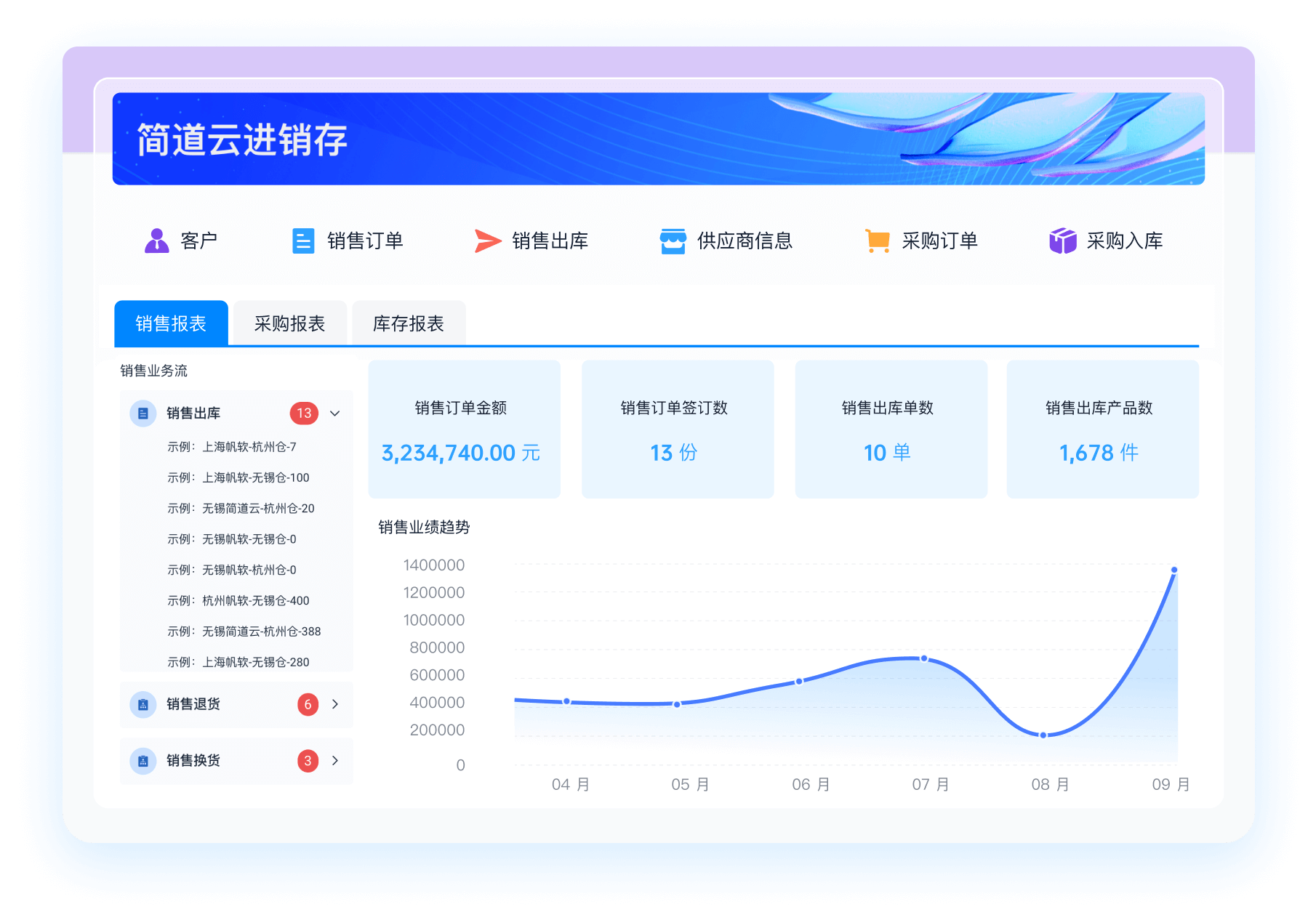
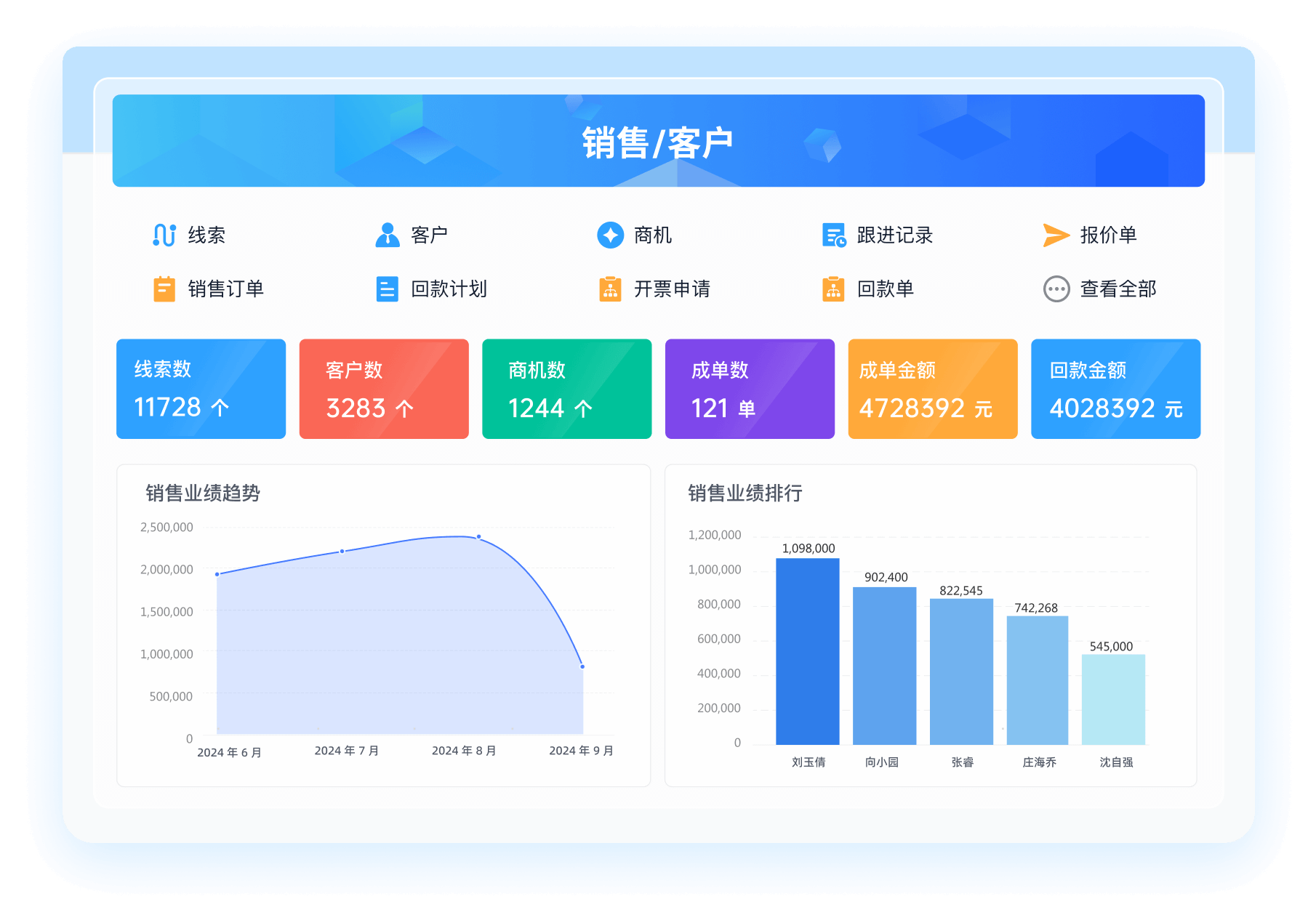
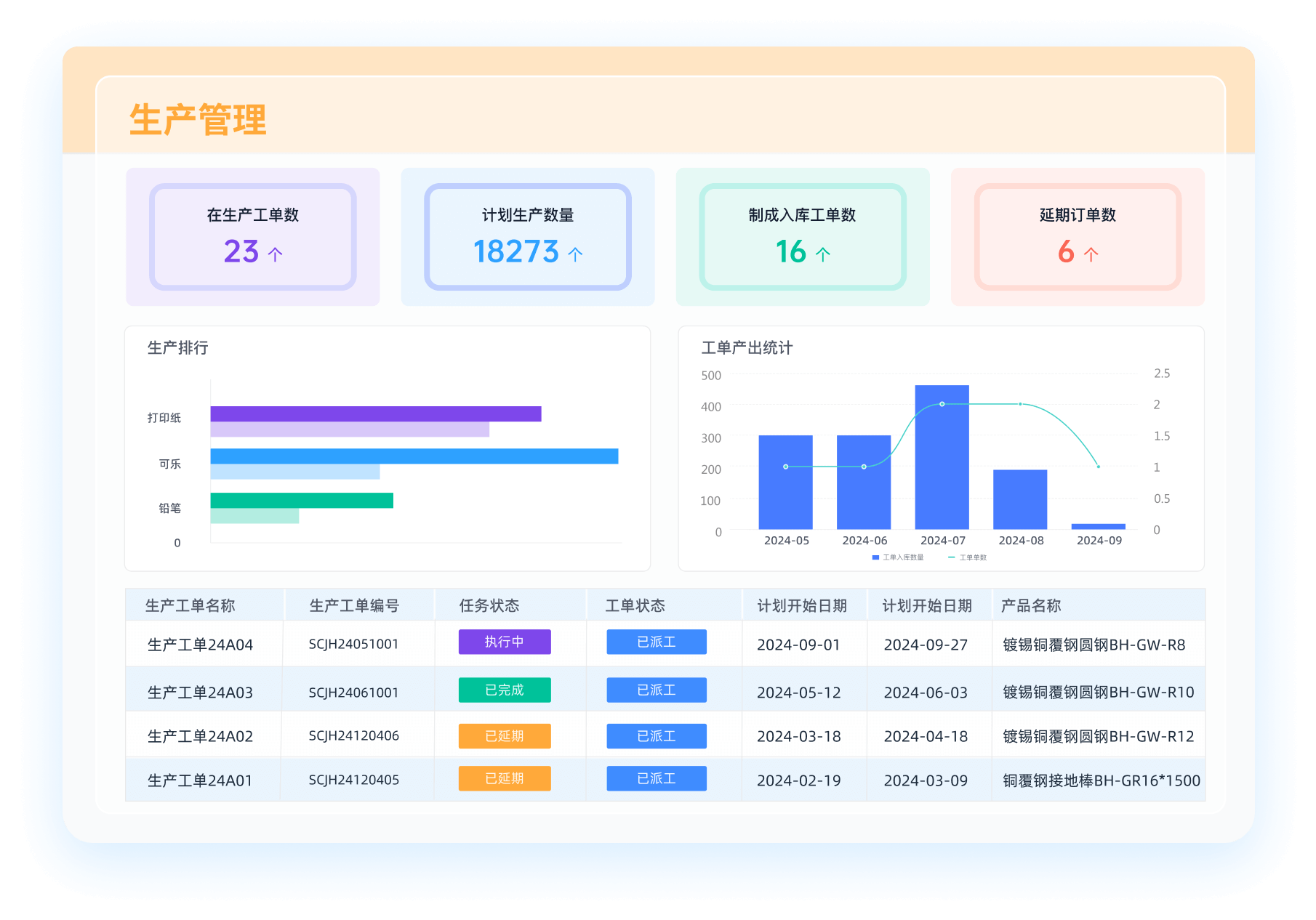
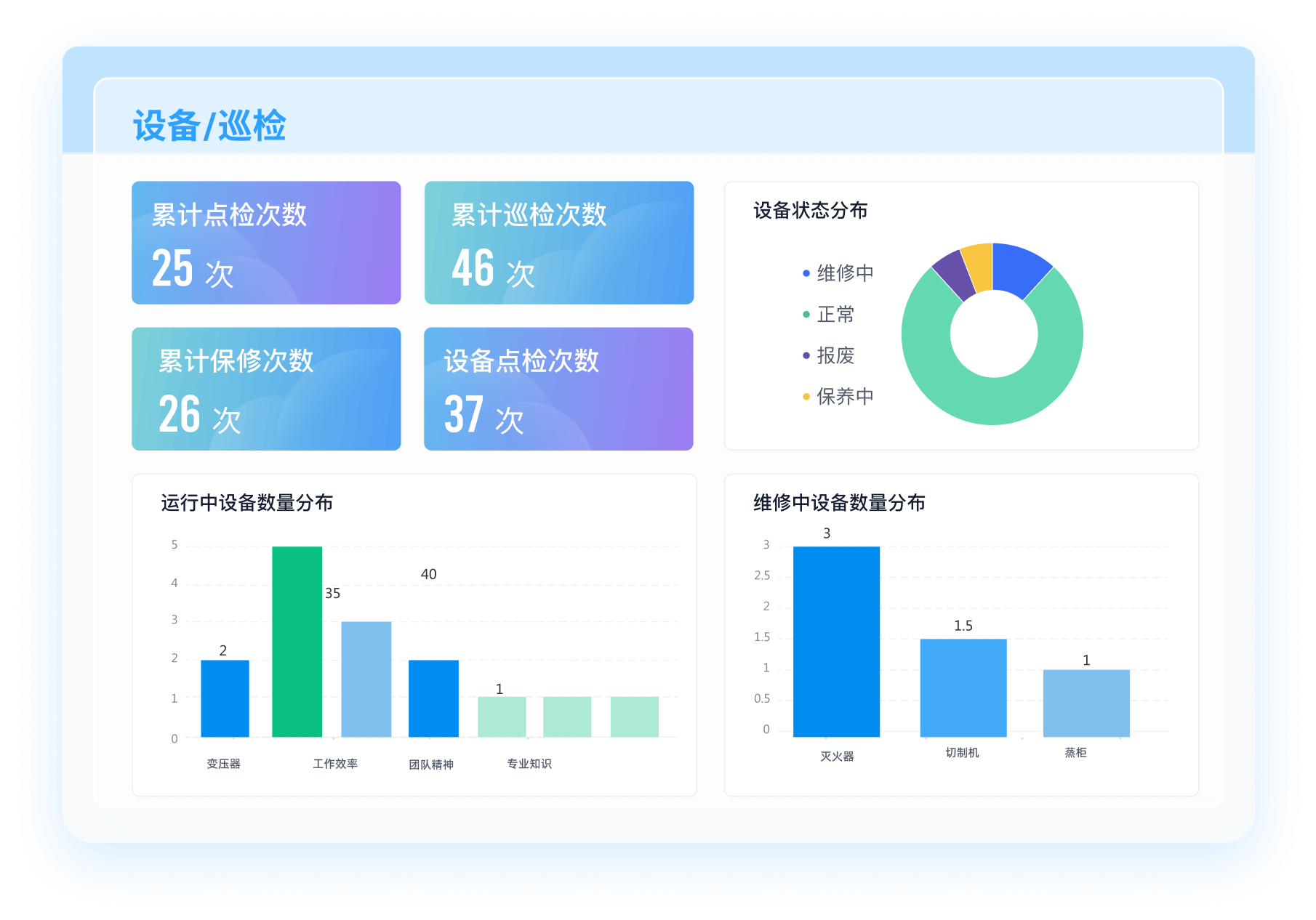
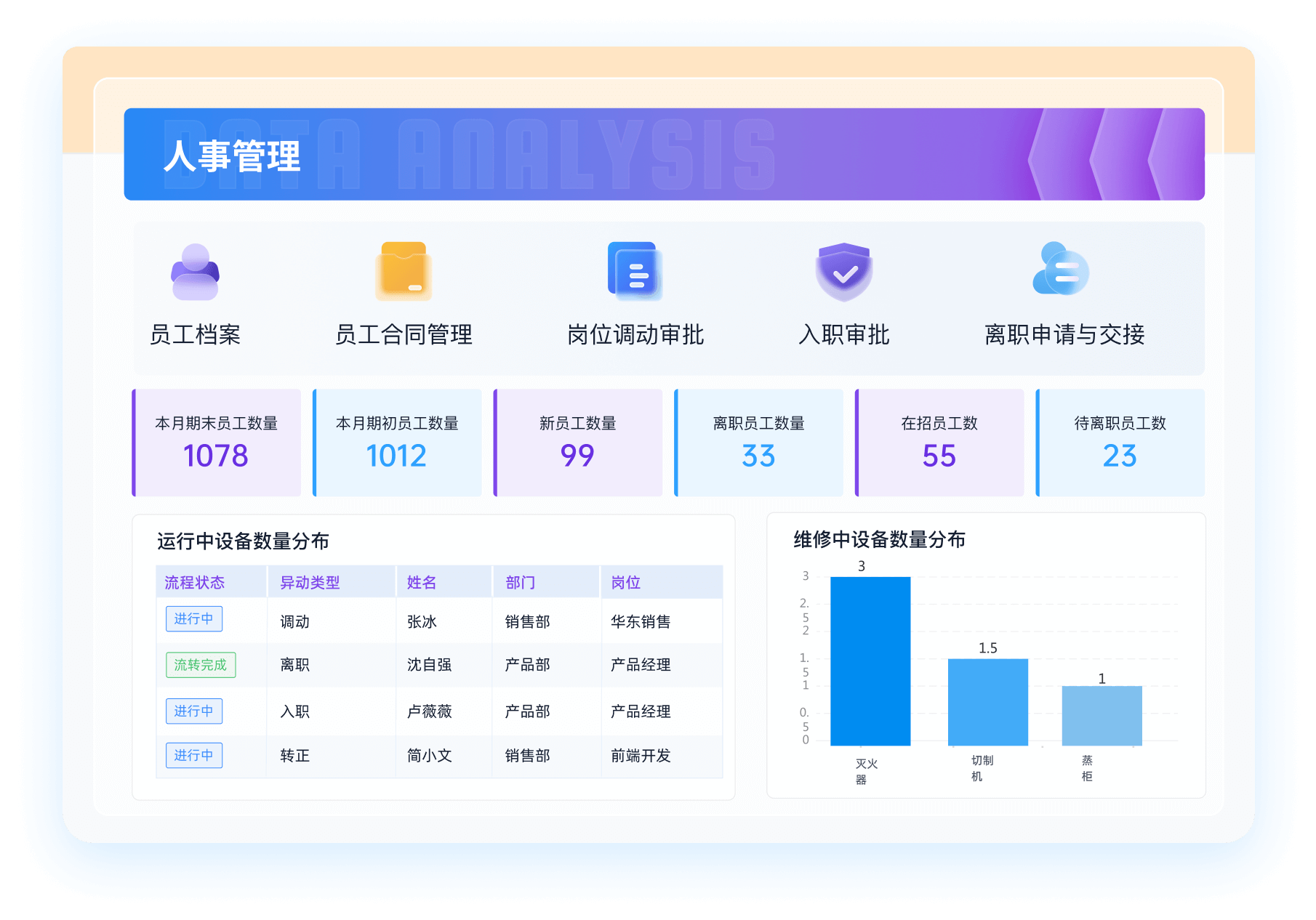
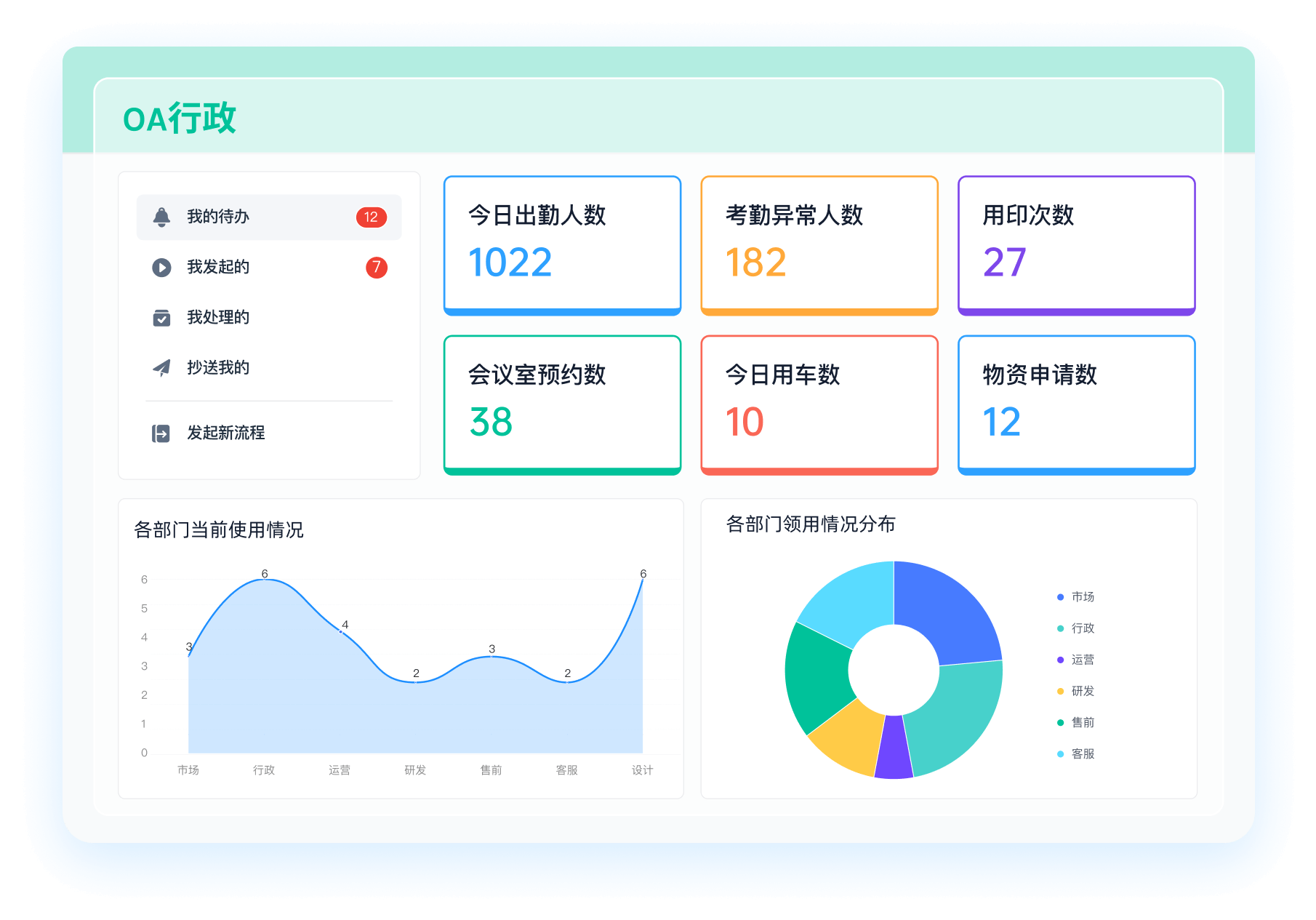
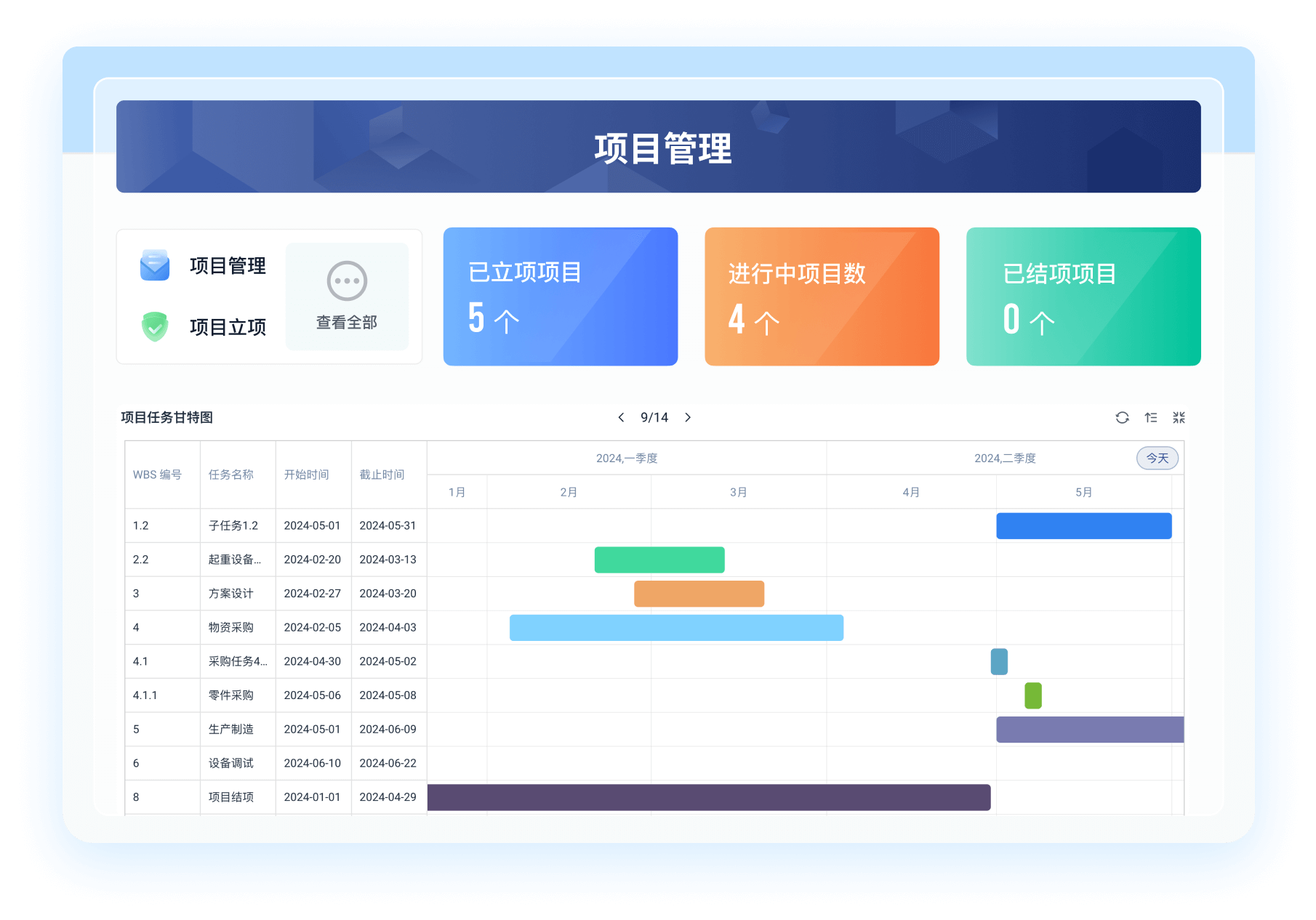
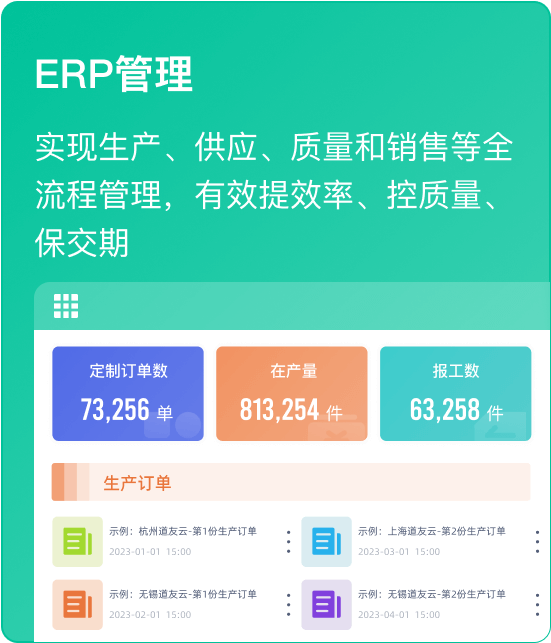
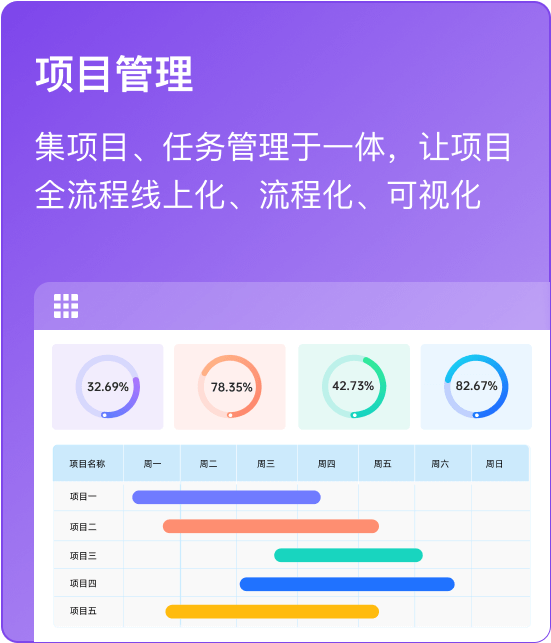
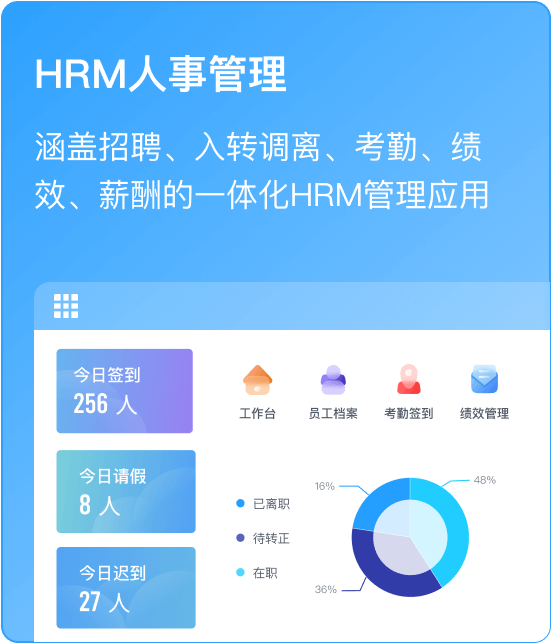
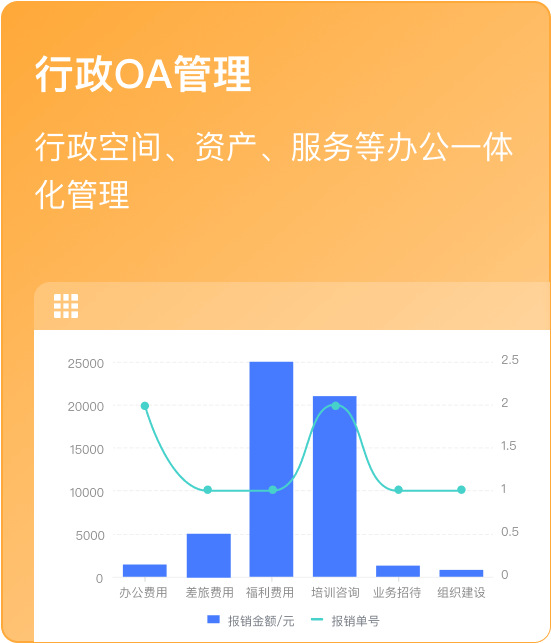
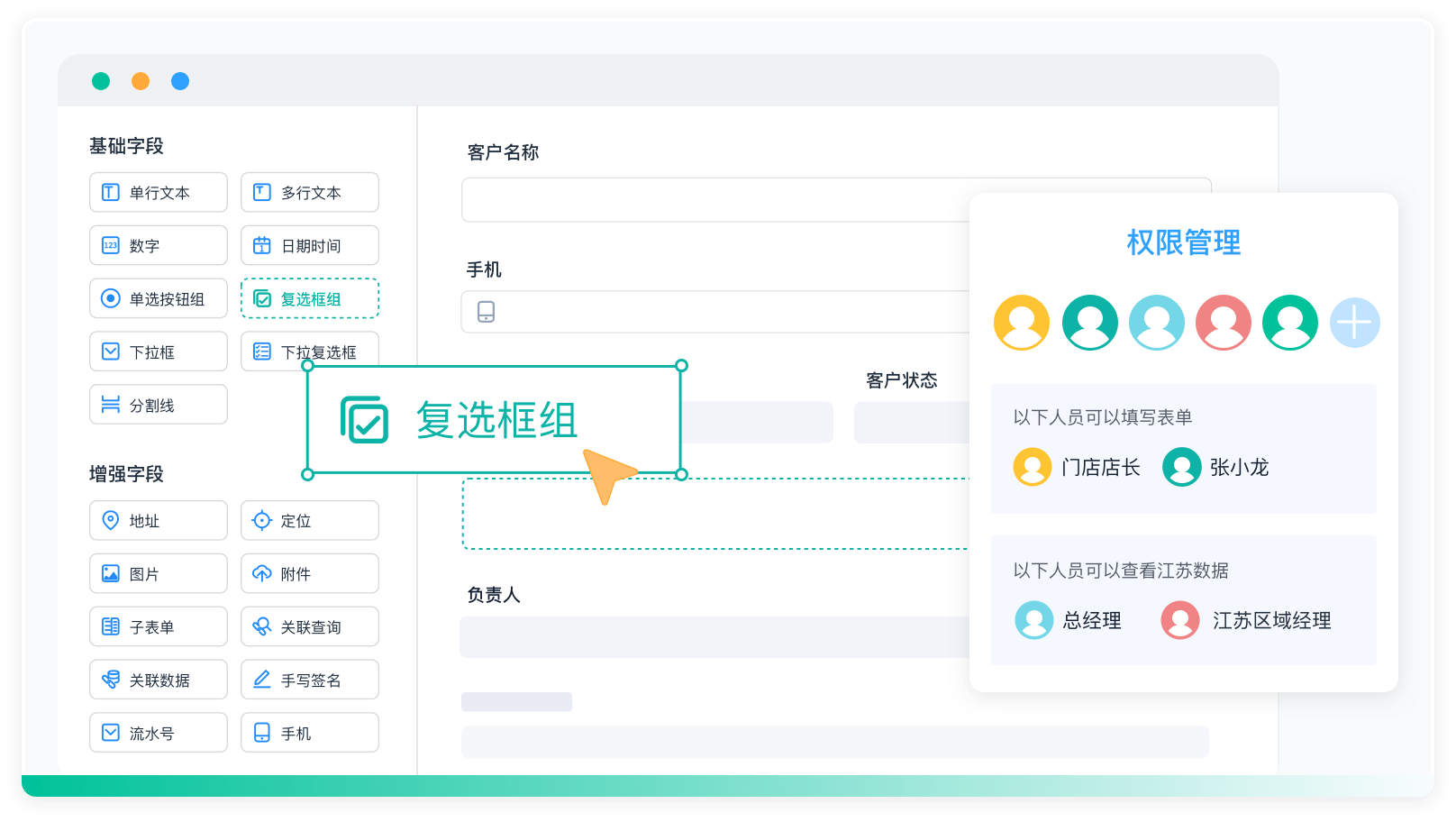
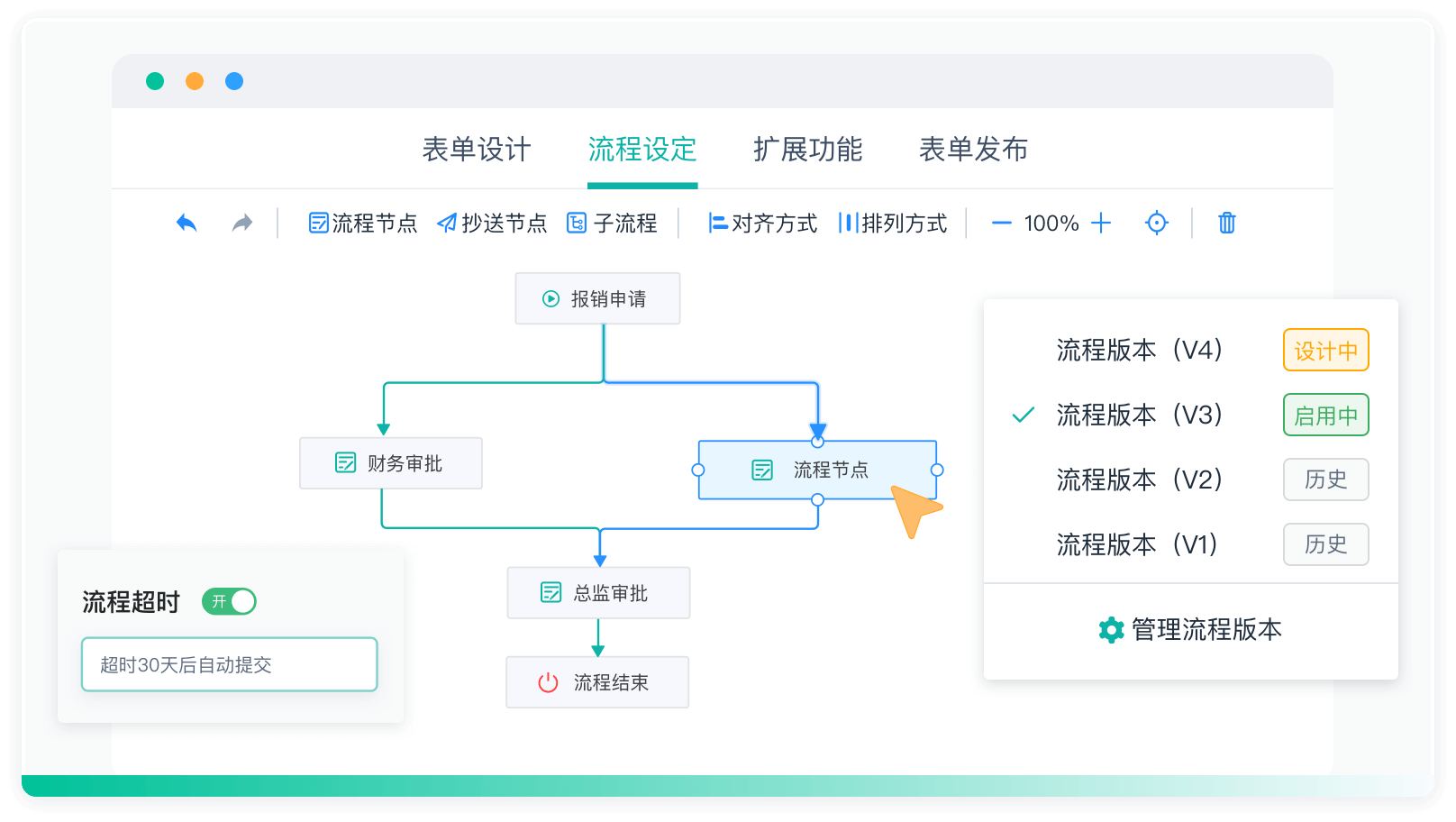
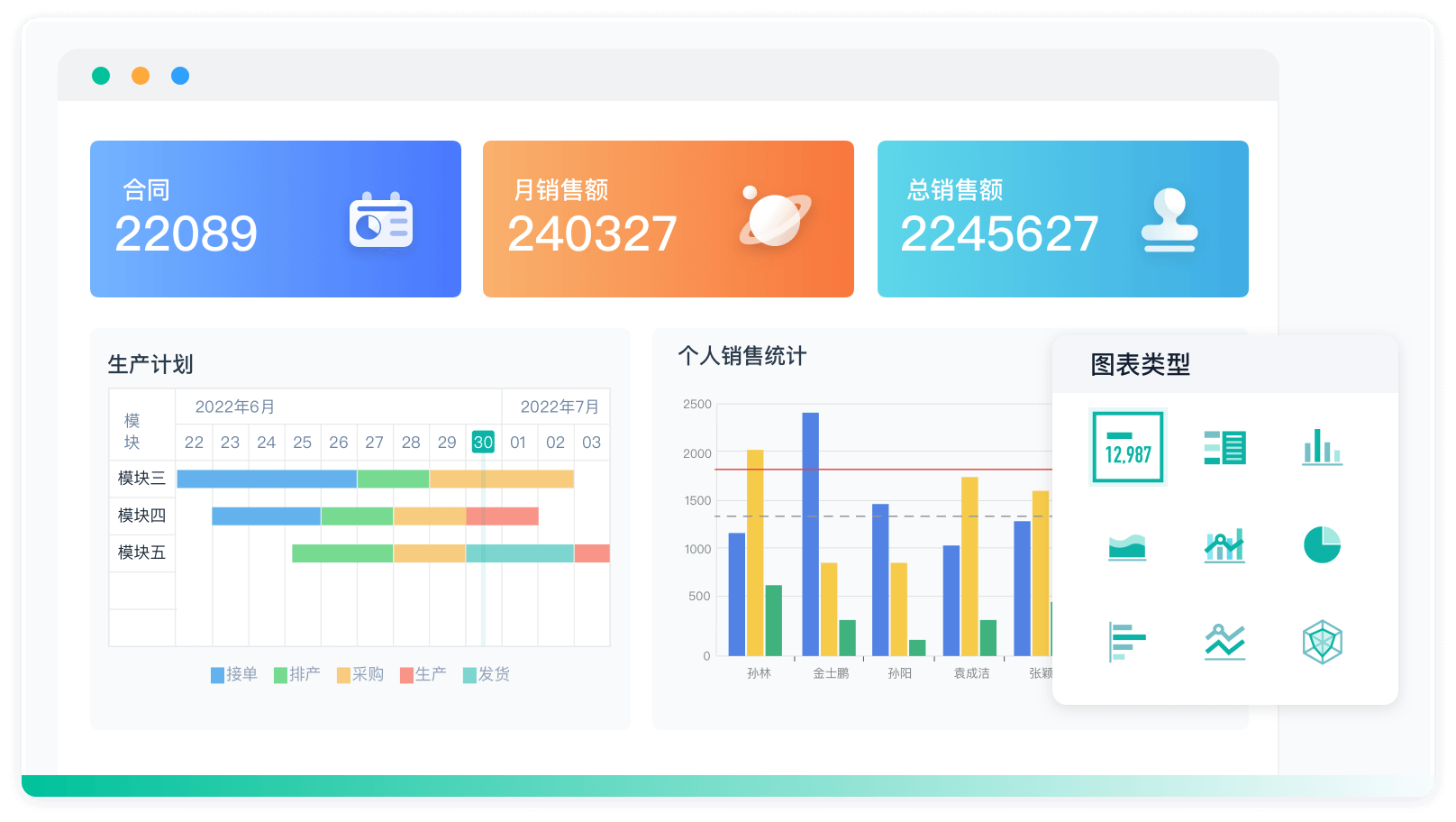
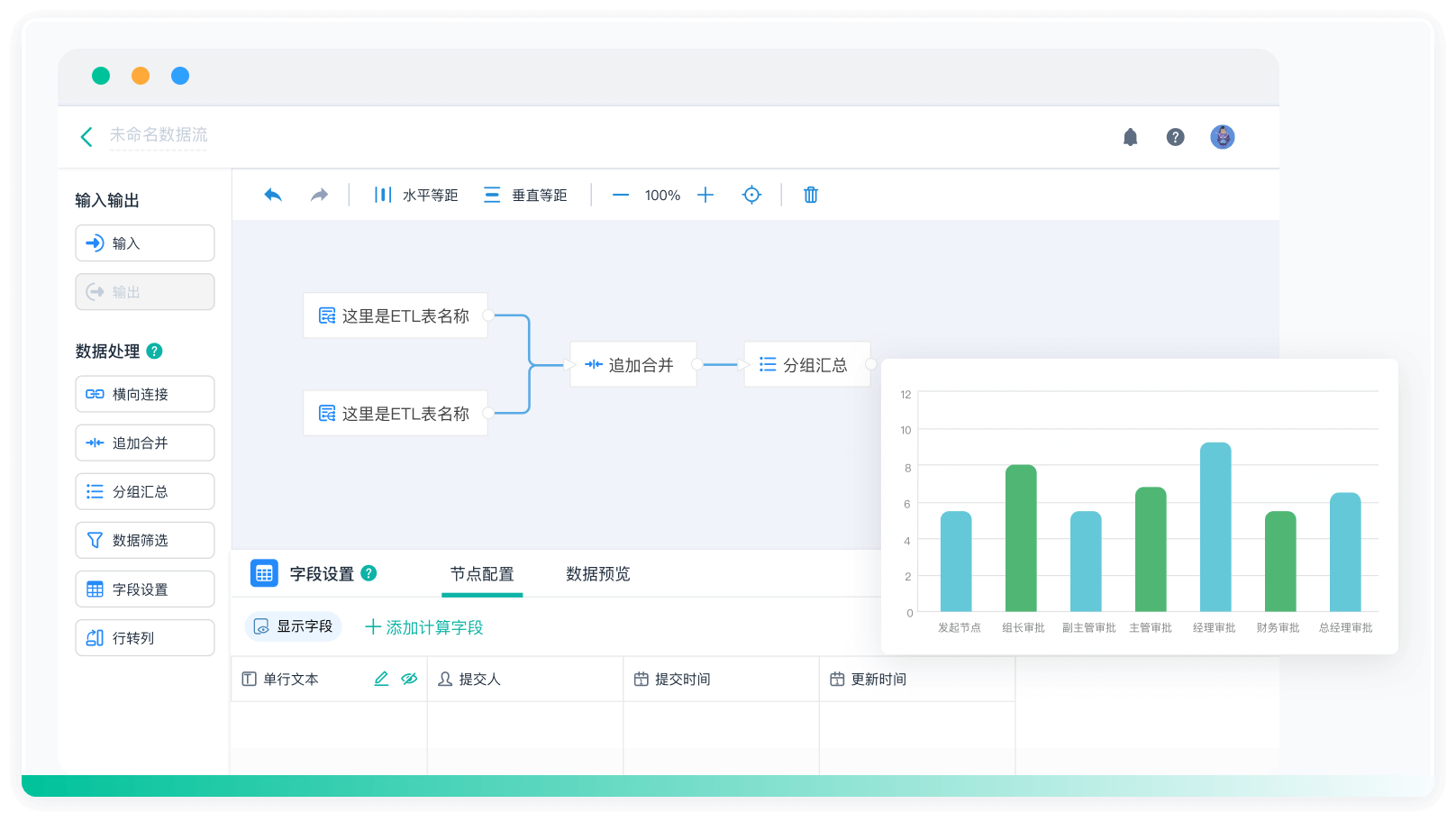
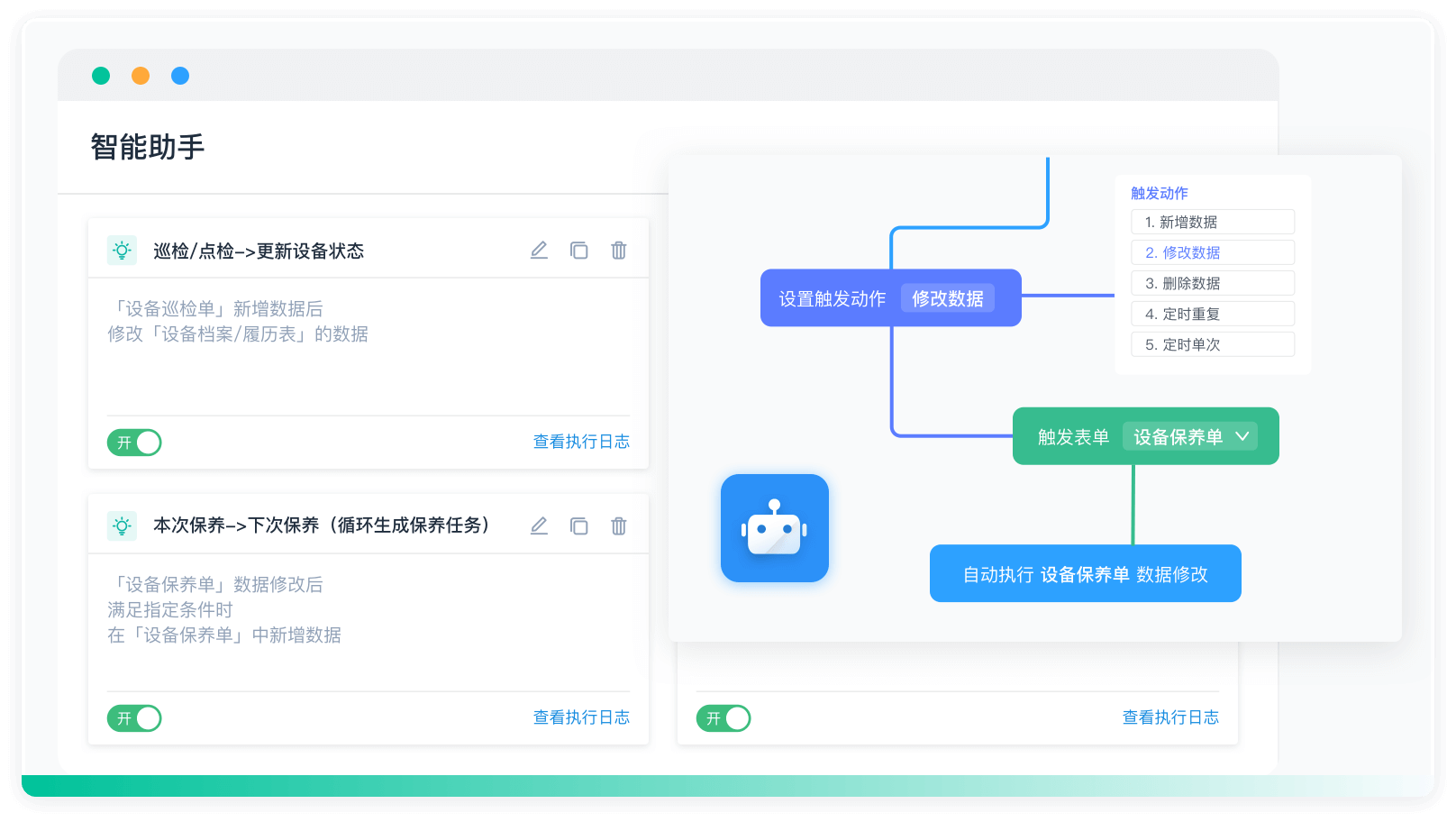
如果您正在寻找一种高效的解决方案来管理建筑设备,推荐使用零代码开发平台,轻松搭建一个管理软件,5分钟即可实现。您可以访问这里获取更多信息: https://s.fanruan.com/x6aj1;
此外,平台提供100+企业管理系统模板,用户可以免费使用,无需下载,在线安装,方便快捷。访问链接了解更多: https://s.fanruan.com/7wtn5;

































































 《零代码开发知识图谱》
 《零代码
新动能》案例集
《零代码
新动能》案例集
 《企业零代码系统搭建指南》