
 阅读时间:5 分钟
  浏览量:1086次


希音用什么项目管理软件这个问题的答案是JIRA、Trello、Asana。这些工具能够帮助希音团队更好地进行项目管理、任务分配和进度跟踪。JIRA 是一款功能强大的软件,特别适用于技术团队和复杂项目的管理。它提供了丰富的功能,如问题跟踪、敏捷开发支持和报表生成。JIRA的灵活性和可扩展性使其成为许多大公司的首选。Trello 则以其直观的看板界面著称,适用于团队协作和任务管理。它通过简单易用的界面帮助团队成员清晰地看到任务进度和优先级。Asana 则在任务和项目管理方面表现出色,提供了详细的任务描述、截止日期和责任人分配功能,有助于提高团队的工作效率。
一、JIRA
JIRA是由Atlassian公司开发的一款专业项目管理工具,广泛应用于软件开发、IT运维和其他需要复杂项目管理的领域。JIRA的核心功能包括问题跟踪、项目管理和敏捷开发支持。问题跟踪 功能允许用户记录和跟踪各种类型的问题,从错误报告到任务和功能需求。每个问题都有详细的描述、优先级、状态和责任人分配,这使得团队可以清晰地了解每个问题的进展情况。JIRA的项目管理 功能非常强大,支持多项目管理、项目模板和工作流定制。用户可以根据项目的需求,创建自定义的工作流,定义任务的状态和转移条件。敏捷开发支持 是JIRA的一大亮点,它提供了Scrum和Kanban两种敏捷开发方法的支持。用户可以创建待办事项列表、冲刺计划和燃尽图,帮助团队更好地进行敏捷开发。此外,JIRA还支持与其他工具的集成,如Confluence、Bitbucket和GitHub,通过这些集成,团队可以实现信息的无缝流转,提高工作效率。JIRA的报表功能也非常强大,用户可以生成各种类型的报表,如进度报表、工作负载报表和问题分布报表,帮助团队更好地了解项目的进展情况。
二、TRELLO
Trello是一款以其直观的看板界面和易用性而闻名的项目管理工具。它的核心功能是通过看板、列表和卡片来组织和管理任务。看板 是Trello的核心界面,用户可以创建多个看板,每个看板代表一个项目或一个工作流程。看板上可以创建多个列表,每个列表代表一个任务阶段,如待办事项、进行中和已完成。卡片 是任务的基本单位,用户可以在列表中创建卡片,每张卡片代表一个具体的任务。卡片上可以添加详细的任务描述、截止日期、责任人和附件,还可以通过标签来标记任务的优先级和状态。Trello支持团队协作,用户可以邀请团队成员加入看板,分配任务,评论任务并进行实时讨论。通过拖拽卡片,团队成员可以轻松地更新任务的状态和优先级。Trello还支持与其他工具的集成,如Google Drive、Slack和GitHub,通过这些集成,团队可以更方便地共享文件和信息。Trello的移动应用也非常强大,用户可以随时随地访问和更新任务,保持工作进度的一致性。
三、ASANA
Asana是一款功能全面的任务和项目管理工具,适用于各种规模的团队。Asana的核心功能包括任务管理、项目管理和团队协作。任务管理 是Asana的基础功能,用户可以创建详细的任务,添加任务描述、截止日期、责任人和附件。任务可以分配给多个团队成员,并设置优先级和标签,帮助团队更好地组织和管理任务。项目管理 功能允许用户创建和管理多个项目,每个项目可以包含多个任务和子任务。用户可以通过项目模板快速创建新项目,节省时间和精力。Asana的团队协作 功能非常强大,用户可以邀请团队成员加入项目,分配任务,评论任务并进行实时讨论。Asana还支持与其他工具的集成,如Google Drive、Slack和Dropbox,通过这些集成,团队可以更方便地共享文件和信息。Asana的报表功能也非常强大,用户可以生成各种类型的报表,如进度报表、工作负载报表和任务分布报表,帮助团队更好地了解项目的进展情况。Asana的移动应用也非常强大,用户可以随时随地访问和更新任务,保持工作进度的一致性。
四、COMPARISON BETWEEN JIRA, TRELLO, AND ASANA
When comparing JIRA, Trello, and Asana, it’s essential to consider the specific needs and workflows of your team. JIRA is best suited for technical teams and complex projects that require detailed issue tracking and customizable workflows. Its robust features for agile development, such as Scrum and Kanban support, make it an excellent choice for software development teams. The ability to integrate with other Atlassian products like Confluence and Bitbucket further enhances its appeal for tech-oriented teams. Trello, on the other hand, excels in its simplicity and visual approach to task management. Its intuitive kanban board interface makes it ideal for teams looking for a straightforward and easy-to-use tool. Trello’s drag-and-drop functionality and visual layout make it easy to see the status and priority of tasks at a glance. It’s particularly useful for small to medium-sized teams or projects that don’t require the complexity that JIRA offers. Asana strikes a balance between JIRA and Trello, offering a comprehensive task and project management solution that is both powerful and user-friendly. Its detailed task descriptions, due dates, and assignment features make it suitable for a wide range of teams and projects. Asana’s ability to generate detailed reports and its robust integration options make it a versatile tool for managing various types of projects. In summary, the choice between JIRA, Trello, and Asana largely depends on the complexity of your projects and the specific needs of your team. For technical and complex projects, JIRA is the best choice; for simple and visually oriented task management, Trello is ideal; and for a comprehensive and versatile project management solution, Asana is highly recommended.
五、IMPLEMENTATION AND BEST PRACTICES
Implementing a project management tool like JIRA, Trello, or Asana requires careful planning and consideration. Define Your Requirements: Before selecting a tool, it’s crucial to define your project management requirements clearly. Consider factors such as the size of your team, the complexity of your projects, and the specific features you need. This will help you choose the tool that best fits your needs. Train Your Team: Once you’ve selected a tool, it’s essential to provide adequate training for your team. Ensure that all team members understand how to use the tool effectively, including how to create and manage tasks, update statuses, and collaborate with others. Customize Workflows: Most project management tools allow for customization of workflows. Take advantage of this feature to create workflows that match your team’s processes. Define clear stages for tasks and ensure that everyone understands the workflow. Regular Updates and Reviews: Encourage your team to update task statuses regularly and hold periodic reviews to assess progress. Use the reporting features of your chosen tool to generate insights into your project’s progress and identify any bottlenecks or issues that need to be addressed. Integrate with Other Tools: To enhance productivity, consider integrating your project management tool with other tools your team uses. For example, integrating with communication tools like Slack or file-sharing services like Google Drive can streamline collaboration and information sharing. Continuous Improvement: Project management is an ongoing process. Continuously seek feedback from your team on how the tool and workflows can be improved. Make adjustments as needed to ensure that your project management processes remain efficient and effective.
六、CASE STUDIES AND SUCCESS STORIES
Examining case studies and success stories can provide valuable insights into how other organizations have successfully implemented project management tools. Company A: A large software development firm, implemented JIRA to manage its complex projects. By customizing workflows and integrating JIRA with other tools like Confluence and Bitbucket, the company was able to streamline its development processes and improve collaboration between teams. The use of JIRA’s agile development features, such as Scrum boards and sprint planning, allowed the company to deliver projects more efficiently and with higher quality. Company B: A marketing agency, chose Trello for its simplicity and visual approach to task management. By creating customized Trello boards for each client project, the agency was able to keep track of tasks, deadlines, and progress at a glance. The use of Trello’s drag-and-drop functionality and labels helped the team prioritize tasks and ensure that nothing fell through the cracks. As a result, the agency saw an improvement in project completion rates and client satisfaction. Company C: A medium-sized e-commerce business, adopted Asana to manage its diverse range of projects. From product development to marketing campaigns, Asana provided a comprehensive solution for tracking tasks, deadlines, and responsibilities. The use of Asana’s reporting features allowed the business to gain insights into project progress and identify areas for improvement. By integrating Asana with communication tools like Slack, the business enhanced collaboration and information sharing among team members. These case studies highlight the importance of selecting the right project management tool based on your specific needs and workflows. By carefully planning the implementation and continuously seeking feedback for improvement, organizations can achieve significant benefits in terms of efficiency, collaboration, and project success.
七、FUTURE TRENDS IN PROJECT MANAGEMENT TOOLS
As technology continues to evolve, project management tools are also expected to undergo significant advancements. Artificial Intelligence (AI) Integration: One of the emerging trends is the integration of AI into project management tools. AI can help automate routine tasks, provide predictive analytics, and offer insights into project risks and opportunities. For example, AI-driven algorithms can analyze past project data to predict potential delays and suggest corrective actions. Enhanced Collaboration Features: With the rise of remote work, there is a growing demand for enhanced collaboration features in project management tools. Future tools are likely to offer more advanced communication and collaboration options, such as real-time video conferencing, virtual whiteboards, and integrated messaging systems. These features will help teams stay connected and collaborate more effectively, regardless of their physical location. Mobile Accessibility: As more professionals rely on mobile devices for work, project management tools will continue to improve their mobile accessibility. This includes offering fully functional mobile apps that allow users to manage tasks, track progress, and collaborate with team members on the go. Enhanced mobile features will ensure that teams can stay productive and connected, even when they are away from their desks. Integration with Other Business Tools: To provide a seamless workflow experience, future project management tools will offer deeper integration with other business tools, such as customer relationship management (CRM) systems, enterprise resource planning (ERP) systems, and financial management software. This will enable organizations to have a holistic view of their projects and business operations, improving decision-making and efficiency. Customization and Flexibility: Future project management tools will offer greater customization and flexibility to cater to the unique needs of different organizations. This includes customizable dashboards, workflows, and reporting options, allowing teams to tailor the tools to their specific processes and requirements. Focus on User Experience (UX): As competition among project management tool providers intensifies, there will be a greater focus on improving the user experience. This includes intuitive interfaces, user-friendly design, and simplified navigation. A better UX will ensure that teams can quickly adopt and effectively use the tools, maximizing their benefits.
In conclusion, JIRA, Trello, and Asana are all powerful project management tools that can help organizations improve their project management processes. The choice between them depends on the specific needs and workflows of your team. By carefully planning the implementation, providing adequate training, and continuously seeking feedback for improvement, organizations can achieve significant benefits in terms of efficiency, collaboration, and project success.
相关问答FAQs:
希音用什么项目管理软件?
希音(Shein)作为一家全球知名的快速时尚电商平台,其在项目管理方面采取了多种高效的工具和软件,以确保其运营的高效性和灵活性。希音通常使用一系列项目管理软件来协调团队工作、跟踪项目进度以及优化资源配置。常用的项目管理软件包括Asana、Trello和Jira等。每款软件都有其独特的功能和优势,能够帮助希音实现更好的团队协作和项目监控。
Asana是一个强大的任务管理工具,能够帮助团队成员清晰地了解各自的任务和截止日期。通过项目板、时间线和日历等视图,团队可以快速掌握项目的整体进展。Trello则以其直观的看板方式受到许多团队的青睐,能够通过拖拽的方式轻松管理任务。Jira则特别适合软件开发团队,提供了丰富的敏捷管理功能,能够帮助开发团队进行问题跟踪和项目管理。
此外,希音还可能结合使用一些定制化的管理软件,以适应其特定的业务需求和流程。这些软件通常具备实时数据分析、工作流自动化和团队协作功能,使得希音能够在快速变化的市场环境中保持竞争优势。
希音项目管理软件的优势是什么?
希音所使用的项目管理软件不仅提升了团队协作的效率,还有助于项目的透明度和可追溯性。首先,这些软件提供了清晰的任务分配和进度跟踪功能,使得团队成员能够随时了解项目的当前状态。通过实时更新的进度报告,管理层能够及时做出决策,避免项目延误。
其次,项目管理软件通常具备强大的协作功能,包括文件共享、评论和讨论区等,使得团队成员能够更方便地沟通和交流。这种实时互动能够帮助团队快速解决问题,减少信息传递的延迟。
此外,项目管理软件还提供了丰富的分析和报告功能,帮助管理者评估项目的绩效和资源使用情况。通过数据分析,希音能够识别出潜在的问题和瓶颈,及时调整策略,以确保项目的顺利进行。
如何选择适合的项目管理软件?
在选择项目管理软件时,希音可能会考虑多个因素。首先,软件的易用性非常重要,团队成员需要能够快速上手,并在日常工作中流畅使用。其次,软件的功能是否能够满足团队的需求也是一个关键因素。例如,希音可能需要支持多项目管理、时间跟踪、资源分配等功能的软件。
另外,集成能力也是选择项目管理软件时需要考虑的因素。希音可能使用其他的工具和软件,如CRM系统、财务软件等,因此选择一个能够与现有工具无缝集成的项目管理软件将大大提高工作效率。
安全性也是一个不容忽视的考量点。希音需要确保所使用的软件能够妥善保护公司的敏感信息和数据,避免泄露和滥用。
最后,预算也是选择项目管理软件的重要因素之一。希音需要在满足功能需求的前提下,选择符合预算的解决方案。
希音在项目管理上的成功,离不开合适的软件工具的支持,选择一款高效的项目管理软件,将为团队的高效协作和项目的顺利推进提供强大的保障。
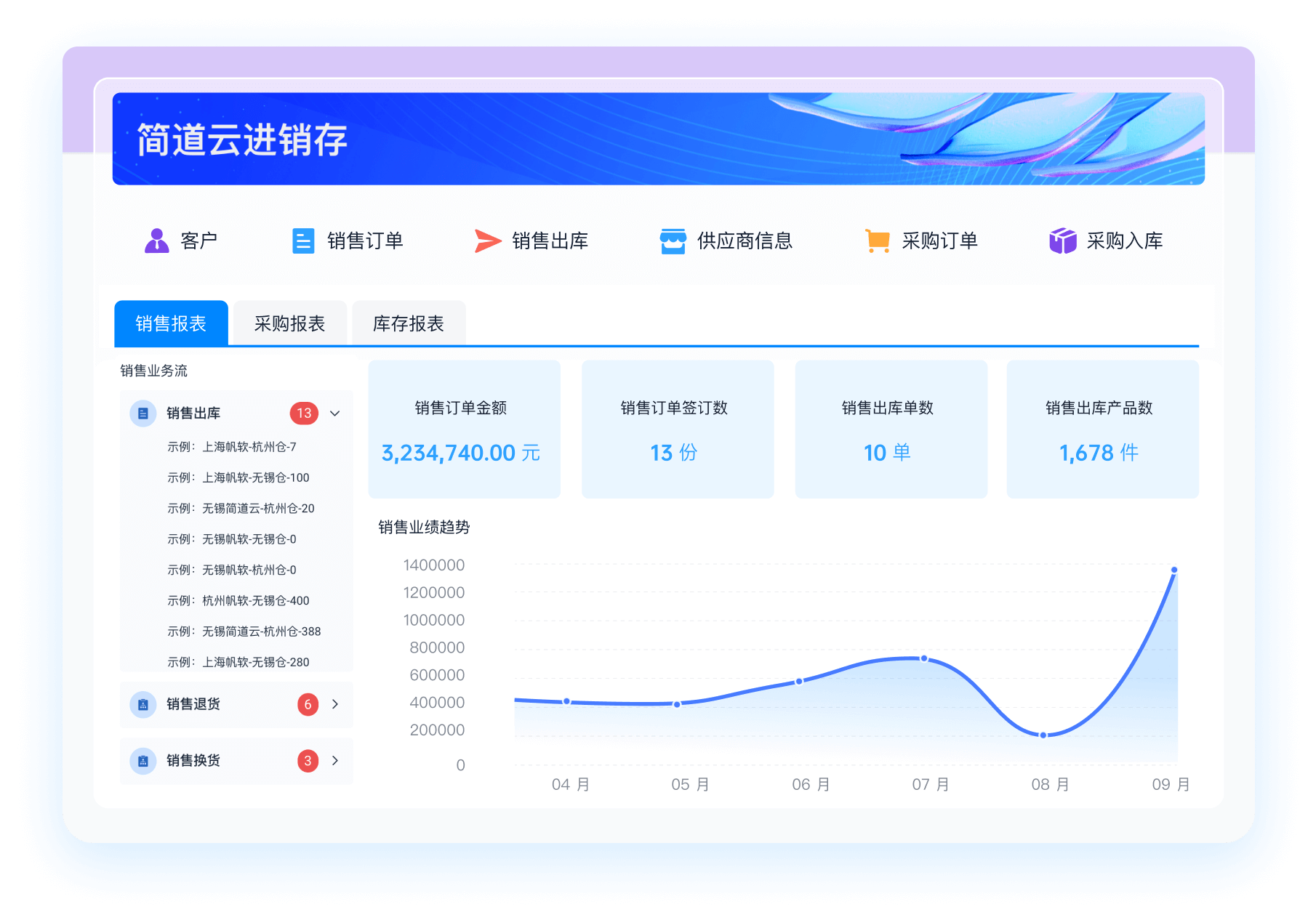
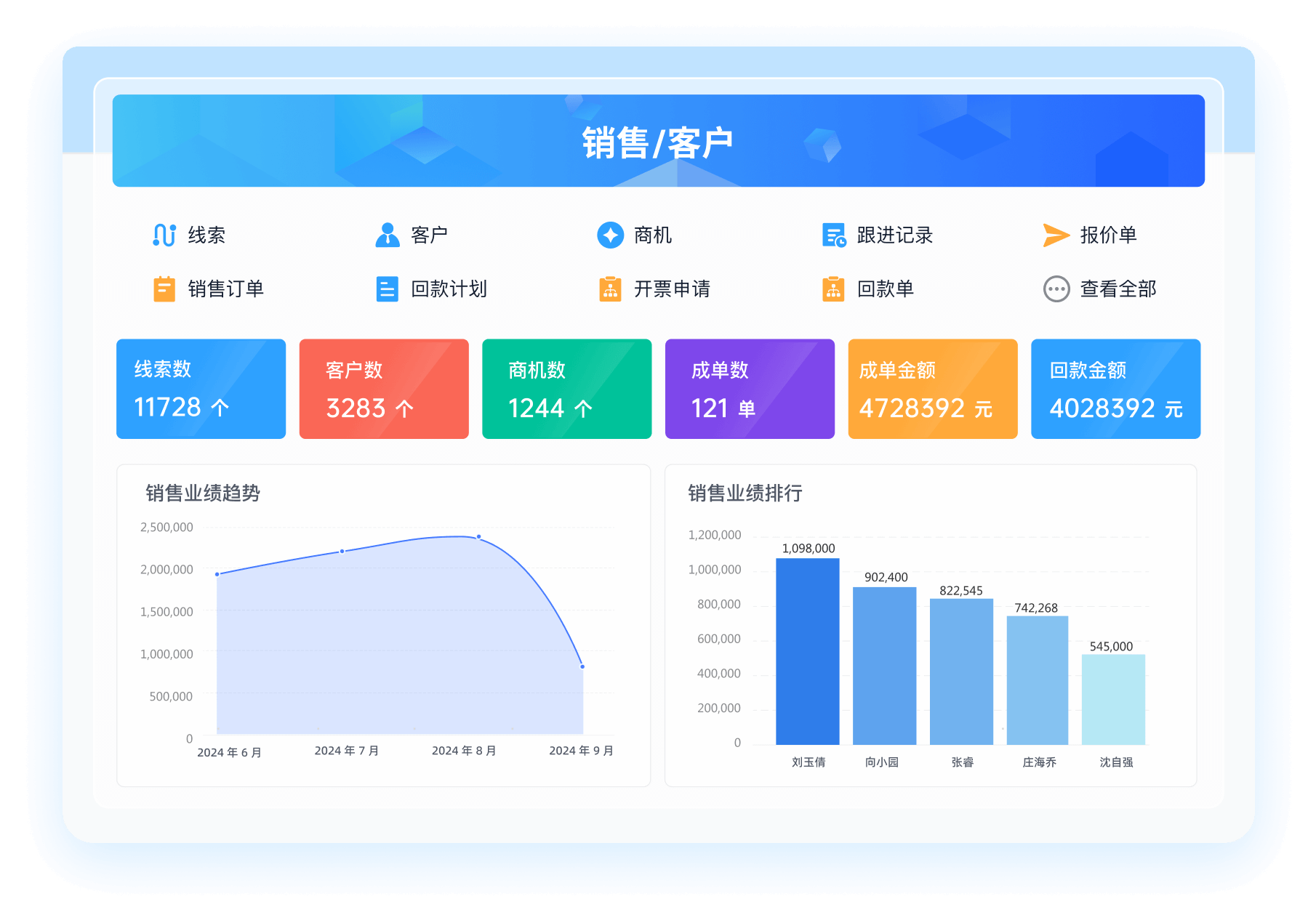
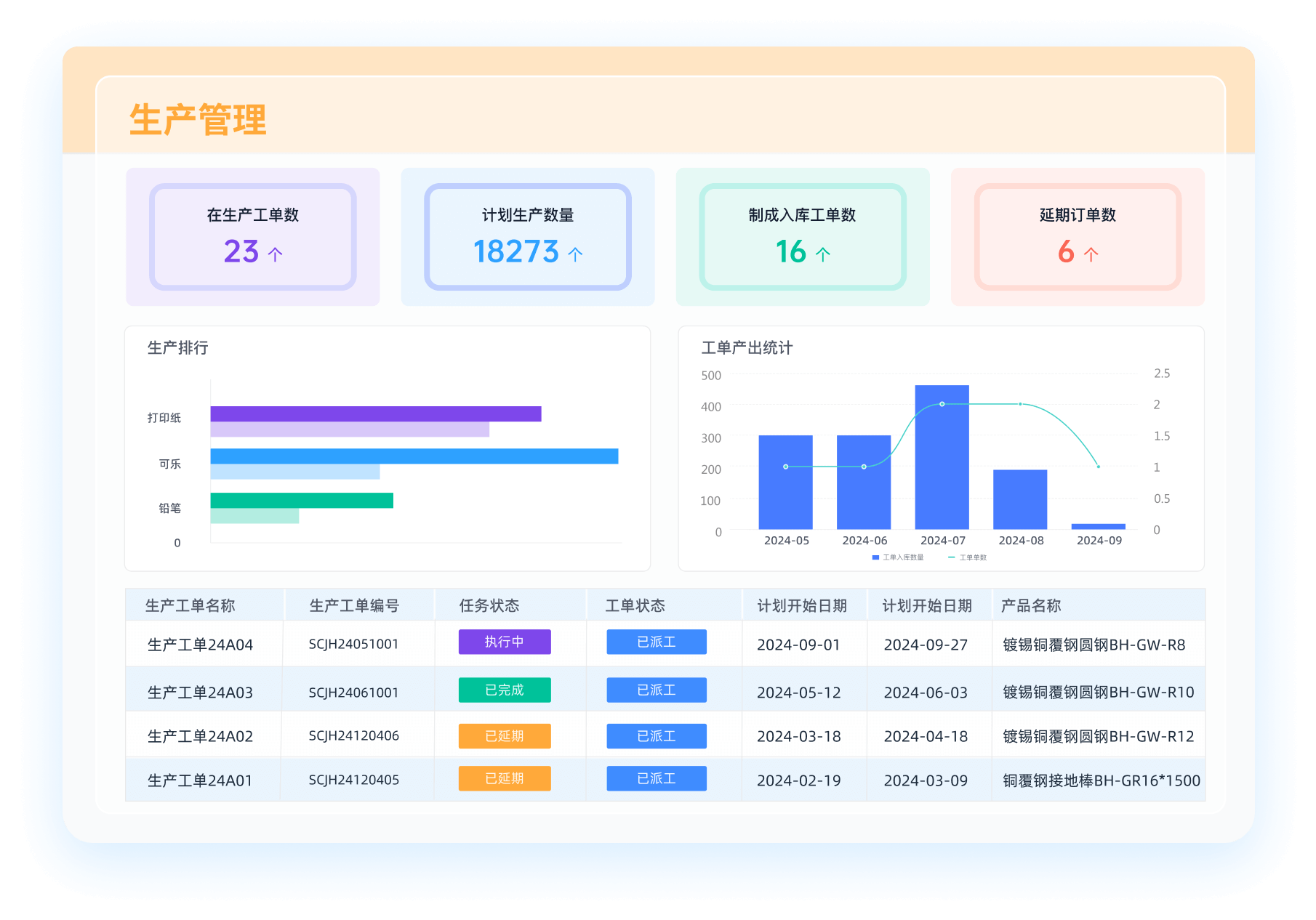
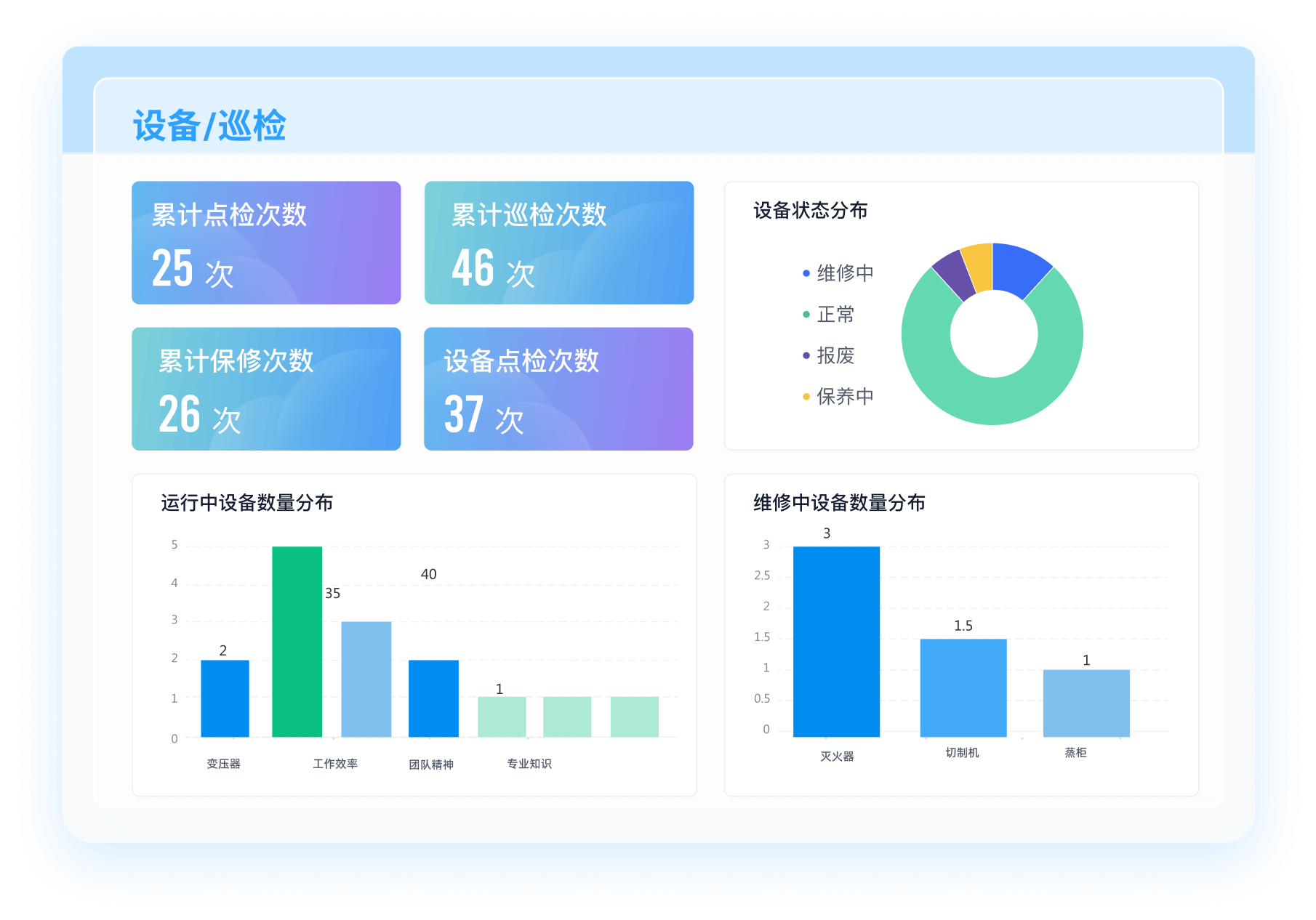
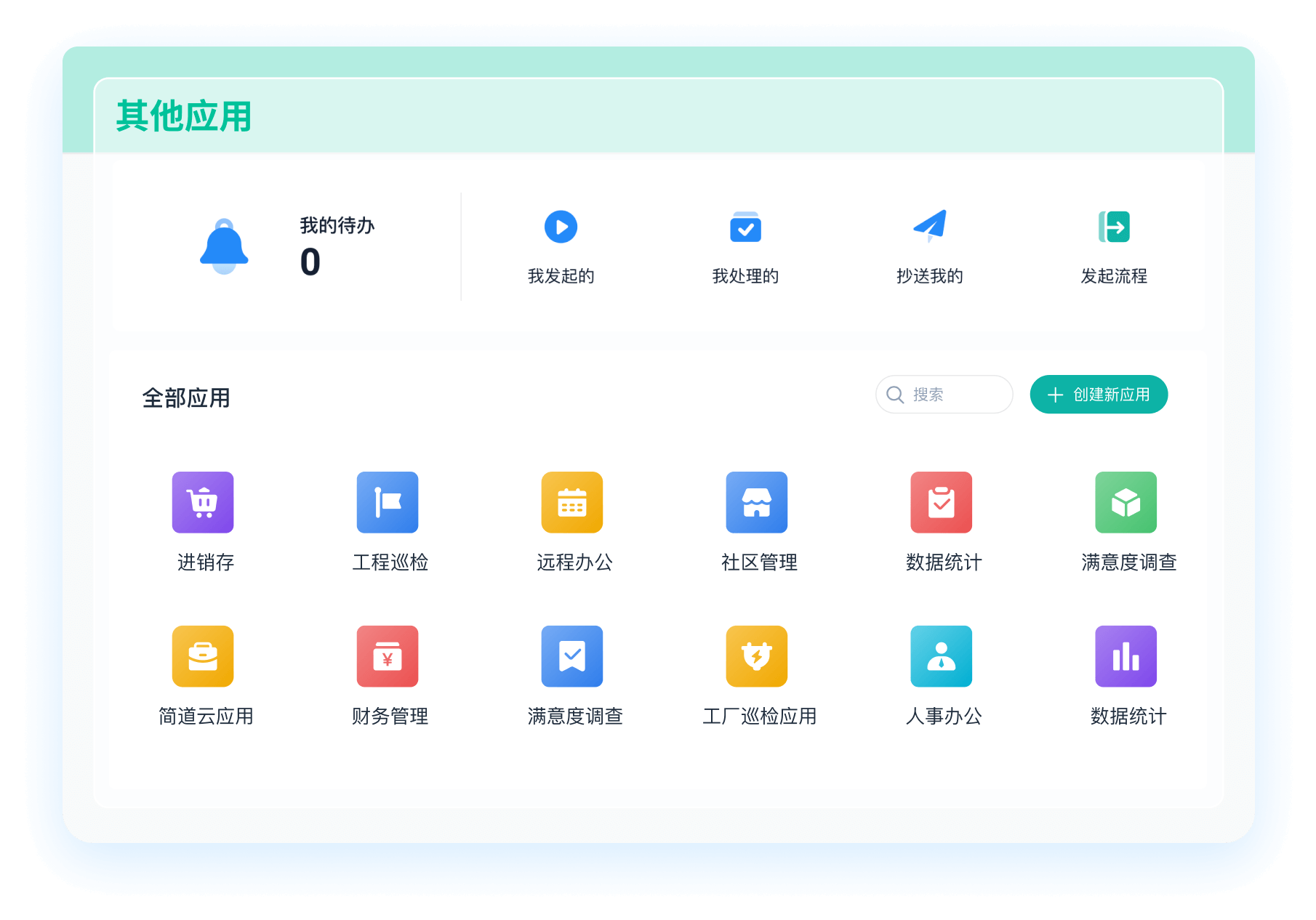
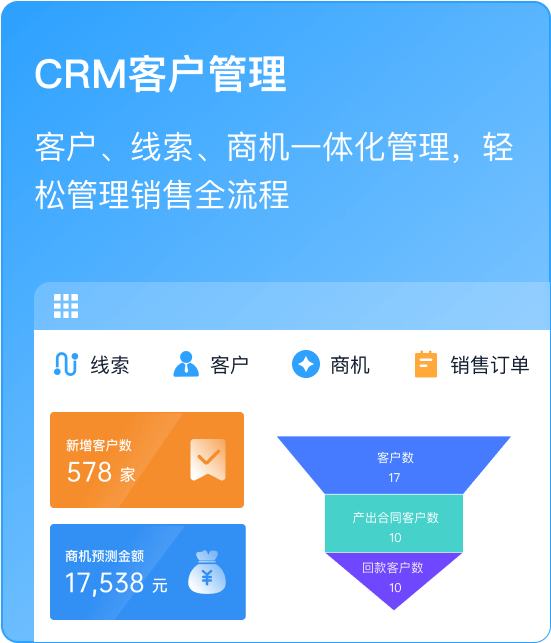
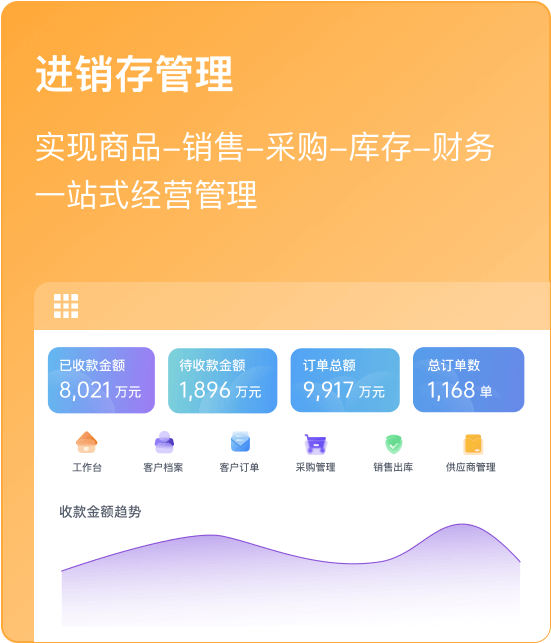
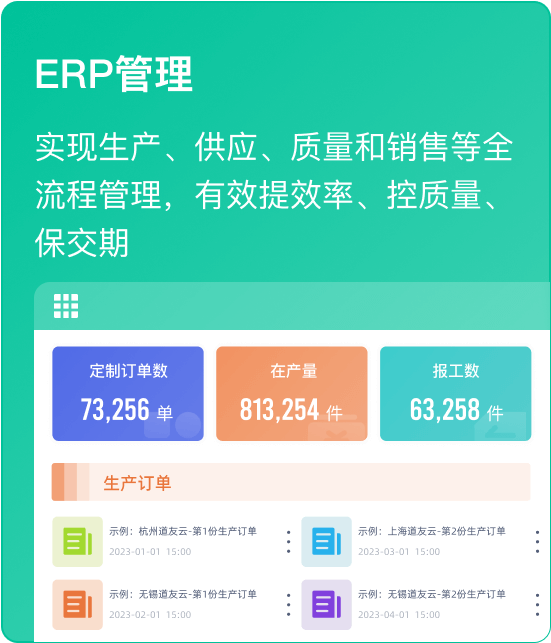
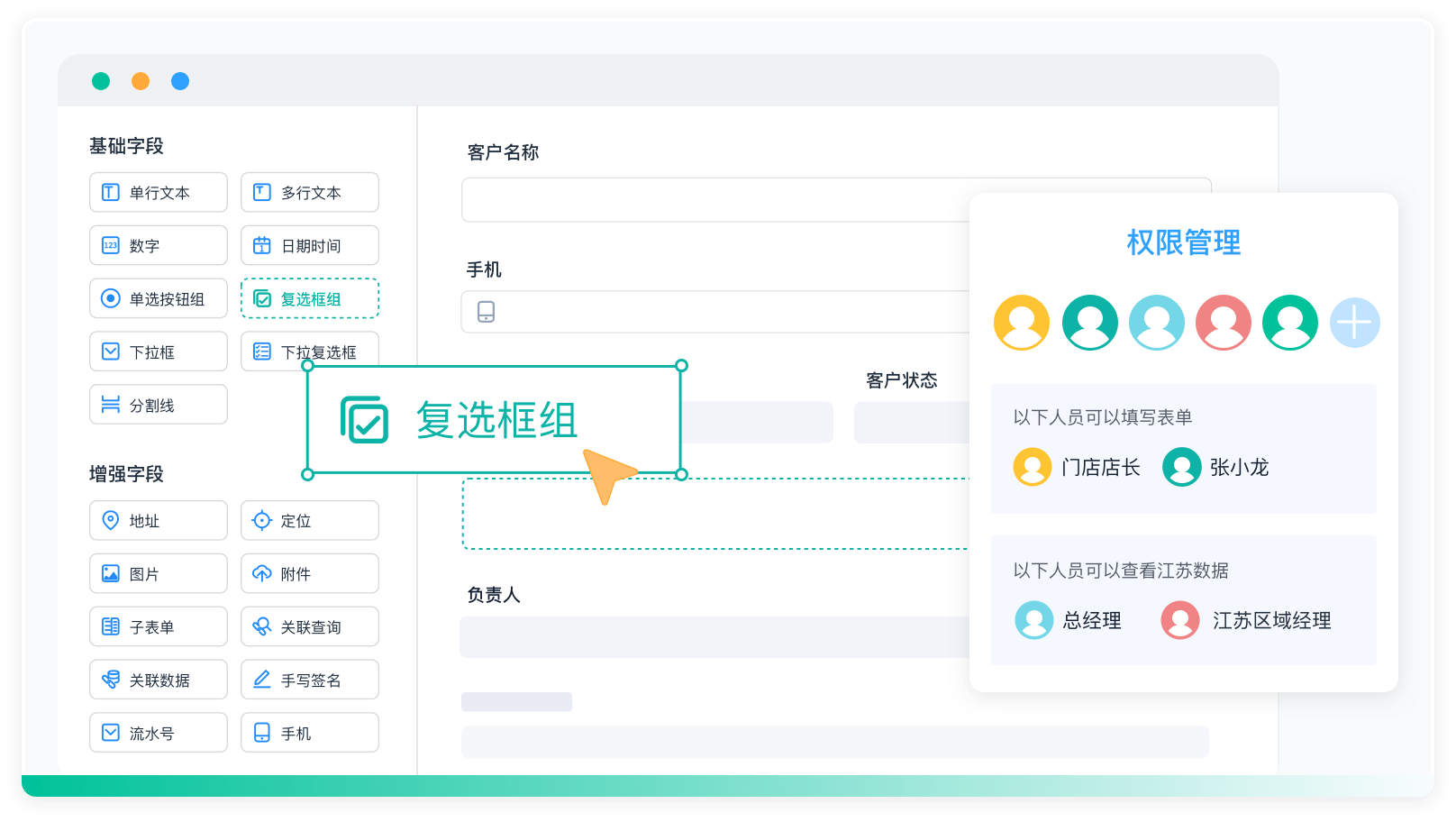
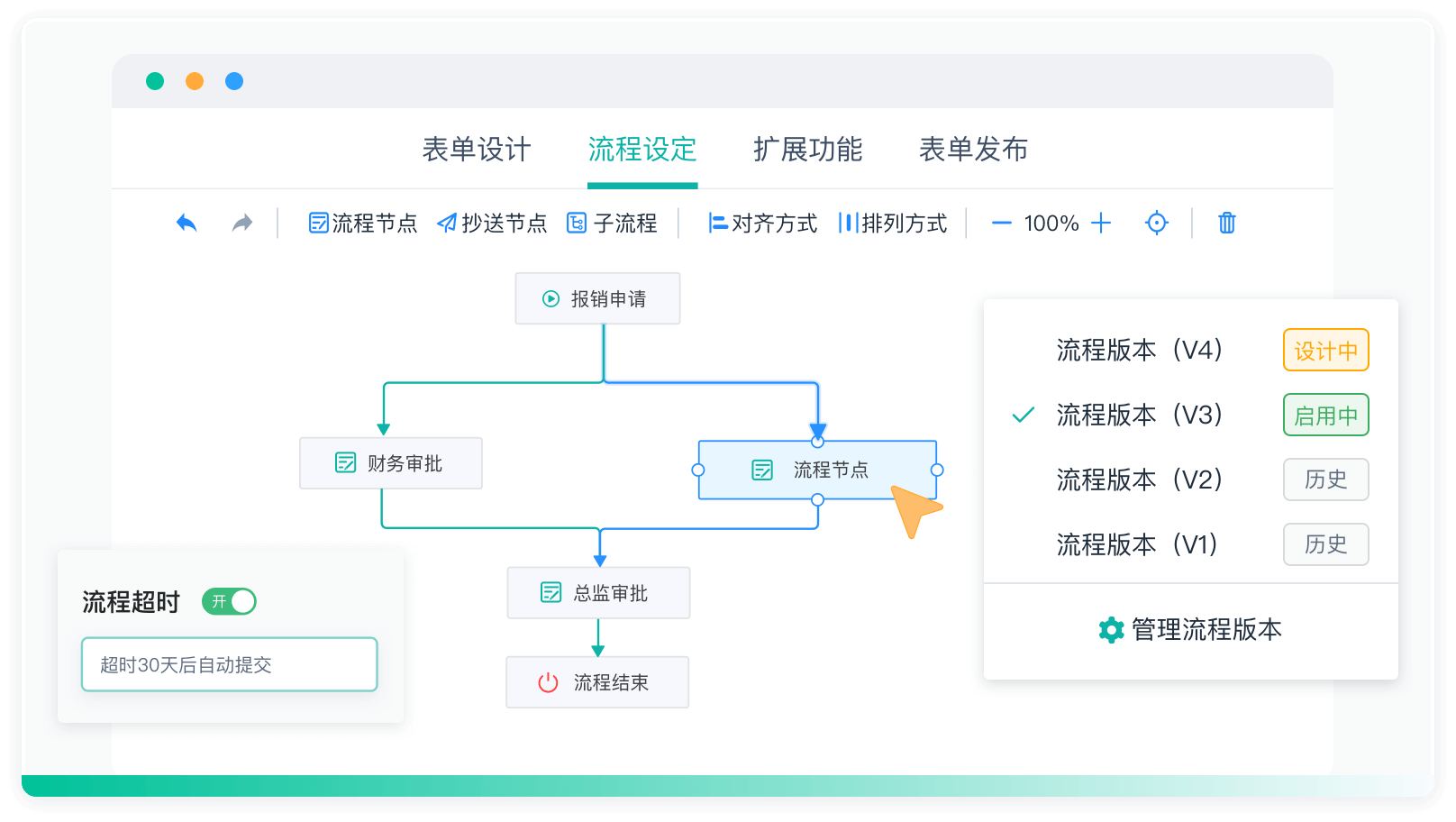
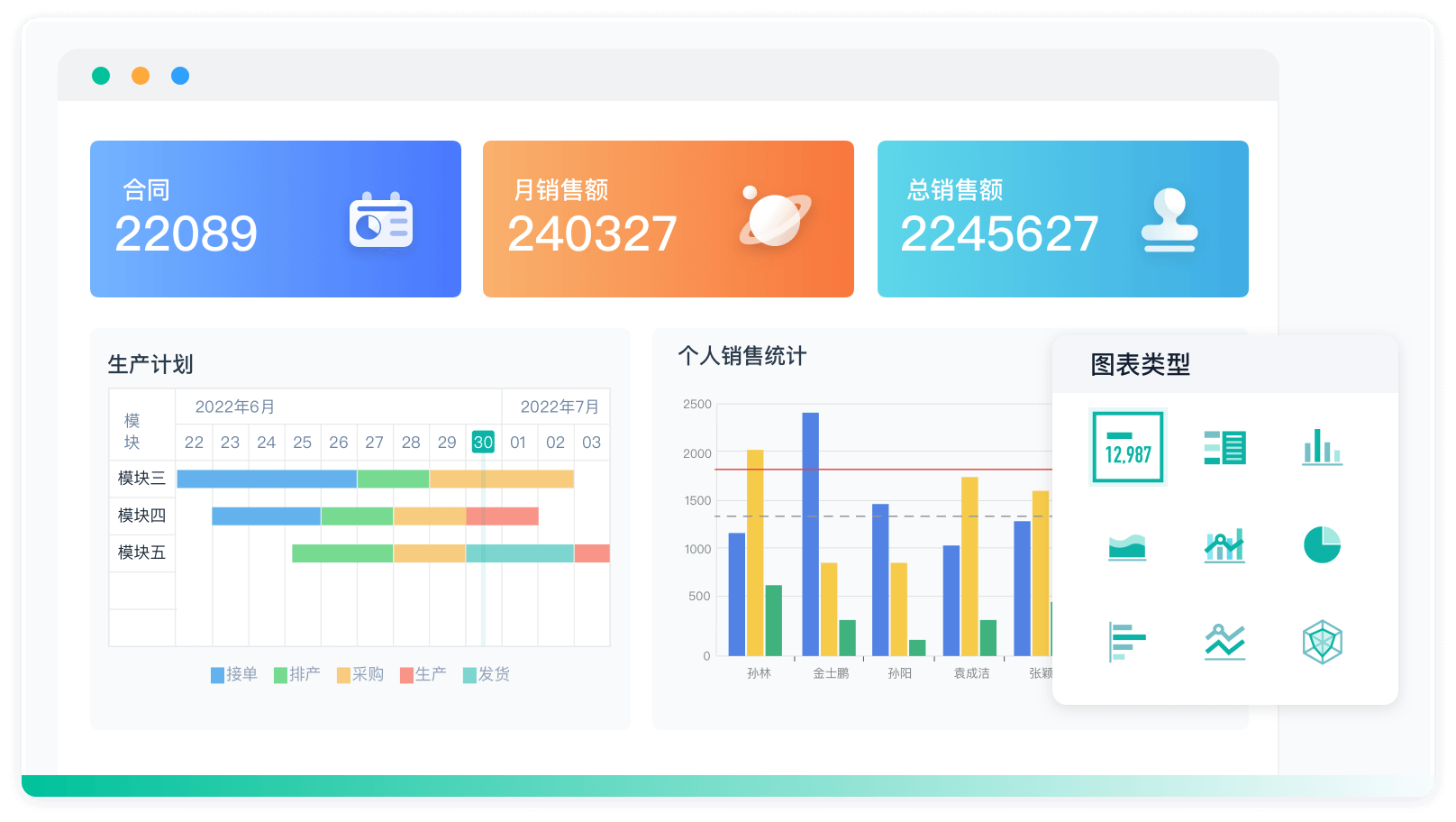
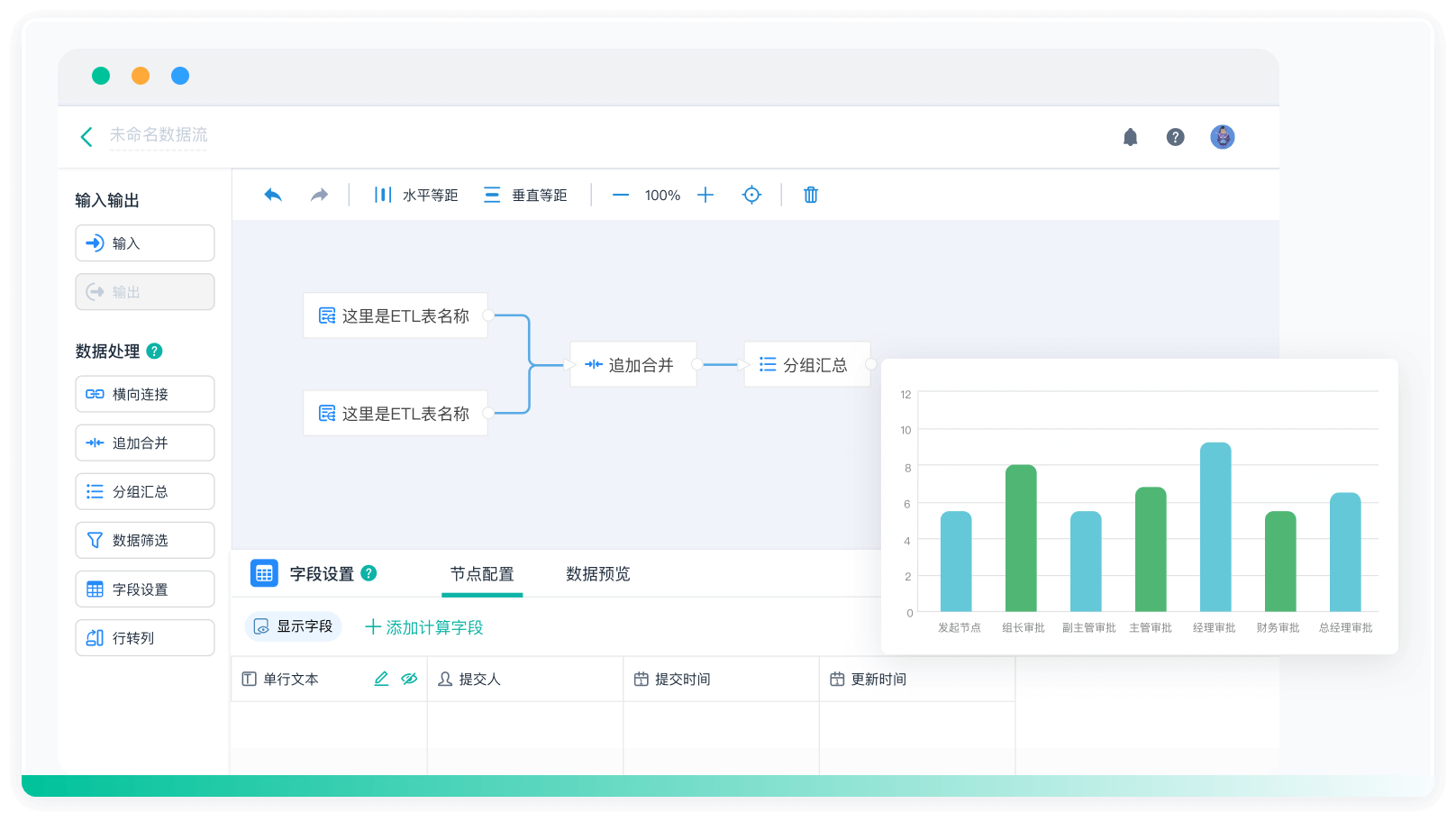
推荐一个好用的零代码开发平台,5分钟即可搭建一个管理软件:
地址: https://s.fanruan.com/x6aj1;
100+企业管理系统模板免费使用>>>无需下载,在线安装:
地址: https://s.fanruan.com/7wtn5;






























































 《零代码开发知识图谱》
 《零代码
新动能》案例集
《零代码
新动能》案例集
 《企业零代码系统搭建指南》