
 阅读时间:5 分钟
  浏览量:9213次


编写进销存代码涉及到多个方面,包括商品管理、库存管理、采购管理和销售管理。核心代码模块包括商品模块、库存模块、采购模块和销售模块。 其中,商品模块是最基础的,它涉及到商品的增、删、改、查操作,是整个系统的核心数据来源。在实现进销存系统时,通常会用到数据库来存储和管理数据,并通过编程语言(如Python、Java等)来实现各个功能模块的逻辑。具体代码实现可以根据实际需求和技术栈进行调整。
一、商品模块
商品模块是进销存系统的基础模块,它主要涉及到商品的增、删、改、查操作。在实现商品模块时,首先需要设计商品表结构,然后编写相应的增、删、改、查代码。
- 商品表结构设计:
商品表通常包含以下字段:商品ID、商品名称、商品类别、品牌、规格、单位、单价、库存数量、创建时间、更新时间等。
CREATE TABLE Product (
    ProductID INT PRIMARY KEY AUTO_INCREMENT,
    ProductName VARCHAR(255) NOT NULL,
    Category VARCHAR(100),
    Brand VARCHAR(100),
    Specification VARCHAR(255),
    Unit VARCHAR(50),
    Price DECIMAL(10, 2),
    StockQuantity INT,
    CreatedAt TIMESTAMP DEFAULT CURRENT_TIMESTAMP,
    UpdatedAt TIMESTAMP DEFAULT CURRENT_TIMESTAMP ON UPDATE CURRENT_TIMESTAMP
);
- 商品增删改查代码:
使用Python和MySQL进行商品模块的增删改查操作。
import mysql.connector
def create_product(product_name, category, brand, specification, unit, price, stock_quantity):
    connection = mysql.connector.connect(user='user', password='password', host='localhost', database='inventory')
    cursor = connection.cursor()
    query = ("INSERT INTO Product (ProductName, Category, Brand, Specification, Unit, Price, StockQuantity) "
             "VALUES (%s, %s, %s, %s, %s, %s, %s)")
    data = (product_name, category, brand, specification, unit, price, stock_quantity)
    cursor.execute(query, data)
    connection.commit()
    cursor.close()
    connection.close()
def read_product(product_id):
    connection = mysql.connector.connect(user='user', password='password', host='localhost', database='inventory')
    cursor = connection.cursor()
    query = ("SELECT * FROM Product WHERE ProductID = %s")
    cursor.execute(query, (product_id,))
    result = cursor.fetchone()
    cursor.close()
    connection.close()
    return result
def update_product(product_id, product_name, category, brand, specification, unit, price, stock_quantity):
    connection = mysql.connector.connect(user='user', password='password', host='localhost', database='inventory')
    cursor = connection.cursor()
    query = ("UPDATE Product SET ProductName = %s, Category = %s, Brand = %s, Specification = %s, Unit = %s, Price = %s, StockQuantity = %s "
             "WHERE ProductID = %s")
    data = (product_name, category, brand, specification, unit, price, stock_quantity, product_id)
    cursor.execute(query, data)
    connection.commit()
    cursor.close()
    connection.close()
def delete_product(product_id):
    connection = mysql.connector.connect(user='user', password='password', host='localhost', database='inventory')
    cursor = connection.cursor()
    query = ("DELETE FROM Product WHERE ProductID = %s")
    cursor.execute(query, (product_id,))
    connection.commit()
    cursor.close()
    connection.close()
二、库存模块
库存模块主要管理商品的入库和出库操作,确保库存数量的准确性。库存模块涉及到库存表的设计和相应的入库、出库代码实现。
- 库存表结构设计:
库存表通常包含以下字段:库存ID、商品ID、入库数量、出库数量、库存数量、操作时间等。
CREATE TABLE Inventory (
    InventoryID INT PRIMARY KEY AUTO_INCREMENT,
    ProductID INT,
    InQuantity INT,
    OutQuantity INT,
    StockQuantity INT,
    OperationTime TIMESTAMP DEFAULT CURRENT_TIMESTAMP,
    FOREIGN KEY (ProductID) REFERENCES Product(ProductID)
);
- 库存入库和出库代码:
使用Python和MySQL进行库存模块的入库和出库操作。
def stock_in(product_id, in_quantity):
    connection = mysql.connector.connect(user='user', password='password', host='localhost', database='inventory')
    cursor = connection.cursor()
    # 获取当前库存数量
    query = ("SELECT StockQuantity FROM Product WHERE ProductID = %s")
    cursor.execute(query, (product_id,))
    current_stock = cursor.fetchone()[0]
    # 更新库存数量
    new_stock = current_stock + in_quantity
    update_query = ("UPDATE Product SET StockQuantity = %s WHERE ProductID = %s")
    cursor.execute(update_query, (new_stock, product_id))
    # 插入库存记录
    insert_query = ("INSERT INTO Inventory (ProductID, InQuantity, StockQuantity) VALUES (%s, %s, %s)")
    cursor.execute(insert_query, (product_id, in_quantity, new_stock))
    connection.commit()
    cursor.close()
    connection.close()
def stock_out(product_id, out_quantity):
    connection = mysql.connector.connect(user='user', password='password', host='localhost', database='inventory')
    cursor = connection.cursor()
    # 获取当前库存数量
    query = ("SELECT StockQuantity FROM Product WHERE ProductID = %s")
    cursor.execute(query, (product_id,))
    current_stock = cursor.fetchone()[0]
    # 检查库存是否足够
    if current_stock < out_quantity:
        print("库存不足")
        return
    # 更新库存数量
    new_stock = current_stock - out_quantity
    update_query = ("UPDATE Product SET StockQuantity = %s WHERE ProductID = %s")
    cursor.execute(update_query, (new_stock, product_id))
    # 插入库存记录
    insert_query = ("INSERT INTO Inventory (ProductID, OutQuantity, StockQuantity) VALUES (%s, %s, %s)")
    cursor.execute(insert_query, (product_id, out_quantity, new_stock))
    connection.commit()
    cursor.close()
    connection.close()
三、采购模块
采购模块主要管理商品的采购操作,包括采购订单的生成和管理。采购模块涉及到采购订单表的设计和相应的采购代码实现。
- 采购订单表结构设计:
采购订单表通常包含以下字段:采购订单ID、供应商ID、商品ID、采购数量、采购单价、采购总价、采购时间、状态等。
CREATE TABLE PurchaseOrder (
    PurchaseOrderID INT PRIMARY KEY AUTO_INCREMENT,
    SupplierID INT,
    ProductID INT,
    Quantity INT,
    UnitPrice DECIMAL(10, 2),
    TotalPrice DECIMAL(10, 2),
    PurchaseTime TIMESTAMP DEFAULT CURRENT_TIMESTAMP,
    Status VARCHAR(50),
    FOREIGN KEY (ProductID) REFERENCES Product(ProductID),
    FOREIGN KEY (SupplierID) REFERENCES Supplier(SupplierID)
);
- 采购代码:
使用Python和MySQL进行采购模块的采购操作。
def create_purchase_order(supplier_id, product_id, quantity, unit_price):
    connection = mysql.connector.connect(user='user', password='password', host='localhost', database='inventory')
    cursor = connection.cursor()
    total_price = quantity * unit_price
    # 插入采购订单记录
    insert_query = ("INSERT INTO PurchaseOrder (SupplierID, ProductID, Quantity, UnitPrice, TotalPrice, Status) "
                    "VALUES (%s, %s, %s, %s, %s, 'Pending')")
    cursor.execute(insert_query, (supplier_id, product_id, quantity, unit_price, total_price))
    connection.commit()
    cursor.close()
    connection.close()
def update_purchase_order_status(purchase_order_id, status):
    connection = mysql.connector.connect(user='user', password='password', host='localhost', database='inventory')
    cursor = connection.cursor()
    update_query = ("UPDATE PurchaseOrder SET Status = %s WHERE PurchaseOrderID = %s")
    cursor.execute(update_query, (status, purchase_order_id))
    connection.commit()
    cursor.close()
    connection.close()
四、销售模块
销售模块主要管理商品的销售操作,包括销售订单的生成和管理。销售模块涉及到销售订单表的设计和相应的销售代码实现。
- 销售订单表结构设计:
销售订单表通常包含以下字段:销售订单ID、客户ID、商品ID、销售数量、销售单价、销售总价、销售时间、状态等。
CREATE TABLE SalesOrder (
    SalesOrderID INT PRIMARY KEY AUTO_INCREMENT,
    CustomerID INT,
    ProductID INT,
    Quantity INT,
    UnitPrice DECIMAL(10, 2),
    TotalPrice DECIMAL(10, 2),
    SalesTime TIMESTAMP DEFAULT CURRENT_TIMESTAMP,
    Status VARCHAR(50),
    FOREIGN KEY (ProductID) REFERENCES Product(ProductID),
    FOREIGN KEY (CustomerID) REFERENCES Customer(CustomerID)
);
- 销售代码:
使用Python和MySQL进行销售模块的销售操作。
def create_sales_order(customer_id, product_id, quantity, unit_price):
    connection = mysql.connector.connect(user='user', password='password', host='localhost', database='inventory')
    cursor = connection.cursor()
    total_price = quantity * unit_price
    # 检查库存是否足够
    query = ("SELECT StockQuantity FROM Product WHERE ProductID = %s")
    cursor.execute(query, (product_id,))
    current_stock = cursor.fetchone()[0]
    if current_stock < quantity:
        print("库存不足")
        return
    # 更新库存数量
    new_stock = current_stock - quantity
    update_query = ("UPDATE Product SET StockQuantity = %s WHERE ProductID = %s")
    cursor.execute(update_query, (new_stock, product_id))
    # 插入销售订单记录
    insert_query = ("INSERT INTO SalesOrder (CustomerID, ProductID, Quantity, UnitPrice, TotalPrice, Status) "
                    "VALUES (%s, %s, %s, %s, %s, 'Completed')")
    cursor.execute(insert_query, (customer_id, product_id, quantity, unit_price, total_price))
    connection.commit()
    cursor.close()
    connection.close()
五、系统集成和测试
在完成各个模块的开发后,需要将各个模块集成在一起并进行全面测试,以确保系统的稳定性和可靠性。集成过程中,需要注意模块之间的数据流转和逻辑关系,确保各个模块之间能够顺畅地协同工作。
-
模块集成:
将商品模块、库存模块、采购模块和销售模块集成在一起,形成一个完整的进销存系统。可以使用Web框架(如Django、Flask等)来构建系统的前端和后端。
-
系统测试:
对整个系统进行全面测试,包括单元测试、集成测试和系统测试。确保各个功能模块在不同场景下都能正常工作。
通过上述步骤,可以完成一个基本的进销存系统的开发。实际开发过程中,可以根据业务需求和技术栈进行调整和优化,以提升系统的性能和用户体验。
简道云官网: https://s.fanruan.com/gwsdp;
相关问答FAQs:
进销存代码如何写?
在编写进销存系统代码时,首先需要明确系统的基本功能模块,包括商品管理、库存管理、进货管理和销售管理等。下面将详细介绍每个模块的基本实现思路和示例代码,帮助开发者更好地理解进销存系统的构建过程。
1. 商品管理模块
商品管理是进销存系统的核心部分,涉及到商品的添加、删除、修改和查询。以下是一个简单的商品管理模块示例:
class Product:
    def __init__(self, product_id, name, price, quantity):
        self.product_id = product_id
        self.name = name
        self.price = price
        self.quantity = quantity

class ProductManager:
    def __init__(self):
        self.products = {}

    def add_product(self, product):
        self.products[product.product_id] = product

    def delete_product(self, product_id):
        if product_id in self.products:
            del self.products[product_id]

    def update_product(self, product_id, name=None, price=None, quantity=None):
        if product_id in self.products:
            product = self.products[product_id]
            if name:
                product.name = name
            if price:
                product.price = price
            if quantity:
                product.quantity = quantity

    def get_product(self, product_id):
        return self.products.get(product_id)

    def list_products(self):
        return self.products.values()
2. 库存管理模块
库存管理用于管理商品的库存情况,包括库存的入库和出库操作。以下是库存管理模块的示例代码:
class Inventory:
    def __init__(self):
        self.stock = {}

    def add_stock(self, product_id, quantity):
        if product_id in self.stock:
            self.stock[product_id] += quantity
        else:
            self.stock[product_id] = quantity

    def remove_stock(self, product_id, quantity):
        if product_id in self.stock and self.stock[product_id] >= quantity:
            self.stock[product_id] -= quantity
        else:
            raise ValueError("库存不足或商品不存在")

    def get_stock(self, product_id):
        return self.stock.get(product_id, 0)
3. 进货管理模块
进货管理模块用于记录商品的进货情况,包括进货单的生成和记录。以下是进货管理模块的示例代码:
class Purchase:
    def __init__(self, purchase_id, product_id, quantity, price):
        self.purchase_id = purchase_id
        self.product_id = product_id
        self.quantity = quantity
        self.price = price

class PurchaseManager:
    def __init__(self):
        self.purchases = []

    def add_purchase(self, purchase):
        self.purchases.append(purchase)

    def get_purchase(self, purchase_id):
        for purchase in self.purchases:
            if purchase.purchase_id == purchase_id:
                return purchase
        return None

    def list_purchases(self):
        return self.purchases
4. 销售管理模块
销售管理模块用于记录销售情况,包括销售单的生成和记录。以下是销售管理模块的示例代码:
class Sale:
    def __init__(self, sale_id, product_id, quantity, price):
        self.sale_id = sale_id
        self.product_id = product_id
        self.quantity = quantity
        self.price = price

class SaleManager:
    def __init__(self):
        self.sales = []

    def add_sale(self, sale):
        self.sales.append(sale)

    def get_sale(self, sale_id):
        for sale in self.sales:
            if sale.sale_id == sale_id:
                return sale
        return None

    def list_sales(self):
        return self.sales
5. 数据存储与管理
在实际应用中,数据需要进行持久化存储,可以选择使用数据库(如MySQL、SQLite等)来存储进销存数据。使用ORM(对象关系映射)工具可以简化数据库操作,如使用SQLAlchemy或Django ORM。
6. 用户界面设计
进销存系统通常需要一个用户友好的界面,可以选择使用Web框架(如Flask、Django)或桌面应用框架(如Tkinter、PyQt)来实现。界面设计应考虑易用性,用户能够方便地进行商品管理、库存管理、进货和销售操作。
7. 安全性与权限管理
为了确保系统的安全性,建议加入用户身份认证和权限管理功能,确保只有授权用户才能进行特定操作。可以使用JWT(JSON Web Token)或OAuth等技术实现用户认证。
8. 测试与部署
在完成系统开发后,进行全面的测试,确保各个模块功能正常,可以使用单元测试和集成测试相结合的方式进行。测试通过后,可以选择合适的服务器进行部署,如AWS、Azure等云服务。
结论
编写一个完整的进销存系统需要综合考虑各个功能模块的实现和系统架构的设计。通过合理的代码结构和良好的用户界面,能够大大提高系统的使用效率。
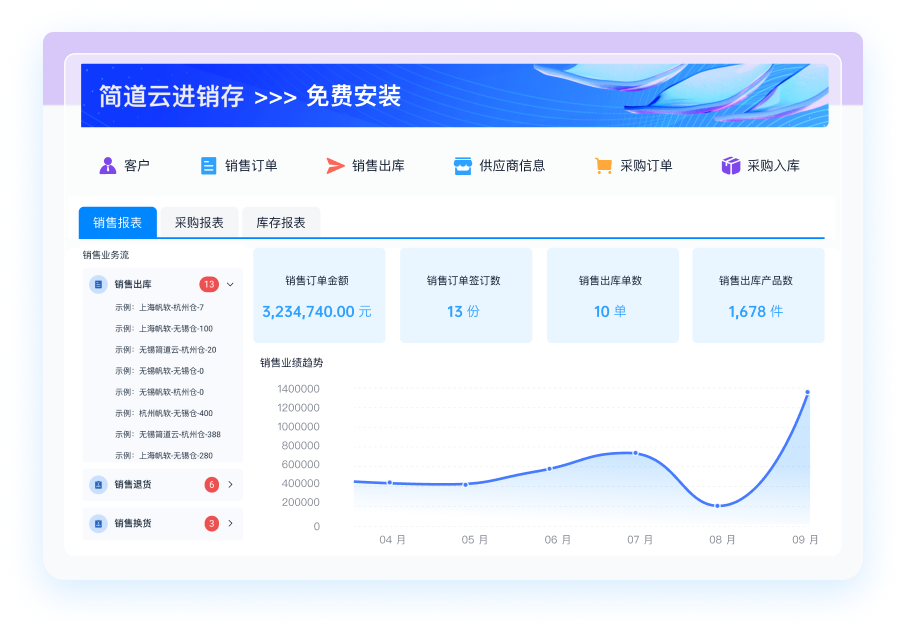
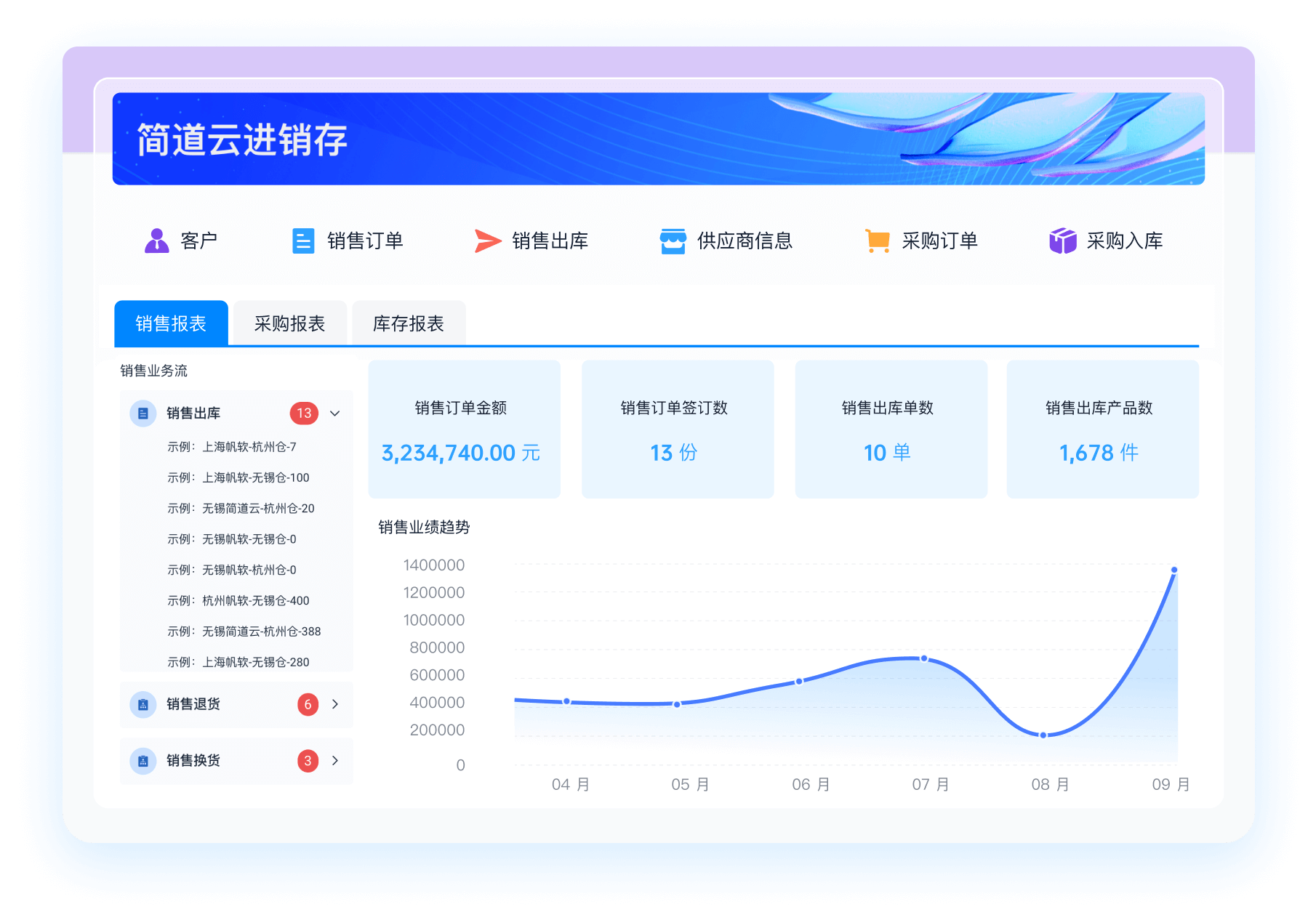
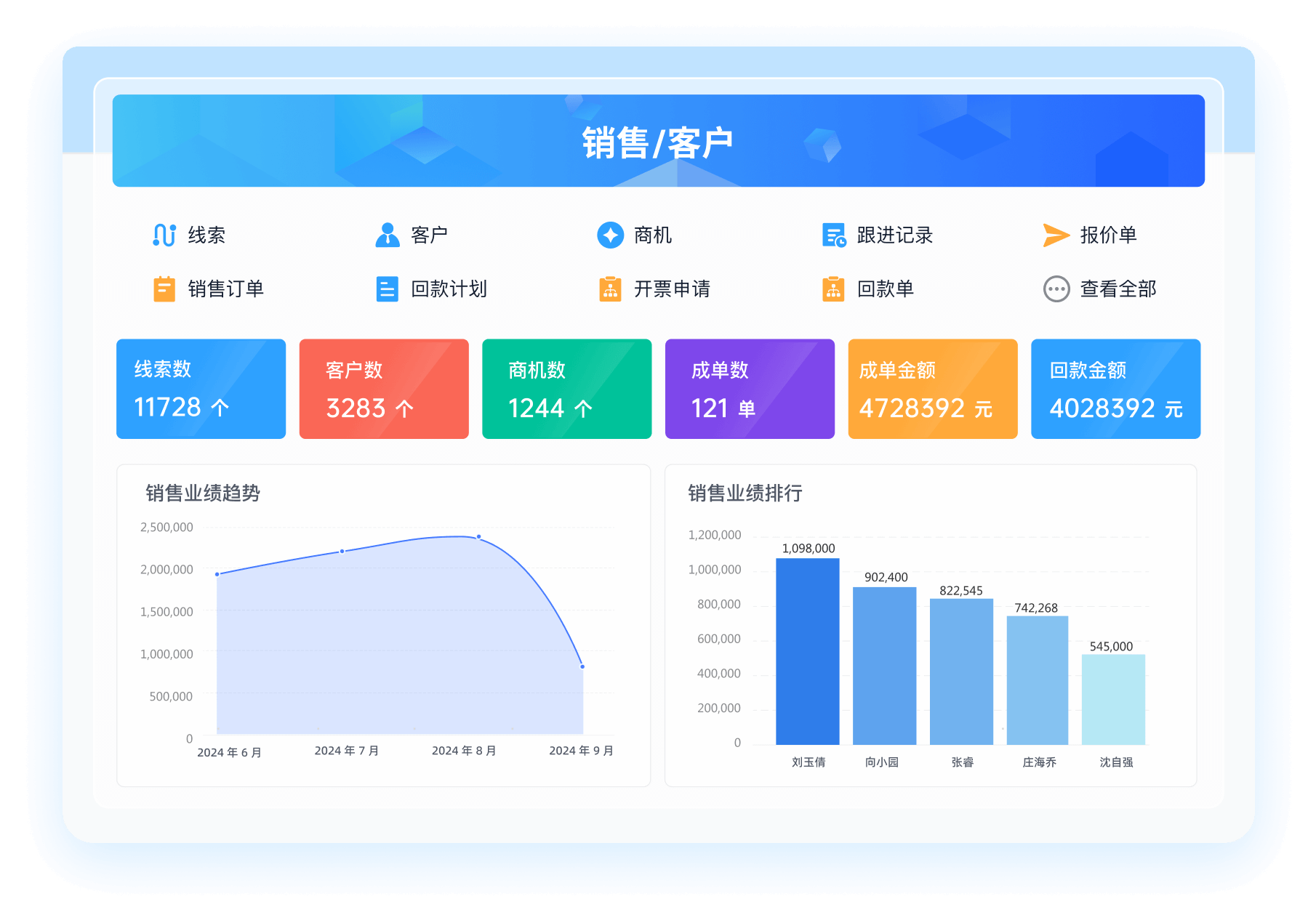
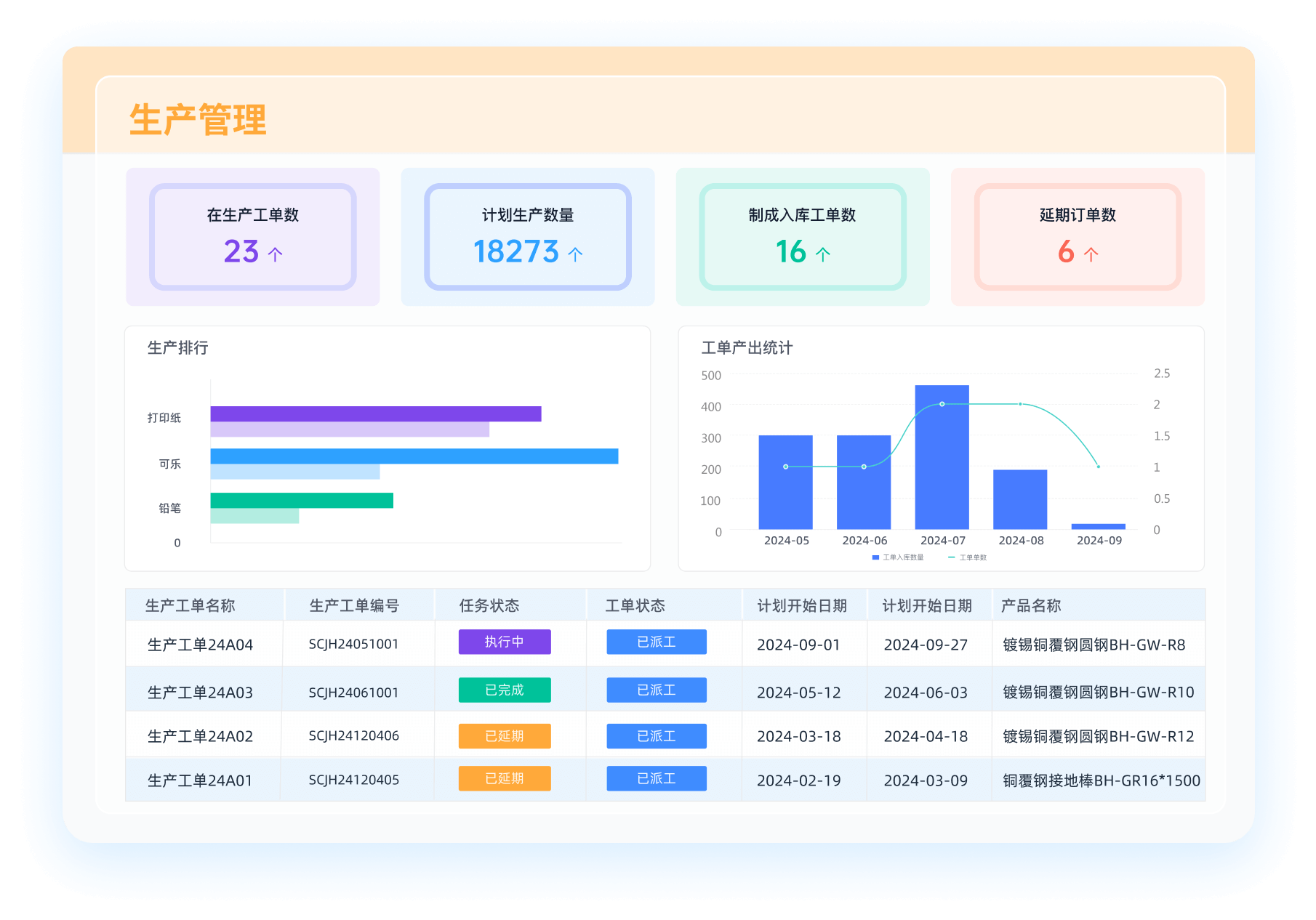
为了帮助企业更好地管理进销存流程,以下是推荐的100+企业管理系统模板免费使用资源,支持在线安装,无需下载:
地址: https://s.fanruan.com/7wtn5;






























































 《零代码开发知识图谱》
 《零代码
新动能》案例集
《零代码
新动能》案例集
 《企业零代码系统搭建指南》