
仓库管理有什么用途呢英语
-
Warehouse management plays a crucial role in ensuring the smooth operation of businesses that involve the storage and distribution of goods. Here are some of the key purposes and benefits of warehouse management:
-
Inventory Control: Warehouse management enables businesses to keep track of their inventory levels accurately. This includes monitoring stock levels, tracking expiration dates, managing product rotation, and ensuring that the right products are available when needed.
-
Optimizing Space: Efficient warehouse management helps in utilizing the available storage space effectively. This includes organizing the layout of the warehouse, implementing proper shelving and racking systems, and maximizing the use of vertical space to store goods efficiently.
-
Order Fulfillment: Warehouse management is essential for fulfilling customer orders accurately and on time. By organizing products systematically and implementing efficient picking and packing processes, businesses can ensure that orders are processed quickly and shipped out without delays.
-
Cost Control: Effective warehouse management can lead to cost savings for businesses. By optimizing inventory levels, reducing stockouts, minimizing product damage, and improving labor productivity, businesses can lower operational costs and increase profitability.
-
Streamlining Operations: Warehouse management helps in streamlining various warehouse operations, such as receiving, storing, picking, packing, and shipping goods. By implementing standardized processes and using technology solutions like warehouse management systems (WMS), businesses can increase operational efficiency and productivity.
-
Improving Accuracy: Accurate inventory management is essential for preventing stockouts, overstock situations, and inventory discrepancies. Warehouse management systems help in tracking inventory in real-time, reducing errors, and improving overall inventory accuracy.
-
Enhancing Customer Satisfaction: Efficient warehouse management leads to faster order processing, accurate order fulfillment, and timely delivery of products to customers. This, in turn, enhances customer satisfaction and helps in building customer loyalty.
-
Real-Time Visibility: Warehouse management systems provide businesses with real-time visibility into their inventory levels, order status, and warehouse operations. This visibility enables businesses to make informed decisions, respond quickly to changing demands, and adapt to market fluctuations.
In conclusion, warehouse management is essential for optimizing storage space, controlling inventory, fulfilling customer orders, reducing costs, streamlining operations, improving accuracy, enhancing customer satisfaction, and providing real-time visibility into warehouse operations. By implementing effective warehouse management practices, businesses can achieve operational excellence and gain a competitive edge in today's dynamic business environment.
2年前 -
-
Title: The Importance of Warehouse Management
Introduction:
Warehouse management plays a crucial role in the overall supply chain management process. It involves the control and optimization of various warehouse operations to ensure efficient storage, handling, and distribution of goods. In this article, we will explore the importance of warehouse management and its benefits.-
Efficient Inventory Management
Effective warehouse management helps in maintaining accurate inventory records, tracking stock levels, and ensuring timely replenishment of goods. By implementing proper inventory control measures, such as cycle counting and real-time monitoring, warehouses can minimize stockouts, reduce excess inventory, and improve order fulfillment rates. -
Cost Reduction
Proper warehouse management can lead to cost savings in various aspects of operations. By optimizing storage space, streamlining workflows, and reducing order processing times, warehouses can lower operating expenses and improve overall profitability. Additionally, efficient inventory management helps in avoiding overstocking and stock obsolescence, further reducing costs. -
Enhanced Productivity
Warehouse management involves the implementation of efficient processes and systems that can boost overall productivity. Through automation, task prioritization, and workforce management techniques, warehouses can improve throughput, reduce manual errors, and enhance employee efficiency. This, in turn, leads to higher order accuracy and customer satisfaction levels. -
Improved Customer Service
Efficient warehouse management plays a crucial role in meeting customer demands and providing satisfactory service. By ensuring timely order processing, accurate picking and packing, and on-time deliveries, warehouses can enhance the overall customer experience. With proper inventory visibility and tracking, customers can also receive real-time updates on their orders, leading to increased trust and loyalty. -
Risk Management
Warehouse management helps in mitigating risks associated with inventory storage and handling. By implementing proper safety protocols, such as proper stacking, labeling, and hazardous material handling procedures, warehouses can prevent accidents and ensure a safe working environment. Additionally, by conducting regular quality checks and inspections, warehouses can identify and address issues before they escalate. -
Data Analysis and Decision-Making
Warehouse management systems provide valuable data and insights that can support informed decision-making. By analyzing key performance indicators (KPIs), such as order accuracy, inventory turnover, and picking efficiency, warehouses can identify areas for improvement and implement targeted strategies. This data-driven approach helps in optimizing warehouse operations and driving continuous improvement.
Conclusion:
In conclusion, warehouse management is essential for optimizing supply chain operations, reducing costs, enhancing productivity, and improving customer service. By implementing efficient processes, leveraging technology, and focusing on continuous improvement, warehouses can drive overall business success. Proper warehouse management not only ensures efficient storage and handling of goods but also contributes to the overall competitiveness and profitability of an organization.2年前 -
-
Warehouse management refers to the processes, procedures, and methods used to oversee and control the operation of a warehouse facility. It plays a crucial role in the overall supply chain management of a business. Here are some of the key purposes and benefits of warehouse management:
-
Inventory Control: Warehouse management helps ensure accurate tracking, recording, and monitoring of inventory levels. By implementing efficient inventory management techniques, businesses can prevent stockouts, minimize overstock situations, and optimize inventory turnover rates.
-
Order Fulfillment: Effective warehouse management facilitates timely and accurate order processing. By organizing products within the warehouse based on their demand and popularity, businesses can improve picking, packing, and shipping processes to fulfill customer orders quickly and efficiently.
-
Space Optimization: Warehouse management involves strategically planning and organizing warehouse layout and storage systems to maximize space utilization. By implementing storage solutions such as vertical racks, automated systems, and proper aisle configurations, businesses can optimize their warehouse space and accommodate more inventory.
-
Cost Reduction: Efficient warehouse management can lead to cost savings in various aspects of operations. By streamlining processes, reducing waste, and improving inventory accuracy, businesses can lower labor costs, minimize storage expenses, and enhance overall operational efficiency.
-
Customer Satisfaction: Warehouse management plays a significant role in enhancing customer satisfaction by ensuring timely order deliveries, minimizing errors in shipments, and providing accurate product information. By improving order accuracy, reducing lead times, and offering real-time visibility into inventory levels, businesses can meet customer expectations and build long-term relationships.
In summary, warehouse management serves as a critical component of supply chain management, contributing to improved inventory control, order fulfillment, space optimization, cost reduction, and customer satisfaction. By implementing effective warehouse management practices, businesses can enhance operational efficiency, reduce costs, and ultimately drive success in today's competitive market environment.
2年前 -


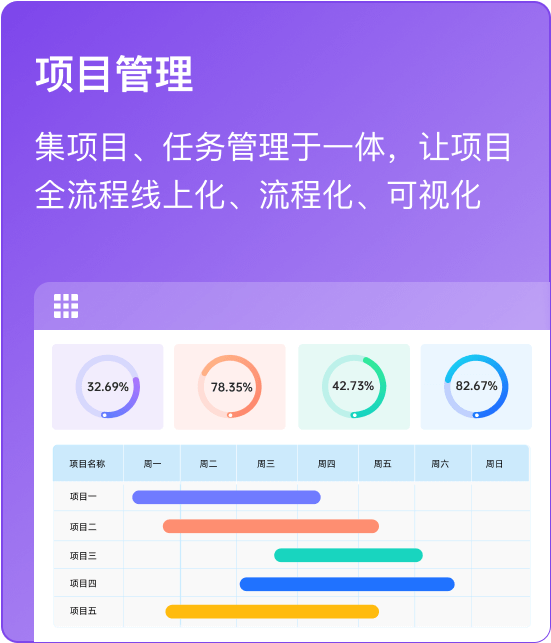
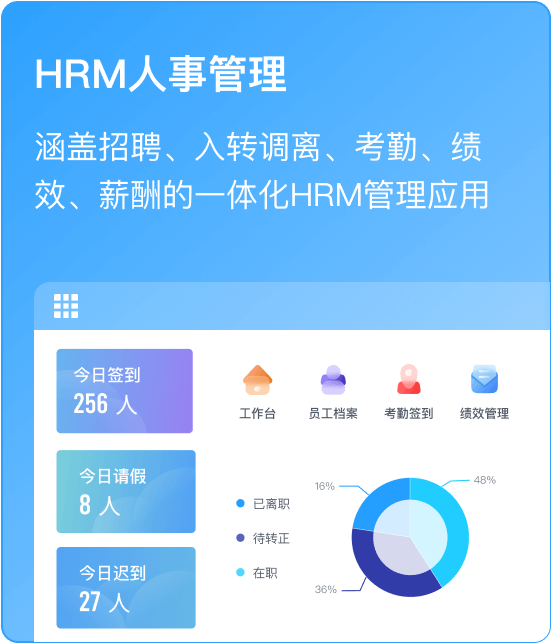
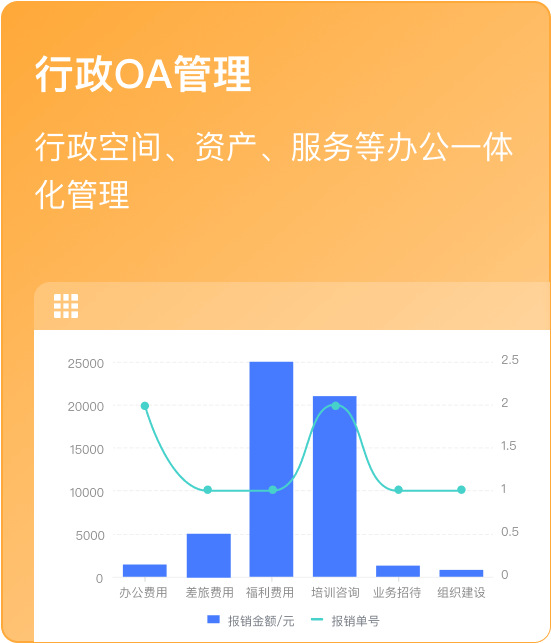

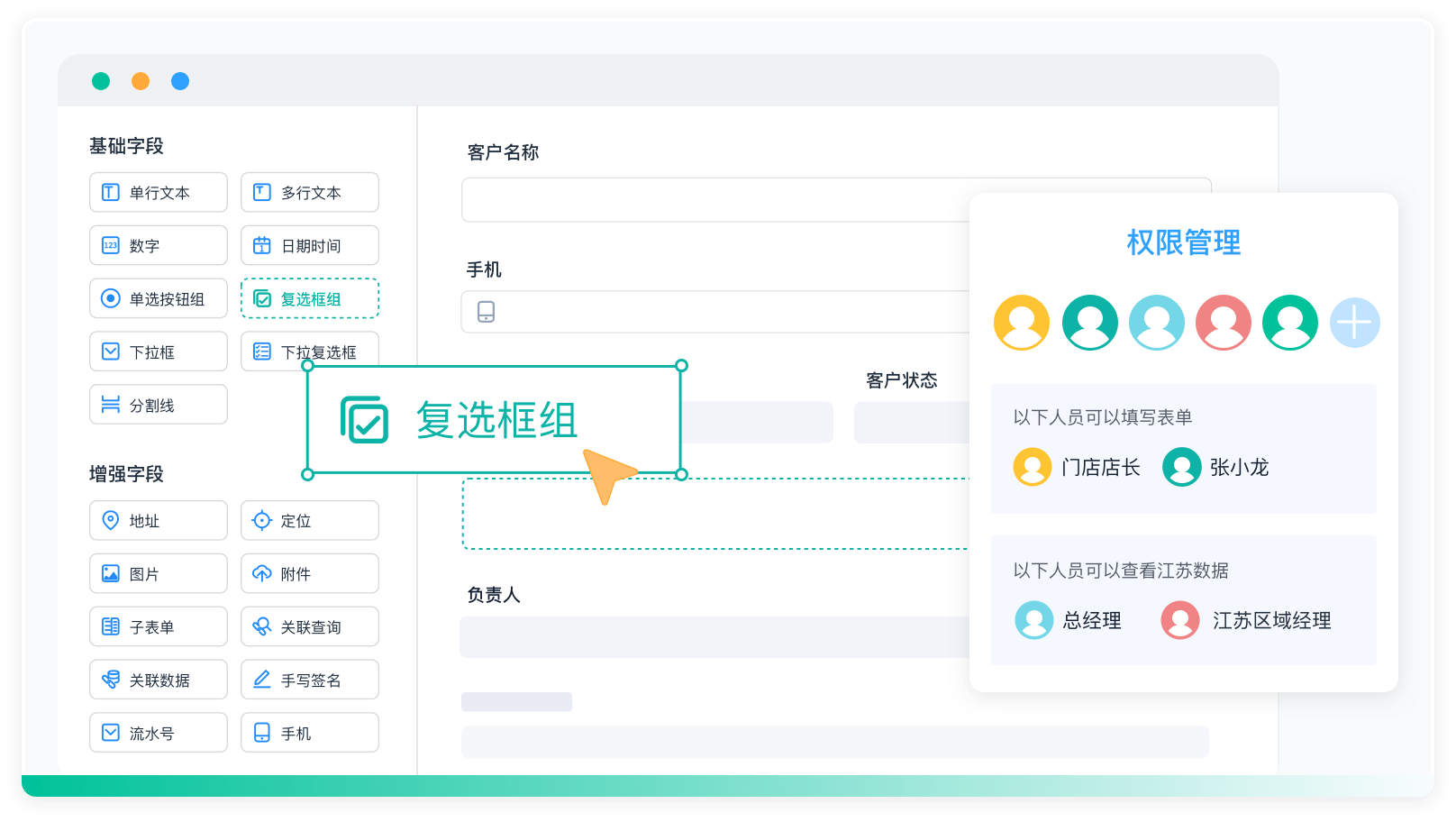


















































 《零代码开发知识图谱》
 《零代码
新动能》案例集
《零代码
新动能》案例集
 《企业零代码系统搭建指南》











领先企业,真实声音
简道云让业务用户感受数字化的效果,加速数字化落地;零代码快速开发迭代提供了很低的试错成本,孵化了一批新工具新方法。
郑炯蒙牛乳业信息技术高级总监
简道云把各模块数据整合到一起,工作效率得到质的提升。现在赛艇协会遇到新的业务需求时,会直接用简道云开发demo,基本一天完成。
谭威正中国赛艇协会数据总监
业务与技术交织,让思维落地实现。四年简道云使用经历,功能越来越多也反推业务流程转变,是促使我们成长的过程。实现了真正降本增效。
袁超OPPO(苏皖)信息化部门负责人
零代码的无门槛开发方式盘活了全公司信息化推进的热情和效率,简道云打破了原先集团的数据孤岛困局,未来将继续向数据要生产力。
伍学纲东方日升新能源股份有限公司副总裁
通过简道云零代码技术的运用实践,提高了企业转型速度、减少对高技术专业人员的依赖。在应用推广上,具备员工上手快的竞争优势。
董兴潮绿城建筑科技集团信息化专业经理
简道云是目前最贴合我们实际业务的信息化产品。通过灵活的自定义平台,实现了信息互通、闭环管理,企业管理效率真正得到了提升。
王磊克吕士科学仪器(上海)有限公司总经理