
仓库里的物品如何管理英文
-
Warehouse Item Management
Warehouse item management is a crucial aspect of warehouse operations. Efficient management of items in a warehouse ensures smooth workflow, timely order fulfillment, accurate inventory, and overall operational efficiency. Below are some key aspects of warehouse item management:
-
Receiving: Upon arrival at the warehouse, items should be properly inspected, labeled, and documented. This initial step sets the foundation for the entire item management process.
-
Storage: Items should be stored in designated locations within the warehouse based on factors such as size, weight, shelf life, and frequency of access. Proper storage ensures easy accessibility and efficient picking during order fulfillment.
-
Inventory Control: Regular inventory checks should be conducted to track stock levels, identify discrepancies, and prevent stockouts or overstock situations. Barcode scanning, RFID technology, or inventory management software can be used to streamline this process.
-
Picking and Packing: When orders are received, items need to be picked from their designated locations, accurately packed, and prepared for shipping. Implementing efficient picking methods such as batch picking or zone picking can enhance productivity.
-
Shipping: Items should be correctly labeled, packed securely, and loaded onto vehicles for transportation. Integration with a transportation management system can help in tracking shipments and ensuring on-time delivery.
-
Quality Control: Regular quality checks should be conducted to ensure that items meet the required standards before storage or shipment. Damaged or defective items should be identified and processed accordingly.
-
Returns Management: A system should be in place to handle returns efficiently, including inspecting returned items, restocking them if possible, and updating inventory records accordingly.
-
Technology Integration: Leveraging technology such as a Warehouse Management System (WMS) can greatly improve warehouse item management. A WMS can automate processes, provide real-time visibility of stock levels, optimize storage space, and enhance overall operational efficiency.
-
Training and Education: Warehouse staff involved in item management should be adequately trained on best practices, safety protocols, and the efficient use of technology. Continuous education and training can help improve accuracy and productivity.
In conclusion, effective warehouse item management is essential for optimizing warehouse operations and meeting customer demands. By implementing proper receiving, storage, inventory control, picking and packing, shipping, quality control, returns management, technology integration, and staff training, warehouses can ensure efficient and accurate management of items throughout their lifecycle.
2年前 -
-
Warehouse Inventory Management
Introduction
Warehouse inventory management is the process of overseeing and controlling the flow of goods in and out of a warehouse. It involves organizing, storing, and tracking items to ensure efficient operation and accurate stock levels. In this article, we will discuss the methods and procedures for managing items in a warehouse effectively.Inventory Classification
- ABC Analysis
ABC analysis categorizes items based on their value and contribution to overall revenue.
- Class A: Items with high value and low frequency.
- Class B: Items with moderate value and moderate frequency.
- Class C: Items with low value and high frequency.
- Cycle Counting
Cycle counting is a method of verifying inventory levels by regularly counting a subset of items. It helps maintain accuracy without the need for complete physical inventory counts.
Inventory Replenishment
-
Reorder Point
Setting a reorder point ensures that stock is replenished before it reaches a critical level. It considers lead time, demand variability, and safety stock levels. -
Economic Order Quantity (EOQ)
EOQ helps determine the optimal order quantity that minimizes total inventory costs, considering factors like ordering costs, carrying costs, and demand.
Storage and Organization
- Proper Shelving
Utilize shelving units, pallet racks, and bins to maximize space and facilitate easy access to items.
- FIFO (First In, First Out) for perishable items.
- LIFO (Last In, First Out) for non-perishable items.
- Labeling and Barcoding
Labeling items with barcodes and RFID tags improves accuracy and speed in tracking inventory movements and locations within the warehouse.
Warehouse Management Systems (WMS)
Implementing a WMS automates inventory management processes, including receiving, picking, packing, and shipping. It provides real-time visibility, accuracy, and efficiency.Order Fulfillment Processes
-
Pick-Pack-Ship
Efficiently fulfilling customer orders involves picking items from storage, packing them securely, and shipping them to the correct destination promptly. -
Cross-Docking
Cross-docking reduces storage time by transferring incoming goods directly to outbound vehicles for immediate delivery, minimizing handling and inventory storage costs.
Inventory Auditing and Control
-
Regular Audits
Scheduled audits help verify inventory accuracy, identify discrepancies, and prevent theft or loss. -
Security Measures
Implement security measures like access control, surveillance systems, and inventory tracking software to safeguard warehouse inventory from theft and damage.
Conclusion
Effective warehouse inventory management is essential for optimizing operations and meeting customer demands. By implementing the right strategies, utilizing technology, and adhering to best practices, businesses can improve efficiency, accuracy, and profitability in their warehouse operations.2年前 - ABC Analysis
-
Warehouse Inventory Management: Best Practices and Strategies
Warehouse inventory management is a critical aspect of ensuring the smooth operation of a warehouse and the overall supply chain. Effectively managing the items stored in a warehouse can lead to increased efficiency, reduced costs, and improved customer satisfaction. In this article, we will discuss best practices and strategies for managing items in a warehouse.
-
Implement a robust inventory management system: The first step in effectively managing items in a warehouse is to implement a robust inventory management system. This system should track the movement of items in and out of the warehouse, provide real-time visibility of inventory levels, and help in forecasting demand. There are many software solutions available in the market that can streamline the inventory management process and improve accuracy.
-
Organize the warehouse layout: A well-organized warehouse layout is essential for efficient inventory management. Items should be stored in a logical and systematic manner, making it easy for warehouse staff to locate and retrieve items when needed. Consider using storage racks, bins, and labeling systems to categorize items and optimize space utilization.
-
Conduct regular inventory audits: Regular inventory audits are crucial for identifying discrepancies, minimizing stockouts, and preventing overstock situations. Conducting cycle counts, where a portion of the inventory is counted on a rotating basis, can help in maintaining accurate inventory records. In addition, conducting annual or semi-annual physical inventory counts can provide a comprehensive view of the inventory levels.
-
Implement proper inventory control measures: Implementing proper inventory control measures, such as ABC analysis, can help in prioritizing items based on their value and demand. Classifying items as A (high value, low volume), B (moderate value, moderate volume), and C (low value, high volume) can aid in determining how much attention and resources each item requires. This classification can inform replenishment strategies, pricing decisions, and storage considerations.
-
Invest in staff training and education: Properly trained warehouse staff are essential for effective inventory management. Providing training on inventory procedures, safety protocols, and the proper use of equipment can improve efficiency and reduce errors. Encouraging continuous learning and professional development can help staff stay updated on the latest industry trends and best practices.
In conclusion, effective warehouse inventory management is crucial for optimizing operations, reducing costs, and enhancing customer satisfaction. By implementing best practices such as using advanced inventory management systems, organizing the warehouse layout, conducting regular audits, implementing inventory control measures, and investing in staff training, warehouses can streamline their processes and achieve greater efficiency.
2年前 -


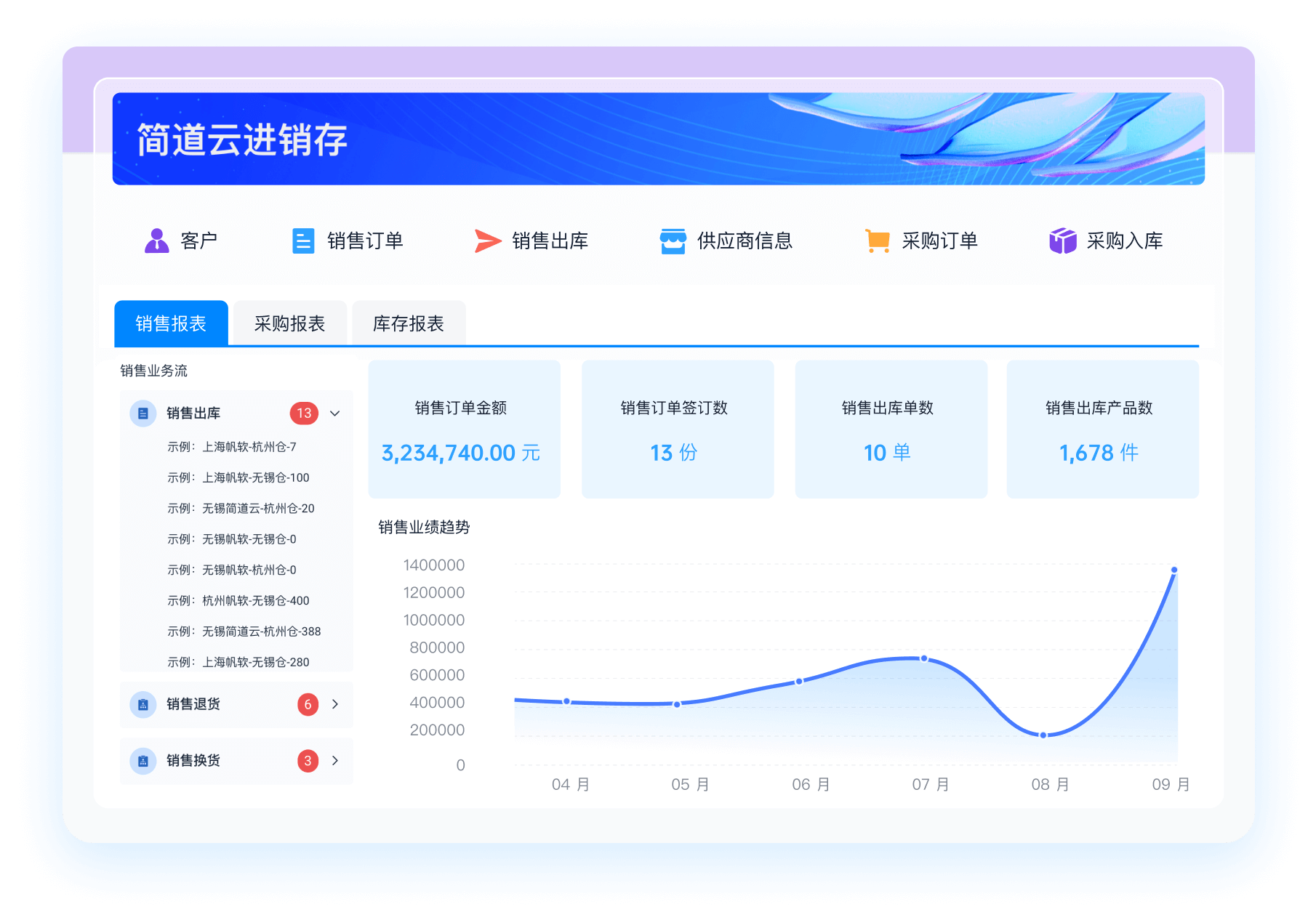
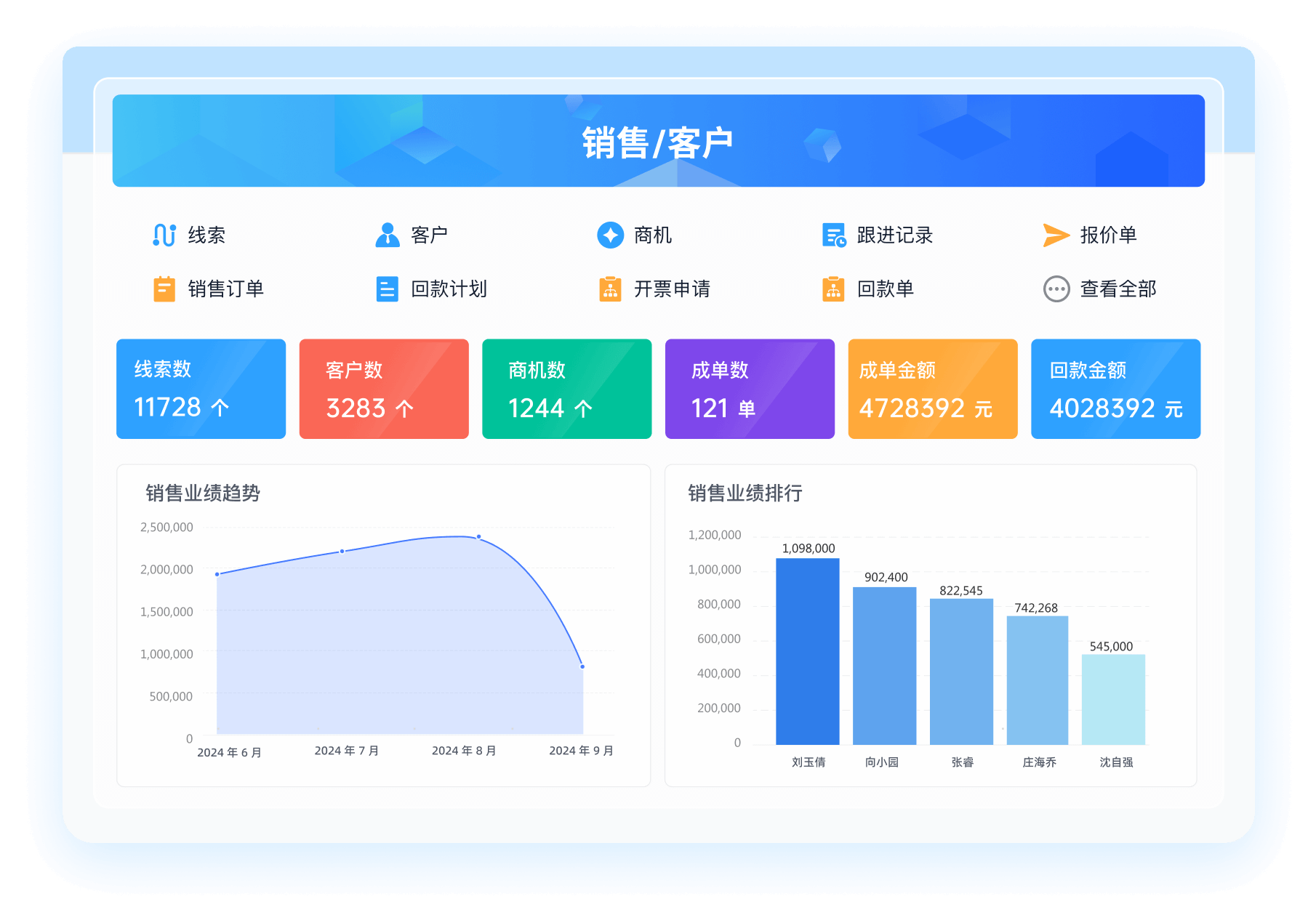
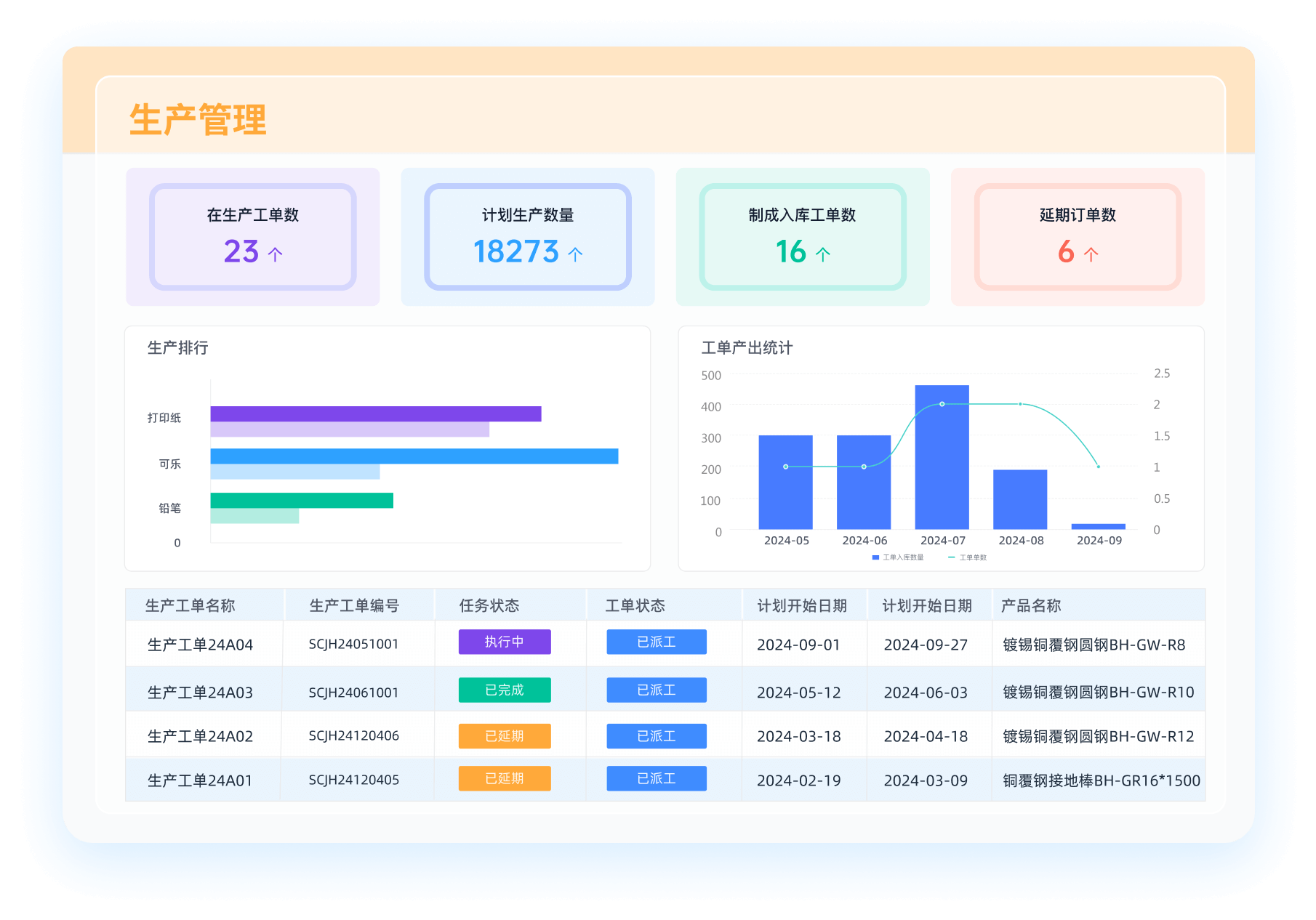
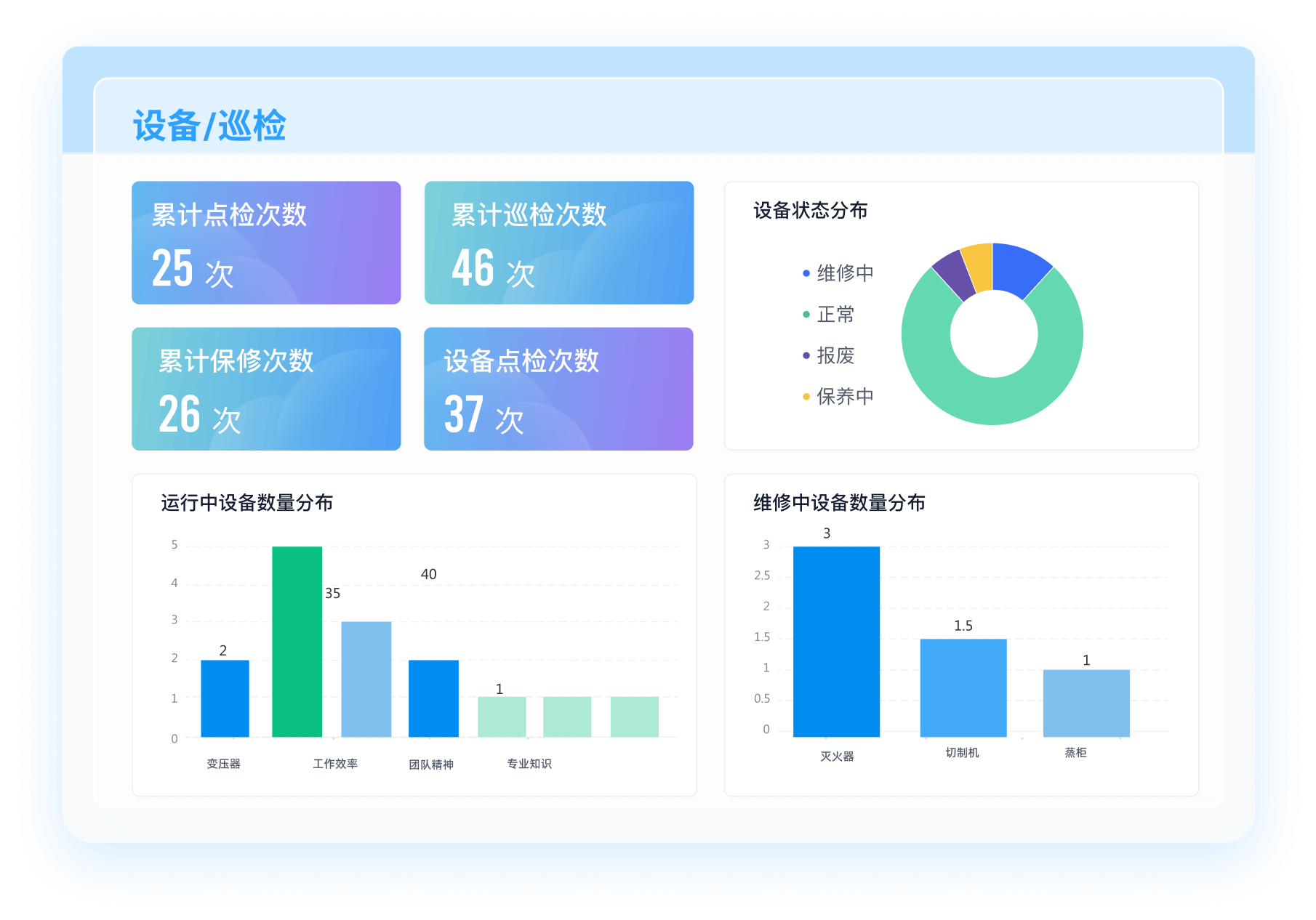

















































 《零代码开发知识图谱》
 《零代码
新动能》案例集
《零代码
新动能》案例集
 《企业零代码系统搭建指南》











领先企业,真实声音
简道云让业务用户感受数字化的效果,加速数字化落地;零代码快速开发迭代提供了很低的试错成本,孵化了一批新工具新方法。
郑炯蒙牛乳业信息技术高级总监
简道云把各模块数据整合到一起,工作效率得到质的提升。现在赛艇协会遇到新的业务需求时,会直接用简道云开发demo,基本一天完成。
谭威正中国赛艇协会数据总监
业务与技术交织,让思维落地实现。四年简道云使用经历,功能越来越多也反推业务流程转变,是促使我们成长的过程。实现了真正降本增效。
袁超OPPO(苏皖)信息化部门负责人
零代码的无门槛开发方式盘活了全公司信息化推进的热情和效率,简道云打破了原先集团的数据孤岛困局,未来将继续向数据要生产力。
伍学纲东方日升新能源股份有限公司副总裁
通过简道云零代码技术的运用实践,提高了企业转型速度、减少对高技术专业人员的依赖。在应用推广上,具备员工上手快的竞争优势。
董兴潮绿城建筑科技集团信息化专业经理
简道云是目前最贴合我们实际业务的信息化产品。通过灵活的自定义平台,实现了信息互通、闭环管理,企业管理效率真正得到了提升。
王磊克吕士科学仪器(上海)有限公司总经理