
对低代码的建议怎么写英语

-
Title: Recommendations for Low-Code Development
Introduction:
Low-code development has gained popularity in recent years due to its ability to accelerate the software development process and empower non-technical users to create applications. However, in order to fully leverage the benefits of low-code platforms, it is important to follow certain recommendations to ensure successful implementation and optimal outcomes. In this article, we will provide a comprehensive guide on how to make the most out of low-code development.-
Understand Your Requirements
Before diving into low-code development, it is essential to clearly define your project requirements. Take the time to analyze the specific functionalities, features, and integrations that your application will need. By having a detailed understanding of your requirements from the outset, you can select the most appropriate low-code platform and streamline the development process. -
Choose the Right Low-Code Platform
There are numerous low-code platforms available in the market, each offering unique features and capabilities. It is crucial to evaluate different platforms based on factors such as scalability, security, ease of use, and pricing. Choose a low-code platform that aligns with your project requirements and provides the necessary tools to build robust and scalable applications. -
Invest in Training and Education
While low-code development simplifies the application development process, it still requires a certain level of skill and expertise to utilize its full potential. Invest in training programs and educational resources to empower your team members with the necessary knowledge and skills to effectively use the low-code platform. By providing proper training, you can enhance efficiency, reduce errors, and foster innovation within your development team. -
Foster Collaboration Between IT and Business Teams
One of the key advantages of low-code development is its ability to bridge the gap between IT and business teams. Encourage collaboration and communication between these two groups to ensure that the developed applications meet the business requirements and technical standards. By fostering a collaborative environment, you can enhance the efficiency and effectiveness of the development process and deliver solutions that align with the organization's goals. -
Embrace Continuous Improvement
Low-code development enables rapid prototyping and iterative development cycles, allowing for quick feedback and continuous improvement. Embrace the concept of continuous improvement by gathering feedback from users, analyzing application performance, and iterating on the design based on real-world usage. By continuously refining your applications, you can ensure that they remain relevant, user-friendly, and aligned with evolving business needs.
Conclusion:
In conclusion, low-code development offers a powerful platform for accelerating software development and driving innovation within organizations. By following the recommendations outlined in this article, you can maximize the benefits of low-code development, streamline the development process, and deliver high-quality applications that meet your business requirements. Stay informed, choose the right platform, invest in training, foster collaboration, and embrace continuous improvement to succeed in your low-code development journey.2年前 -
-
Title: Suggestions for Low-Code Development
Introduction
Low-code development has gained significant popularity due to its ability to accelerate application development and reduce the reliance on traditional coding. However, like any technology, there are certain considerations and suggestions that can enhance the effectiveness of low-code development.-
Emphasize Clear Requirements Gathering
Clear and precise requirements gathering is essential for the success of any development project. In low-code development, it is crucial to emphasize the gathering of comprehensive requirements before diving into the visual design and development process. This ensures that the low-code platform is used efficiently and effectively to meet the specific needs of the business or project. -
Invest in Training and Education
While low-code platforms are designed to simplify application development, investing in training and education for developers and stakeholders is critical. Training programs can help users fully leverage the capabilities of the low-code platform, understand best practices, and learn about advanced features that can enhance productivity and quality. -
Encourage Collaboration Between Business and IT
Low-code development often blurs the lines between traditional roles in software development. It's important to encourage collaboration between business users and IT professionals to ensure that the developed applications align with business objectives while meeting technical standards. This collaboration can be facilitated through regular meetings, workshops, and shared documentation. -
Leverage Appropriate Governance and Security Measures
In the excitement of rapid application development, governance and security measures can sometimes be overlooked. It is advisable to establish clear governance policies and implement robust security measures within the low-code development environment. This includes defining roles and responsibilities, establishing version control processes, and integrating security best practices throughout the development lifecycle. -
Embrace Customization and Extension Capabilities
Low-code platforms offer a wide range of pre-built components and functionalities, but there are instances where customizations and extensions are necessary to address unique business requirements. Encouraging developers to explore and utilize the customization and extension capabilities of the low-code platform can lead to the creation of tailored solutions that perfectly fit the organization's needs. -
Perform Thorough Testing and Quality Assurance
Testing and quality assurance are integral parts of the software development lifecycle. While low-code platforms facilitate rapid development, it's essential not to compromise on the quality of the applications produced. Teams should conduct thorough testing, including functional, performance, and security testing, to ensure that the applications meet the required standards and perform reliably in production environments. -
Continuously Evaluate and Refine Processes
Continuous improvement is key to successful low-code development. Stakeholders should regularly evaluate the effectiveness of low-code practices, identify areas for improvement, and refine processes accordingly. This may involve collecting feedback from end-users, analyzing development metrics, and adapting the development approach based on lessons learned from previous projects.
Conclusion
By emphasizing clear requirements gathering, investing in training, encouraging collaboration, implementing governance and security measures, embracing customization, and extension capabilities, performing thorough testing, and continuously evaluating and refining processes, organizations can harness the full potential of low-code development. These suggestions can help maximize productivity, quality, and business impact while leveraging the benefits of low-code platforms effectively.2年前 -
-
Title: Recommendations for Low-code Development
Introduction
Low-code development platforms have gained popularity as a means to accelerate software development and delivery. The ability to build applications with minimal hand-coding has revolutionized the way businesses approach software development. In this article, we will provide recommendations for effectively utilizing low-code development platforms.Understand the Business Requirements
Before embarking on low-code development, it is crucial to have a thorough understanding of the business requirements. This involves engaging key stakeholders to gather comprehensive insights into the functionality, user experience, and integration needs of the proposed application.Leverage Pre-built Components
Low-code platforms offer a wide array of pre-built components and templates that can significantly expedite the development process. It is advisable to leverage these components whenever possible to reduce development time and effort.Customization and Extensibility
While pre-built components offer a valuable head start, it's important to assess the extent to which they can be customized to fit specific business needs. Additionally, evaluating the platform's extensibility to integrate custom code or third-party services is crucial for addressing unique requirements.Security Considerations
Security should be a top priority when using low-code development platforms. It is essential to thoroughly evaluate the platform's security features and ensure compliance with industry standards. Additionally, regular security audits and testing should be integrated into the development lifecycle.Scalability and Performance
Consider the scalability and performance requirements of the application from the outset. Low-code platforms should be evaluated based on their ability to support scaling and optimize performance for different usage scenarios.Integration Capabilities
The ability to seamlessly integrate with existing systems and third-party services is critical for the success of any application. Low-code platforms should offer robust integration capabilities, including support for APIs, data connectors, and middleware.User Training and Support
Training resources and support documentation provided by low-code platforms can significantly impact the productivity of development teams. It is recommended to assess the availability and quality of user training materials and support channels offered by the platform provider.Collaboration and Governance
Low-code development often involves collaboration among multiple team members. It is important to establish governance guidelines and collaboration best practices to ensure consistency, version control, and effective teamwork.Continuous Monitoring and Optimization
Post-deployment, it is essential to continuously monitor the application performance, user feedback, and key metrics. Low-code platforms should provide the necessary tools for monitoring and analytics to facilitate ongoing optimization.Conclusion
In conclusion, leveraging low-code development platforms can bring substantial benefits to organizations seeking to accelerate application delivery. By understanding business requirements, utilizing pre-built components, considering security, scalability, and integration aspects, and emphasizing ongoing monitoring and optimization, companies can harness the full potential of low-code development.2年前


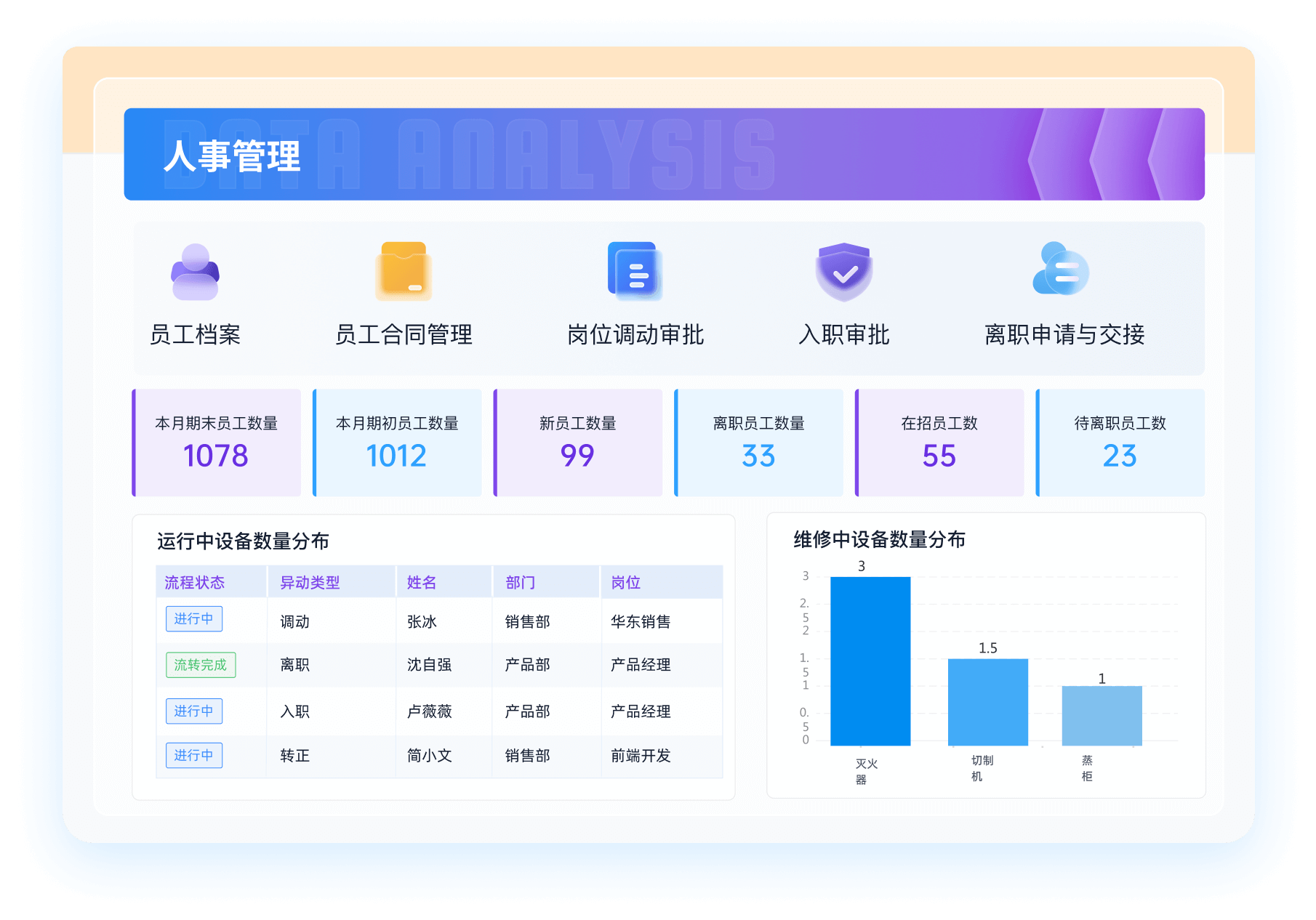
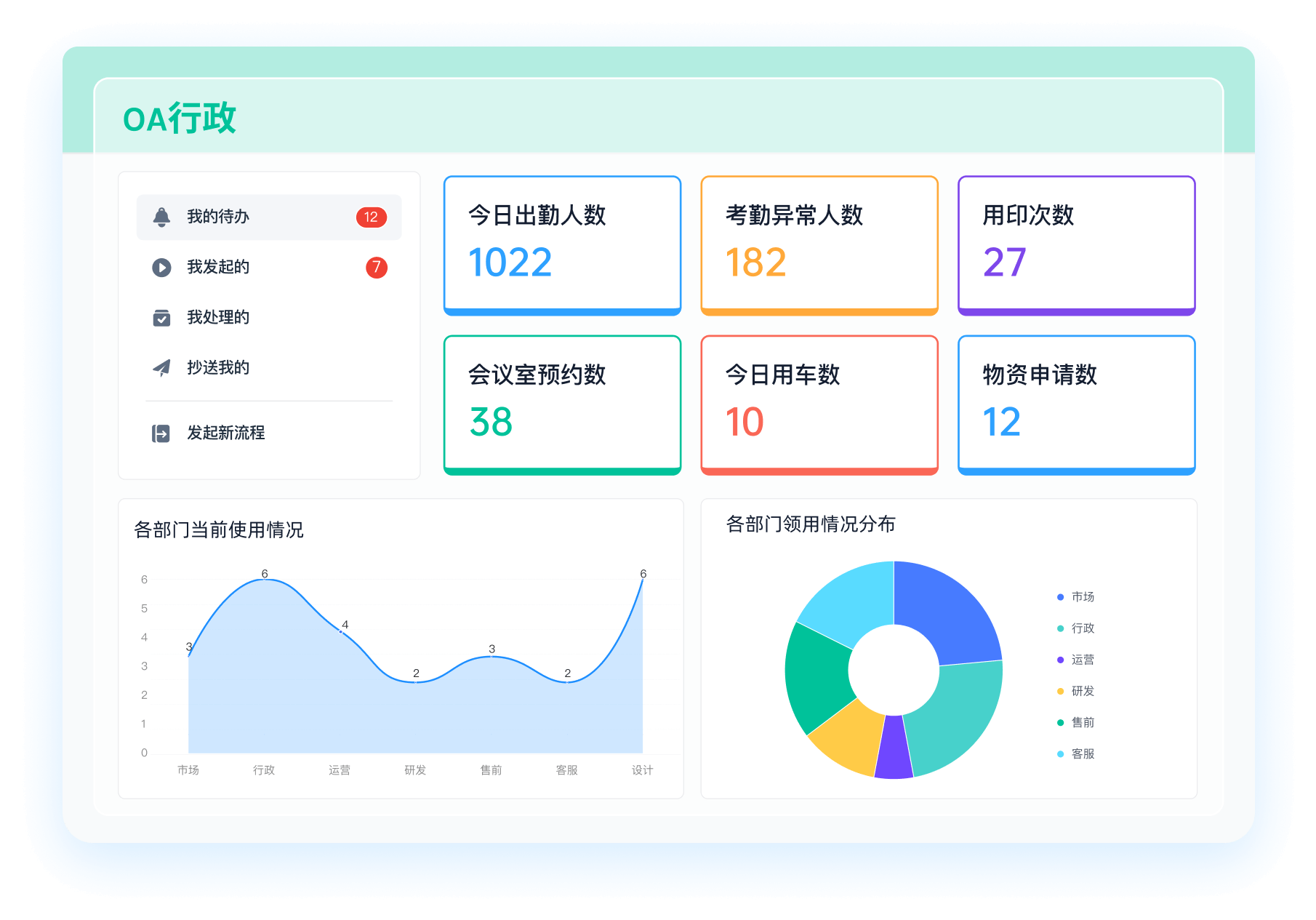
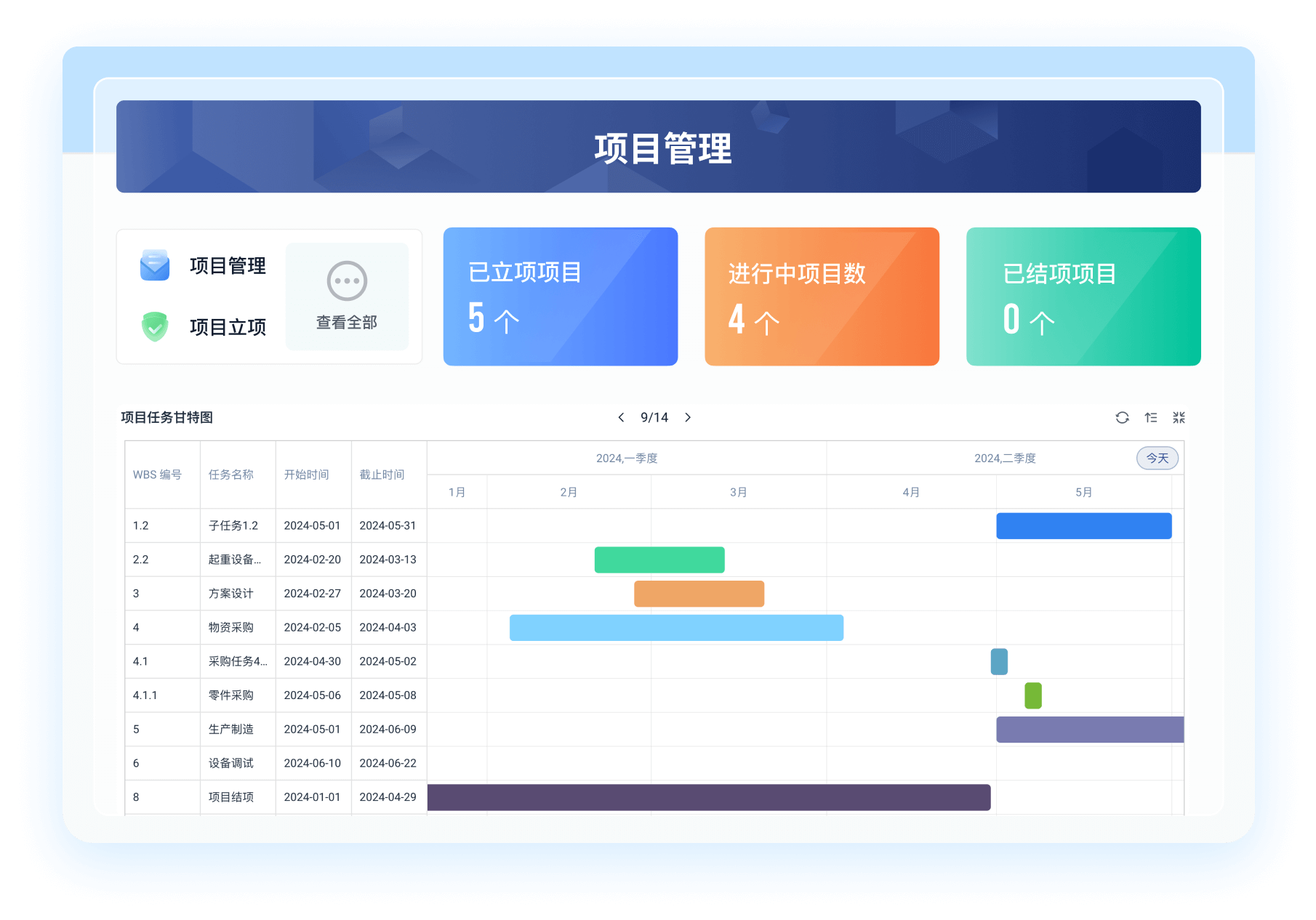
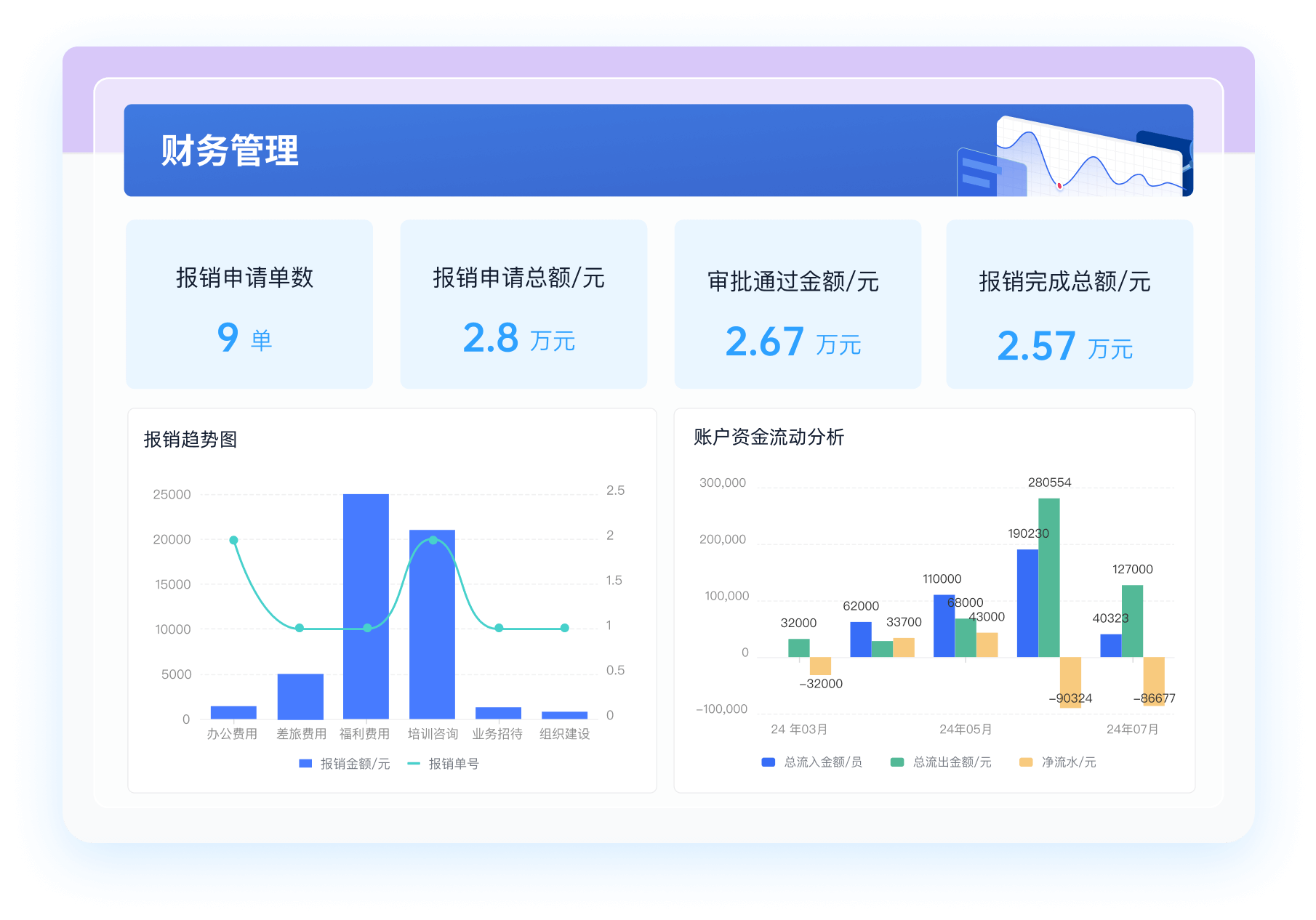


















































 《零代码开发知识图谱》
 《零代码
新动能》案例集
《零代码
新动能》案例集
 《企业零代码系统搭建指南》











领先企业,真实声音
简道云让业务用户感受数字化的效果,加速数字化落地;零代码快速开发迭代提供了很低的试错成本,孵化了一批新工具新方法。
郑炯蒙牛乳业信息技术高级总监
简道云把各模块数据整合到一起,工作效率得到质的提升。现在赛艇协会遇到新的业务需求时,会直接用简道云开发demo,基本一天完成。
谭威正中国赛艇协会数据总监
业务与技术交织,让思维落地实现。四年简道云使用经历,功能越来越多也反推业务流程转变,是促使我们成长的过程。实现了真正降本增效。
袁超OPPO(苏皖)信息化部门负责人
零代码的无门槛开发方式盘活了全公司信息化推进的热情和效率,简道云打破了原先集团的数据孤岛困局,未来将继续向数据要生产力。
伍学纲东方日升新能源股份有限公司副总裁
通过简道云零代码技术的运用实践,提高了企业转型速度、减少对高技术专业人员的依赖。在应用推广上,具备员工上手快的竞争优势。
董兴潮绿城建筑科技集团信息化专业经理
简道云是目前最贴合我们实际业务的信息化产品。通过灵活的自定义平台,实现了信息互通、闭环管理,企业管理效率真正得到了提升。
王磊克吕士科学仪器(上海)有限公司总经理