
通过ERP能做什么

-
Introduction
Enterprise Resource Planning (ERP) systems are integrated software solutions that streamline and automate business processes within an organization. ERP software can help companies manage their resources, data, and operations efficiently. In this article, we will explore the various functions and capabilities of ERP systems.
1. Management of Financial Resources
-
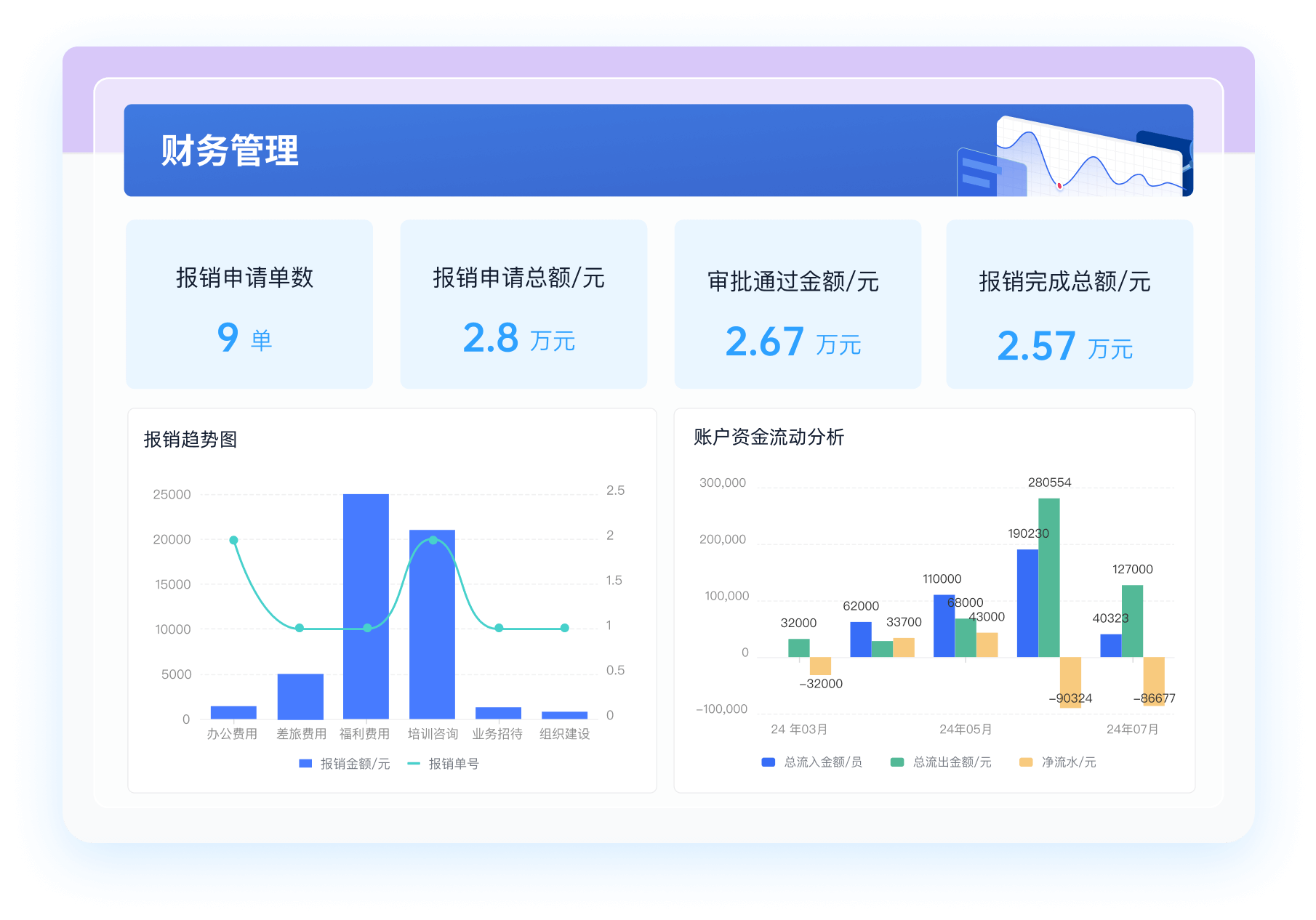
Financial Accounting: ERP systems allow organizations to manage their financial transactions, including accounts payable, accounts receivable, general ledger, and financial reporting.
-
Budgeting and Forecasting: ERP software helps in creating budgets, forecasting financial outcomes, and monitoring financial performance against predefined targets.
-
Tax Calculation: ERP systems can automate tax calculations and help organizations comply with tax regulations.
-
Financial Analysis: ERP systems generate financial reports and analysis that provide insights into the financial health of the organization.
2. Human Resource Management
-
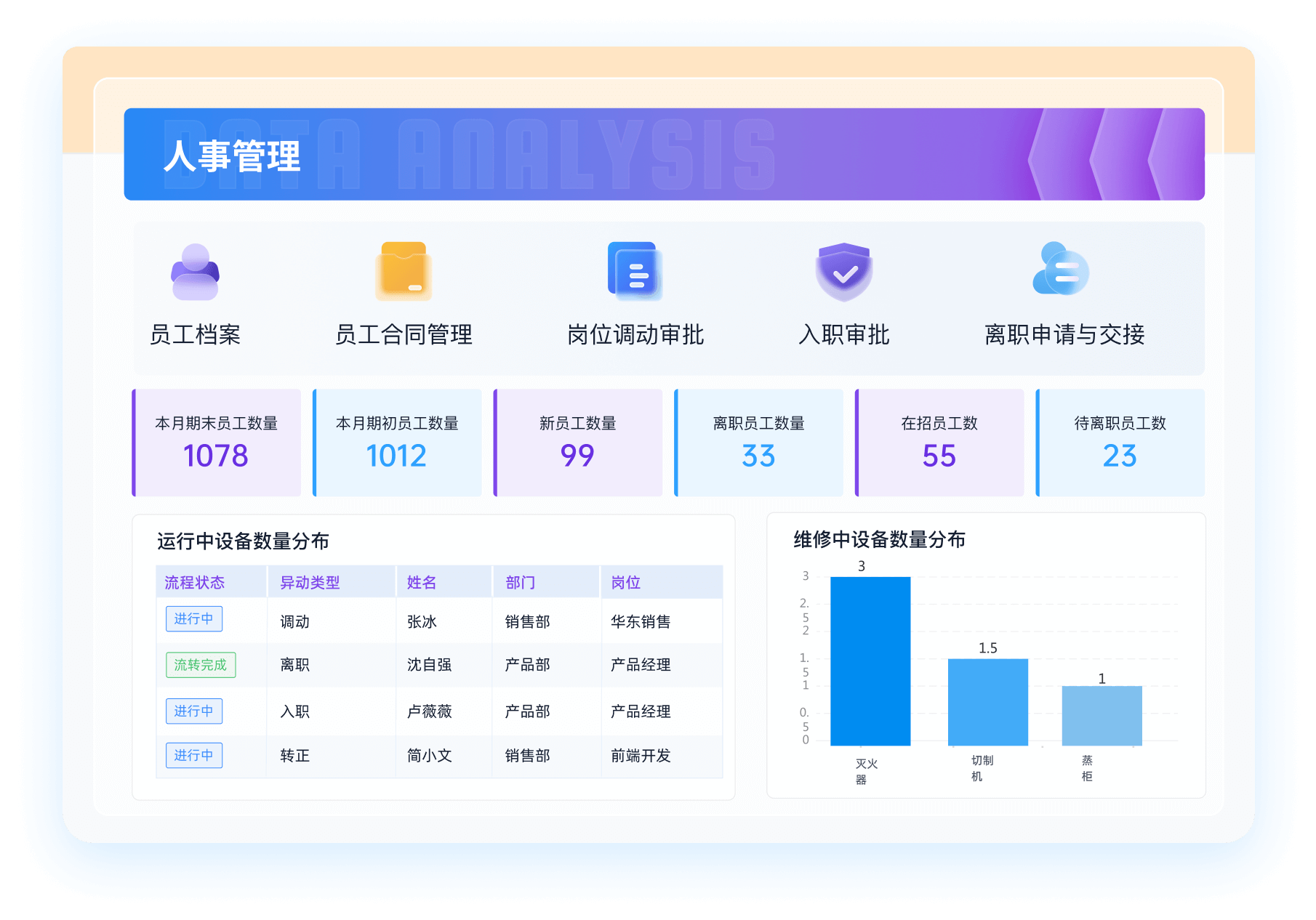
Employee Management: ERP systems help in managing employee information, such as payroll, benefits, attendance, and performance.
-
Recruitment and Onboarding: ERP software streamlines the recruitment process, starting from job postings to onboarding of new employees.
-
Training and Development: ERP systems can track employee training and development needs, schedule training sessions, and evaluate training effectiveness.
-
Performance Management: ERP software enables performance evaluations, goal setting, and tracking employee performance.
3. Supply Chain Management
-
Inventory Management: ERP systems provide real-time tracking of inventory levels, automatic ordering of stock, and help minimize excess inventory.
-
Order Processing: ERP software facilitates the processing of orders from customers, tracking order status, and managing order fulfillment.
-
Supplier Management: ERP systems help in managing supplier relationships, tracking supplier performance, and ensuring timely delivery of goods.
-
Logistics and Distribution: ERP software assists in optimizing logistics and distribution processes, reducing transportation costs, and improving delivery efficiency.
4. Customer Relationship Management
-
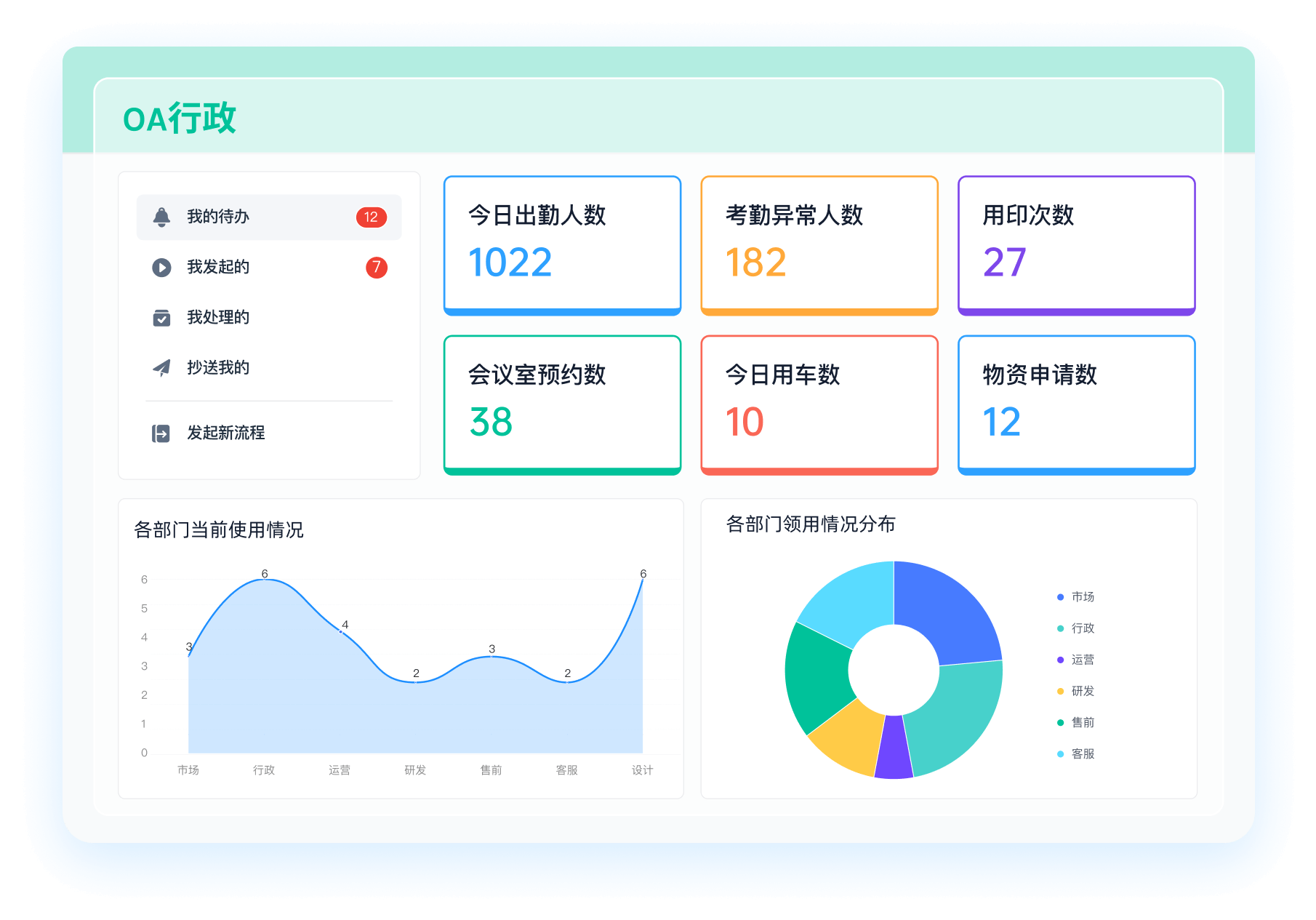
Sales and Marketing: ERP systems integrate customer data, track sales leads, and manage marketing campaigns to enhance customer engagement.
-
Customer Service: ERP software helps in managing customer inquiries, complaints, and feedback to provide timely and effective customer service.
-
Customer Analytics: ERP systems offer insights into customer behaviors, preferences, and buying patterns to improve customer satisfaction and retention.
5. Manufacturing and Production Management
-
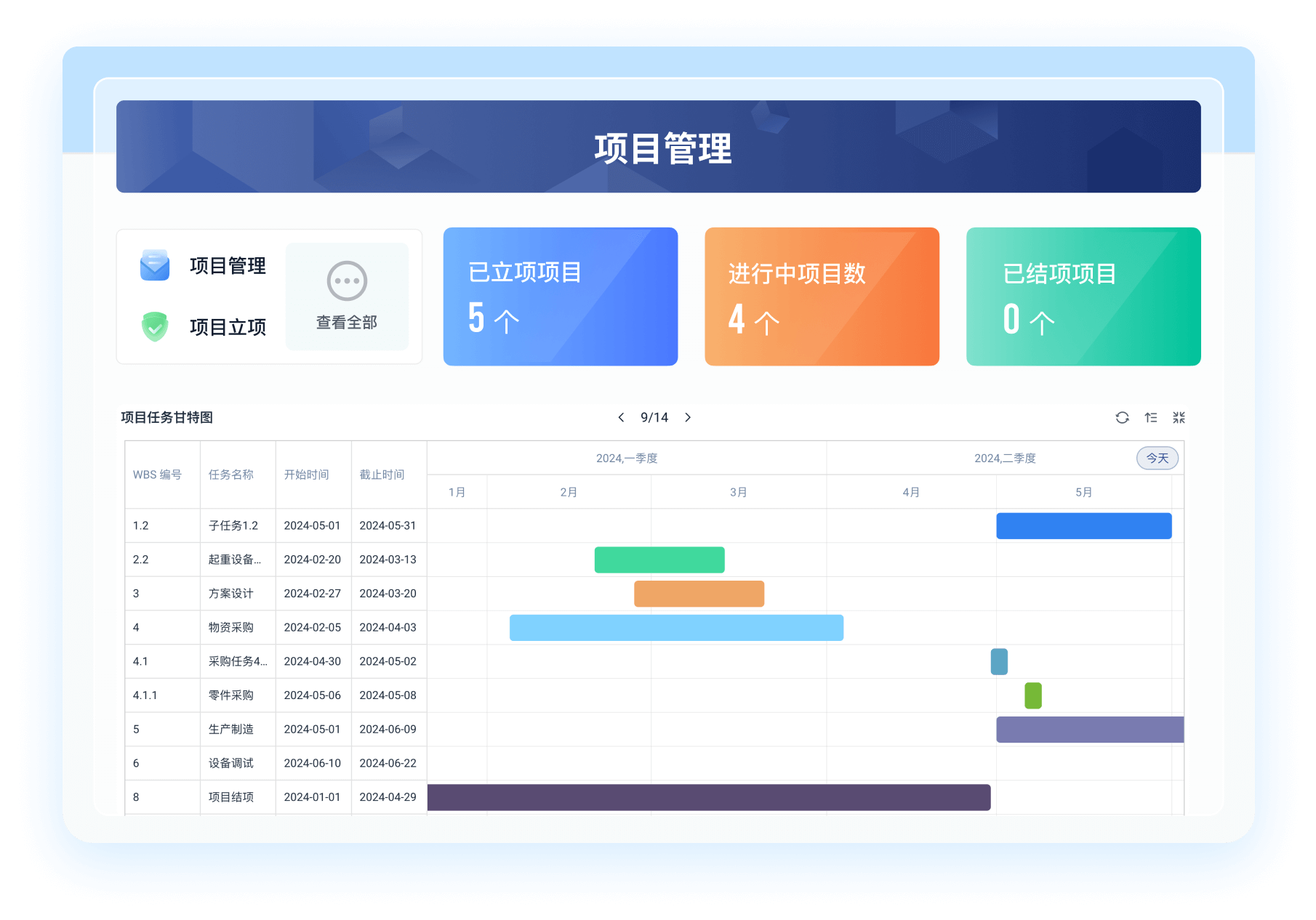
Production Planning: ERP systems assist in production planning, scheduling, and monitoring to optimize production efficiency.
-
Quality Control: ERP software helps in tracking product quality, managing quality control processes, and ensuring compliance with quality standards.
-
Shop Floor Management: ERP systems provide real-time visibility into shop floor operations, track work progress, and manage resources effectively.
-
Supplier Collaboration: ERP software enables collaboration with suppliers, sharing production schedules, and coordinating supply chain activities.
6. Reporting and Analytics
-
Real-Time Reporting: ERP systems offer real-time reporting capabilities, providing up-to-date information for decision-making.
-
Dashboards and KPIs: ERP software generates interactive dashboards and key performance indicators (KPIs) to monitor business performance.
-
Predictive Analytics: ERP systems use predictive analytics to forecast trends, identify opportunities, and mitigate risks.
-
Custom Reports: ERP software allows users to create custom reports tailored to specific business needs and requirements.
Conclusion
ERP systems play a crucial role in helping organizations streamline their operations, improve efficiency, and make informed decisions. From managing financial resources to optimizing supply chain operations, ERP software offers a wide range of functionalities that can benefit businesses of all sizes. By leveraging the capabilities of ERP systems, companies can enhance productivity, reduce costs, and achieve sustainable growth.
2年前 -
-
企业资源计划(ERP)是一种集成管理软件系统,能够帮助企业管理和监控其各个部门和业务流程。通过ERP系统,企业可以实现多方面的功能和效益:
-
综合管理:ERP系统整合了企业的各个部门和业务流程,包括财务会计、采购、生产、销售、人力资源等,使得企业能够更加高效地管理整个企业运营。
-
数据集中化:ERP系统将企业各个部门的数据集中存储在一个数据库中,避免了数据分散和冗余,提高了数据的准确性和一致性。
-
自动化流程:ERP系统能够自动化企业的业务流程,包括订单处理、库存管理、财务核算等,减少人工操作和手工录入,提高工作效率。
-
实时信息:ERP系统提供实时的数据和报表,帮助管理层及时了解企业的运营状况和业绩,进行决策和规划。
-
成本控制:通过ERP系统,企业能够更好地控制成本,包括生产成本、库存成本、人力成本等,帮助企业提高盈利能力。
-
效率提升:ERP系统可以帮助企业优化业务流程,提高工作效率和生产效率,减少资源浪费,提高企业竞争力。
-
质量管理:ERP系统可以帮助企业监控和管理产品的质量,追踪产品的质量问题并采取相应措施,提高产品质量和客户满意度。
-
供应链管理:通过ERP系统,企业可以优化供应链管理,包括从原材料采购到生产再到销售的整个流程,协调各个供应商和合作伙伴,降低库存和运营成本。
总的来说,ERP系统可以帮助企业实现信息化管理,提高管理水平和决策效率,降低管理成本,优化资源配置,提升企业整体竞争力。
2年前 -
-
企业资源计划(ERP)是一种集成管理应用程序,通过整合公司内部和外部的信息流程,对公司的资源进行全面的规划和管理。通过ERP系统,企业可以实现许多功能和优势,以下是通过ERP系统可以做到的几个方面:
-
综合管理:ERP系统可以整合管理企业的各个部门和业务流程,包括财务、采购、生产、库存、销售、人力资源等,统一数据流和业务流程,实现全面掌控和优化各项业务活动。
-
自动化流程:ERP可以帮助企业实现业务流程的自动化,减少人工干预和繁琐操作,提高工作的效率和准确性。通过ERP系统,企业可以建立标准化的流程和规范化的操作,减少重复劳动,提高工作效率。
-
数据分析与报告:ERP系统可以收集、整理和分析大量的数据,生成各类报表和分析结果,帮助企业管理层做出明智的决策。通过ERP系统,企业可以实时监控业务运营状况,及时发现问题并采取相应措施。
-
整合供应链:ERP系统可以整合企业的供应链管理,包括供应商、生产商、分销商等各个环节,实现信息流、物流和资金流的高效协同。企业可以通过ERP系统实现对供应链的全面监控和协调,降低成本,提高效益。
-
客户关系管理:ERP系统也可以帮助企业实现客户关系管理(CRM),通过完善的客户信息数据库和沟通管理功能,实现对客户的全面跟踪和管理。企业可以通过ERP系统提高客户满意度,提升客户忠诚度,从而实现更好的市场竞争力。
总的来说,通过ERP系统,企业可以实现信息的集中化管理、流程的优化自动化、决策的智能化、成本的控制降低,从而提高企业的竞争力和经营效益。
2年前 -


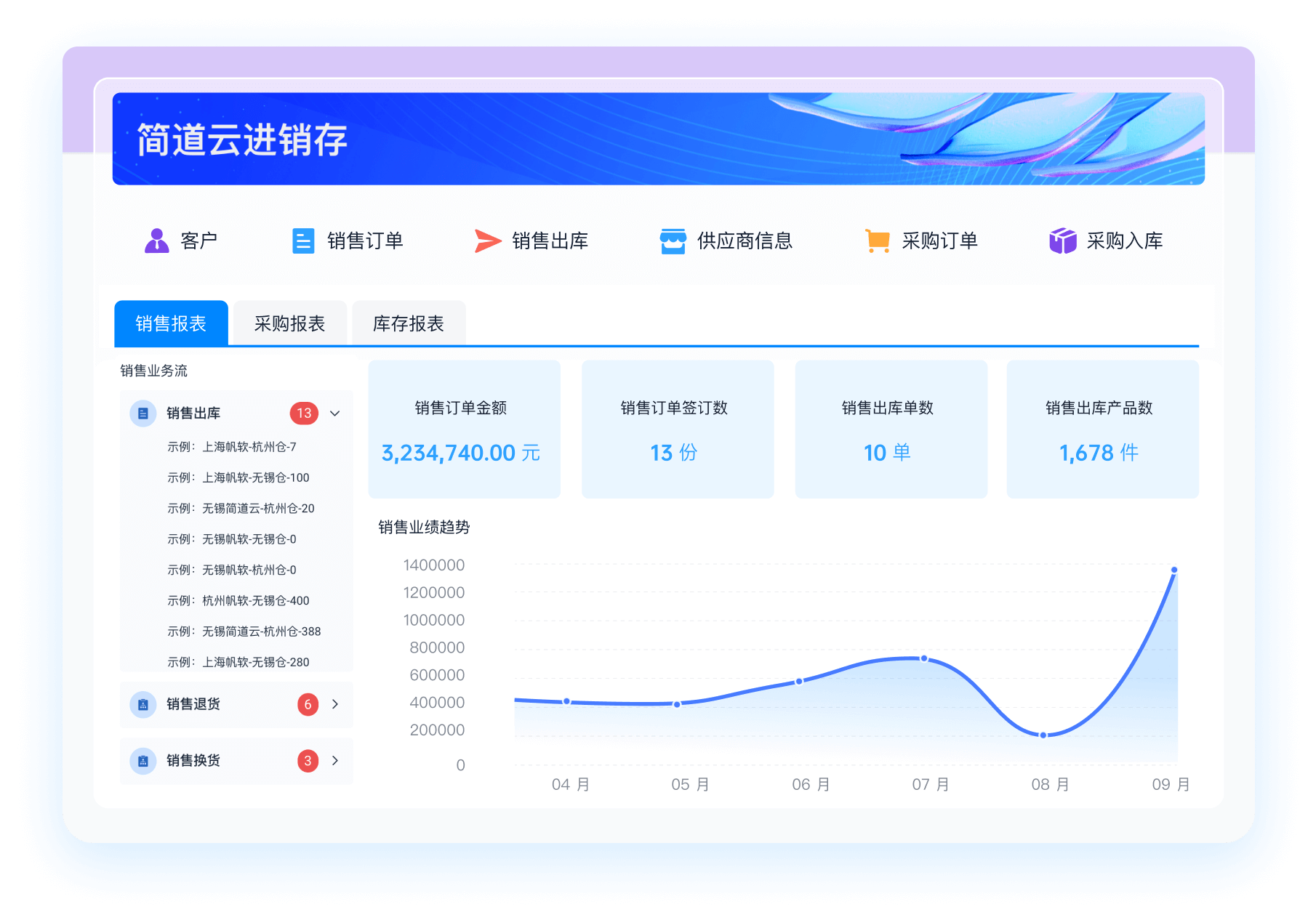
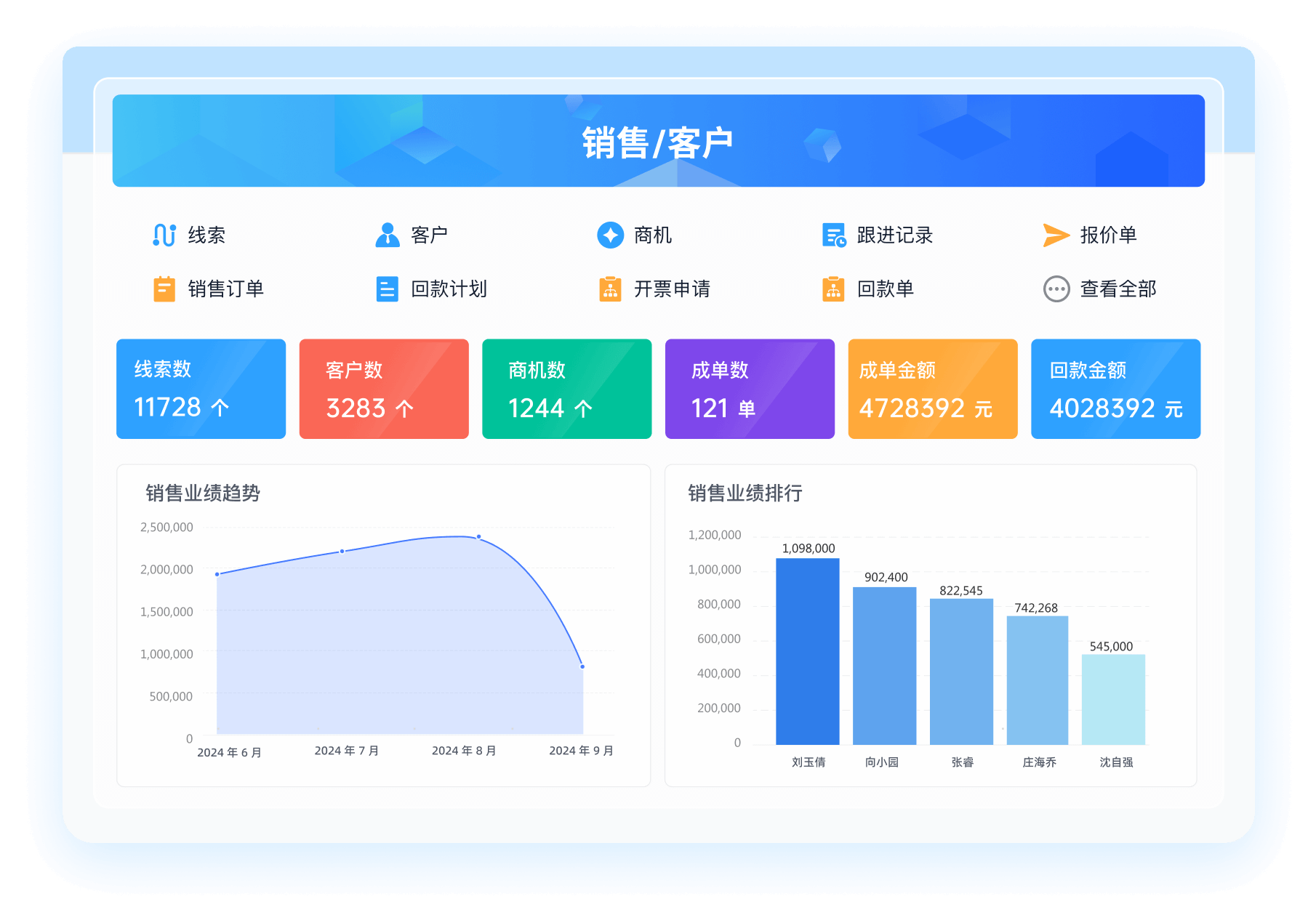
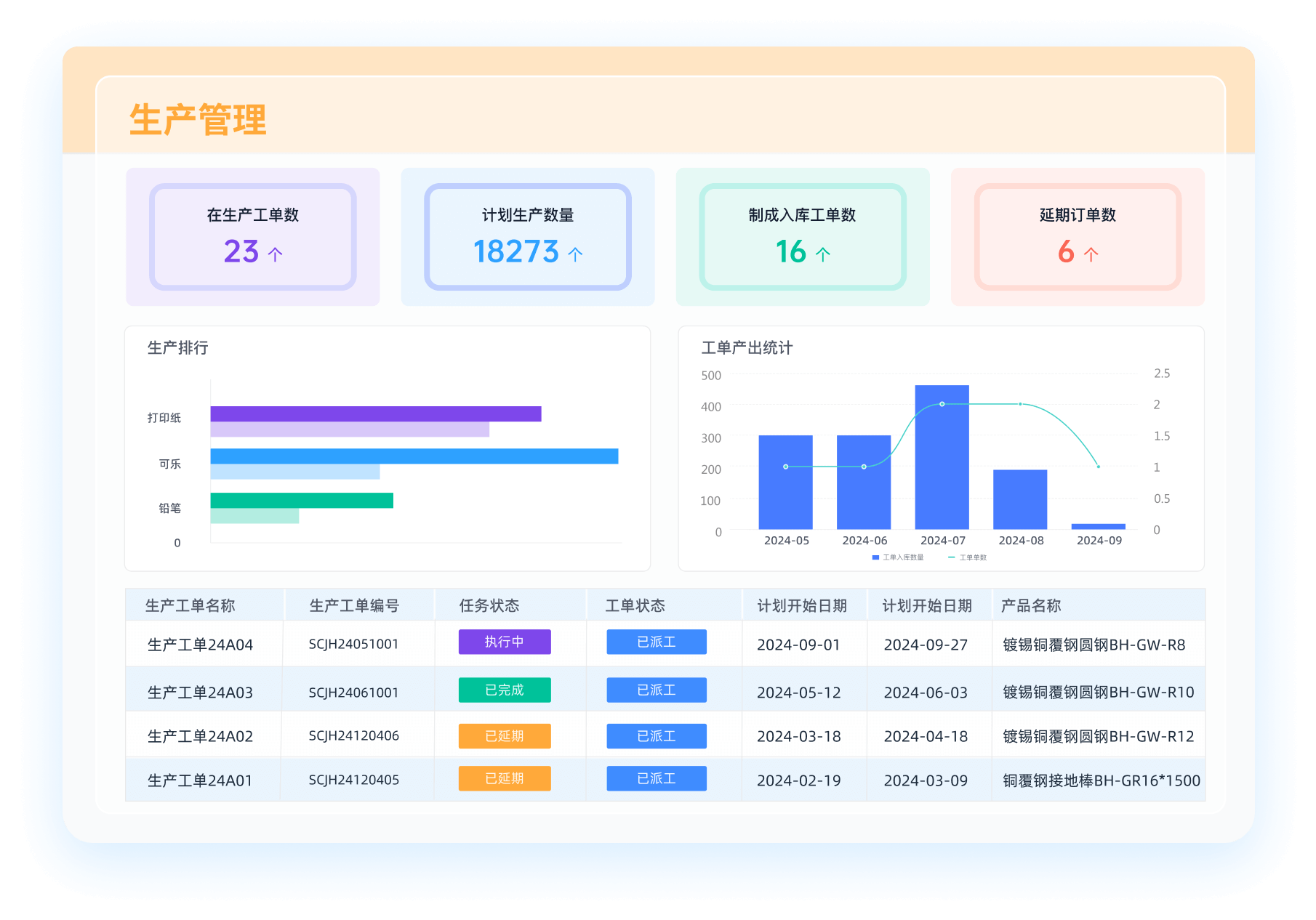
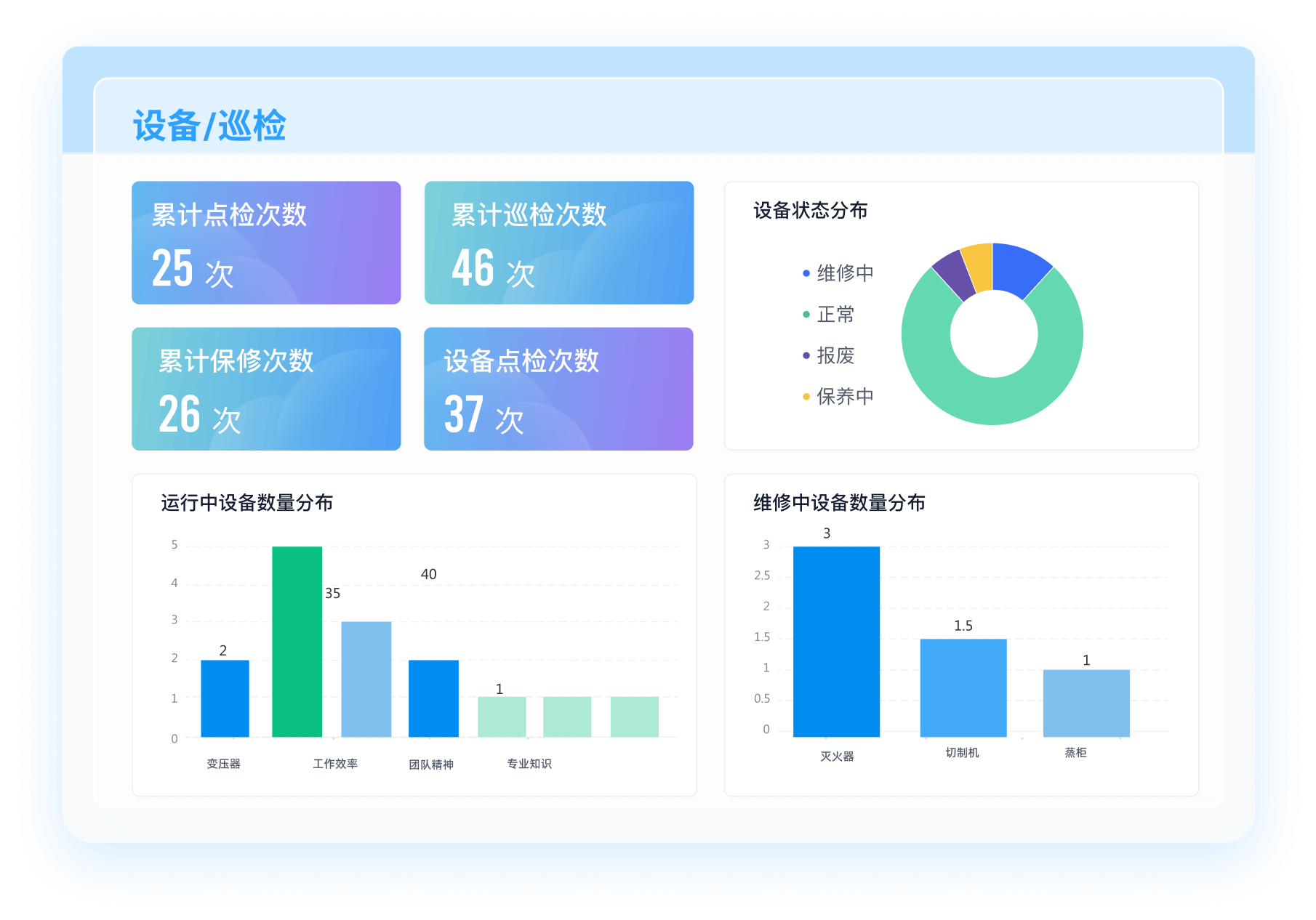















































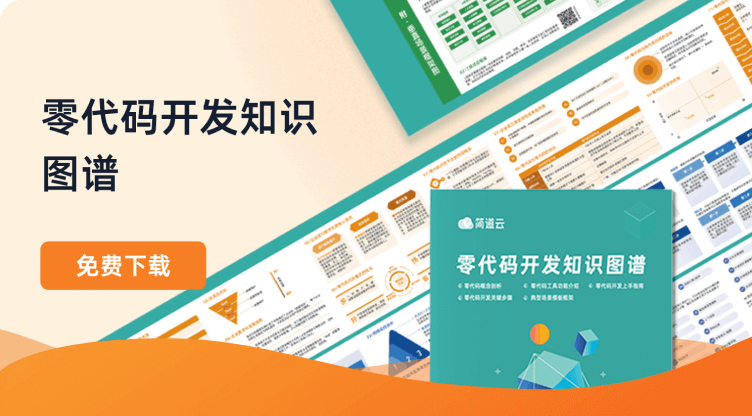 《零代码开发知识图谱》
 《零代码
新动能》案例集
《零代码
新动能》案例集
 《企业零代码系统搭建指南》











领先企业,真实声音
简道云让业务用户感受数字化的效果,加速数字化落地;零代码快速开发迭代提供了很低的试错成本,孵化了一批新工具新方法。
郑炯蒙牛乳业信息技术高级总监
简道云把各模块数据整合到一起,工作效率得到质的提升。现在赛艇协会遇到新的业务需求时,会直接用简道云开发demo,基本一天完成。
谭威正中国赛艇协会数据总监
业务与技术交织,让思维落地实现。四年简道云使用经历,功能越来越多也反推业务流程转变,是促使我们成长的过程。实现了真正降本增效。
袁超OPPO(苏皖)信息化部门负责人
零代码的无门槛开发方式盘活了全公司信息化推进的热情和效率,简道云打破了原先集团的数据孤岛困局,未来将继续向数据要生产力。
伍学纲东方日升新能源股份有限公司副总裁
通过简道云零代码技术的运用实践,提高了企业转型速度、减少对高技术专业人员的依赖。在应用推广上,具备员工上手快的竞争优势。
董兴潮绿城建筑科技集团信息化专业经理
简道云是目前最贴合我们实际业务的信息化产品。通过灵活的自定义平台,实现了信息互通、闭环管理,企业管理效率真正得到了提升。
王磊克吕士科学仪器(上海)有限公司总经理