
用友t3进销存怎么设计
-
用友T3是一款企业管理软件,具有全面的进销存管理功能,涵盖了采购、销售和库存管理等方面。在使用用友T3进行进销存管理时,需要合理设计系统结构和设置相关参数,以确保业务流程的高效运转。下面是关于如何设计用友T3进销存管理的一些建议:
-
确定企业的组织结构:在开始设计进销存管理系统之前,首先需要确定企业的组织结构,包括部门设置、人员分工等。在用友T3中,可以根据企业的实际情况设置相应的组织结构,方便进行权限管理和业务流程控制。
-
设置基础数据:在用友T3中,可以设置供应商、客户、物料、仓库等基础数据,这些数据是整个进销存管理的基础。在设置基础数据时,需要确保数据的准确性和完整性,以确保后续的业务操作能够顺利进行。
-
定义采购流程:在用友T3中,可以定义采购订单、采购入库、采购退货等相关流程。在设计采购流程时,需要考虑采购流程的各个环节,确保每个环节的顺利衔接和信息流畅的传递。
-
设定销售流程:与采购流程类似,销售流程也是用友T3中的重要功能之一。可以定义销售订单、销售出库、销售退货等相关流程,以确保销售业务的高效进行。
-
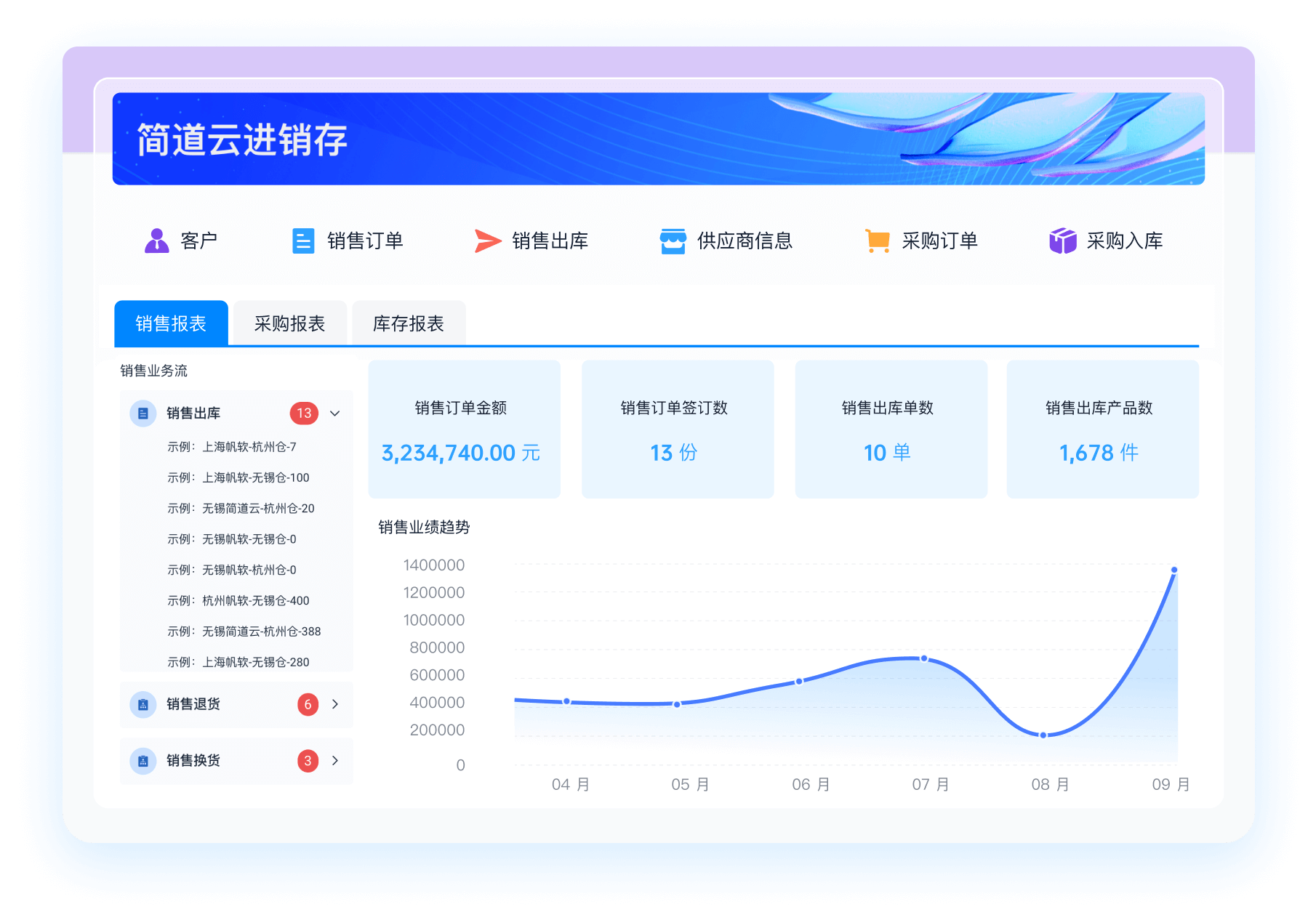
管理库存:库存管理是进销存管理中的重点之一。在用友T3中,可以进行库存盘点、库存调拨、库存查询等操作。合理管理库存,可以帮助企业减少库存积压、降低库存成本,提高资金利用效率。
通过以上几点设计,可以更好地利用用友T3进销存管理系统,实现业务流程的自动化和信息化,提高工作效率,降低成本,帮助企业实现进销存管理的良好运转。
2年前 -
-
在使用用友T3进行进销存系统设计时,需要考虑企业的具体业务流程和需求,结合软件的功能特点,合理设计系统架构和流程,以实现高效的库存管理、采购管理和销售管理。以下是设计用友T3进销存系统的一般步骤和方法:
-
确定系统功能模块:
首先,需要确定需要使用的进销存系统功能模块,包括库存管理、采购管理、销售管理等。根据企业的实际需求,选择合适的功能模块,确定系统中需要实施的具体功能。 -
设定权限控制:
在设计进销存系统时,需要合理设定用户权限,确保不同用户在系统中的操作权限和数据访问权限不同。通过设定角色和权限,控制用户对系统各个功能模块的访问权限,保障系统的安全性和数据的保密性。 -
设定基础数据:
在系统中设定基础数据,如物料信息、供应商信息、客户信息等。建立起完整、准确的基础数据,为后续的采购、销售和库存管理提供支持。 -
设计采购管理流程:
根据企业的采购需求和流程,设计系统中的采购管理流程。包括采购计划、采购订单的生成和审核、采购入库等环节。通过系统的流程设计,实现采购流程的规范化和自动化管理。 -
设计销售管理流程:
设计销售管理流程,包括销售订单的生成和审核、发货、销售出库等环节。确保销售订单的准确录入和及时处理,实现销售流程的高效运转。 -
设计库存管理流程:
设计库存管理流程,包括库存信息的录入和查询、库存调拨、盘点、报废等操作。通过系统实时更新库存信息,掌握物料库存情况,确保库存数据的准确性和及时性。 -
设计报表和查询功能:
设计报表和查询功能,为企业管理层提供及时的数据分析和决策支持。包括库存报表、采购报表、销售报表等,帮助企业了解各项业务指标的运营情况。 -
完善系统设置:
在系统设计完成后,需要对系统进行详细的设置和调试,确保系统的正常运行。包括数据备份设置、系统权限配置、流程调整等,确保系统能够按照设计要求正常运行。
总的来说,在设计用友T3进销存系统时,关键是要充分理解企业的业务需求和流程,结合用友T3的功能特点,合理设计系统架构和流程,确保系统能够满足企业的实际运营需求,提高企业的管理效率和运营水平。
2年前 -
-
1. 了解用友T3进销存系统
Before designing your inventory management system in Youyu T3, it is important to have a good understanding of the features and capabilities of the software. Youyu T3 is a comprehensive and integrated enterprise resource planning (ERP) system with modules for various business functions including procurement, inventory management, sales, finance, and more. The inventory management module in Youyu T3 enables businesses to efficiently manage their stock levels, track inventory movements, and optimize warehouse operations.
2. 定义您的业务需求
The first step in designing your inventory management system in Youyu T3 is to define your business requirements. Consider the following questions:
- What types of products do you sell?
- How many warehouses do you have?
- What is your sales volume?
- What are your current inventory management challenges?
- What are your long-term goals for inventory management?
These questions will help you determine the specific features and configurations you will need in Youyu T3 to effectively manage your inventory.
3. 创建物料档案
The next step is to create and set up item records for the products you sell in Youyu T3. Each item record should include information such as item code, description, unit of measure, pricing, and supplier information. This will allow you to accurately track and manage your inventory.
4. 设定库存参数
In Youyu T3, you can set up inventory parameters such as reorder points, safety stock levels, lead times, and batch tracking. By configuring these parameters, you can automate inventory replenishment processes, prevent stockouts, and optimize inventory levels.
5. 创建仓库信息
If you have multiple warehouses, you can set up warehouse information in Youyu T3 to track inventory quantities and movements across different locations. Each warehouse record should include details such as warehouse name, address, and storage capacity.
6. 进货流程
To manage your procurement process in Youyu T3, you can create purchase orders, record goods receipts, and track supplier performance. You can also set up approval workflows for purchase orders to ensure compliance with internal purchasing policies.
7. 销售流程
For sales management, Youyu T3 allows you to create sales orders, generate invoices, and process customer payments. You can also track sales performance, monitor inventory availability, and analyze sales trends.
8. 库存调整与盘点
Youyu T3 enables you to perform inventory adjustments and stocktaking to reconcile physical inventory counts with system records. This helps to identify discrepancies, prevent inventory shrinkage, and maintain inventory accuracy.
9. 库存报表与分析
In Youyu T3, you can generate various inventory reports and analytics to gain insights into your inventory performance. These reports may include stock status reports, inventory turnover analysis, and aging reports to help you make informed decisions about inventory management.
10. 维护与优化
Regular maintenance and optimization of your inventory management system in Youyu T3 are essential to ensure its effectiveness and efficiency. You can review and update inventory parameters, monitor key performance indicators, and continuously improve your inventory processes to meet changing business needs.
结论
Designing an effective inventory management system in Youyu T3 requires careful planning, configuration, and continuous improvement. By following the steps outlined above and leveraging the features of Youyu T3, you can streamline your inventory operations, increase inventory visibility, and enhance overall business performance.
2年前











































 《零代码开发知识图谱》
 《零代码
新动能》案例集
《零代码
新动能》案例集
 《企业零代码系统搭建指南》









领先企业,真实声音
简道云让业务用户感受数字化的效果,加速数字化落地;零代码快速开发迭代提供了很低的试错成本,孵化了一批新工具新方法。
郑炯蒙牛乳业信息技术高级总监
简道云把各模块数据整合到一起,工作效率得到质的提升。现在赛艇协会遇到新的业务需求时,会直接用简道云开发demo,基本一天完成。
谭威正中国赛艇协会数据总监
业务与技术交织,让思维落地实现。四年简道云使用经历,功能越来越多也反推业务流程转变,是促使我们成长的过程。实现了真正降本增效。
袁超OPPO(苏皖)信息化部门负责人
零代码的无门槛开发方式盘活了全公司信息化推进的热情和效率,简道云打破了原先集团的数据孤岛困局,未来将继续向数据要生产力。
伍学纲东方日升新能源股份有限公司副总裁
通过简道云零代码技术的运用实践,提高了企业转型速度、减少对高技术专业人员的依赖。在应用推广上,具备员工上手快的竞争优势。
董兴潮绿城建筑科技集团信息化专业经理
简道云是目前最贴合我们实际业务的信息化产品。通过灵活的自定义平台,实现了信息互通、闭环管理,企业管理效率真正得到了提升。
王磊克吕士科学仪器(上海)有限公司总经理