
生产管理软件英文

-
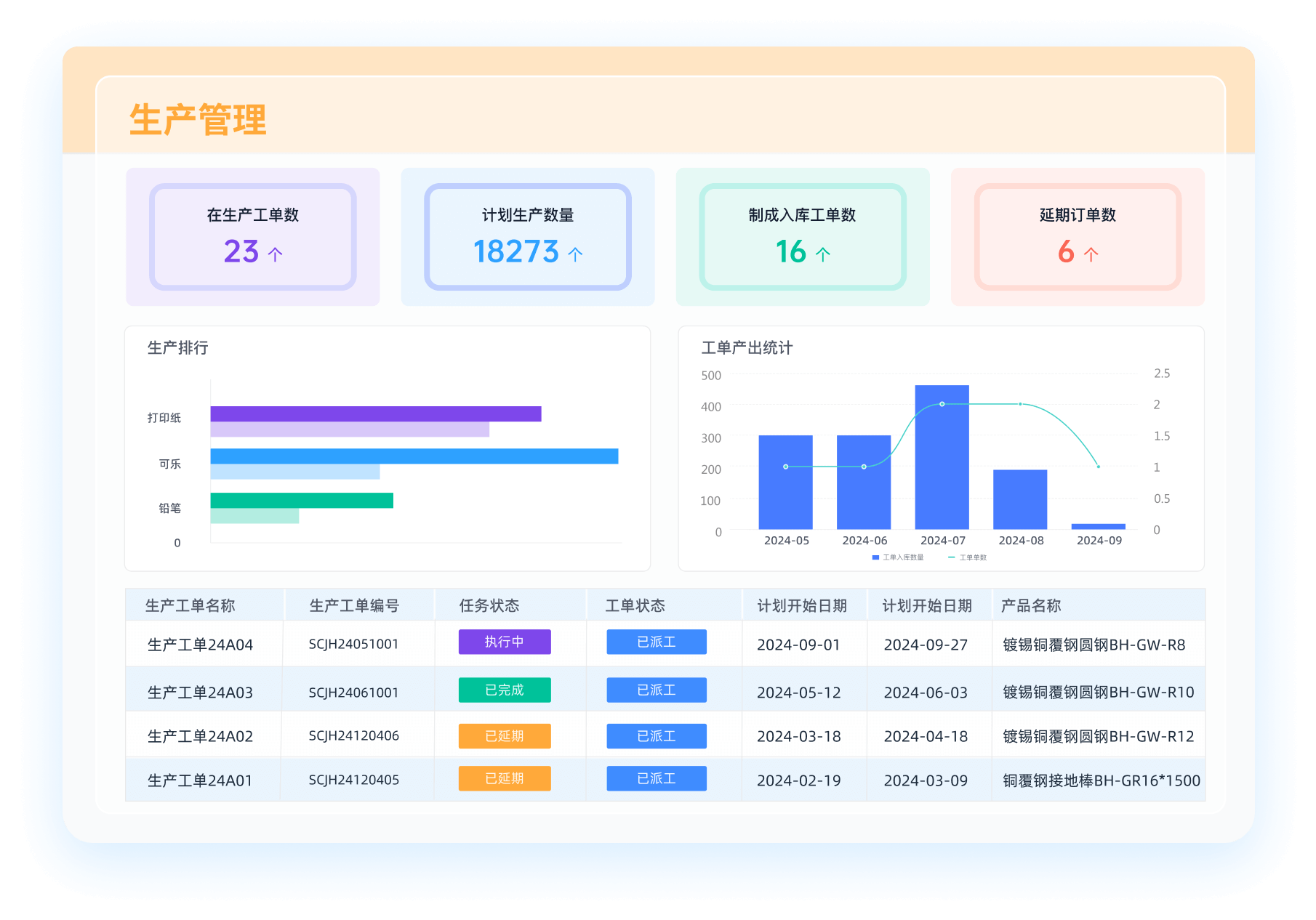
The production management software, often abbreviated as PMS, is a computer-based application that assists organizations in planning, tracking, and controlling their manufacturing processes. This software is designed to streamline the production operations, improve efficiency, and ultimately maximize the overall output of the manufacturing unit. The PMS typically includes modules for managing inventory, production scheduling, quality control, equipment maintenance, and various other aspects of manufacturing.
Key Features of Production Management Software
The production management software generally encompasses the following key features:
-
Inventory Management: This module helps in tracking raw materials, work-in-progress inventory, and finished goods, ensuring that the right materials are available at the right time for production.
-
Production Planning and Scheduling: It assists in creating production plans and schedules, optimizing resource utilization, and ensuring on-time deliveries.
-
Quality Control: This feature helps in maintaining product quality by setting quality standards, conducting inspections, and initiating corrective actions when needed.
-
Equipment Maintenance: It allows for scheduling and tracking the maintenance activities of production equipment to minimize downtime and breakdowns.
-
Resource Management: This module helps in managing the workforce, equipment, and other resources efficiently.
-
Reporting and Analysis: The software generates various reports and provides analytical tools to evaluate the production performance and identify areas for improvement.
Operating Procedure of Production Management Software
1. Installation and Configuration
- Procure the production management software from a reliable vendor or develop it in-house.
- Install the software on the designated servers or workstations.
- Configure the software according to the specific requirements of the manufacturing facility, including defining users, roles, and access permissions.
2. Master Data Entry
- Input all the master data related to raw materials, products, production processes, equipment, and other relevant information into the system.
3. Inventory Management
- Use the software to track the inventory levels, monitor stock movements, and set up reorder points for raw materials and finished products.
4. Production Planning
- Create production plans and schedules using the software, considering factors such as available resources, customer demand, and production capacity.
5. Quality Control
- Set quality parameters within the software and establish checkpoints to ensure that the products meet the required quality standards.
6. Work Order Management
- Generate and track work orders for the production floor, specifying details such as quantity, deadlines, and resource allocations.
7. Equipment Maintenance
- Schedule preventive maintenance activities for production equipment using the software, and record maintenance logs.
8. Resource Allocation
- Utilize the software for managing and allocating the workforce, machinery, and other resources for production activities.
9. Reporting and Analysis
- Generate various reports using the software to analyze production performance, inventory status, resource utilization, and other relevant metrics.
Benefits of Using Production Management Software
The adoption of production management software offers several benefits, including:
- Improved efficiency and productivity in manufacturing processes.
- Enhanced resource utilization and reduced wastage.
- Better inventory control and cost management.
- Streamlined production planning and scheduling.
- Facilitated decision-making through comprehensive data analysis.
- Standardized quality control processes.
- Regulatory compliance and traceability.
In conclusion, production management software plays a vital role in optimizing the manufacturing operations by providing tools for planning, monitoring, and controlling the production processes. Its features and functionalities are tailored to meet the specific needs of manufacturing units, contributing to increased efficiency, cost savings, and overall competitiveness.
2年前 -
-
Production management software
Production management software refers to computer programs designed to help businesses manage and optimize their manufacturing processes. These software solutions typically include features such as inventory management, production planning, scheduling, quality control, and performance analysis tools. By integrating various functions such as procurement, production, and logistics, production management software helps organizations streamline their operations, reduce costs, and improve efficiency.
Key features of production management software may include:
-
Inventory management: Tracking raw materials, work-in-progress inventory, and finished goods to ensure seamless production processes.
-
Production planning: Generating production schedules, allocating resources, and setting priorities to meet demand and delivery deadlines.
-
Scheduling: Assigning tasks to machines, workstations, and personnel based on availability, capacity, and order specifications.
-
Quality control: Monitoring product quality at different stages of production to identify defects and ensure compliance with standards.
-
Performance analysis: Analyzing production data to assess efficiency, identify bottlenecks, and make informed decisions for process improvement.
-
Reporting and analytics: Generating reports, dashboards, and visualizations to provide insights into production performance and trends.
Popular production management software solutions in the market include:
-
SAP Manufacturing Execution (MES): An integrated solution for managing production operations, tracking resources, and monitoring real-time performance.
-
Plex Systems: A cloud-based platform offering modules for inventory management, production scheduling, quality management, and compliance tracking.
-
Epicor ERP: A comprehensive ERP system with modules for production planning, shop floor control, and supply chain management.
-
IQMS (now part of Dassault Systèmes): A manufacturing ERP software with features for production scheduling, inventory control, and quality management.
-
Oracle Manufacturing Cloud: A cloud-based solution for managing production processes, tracking inventory, and optimizing production performance.
In conclusion, production management software plays a crucial role in helping businesses efficiently manage their manufacturing processes. By leveraging these tools, organizations can enhance productivity, reduce waste, improve quality, and stay competitive in today's fast-paced manufacturing industry.
2年前 -
-
The English translation for "生产管理软件" is "Production Management Software." This type of software helps businesses to monitor, track, and control the production process, including inventory management, scheduling, quality control, and resource allocation. It typically includes features such as production planning, order management, supply chain management, and reporting capabilities.
2年前


















































 《零代码开发知识图谱》
 《零代码
新动能》案例集
《零代码
新动能》案例集
 《企业零代码系统搭建指南》











领先企业,真实声音
简道云让业务用户感受数字化的效果,加速数字化落地;零代码快速开发迭代提供了很低的试错成本,孵化了一批新工具新方法。
郑炯蒙牛乳业信息技术高级总监
简道云把各模块数据整合到一起,工作效率得到质的提升。现在赛艇协会遇到新的业务需求时,会直接用简道云开发demo,基本一天完成。
谭威正中国赛艇协会数据总监
业务与技术交织,让思维落地实现。四年简道云使用经历,功能越来越多也反推业务流程转变,是促使我们成长的过程。实现了真正降本增效。
袁超OPPO(苏皖)信息化部门负责人
零代码的无门槛开发方式盘活了全公司信息化推进的热情和效率,简道云打破了原先集团的数据孤岛困局,未来将继续向数据要生产力。
伍学纲东方日升新能源股份有限公司副总裁
通过简道云零代码技术的运用实践,提高了企业转型速度、减少对高技术专业人员的依赖。在应用推广上,具备员工上手快的竞争优势。
董兴潮绿城建筑科技集团信息化专业经理
简道云是目前最贴合我们实际业务的信息化产品。通过灵活的自定义平台,实现了信息互通、闭环管理,企业管理效率真正得到了提升。
王磊克吕士科学仪器(上海)有限公司总经理