
北京生产制造信息软件

-
Title: How to Develop and Manufacture Information Software in Beijing
Introduction
Developing and manufacturing information software in Beijing requires a comprehensive understanding of the process, tools, and resources essential for success. This guide provides an in-depth explanation of the methods and operational procedures for creating and manufacturing information software in Beijing.Understanding the Market and Customer Needs
Before developing information software, it is essential to understand the market and the needs of potential customers. Conduct market research to identify the target audience, their preferences, and the features they expect from the software. This step is crucial in determining the viability and specific requirements for the software.Gathering Requirements
Once the target market and customer needs are understood, gather detailed requirements for the software. This involves determining the functionalities, user interface, performance expectations, and compatibility with various platforms. Engage with stakeholders, potential users, and industry experts to gather comprehensive requirements for the software.Selecting Development Tools and Technologies
Choose suitable development tools and technologies based on the gathered requirements. In Beijing, there is a burgeoning tech industry, and leveraging the latest technologies and tools can greatly enhance the development process. Consider using programming languages like Python, Java, or C++, and frameworks such as React, Angular, or Vue.js for front-end development. For back-end development, options like Node.js, Flask, or Django can be employed. Additionally, select appropriate databases, development environments, and version control systems based on the specific needs of the project.Software Design and Architecture
Create a detailed software design and architecture that aligns with the requirements. Utilize industry-standard design patterns and best practices for developing a scalable, maintainable, and efficient software architecture. This phase involves creating system diagrams, database schemas, wireframes, and user interface designs. Beijing offers access to a wealth of design and architectural expertise, which can be harnessed for this phase of software development.Development Process
Implement an agile development approach to ensure flexibility and adaptability throughout the software development process. Divide the development process into sprints, with each sprint focusing on specific features or functionalities. Continuous integration and continuous deployment (CI/CD) practices can be employed to ensure a streamlined development process and early detection of issues.Quality Assurance and Testing
Implement a comprehensive quality assurance and testing process to ensure the reliability and functionality of the software. Utilize various testing methods including unit testing, integration testing, system testing, and user acceptance testing. Automated testing tools and frameworks can be employed to streamline the testing process. In Beijing, there is a growing emphasis on quality assurance and testing, with access to skilled QA professionals and testing infrastructure.Localization and Internationalization
Given the international nature of software development, consider localization and internationalization requirements. Ensure that the software can be easily adapted to different languages, cultures, and regions. Beijing serves as a hub for international business, and leveraging the diverse cultural expertise available in the city can aid in the localization and internationalization of the software.Manufacturing and Deployment
Once the software development is complete, initiate the manufacturing and deployment process. Create installation packages, setup guides, and documentation for end users. Utilize cloud services or on-premises infrastructure for hosting and deployment. Beijing offers access to robust cloud services and data centers, enabling efficient software deployment.Regulatory Compliance and Intellectual Property Protection
Adhere to regulatory compliance requirements for software manufacturing and distribution. Ensure that the software complies with data protection regulations, intellectual property laws, and any industry-specific standards. It is essential to protect the intellectual property associated with the software through patents, copyrights, or other legal measures. Beijing has a robust legal framework for intellectual property protection, and businesses can avail of legal expertise in this regard.Conclusion
Developing and manufacturing information software in Beijing involves a systematic approach that encompasses market understanding, requirements gathering, technology selection, development, testing, localization, and compliance. By following these methods and procedures, businesses can navigate the complexities of software development in Beijing, leveraging its technological advancements and expertise to create successful information software.2年前 -
北京作为中国的首都和经济中心,拥有着悠久的历史和丰富的资源优势,吸引了众多的信息软件制造企业。这些企业在北京的生产制造信息软件方面发挥着重要作用,为城市的经济发展和科技创新做出了积极的贡献。
一、 北京作为信息技术产业聚集地,在信息软件制造方面拥有得天独厚的优势。北京拥有丰富的高等教育资源和科研力量,有着优秀的科技人才储备,这为北京的信息软件制造提供了强大的人才支持。同时,北京有着完善的市场体系和产业链,为信息软件制造企业的发展提供了良好的环境和资源保障。此外,北京还拥有着发达的交通网络和便利的物流体系,为信息软件的生产制造和流通提供了便利条件。
二、 从产品的角度来看,北京生产制造的信息软件包括各种类型,涵盖领域广泛。其中,智能化的大数据分析软件、人工智能应用软件、云计算平台软件等是当前北京信息软件制造的热点产品。这些软件产品在企业管理、科研创新、金融服务、医疗健康等领域发挥着重要作用,推动了各行各业的发展和进步。
三、 在生产制造过程中,北京的信息软件企业注重技术创新和质量控制。他们不断进行技术研发和创新实践,不断提升软件产品的技术含量和竞争力。同时,在生产制造过程中,他们严格遵循质量管理标准,控制产品的质量,确保产品的可靠性和安全性。
总的来说,北京作为中国的经济中心和信息技术产业聚集地,在信息软件制造方面具有得天独厚的优势。北京的信息软件制造企业在产品种类、技术创新和质量控制方面都表现出色,为中国乃至全球的信息技术应用提供了重要的支持和保障。随着信息技术的不断发展和应用,相信北京的信息软件制造业将会迎来更加广阔的发展空间。
2年前 -
北京作为中国的首都和经济中心,拥有着丰富的制造业和信息软件产业资源。在北京,生产制造信息软件是一个涉及到多个领域和产业链的复杂过程。下面将介绍北京生产制造信息软件的相关信息:
-
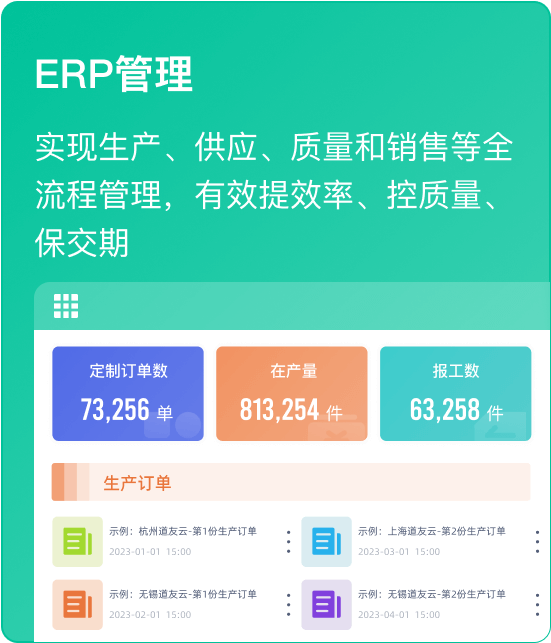
制造业发展:北京拥有着发达的制造业基础,涉及航空航天、汽车、通信设备、电子产品、医药和化工等领域。这些制造业对信息软件的需求日益增长,例如在生产过程中需要使用企业资源计划(ERP)软件、生产管理系统(MES)软件等来提高生产效率和管理水平。
-
信息软件产业:北京是中国重要的信息软件产业基地,拥有众多软件企业和研发机构。这些企业涵盖了从软件开发、定制到集成服务的全产业链条,涉及企业管理软件、大数据分析软件、人工智能应用软件等多个领域。
-
技术创新:北京的信息软件产业积极推动技术创新,不断推出具有自主知识产权的软件产品和解决方案。例如,在云计算、物联网、区块链等新兴技术领域,北京的软件企业积极探索创新,提高软件的功能性和适用性。
-
产业融合:在北京,制造业和信息软件产业正在进行融合,通过工业互联网和智能制造等技术手段,实现制造业的数字化、智能化转型。信息软件在制造业中发挥着重要的作用,包括生产过程监控、设备维护管理、供应链协同等多个方面。
-
国际合作:北京的信息软件产业积极开展国际合作,通过引进国外先进技术和经验,提升国内软件产品的质量和竞争力。同时,北京的软件企业也积极拓展海外市场,将中国制造和北京软件“走出去”,为国际市场提供高品质的信息软件产品和解决方案。
总之,北京的生产制造信息软件涉及到制造业、软件产业、技术创新、产业融合和国际合作等多个方面,对于促进北京经济的发展和提升中国制造业水平发挥着重要作用。
2年前 -


















































 《零代码开发知识图谱》
 《零代码
新动能》案例集
《零代码
新动能》案例集
 《企业零代码系统搭建指南》











领先企业,真实声音
简道云让业务用户感受数字化的效果,加速数字化落地;零代码快速开发迭代提供了很低的试错成本,孵化了一批新工具新方法。
郑炯蒙牛乳业信息技术高级总监
简道云把各模块数据整合到一起,工作效率得到质的提升。现在赛艇协会遇到新的业务需求时,会直接用简道云开发demo,基本一天完成。
谭威正中国赛艇协会数据总监
业务与技术交织,让思维落地实现。四年简道云使用经历,功能越来越多也反推业务流程转变,是促使我们成长的过程。实现了真正降本增效。
袁超OPPO(苏皖)信息化部门负责人
零代码的无门槛开发方式盘活了全公司信息化推进的热情和效率,简道云打破了原先集团的数据孤岛困局,未来将继续向数据要生产力。
伍学纲东方日升新能源股份有限公司副总裁
通过简道云零代码技术的运用实践,提高了企业转型速度、减少对高技术专业人员的依赖。在应用推广上,具备员工上手快的竞争优势。
董兴潮绿城建筑科技集团信息化专业经理
简道云是目前最贴合我们实际业务的信息化产品。通过灵活的自定义平台,实现了信息互通、闭环管理,企业管理效率真正得到了提升。
王磊克吕士科学仪器(上海)有限公司总经理