
生产收发存软件

-
Title: Introduction to Production Inventory Management Software
Introduction
Production Inventory Management Software plays a crucial role in companies' warehouse and inventory management processes, enabling businesses to efficiently track, manage, and optimize their inventory levels. This software typically provides features such as inventory tracking, sales and purchase order management, warehouse management, and reporting and analytics. In this article, we will discuss the methods and operational processes involved in the implementation and use of production inventory management software.Selecting the Right Software
When choosing production inventory management software, it's essential to consider the specific needs of the business. Factors to consider include the size of the inventory, the complexity of the production process, the number of warehouses, integration with other systems (such as accounting or customer relationship management software), and the budget available for the software.Implementing the Software
Once the software is selected, the implementation process begins. This typically involves the following steps:-
Requirement Analysis: Understanding the specific requirements of the business, including the need for features such as barcode scanning, serial number tracking, batch tracking, etc.
-
Data Migration: Transferring existing inventory data to the new system, ensuring the accuracy and completeness of the data.
-
System Configuration: Configuring the software based on the business requirements, including setting up locations, units of measure, stock reordering rules, and user permissions.
-
Integration: Integrating the inventory management software with other systems used in the company, such as accounting software, ERP systems, or e-commerce platforms.
-
Training: Providing training to the staff who will be using the software, ensuring they understand how to perform tasks such as receiving inventory, processing sales orders, and conducting stocktakes.
Operational Flow
Once the software is implemented, the operational flow involves the day-to-day use of the software in managing the production inventory. The following are the key operational processes:-
Inventory Tracking: The software allows users to track the movement of inventory items in real-time. This includes receiving inventory from suppliers, transferring stock between warehouses, and picking items for sales orders.
-
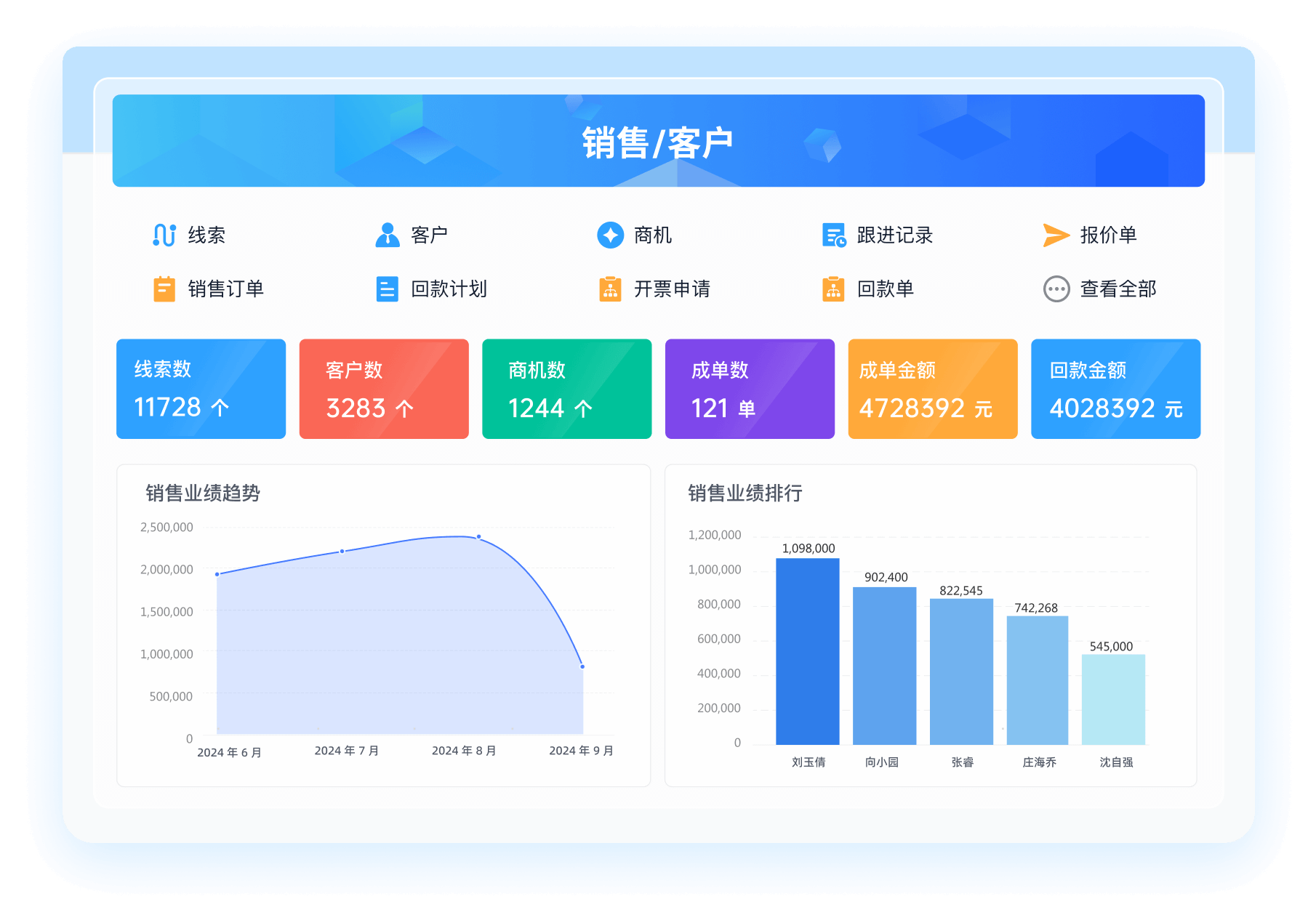
Sales and Purchase Order Management: Users can create and manage sales orders for customers, generate purchase orders for suppliers, and track the status of these orders.
-
Warehouse Management: This includes functionalities such as bin location management, stock transfers, stock adjustments, and cycle counting to maintain accurate inventory levels.
-
Reporting and Analytics: The software provides reporting tools to analyze inventory levels, stock turnover, and other key performance indicators. This data helps in making informed decisions about inventory management and ordering.
Continuous Improvement
After the software is implemented and operational, it's important to continually review and improve the processes. This involves regularly analyzing inventory data, identifying areas for improvement, and optimizing inventory levels to meet customer demand while minimizing holding costs.Conclusion
Production Inventory Management Software plays a vital role in streamlining inventory management processes, improving accuracy, and increasing efficiency. With the right software and operational processes in place, businesses can effectively manage their production inventory and contribute to overall operational success.2年前 -
-
生产收发存软件是指用于管理企业生产、仓储和物流等方面的信息化系统,主要功能包括生产计划管理、原料采购管理、生产作业管理、库存管理、出入库管理、配送管理等。这类软件通过信息化手段,帮助企业实现生产过程的优化和物流流程的高效管理,提高企业的生产效率和管理水平,降低生产成本,提高货物的流转速度,减少库存积压,提高企业的竞争力。
生产收发存软件通常包括以下主要功能:
-
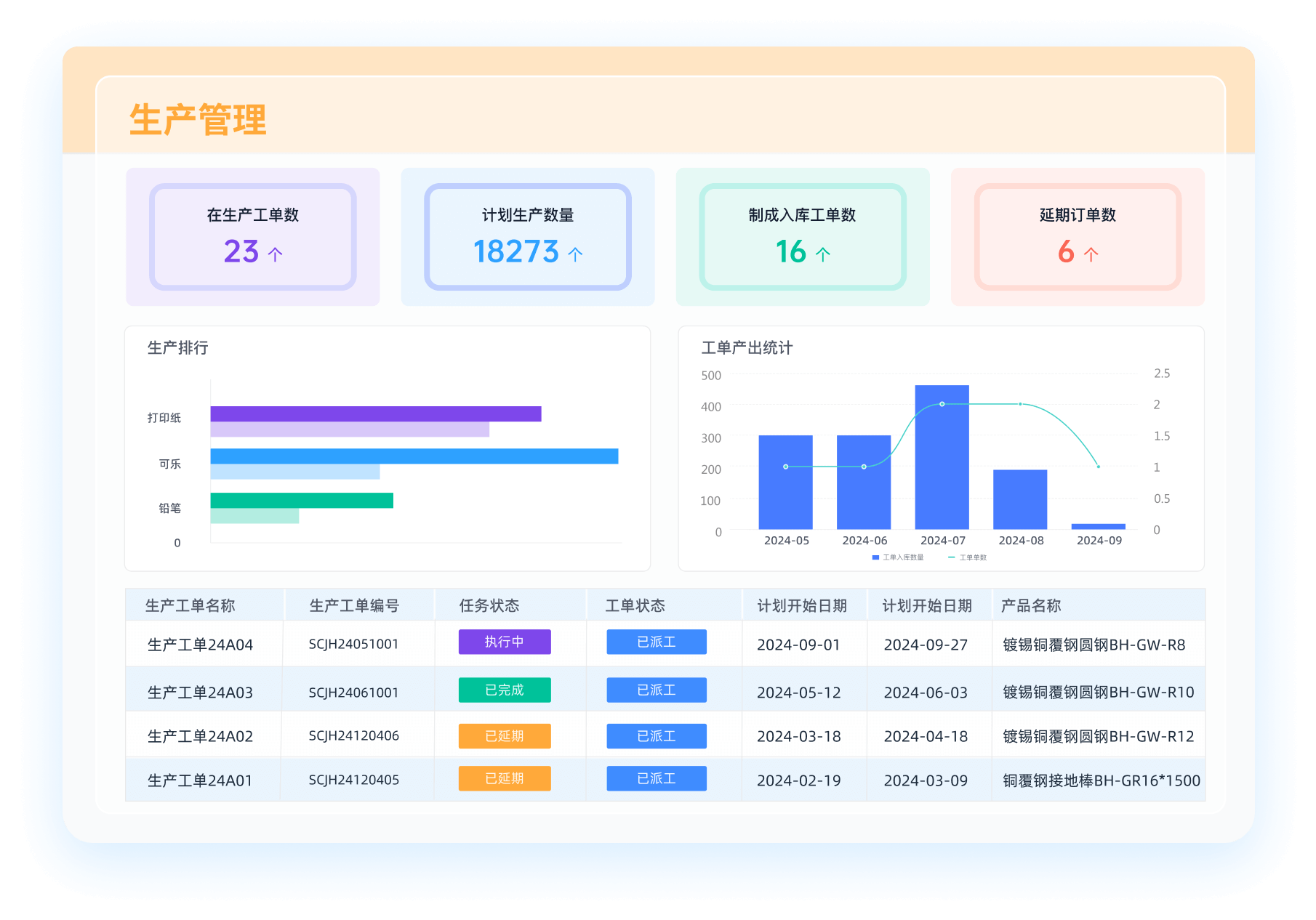
生产计划管理:包括订单管理、生产排程、生产进度跟踪等,可以有效协调各部门的工作,提高生产效率。
-
原料采购管理:包括供应商信息管理、采购订单管理、采购合同管理等,通过对原料采购的规划和管理,降低原材料库存成本,避免原材料库存积压。
-
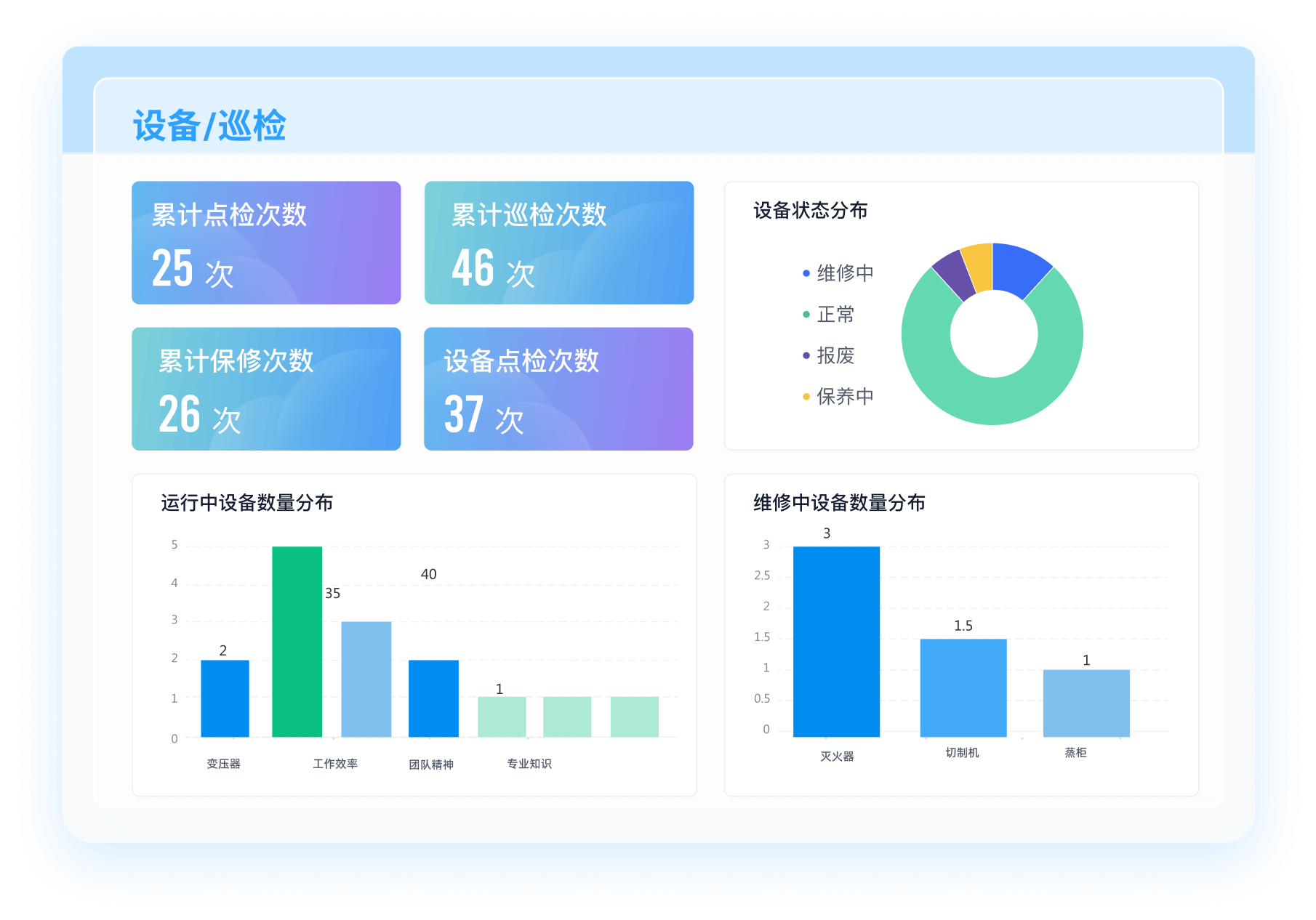
生产作业管理:包括生产工艺管理、车间作业管理、设备管理等,帮助企业实现生产过程的信息化和智能化。
-
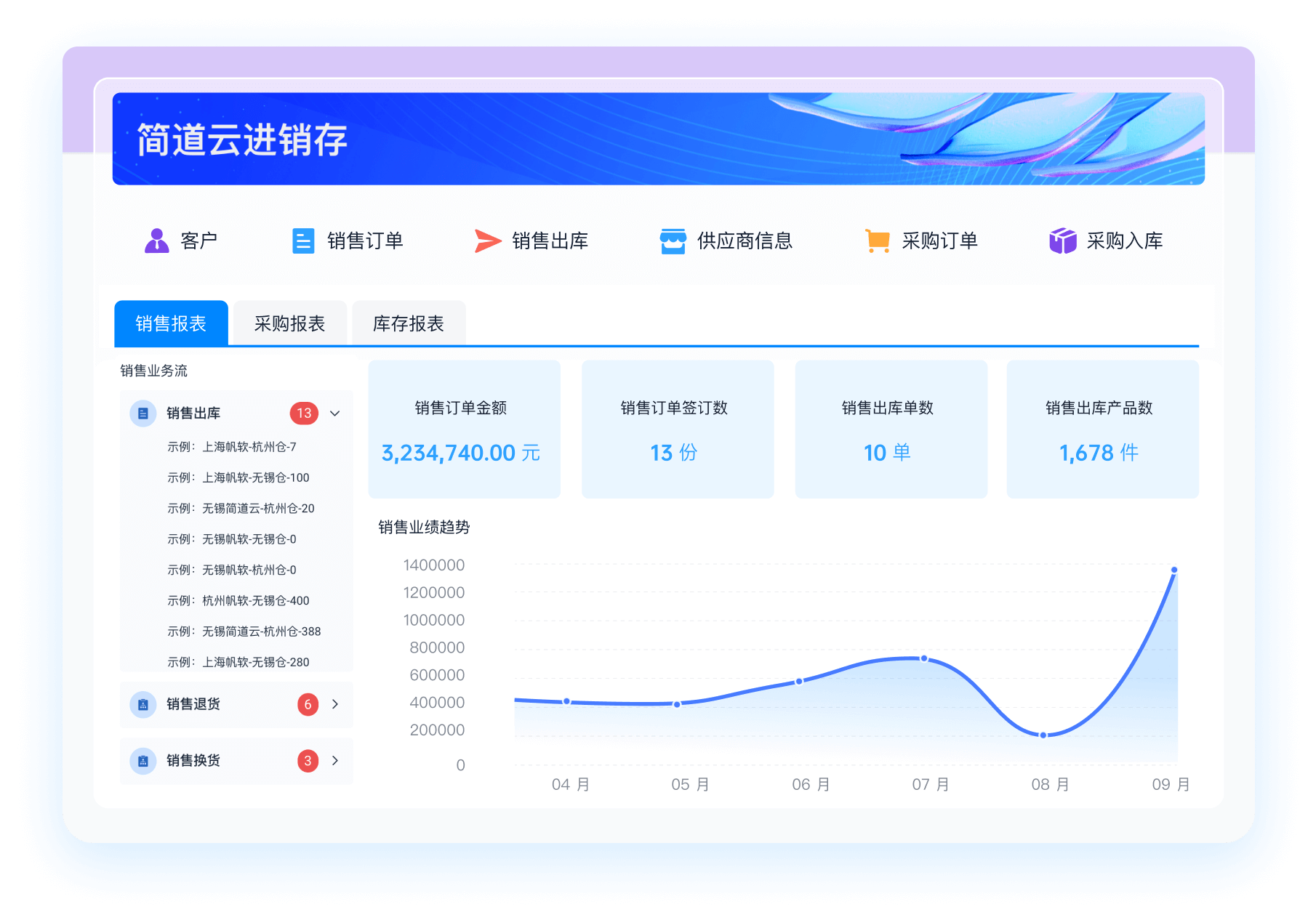
库存管理:包括库存盘点、库存调拨、报废品管理等,帮助企业实现库存的精准管理,降低库存风险。
-
出入库管理:包括销售订单管理、发货管理、退货管理等,帮助企业实现订单处理和配送流程的自动化。
-
配送管理:包括配载管理、运输跟踪、配送路线优化等,帮助企业实现物流配送过程的可视化和智能化管理。
在选择生产收发存软件时,企业需要根据自身的生产和物流特点,选择适合自己的软件产品。同时,软件选择应该考虑是否能够集成现有的企业信息系统,以及是否具有可扩展性和定制化的功能,以满足企业日益变化的管理需求。综上所述,生产收发存软件是企业信息化建设中不可或缺的重要组成部分,能够帮助企业提高管理水平和生产效率,进而增强竞争力。
2年前 -
-
生产收发存软件,也被称为生产物料管理软件(Manufacturing Resource Planning,简称MRP软件)是一种用来协调企业内部各个部门(如生产、采购、仓储等)之间的生产、物流和库存流程的软件系统。它主要包括生产计划、采购管理、库存控制、物料需求计划等功能,帮助企业实现生产计划的合理安排、库存的有效管理和物料的及时供应,提高生产效率、降低成本、增加利润。
以下是生产收发存软件的一些主要功能和特点:
-
生产计划管理:包括订单管理、产品工艺管理、生产排程、生产进度跟踪等功能,帮助企业计划生产活动,合理安排生产资源和人力,提高生产效率和交付能力。
-
物料需求计划(MRP):根据销售订单、库存水平、生产能力等信息,自动生成物料购买和生产计划,帮助企业合理安排物料采购和生产计划,避免物料短缺和库存积压的情况。
-
采购管理:包括供应商管理、采购订单处理、到货检验等功能,帮助企业合理选择供应商、优化采购流程,确保物料的及时供应和质量。
-
库存控制:包括库存盘点、库存预警、安全库存设置等功能,帮助企业实时掌握库存情况,避免库存积压和缺货情况,降低库存成本。
-
数据分析与报表:提供各类生产、采购、库存等方面的数据分析和报表功能,帮助企业了解业务状况,及时调整生产计划、库存策略,优化企业运营管理。
总的来说,生产收发存软件有助于企业实现生产、采购、库存等方面的高效管理,提高企业生产效率和产品质量,降低成本,增加利润。在当前激烈的市场竞争环境下,使用生产收发存软件已经成为很多企业提升竞争力、实现可持续发展的必要手段之一。
2年前 -


















































 《零代码开发知识图谱》
 《零代码
新动能》案例集
《零代码
新动能》案例集
 《企业零代码系统搭建指南》











领先企业,真实声音
简道云让业务用户感受数字化的效果,加速数字化落地;零代码快速开发迭代提供了很低的试错成本,孵化了一批新工具新方法。
郑炯蒙牛乳业信息技术高级总监
简道云把各模块数据整合到一起,工作效率得到质的提升。现在赛艇协会遇到新的业务需求时,会直接用简道云开发demo,基本一天完成。
谭威正中国赛艇协会数据总监
业务与技术交织,让思维落地实现。四年简道云使用经历,功能越来越多也反推业务流程转变,是促使我们成长的过程。实现了真正降本增效。
袁超OPPO(苏皖)信息化部门负责人
零代码的无门槛开发方式盘活了全公司信息化推进的热情和效率,简道云打破了原先集团的数据孤岛困局,未来将继续向数据要生产力。
伍学纲东方日升新能源股份有限公司副总裁
通过简道云零代码技术的运用实践,提高了企业转型速度、减少对高技术专业人员的依赖。在应用推广上,具备员工上手快的竞争优势。
董兴潮绿城建筑科技集团信息化专业经理
简道云是目前最贴合我们实际业务的信息化产品。通过灵活的自定义平台,实现了信息互通、闭环管理,企业管理效率真正得到了提升。
王磊克吕士科学仪器(上海)有限公司总经理