
生产管理 企业 软件

-
Title: Production Management Software for Enterprises
Introduction
Production management software plays a crucial role in helping enterprises efficiently plan, track, and optimize their manufacturing processes. This software allows companies to streamline their operations, reduce costs, improve productivity, and ultimately enhance their competitive edge in the market. In this comprehensive guide, we will explore the various aspects of production management software for enterprises, including its benefits, key features, implementation process, and best practices.Benefits of Production Management Software
Production management software offers a wide range of benefits for enterprises, including:-
Enhanced Efficiency: By automating various production processes, the software helps in minimizing manual errors and optimizing workflows, thereby improving overall operational efficiency.
-
Real-time Monitoring: It enables real-time tracking of production activities, inventory levels, and equipment performance, allowing enterprises to make informed decisions quickly.
-
Resource Optimization: The software helps in better utilization of resources such as materials, equipment, and manpower, leading to cost savings and improved productivity.
-
Quality Control: It facilitates quality assurance by implementing standardized processes and enabling real-time quality monitoring and compliance checks.
-
Data-driven Insights: By collecting and analyzing production data, the software provides valuable insights that can be utilized for process improvements and strategic decision-making.
Key Features of Production Management Software
Production management software typically includes the following key features:-
Production Planning: This feature allows enterprises to create and manage production schedules, allocate resources, and plan for various production activities.
-
Inventory Management: It enables the tracking of raw materials, work-in-progress inventory, and finished goods, ensuring optimal inventory levels and minimizing stockouts.
-
Workflow Automation: The software automates repetitive tasks, workflows, and approvals, streamlining the production process and reducing manual interventions.
-
Equipment Maintenance: It helps in scheduling and managing equipment maintenance, ensuring optimal performance and minimizing downtime.
-
Quality Assurance: The software includes tools for setting quality standards, conducting inspections, and managing non-conformances to ensure consistent product quality.
-
Reporting and Analytics: It provides customizable reports and real-time analytics to track key performance indicators, production metrics, and resource utilization.
Implementation Process
The implementation of production management software involves the following steps:-
Evaluation and Selection: Enterprises should carefully evaluate their production needs, existing processes, and future requirements before selecting a suitable software solution. Key stakeholders should be involved in the selection process to ensure alignment with business goals.
-
Customization and Configuration: Once the software is selected, it may need to be customized or configured to match the specific workflows and requirements of the enterprise. This may involve setting up production parameters, workflows, and user access levels.
-
Data Migration: If the enterprise is transitioning from legacy systems or manual processes, data migration is a critical step. It involves transferring relevant production data, such as inventory records, work orders, and bills of materials, to the new software system.
-
Training and Change Management: Proper training programs should be conducted to familiarize employees with the new software and its functionalities. Change management strategies should also be implemented to ensure a smooth transition and minimize resistance to change.
-
Testing and Deployment: Before full deployment, thorough testing of the software is essential to identify and resolve any issues or bugs. Once the software is deemed ready, it can be deployed across the production environment.
Best Practices for Production Management Software
To maximize the benefits of production management software, enterprises should follow these best practices:-
Establish Clear Goals: Define clear objectives and key performance indicators that the software implementation aims to achieve, such as reducing production lead times, improving on-time delivery, or optimizing resource utilization.
-
Engage Stakeholders: Involving key stakeholders from production, planning, finance, and IT departments is crucial for ensuring the software meets various business needs and aligns with organizational goals.
-
Continuous Improvement: Implement a culture of continuous improvement by regularly reviewing production processes, analyzing data insights, and making necessary adjustments to enhance efficiency and quality.
-
Integration with ERP Systems: Integrating production management software with enterprise resource planning (ERP) systems can provide a holistic view of the entire production and supply chain, leading to better decision-making and resource allocation.
-
Security and Compliance: Ensure that the software complies with data security standards and regulations to protect sensitive production data and intellectual property.
Conclusion
Production management software is a powerful tool for enterprises to optimize their manufacturing processes, improve efficiency, and maintain competitive advantage. By choosing the right software solution, aligning it with business objectives, and following best practices, enterprises can unlock the full potential of production management software and drive continuous improvement in their operations.2年前 -
-
生产管理软件是指帮助企业实现生产过程有效管理的一类软件。随着信息技术的发展,生产管理软件在企业生产管理中起着越来越重要的作用。接下来我将从生产管理软件的定义、功能、优势和发展趋势四个方面来详细介绍。
生产管理软件是指利用计算机技术、信息技术和管理科学方法对企业生产过程进行全面、系统、协调和高效的管理的一类软件。它主要应用于生产计划、生产调度、生产过程监控、生产成本核算等方面,可以帮助企业实现生产资源的合理配置,提高生产效率和产品质量,降低生产成本,最大限度地满足市场需求。
首先,生产管理软件的功能包括生产计划管理、生产过程监控、生产作业调度、原材料采购管理、库存管理、生产成本核算、质量管理等多个方面。生产计划管理功能可以帮助企业制定合理的生产计划,合理安排生产资源,满足订单需求;生产过程监控能够实时监测生产过程状态,发现并解决生产过程中的问题;生产作业调度能够合理安排生产作业顺序,提高生产效率;原材料采购管理和库存管理可以帮助企业合理安排原材料采购计划,降低库存成本;生产成本核算可以帮助企业准确核算生产成本,为企业制定合理的产品价格提供依据。
其次,生产管理软件的优势主要包括信息化管理、智能化决策、资源优化配置、成本降低和质量提升等方面。信息化管理使得企业生产管理过程更加透明、高效,管理人员可以通过系统实时获取生产信息,迅速做出决策;智能化决策能够帮助企业管理人员更科学地制定生产计划、调度生产作业,降低人为因素对生产管理的影响;资源优化配置能够帮助企业对生产资源进行合理配置,提高生产效率;成本降低主要体现在减少人力资源投入、降低库存成本等方面;质量提升则体现在生产过程监控和质量管理方面,通过软件系统对生产过程进行监控和管理,提高产品质量,减少次品率。
最后,生产管理软件的发展趋势主要包括智能化、云端化、大数据分析、以及与物联网、人工智能等新技术的深度融合。智能化是未来生产管理软件的发展趋势之一,通过数据挖掘、预测分析等技术,为企业提供更智能、更精准的生产管理决策;云端化是另一个发展方向,将生产管理软件部署在云端,可以实现跨地域、跨部门的协同工作,提高信息共享和管理效率;大数据分析能够帮助企业对海量生产数据进行分析,发现潜在的生产优化机会;与物联网、人工智能等新技术的深度融合将为生产管理软件带来更多的创新应用场景,例如智能设备在线监测、智能生产作业调度等。
可以预见,随着信息技术的不断发展,生产管理软件将在智能化、云端化、大数据分析等方面不断创新,为企业的生产管理带来更多的便利和价值。
2年前 -
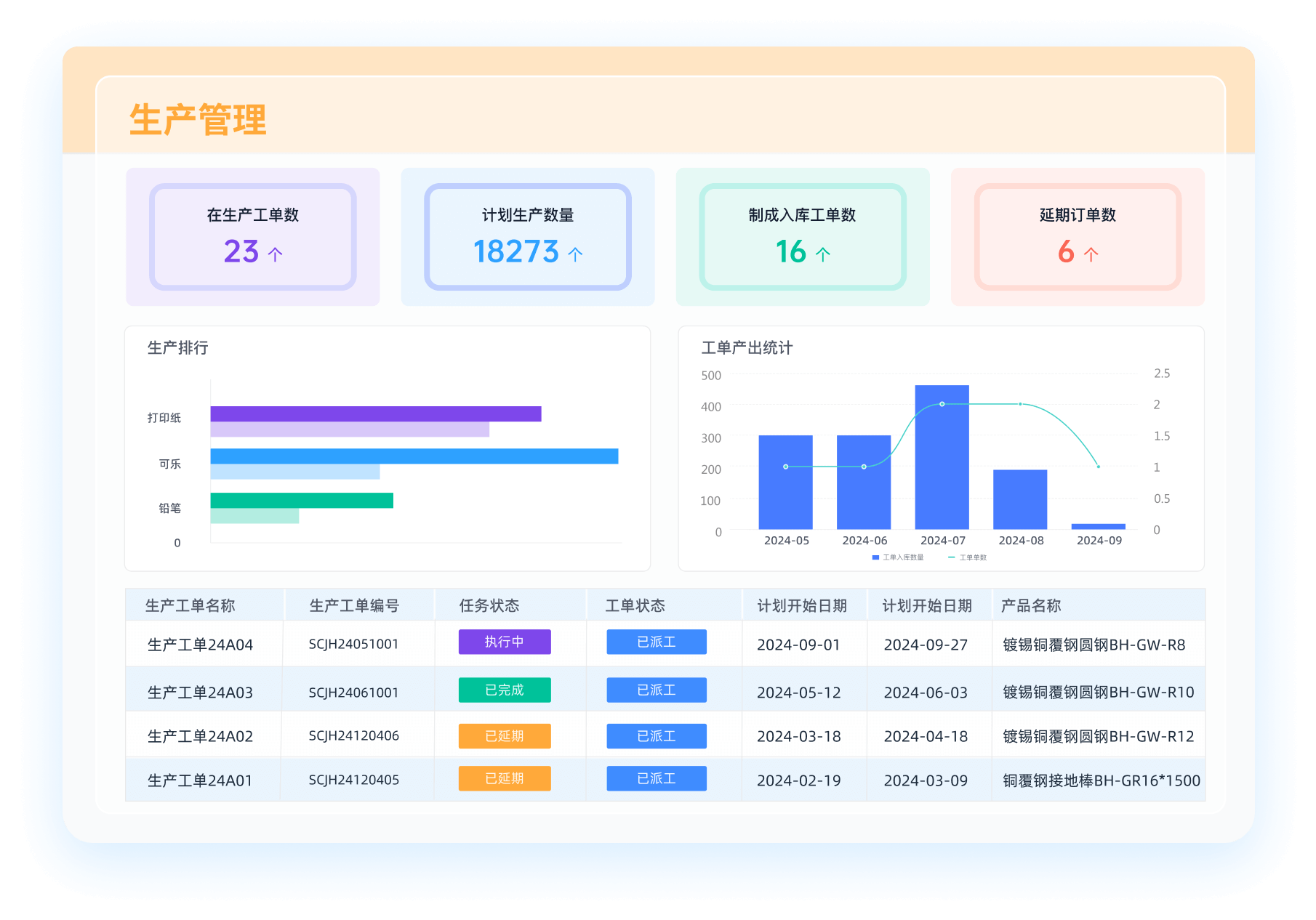
生产管理软件是为了帮助企业实现高效的生产管理而设计的。它通常包括一系列功能,以帮助企业有效地规划、监控和管理其生产过程。以下是生产管理软件的几个重要方面:
-
计划和排程:生产管理软件可以帮助企业制定生产计划和排程,以确保资源的充分利用和生产任务的按时完成。通过考虑设备、人力和原材料等资源的可用性,软件可以生成最佳的生产计划,并及时调整以满足市场需求的变化。
-
库存管理:这类软件可以帮助企业实时跟踪原材料和半成品的库存情况,以确保生产线不会出现原材料短缺或库存积压的问题。它还可以自动生成采购订单、调配物料和进行库存盘点,从而提高库存管理的效率。
-
质量控制:通过实时监测生产过程中的质量指标,并进行质量分析,生产管理软件可以帮助企业追踪产品质量的变化,并及时发现并纠正潜在的质量问题。这有助于提高产品质量,降低次品率,并最终提升客户满意度。
-
资源管理:生产管理软件可以帮助企业有效地管理人力、设备和其他生产资源。它可以跟踪设备的利用率、维护周期以及员工的工作安排,以便企业能够更好地规划资源并提高生产效率。
-
性能分析和报告:生产管理软件可以收集大量的生产数据,并将其转化为有用的信息和报告,从而帮助企业管理层更好地了解生产过程,进行绩效评估,并做出未来的决策。
总之,生产管理软件可以帮助企业实现生产过程的自动化、信息化和智能化,提高生产效率,降低成本,并增强市场竞争力。
2年前 -


















































 《零代码开发知识图谱》
 《零代码
新动能》案例集
《零代码
新动能》案例集
 《企业零代码系统搭建指南》











领先企业,真实声音
简道云让业务用户感受数字化的效果,加速数字化落地;零代码快速开发迭代提供了很低的试错成本,孵化了一批新工具新方法。
郑炯蒙牛乳业信息技术高级总监
简道云把各模块数据整合到一起,工作效率得到质的提升。现在赛艇协会遇到新的业务需求时,会直接用简道云开发demo,基本一天完成。
谭威正中国赛艇协会数据总监
业务与技术交织,让思维落地实现。四年简道云使用经历,功能越来越多也反推业务流程转变,是促使我们成长的过程。实现了真正降本增效。
袁超OPPO(苏皖)信息化部门负责人
零代码的无门槛开发方式盘活了全公司信息化推进的热情和效率,简道云打破了原先集团的数据孤岛困局,未来将继续向数据要生产力。
伍学纲东方日升新能源股份有限公司副总裁
通过简道云零代码技术的运用实践,提高了企业转型速度、减少对高技术专业人员的依赖。在应用推广上,具备员工上手快的竞争优势。
董兴潮绿城建筑科技集团信息化专业经理
简道云是目前最贴合我们实际业务的信息化产品。通过灵活的自定义平台,实现了信息互通、闭环管理,企业管理效率真正得到了提升。
王磊克吕士科学仪器(上海)有限公司总经理