
软件生产总结报告

-
Title: Summary Report on Software Production
Introduction
The purpose of this summary report is to provide an overview of the software production process, including methods, operational procedures, and key learnings. This report will cover the entire software development life cycle, from project initiation to delivery, highlighting best practices, challenges, and recommendations.Project Initiation
The software production process typically begins with project initiation, where the project team and stakeholders collaborate to define the project scope, objectives, and requirements. This phase involves conducting feasibility studies, market research, and creating a project plan that outlines the timeline, budget, and resource allocation.Requirement Analysis
A crucial step in software production is the thorough analysis of requirements. This involves gathering, documenting, and validating the functional and non-functional requirements of the software. Techniques such as interviews, surveys, and brainstorming sessions are used to ensure a comprehensive understanding of user needs and system specifications.Design Phase
During the design phase, the architectural and detailed design of the software is created. This includes defining the system architecture, data model, user interface design, and technology stack. Collaboration between system architects, UI/UX designers, and developers is vital to ensure that the design meets the requirements and is scalable and maintainable.Development and Coding
The development phase involves writing code based on the design specifications. Agile methodologies such as Scrum or Kanban are often utilized to facilitate iterative and incremental development. Collaboration tools, version control systems, and coding best practices are employed to ensure code quality, maintainability, and team synchronization.Quality Assurance and Testing
Quality assurance and testing are integral parts of the software production process. Various testing methods such as unit testing, integration testing, system testing, and acceptance testing are performed to identify and rectify defects and ensure that the software meets the specified requirements. Test automation tools, continuous integration, and regression testing are commonly employed to streamline the testing process.Deployment and Release
The deployment phase involves deploying the software to the production environment. This includes activities such as installation, configuration, and release management. DevOps practices, continuous deployment tools, and infrastructure as code (IaC) techniques are often utilized to automate and streamline the deployment process, ensuring consistent and reliable deployment.Maintenance and Support
Once the software is deployed, the maintenance and support phase begins. This involves monitoring the performance of the software, addressing user feedback, and resolving any reported issues through patches and updates. Service level agreements (SLAs), incident management processes, and customer support systems are essential for ensuring the ongoing stability and usability of the software.Summary of Key Learnings and Best Practices
Throughout the software production process, several key learnings and best practices emerged:- Effective communication and collaboration among cross-functional teams are essential for successful software production.
- Agile methodologies promote flexibility and adaptability, enabling the team to respond to changing requirements and market dynamics.
- Quality assurance and testing should be integrated throughout the development process to detect and address defects early.
- Automation of repetitive tasks such as testing, deployment, and monitoring leads to efficiency and consistency in software production.
- Continuous feedback loops with stakeholders and end-users are crucial for delivering software that meets or exceeds expectations.
Recommendations
Based on the learnings and experiences from the software production process, the following recommendations are proposed:- Encourage a culture of continuous improvement and learning within the software production team.
- Invest in tools and technologies that support automation, collaboration, and quality assurance.
- Foster strong stakeholder engagement and user involvement throughout the software development life cycle.
- Prioritize scalability, security, and performance considerations early in the design and development phases.
- Establish clear and measurable success criteria to evaluate the effectiveness of the software production process and the quality of the delivered software.
Conclusion
In conclusion, the software production process is a complex and dynamic endeavor that requires meticulous planning, effective collaboration, and a commitment to quality. By adhering to best practices, embracing agility, and leveraging modern tools and technologies, a software production team can deliver high-quality software that meets the needs of its users and creates value for its stakeholders. The key learnings and recommendations outlined in this report serve as guideposts for continual improvement and success in future software production endeavors.2年前 -
软件生产总结报告
一、背景和概况
在本报告中,我们将对过去一年的软件生产工作进行总结和分析,以便更好地了解我们的成就和不足,并为未来的工作制定更有效的策略和计划。
二、项目概述
在过去的一年中,我们共承接了10个软件项目,涉及的领域包括金融、医疗、教育等多个行业。每个项目都有其独特的需求和挑战,需要我们团队克服各种技术和管理上的难题。
三、技术创新和突破
在过去的一年中,我们团队在技术上取得了多项创新和突破。其中包括但不限于:
- 引入了新的开发工具和框架,提高了开发效率和代码质量;
- 探索和应用了人工智能和大数据技术,为客户提供了更多元化的解决方案;
- 优化了软件架构和设计,提高了系统的稳定性和扩展性;
这些技术创新和突破使得我们能够更好地满足客户需求,提升了团队的技术实力和竞争力。
四、项目管理和执行
在项目管理和执行方面,我们发现了一些问题和挑战:
- 部分项目在需求分析阶段存在理解不足和沟通不畅的情况,导致了后续开发过程中的变更和延迟;
- 团队内部协作和沟通方面仍有待改进,有时会出现信息传递不及时和不准确的情况;
- 在部分项目中,时间和资源的分配存在一定的不合理性,导致了项目进度的滞后和成本的增加;
为了解决这些问题,我们需要进一步加强项目管理和团队协作能力的培训,并且改进内部流程和制度,以确保项目能够按时、按质、按量地完成。
五、质量和客户满意度
在软件质量和客户满意度方面,我们取得了一些成绩:
- 所有项目的交付都符合了客户的期望和要求,客户满意度得到了一致的肯定;
- 软件质量得到了明显的提升,出现了较少的线上问题和bug,用户体验得到了改善;
然而,我们也意识到还有更大的提升空间,包括提前介入测试环节、进一步提高代码质量等。
六、未来展望和改进计划
基于以上的总结和分析,我们制定了以下改进计划:
- 加强需求分析和沟通能力的培训,提升团队整体的理解和表达能力;
- 完善项目管理体系和内部流程,优化时间和资源的分配,提高项目的执行效率;
- 更加注重软件质量和测试环节,引入更多的自动化测试和静态分析工具,确保代码的质量和稳定性;
- 继续关注新技术的发展和应用,推动团队的技术创新和进步;
通过这些改进和调整,我们相信我们的工作能够进一步提升,为客户创造更大的价值和满意度。同时,也期待在未来能够承接更多的创新性和挑战性的软件项目,不断提高我们的实力和竞争力。
七、结语
总结报告内容完成,即将迎来新的一年,让我们一起携手努力,迎接挑战,共同创造更加美好的明天!
以上就是软件生产总结报告,谢谢!
2年前 -
软件生产总结报告
-
项目概述:
本次软件生产项目是一个基于云计算技术的大数据分析平台的开发,旨在为企业提供数据处理、分析和可视化展示的解决方案。项目团队由软件开发工程师、测试人员、项目经理和产品经理等角色组成,共计20人。项目启动于2021年6月,于2022年1月成功交付并投入使用。在整个项目周期中,我们采用了敏捷开发方法,每两周进行一次迭代,积极与客户保持沟通,及时调整需求。 -
成果概述:
在本次软件生产项目中,团队成功交付了一款功能完善、性能稳定的大数据分析平台。该平台具有数据导入、清洗、处理、分析和可视化等功能模块,为用户提供了灵活多样的数据处理和分析工具。在项目交付后的用户评价中,平台被认为易于上手、功能强大、具有良好的性能表现,得到了用户的一致好评。 -
技术总结:
在本次软件生产项目中,团队采用了现代化的软件开发技术和工具,包括但不限于Java、Python、Hadoop、Spark等。在架构设计上,我们采用了微服务架构,将整个系统拆分为多个独立的服务,便于维护和扩展。同时,我们还引入了持续集成和持续交付(CI/CD)流程,自动化构建和部署系统,提高了开发效率和交付质量。 -
项目管理总结:
在项目管理方面,团队采用了Scrum敏捷开发方法,每两周进行一次Sprint,及时调整需求和进度。通过每日站会、Sprint回顾和Sprint计划会议等方式,保持团队协作和沟通的高效性。同时,我们还采用了JIRA等项目管理工具,实时跟踪任务进度和质量指标,及时发现和解决问题。 -
改进和展望:
在项目结束后,我们进行了总结和反思,发现了一些可以进一步改进的地方。首先是需求管理方面,我们可以在项目早期更加深入地与客户沟通,明确需求,并及时调整需求变更。其次是团队协作方面,可以加强团队成员的交流和合作,提升整体团队的绩效。未来,我们将继续关注行业发展趋势,不断学习和提升技术水平,为客户提供更优质的软件解决方案。
以上是关于本次软件生产项目的总结报告,感谢大家的辛勤付出和合作,让这个项目取得了圆满成功。希望我们可以在未来的项目中再次合作,共同创造更多的价值和成就。
2年前 -

















































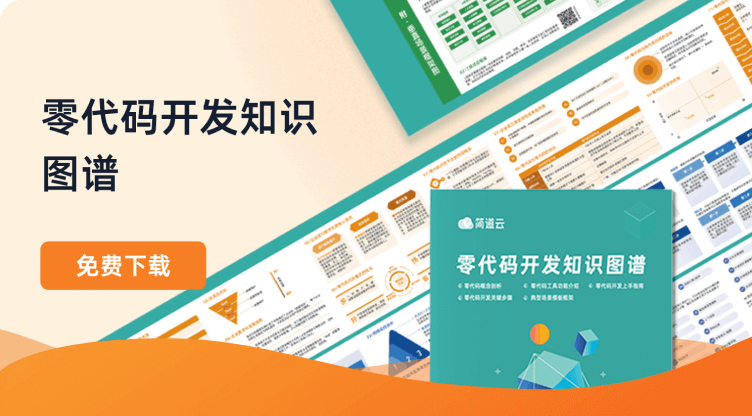 《零代码开发知识图谱》
 《零代码
新动能》案例集
《零代码
新动能》案例集
 《企业零代码系统搭建指南》











领先企业,真实声音
简道云让业务用户感受数字化的效果,加速数字化落地;零代码快速开发迭代提供了很低的试错成本,孵化了一批新工具新方法。
郑炯蒙牛乳业信息技术高级总监
简道云把各模块数据整合到一起,工作效率得到质的提升。现在赛艇协会遇到新的业务需求时,会直接用简道云开发demo,基本一天完成。
谭威正中国赛艇协会数据总监
业务与技术交织,让思维落地实现。四年简道云使用经历,功能越来越多也反推业务流程转变,是促使我们成长的过程。实现了真正降本增效。
袁超OPPO(苏皖)信息化部门负责人
零代码的无门槛开发方式盘活了全公司信息化推进的热情和效率,简道云打破了原先集团的数据孤岛困局,未来将继续向数据要生产力。
伍学纲东方日升新能源股份有限公司副总裁
通过简道云零代码技术的运用实践,提高了企业转型速度、减少对高技术专业人员的依赖。在应用推广上,具备员工上手快的竞争优势。
董兴潮绿城建筑科技集团信息化专业经理
简道云是目前最贴合我们实际业务的信息化产品。通过灵活的自定义平台,实现了信息互通、闭环管理,企业管理效率真正得到了提升。
王磊克吕士科学仪器(上海)有限公司总经理