
生产软件分类教案模板英语

-
已被采纳为最佳回答
生产软件的分类主要包括:企业资源规划(ERP)、客户关系管理(CRM)、供应链管理(SCM)和制造执行系统(MES)等四大类。这些软件帮助企业优化资源配置、提升客户满意度、管理供应链流程以及提高生产效率。 在这四类软件中,企业资源规划(ERP)系统尤为重要,因为它集成了企业的各个部门信息,提供实时的数据分析,帮助企业做出更快更准确的决策。ERP系统通过模块化设计,可以根据企业的需求灵活配置,从而增强企业的整体运营效率。
一、企业资源规划(ERP)
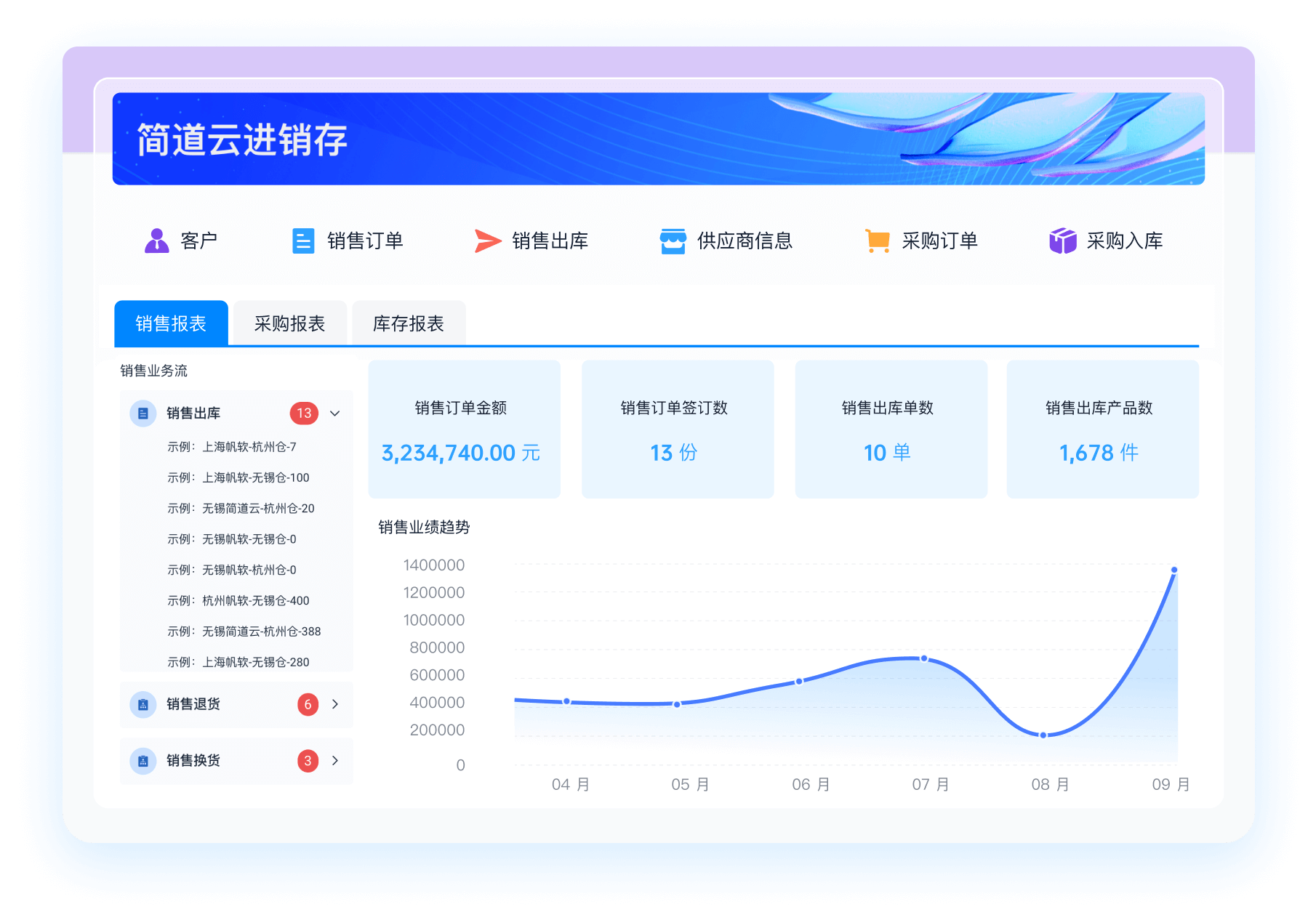
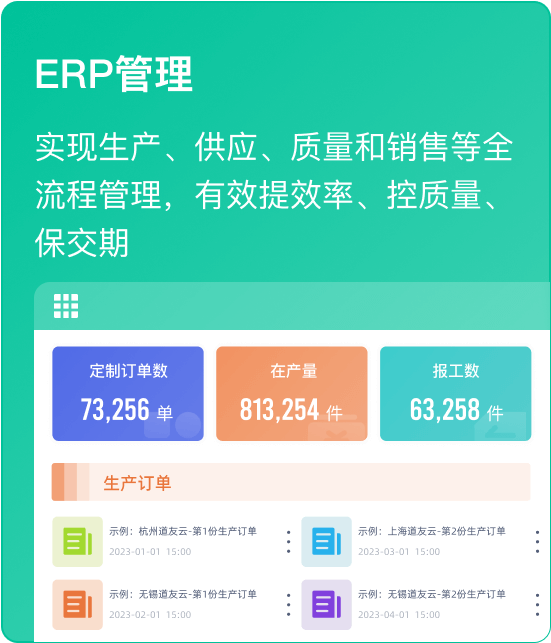
企业资源规划(ERP)系统是现代企业管理的重要工具,它整合了企业内部的各个业务流程,包括财务、采购、生产、库存和人力资源等。ERP系统的核心功能是通过一个统一的平台,提供实时的信息共享,帮助企业优化资源配置和流程管理。通过集成各个部门的数据,企业可以实现更高效的决策支持,降低运营成本。 例如,实时库存管理功能可以帮助企业及时调整生产计划,避免库存积压和资金浪费。
在选择ERP系统时,企业需要考虑自身的规模、行业特点和具体需求。不同的ERP系统在功能和灵活性上存在差异,企业应进行充分的市场调研,选择最适合自己的解决方案。此外,实施ERP系统通常需要较长的时间和投入,企业需做好相关的人员培训和数据迁移工作,以确保系统的顺利上线和后续的使用。
二、客户关系管理(CRM)
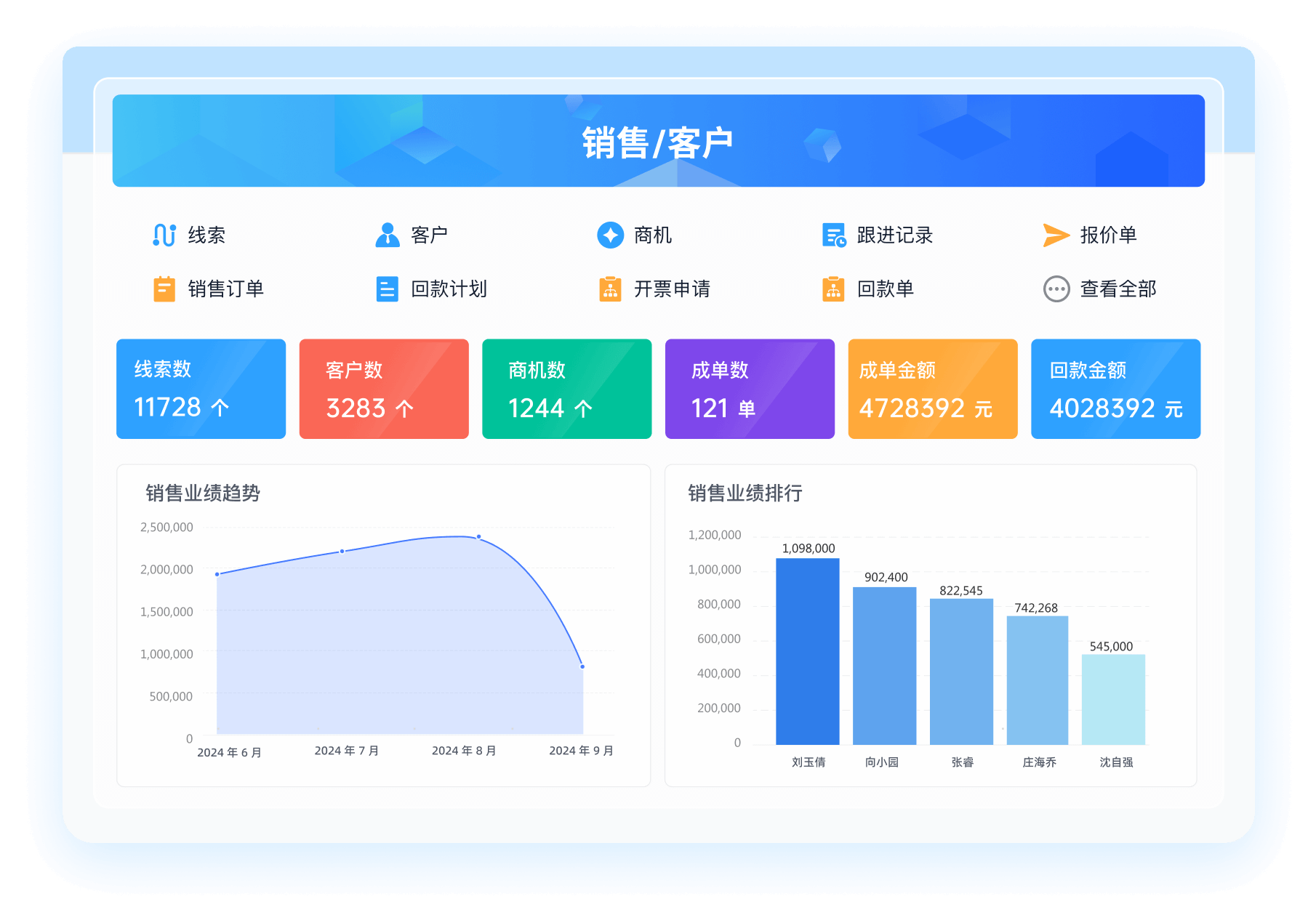
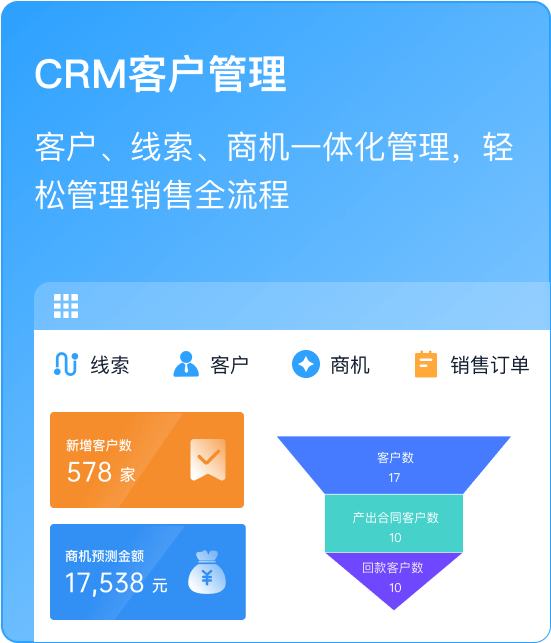
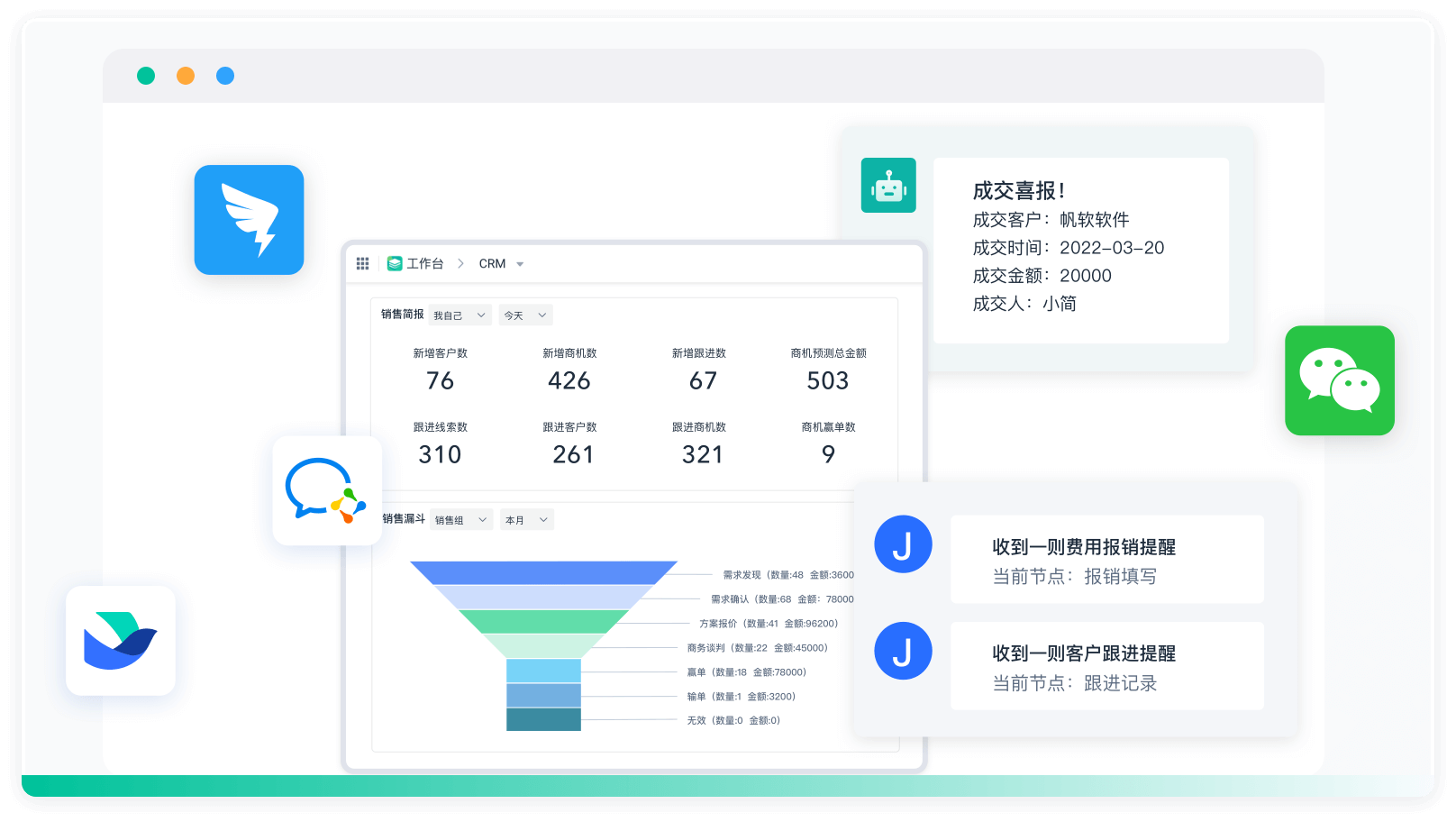
客户关系管理(CRM)系统主要用于管理企业与客户之间的关系,旨在提高客户满意度和忠诚度。通过对客户数据的分析,企业可以更好地了解客户需求,提供个性化的服务。 CRM系统通常集成了销售管理、市场营销和客户服务等功能,帮助企业在不同的客户接触点上进行有效的沟通和互动。
使用CRM系统的企业能够实时追踪客户的购买行为和偏好,从而制定更为精准的市场营销策略。例如,通过分析客户的历史购买记录,企业可以推送相关的产品推荐,提高交叉销售和追加销售的机会。此外,CRM系统还可以帮助企业处理客户反馈和投诉,及时响应客户需求,增强客户体验。
三、供应链管理(SCM)
供应链管理(SCM)系统涉及到整个供应链的各个环节,包括供应商管理、生产计划、物流配送和需求预测等。通过优化供应链流程,企业能够降低成本,提高交货速度和服务质量。 SCM系统的核心在于信息的透明化和实时共享,确保各个环节之间的顺畅沟通和协作。
在实施SCM系统时,企业需要建立有效的供应商关系管理机制,确保信息共享的及时性和准确性。通过使用数据分析工具,企业能够更好地预测市场需求,从而进行合理的生产计划和库存管理。有效的供应链管理不仅可以减少资金占用,还能增强企业在市场中的竞争力。
四、制造执行系统(MES)
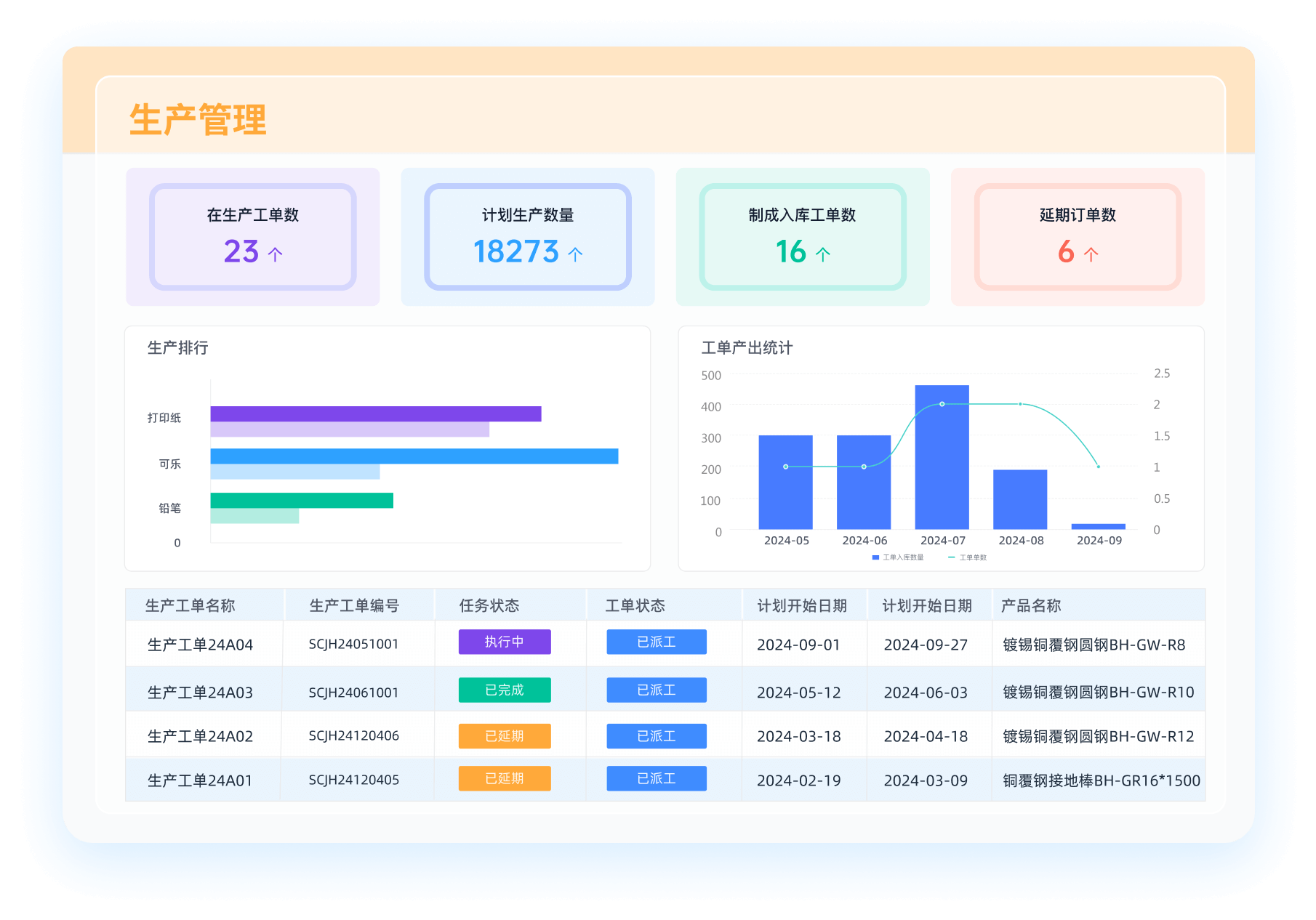
制造执行系统(MES)是连接生产现场与企业管理层的重要桥梁,主要用于实时监控生产过程,收集和分析生产数据。MES系统能够提高生产效率,减少生产周期,确保产品质量。 通过对生产设备的实时监控,企业能够及时发现并解决生产中的问题,从而避免不必要的停机时间和资源浪费。
在实施MES系统时,企业需要关注设备的互联互通和数据的整合。通过使用物联网(IoT)技术,MES系统可以实时获取设备的运行状态和生产数据,为企业提供全面的生产可视化。通过数据分析,企业能够优化生产流程,提高资源利用率,实现精益生产的目标。
五、生产软件的未来发展趋势
随着科技的不断进步,生产软件的未来发展趋势主要体现在智能化和自动化方面。人工智能(AI)和大数据技术的应用将进一步提升生产软件的决策能力和灵活性。 未来的生产软件将能够通过机器学习算法分析大量的数据,预测市场趋势和客户需求,从而实现更高效的资源配置和生产管理。
此外,云计算技术的普及也将改变生产软件的交付方式。越来越多的企业将选择基于云的解决方案,以降低IT成本和提高系统的可扩展性。同时,移动应用的广泛应用将使得企业的管理人员能够随时随地访问生产数据,提升决策的灵活性和实时性。
六、结论
生产软件的分类涵盖了多个领域,包括ERP、CRM、SCM和MES等。这些软件在企业管理中扮演着至关重要的角色,帮助企业提高效率、降低成本、增强竞争力。 随着技术的不断进步,未来的生产软件将更加智能化和自动化,企业应积极适应这些变化,利用先进的生产软件提升自身的管理水平和市场竞争力。
2年前 -
Title: Classification of Software in Production
I. Introduction
A. Definition of software
B. Importance of software in production
C. Overview of software classificationII. Classification Based on Purpose
A. System software
1. Definition and examples
2. Role in production
B. Application software
1. Definition and examples
2. Role in productionIII. Classification Based on Licensing
A. Proprietary software
1. Definition and examples
2. Pros and cons in production
B. Open-source software
1. Definition and examples
2. Pros and cons in productionIV. Classification Based on Development Methodology
A. Waterfall model
1. Explanation and examples
2. Suitability in production
B. Agile model
1. Explanation and examples
2. Suitability in productionV. Classification Based on Platform
A. Desktop software
1. Definition and examples
2. Usage in production
B. Web-based software
1. Definition and examples
2. Usage in production
C. Mobile software
1. Definition and examples
2. Usage in productionVI. Classification Based on Complexity
A. Simple software
1. Definition and examples
2. Use in production
B. Complex software
1. Definition and examples
2. Use in productionVII. Conclusion
A. Summary of software classification in production
B. Importance of understanding software classification for production efficiency2年前 -
Title: Classification of Software in Production
I. Introduction
A. Definition of Software
B. Importance of Software in Production
C. Purpose of ClassificationII. Classification of Software
A. System Software
1. Definition
2. Examples
3. Role in ProductionB. Application Software
1. Definition
2. Examples
3. Role in ProductionC. Embedded Software
1. Definition
2. Examples
3. Role in ProductionD. Real-time Software
1. Definition
2. Examples
3. Role in ProductionIII. Factors Affecting Software Selection in Production
A. Cost
B. Compatibility
C. Scalability
D. Security
E. Maintenance and SupportIV. Case Studies
A. Implementation of System Software in Production
B. Application Software in Manufacturing Processes
C. Embedded Software in Industrial Automation
D. Real-time Software in Production Control SystemsV. Future Trends in Production Software
A. Industry 4.0 and Software Integration
B. Artificial Intelligence and Production Optimization
C. Cloud Computing in Production Management
D. Cyber-Physical Systems and Software DevelopmentVI. Conclusion
A. Recap of Software Classification
B. Importance of Software in Modern Production
C. Future Implications and Considerations2年前 -
Title: Classification of Software and Lesson Plan Template
Introduction:
In the world of technology, software plays a crucial role in our daily lives. From operating systems to applications, software comes in various types and serves different purposes. Understanding the classification of software is essential for anyone looking to pursue a career in the tech industry. This lesson plan template will provide a comprehensive overview of the different categories of software and serve as a guide for educators to teach this topic effectively in an English language classroom.Lesson Objectives:
- To introduce students to the concept of software and its significance in the digital age.
- To familiarize students with the classification of software based on their functions and usage.
- To enable students to differentiate between system software and application software.
- To engage students in discussions and activities that enhance their understanding of software categories.
- To encourage students to reflect on the impact of software on society and technology.
Lesson Duration: 60 minutes
Lesson Outline:
I. Introduction to Software (15 minutes)
A. Definition of software
B. Importance of software in modern technology
C. Examples of software in everyday lifeII. Classification of Software (20 minutes)
A. System Software
1. Definition and functions
2. Examples: Operating systems, device drivers
B. Application Software
1. Definition and characteristics
2. Categories: Productivity software, multimedia software, educational software, etc.III. Discussion and Activities (15 minutes)
A. Group discussion: Pros and cons of system software vs. application software
B. Activity: Classifying different software examples into system and application categoriesIV. Real-World Applications (5 minutes)
A. Case study: Impact of software on a specific industry (e.g., healthcare, finance, entertainment)V. Conclusion and Reflection (5 minutes)
A. Recap of key points discussed in the lesson
B. Student reflections on the importance of software in their livesLesson Materials:
- PowerPoint presentation on the classification of software
- Handouts with examples of system and application software
- Whiteboard and markers for group activities
- Computer with internet access for real-world case study
Assessment:
- Class participation in discussions and activities
- Completion of a short quiz on software classification
- Reflection essay on the role of software in shaping technology trends
Conclusion:
By following this lesson plan template, educators can effectively teach students about the classification of software in an engaging and informative manner. Understanding the different categories of software is essential for students who aspire to pursue careers in software development, IT, or related fields. Moreover, reflecting on the impact of software on society can broaden students' perspectives on the role of technology in shaping our world today.2年前


















































 《零代码开发知识图谱》
 《零代码
新动能》案例集
《零代码
新动能》案例集
 《企业零代码系统搭建指南》











领先企业,真实声音
简道云让业务用户感受数字化的效果,加速数字化落地;零代码快速开发迭代提供了很低的试错成本,孵化了一批新工具新方法。
郑炯蒙牛乳业信息技术高级总监
简道云把各模块数据整合到一起,工作效率得到质的提升。现在赛艇协会遇到新的业务需求时,会直接用简道云开发demo,基本一天完成。
谭威正中国赛艇协会数据总监
业务与技术交织,让思维落地实现。四年简道云使用经历,功能越来越多也反推业务流程转变,是促使我们成长的过程。实现了真正降本增效。
袁超OPPO(苏皖)信息化部门负责人
零代码的无门槛开发方式盘活了全公司信息化推进的热情和效率,简道云打破了原先集团的数据孤岛困局,未来将继续向数据要生产力。
伍学纲东方日升新能源股份有限公司副总裁
通过简道云零代码技术的运用实践,提高了企业转型速度、减少对高技术专业人员的依赖。在应用推广上,具备员工上手快的竞争优势。
董兴潮绿城建筑科技集团信息化专业经理
简道云是目前最贴合我们实际业务的信息化产品。通过灵活的自定义平台,实现了信息互通、闭环管理,企业管理效率真正得到了提升。
王磊克吕士科学仪器(上海)有限公司总经理