
进销存英语怎么讲
-
进销存英语可以翻译为"inventory management"。inventory是指库存,management是管理的意思,所以inventory management可以理解为对公司产品或者原材料的库存进行管理的一种工作。在企业中,进销存管理是非常重要的一环,它涉及到采购、入库、出库、库存盘点等方面,需要确保库存数量准确,避免产品积压或者缺货现象的发生。因此,对进销存管理的有效控制,对于企业的经营和成本控制至关重要。
2年前 -
"进销存"在英语中通常被称为"inventory management"或者"stock management"。这是指企业、零售店或其它组织管理其商品、原材料和库存的过程和系统。该系统旨在保持适当的库存水平,以满足客户需求,同时避免过多的库存造成资源浪费。
-
Inventory management involves the process of ordering, storing, and using a company's inventory of goods, materials, and products.
-
It aims to maintain the right level of inventory to meet customer demand while avoiding excessive stock that can lead to resource waste.
-
Effective inventory management systems help businesses to track inventory levels, orders, sales, and deliveries.
-
It also plays a crucial role in optimizing supply chain management, reducing carrying costs, and minimizing the risk of stockouts.
-
Inventory management is essential for businesses to ensure efficient operations, cost control, and customer satisfaction.
2年前 -
-
Introducing Inventory Management System
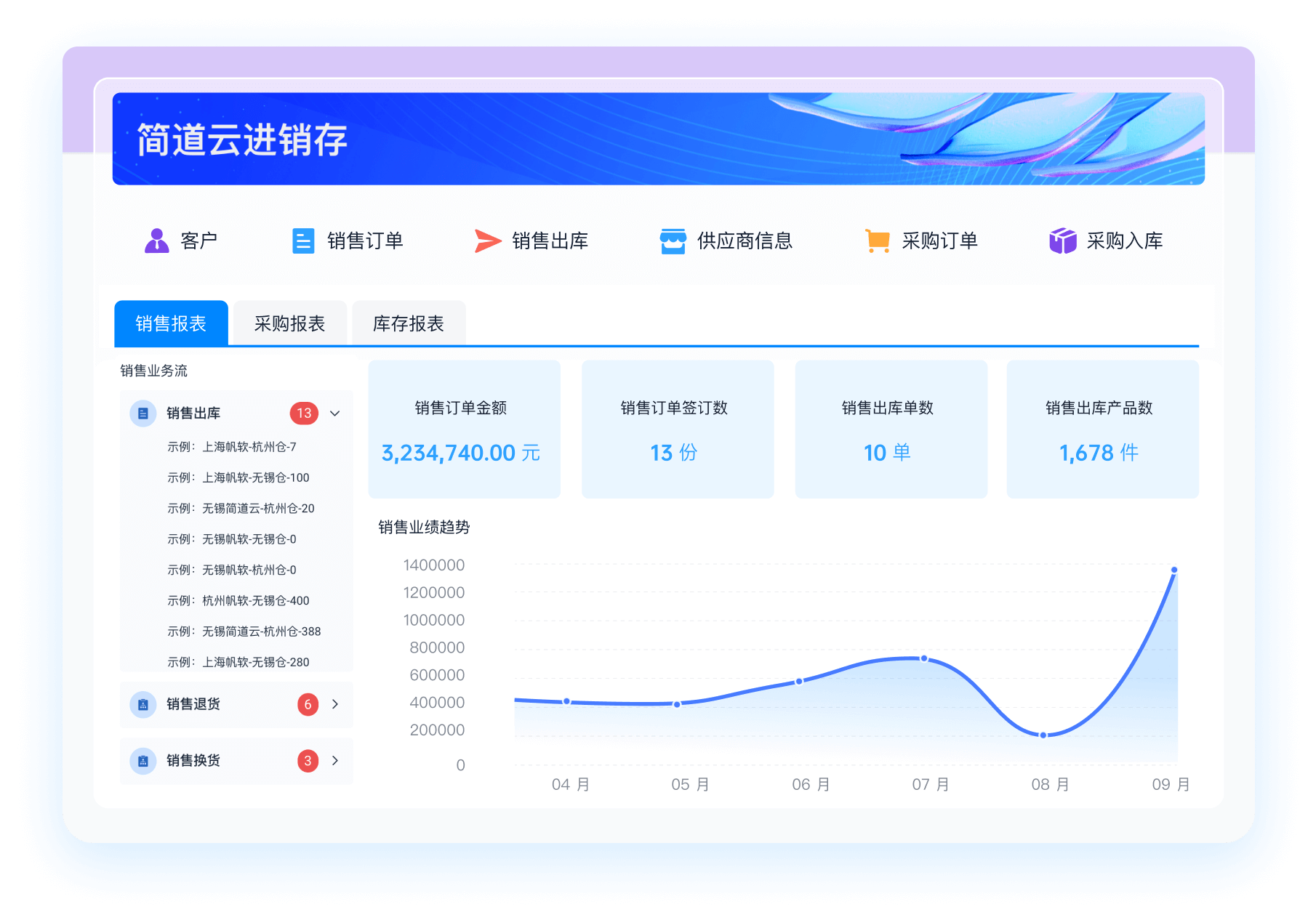
Inventory management system, also known as "进销存" in Chinese, is a comprehensive approach to tracking and managing inventory levels, sales, and purchases. This system enables businesses to efficiently organize their stocks, analyze sales trends, and optimize the procurement process. Additionally, it helps in maintaining accurate records of goods and facilitates seamless order fulfillment.
- Understanding the Inventory Management System
The inventory management system is an integrated solution that encompasses various modules such as inventory control, sales management, purchase management, and reporting. It assists in maintaining the right level of stock by implementing techniques like ABC analysis, economic order quantity (EOQ), and just-in-time (JIT) inventory management.
- Features of Inventory Management System
This system offers a range of features including:
a. Inventory Control: It allows businesses to monitor stock levels, track item movements, and manage stock replenishment.
b. Sales Management: It enables tracking of sales orders, managing customer information, and generating sales reports.
c. Purchase Management: This module facilitates purchase planning, vendor management, and purchase order processing.
d. Reporting and Analysis: Inventory management system provides comprehensive reports on stock levels, sales performance, and inventory turnover. It helps in identifying slow-moving items, stock shortages, and overall inventory health.
- Implementation of Inventory Management System
The implementation process involves the following steps:
a. Requirement Analysis: Understand the specific needs of the business including the types of products, sales volume, and procurement patterns.
b. Software Selection: Choose a suitable inventory management software based on the business size, industry, and features required.
c. Data Migration: Transfer existing inventory data and historical transactions to the new system.
d. System Configuration: Customize the system settings, including stock-keeping units (SKUs), pricing, and user roles.
e. Training and Testing: Provide training to the staff and conduct testing to ensure the system functions as expected.
f. Go-Live: Roll out the system for day-to-day operations while ensuring adequate support and monitoring.
-
Benefits of Implementing Inventory Management System
a. Improved Efficiency: Streamlined inventory processes result in reduced stockouts, overstocking, and order processing time.
b. Cost Savings: Optimal inventory levels and efficient procurement lead to cost savings and better utilization of resources.
c. Accurate Forecasting: Access to real-time data and in-depth analytics enables accurate demand forecasting and inventory planning.
d. Enhanced Customer Service: Timely order fulfillment and better product availability contribute to improved customer satisfaction.
e. Regulatory Compliance: Ensures adherence to regulatory requirements related to inventory recording and reporting.
In conclusion, the inventory management system plays a pivotal role in enhancing operational efficiency, reducing costs, and optimizing inventory control. By leveraging the capabilities of this system, businesses can achieve better inventory management, improved sales performance, and ultimately, sustainable growth.
2年前












































 《零代码开发知识图谱》
 《零代码
新动能》案例集
《零代码
新动能》案例集
 《企业零代码系统搭建指南》











领先企业,真实声音
简道云让业务用户感受数字化的效果,加速数字化落地;零代码快速开发迭代提供了很低的试错成本,孵化了一批新工具新方法。
郑炯蒙牛乳业信息技术高级总监
简道云把各模块数据整合到一起,工作效率得到质的提升。现在赛艇协会遇到新的业务需求时,会直接用简道云开发demo,基本一天完成。
谭威正中国赛艇协会数据总监
业务与技术交织,让思维落地实现。四年简道云使用经历,功能越来越多也反推业务流程转变,是促使我们成长的过程。实现了真正降本增效。
袁超OPPO(苏皖)信息化部门负责人
零代码的无门槛开发方式盘活了全公司信息化推进的热情和效率,简道云打破了原先集团的数据孤岛困局,未来将继续向数据要生产力。
伍学纲东方日升新能源股份有限公司副总裁
通过简道云零代码技术的运用实践,提高了企业转型速度、减少对高技术专业人员的依赖。在应用推广上,具备员工上手快的竞争优势。
董兴潮绿城建筑科技集团信息化专业经理
简道云是目前最贴合我们实际业务的信息化产品。通过灵活的自定义平台,实现了信息互通、闭环管理,企业管理效率真正得到了提升。
王磊克吕士科学仪器(上海)有限公司总经理