
 阅读时间:8 分钟
  浏览量:3684次


电脑仓库管理的五大关键点
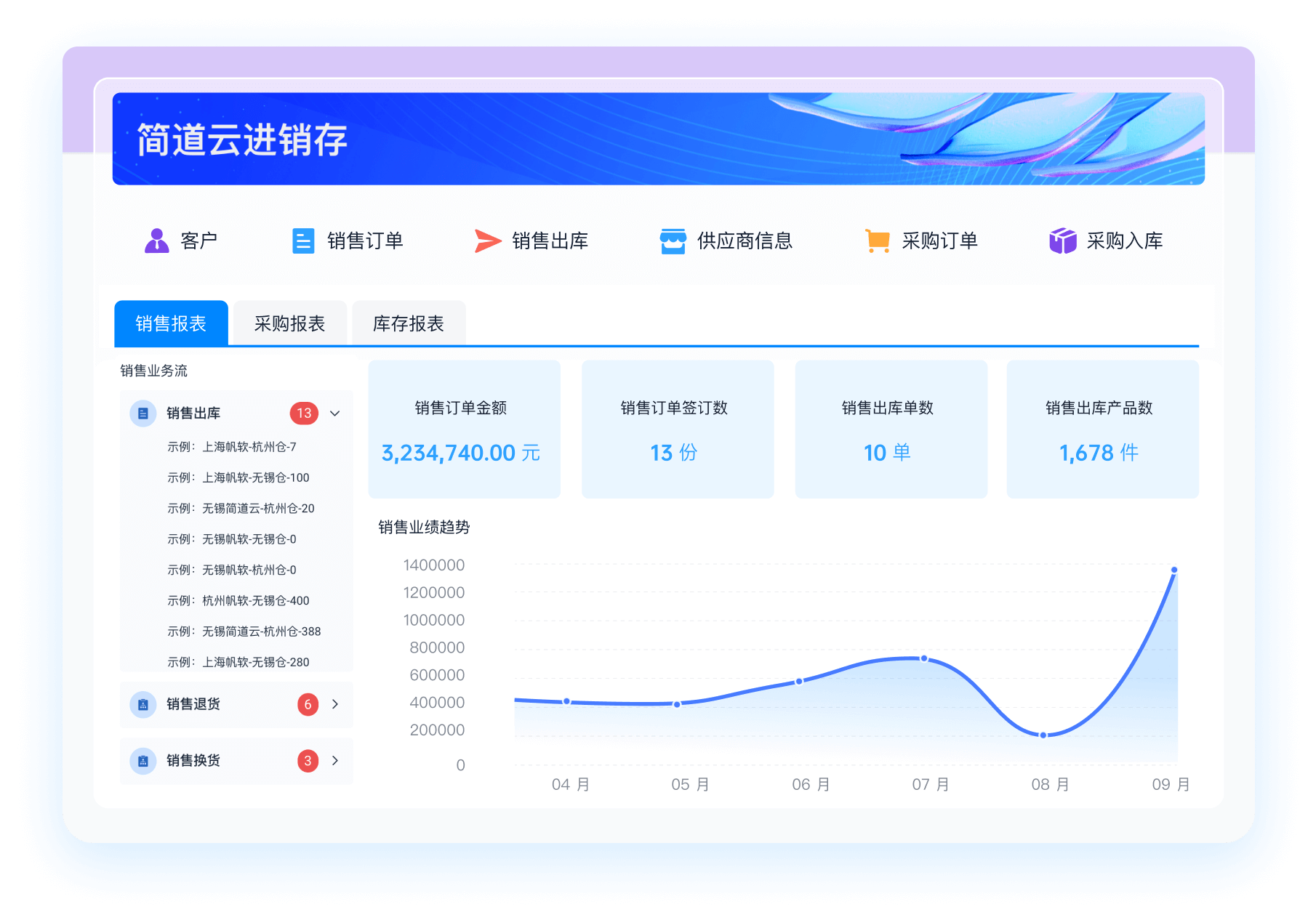
1、库存准确性:确保库存数据的准确性是电脑仓库管理的基础。通过使用条码扫描和自动化库存管理系统,可以有效减少人为错误。例如,简道云WMS仓库管理系统提供了强大的库存追踪功能,帮助企业实时掌握库存状况。
2、仓库布局优化:优化仓库布局有助于提高工作效率。合理的仓库布局可以减少拣货时间,提高出货速度。比如,可以将常用的电脑配件放置在易于接近的位置,从而减少员工的行走距离。
3、先进先出(FIFO)原则:在管理电脑仓库时,遵循先进先出原则可以避免库存老化和损耗。这一原则确保了先入库的商品先出库,减少因长期存放而导致的产品老化问题。
4、定期盘点:定期盘点可以帮助发现库存管理中的问题。通过定期核对实际库存和系统记录,可以及时发现和纠正库存差异,从而提高库存管理的准确性。
5、仓库安全管理:确保仓库的安全是管理中的重要环节。防火、防盗和防潮措施是必须的,同时还要保证仓库内的设备和人员安全。例如,可以安装监控系统,使用防潮设备等,以确保仓库内的电脑设备和配件安全无虞。
一、库存准确性
库存准确性是电脑仓库管理中最重要的一环。使用现代化的库存管理工具,如简道云WMS仓库管理系统,可以大幅提高库存数据的准确性。该系统通过条码扫描技术和实时数据更新,确保每一件商品的进出库记录都准确无误,避免了手工记录带来的错误。
二、仓库布局优化
优化仓库布局不仅能提高工作效率,还能减少员工的工作负担。合理的布局可以缩短员工在仓库内的行走距离,从而加快拣货速度。以下是仓库布局优化的几个要点:
- 分类存储:将不同类型的商品分区存储,方便查找。
- 高频区与低频区:将高频使用的物品放在易于接近的位置,而低频使用的物品放在远处。
- 动线设计:规划合理的行走动线,减少员工的行走时间。
三、先进先出(FIFO)原则
先进先出原则是管理库存时必须遵循的一个重要原则。尤其对于一些易老化或有保质期的产品,这一原则显得尤为重要。通过使用简道云WMS仓库管理系统,可以轻松实现先进先出管理,系统会自动提示哪些商品需要优先出库,从而避免库存老化。
四、定期盘点
定期盘点是确保库存数据准确性的有效手段。通过定期核对实际库存与系统记录,能够及时发现和纠正库存差异。以下是盘点工作的一些建议:
- 盘点频率:根据库存周转率,设定合理的盘点频率。
- 盘点方式:可以选择全盘点或抽样盘点,根据具体情况灵活运用。
- 盘点记录:详细记录每次盘点的结果和发现的问题,以便及时调整库存管理策略。
五、仓库安全管理
安全管理是仓库管理中的重要组成部分。防火、防盗和防潮是最基本的安全措施。具体措施包括:
- 监控系统:安装监控摄像头,实时监控仓库情况。
- 防潮设备:使用除湿机、防潮垫等设备,保持仓库干燥。
- 消防设备:配备灭火器、消防栓等设备,定期检查消防设施。
通过上述五大关键点的管理,电脑仓库的运营效率可以大幅提升,库存管理的准确性也能得到有效保障。
总结:
电脑仓库的管理涉及多个方面,包括库存准确性、仓库布局优化、先进先出原则、定期盘点和仓库安全管理。通过使用简道云WMS仓库管理系统,可以有效提升这些方面的管理水平,从而提高整个仓库的运营效率和安全性。建议企业根据自身情况,选择合适的管理工具和策略,不断优化仓库管理流程,提高管理水平。
简道云WMS仓库管理系统官网地址: https://s.fanruan.com/q6mjx;
相关问答FAQs:
How to Manage a Computer Warehouse?
Managing a computer warehouse involves a systematic approach to inventory management, organization, and logistics. Below are some frequently asked questions (FAQs) that provide insights into effective computer warehouse management.
1. What are the key components of an effective computer warehouse management system?**
An effective computer warehouse management system (WMS) comprises several key components that work together to streamline operations and enhance efficiency. Firstly, inventory tracking is crucial. This involves using barcode scanning or RFID technology to monitor stock levels in real-time, ensuring that you always know what products are available.
Secondly, proper layout design is essential. A well-organized warehouse layout allows for easy access to high-demand items and optimizes the flow of goods. This includes strategically placing frequently picked items closer to the dispatch area.
Thirdly, implementing a robust software solution can greatly enhance management capabilities. WMS software can automate various processes, such as order picking, inventory replenishment, and shipping management. It can also provide insightful analytics to help forecast demand and optimize stock levels.
Furthermore, staff training plays a significant role. Employees need to be familiar with both the physical aspects of the warehouse and the software tools being used. Regular training sessions can help improve efficiency and reduce errors.
Lastly, establishing clear protocols for receiving, storing, and shipping products is vital. This helps maintain order and ensures that everyone in the warehouse follows the same procedures, thus minimizing confusion and mistakes.
2. How can technology improve computer warehouse management?**
Technology has revolutionized warehouse management, leading to significant improvements in efficiency and accuracy. One of the most impactful technologies is warehouse management software (WMS). This software provides real-time data on inventory levels, order statuses, and location tracking, enabling managers to make informed decisions quickly.
Additionally, automation technologies, such as automated guided vehicles (AGVs) and robotic picking systems, can significantly reduce the time taken to move goods within the warehouse. These systems can handle repetitive tasks, allowing human workers to focus on more complex responsibilities.
Moreover, the integration of Internet of Things (IoT) devices can enhance visibility throughout the supply chain. Sensors placed on equipment and inventory can provide real-time updates on conditions such as temperature and humidity, which is particularly important for sensitive electronic components.
Cloud computing also plays a crucial role in modern warehouse management. It allows for scalable solutions that can be accessed from anywhere, facilitating remote management and collaboration among teams. This flexibility can be a game-changer for businesses that operate across multiple locations.
Finally, data analytics tools can help warehouse managers gain insights into operational performance. By analyzing trends and patterns in inventory movement, businesses can optimize stock levels, improve order fulfillment rates, and reduce carrying costs.
3. What are the best practices for inventory management in a computer warehouse?**
Effective inventory management is essential for the smooth operation of a computer warehouse. One of the best practices is adopting the "First In, First Out" (FIFO) method, which ensures that older inventory is sold before newer stock. This practice minimizes the risk of obsolescence, especially important in the fast-paced technology sector where products can quickly become outdated.
Another important practice is conducting regular inventory audits. This can be done through cycle counting, where a portion of the inventory is counted on a rotating schedule, or through annual full inventory counts. Regular audits help identify discrepancies between physical inventory and recorded stock levels, allowing for timely corrections.
Utilizing a just-in-time (JIT) inventory approach can also be beneficial. This strategy involves keeping inventory levels as low as possible while ensuring that stock is replenished in time to meet demand. JIT helps reduce holding costs and minimizes the risk of excess inventory.
Implementing robust categorization and labeling systems can further enhance inventory management. Clear labeling ensures that items are easy to locate, while categorization helps in organizing products based on their characteristics, such as type, size, or demand frequency.
Lastly, fostering a culture of continuous improvement within the warehouse team can lead to ongoing enhancements in inventory management processes. Encouraging employees to provide feedback and suggest improvements can lead to innovative solutions that enhance efficiency and productivity.
By understanding and implementing these key components, leveraging technology, and adhering to best practices, businesses can effectively manage their computer warehouses, leading to improved operational efficiency and customer satisfaction.































































 《零代码开发知识图谱》
 《零代码
新动能》案例集
《零代码
新动能》案例集
 《企业零代码系统搭建指南》