
 阅读时间:6 分钟
  浏览量:8847次


Managing inventory is the English term for 管理库存.
1、Efficient Inventory Tracking: One of the key benefits of using inventory management systems is efficient inventory tracking. With an automated system, you can easily monitor stock levels, track product movements, and ensure accurate inventory records. This reduces human error and helps maintain optimal stock levels, preventing overstocking or stockouts.
2、Real-time Data Access: Inventory management systems provide real-time data access, allowing you to make informed decisions quickly. You can instantly check stock levels, monitor sales trends, and generate reports. This real-time visibility enables proactive decision-making, helping you respond promptly to demand changes or supply chain disruptions.
3、Improved Accuracy and Reduced Errors: Manual inventory management is prone to errors, such as data entry mistakes or miscounts. By automating the process, inventory management systems significantly reduce these errors. This leads to more accurate inventory records, ensuring you always have the right products in stock.
4、Cost Savings and Increased Efficiency: Proper inventory management helps reduce costs and increase efficiency. By optimizing stock levels, you can minimize storage costs and reduce the risk of holding obsolete inventory. Additionally, streamlined inventory processes save time and labor, allowing your team to focus on more value-added activities.
5、Enhanced Customer Satisfaction: Effective inventory management ensures that products are available when customers need them, leading to improved customer satisfaction. By preventing stockouts and ensuring timely deliveries, you can build trust and loyalty with your customers.
一、EFFICIENT INVENTORY TRACKING
Efficient inventory tracking is crucial for any business aiming to maintain optimal stock levels and prevent losses. Automated systems allow businesses to track inventory in real-time, ensuring accuracy and reducing human error. Here's a detailed breakdown of how efficient inventory tracking can benefit your business:
- Real-time Updates: Automated systems provide real-time updates on inventory levels, ensuring that you always have the most current information.
- Reduced Human Error: By automating data entry and tracking, the likelihood of errors is significantly reduced.
- Optimized Stock Levels: Efficient tracking helps maintain optimal stock levels, preventing both overstocking and stockouts.
- Streamlined Operations: With accurate inventory data, businesses can streamline their operations, improving overall efficiency.
二、REAL-TIME DATA ACCESS
Real-time data access is a game-changer in inventory management. It allows businesses to make informed decisions quickly and effectively. The benefits of real-time data access include:
- Instant Stock Level Checks: You can instantly check stock levels, ensuring you always know what is available.
- Sales Trend Monitoring: Real-time data allows you to monitor sales trends and adjust your inventory accordingly.
- Timely Decision Making: With access to up-to-date information, businesses can make timely decisions, responding quickly to changes in demand or supply chain disruptions.
- Enhanced Reporting: Real-time data enables the generation of accurate and timely reports, providing valuable insights into inventory performance.
三、IMPROVED ACCURACY AND REDUCED ERRORS
Improved accuracy and reduced errors are significant advantages of using inventory management systems. Manual processes are prone to mistakes, but automation can mitigate these issues:
- Accurate Inventory Records: Automated systems ensure more accurate inventory records, reducing discrepancies and ensuring you always have the right products in stock.
- Error Reduction: Automation significantly reduces human errors, such as data entry mistakes or miscounts.
- Consistency: Automated systems provide consistent and reliable data, improving overall inventory management accuracy.
- Audit Trails: Automated systems often include audit trails, allowing you to trace errors and make necessary corrections.
四、COST SAVINGS AND INCREASED EFFICIENCY
Proper inventory management can lead to significant cost savings and increased efficiency. Here's how:
- Reduced Storage Costs: Optimizing stock levels minimizes storage costs, as you are not holding excess inventory.
- Minimized Obsolete Inventory: Effective inventory management reduces the risk of holding obsolete inventory, saving money.
- Time and Labor Savings: Streamlined inventory processes save time and labor, allowing your team to focus on more value-added activities.
- Improved Resource Allocation: Efficient inventory management allows for better resource allocation, ensuring that your business operates more efficiently.
五、ENHANCED CUSTOMER SATISFACTION
Effective inventory management plays a crucial role in enhancing customer satisfaction. By ensuring that products are available when needed, businesses can build trust and loyalty with their customers:
- Availability of Products: Proper inventory management ensures that products are available when customers need them, preventing stockouts.
- Timely Deliveries: Efficient inventory processes ensure timely deliveries, meeting customer expectations.
- Improved Trust and Loyalty: By consistently meeting customer needs, businesses can build trust and loyalty, leading to repeat business and positive word-of-mouth.
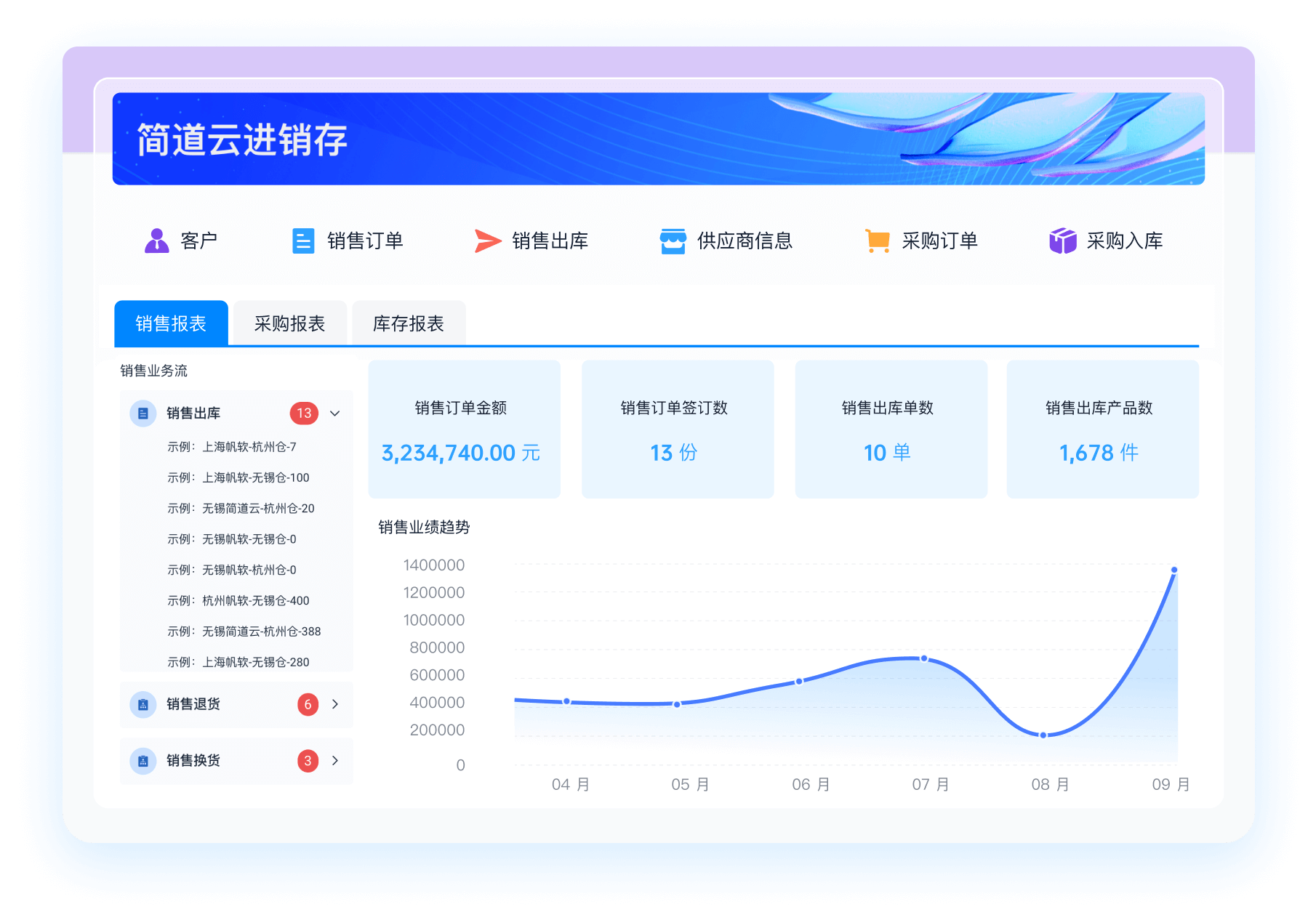
In conclusion, managing inventory effectively is essential for any business looking to optimize operations, reduce costs, and enhance customer satisfaction. By leveraging the benefits of efficient inventory tracking, real-time data access, improved accuracy, cost savings, and increased efficiency, businesses can achieve greater success. To learn more about inventory management systems and how they can benefit your business, visit the official website of 简道云WMS仓库管理系统模板: https://s.fanruan.com/q6mjx;.
相关问答FAQs:
管理库存的英文是 "Inventory Management"。库存管理是企业在供应链管理中的重要环节,涉及到对存货的控制、跟踪和优化,以确保产品能够满足客户需求,同时减少库存成本和损耗。有效的库存管理可以提高企业的运营效率,增加盈利能力。在现代商业环境中,许多公司采用先进的软件和技术来实现高效的库存管理。






























































 《零代码开发知识图谱》
 《零代码
新动能》案例集
《零代码
新动能》案例集
 《企业零代码系统搭建指南》