
 阅读时间:9 分钟
  浏览量:5963次


Inventory Management is the English term for 库存管理.
1、Inventory Management is the process of ordering, storing, using, and selling a company's inventory. It includes the management of raw materials, components, and finished products, as well as warehousing and processing such items.
2、Effective Inventory Management can significantly improve a company's efficiency and profitability. For example, by implementing a well-structured inventory management system, businesses can reduce storage costs, avoid stockouts, and minimize waste.
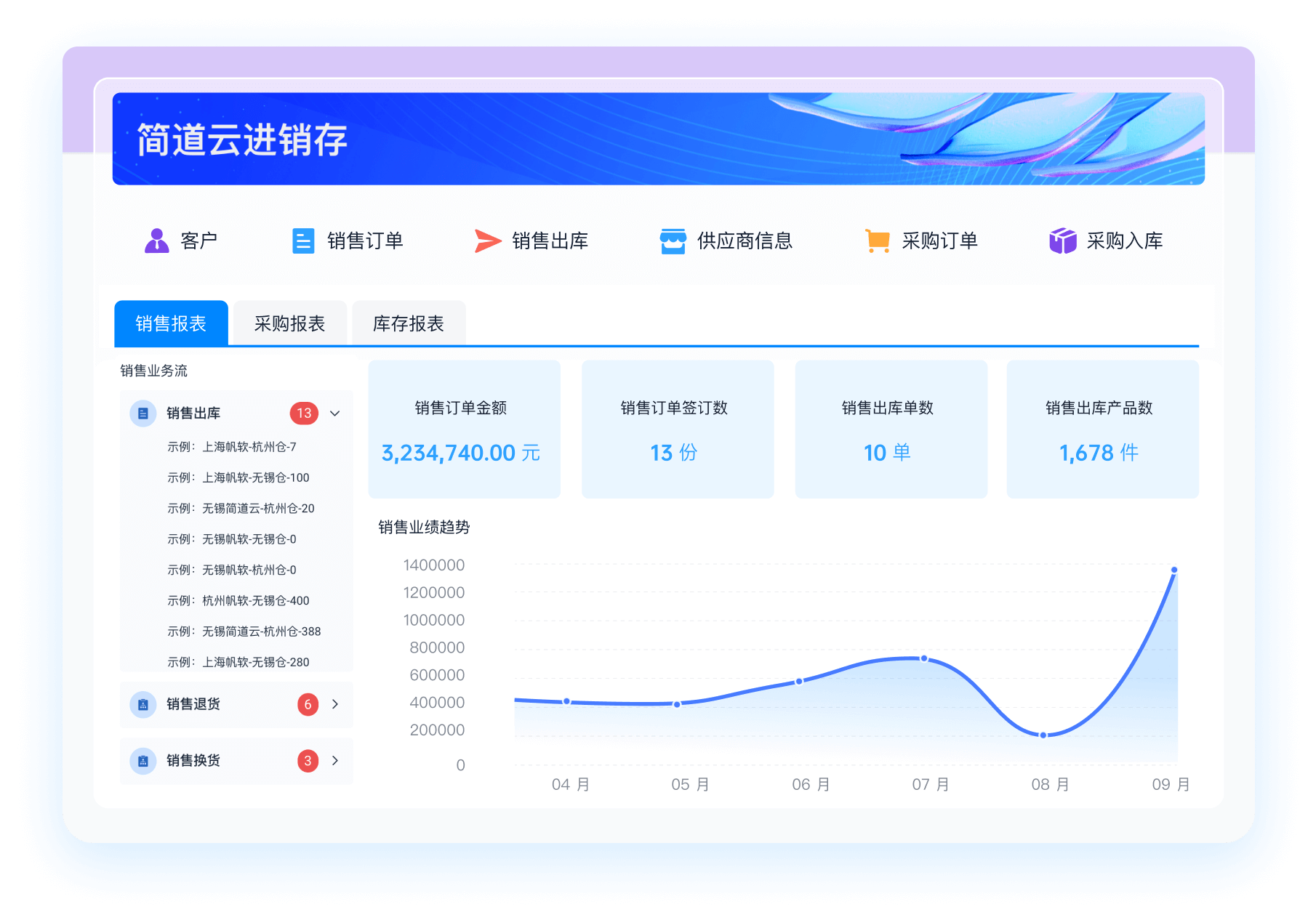
3、One of the most popular tools for Inventory Management in the Chinese market is the 简道云WMS仓库管理系统. This system helps businesses streamline their inventory processes, ensuring real-time tracking and accurate data reporting. You can access the template for this system here: https://s.fanruan.com/q6mjx;.
一、INVENTORY MANAGEMENT SYSTEMS
Inventory Management Systems (IMS) are crucial for businesses that handle physical goods. These systems provide tools and methodologies to manage inventory levels, orders, sales, and deliveries effectively. Here are some critical components and benefits of an IMS:
- Real-Time Tracking: Modern IMS solutions offer real-time tracking of inventory levels, ensuring that businesses can monitor their stock at any given moment.
- Automated Reordering: IMS can automate the reordering process based on predefined thresholds, preventing stockouts and overstock situations.
- Data Analysis: These systems provide comprehensive data analysis tools, helping businesses understand their inventory patterns and make informed decisions.
二、BENEFITS OF USING INVENTORY MANAGEMENT SYSTEMS
Using an IMS like 简道云WMS仓库管理系统 offers several advantages:
- Efficiency: Automating inventory processes reduces manual labor and errors, leading to more efficient operations.
- Cost Reduction: By optimizing stock levels, businesses can reduce storage costs and minimize waste.
- Customer Satisfaction: Ensuring that products are available when needed improves customer satisfaction and loyalty.
- Scalability: IMS solutions can scale with the business, accommodating growth and changes in inventory needs.
三、KEY FEATURES OF 简道云WMS仓库管理系统
The 简道云WMS仓库管理系统 offers various features that make it an ideal choice for businesses looking to improve their inventory management:
- Real-Time Inventory Tracking: Provides up-to-the-minute information on stock levels.
- Automated Alerts: Notifies users when stock levels are low or when orders need to be placed.
- Comprehensive Reporting: Generates detailed reports on inventory performance, helping businesses make data-driven decisions.
- User-Friendly Interface: Easy-to-use interface that simplifies the inventory management process.
四、IMPLEMENTATION STEPS
To implement an inventory management system like 简道云WMS仓库管理系统, follow these steps:
- Assessment: Evaluate your current inventory processes and identify areas for improvement.
- Selection: Choose an IMS that meets your business needs. Consider features, scalability, and cost.
- Customization: Customize the IMS to fit your specific inventory processes and workflows.
- Training: Train your staff on how to use the new system effectively.
- Monitoring: Continuously monitor the system's performance and make adjustments as needed.
五、CASE STUDY: SUCCESSFUL IMPLEMENTATION
A mid-sized retail company implemented 简道云WMS仓库管理系统 to address its inventory management challenges. Before implementation, the company faced frequent stockouts and overstock situations, leading to lost sales and increased storage costs.
After adopting 简道云WMS仓库管理系统, the company experienced significant improvements:
- Stockouts Reduced by 45%: The automated reordering system ensured that products were always available when needed.
- Storage Costs Decreased by 30%: Optimized inventory levels led to more efficient use of warehouse space.
- Improved Customer Satisfaction: With products readily available, customer satisfaction and loyalty increased.
六、CONCLUSION AND RECOMMENDATIONS
Effective inventory management is crucial for the success of any business dealing with physical goods. By implementing a robust inventory management system like 简道云WMS仓库管理系统, businesses can streamline their processes, reduce costs, and improve customer satisfaction.
To get started, assess your current inventory processes and identify areas for improvement. Choose an IMS that meets your needs, customize it to fit your workflows, and train your staff on its use. Continuous monitoring and adjustments will ensure that the system continues to meet your business's evolving needs.
For more information and to access the 简道云WMS仓库管理系统 template, visit https://s.fanruan.com/q6mjx;.
相关问答FAQs:
库存管理的英文怎么说?
库存管理在英文中被称为“Inventory Management”。这个术语广泛用于商业和物流领域,涉及到对库存水平、订单处理、存货控制和仓库运营的监督和管理。有效的库存管理可以帮助企业减少成本、提高效率,并确保产品能够及时交付给客户。
库存管理的主要功能有哪些?
库存管理的主要功能包括多个方面。首先,它涉及到库存的监控与记录,确保所有的库存数据都是准确的,这对于后续的决策至关重要。其次,库存管理还包括需求预测,利用历史数据和市场趋势来预测未来的库存需求,从而避免过多或过少的库存。此外,库存管理还涉及到库存补货和订单处理,确保在合适的时间内补充库存,以满足客户需求。
另外,库存管理还关注库存的分类和优化。通过对库存进行分类管理,企业能够更有效地利用仓库空间,降低运营成本。同时,库存管理还包括分析和报告功能,提供关键数据支持,以帮助企业做出更明智的经营决策。
如何选择合适的库存管理系统?
选择合适的库存管理系统需要考虑多个因素。首先,企业需要明确自身的需求,包括库存规模、行业特性、以及业务流程等。了解这些需求后,企业可以评估不同系统的功能,确保所选系统能够支持现有的业务流程,并具备扩展性以适应未来的发展。
其次,用户友好性是选择库存管理系统时的重要考虑因素。系统应具备直观的界面和易于操作的功能,以便员工能够快速上手,减少培训成本。此外,系统的集成能力也很关键,企业需要选择能够与现有ERP、CRM等系统无缝对接的库存管理软件,以提高整体运营效率。
最后,企业还应关注供应商的售后服务和技术支持。一个可靠的供应商能够提供及时的技术支持和系统更新,帮助企业解决在使用过程中遇到的问题。
库存管理对于企业的运营至关重要,选择合适的库存管理系统将有助于企业提升效率、降低成本,并更好地满足客户需求。



























































 《零代码开发知识图谱》
 《零代码
新动能》案例集
《零代码
新动能》案例集
 《企业零代码系统搭建指南》