
 阅读时间:6 分钟
  浏览量:9985次


To effectively manage warehouse inventory, consider these key points: 1. Implement an Inventory Management System, 2. Optimize Warehouse Layout, 3. Conduct Regular Audits, 4. Employ Barcode/RFID Technology, and 5. Train Employees.
1. Implement an Inventory Management System
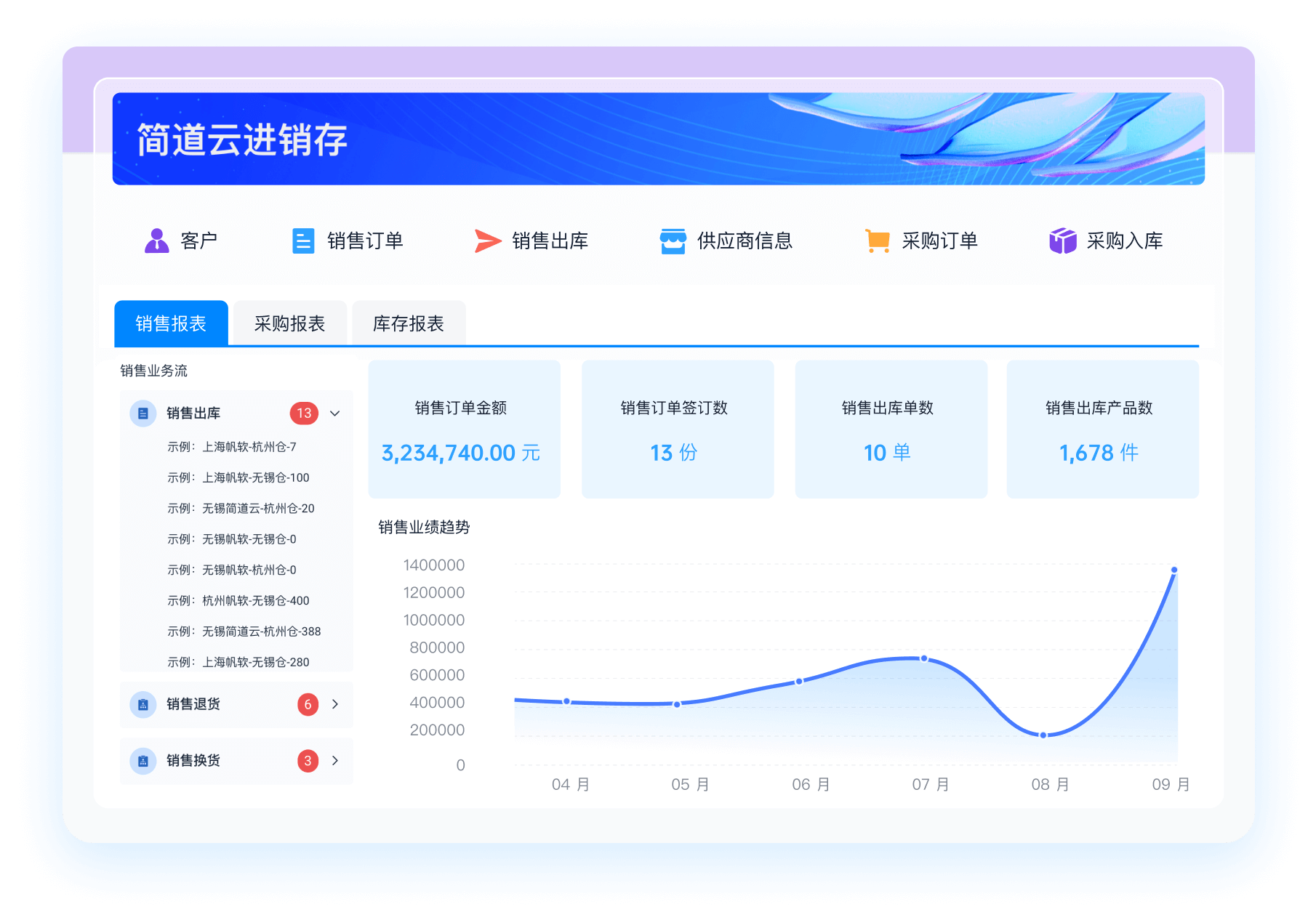
Implementing a robust inventory management system, like the Jiandaoyun WMS (Warehouse Management System), is crucial for accurate tracking and efficient management of inventory. Jiandaoyun WMS offers comprehensive features to streamline operations, including real-time inventory tracking, automated stock updates, and detailed reporting. This system ensures that you always have up-to-date information on stock levels, helping to prevent overstocking or stockouts.
I. IMPLEMENT AN INVENTORY MANAGEMENT SYSTEM
Adopting an advanced inventory management system is essential for maintaining accurate stock levels and streamlining warehouse operations. Jiandaoyun WMS is an excellent choice for this purpose. Here’s why:
- Real-time Inventory Tracking: Jiandaoyun WMS provides real-time updates on inventory levels, ensuring that you have precise data at any given moment.
- Automated Stock Updates: The system automatically updates stock levels as items are received, shipped, or moved within the warehouse, reducing the risk of human error.
- Detailed Reporting: Jiandaoyun WMS offers comprehensive reporting features, allowing you to generate detailed reports on inventory levels, turnover rates, and other key metrics.
For more information and to explore the features of Jiandaoyun WMS, visit their official website: https://s.fanruan.com/q6mjx;
II. OPTIMIZE WAREHOUSE LAYOUT
Optimizing the layout of your warehouse can significantly enhance inventory management. Here are some tips to consider:
- Efficient Space Utilization: Arrange your warehouse in a way that maximizes storage space while allowing easy access to all items.
- Logical Placement: Place high-demand items in easily accessible areas to minimize picking time.
- Clear Labeling: Ensure that all storage locations are clearly labeled to facilitate quick and accurate item retrieval.
III. CONDUCT REGULAR AUDITS
Regular audits are crucial for maintaining accurate inventory records. Here’s how to conduct effective audits:
- Cycle Counting: Perform regular cycle counts to verify inventory levels without disrupting daily operations.
- Annual Physical Inventory: Conduct a thorough physical inventory count at least once a year to ensure accuracy.
- Discrepancy Resolution: Investigate and resolve any discrepancies between physical counts and system records promptly.
IV. EMPLOY BARCODE/RFID TECHNOLOGY
Using barcode or RFID technology can greatly enhance inventory accuracy and efficiency. Here’s why:
- Quick Scanning: Barcode and RFID systems allow for rapid scanning of items, reducing manual entry errors.
- Real-time Updates: These technologies provide real-time updates to your inventory management system, ensuring accurate stock levels.
- Improved Tracking: Barcode and RFID systems enhance tracking capabilities, making it easier to locate items within the warehouse.
V. TRAIN EMPLOYEES
Properly trained employees are essential for effective inventory management. Consider the following:
- Comprehensive Training Programs: Provide detailed training on inventory management procedures and the use of your inventory management system.
- Ongoing Education: Regularly update employees on new processes or technologies to ensure they remain proficient.
- Accountability: Hold employees accountable for accurate inventory handling and reporting.
By implementing these strategies, you can significantly improve your warehouse inventory management, ensuring accuracy, efficiency, and overall operational success.
In conclusion, effective warehouse inventory management involves implementing a robust system like Jiandaoyun WMS, optimizing warehouse layout, conducting regular audits, employing barcode/RFID technology, and providing thorough employee training. By focusing on these key areas, you can maintain accurate inventory levels, reduce operational costs, and improve overall efficiency. For further improvement, consider setting up KPIs to monitor performance and continuously seek ways to enhance your inventory management processes.
相关问答FAQs:
How should warehouse inventory be managed?
Effective warehouse inventory management is crucial for any business that relies on stock to meet customer demands. Here are some key strategies and practices to consider:
-
Implement an Inventory Management System: A robust inventory management system (IMS) can help track stock levels, orders, sales, and deliveries. These systems automate many processes, reducing errors and saving time. Cloud-based solutions offer real-time data access, making it easier to manage inventory from anywhere.
-
Conduct Regular Audits: Regular inventory audits help ensure that the physical stock matches the recorded stock. This can be done through periodic counts, cycle counts, or full inventory counts. Identifying discrepancies early allows for corrective actions to be taken, maintaining accuracy in inventory records.
-
Utilize the FIFO Method: The First In, First Out (FIFO) method is especially useful for perishable goods. This approach ensures that older stock is sold before newer stock, reducing the risk of spoilage and waste. Implementing this method helps maintain product quality and customer satisfaction.
-
Set Par Levels: Par levels are the minimum amount of stock that must be on hand to meet customer demand. By setting these levels, businesses can avoid stockouts and overstock situations. Regularly reviewing and adjusting par levels based on sales trends and seasonal variations is essential.
-
Use Barcoding or RFID Technology: Barcoding and Radio Frequency Identification (RFID) technology streamline inventory tracking. These technologies allow for quick scanning of items during receiving, picking, and shipping processes. This not only speeds up operations but also reduces human errors in data entry.
-
Analyze Inventory Data: Leveraging data analytics can provide insights into inventory turnover rates, sales trends, and demand forecasting. By analyzing this data, businesses can make informed decisions about purchasing, stocking, and sales strategies, ultimately improving inventory management efficiency.
-
Establish Strong Supplier Relationships: Good relationships with suppliers can lead to better terms, reliability, and flexibility in inventory replenishment. Effective communication ensures that businesses can respond quickly to changes in demand or supply chain disruptions.
-
Train Employees: Employee training is vital for effective inventory management. Staff should be well-versed in the inventory management system, company policies, and best practices. Regular training sessions help keep employees updated on new technologies and processes.
-
Implement Just-In-Time (JIT) Inventory: JIT inventory management reduces carrying costs by receiving goods only as they are needed in the production process. This strategy requires accurate forecasting and strong supplier relationships to be effective, minimizing excess stock and storage costs.
-
Monitor Key Performance Indicators (KPIs): Regularly tracking KPIs such as inventory turnover ratio, order accuracy, and carrying costs can provide insights into the effectiveness of inventory management practices. This information can guide strategic decisions and improvements in processes.
By adopting these strategies, businesses can enhance their warehouse inventory management practices, leading to improved efficiency, reduced costs, and increased customer satisfaction.
What are the benefits of effective warehouse inventory management?
Effective warehouse inventory management offers numerous benefits that can significantly impact a business's bottom line. Here are some of the key advantages:
-
Cost Savings: By optimizing inventory levels, businesses can reduce carrying costs associated with excess stock, such as storage fees, insurance, and depreciation. Effective inventory management ensures that resources are allocated efficiently, leading to overall cost savings.
-
Improved Cash Flow: Maintaining optimal inventory levels helps free up cash that would otherwise be tied up in unsold goods. This allows businesses to invest in other areas of growth and development, improving overall financial health.
-
Increased Efficiency: Streamlined inventory processes reduce the time and effort required to manage stock. Automation through inventory management systems minimizes human error and enhances operational efficiency, allowing staff to focus on more value-added tasks.
-
Better Customer Satisfaction: Effective inventory management ensures that products are available when customers need them, reducing the likelihood of stockouts and backorders. This leads to higher customer satisfaction, repeat business, and positive reviews.
-
Enhanced Decision-Making: Accurate inventory data provides valuable insights that aid in decision-making. Businesses can make informed choices regarding purchasing, pricing, and promotions based on real-time data and trends.
-
Scalability: A well-structured inventory management system can easily adapt to business growth. As companies expand, their inventory management practices can scale accordingly, ensuring that operations remain efficient and effective.
-
Risk Mitigation: Effective inventory management allows businesses to identify potential risks and vulnerabilities in their supply chain. By monitoring stock levels and sales trends, companies can proactively address issues before they become significant problems.
-
Streamlined Supply Chain Operations: By having a clear understanding of inventory levels and demand forecasts, businesses can enhance their relationships with suppliers and improve overall supply chain efficiency. This leads to reduced lead times and better inventory turnover.
-
Regulatory Compliance: Certain industries have specific regulations regarding inventory management, especially concerning product tracking and safety. Effective inventory management practices help ensure compliance with these regulations, reducing the risk of legal issues.
-
Data-Driven Insights: Advanced inventory management systems provide analytics and reporting features that allow businesses to track performance over time. This data-driven approach enables continuous improvement and optimization of inventory management practices.
In summary, effective warehouse inventory management is essential for businesses looking to thrive in a competitive marketplace. The benefits extend beyond cost savings to include improved customer satisfaction, operational efficiency, and strategic decision-making.
What tools and technologies can help with warehouse inventory management?
The right tools and technologies can significantly enhance warehouse inventory management processes. Here are some essential tools and technologies to consider:
-
Inventory Management Software: This software is the backbone of inventory management. It helps track stock levels, orders, sales, and deliveries in real time. Features often include barcode scanning, reporting, and integration with other business systems.
-
Barcode and RFID Systems: These technologies streamline inventory tracking by enabling quick and accurate data entry. Barcodes are scanned during receiving, picking, and shipping, while RFID tags allow for automated tracking of items within the warehouse.
-
Warehouse Management Systems (WMS): A WMS provides comprehensive solutions for managing warehouse operations, including inventory tracking, order fulfillment, and shipping. These systems optimize warehouse layout and workflow, improving overall efficiency.
-
Mobile Devices: Using mobile devices such as tablets and smartphones allows warehouse staff to access inventory data on the go. Mobile apps can facilitate real-time updates and communication, enhancing overall productivity.
-
Cloud-Based Solutions: Cloud-based inventory management systems offer flexibility and scalability. They provide real-time data access from anywhere, making it easier for businesses to manage inventory across multiple locations.
-
Demand Forecasting Tools: These tools analyze historical sales data and market trends to predict future demand. Accurate demand forecasting helps businesses make informed purchasing decisions and avoid stockouts or overstock situations.
-
Automated Picking Systems: Automated picking solutions, such as pick-to-light and voice picking systems, enhance order fulfillment efficiency. These technologies guide warehouse staff to the correct items, reducing picking errors and speeding up the process.
-
Inventory Analytics Tools: Analytics tools provide insights into inventory performance, helping businesses identify trends and areas for improvement. By analyzing key metrics, companies can make data-driven decisions to optimize inventory levels.
-
Integration with E-commerce Platforms: For businesses selling online, integrating inventory management systems with e-commerce platforms ensures accurate stock levels and seamless order processing. This integration reduces the risk of overselling and improves customer experience.
-
Training and Support Tools: Providing training resources and support tools for employees ensures they are well-equipped to use inventory management technologies effectively. This investment in human capital is essential for maximizing the benefits of these tools.
By leveraging these tools and technologies, businesses can enhance their warehouse inventory management practices, leading to improved efficiency, accuracy, and overall performance.
简道云WMS仓库管理系统模板:
无需下载,在线即可使用: https://s.fanruan.com/q6mjx;
































































 《零代码开发知识图谱》
 《零代码
新动能》案例集
《零代码
新动能》案例集
 《企业零代码系统搭建指南》