
 阅读时间:6 分钟
  浏览量:3211次


To effectively manage inventory, focus on the following key points: 1. Implement an Inventory Management System, 2. Regularly Review and Update Inventory Levels, 3. Utilize ABC Analysis, 4. Optimize Order Quantities, 5. Conduct Regular Audits. Implementing an inventory management system like Jiandaoyun WMS can significantly streamline the process. This system helps you track inventory in real-time, reduces errors, and improves decision-making. Regularly reviewing and updating inventory levels ensures that you have the right amount of stock at all times, preventing both overstocking and stockouts.
1. IMPLEMENT AN INVENTORY MANAGEMENT SYSTEM
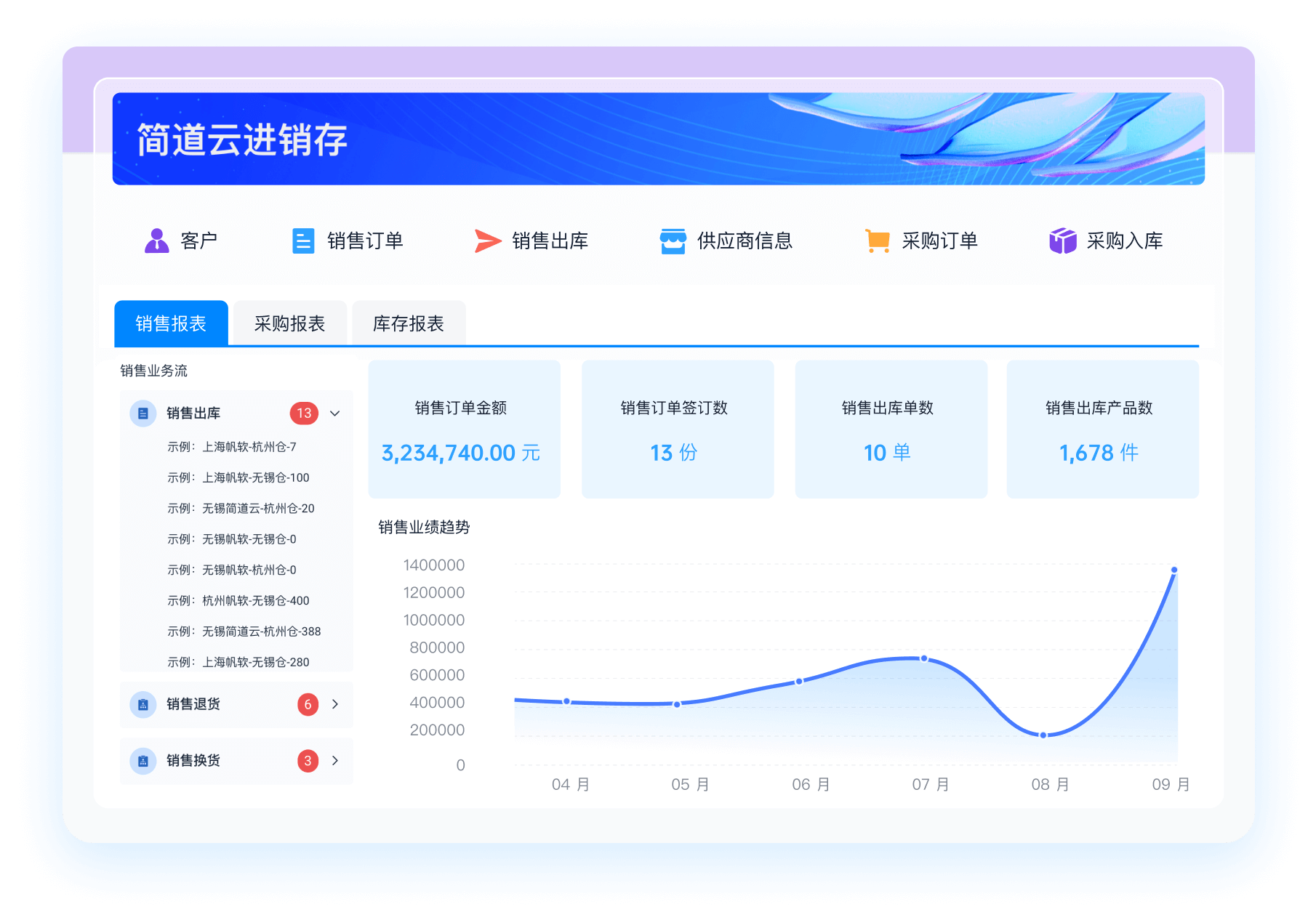
A robust inventory management system is crucial for maintaining accurate inventory records and streamlining operations. Jiandaoyun WMS Warehouse Management System is an excellent solution. It offers real-time tracking, automated updates, and comprehensive reporting features. You can access the Jiandaoyun WMS template here: https://s.fanruan.com/q6mjx;
Benefits of Jiandaoyun WMS:
- Real-time Tracking: Monitor inventory levels in real-time, reducing the risk of stockouts.
- Automated Updates: Automate the updating process to minimize human errors.
- Comprehensive Reporting: Generate detailed reports for better decision-making.
2. REGULARLY REVIEW AND UPDATE INVENTORY LEVELS
Keeping your inventory levels updated is essential to avoid overstocking or understocking. Regular reviews help in identifying patterns and adjusting stock levels accordingly.
Steps to Review Inventory:
- Weekly Checks: Conduct weekly reviews for fast-moving items.
- Monthly Audits: Perform monthly audits for slower-moving items.
- Seasonal Adjustments: Adjust inventory levels based on seasonal demands.
3. UTILIZE ABC ANALYSIS
ABC Analysis helps in categorizing inventory into three groups: A, B, and C, based on their importance and value.
How to Conduct ABC Analysis:
- Categorize Items: Divide items into three categories:
- A Items: High-value, low-quantity
- B Items: Moderate value and quantity
- C Items: Low-value, high-quantity
- Focus on A Items: Prioritize management efforts on A items.
- Optimize B and C Items: Implement cost-effective strategies for B and C items.
4. OPTIMIZE ORDER QUANTITIES
Determining the optimal order quantity can minimize holding and ordering costs. Techniques like Economic Order Quantity (EOQ) can be highly effective.
EOQ Formula:
[ EOQ = \sqrt{\frac{2DS}{H}} ]
Where:
- D: Demand rate
- S: Order cost
- H: Holding cost per unit
Benefits of EOQ:
- Cost Reduction: Minimizes total inventory costs.
- Efficiency: Ensures optimal stock levels.
5. CONDUCT REGULAR AUDITS
Regular audits are essential for maintaining accurate inventory records. They help in identifying discrepancies and preventing losses.
Types of Audits:
- Cycle Counting: Periodic counting of different inventory sections.
- Physical Inventory: Comprehensive counting of all inventory items.
- Spot Checks: Random checks to ensure accuracy.
Steps for Effective Audits:
- Schedule Audits: Plan audits at regular intervals.
- Use Technology: Implement barcode scanners or RFID for accuracy.
- Review Results: Analyze audit results and take corrective actions.
Conclusion
Effective inventory management requires a combination of technology, regular reviews, and strategic analysis. Implementing a system like Jiandaoyun WMS can significantly streamline your inventory processes, ensuring real-time tracking and accurate updates. Regular reviews, utilizing ABC analysis, optimizing order quantities, and conducting audits are essential steps to maintain optimal inventory levels. By following these strategies, you can improve efficiency, reduce costs, and enhance overall business performance.
相关问答FAQs:
How to Effectively Manage Inventory?
What are the key principles of effective inventory management?
Effective inventory management revolves around several key principles that ensure a smooth flow of goods, minimize costs, and meet customer demands. One of the primary principles is maintaining an optimal inventory level. This means having enough stock to satisfy customer orders without overstocking, which can lead to increased holding costs and potential waste, especially for perishable goods.
Another important principle is accurate forecasting. By analyzing historical sales data, market trends, and seasonal fluctuations, businesses can predict future demand more accurately. This helps in making informed decisions about when to reorder stock and how much to order, thus preventing stockouts and excess inventory.
Additionally, implementing a robust inventory tracking system is crucial. This could be a software solution that allows real-time monitoring of stock levels, sales, and orders. Such systems can provide valuable insights into inventory turnover rates and help identify slow-moving items that may need promotional efforts to sell.
Furthermore, regular audits and reviews of inventory are essential. This includes cycle counting or full inventory counts to ensure that the physical stock matches the recorded quantities. Discrepancies can lead to issues such as stockouts, overstock, and financial discrepancies.
What technologies can enhance inventory management?
The advancement of technology has significantly transformed inventory management practices. One of the most impactful technologies is the use of inventory management software. These tools automate various processes, such as tracking stock levels, managing orders, and generating reports. Many inventory management systems integrate with e-commerce platforms, point-of-sale systems, and supply chain management software, providing a comprehensive view of inventory across different channels.
Another technology that enhances inventory management is barcode scanning. By using barcode systems, businesses can streamline the receiving, storing, and shipping processes. Scanning barcodes reduces human error and speeds up the inventory tracking process, providing real-time data on stock levels.
Moreover, RFID (Radio Frequency Identification) technology is gaining popularity in inventory management. RFID tags allow for automatic identification and tracking of items, providing more accurate data about inventory status. This technology can drastically reduce the time spent on inventory counts and improve stock accuracy.
Cloud-based inventory management solutions are also becoming more common. These systems allow businesses to access inventory data from anywhere, enabling better collaboration among teams and improved decision-making. With cloud solutions, companies can also benefit from automatic updates and scalability as their inventory needs grow.
How can businesses reduce excess inventory and improve cash flow?
Reducing excess inventory is a critical aspect of effective inventory management that directly impacts cash flow. One strategy is to adopt a just-in-time (JIT) inventory system. JIT focuses on ordering stock only when it is needed for production or sales, thus minimizing holding costs and reducing excess inventory. This requires excellent coordination with suppliers to ensure timely deliveries.
Another approach is to implement better demand forecasting techniques. By analyzing sales patterns, market trends, and customer behavior, businesses can adjust their inventory levels accordingly. Advanced analytics tools can provide predictive insights that help in making proactive decisions about stock levels.
Additionally, conducting regular inventory reviews can help identify slow-moving or obsolete items. Businesses can then decide to discount these products, bundle them with other items, or find alternative sales channels. This not only frees up warehouse space but also improves cash flow by converting stagnant inventory into cash.
Lastly, improving the efficiency of the supply chain can significantly reduce excess inventory. By working closely with suppliers and optimizing order quantities and lead times, businesses can maintain leaner inventory levels while still meeting customer demands. This proactive approach to inventory management can lead to improved cash flow and a more agile business model.
In conclusion, effective inventory management is essential for the success of any business. By understanding key principles, leveraging technology, and implementing strategies to reduce excess inventory, businesses can optimize their operations and enhance profitability.
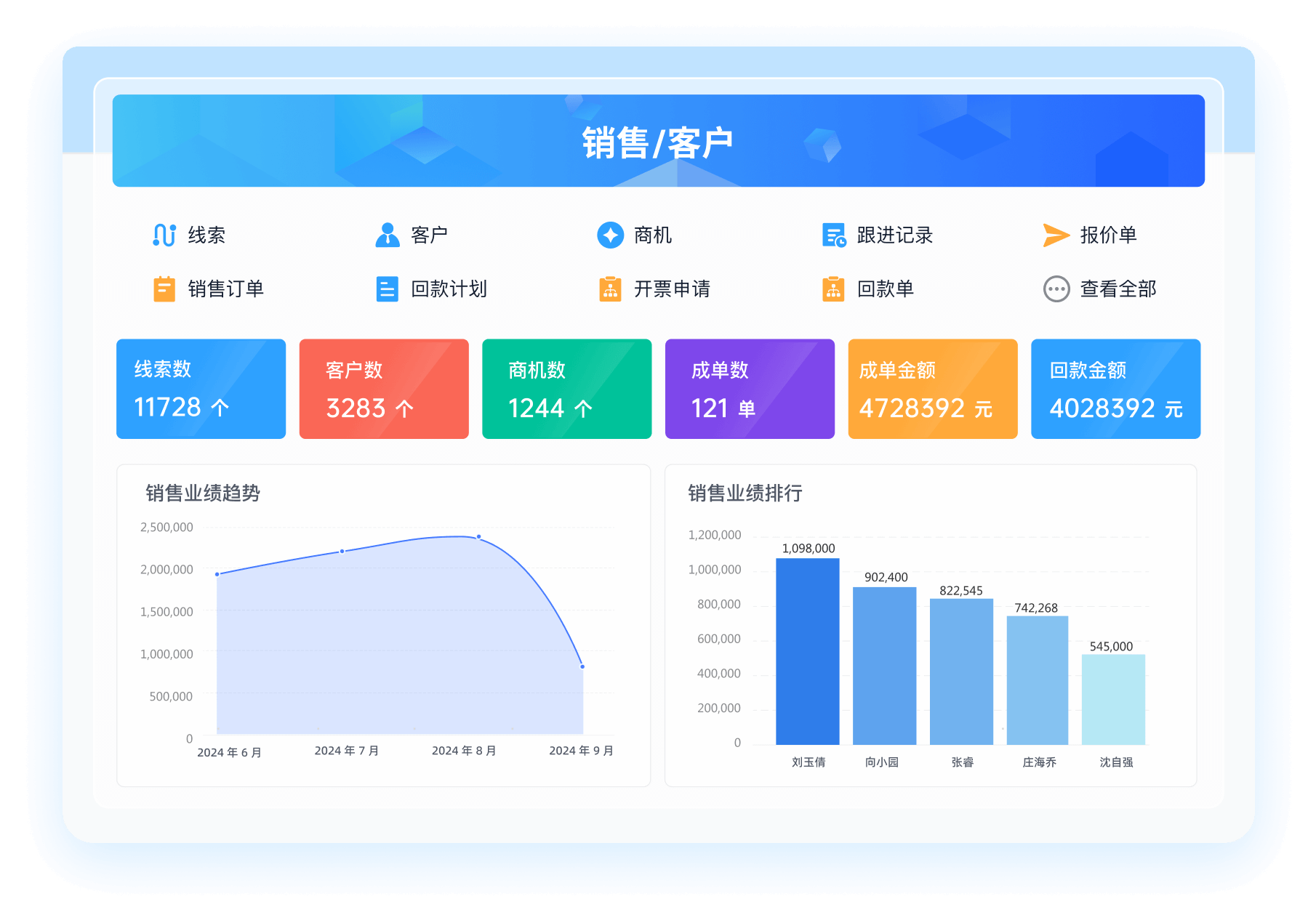
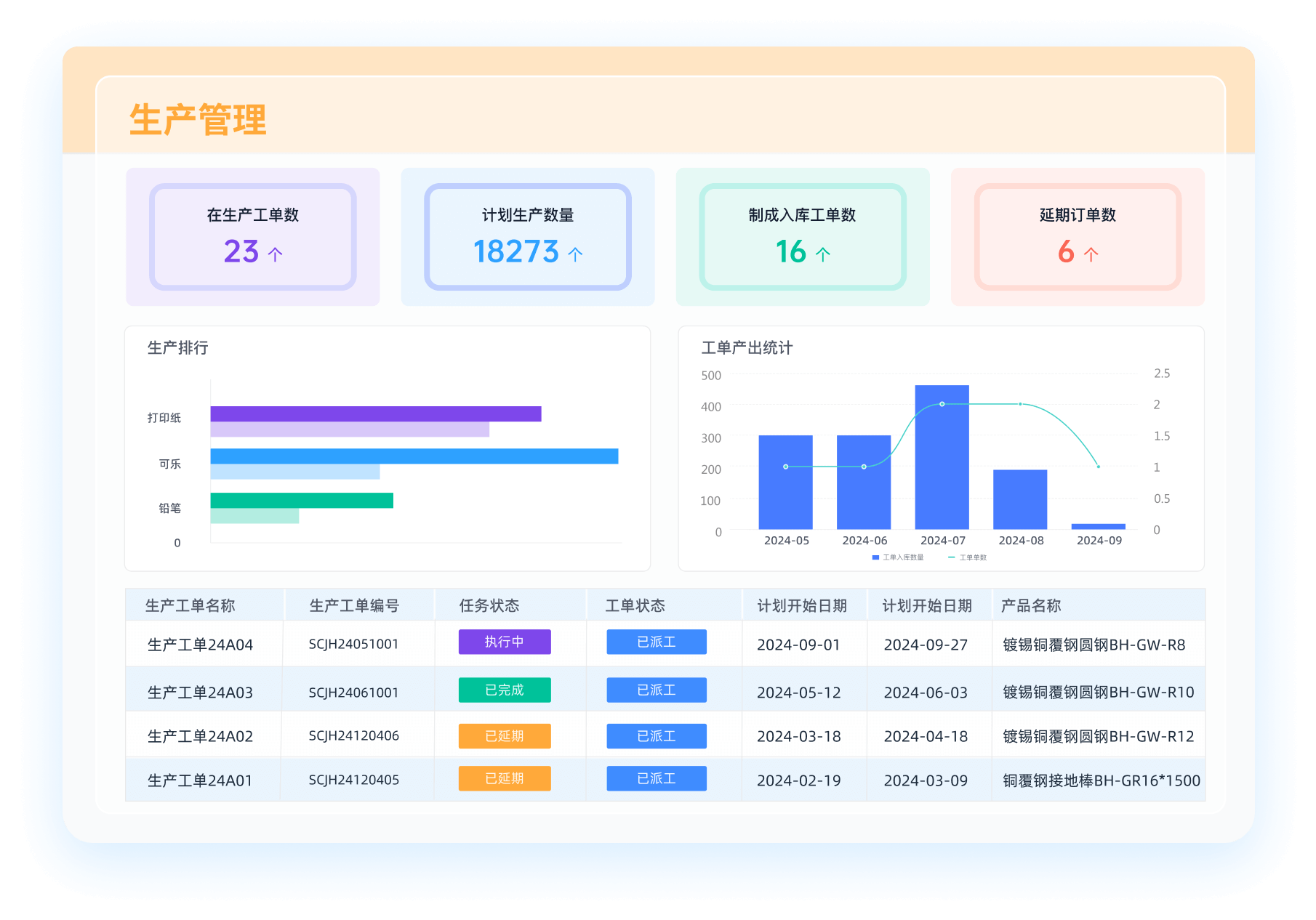
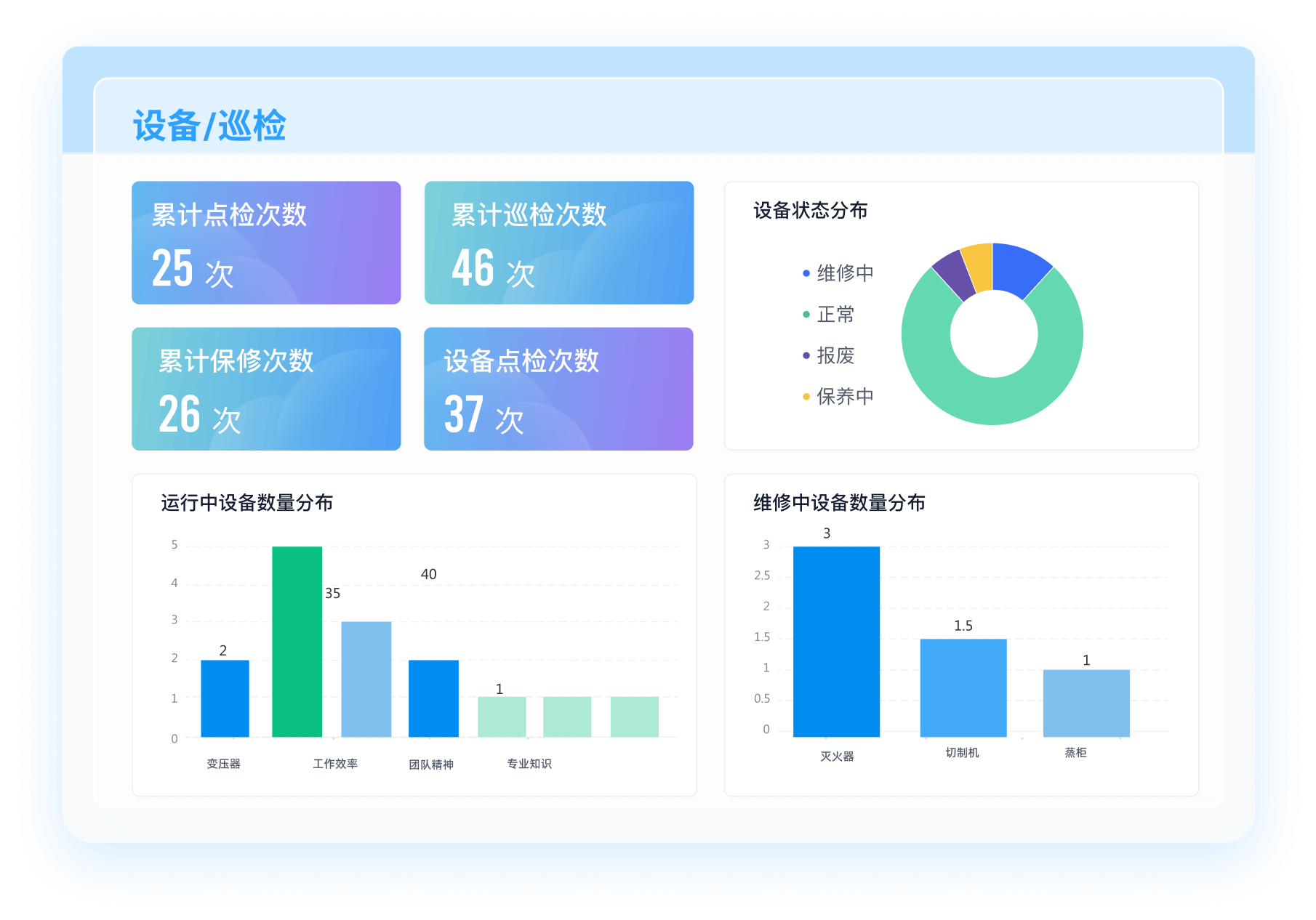
简道云WMS仓库管理系统模板:
无需下载,在线即可使用: https://s.fanruan.com/q6mjx;































































 《零代码开发知识图谱》
 《零代码
新动能》案例集
《零代码
新动能》案例集
 《企业零代码系统搭建指南》