
 阅读时间:5 分钟
  浏览量:8095次


使用函数做出入库记录的方法
1、选择适合的仓库管理系统工具;2、定义出入库记录的格式和数据结构;3、编写出入库记录函数;4、集成和测试功能。在使用函数实现出入库记录时,选择一个适合的仓库管理系统工具是非常重要的。简道云WMS仓库管理系统是一个非常好的选择,它提供了丰富的模板和强大的数据处理功能,能够帮助你轻松管理仓库的出入库记录。使用简道云WMS仓库管理系统模板:https://s.fanruan.com/q6mjx,你可以快速上手并定制自己的出入库记录功能。
一、选择适合的仓库管理系统工具
选择一个强大且易于使用的仓库管理系统工具是实现出入库记录的关键。推荐使用简道云WMS仓库管理系统,它提供了丰富的功能和模板,能够满足大多数仓库管理需求。以下是一些选择简道云WMS仓库管理系统的原因:
- 易于上手:简道云提供了许多预设的模板,可以帮助用户快速上手。
- 强大的数据处理功能:支持复杂的业务逻辑和数据处理,能够满足不同仓库管理的需求。
- 灵活性:可以根据具体需求进行定制,满足各种特定的业务场景。
二、定义出入库记录的格式和数据结构
在编写出入库记录函数之前,首先需要定义好出入库记录的格式和数据结构。一个典型的出入库记录应包含以下信息:
- 记录ID:唯一标识每一条出入库记录。
- 物品名称:出入库物品的名称。
- 数量:出入库物品的数量。
- 操作类型:出库或入库。
- 操作时间:记录出入库操作的时间。
- 操作人员:执行出入库操作的人员信息。
- 备注:其他相关备注信息。
三、编写出入库记录函数
使用简道云WMS仓库管理系统,可以通过编写函数来实现出入库记录的功能。以下是一个示例函数,用于记录出库操作:
function recordOutbound(itemName, quantity, operator) {
    var record = {
        recordID: generateUniqueID(),
        itemName: itemName,
        quantity: quantity,
        operationType: 'Outbound',
        operationTime: new Date().toISOString(),
        operator: operator,
        remarks: ''
    };
    // 将记录保存到数据库
    saveToDatabase(record);
}
function generateUniqueID() {
    return 'ID' + new Date().getTime();
}
function saveToDatabase(record) {
    // 假设我们有一个数据库接口可以调用
    database.save('outboundRecords', record);
}
四、集成和测试功能
完成函数编写后,需要将其集成到简道云WMS仓库管理系统中,并进行测试。以下是一些集成和测试的步骤:
- 将函数代码导入到简道云WMS系统:可以通过系统提供的脚本接口,将编写的函数代码导入系统中。
- 配置触发条件:设置触发条件,例如,当用户提交出库表单时,触发
recordOutbound函数。 - 测试功能:通过模拟出入库操作,测试函数是否正常工作。检查记录是否正确保存到数据库中,确保所有字段信息无误。
总结
使用函数来实现仓库的出入库记录,可以提高仓库管理的效率和准确性。通过选择简道云WMS仓库管理系统,并定义好出入库记录的格式和数据结构,可以轻松实现这一目标。完成函数编写后,通过集成和测试,确保功能正常工作。建议用户在实际应用中,根据具体需求进行定制和优化,进一步提高仓库管理的效果。
相关问答FAQs:
如何用函数做出入库记录?
在现代仓库管理中,出入库记录是至关重要的一环。通过使用函数,我们可以高效、准确地管理这些记录,确保库存信息的实时更新和准确性。以下是一些关键步骤和示例,帮助您理解如何利用函数来实现出入库记录。
1. 确定数据结构
在开始编写函数之前,首先需要设计一个合适的数据结构来存储出入库记录。通常,可以使用一个表格或数组来记录每一笔出入库的详细信息。这些信息可能包括:
- 商品名称
- 商品编号
- 出入库数量
- 操作类型(入库或出库)
- 操作时间
- 操作人员
2. 创建函数
一旦您确定了数据结构,接下来就是创建函数。以下是一个简单的示例,展示如何用Python编写一个函数来记录入库和出库操作。
class Inventory:
    def __init__(self):
        self.records = []

    def add_record(self, product_name, product_id, quantity, operation_type, operator):
        record = {
            "product_name": product_name,
            "product_id": product_id,
            "quantity": quantity,
            "operation_type": operation_type,
            "operation_time": datetime.now(),
            "operator": operator
        }
        self.records.append(record)

    def display_records(self):
        for record in self.records:
            print(record)

# 示例用法
inventory = Inventory()
inventory.add_record("商品A", "001", 10, "入库", "张三")
inventory.add_record("商品B", "002", 5, "出库", "李四")
inventory.display_records()
在这个示例中,我们创建了一个Inventory类,包含了一个用于存储记录的列表和两个方法:add_record用于添加记录,display_records用于显示所有记录。
3. 处理库存数量
出入库记录不仅需要记录每一笔交易,还需要更新库存数量。您可以在add_record方法中增加逻辑来处理库存的变化。
class Inventory:
    def __init__(self):
        self.records = []
        self.stock = {}

    def add_record(self, product_name, product_id, quantity, operation_type, operator):
        record = {
            "product_name": product_name,
            "product_id": product_id,
            "quantity": quantity,
            "operation_type": operation_type,
            "operation_time": datetime.now(),
            "operator": operator
        }
        self.records.append(record)

        # 更新库存
        if operation_type == "入库":
            if product_id in self.stock:
                self.stock[product_id] += quantity
            else:
                self.stock[product_id] = quantity
        elif operation_type == "出库":
            if product_id in self.stock and self.stock[product_id] >= quantity:
                self.stock[product_id] -= quantity
            else:
                print(f"库存不足,无法出库 {product_name}")

    def display_records(self):
        for record in self.records:
            print(record)

    def display_stock(self):
        for product_id, quantity in self.stock.items():
            print(f"商品ID: {product_id}, 当前库存: {quantity}")

# 示例用法
inventory = Inventory()
inventory.add_record("商品A", "001", 10, "入库", "张三")
inventory.add_record("商品B", "002", 5, "出库", "李四")
inventory.display_records()
inventory.display_stock()
在这个版本中,stock字典用于维护每个商品的当前库存。在添加记录时,函数会根据操作类型更新库存数量。
4. 记录查询与筛选
为了提高系统的可用性,您可能还需要添加功能来查询和筛选出入库记录。例如,您可以根据日期、商品名称或操作类型来筛选记录。
def filter_records(self, product_id=None, operation_type=None):
    filtered_records = []
    for record in self.records:
        if (product_id is None or record["product_id"] == product_id) and \
           (operation_type is None or record["operation_type"] == operation_type):
            filtered_records.append(record)
    return filtered_records

# 示例用法
filtered = inventory.filter_records(product_id="001")
for record in filtered:
    print(record)
在这个示例中,filter_records方法允许您根据商品ID或操作类型过滤记录,返回满足条件的记录列表。
5. 持久化存储
为了确保出入库记录能够永久保存,您需要将数据持久化到数据库或文件中。常用的数据库有MySQL、SQLite等。可以使用Python的sqlite3库将记录存储到SQLite数据库中。
import sqlite3

class Inventory:
    def __init__(self):
        self.records = []
        self.stock = {}
        self.connection = sqlite3.connect('inventory.db')
        self.create_table()

    def create_table(self):
        with self.connection:
            self.connection.execute('''
                CREATE TABLE IF NOT EXISTS records (
                    id INTEGER PRIMARY KEY,
                    product_name TEXT,
                    product_id TEXT,
                    quantity INTEGER,
                    operation_type TEXT,
                    operation_time TEXT,
                    operator TEXT
                )
            ''')

    def add_record(self, product_name, product_id, quantity, operation_type, operator):
        record = {
            "product_name": product_name,
            "product_id": product_id,
            "quantity": quantity,
            "operation_type": operation_type,
            "operation_time": datetime.now(),
            "operator": operator
        }
        self.records.append(record)

        with self.connection:
            self.connection.execute('''
                INSERT INTO records (product_name, product_id, quantity, operation_type, operation_time, operator)
                VALUES (?, ?, ?, ?, ?, ?)
            ''', (product_name, product_id, quantity, operation_type, record["operation_time"], operator))

        # 更新库存逻辑同前

# 示例用法
inventory = Inventory()
inventory.add_record("商品A", "001", 10, "入库", "张三")
在这个示例中,使用SQLite数据库来存储出入库记录。每次添加记录时,都会将数据插入到数据库中。
6. 生成报告
为了更好地分析出入库记录,您可以编写函数来生成报告。报告可以包括总的入库量、出库量,以及当前库存情况等信息。
def generate_report(self):
    total_in = sum(record["quantity"] for record in self.records if record["operation_type"] == "入库")
    total_out = sum(record["quantity"] for record in self.records if record["operation_type"] == "出库")

    print(f"总入库量: {total_in}, 总出库量: {total_out}")
    self.display_stock()

# 示例用法
inventory.generate_report()
通过以上的步骤与示例,您可以建立一个简单的出入库记录管理系统。根据具体需求,您可以进一步扩展功能,例如添加用户权限管理、数据备份、库存预警等功能。通过合理的设计与实现,您将能够有效管理仓库出入库记录,提高工作效率。
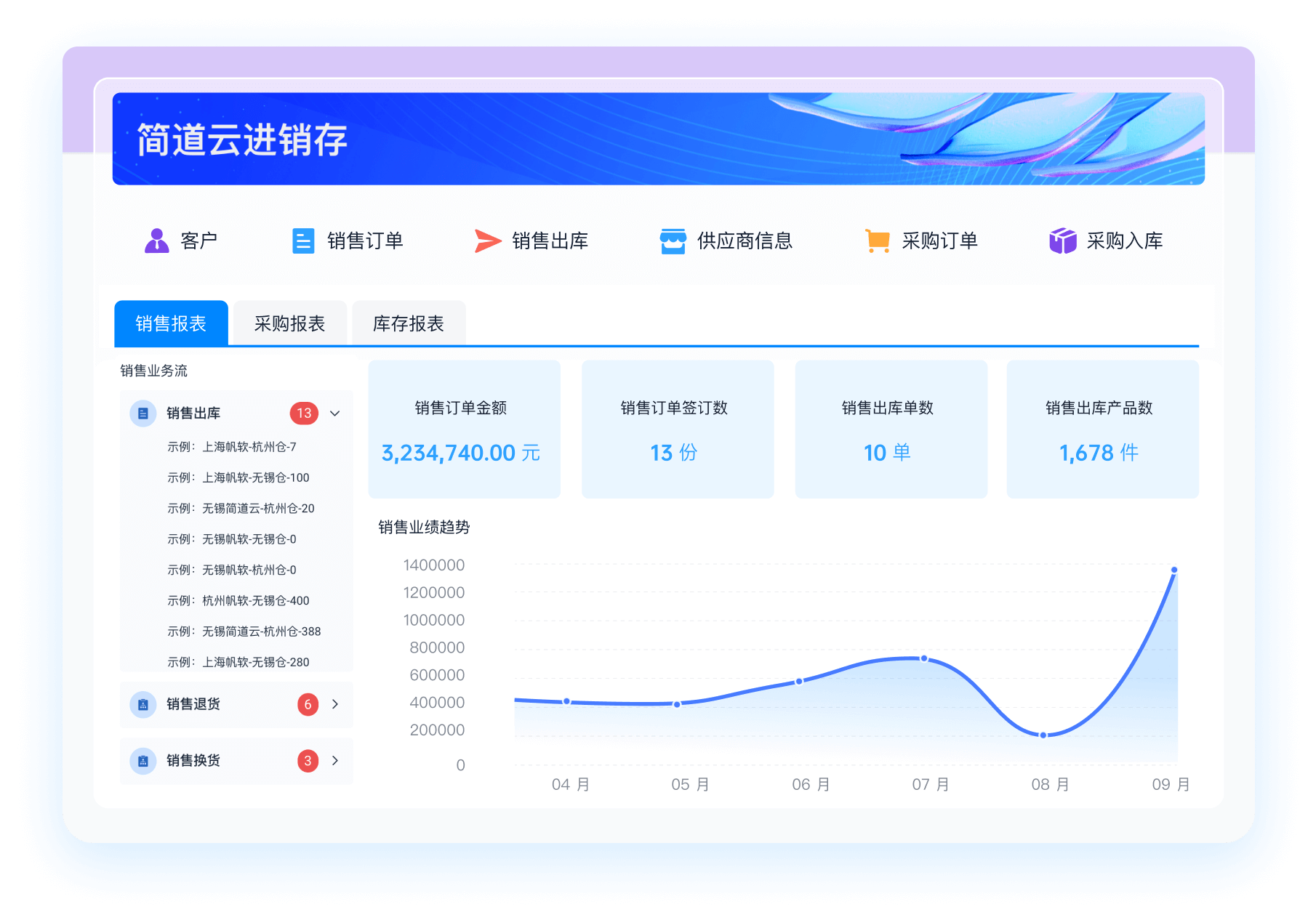
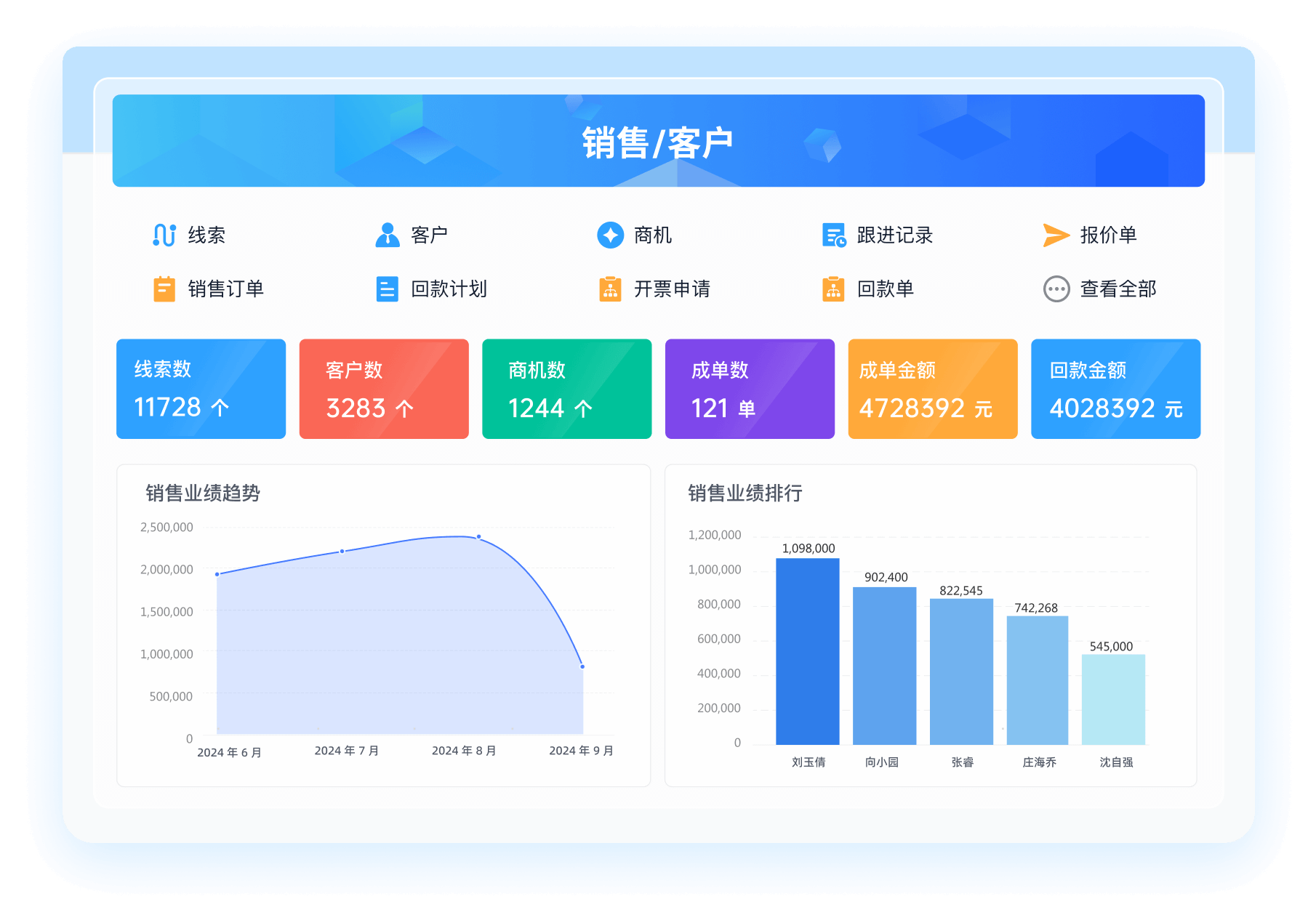
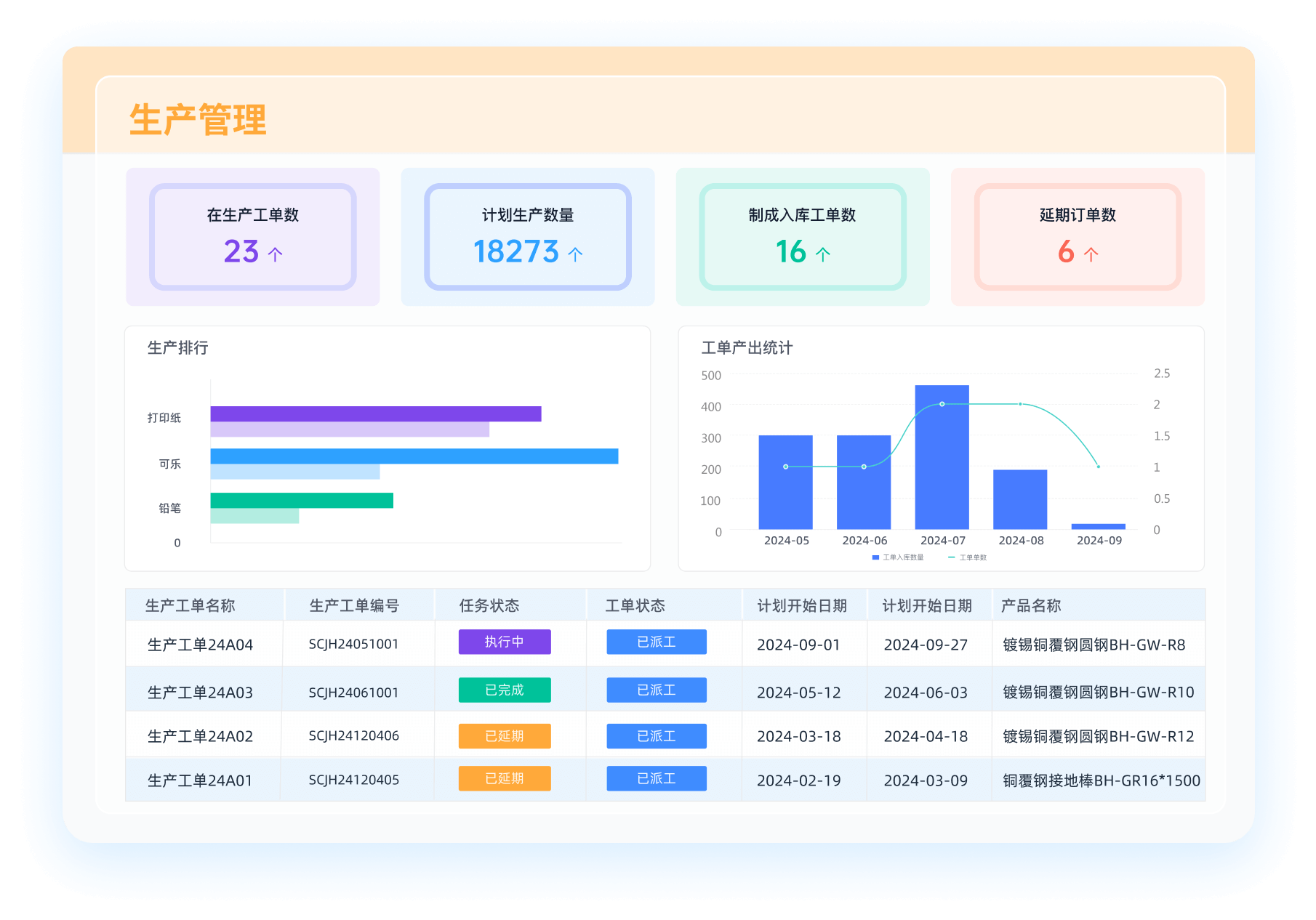
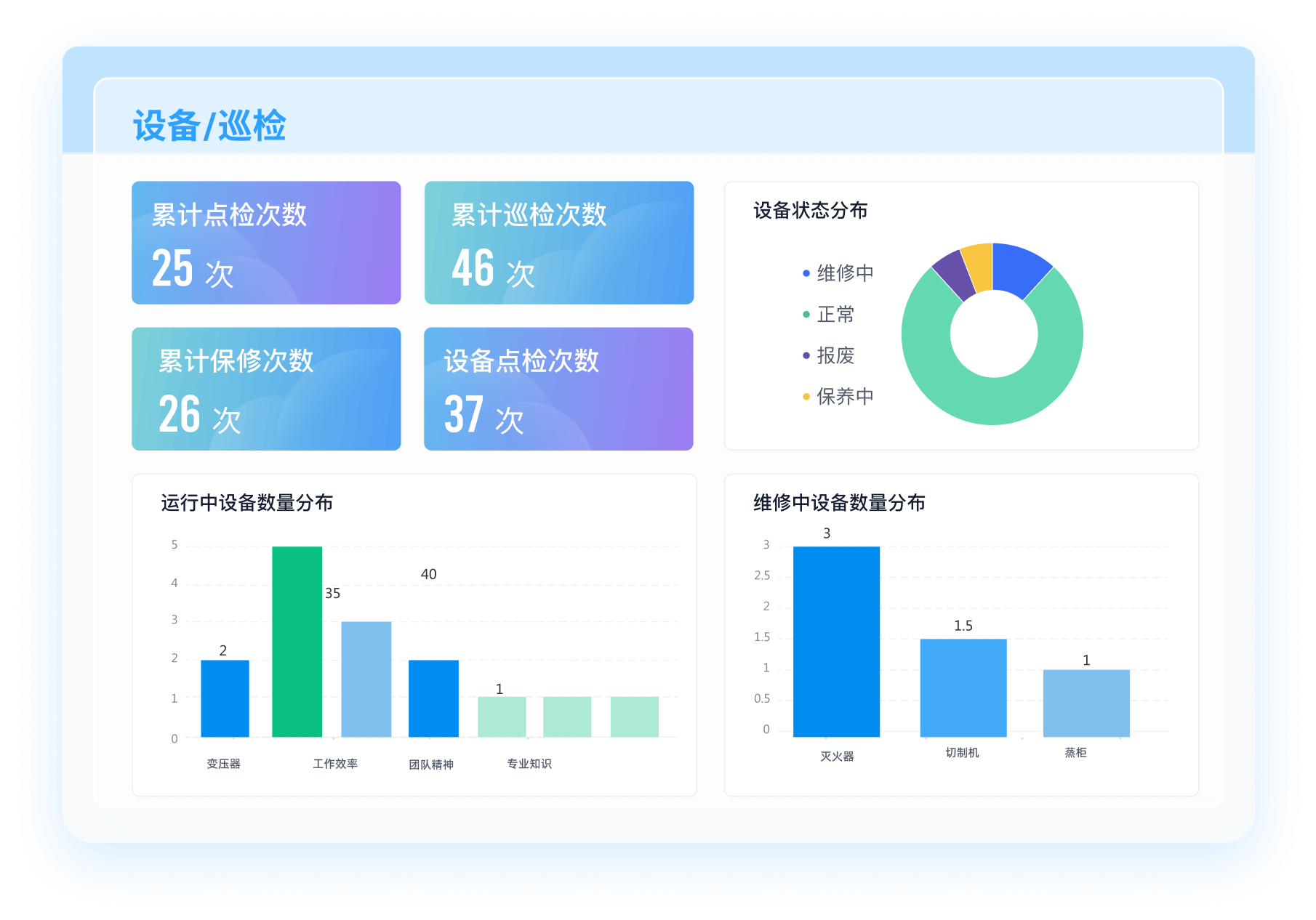
简道云WMS仓库管理系统模板:
无需下载,在线即可使用: https://s.fanruan.com/q6mjx;






























































 《零代码开发知识图谱》
 《零代码
新动能》案例集
《零代码
新动能》案例集
 《企业零代码系统搭建指南》