
 阅读时间:7 分钟
  浏览量:1676次


1、CLEARLY DEFINED COLUMNS
An effective in-and-out inventory table should contain clearly defined columns to capture all necessary information. Here are some essential columns you should consider:
- Item ID/Code: A unique identifier for each item.
- Item Description: A brief description of the item.
- Quantity In: The amount of items received.
- Quantity Out: The amount of items dispatched.
- Date In: The date when items are received.
- Date Out: The date when items are dispatched.
- Supplier: The source of the incoming items.
- Customer: The recipient of the outgoing items.
- Remarks: Any additional information or notes.
2、EXAMPLE IN-AND-OUT INVENTORY TABLE
Below is an example of an in-and-out inventory table:
| Item ID | Item Description | Quantity In | Quantity Out | Date In | Date Out | Supplier | Customer | Remarks |
|---|---|---|---|---|---|---|---|---|
| A001 | Widget A | 100 | 50 | 2023-01-01 | 2023-01-05 | Supplier X | Customer Y | Initial stock |
| B002 | Widget B | 200 | 0 | 2023-01-02 | Supplier Z | Awaiting dispatch | ||
| C003 | Widget C | 150 | 75 | 2023-01-03 | 2023-01-06 | Supplier X | Customer W | Partial dispatch |
| A001 | Widget A | 0 | 50 | 2023-01-07 | Customer Y | Second dispatch | ||
| D004 | Widget D | 300 | 100 | 2023-01-04 | 2023-01-08 | Supplier Y | Customer Z | New stock |
3、IMPORTANCE OF ACCURATE RECORD-KEEPING
- Inventory Tracking: Accurate records help in monitoring stock levels and identifying when to reorder items.
- Financial Accounting: Proper documentation aids in financial reporting and audit processes.
- Operational Efficiency: Streamlined data entry and retrieval reduce errors and enhance operational efficiency.
- Customer Satisfaction: Ensuring timely delivery and avoiding stockouts improve customer satisfaction.
For example, if your business has a sudden surge in demand for Widget A, having accurate in-and-out records will help you quickly identify available stock and plan for additional orders.
4、TOOLS TO SIMPLIFY INVENTORY MANAGEMENT
- Spreadsheets: Programs like Microsoft Excel or Google Sheets offer customizable templates and formulas to manage inventory.
- Inventory Management Software: Dedicated software like QuickBooks, Zoho Inventory, or Fishbowl provides advanced features like real-time tracking, automated reorder alerts, and integration with other business systems.
- Cloud-Based Solutions: Platforms such as Simplify Inventory or Square POS offer cloud-based inventory management, which allows for remote access and updates.
5、BEST PRACTICES FOR MAINTAINING INVENTORY RECORDS
- Regular Updates: Ensure the inventory table is updated in real-time or at regular intervals to reflect the latest stock status.
- Consistent Format: Maintain a consistent format for data entry to avoid confusion and errors.
- Periodic Audits: Conduct periodic physical audits to verify that the recorded inventory matches the actual stock.
- Training: Train staff on the importance of accurate record-keeping and how to properly use the inventory management tools.
CONCLUSION
Maintaining an accurate and well-organized in-and-out inventory table is crucial for efficient warehouse management. By clearly defining columns, using appropriate tools, and following best practices, businesses can ensure they have a reliable system for tracking inventory. This not only aids in operational efficiency but also enhances financial accuracy and customer satisfaction. For further optimization, consider integrating advanced inventory management software to automate and streamline the process.
相关问答FAQs:
在编写英文出入库表格时,需要清晰、准确地记录每一项出入库的详细信息。以下是一些关键要素和格式建议,帮助你制作一个有效的出入库表格。
出入库表格的基本结构
-
标题: 出入库表格的标题应明确且简洁,例如“Inventory Check-in and Check-out Record”。
-
表格列:
- Date (日期): 记录物品出入库的具体日期。
- Item Name (物品名称): 记录物品的名称。
- Item Code (物品编码): 唯一标识物品的编码。
- Quantity (数量): 出入库的数量。
- Unit (单位): 物品的计量单位,如件、箱、公斤等。
- In/Out (出入库): 标明是出库还是入库。
- Remarks (备注): 其他需要说明的信息,如原因、责任人等。
示例表格
| Date       | Item Name       | Item Code | Quantity | Unit | In/Out | Remarks              |
|------------|------------------|-----------|----------|------|--------|----------------------|
| 2023-10-01 | Widget A        | A001      | 50       | pcs  | In     | Received from Supplier|
| 2023-10-02 | Widget B        | B002      | 20       | pcs  | Out    | Shipped to Customer   |
| 2023-10-03 | Widget A        | A001      | 30       | pcs  | Out    | Returned from Customer |
| 2023-10-04 | Widget C        | C003      | 100      | pcs  | In     | New stock arrived     |
详细说明
1. 日期
日期是记录出入库时间的关键,确保使用统一的格式,例如“YYYY-MM-DD”,以避免混淆。
2. 物品名称
物品名称应准确且易于识别。如果可能,可以使用标准化的物品名称,以便于后续查询和统计。
3. 物品编码
物品编码为每种物品分配一个唯一的识别码,可以提高管理效率,减少错误。
4. 数量
数量应精确到每一个单位,尤其是在大批量操作时,确保数字的准确性是至关重要的。
5. 单位
单位可以根据物品的特性选择,如“pcs(件)”、“kg(公斤)”、“box(箱)”等。
6. 出入库类型
在“出入库”一栏中明确标记是“入库”还是“出库”,可以使用“IN”或“OUT”表示。
7. 备注
备注栏可以记录一些额外信息,例如出库的原因、物品的状态,或是其他有关人员的信息。
使用技巧
- 定期审核: 定期对出入库记录进行审核,确保数据的准确性与完整性。
- 电子表格: 使用Excel或其他电子表格软件,可以便于数据的排序、过滤和统计。
- 备份数据: 定期备份出入库表格,以防数据丢失。
通过使用以上结构和建议,你可以创建一个有效的英文出入库表格,帮助管理库存,确保物品的准确记录和跟踪。
额外资源
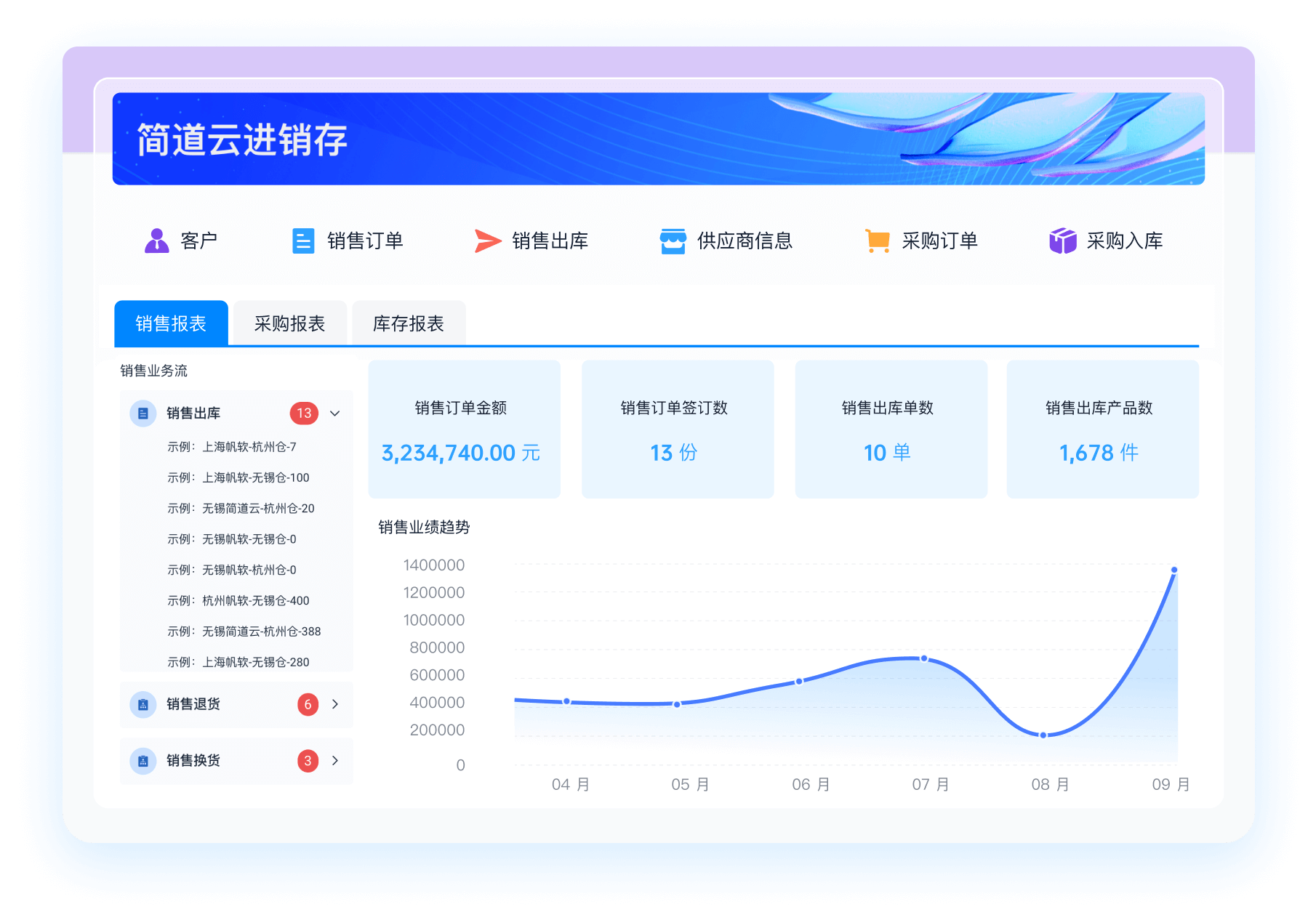
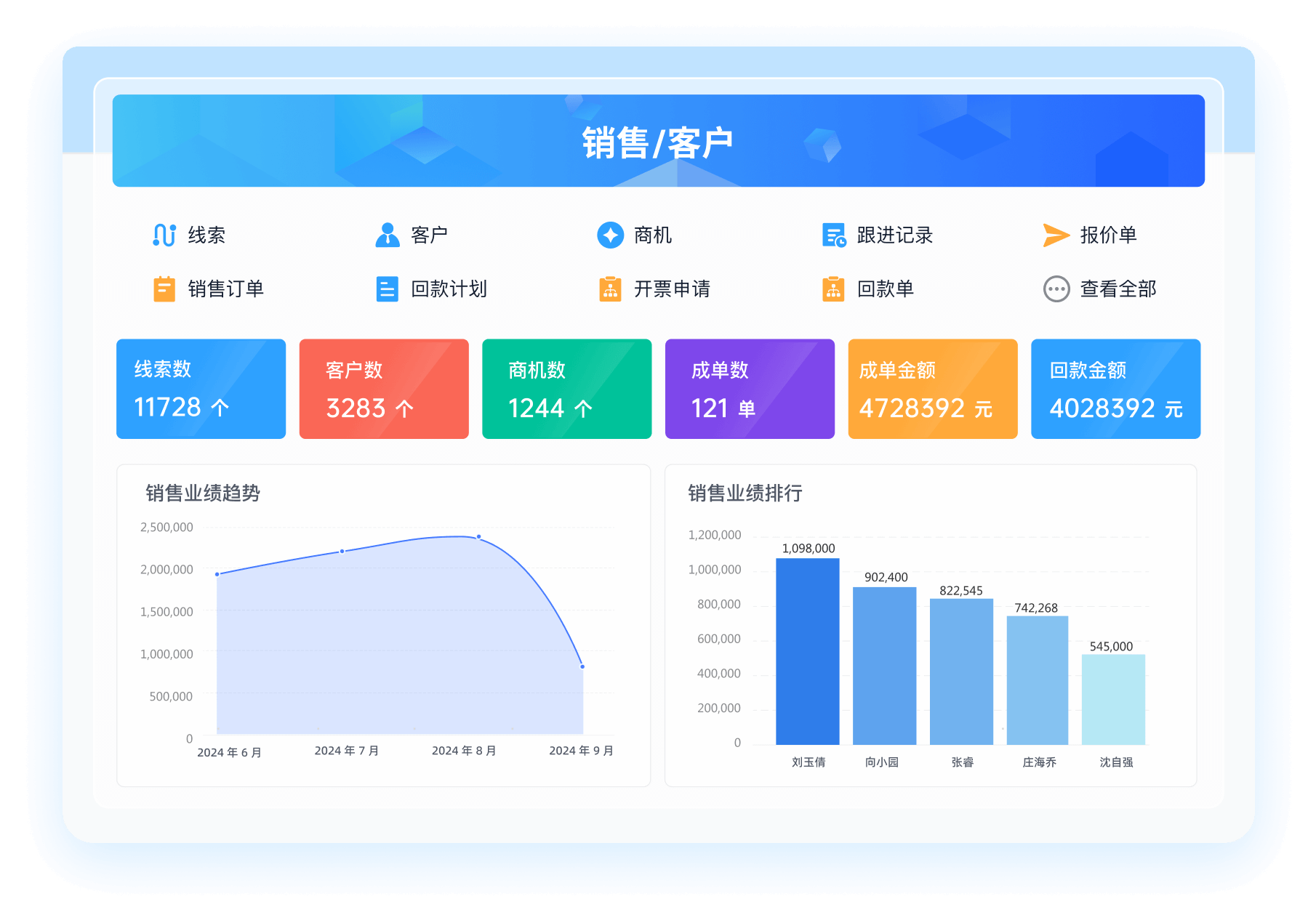
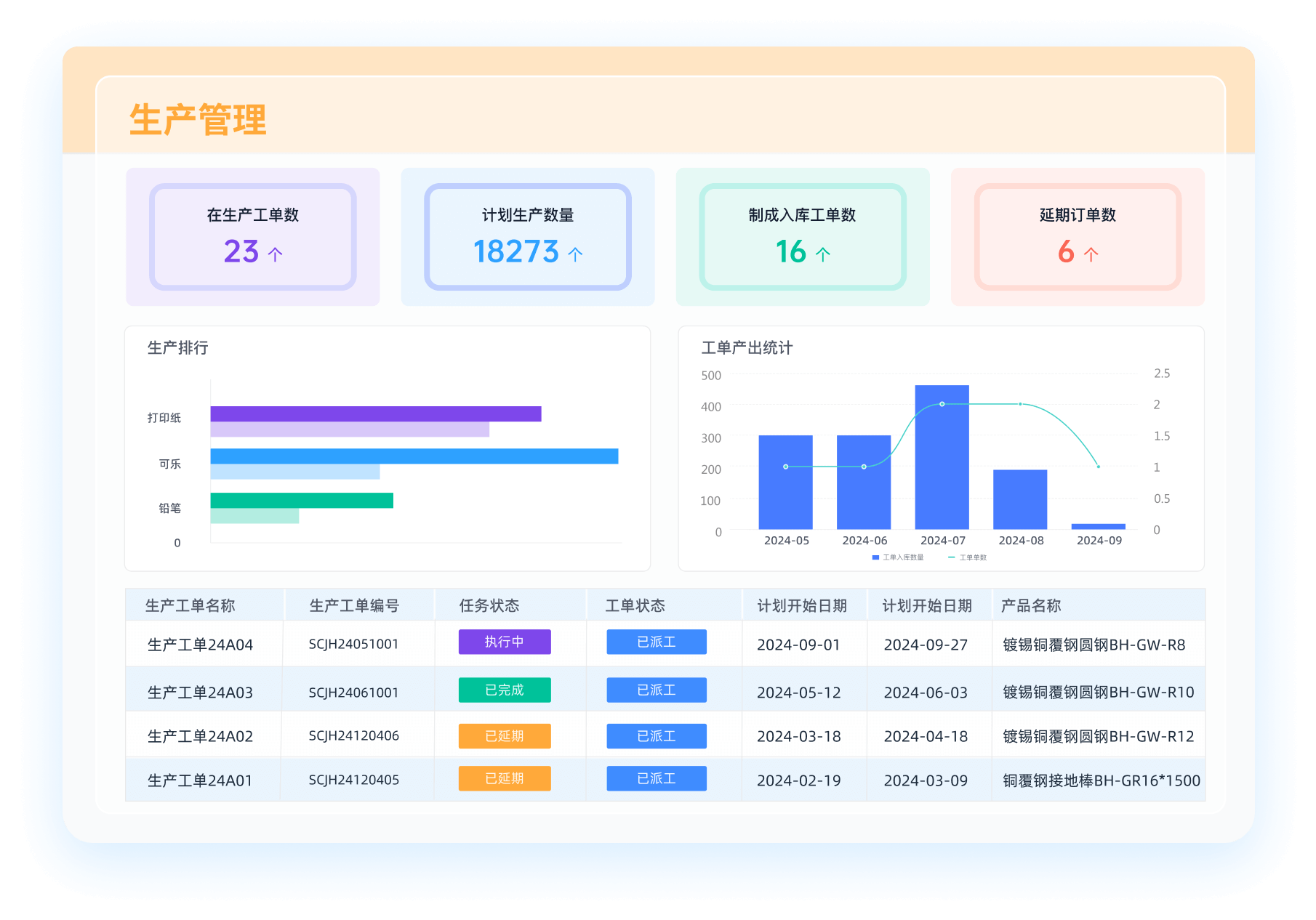
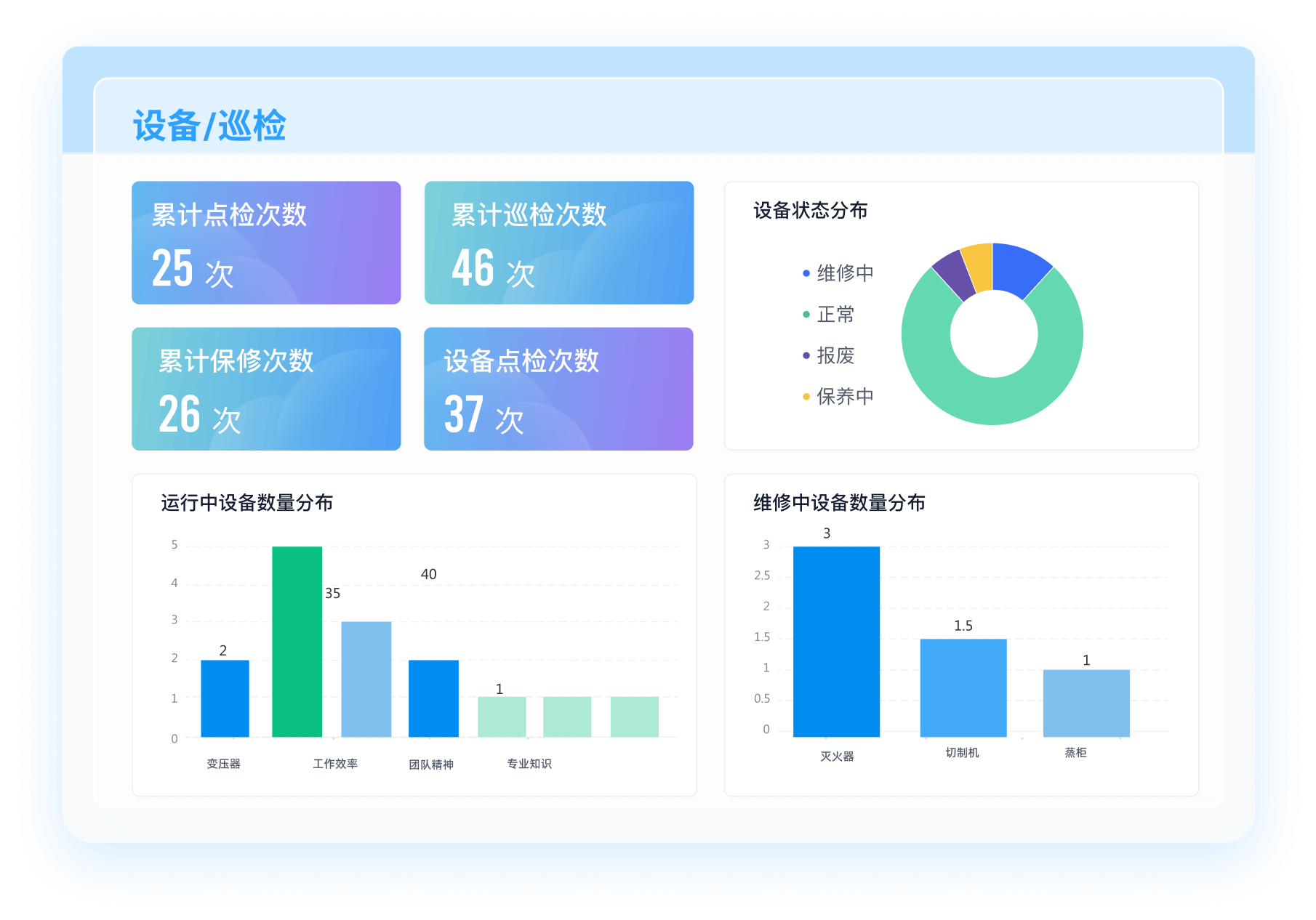
如需更专业的仓库管理系统,建议使用简道云WMS仓库管理系统模板,在线即可使用,提供了更为全面的功能和支持:
https://s.fanruan.com/q6mjx;






























































 《零代码开发知识图谱》
 《零代码
新动能》案例集
《零代码
新动能》案例集
 《企业零代码系统搭建指南》