
 阅读时间:9 分钟
  浏览量:8256次


在简道云WMS仓库管理系统中,编写出入库数据函数需要明确几个核心步骤:1、了解数据流动,2、定义输入输出参数,3、使用合适的函数或公式,4、确保数据准确性。下面将详细介绍这些步骤。
1、了解数据流动
在简道云WMS仓库管理系统中,出入库数据是动态的,涉及到货物的入库、出库、盘点等多种操作。因此,首先要明确每种操作的数据流动。通常,入库数据包括采购入库、退货入库等;出库数据包括销售出库、调拨出库等。
2、定义输入输出参数
为了编写出入库数据函数,必须先定义所需的输入输出参数。例如,对于入库操作,输入参数可能包括采购订单号、产品编号、入库数量、供应商等;输出参数则可能是入库单号、库存更新情况等。
3、使用合适的函数或公式
简道云WMS仓库管理系统提供了丰富的函数和公式,帮助用户处理出入库数据。以下是一个简单的例子,展示如何编写一个出库数据更新函数:
def update_outbound_data(order_id, product_id, outbound_quantity):
    # 获取当前库存数量
    current_stock = get_current_stock(product_id)
    # 检查库存是否足够
    if current_stock >= outbound_quantity:
        # 更新库存数量
        new_stock = current_stock - outbound_quantity
        update_stock(product_id, new_stock)
        # 生成出库记录
        create_outbound_record(order_id, product_id, outbound_quantity)
        return "出库成功"
    else:
        return "库存不足"
4、确保数据准确性
在实际操作中,数据准确性至关重要。需要进行多次数据验证和检查,确保每次出入库操作后的数据都是准确的。例如,可以在函数中添加更多的错误处理和日志记录,以便在出现问题时能够快速定位和解决。
一、了解数据流动
仓库管理系统中的数据流动是指货物在仓库内外的移动情况,这些数据通常包括入库数据、出库数据、以及盘点数据等。理解数据流动的方式,能更好地帮助我们编写合适的出入库数据函数。
入库数据:
- 采购入库:货物从供应商处送达仓库,需要录入采购单号、产品编号、入库数量等信息。
- 退货入库:客户退回的货物,需要录入退货单号、产品编号、退货数量等信息。
出库数据:
- 销售出库:货物从仓库发出到客户处,需要录入销售单号、产品编号、出库数量等信息。
- 调拨出库:货物从一个仓库调拨到另一个仓库,需要录入调拨单号、产品编号、调拨数量等信息。
盘点数据:
- 定期盘点:定期对仓库库存进行核对,记录实际库存和系统库存的差异。
- 不定期盘点:根据需要对特定产品进行盘点,记录实际库存和系统库存的差异。
二、定义输入输出参数
在编写出入库数据函数之前,明确输入和输出参数是至关重要的。以下是一些常见的输入和输出参数:
输入参数:
- 订单号:用于唯一标识一次入库或出库操作。
- 产品编号:用于唯一标识具体的产品。
- 数量:表示入库或出库的数量。
- 供应商/客户:用于标识货物来源或去向。
- 日期:记录操作的具体日期和时间。
输出参数:
- 操作状态:表示操作是否成功,如“入库成功”或“出库成功”。
- 库存更新:记录操作后库存数量的变化。
- 错误信息:当操作失败时,记录失败原因。
三、使用合适的函数或公式
在编写具体的出入库数据函数时,可以使用不同的编程语言和库。以下是一个更详细的例子,展示如何使用Python和SQL进行库存更新操作:
import sqlite3
def update_outbound_data(order_id, product_id, outbound_quantity):
    # 连接数据库
    conn = sqlite3.connect('warehouse.db')
    cursor = conn.cursor()
    try:
        # 获取当前库存数量
        cursor.execute("SELECT stock_quantity FROM inventory WHERE product_id = ?", (product_id,))
        current_stock = cursor.fetchone()[0]
        # 检查库存是否足够
        if current_stock >= outbound_quantity:
            # 更新库存数量
            new_stock = current_stock - outbound_quantity
            cursor.execute("UPDATE inventory SET stock_quantity = ? WHERE product_id = ?", (new_stock, product_id))
            # 生成出库记录
            cursor.execute("INSERT INTO outbound_records (order_id, product_id, quantity) VALUES (?, ?, ?)",
                           (order_id, product_id, outbound_quantity))
            # 提交事务
            conn.commit()
            return "出库成功"
        else:
            return "库存不足"
    except Exception as e:
        # 回滚事务
        conn.rollback()
        return f"操作失败: {str(e)}"
    finally:
        # 关闭连接
        conn.close()
四、确保数据准确性
为了确保出入库数据的准确性,可以采取以下措施:
- 数据验证:在录入数据时,确保输入的数据格式正确、范围合理。例如,检查数量是否为正数,订单号是否存在等。
- 多次验证:在执行出入库操作后,多次验证数据的准确性。例如,可以在函数中添加多次查询和比对,确保库存数量更新正确。
- 错误处理:在函数中添加错误处理机制,记录和处理可能出现的各种异常情况。例如,记录数据库连接失败、数据查询失败等情况。
- 日志记录:在操作过程中记录详细的日志,便于后续追踪和分析。例如,记录每次出入库操作的详细信息、操作时间、操作人等。
五、实例说明
以下是一个更加复杂的实例,展示如何在简道云WMS仓库管理系统中实现一个完整的出入库数据函数:
import sqlite3
def update_inventory(operation_type, order_id, product_id, quantity, supplier_or_customer=None):
    # 连接数据库
    conn = sqlite3.connect('warehouse.db')
    cursor = conn.cursor()
    try:
        # 获取当前库存数量
        cursor.execute("SELECT stock_quantity FROM inventory WHERE product_id = ?", (product_id,))
        current_stock = cursor.fetchone()[0]
        if operation_type == 'inbound':
            # 入库操作
            new_stock = current_stock + quantity
            cursor.execute("UPDATE inventory SET stock_quantity = ? WHERE product_id = ?", (new_stock, product_id))
            cursor.execute("INSERT INTO inbound_records (order_id, product_id, quantity, supplier) VALUES (?, ?, ?, ?)",
                           (order_id, product_id, quantity, supplier_or_customer))
            operation_status = "入库成功"
        elif operation_type == 'outbound':
            # 出库操作
            if current_stock >= quantity:
                new_stock = current_stock - quantity
                cursor.execute("UPDATE inventory SET stock_quantity = ? WHERE product_id = ?", (new_stock, product_id))
                cursor.execute("INSERT INTO outbound_records (order_id, product_id, quantity, customer) VALUES (?, ?, ?, ?)",
                               (order_id, product_id, quantity, supplier_or_customer))
                operation_status = "出库成功"
            else:
                operation_status = "库存不足"
        else:
            operation_status = "无效的操作类型"
        # 提交事务
        conn.commit()
        return operation_status
    except Exception as e:
        # 回滚事务
        conn.rollback()
        return f"操作失败: {str(e)}"
    finally:
        # 关闭连接
        conn.close()
在这个实例中,函数update_inventory可以处理入库和出库两种操作类型,通过传入不同的参数实现不同的操作。同时,函数中添加了错误处理和日志记录,确保数据的准确性和可追溯性。
六、总结与建议
在简道云WMS仓库管理系统中,编写出入库数据函数需要从多个方面考虑,包括数据流动、输入输出参数、使用合适的函数或公式、确保数据准确性等。通过明确每个步骤的具体操作,能够更好地实现仓库管理系统的自动化和高效化。
建议:
- 定期检查和维护代码:确保系统中的每个函数都能正常运行,并及时修复可能出现的问题。
- 使用日志记录和错误处理:在函数中添加详细的日志记录和错误处理机制,便于后续的追踪和分析。
- 持续优化算法:根据实际情况,不断优化库存管理算法,提高系统的处理效率和准确性。
通过这些方法,能够更好地管理仓库中的出入库数据,提高仓库管理的整体效率和准确性。欲了解更多关于简道云WMS仓库管理系统的信息,请访问简道云WMS仓库管理系统模板: https://s.fanruan.com/q6mjx;。
相关问答FAQs:
在进行出入库管理时,出入库数据函数的设计是十分重要的。以下是一个关于如何编写出入库数据函数的详细说明。
出入库数据函数的基本概念
出入库数据函数主要用于处理库存商品的入库和出库操作。它不仅需要记录每一笔出入库的具体信息,还要更新库存数量,确保库存数据的准确性。通常,这些函数会涉及到数据库操作、数据验证和异常处理等多个方面。
设计出入库数据函数的步骤
1. 确定数据结构
在编写出入库数据函数之前,首先需要确定数据结构,包括商品信息、库存信息和出入库记录等。以下是一个简单的示例:
class Product:
    def __init__(self, product_id, name, quantity):
        self.product_id = product_id
        self.name = name
        self.quantity = quantity

class Inventory:
    def __init__(self):
        self.products = {}

    def add_product(self, product):
        self.products[product.product_id] = product
2. 编写入库函数
入库函数负责将商品添加到库存中,并更新库存数量。以下是一个示例代码:
def add_stock(inventory, product_id, amount):
    if product_id in inventory.products:
        inventory.products[product_id].quantity += amount
    else:
        print("商品不存在,请先添加商品。")
3. 编写出库函数
出库函数用于从库存中减少商品数量,并记录出库信息。代码示例如下:
def remove_stock(inventory, product_id, amount):
    if product_id in inventory.products:
        product = inventory.products[product_id]
        if product.quantity >= amount:
            product.quantity -= amount
            print(f"成功出库 {amount} 件 {product.name}。")
        else:
            print("库存不足,无法出库。")
    else:
        print("商品不存在,无法出库。")
4. 记录出入库日志
为确保数据的可追溯性,建议在出入库操作时记录日志。可以创建一个简单的日志系统:
class TransactionLog:
    def __init__(self):
        self.logs = []

    def log_transaction(self, action, product_id, amount):
        self.logs.append({
            'action': action,
            'product_id': product_id,
            'amount': amount
        })

transaction_log = TransactionLog()

def add_stock_with_log(inventory, product_id, amount):
    add_stock(inventory, product_id, amount)
    transaction_log.log_transaction("入库", product_id, amount)

def remove_stock_with_log(inventory, product_id, amount):
    remove_stock(inventory, product_id, amount)
    transaction_log.log_transaction("出库", product_id, amount)
5. 处理异常
在实际操作中,可能会遇到各种异常情况,例如库存不足、商品不存在等。因此,在函数中添加异常处理机制是必要的。
def safe_remove_stock(inventory, product_id, amount):
    try:
        remove_stock(inventory, product_id, amount)
    except Exception as e:
        print(f"出库失败,错误信息:{e}")
6. 完整示例
以下是一个完整的出入库管理系统示例:
class Product:
    def __init__(self, product_id, name, quantity):
        self.product_id = product_id
        self.name = name
        self.quantity = quantity

class Inventory:
    def __init__(self):
        self.products = {}

    def add_product(self, product):
        self.products[product.product_id] = product

class TransactionLog:
    def __init__(self):
        self.logs = []

    def log_transaction(self, action, product_id, amount):
        self.logs.append({
            'action': action,
            'product_id': product_id,
            'amount': amount
        })

inventory = Inventory()
transaction_log = TransactionLog()

def add_stock(inventory, product_id, amount):
    if product_id in inventory.products:
        inventory.products[product_id].quantity += amount
        transaction_log.log_transaction("入库", product_id, amount)
    else:
        print("商品不存在,请先添加商品。")

def remove_stock(inventory, product_id, amount):
    if product_id in inventory.products:
        product = inventory.products[product_id]
        if product.quantity >= amount:
            product.quantity -= amount
            transaction_log.log_transaction("出库", product_id, amount)
            print(f"成功出库 {amount} 件 {product.name}。")
        else:
            print("库存不足,无法出库。")
    else:
        print("商品不存在,无法出库。")

# 添加商品
product1 = Product("001", "商品A", 100)
inventory.add_product(product1)

# 入库
add_stock(inventory, "001", 50)

# 出库
remove_stock(inventory, "001", 30)

# 查看日志
print(transaction_log.logs)
总结
设计出入库数据函数需要考虑多个方面,包括数据结构的设计、功能的实现、日志的记录以及异常的处理等。这些因素共同作用,确保了出入库管理系统的稳定性和可靠性。在实际开发中,可能还需要根据具体的业务需求进行进一步的扩展和优化。
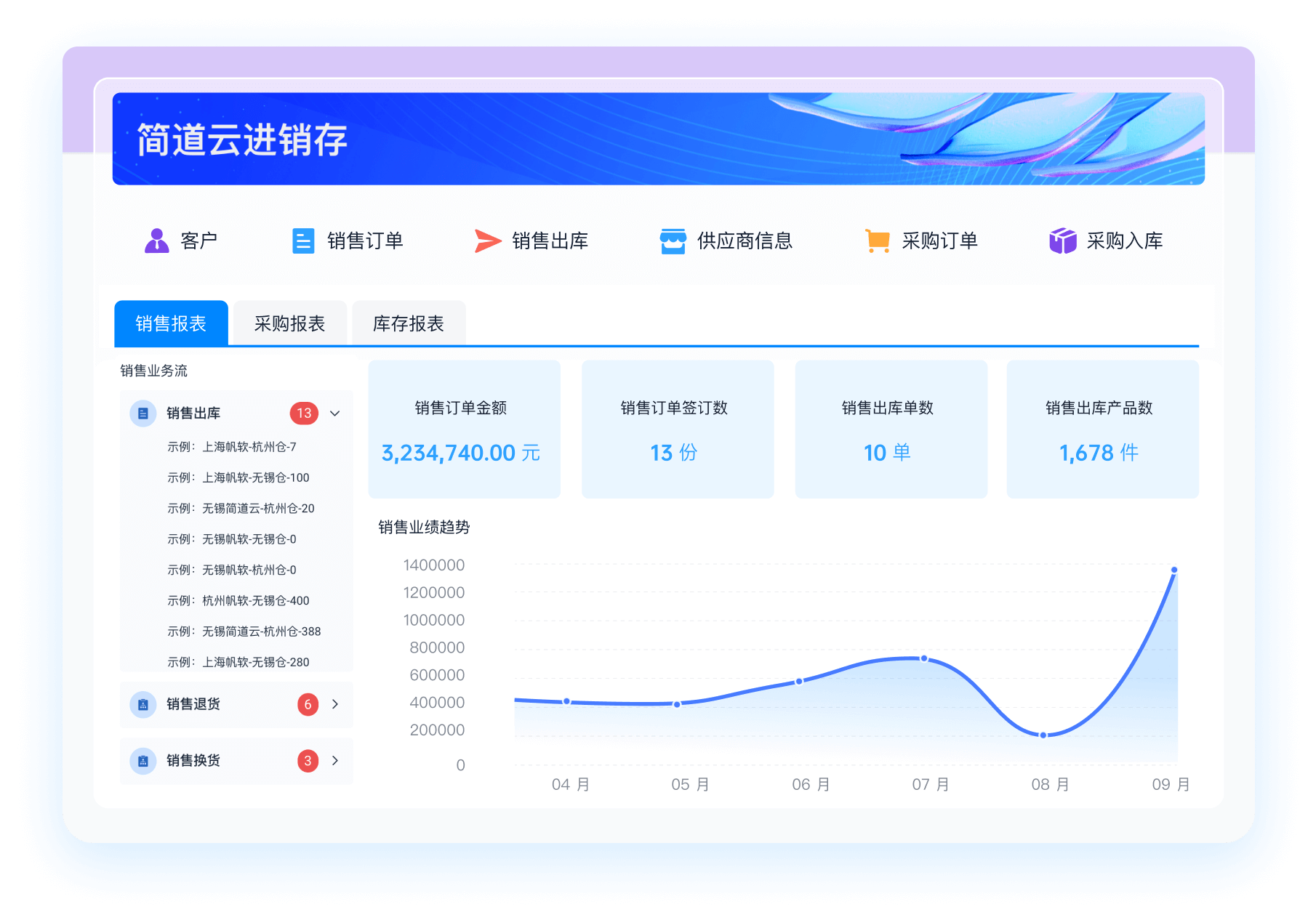
简道云WMS仓库管理系统模板:
无需下载,在线即可使用: https://s.fanruan.com/q6mjx;






























































 《零代码开发知识图谱》
 《零代码
新动能》案例集
《零代码
新动能》案例集
 《企业零代码系统搭建指南》