
 阅读时间:7 分钟
  浏览量:7497次


How Does Courier Entry and Exit Warehouse?
-
Receiving the Parcel: When a parcel arrives at the warehouse, it is first received by the warehouse staff. They scan the parcel's barcode to register it in the warehouse management system. This process ensures that the parcel is tracked from the moment it enters the facility.
-
Sorting and Categorizing: After scanning, the parcel is sorted based on its destination, size, weight, and priority. Advanced warehouse management systems, like Jian Dao Yun WMS Warehouse Management System, can automate this process, enhancing efficiency and reducing errors.
-
Storing: Once sorted, the parcel is placed in a designated storage location within the warehouse. The location is recorded in the system, so the parcel can be easily retrieved later. Efficient storage solutions are crucial for maximizing space and improving retrieval times.
-
Order Processing: When an order is placed, the warehouse management system generates a pick list, detailing the items that need to be retrieved. Warehouse staff then use this list to locate and collect the parcel from its storage location.
-
Quality Check: Before the parcel is dispatched, it undergoes a quality check to ensure it matches the order details and is in good condition. This step helps to maintain service quality and customer satisfaction.
-
Packing: After passing the quality check, the parcel is packed securely for transportation. Proper packing materials and techniques are used to protect the parcel during transit.
-
Shipping Label Creation: A shipping label is created and attached to the parcel. The label contains important information such as the recipient's address, tracking number, and shipping method.
-
Dispatching: Finally, the parcel is dispatched from the warehouse. The courier service collects the parcel, and its status is updated in the system. This update triggers notifications to the recipient, providing them with tracking information.
I. RECEIVING THE PARCEL
When a parcel arrives at the warehouse, it undergoes an initial receiving process. The warehouse staff scans the parcel’s barcode to log it into the warehouse management system. This step is crucial for tracking the parcel's journey through the warehouse. For example, using an advanced system like Jian Dao Yun WMS Warehouse Management System ensures that the parcel is accurately registered, minimizing the chances of loss or misplacement.
II. SORTING AND CATEGORIZING
Once scanned, the parcel is sorted based on several criteria including destination, size, weight, and priority. Automated sorting systems can significantly enhance this process, ensuring that parcels are categorized efficiently and accurately. Automated systems reduce human error and speed up the sorting process, which is particularly beneficial during peak periods.
III. STORING
The sorted parcels are then stored in designated locations within the warehouse. The storage location is recorded in the warehouse management system, facilitating easy retrieval later. Efficient storage solutions, such as using a bin location system, help in maximizing space utilization and improving retrieval times. For instance, Jian Dao Yun WMS can optimize storage locations based on parcel characteristics and retrieval frequency.
IV. ORDER PROCESSING
When an order is placed, the warehouse management system generates a pick list. This list contains details of the items that need to be retrieved from storage. Warehouse staff use this pick list to locate and collect the parcels, ensuring that the correct items are picked for dispatch. The system can also prioritize orders based on urgency, ensuring timely fulfillment.
V. QUALITY CHECK
Before the parcels are packed for dispatch, they undergo a quality check. This step ensures that the items match the order details and are in good condition. Conducting a thorough quality check helps maintain service quality and customer satisfaction, as it minimizes the chances of incorrect or damaged items being shipped.
VI. PACKING
After passing the quality check, the parcels are packed securely. Proper packing materials and techniques are used to protect the parcels during transit. Effective packing minimizes the risk of damage, ensuring that items reach their destination in good condition. The use of specialized packing materials for fragile items is a common practice in many warehouses.
VII. SHIPPING LABEL CREATION
A shipping label is created and attached to each parcel. This label contains critical information such as the recipient's address, tracking number, and shipping method. Accurate shipping labels are essential for ensuring that parcels reach the correct destination, and they also provide tracking information for both the sender and recipient.
VIII. DISPATCHING
Finally, the parcels are dispatched from the warehouse. The courier service collects the parcels, and their status is updated in the warehouse management system. This update triggers notifications to the recipients, providing them with tracking information, which enhances transparency and customer satisfaction.
Summary and Recommendations
In summary, the process of courier entry and exit in a warehouse involves several critical steps: receiving, sorting, storing, order processing, quality checking, packing, shipping label creation, and dispatching. Each step is crucial for ensuring that parcels are handled efficiently and reach their destination in good condition.
To optimize this process, it is recommended to use advanced warehouse management systems like Jian Dao Yun WMS Warehouse Management System, which can automate many of these steps, reducing human error and increasing efficiency. Additionally, investing in quality packing materials and training staff on best practices can further enhance the reliability and speed of the warehouse operations. For more information, you can visit the Jian Dao Yun WMS Warehouse Management System template at https://s.fanruan.com/q6mjx;.
相关问答FAQs:
How does the express delivery process work for inbound and outbound logistics?
The express delivery process for inbound and outbound logistics involves several key steps that ensure packages are efficiently managed within a warehouse or distribution center.
-
Inbound Logistics:
- Receiving Packages: When packages arrive at the warehouse, they are unloaded from delivery vehicles. This step often involves checking the delivery manifest against the physical packages to ensure accuracy.
- Sorting and Inspection: After unloading, packages are sorted based on their destination or type. Each package is inspected for damages or discrepancies. This is crucial for maintaining service quality.
- Barcode Scanning: Each package is scanned into the warehouse management system (WMS) using barcode technology. This step helps in tracking the package throughout its journey within the warehouse.
- Storage: Once sorted and scanned, packages are placed into designated storage locations. The WMS helps in optimizing space and ensuring easy retrieval when needed.
-
Outbound Logistics:
- Order Processing: When a customer places an order, the system retrieves the necessary packages from storage. The orders are prioritized based on factors such as delivery deadlines and shipping methods.
- Picking and Packing: Staff or automated systems pick the packages from their storage locations. They are then packed securely for delivery, often using protective materials to prevent damage during transit.
- Labeling: After packing, packages are labeled with shipping information, including destination addresses and tracking numbers. This information is crucial for both the carrier and the customer.
- Shipping: Finally, the packages are loaded onto delivery vehicles. The warehouse management system updates the status of each package, marking it as 'shipped' and providing tracking information to customers.
What technology is involved in the express delivery process?
The express delivery process relies heavily on various technologies to enhance efficiency and accuracy.
-
Warehouse Management Systems (WMS): These systems facilitate the entire process by providing real-time data on inventory levels, order statuses, and warehouse layout. They help in optimizing storage space and improving order fulfillment rates.
-
Barcode and RFID Technology: Barcode scanning and Radio Frequency Identification (RFID) are widely used for tracking packages. These technologies allow for quick data entry and retrieval, minimizing human errors.
-
Automated Sorting Systems: Many modern warehouses utilize automated systems for sorting packages. These systems use conveyor belts and robotic arms to quickly and accurately sort packages based on their destination.
-
Inventory Management Software: This software helps in tracking inventory levels, managing stock replenishment, and analyzing sales trends. It ensures that the warehouse is always stocked with the right items.
-
Shipping Software: Shipping software integrates with carriers to streamline the shipping process. It allows for easy generation of shipping labels, tracking numbers, and rate comparisons among different carriers.
How can a warehouse management system improve the express delivery process?
Implementing a robust warehouse management system can greatly enhance the express delivery process in several ways.
-
Improved Accuracy: With real-time tracking and automated data entry, WMS reduces the chances of human error, ensuring that orders are fulfilled accurately.
-
Enhanced Efficiency: WMS optimizes warehouse layout and storage locations, allowing for quicker access to items. This results in faster order processing and shipping times.
-
Better Inventory Control: A WMS provides visibility into inventory levels, helping managers make informed decisions about stock replenishment and minimizing stockouts or overstock situations.
-
Increased Productivity: By automating repetitive tasks, such as scanning and sorting, a WMS allows employees to focus on more value-added activities, increasing overall productivity.
-
Data-Driven Insights: WMS generates valuable reports and analytics, allowing warehouse managers to identify trends, assess performance, and make data-driven improvements to the operation.
In summary, the express delivery process is a complex but well-organized system that relies on advanced technologies and efficient practices. By understanding each step of the process and leveraging modern tools, businesses can enhance their logistics operations and provide better service to their customers.
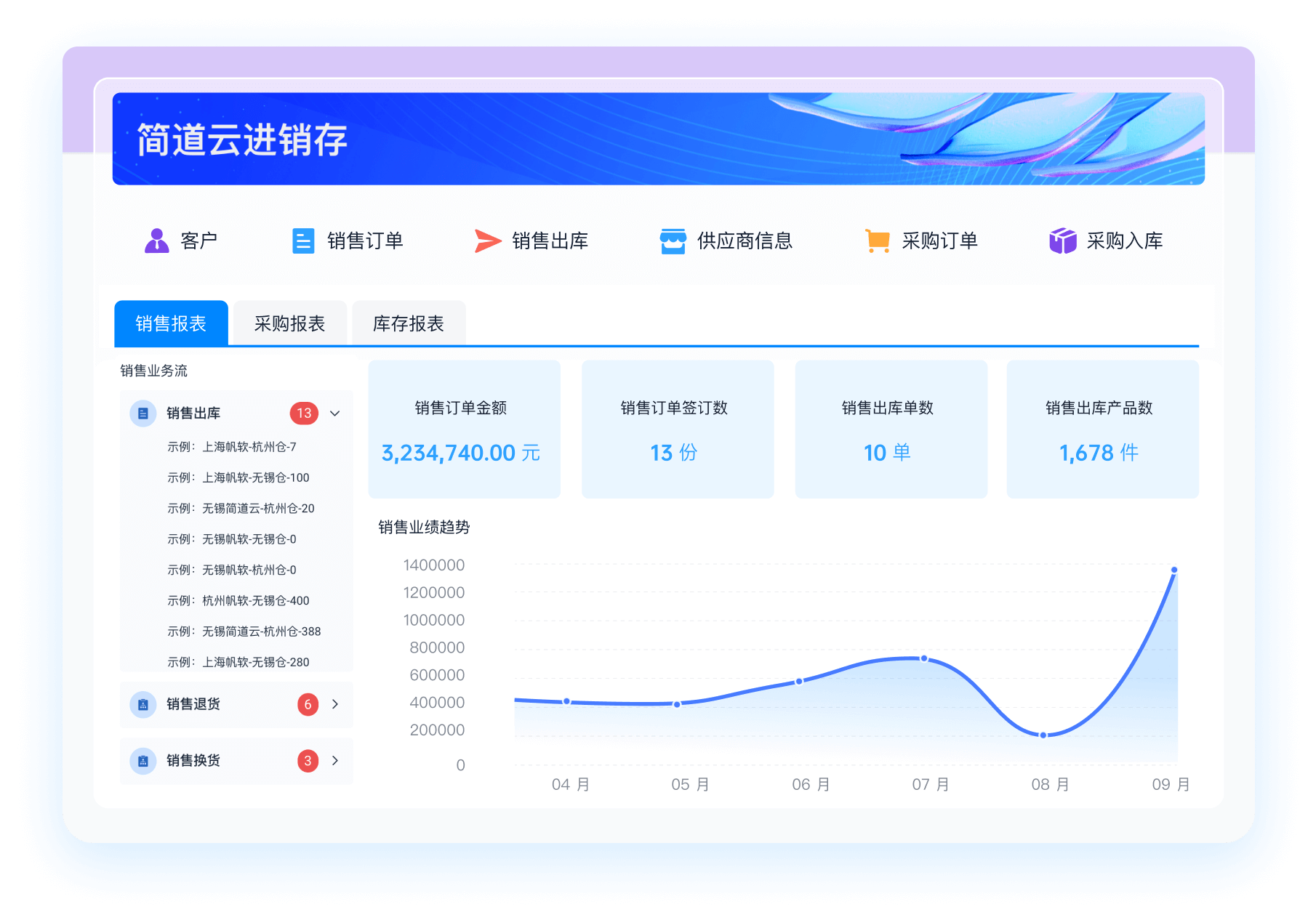
简道云WMS仓库管理系统模板:
无需下载,在线即可使用: https://s.fanruan.com/q6mjx;































































 《零代码开发知识图谱》
 《零代码
新动能》案例集
《零代码
新动能》案例集
 《企业零代码系统搭建指南》