
 阅读时间:6 分钟
  浏览量:9909次


出入库清单英文可以称为“Inventory In and Out List”或“Stock In and Out Record”。
一、INVENTORY MANAGEMENT OVERVIEW
-
Definition: The Inventory In and Out List, also known as the Stock In and Out Record, is a document or a digital record that tracks the movement of goods into and out of a warehouse.
-
Importance:
- Inventory Control: Helps maintain accurate inventory levels and ensures that stock is always available when needed.
- Financial Accounting: Provides detailed records that are essential for financial auditing and reporting.
- Operational Efficiency: Streamlines warehouse operations by providing clear and accurate information on stock movements.
Detailed Explanation:
Inventory control is crucial for any business that deals with physical products. By maintaining an accurate Inventory In and Out List, businesses can avoid stockouts, reduce excess inventory, and improve overall operational efficiency. For instance, a company might use this list to identify trends in stock movements and adjust their procurement strategies accordingly.
二、KEY COMPONENTS OF AN INVENTORY IN AND OUT LIST
- Date: The specific date when the inventory transaction took place.
- Item Description: Details of the product or item being moved.
- Quantity In: Number of units received into the warehouse.
- Quantity Out: Number of units dispatched from the warehouse.
- Supplier/Customer Information: Details about the supplier (for incoming stock) or the customer (for outgoing stock).
- Transaction Type: Whether the transaction is an incoming or outgoing movement.
- Document Reference: Any associated document numbers, such as purchase orders or sales invoices.
Example Table:
| Date | Item Description | Quantity In | Quantity Out | Supplier/Customer | Transaction Type | Document Reference |
|---|---|---|---|---|---|---|
| 2023-10-01 | Widget A | 100 | 0 | Supplier X | In | PO12345 |
| 2023-10-02 | Widget B | 0 | 50 | Customer Y | Out | INV67890 |
三、BENEFITS OF USING A DIGITAL WMS SYSTEM
- Accuracy: Digital systems reduce human error and ensure accurate tracking of inventory.
- Real-Time Updates: Provides real-time data on inventory levels, helping businesses make informed decisions quickly.
- Integration: Can be integrated with other business systems such as ERP and CRM for a seamless flow of information.
- Scalability: Easily scalable to accommodate growing business needs.
Detailed Explanation:
Using a digital WMS (Warehouse Management System) like 简道云WMS can significantly enhance the accuracy and efficiency of inventory management. Real-time updates ensure that all stakeholders have access to the most current data, reducing the risk of stockouts or overstocking. Integration with other business systems helps in creating a unified view of operations, thereby improving overall business intelligence.
For more information on 简道云WMS仓库管理系统, you can visit their official website: https://s.fanruan.com/q6mjx;
四、HOW TO IMPLEMENT AN INVENTORY IN AND OUT LIST
- Choose the Right System: Select a WMS that fits your business needs.
- Train Staff: Ensure that all relevant staff are trained on how to use the system effectively.
- Set Up Initial Inventory: Conduct a physical inventory count to set up the initial data.
- Regular Audits: Perform regular audits to ensure data accuracy.
- Feedback and Improvement: Continuously gather feedback and make necessary improvements to the system.
Step-by-Step Guide:
- Choose the Right System: Evaluate different WMS options based on features, scalability, and cost.
- Train Staff: Organize training sessions for warehouse staff to familiarize them with the new system.
- Set Up Initial Inventory: Use barcode scanners or RFID tags to quickly and accurately enter initial inventory data.
- Regular Audits: Schedule monthly or quarterly audits to cross-check physical inventory against system records.
- Feedback and Improvement: Collect feedback from staff and make adjustments to the system to improve usability and accuracy.
五、COMMON CHALLENGES AND HOW TO OVERCOME THEM
- Data Entry Errors:
- Solution: Implement barcode or RFID scanning to automate data entry.
- Integration Issues:
- Solution: Choose a WMS that offers seamless integration with your existing systems.
- Resistance to Change:
- Solution: Engage staff early in the process and provide comprehensive training.
- Cost Concerns:
- Solution: Consider the long-term ROI of a WMS to justify the initial investment.
Detailed Explanation:
Data entry errors are common in manual systems and can lead to significant discrepancies in inventory records. By implementing automated data entry methods such as barcode or RFID scanning, businesses can greatly reduce these errors. Additionally, addressing integration issues and resistance to change through proper planning and training can ensure a smooth transition to a new WMS.
六、CASE STUDY: SUCCESSFUL IMPLEMENTATION
Company: ABC Manufacturing
Challenge: Frequent stockouts and overstocking issues leading to operational inefficiencies.
Solution: Implemented 简道云WMS仓库管理系统.
Results:
- Accuracy: Improved inventory accuracy by 95%.
- Efficiency: Reduced time spent on inventory management by 50%.
- Cost Savings: Saved $100,000 annually by optimizing stock levels.
Detailed Explanation:
ABC Manufacturing faced significant challenges due to inaccurate inventory records, which led to frequent stockouts and overstocking. By implementing 简道云WMS, they were able to achieve a 95% improvement in inventory accuracy, reduce the time spent on inventory management by 50%, and save $100,000 annually. This case study demonstrates the tangible benefits of using a digital WMS.
七、CONCLUSION AND NEXT STEPS
In conclusion, maintaining an accurate Inventory In and Out List is crucial for effective inventory management. By using a digital WMS like 简道云WMS仓库管理系统, businesses can achieve greater accuracy, efficiency, and cost savings. To get started, visit their official website: https://s.fanruan.com/q6mjx;
Next Steps:
- Evaluate Your Current System: Assess the strengths and weaknesses of your current inventory management system.
- Explore WMS Options: Research different WMS solutions and choose one that fits your needs.
- Plan Implementation: Develop a detailed implementation plan, including training and data migration.
- Monitor and Adjust: Continuously monitor the system's performance and make necessary adjustments to improve efficiency.
By following these steps, businesses can streamline their inventory management processes and achieve better operational outcomes.
相关问答FAQs:
出入库清单英文怎么说?
出入库清单在英文中通常被称为“Inventory In and Out List”或“Stock In and Out List”。这一术语用于描述企业在仓库中进行物品进出操作时记录的一份详细清单。它不仅帮助企业追踪库存的变化,还能确保库存管理的准确性与高效性。
出入库清单的具体内容包括哪些?
出入库清单通常包括以下几个方面的信息:
- 物品名称:清单中会列出每种物品的名称,确保清楚每项库存的具体内容。
- 数量:记录每次进出库的物品数量,方便后续的库存盘点。
- 日期:每次物品进出库的具体日期,这对于追踪库存流动非常重要。
- 操作类型:标明是“入库”还是“出库”,以便于后续的数据分析。
- 操作人员:记录进行操作的人员姓名,以便于责任追溯。
- 备注:可以添加额外的信息,例如物品的状态、特殊要求等。
出入库清单对企业管理的重要性是什么?
出入库清单在企业仓库管理中扮演着至关重要的角色,具体体现在以下几个方面:
- 提高库存透明度:通过详细记录每一笔进出库操作,企业能够实时了解库存状况,从而避免库存不足或过剩的情况。
- 支持决策制定:准确的库存数据为管理层提供了良好的决策基础,帮助他们制定采购计划和销售策略。
- 减少错误和损失:规范的出入库清单能够减少人为错误和物品丢失的风险,提升仓库管理的整体效率。
- 提升客户满意度:通过准确的库存管理,企业能够及时满足客户需求,提升客户满意度和信任度。
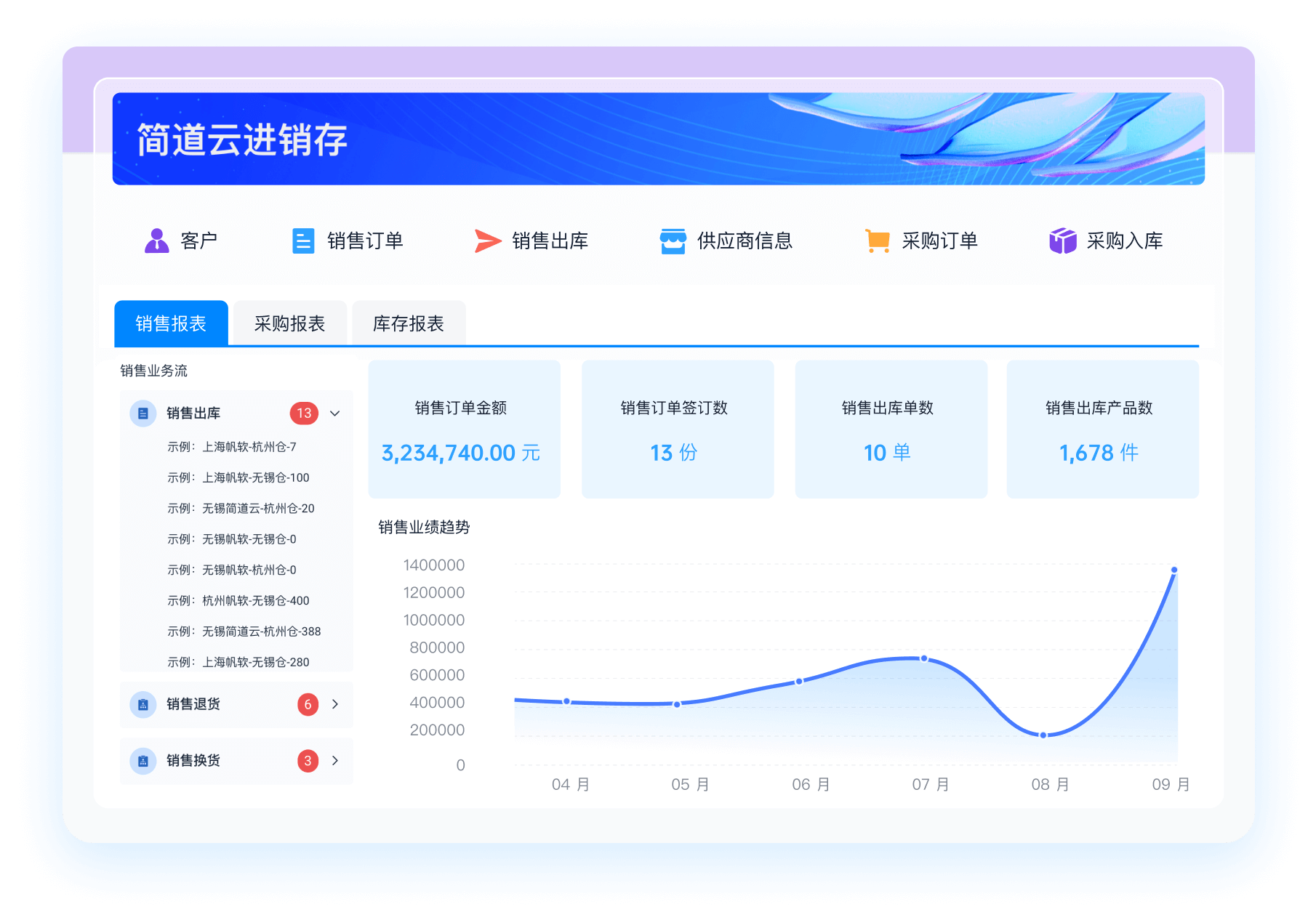
出入库清单不仅是企业日常操作中的重要工具,也是实现高效管理和提升竞争力的重要手段。使用现代化的仓库管理系统,如简道云WMS仓库管理系统,可以使出入库清单的管理更加高效和便捷。
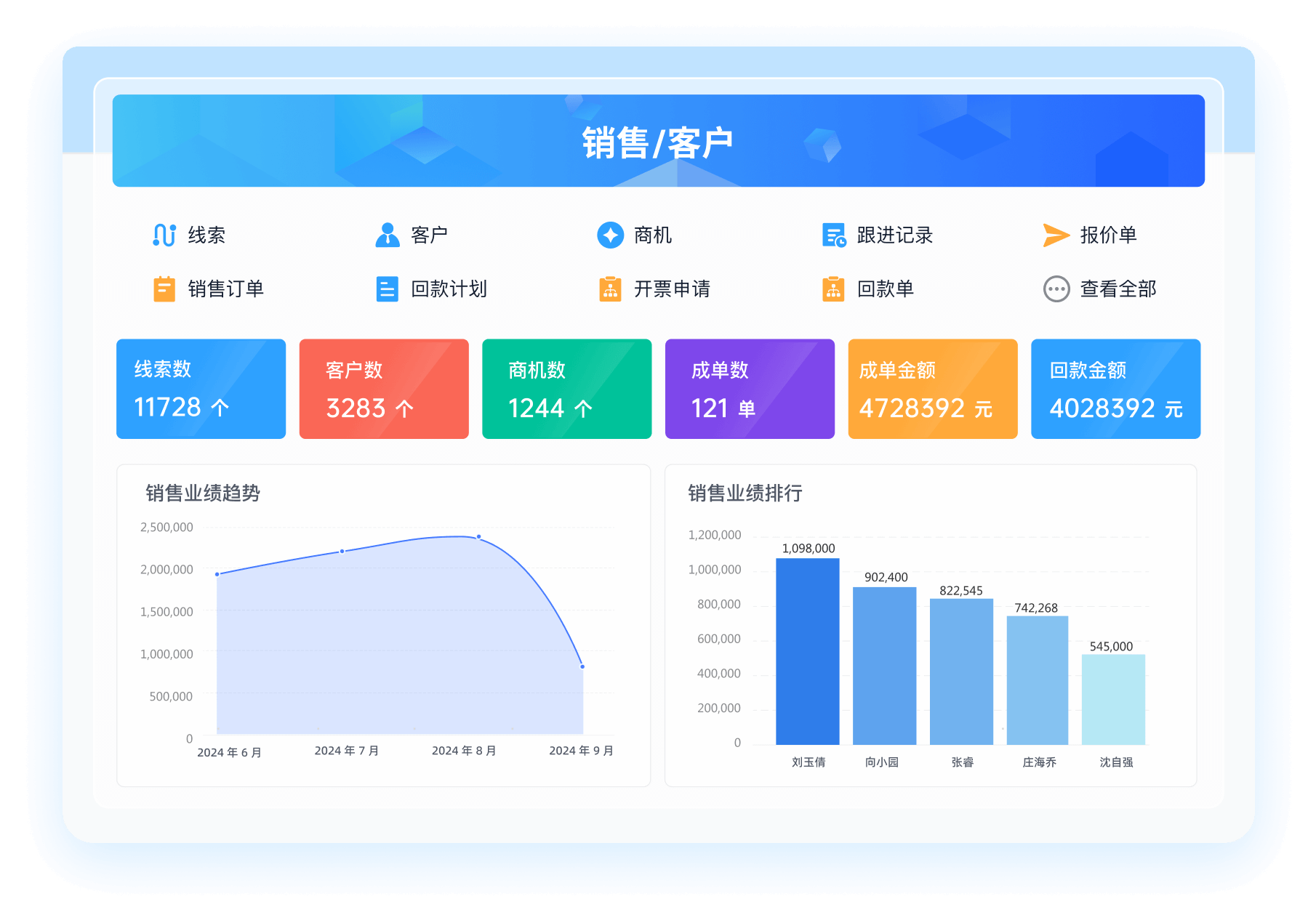
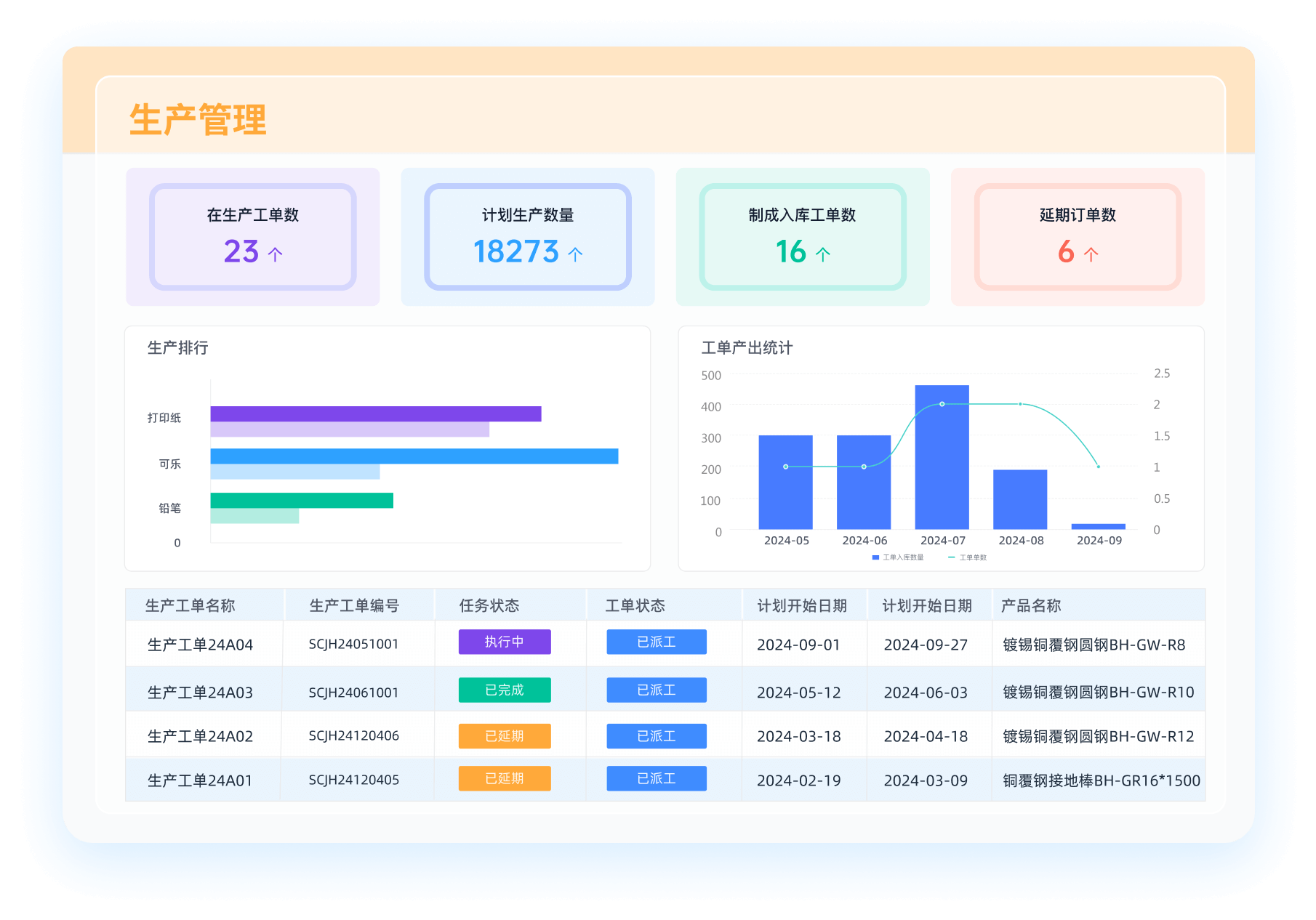
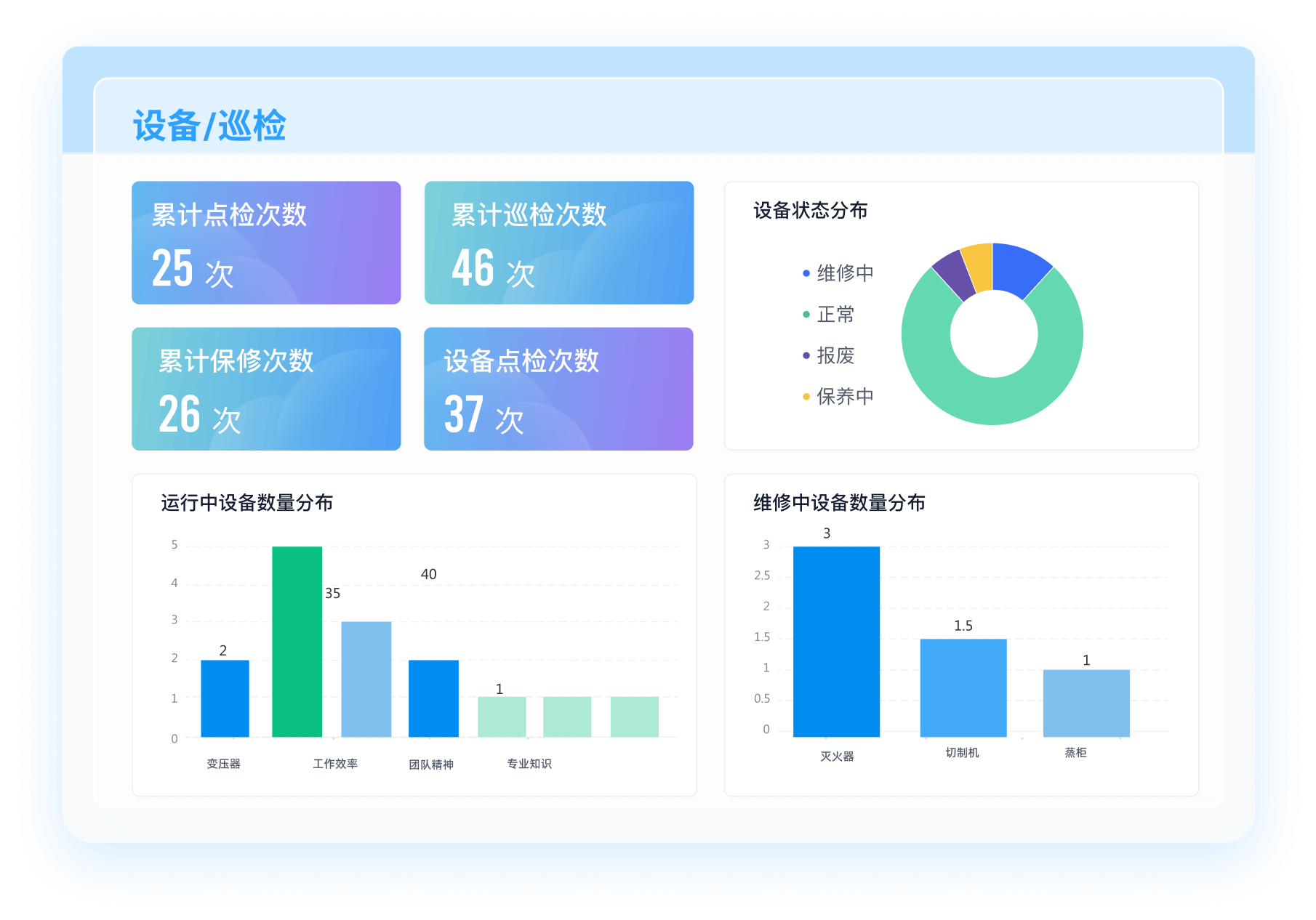
简道云WMS仓库管理系统模板:
无需下载,在线即可使用: https://s.fanruan.com/q6mjx;






























































 《零代码开发知识图谱》
 《零代码
新动能》案例集
《零代码
新动能》案例集
 《企业零代码系统搭建指南》