
 阅读时间:9 分钟
  浏览量:2724次


MES系统对设备接口的要求包括:实时数据采集、接口标准化、数据传输的安全性、接口的稳定性和可靠性、可扩展性、设备状态监控、数据格式的兼容性。实时数据采集是其中的一个重要方面,确保生产设备的运行状态和生产数据能够被及时、准确地记录和传输。实时数据采集不仅提高了生产效率,还帮助企业及时发现并解决生产过程中出现的问题,避免了生产故障的累积,保证了生产线的连续性和稳定性。
一、实时数据采集
MES系统要求能够对生产设备的各项数据进行实时采集。这些数据包括温度、压力、转速等物理参数以及设备的工作状态等。实时数据采集能够帮助企业实现精细化管理,及时发现和处理生产过程中的异常情况。例如,在某些高精密制造领域,温度和湿度的细微变化都会影响产品质量,通过实时采集这些数据,可以及时进行调整,确保产品质量的稳定。
实时数据采集的实现依赖于高效的数据传感器和数据传输网络。这些传感器能够准确地捕捉设备的运行数据,并通过网络将数据实时传输到MES系统中进行处理和分析。为了保证数据采集的准确性,传感器的选择和布置必须合理,并且需要定期进行校准和维护。
二、接口标准化
接口标准化是MES系统对设备接口的另一项重要要求。接口标准化意味着不同设备之间的数据传输和通信遵循统一的标准和协议。这不仅简化了设备之间的互联互通,也降低了系统集成的复杂度和成本。常见的工业接口标准包括Modbus、Profibus、OPC UA等。
通过标准化的接口,MES系统可以轻松集成来自不同厂商的设备,实现信息的无缝传递。这种标准化还使得系统的扩展和升级变得更加容易,当需要增加新的设备或功能时,只需按照标准接口进行连接和配置即可,无需对现有系统进行大规模改动。
三、数据传输的安全性
在MES系统中,数据传输的安全性至关重要。生产数据的泄露或篡改不仅会影响企业的生产效率,还可能导致严重的经济损失和法律责任。因此,MES系统必须采用多层次的安全措施来保护数据的安全。
这些安全措施包括数据加密、身份验证、访问控制等。数据加密可以防止数据在传输过程中被截取和篡改;身份验证确保只有授权的人员和设备才能访问系统;访问控制则根据用户的角色和权限,限制其对数据的访问和操作。此外,企业还应定期进行安全审计,检测和修复系统中的安全漏洞,确保数据安全。
四、接口的稳定性和可靠性
接口的稳定性和可靠性是MES系统高效运行的基础。接口的不稳定和不可靠会导致数据传输的中断和错误,影响生产的连续性和产品的质量。为了确保接口的稳定性和可靠性,MES系统在设计和实现过程中必须考虑以下几个方面:
- 硬件的选择和配置:选择高质量的硬件设备和通信模块,保证接口的物理连接可靠。
- 软件的优化和调试:编写高效、健壮的通信程序,确保在不同环境和负载下都能稳定运行。
- 监控和维护:实时监控接口的运行状态,及时发现和处理异常情况,定期进行维护和更新。
五、可扩展性
MES系统的可扩展性是指系统能够根据企业生产规模和业务需求的变化,灵活扩展和升级。这要求MES系统具有良好的模块化设计和开放性接口,能够方便地添加新的设备和功能,而不影响现有系统的运行。
例如,当企业增加新的生产线或引进新的生产设备时,MES系统能够迅速响应,集成新的设备,并通过接口标准化实现与现有系统的无缝对接。这种可扩展性不仅提高了企业的适应能力,也为未来的业务发展和技术升级提供了保障。
六、设备状态监控
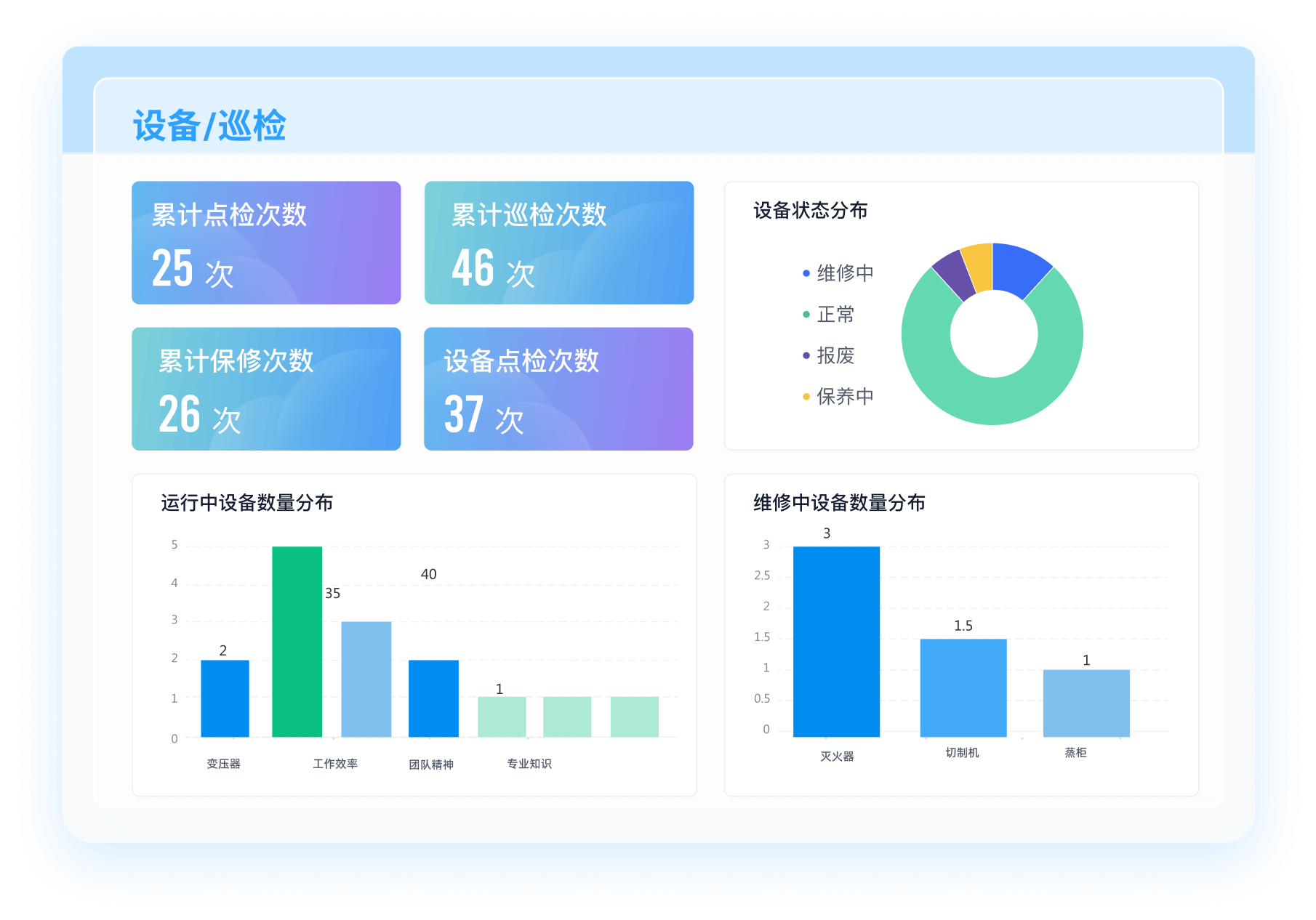
设备状态监控是MES系统的一项重要功能,通过实时监控设备的运行状态和性能参数,及时发现和处理潜在的问题,避免设备故障和停机。设备状态监控包括对设备的温度、压力、振动等物理参数的监测,以及对设备的工作状态和故障信息的记录和分析。
MES系统通过设备状态监控,可以实现对设备的预测性维护和智能诊断,延长设备的使用寿命,提高设备的利用率和生产效率。例如,通过振动传感器监测设备的振动情况,可以提前发现设备的机械故障,及时进行维修和保养,避免设备的突然停机。
七、数据格式的兼容性
MES系统在与不同设备进行数据交换时,需要处理各种不同格式的数据。这些数据包括设备的运行数据、生产过程数据、质量检测数据等。为了保证数据的准确传输和有效利用,MES系统必须具备良好的数据格式兼容性。
数据格式兼容性要求MES系统能够识别和解析不同设备发送的数据,并将其转换为系统能够处理的统一格式。这需要MES系统具备强大的数据解析和转换能力,以及灵活的数据接口配置功能。通过数据格式的兼容性,MES系统能够实现对不同设备的数据整合和统一管理,提高数据利用的效率和效果。
八、简道云的集成与应用
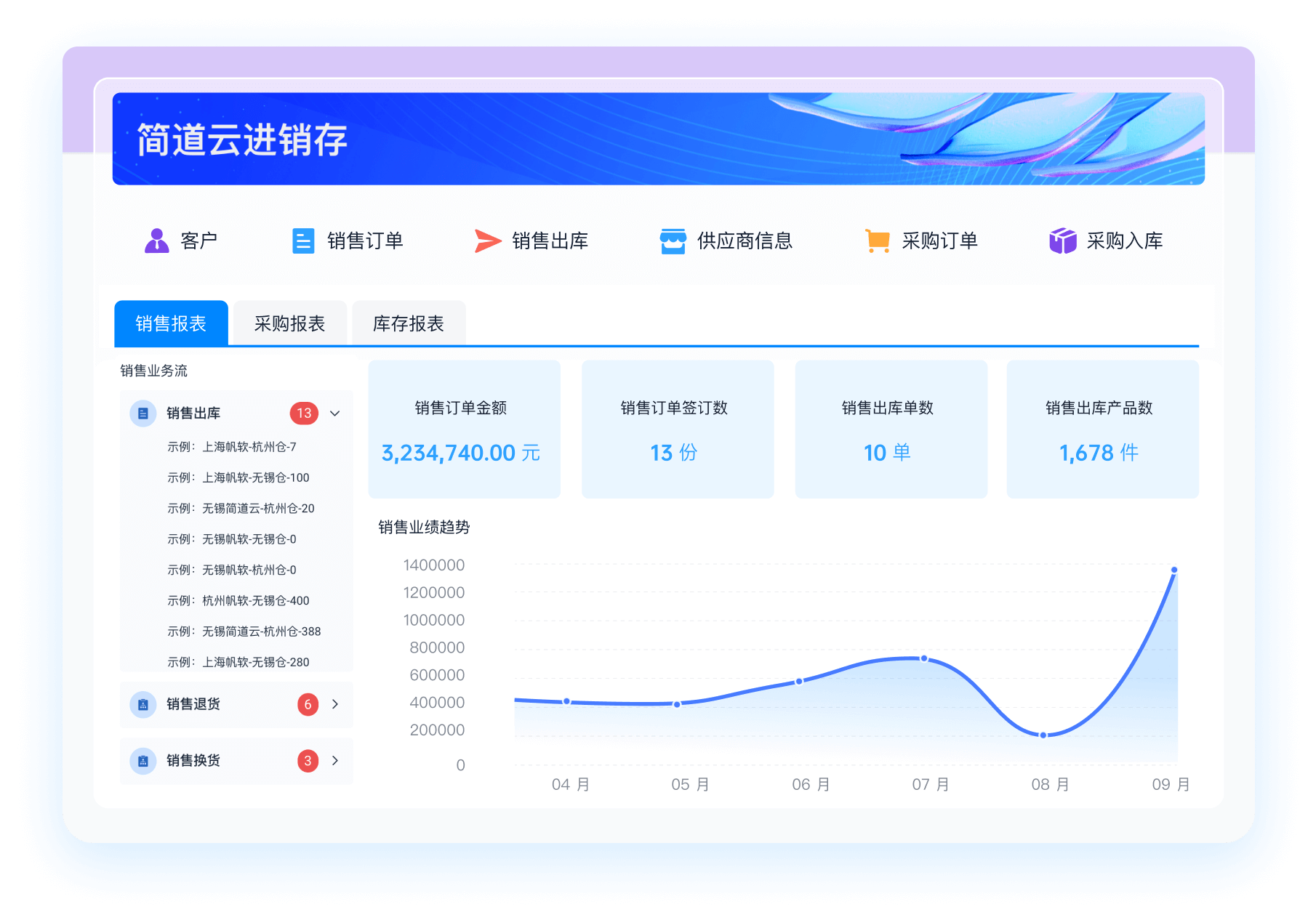
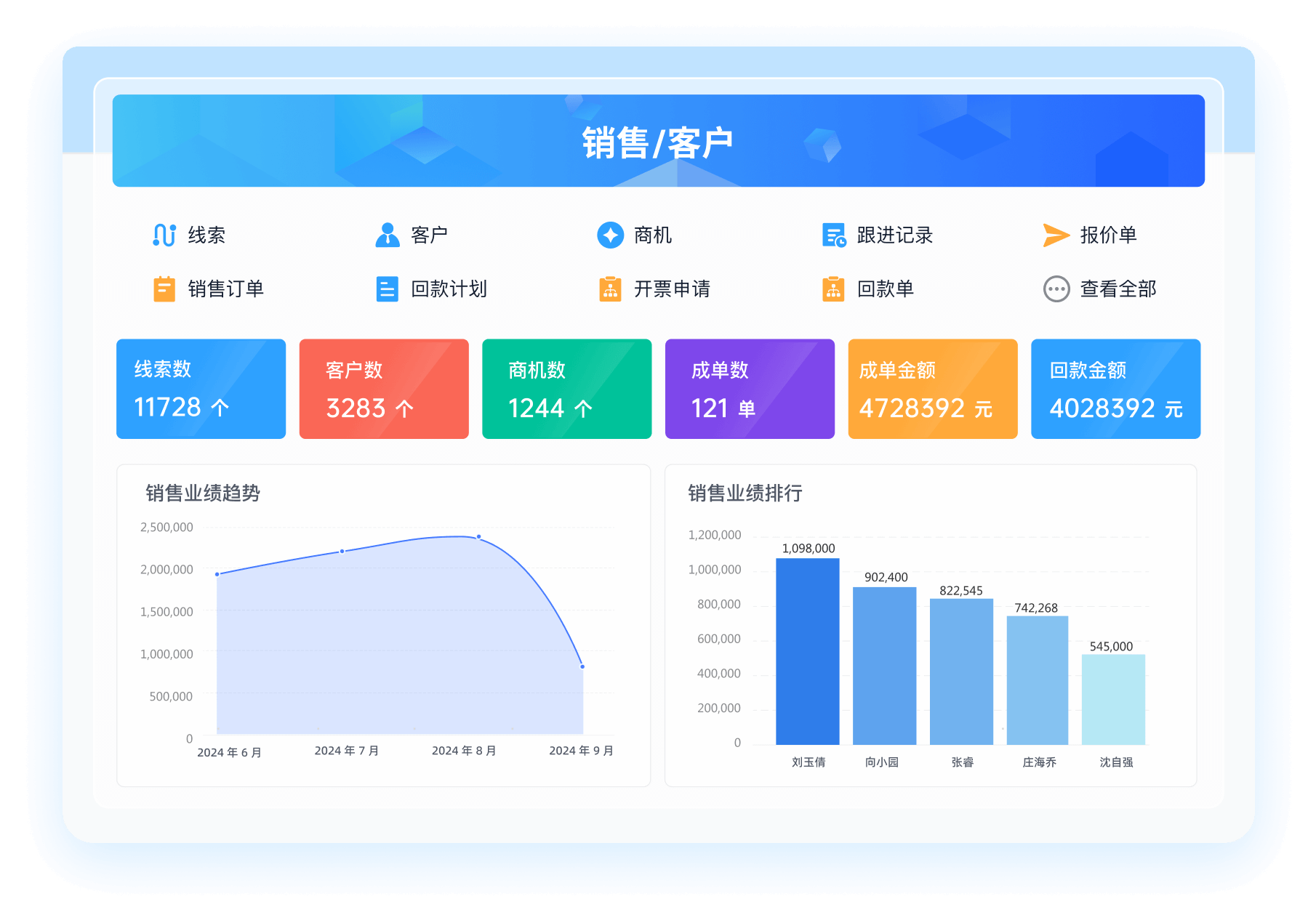
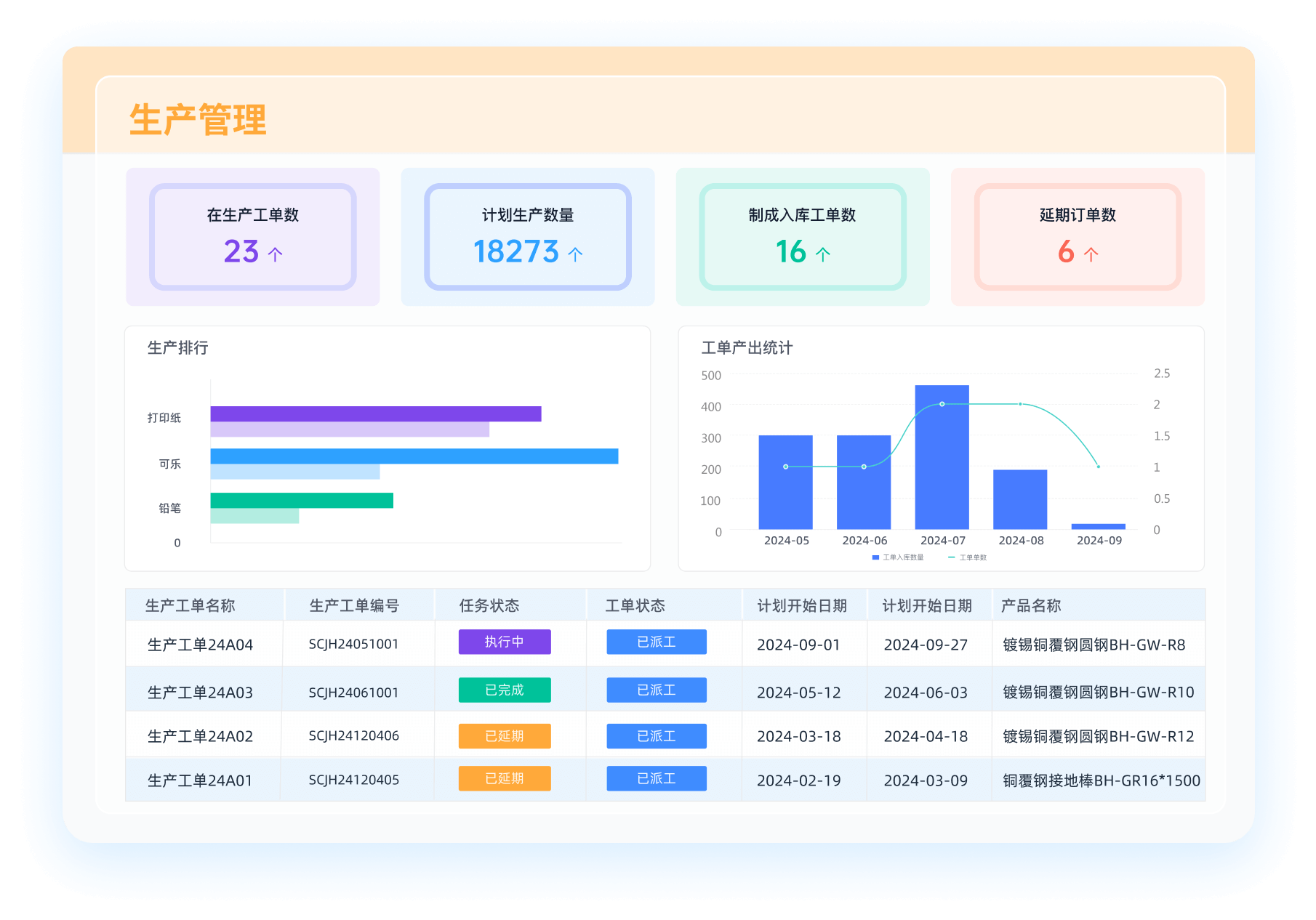
在MES系统的实施中,简道云作为帆软旗下的一款高效工具,提供了丰富的接口和集成功能。简道云支持多种数据源的接入,能够与MES系统进行无缝对接,实现数据的实时采集、处理和展示。通过简道云,企业可以轻松构建和管理各种生产数据的可视化报表和分析应用,提升生产管理的效率和决策的准确性。
简道云的应用不仅简化了MES系统的集成和开发过程,还提高了系统的灵活性和可扩展性。企业可以根据实际需求,灵活配置和调整系统的功能和界面,实现对生产过程的精细化管理和智能化控制。简道云官网: https://s.fanruan.com/x6aj1;
综上所述,MES系统对设备接口的要求涉及多个方面,包括实时数据采集、接口标准化、数据传输的安全性、接口的稳定性和可靠性、可扩展性、设备状态监控和数据格式的兼容性。通过满足这些要求,MES系统能够实现对生产过程的全面管理和优化,提高企业的生产效率和产品质量。在实施过程中,简道云作为一个高效的工具,提供了强大的支持和帮助,为MES系统的成功实施和应用提供了有力保障。
相关问答FAQs:
FAQs about MES Systems and Equipment Interface Requirements
1. What are the primary interface requirements for equipment in a Manufacturing Execution System (MES)?
Manufacturing Execution Systems (MES) are designed to manage and monitor work-in-progress on a factory floor. The interface requirements for equipment in an MES are crucial for ensuring seamless integration and effective data exchange. Typically, these requirements include:
-
Data Communication Protocols: MES systems require equipment to support standard communication protocols such as OPC (OLE for Process Control), MQTT (Message Queuing Telemetry Transport), or RESTful APIs. These protocols facilitate real-time data exchange between machines and the MES, allowing for accurate monitoring and control.
-
Data Formats and Standards: Equipment must be capable of sending and receiving data in formats that the MES can interpret, such as XML, JSON, or CSV. Compliance with industry standards like ISA-95 (Industrial Automation and Control Systems) helps in standardizing data structures and improving interoperability.
-
Real-time Data Exchange: For effective monitoring and control, equipment should support real-time data exchange. This includes capabilities for transmitting production data, equipment status, and alarms without significant delays. Real-time data helps in making immediate adjustments and optimizing production processes.
-
Integration Flexibility: The MES should be able to interface with various types of equipment, including legacy systems and new technologies. This requires equipment to have adaptable interfaces or support middleware solutions that bridge different communication protocols and data formats.
-
Security and Access Controls: Given the sensitivity of operational data, equipment interfaces must adhere to security protocols to prevent unauthorized access. This includes implementing secure communication channels (e.g., SSL/TLS), user authentication, and role-based access controls.
2. How does MES ensure compatibility with diverse equipment in manufacturing environments?
Ensuring compatibility between an MES and diverse equipment involves several strategies and considerations:
-
Modular Architecture: Many MES platforms adopt a modular architecture, which allows for flexible integration with various equipment types. This modularity enables the MES to interface with different machines, sensors, and control systems without extensive custom development.
-
Standardized Interfaces: MES systems often utilize standardized interfaces and protocols to communicate with equipment. For instance, the adoption of standards such as OPC UA (Unified Architecture) helps in creating a common language for data exchange, which facilitates compatibility across different equipment brands and types.
-
Middleware and Adapters: To address the challenges of integrating legacy systems or equipment with non-standard interfaces, MES solutions may employ middleware or adapters. These tools act as intermediaries that translate data between the MES and the equipment, ensuring smooth communication and data flow.
-
Customization and Configuration: MES systems often provide customization options to adapt to specific equipment requirements. Through configuration settings, users can tailor the MES to meet the unique needs of their equipment, such as adjusting data exchange parameters or setting up custom data points.
-
Vendor Support and Documentation: MES vendors typically offer extensive support and documentation for integrating various equipment. This includes detailed guidelines, best practices, and technical assistance to help users effectively interface their equipment with the MES.
3. What are the challenges faced during the integration of MES with equipment and how can they be addressed?
Integrating MES with equipment can present several challenges, but these can be mitigated through careful planning and implementation:
-
Data Synchronization Issues: Ensuring that data from different equipment is synchronized accurately can be challenging. Discrepancies in data formats, timestamps, or communication delays may lead to inconsistencies. To address this, it is important to implement robust data synchronization mechanisms and perform regular validation checks.
-
Compatibility with Legacy Systems: Older equipment may not support modern communication protocols or data formats used by MES systems. Solutions include using middleware that can bridge the gap between legacy systems and the MES or upgrading equipment to ensure compatibility with contemporary standards.
-
Real-time Data Processing: Achieving real-time data processing and response can be difficult, especially in high-volume production environments. Optimizing network infrastructure, improving data processing algorithms, and investing in high-performance hardware can help enhance real-time capabilities.
-
Security Concerns: Integrating equipment with an MES introduces potential security vulnerabilities, such as unauthorized access or data breaches. Implementing strong security measures, including encryption, secure authentication, and regular security audits, is essential to protect sensitive information.
-
Scalability and Flexibility: As manufacturing environments evolve, the MES must scale and adapt to accommodate new equipment or production processes. Designing the MES with scalability in mind and incorporating flexible integration options can help address future changes and growth.
By addressing these challenges with strategic solutions, manufacturers can ensure a successful integration of MES systems with their equipment, leading to improved efficiency, productivity, and operational excellence.
































































 《零代码开发知识图谱》
 《零代码
新动能》案例集
《零代码
新动能》案例集
 《企业零代码系统搭建指南》