
 阅读时间:5 分钟
  浏览量:8851次


Cisco设备管理软件的重要性包括:提高网络效率、简化操作和提高安全性。提高网络效率可以通过自动化和优化配置来实现,从而减少人为错误和提高网络的稳定性。通过Cisco设备管理软件,网络管理员能够更快速地配置和管理多个设备,节省时间和精力。提高安全性则是通过及时更新和监控网络设备来预防潜在的安全威胁。
一、提高网络效率
Cisco设备管理软件能显著提高网络效率。它们提供了集中管理和自动化配置的功能,这样网络管理员可以一次性配置多个设备,减少了重复工作。软件还支持设备性能监控,实时了解网络运行状况,发现并解决瓶颈问题。通过这些工具,网络管理员可以确保网络资源被最有效地利用,避免了资源浪费和性能下降。
二、简化操作
Cisco设备管理软件使操作更加简便和直观。使用直观的图形用户界面(GUI),管理员无需深入了解命令行界面(CLI),也可以轻松完成复杂的配置。软件还提供了详细的配置向导和模板,使新手管理员也能快速上手。此外,设备管理软件通常具有全面的日志记录和报表功能,帮助管理员快速诊断和解决问题,减少了网络维护的复杂性。
三、提高安全性
通过Cisco设备管理软件,网络的安全性大大提升。这些软件能够自动检测和报告潜在的安全威胁,并且支持自动化的安全补丁和更新管理,确保设备始终运行在最安全的环境中。网络管理员可以使用设备管理软件进行访问控制、策略配置和实时监控,及时发现和应对安全事件,保护网络免受攻击和数据泄露。
四、成本效益
尽管Cisco设备管理软件可能需要一定的初始投资,但从长远来看,它们能够显著降低运营成本。通过提高管理效率和减少人为错误,管理员可以节省大量的时间和精力,从而减少人力成本。自动化配置和管理功能也能减少设备故障率和维护成本。此外,通过优化网络性能和提高设备利用率,企业可以延长设备的使用寿命,降低硬件采购的频率。
五、支持多种设备和平台
Cisco设备管理软件通常支持广泛的设备和平台,无论是路由器、交换机、防火墙还是无线控制器,几乎所有的Cisco网络设备都可以通过这些软件进行统一管理。这种统一管理不仅简化了操作,还提高了网络的一致性和可靠性。管理员可以通过单一的界面管理整个网络基础设施,减少了不同设备和平台之间的兼容性问题。
六、智能分析和报告
智能分析和报告是Cisco设备管理软件的另一大亮点。通过详细的数据分析和报告功能,管理员可以深入了解网络运行情况,识别潜在问题和优化机会。这些报告可以提供关键性能指标(KPI)、流量模式和安全事件的详细信息,帮助管理员制定数据驱动的决策,优化网络性能和安全策略。
七、可扩展性和灵活性
Cisco设备管理软件具有很高的可扩展性和灵活性,能够适应不同规模和复杂度的网络环境。无论是小型企业还是大型企业,Cisco的解决方案都可以根据需求进行扩展和调整。软件支持模块化的功能扩展,企业可以根据实际需要选择和部署不同的功能模块,确保投资效益最大化。
八、实时监控和故障排除
实时监控和故障排除功能使Cisco设备管理软件成为网络管理的利器。管理员可以实时监控网络设备的状态和性能,及时发现和解决问题。通过故障排除工具,管理员可以快速定位和解决网络故障,减少网络中断时间,提高网络的可用性和稳定性。
九、集成和互操作性
Cisco设备管理软件通常具有很强的集成和互操作性,能够与其他网络管理工具和系统无缝集成。这种互操作性使管理员能够在统一的管理平台上管理和监控整个网络基础设施,减少了不同工具之间的切换和协调问题。通过集成,企业还可以实现更高效的资源管理和业务流程自动化。
十、用户和角色管理
用户和角色管理功能使Cisco设备管理软件在大型企业环境中更具优势。管理员可以为不同的用户分配不同的访问权限和管理角色,确保网络管理的安全性和灵活性。通过细粒度的访问控制,企业可以保护关键网络资源,防止未经授权的访问和操作,提高网络管理的安全性和合规性。
十一、简道云集成
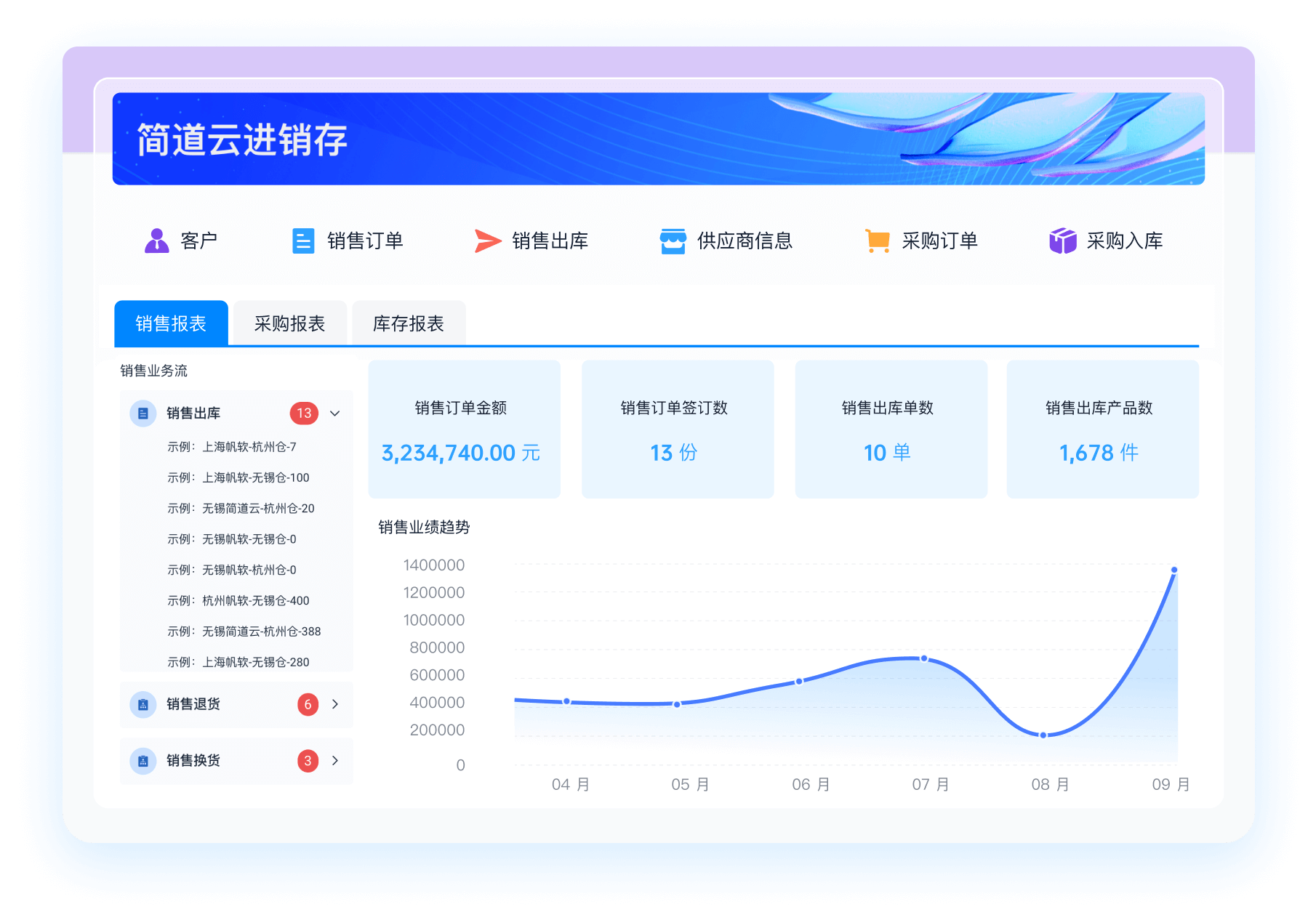
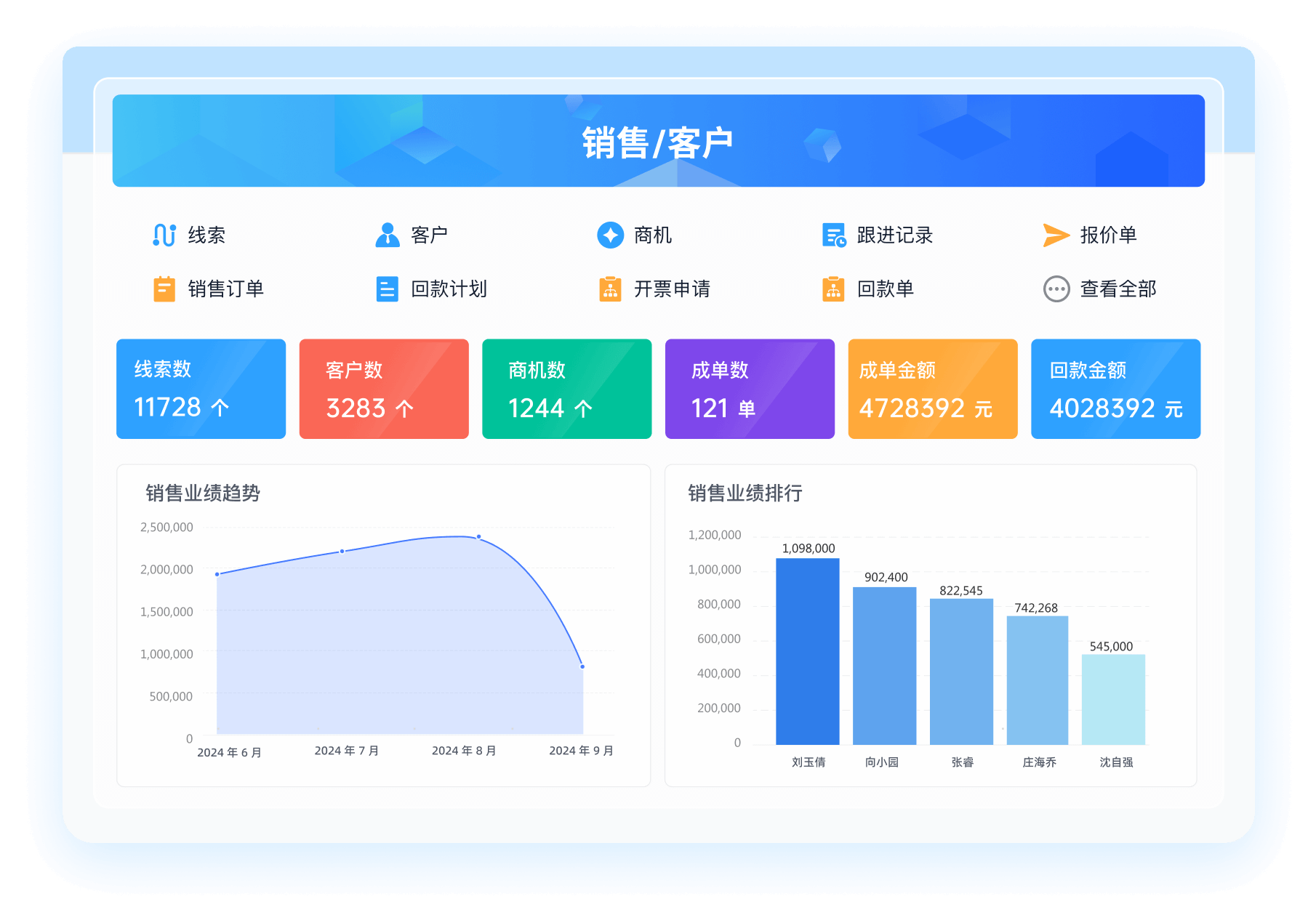
简道云是帆软旗下的产品,通过与Cisco设备管理软件的集成,企业可以实现更加高效的业务流程和数据管理。简道云提供了强大的数据分析和可视化工具,帮助企业更好地理解和优化网络运行。通过这种集成,企业可以将网络管理和业务数据无缝连接,提高整体运营效率和决策能力。
简道云官网:https://s.fanruan.com/x6aj1
相关问答FAQs:
FAQs about Cisco Device Management Software
1. What are the key features of Cisco device management software?
Cisco device management software offers a range of advanced features designed to simplify and enhance the management of network infrastructure. These features typically include:
-
Centralized Management: Cisco’s software provides a unified platform for managing a variety of Cisco devices, including routers, switches, firewalls, and access points. This centralization helps streamline operations and ensures consistent configuration across the network.
-
Automated Configuration and Deployment: The software often includes tools for automated configuration and deployment of devices. This can significantly reduce the time and effort required to set up new devices or make changes to existing configurations, minimizing the risk of human error.
-
Network Monitoring and Analytics: Advanced monitoring tools within the software enable real-time tracking of network performance and device status. It can provide detailed analytics on traffic patterns, device health, and potential issues, helping administrators proactively address problems before they impact operations.
-
Security Management: Cisco device management software typically includes features for managing network security. This includes setting up and monitoring security policies, managing firewall rules, and detecting potential threats to the network.
-
Scalability and Integration: Designed to scale with growing network environments, Cisco’s software can handle an increasing number of devices and integrate with other network management tools and systems. This flexibility ensures that the software can adapt to changing network needs and technologies.
These features collectively help network administrators efficiently manage complex network environments while maintaining high levels of performance and security.
2. How does Cisco device management software enhance network security?
Cisco device management software plays a crucial role in enhancing network security through several mechanisms:
-
Centralized Security Policy Management: Administrators can define and enforce security policies from a single management console. This centralization ensures that policies are consistently applied across all devices, reducing the risk of vulnerabilities due to misconfiguration.
-
Automated Security Updates: The software often includes automated mechanisms for applying security patches and updates. Keeping devices updated with the latest security fixes is essential for protecting against known vulnerabilities and emerging threats.
-
Intrusion Detection and Prevention: Many Cisco management solutions feature built-in intrusion detection and prevention systems (IDPS) that monitor network traffic for suspicious activity. These systems can alert administrators to potential threats and take actions to mitigate them.
-
Detailed Logging and Reporting: The software provides comprehensive logging and reporting capabilities that help track security events and incidents. Detailed logs allow administrators to perform forensic analysis, identify patterns of malicious activity, and improve overall security posture.
-
Access Control and Authentication: Cisco’s device management tools often include features for managing user access and authentication. Administrators can define who has access to specific devices and what actions they can perform, ensuring that only authorized personnel can make changes to the network configuration.
By integrating these security features, Cisco device management software helps create a robust defense against cyber threats and ensures that network infrastructure remains secure and resilient.
3. How can Cisco device management software improve network performance and reliability?
Cisco device management software contributes to enhanced network performance and reliability through various capabilities:
-
Performance Monitoring: The software offers real-time monitoring of network performance metrics such as bandwidth utilization, latency, and packet loss. This allows administrators to identify and address performance bottlenecks or inefficiencies promptly.
-
Automated Troubleshooting: Many Cisco management solutions include diagnostic tools that can automatically detect and troubleshoot issues. Automated troubleshooting can quickly resolve common problems, reducing downtime and improving network reliability.
-
Proactive Alerts and Notifications: Administrators can configure the software to send alerts and notifications based on predefined thresholds or events. Early warnings about potential issues enable proactive intervention, preventing minor problems from escalating into major outages.
-
Configuration Management: The software allows for easy management of device configurations, including backup and restoration of configuration settings. This capability ensures that devices can be quickly restored to a known good state in case of failure or misconfiguration, minimizing service disruption.
-
Network Optimization: Cisco’s management tools often include features for optimizing network performance, such as traffic shaping and load balancing. These features help ensure that network resources are used efficiently and that performance is maximized across the entire network.
Through these performance-enhancing features, Cisco device management software helps maintain high levels of network reliability and efficiency, supporting the smooth operation of critical business applications and services.







































































 《零代码开发知识图谱》
 《零代码
新动能》案例集
《零代码
新动能》案例集
 《企业零代码系统搭建指南》