 阅读时间:9 分钟
  浏览量:9782次


制作设备管理软件的核心要点是:设备数据的集中管理、实时监控与维护、用户友好界面、灵活的权限管理。其中,设备数据的集中管理尤为重要,因为它可以整合所有设备的信息,方便管理员进行全面的设备监控与维护。集中管理不仅能提高工作效率,还能减少设备故障率,通过数据分析预测设备的维护需求,从而延长设备的使用寿命。
一、设备数据的集中管理
设备数据的集中管理是设备管理软件的核心功能之一。通过集成所有设备的信息,包括设备型号、使用状态、维护记录等,管理员可以轻松地查看和管理所有设备。这种集成管理方式不仅提高了管理效率,还能帮助企业更好地进行设备资产管理,减少设备闲置和重复购买的情况。
首先,设备数据集中管理可以通过条形码、二维码等技术实现设备的信息录入与追踪。每台设备都有唯一的标识码,扫描后即可查看设备的详细信息。其次,设备的数据通过网络实时更新,管理员可以随时随地获取最新的设备状态信息。再者,集中管理系统还能自动生成报表,方便企业进行数据分析和决策。
二、实时监控与维护
设备管理软件的另一个重要功能是实时监控与维护。通过传感器和物联网技术,设备的运行状态可以实时反馈到管理系统中。管理员可以通过软件平台查看设备的运行情况,及时发现和处理故障,避免设备停机带来的损失。
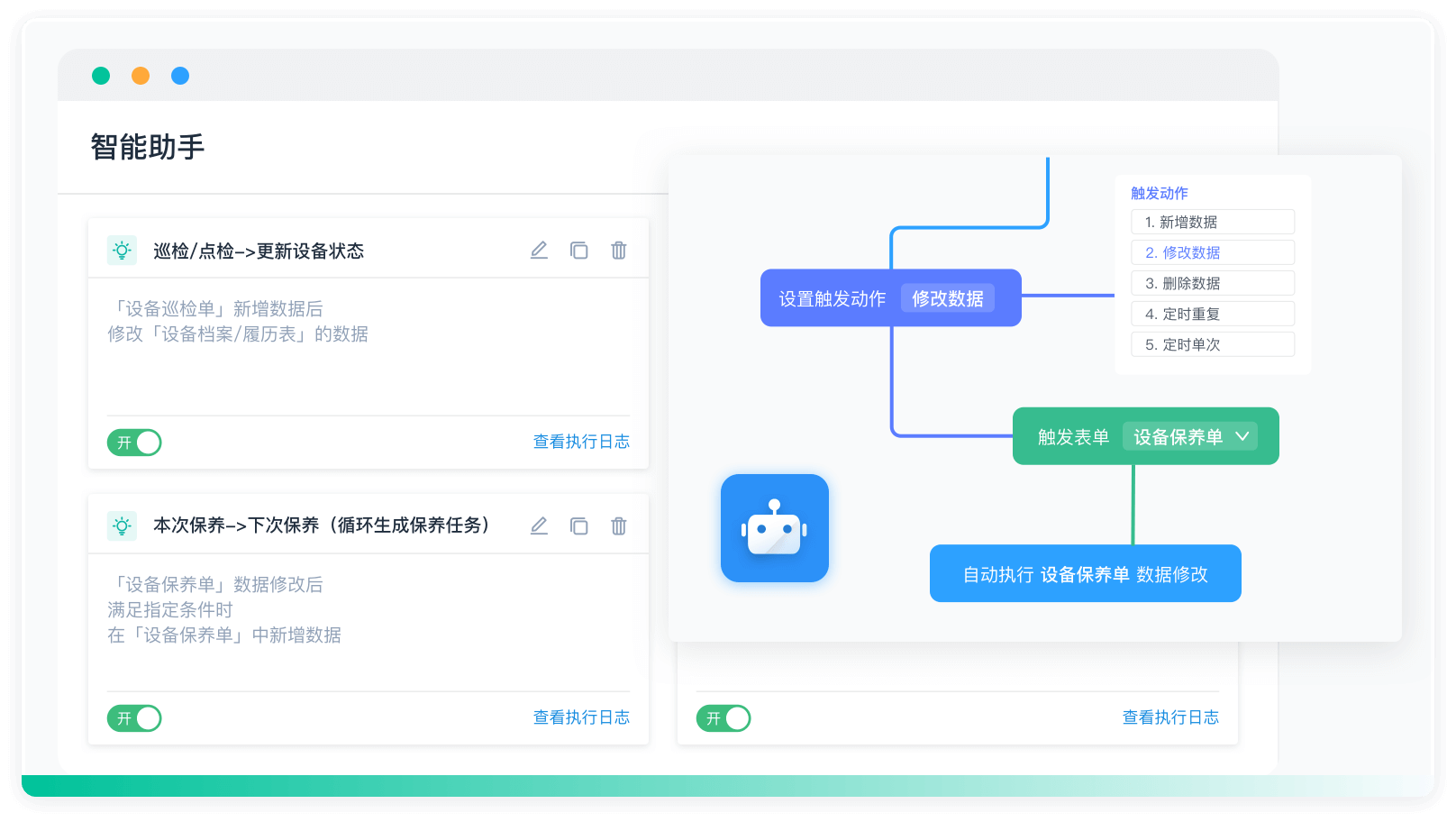
实时监控不仅可以提高设备的使用效率,还能延长设备的使用寿命。系统可以自动记录设备的使用时间、运行温度、电压电流等参数,通过分析这些数据,提前预测设备可能出现的故障,从而安排预防性维护。这样,设备的维护工作变得更加主动和高效,减少了设备的故障率和维护成本。
三、用户友好界面
设备管理软件的界面设计应以用户为中心,确保操作简便、易于上手。友好的用户界面不仅能提高用户的工作效率,还能减少培训成本。
首先,界面设计应遵循简洁明了的原则,重要信息突出显示,操作流程简化。其次,系统应提供多种视图和报表格式,用户可以根据需求自定义界面布局和数据展示方式。再者,系统应支持多平台使用,包括PC端和移动端,方便用户随时随地进行设备管理。
四、灵活的权限管理
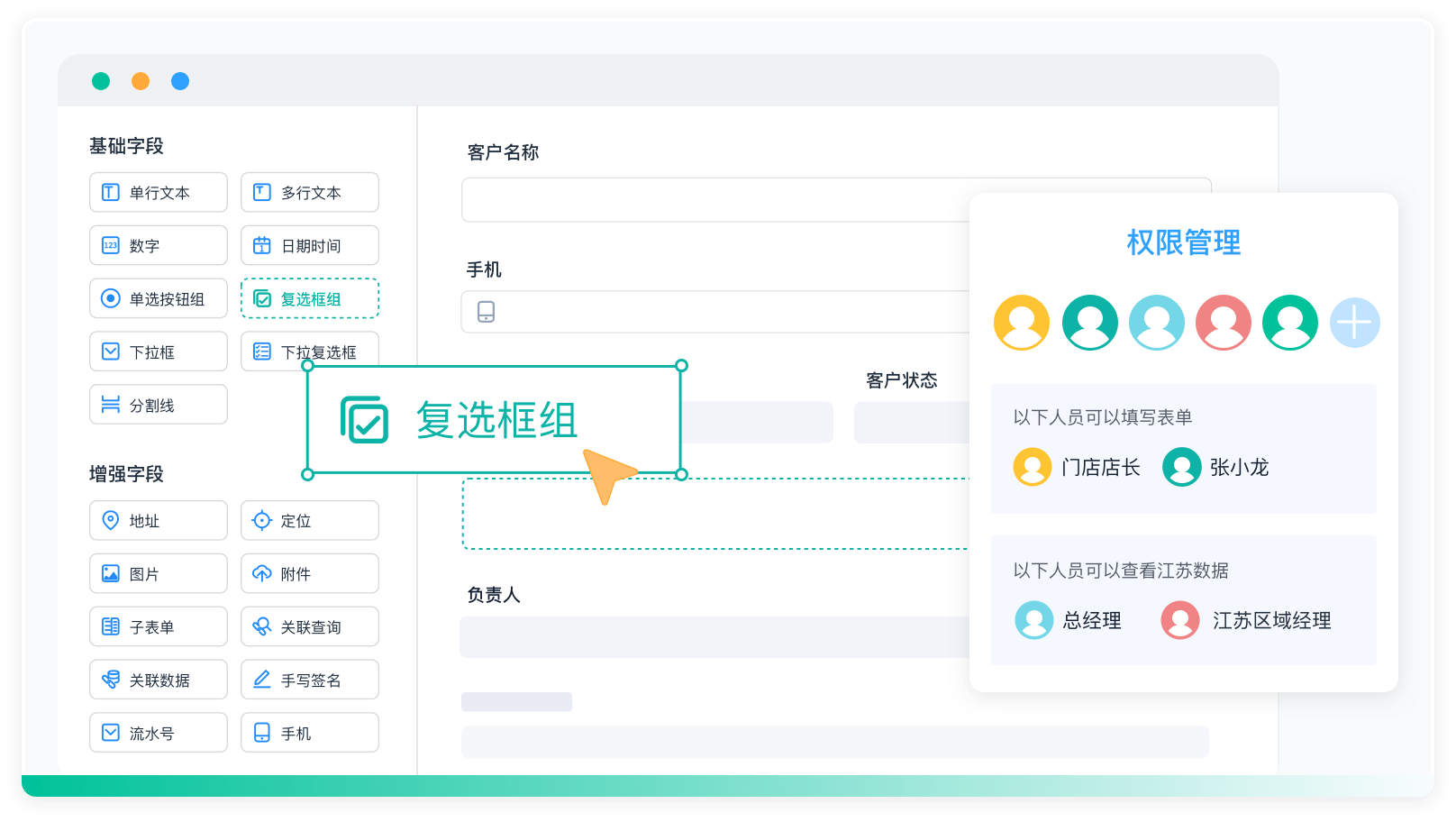
设备管理软件需要具备灵活的权限管理功能,以满足不同用户的需求。通过设置不同的权限级别,管理员可以控制用户对设备数据的访问和操作权限,确保数据的安全性和完整性。
权限管理不仅可以保护敏感数据,还能提高系统的安全性。例如,只有授权用户才能查看和修改设备的关键信息,防止数据被误操作或恶意篡改。系统还应提供详细的日志记录功能,记录用户的操作历史,以便在需要时进行审计和追踪。
五、数据分析与报表生成
设备管理软件应具备强大的数据分析和报表生成功能,通过对设备数据的分析,帮助企业优化设备管理策略,提高设备的使用效率。
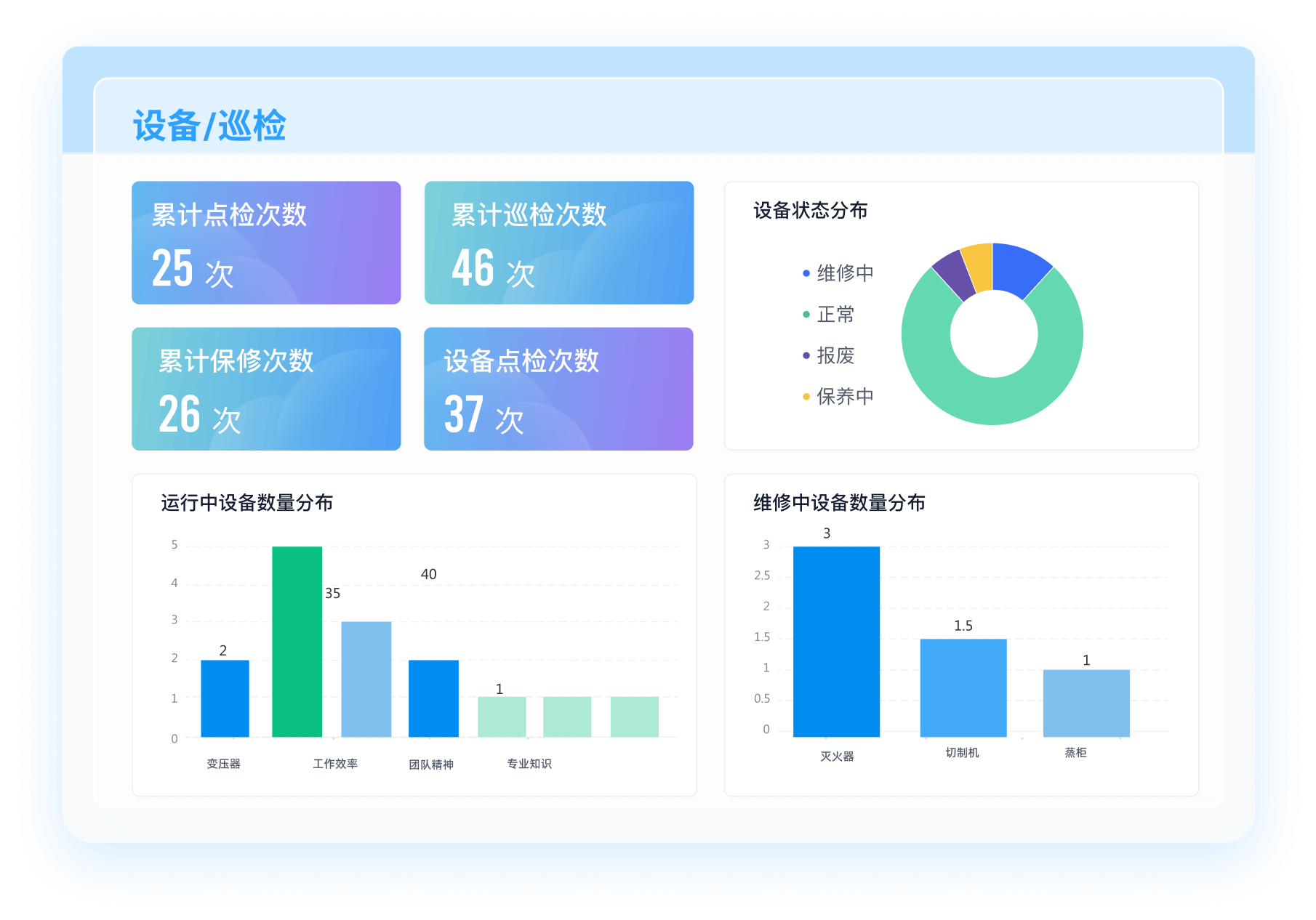
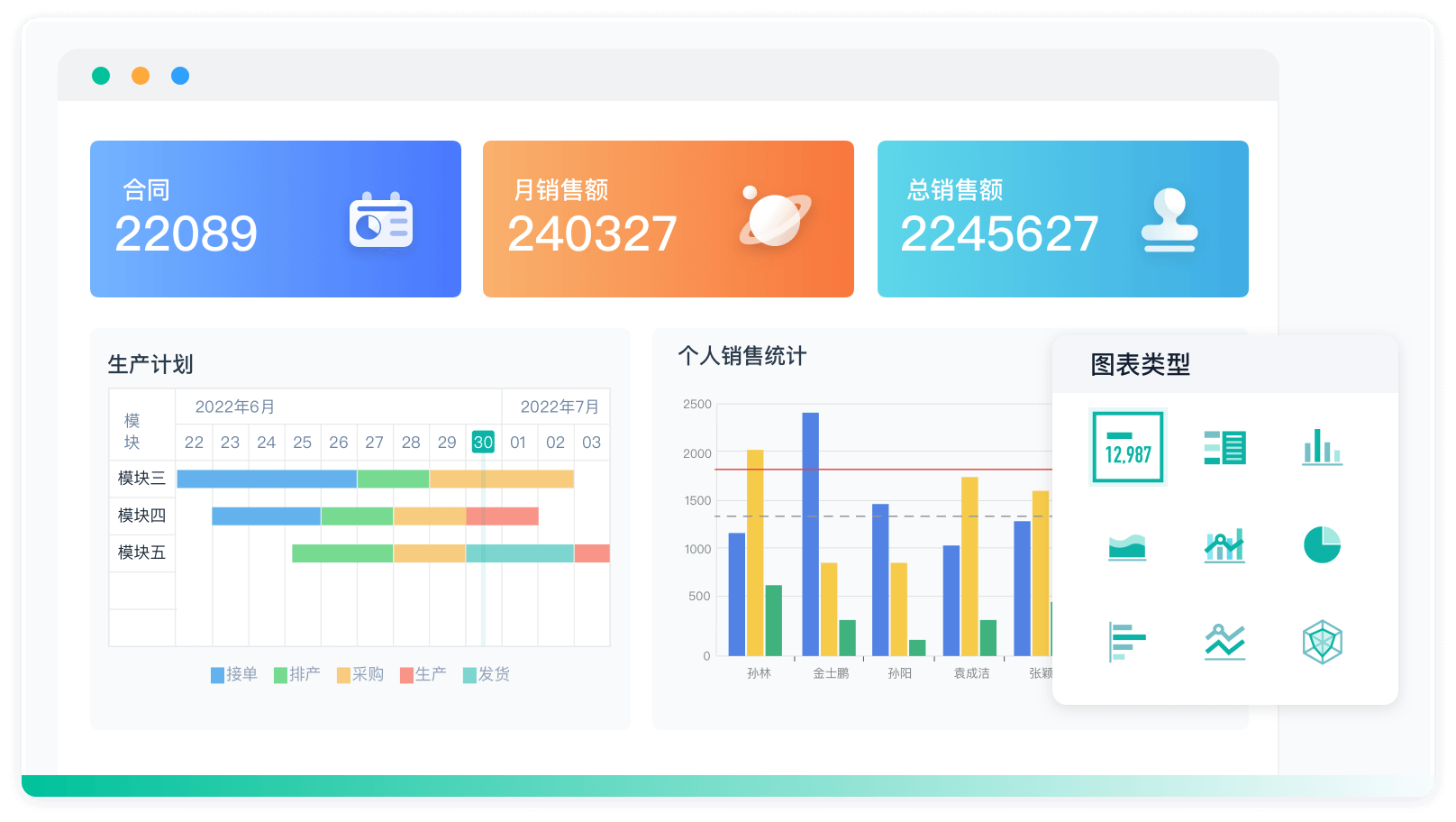
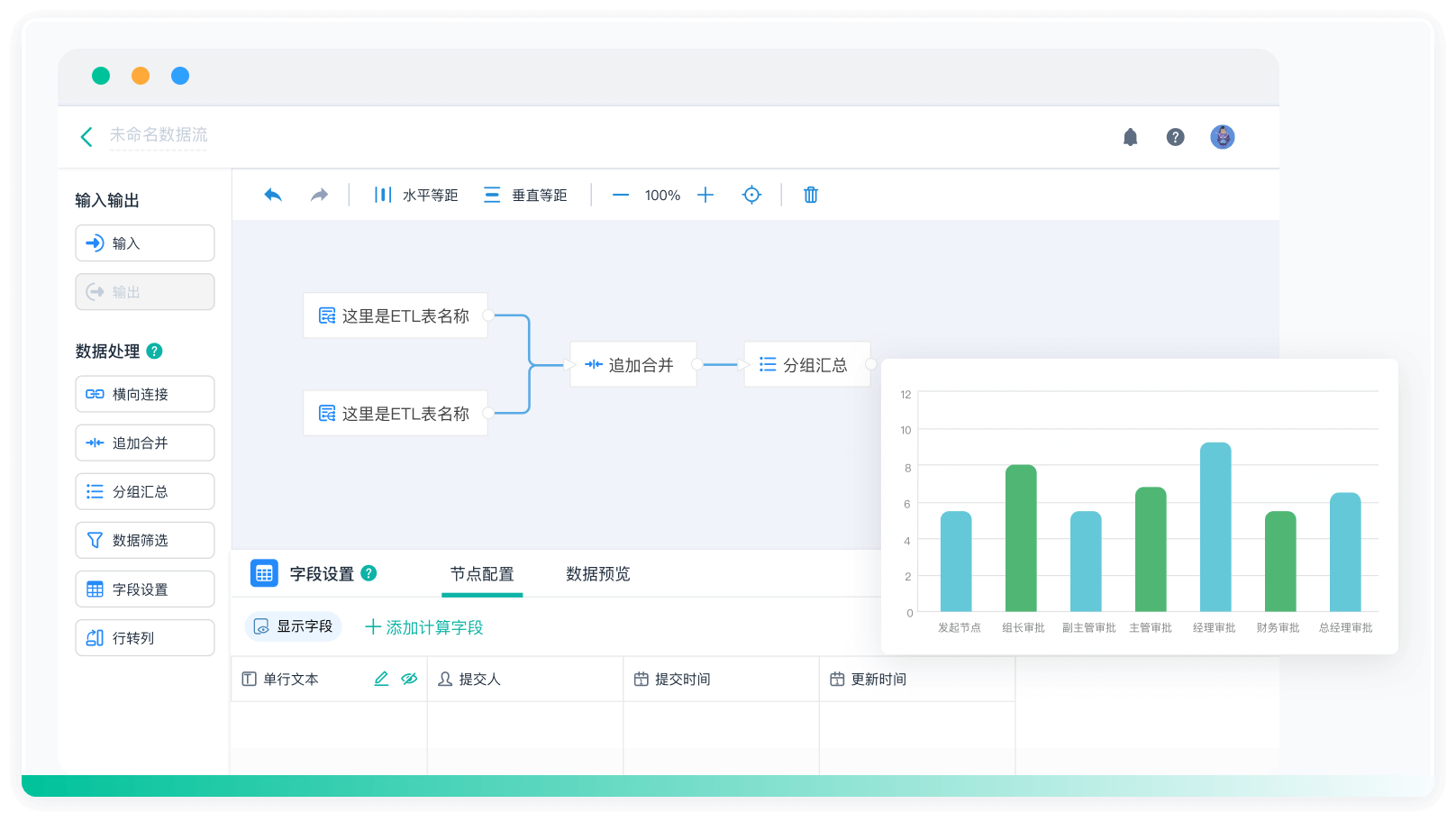
系统应能够自动生成各种类型的报表,包括设备使用情况报表、维护记录报表、故障分析报表等。用户可以根据需要自定义报表格式和内容,导出为常见的文件格式,如PDF、Excel等。此外,系统还应提供数据可视化功能,通过图表、仪表盘等方式直观展示数据分析结果,帮助用户快速理解和应用分析结果。
六、集成与扩展性
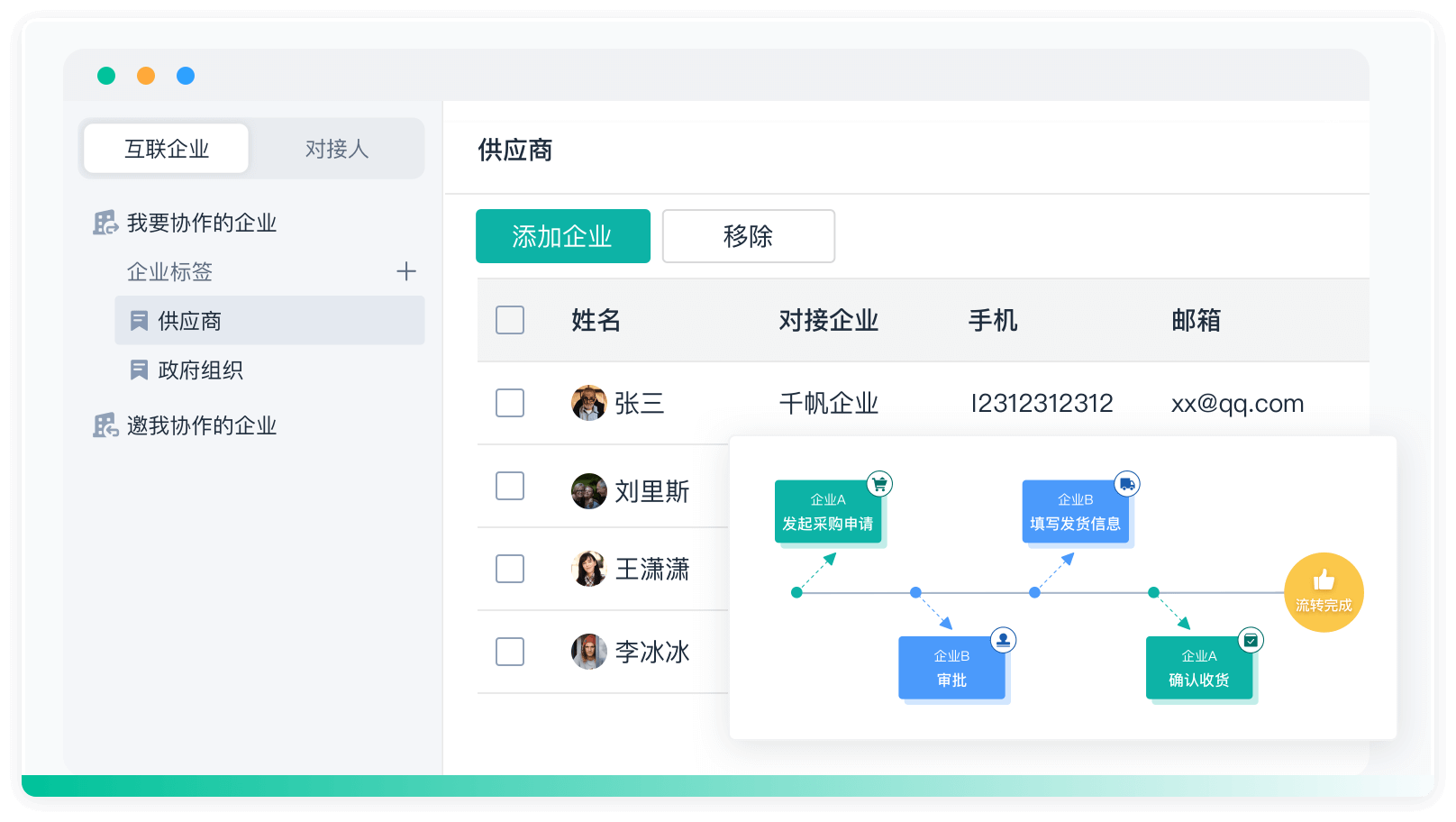
设备管理软件应具备良好的集成与扩展性,以适应企业不断变化的需求。系统应能够与企业的其他管理系统,如ERP、CRM等进行数据对接,实现信息共享和流程集成。
此外,系统应具备良好的扩展性,能够根据企业的发展和需求进行功能扩展和升级。例如,通过模块化设计,企业可以根据需要选择和添加不同的功能模块,如设备采购管理、库存管理等。系统还应支持第三方插件和API接口,方便企业进行二次开发和定制化功能开发。
七、安全性与数据备份
设备管理软件应具备高水平的安全性和可靠的数据备份机制,以保护企业的设备数据不受损失和泄露。系统应采用先进的加密技术和安全协议,确保数据在传输和存储过程中的安全性。
此外,系统应具备自动备份和恢复功能,定期对设备数据进行备份,防止数据丢失。用户应能够方便地进行数据恢复操作,确保在发生意外情况时能够快速恢复系统正常运行。
八、用户支持与培训
为了确保设备管理软件的有效应用,供应商应提供完善的用户支持与培训服务。通过在线帮助文档、视频教程、在线客服等多种方式,帮助用户快速掌握系统的使用方法和功能。
此外,供应商还应提供定期的培训课程和技术支持,帮助企业根据实际需求进行系统优化和升级。通过持续的用户支持和培训,确保设备管理软件能够充分发挥其功能和价值,帮助企业实现设备管理的优化和提升。
九、成功案例与客户评价
供应商应提供成功案例和客户评价,帮助潜在客户了解设备管理软件的实际应用效果。通过展示典型客户的应用案例和使用经验,展示系统的功能和优势,增强客户的信任和购买意愿。
成功案例应包括不同行业、不同规模企业的应用实例,详细描述设备管理软件在实际应用中的效果和收益。客户评价应真实可信,反映用户对系统的满意度和使用体验,为潜在客户提供参考和借鉴。
总结以上内容,制作设备管理软件需要综合考虑设备数据的集中管理、实时监控与维护、用户友好界面、灵活的权限管理、数据分析与报表生成、集成与扩展性、安全性与数据备份、用户支持与培训、成功案例与客户评价等多个方面。通过科学合理的设计和实施,设备管理软件能够帮助企业实现设备管理的优化和提升,提高设备的使用效率和管理水平。
相关问答FAQs:
FAQs about Creating Equipment Management Software
1. What are the essential features to include in equipment management software?
When designing equipment management software, several crucial features ensure efficiency and effectiveness. Start with asset tracking capabilities to monitor the location, status, and condition of equipment in real time. Integrating maintenance management tools is also vital; this allows for scheduling, tracking, and documenting repairs and routine maintenance tasks to prolong the lifespan of the equipment.
Another important feature is inventory management, which helps in managing spare parts and supplies, ensuring that essential components are always available when needed. Additionally, incorporating reporting and analytics features can provide insights into equipment performance, usage patterns, and maintenance costs, enabling data-driven decision-making.
User access controls and role-based permissions are necessary to secure sensitive information and ensure that only authorized personnel can access specific features. Integration with other systems, such as ERP (Enterprise Resource Planning) or CMMS (Computerized Maintenance Management Systems), can also enhance the software's functionality by enabling seamless data exchange and streamlining operations.
Lastly, consider incorporating a user-friendly interface and mobile accessibility to facilitate ease of use and allow on-the-go management of equipment.
2. How can equipment management software improve operational efficiency?
Equipment management software can significantly enhance operational efficiency in several ways. By providing real-time tracking and status updates, it minimizes downtime caused by misplaced or malfunctioning equipment. This visibility ensures that equipment is always accounted for and that any issues can be addressed promptly.
Automated maintenance scheduling and reminders prevent overdue or forgotten maintenance tasks, reducing the likelihood of unexpected breakdowns and extending equipment life. The software's ability to generate detailed reports and analytics also helps identify trends, optimize maintenance schedules, and make informed decisions about equipment procurement and replacement.
Furthermore, integrating the software with other business systems like inventory management and procurement can streamline processes, reduce manual data entry, and eliminate redundancies. This integration leads to a more cohesive operation, improving overall productivity and efficiency.
Additionally, by offering mobile access, equipment management software allows field technicians and managers to update records, check equipment status, and request parts or services directly from their mobile devices, further enhancing operational efficiency.
3. What are the benefits of integrating equipment management software with other systems?
Integrating equipment management software with other business systems provides several notable benefits. When linked with an ERP system, the software can facilitate seamless data flow between different departments, such as finance, inventory, and maintenance. This integration ensures that equipment-related data is consistent across the organization, improving accuracy and reducing the risk of errors.
Integration with inventory management systems allows for real-time updates on spare parts and supplies, streamlining procurement processes and ensuring that necessary components are always in stock. This coordination helps prevent delays caused by stock shortages and supports more efficient inventory management.
Moreover, connecting the equipment management software with CMMS (Computerized Maintenance Management Systems) enhances maintenance workflows by synchronizing equipment data with maintenance schedules and tasks. This synergy enables proactive maintenance and ensures that maintenance activities are performed timely and accurately.
Integration with project management tools can also offer benefits by aligning equipment management with project timelines and resource allocation. This ensures that equipment is available when needed and that project schedules are not hindered by equipment issues.
Overall, integrating equipment management software with other systems leads to a more unified and efficient operation, optimizing resource utilization, and supporting better decision-making.








































 《零代码开发知识图谱》
 《零代码
新动能》案例集
《零代码
新动能》案例集
 《企业零代码系统搭建指南》