 阅读时间:8 分钟
  浏览量:4961次


材料设备管理软件通过提供实时跟踪、库存管理、维护计划等功能,显著提升企业的运营效率。特别是实时跟踪功能,它使企业可以在任何时候掌握设备和材料的位置和状态,从而减少损耗和丢失,提高资源利用率。此外,库存管理功能帮助企业合理安排采购和使用计划,避免过量囤积或短缺,而维护计划功能则确保设备的正常运行,延长使用寿命,减少故障发生率。
一、实时跟踪
实时跟踪功能是材料设备管理软件的一大亮点。通过使用GPS定位技术和RFID标签,企业可以实时掌握所有设备和材料的具体位置。这不仅减少了设备和材料丢失的风险,还能优化调度和分配。例如,在施工现场,管理者可以随时查看某台挖掘机的准确位置,从而合理安排其工作任务。实时跟踪还可以提供详细的使用记录,有助于分析设备的使用效率和优化工作流程。
二、库存管理
库存管理功能在材料设备管理软件中扮演着重要角色。通过此功能,企业可以对库存进行全面监控,确保所有材料和设备都在合理的数量范围内。软件能够自动生成库存报告,提醒管理者及时补充或处理过期物品,避免浪费和短缺。例如,在制造业中,企业可以根据生产需求调整原材料的库存量,从而提高生产效率,降低成本。此外,库存管理功能还能帮助企业合理安排采购计划,与供应商保持良好的合作关系。
三、维护计划
维护计划功能是确保设备长时间高效运行的重要保障。通过材料设备管理软件,企业可以制定详细的维护计划,包括定期检查、维修和保养任务。软件会自动提醒相关人员进行维护工作,避免因设备故障而导致的停工和生产损失。例如,在矿业中,设备的正常运行至关重要,定期的维护计划可以有效预防故障发生,延长设备的使用寿命,提高生产效率。此外,维护计划还可以帮助企业记录每次维护的详细信息,方便追溯和管理。
四、数据分析与报表生成
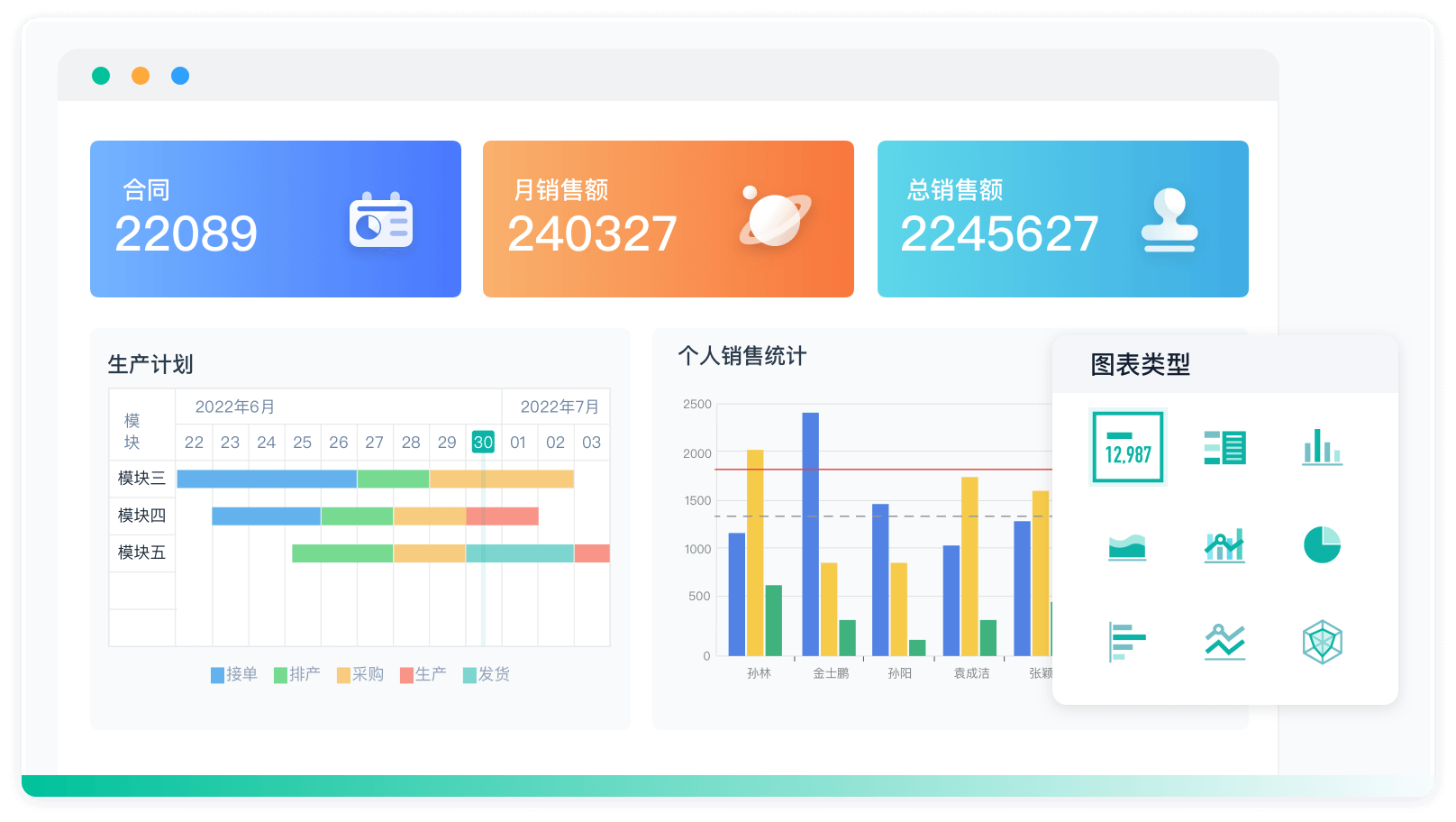
材料设备管理软件提供的数据分析与报表生成功能,可以帮助企业做出更明智的决策。通过收集和分析各种数据,软件能够生成详细的报表,展示设备和材料的使用情况、维护记录、库存水平等信息。例如,在建筑行业,管理者可以通过报表分析设备的使用频率和维护成本,从而优化设备的配置和使用策略。此外,数据分析还可以帮助企业发现潜在的问题和机会,提升整体管理水平。
五、简道云
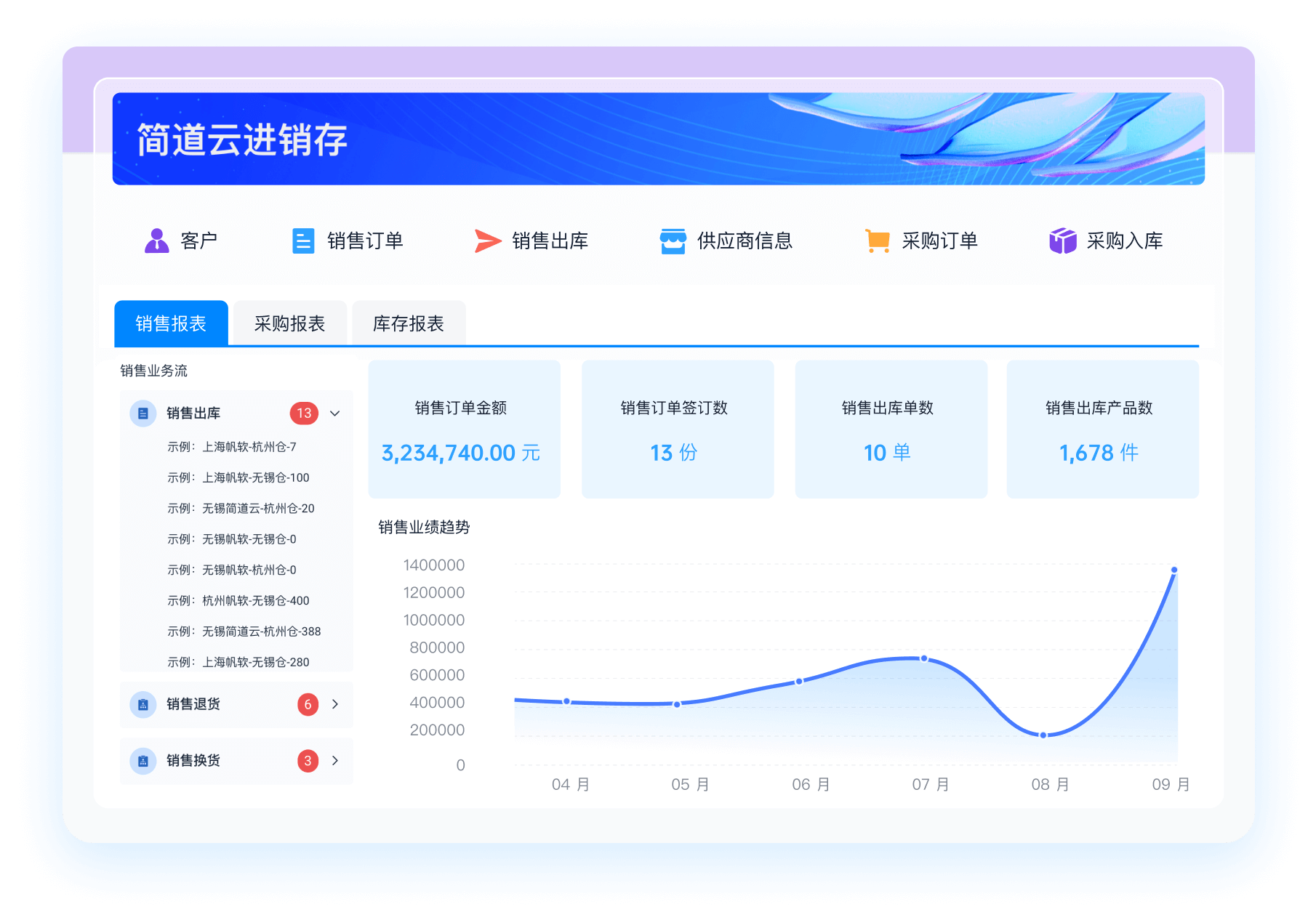
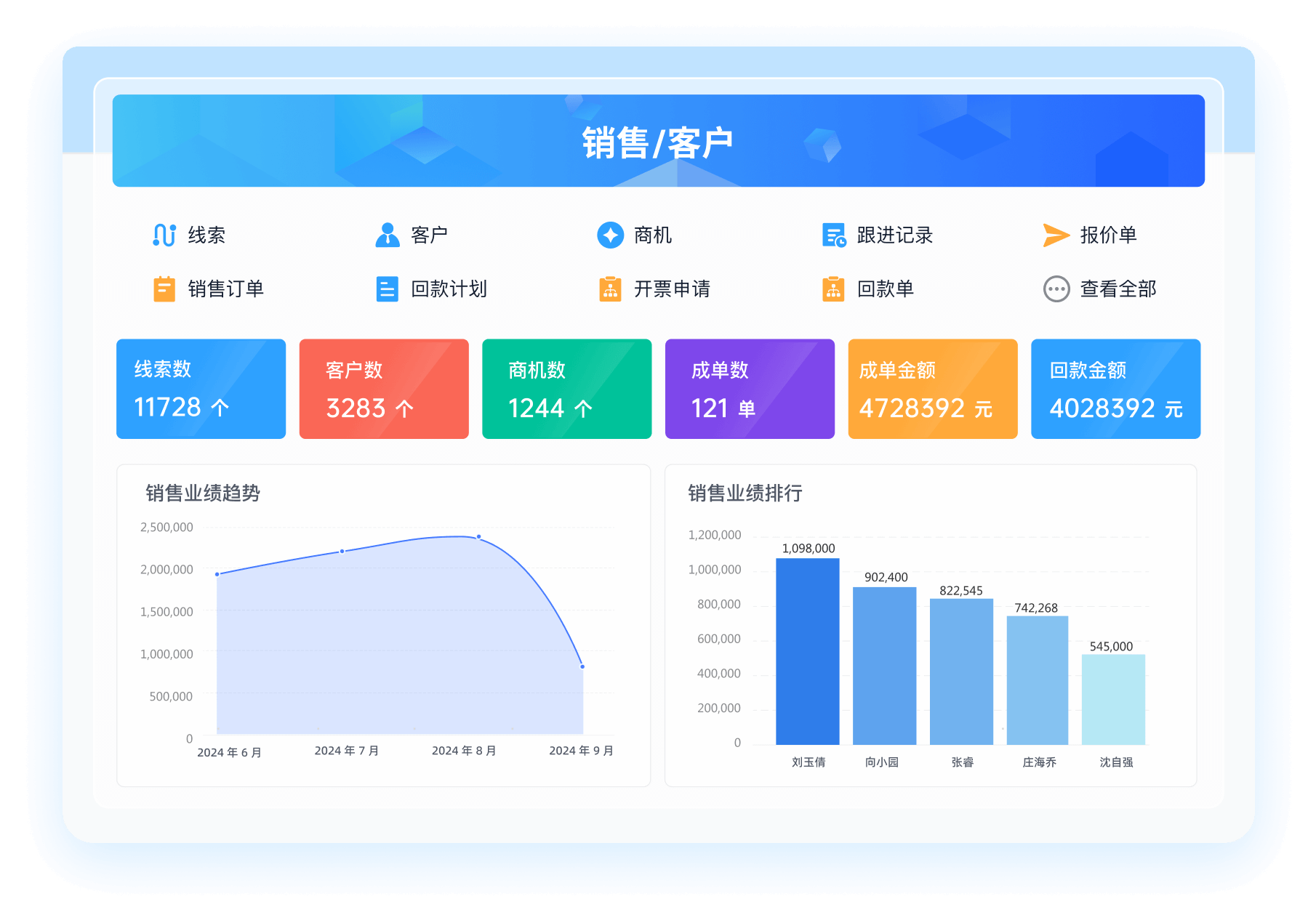
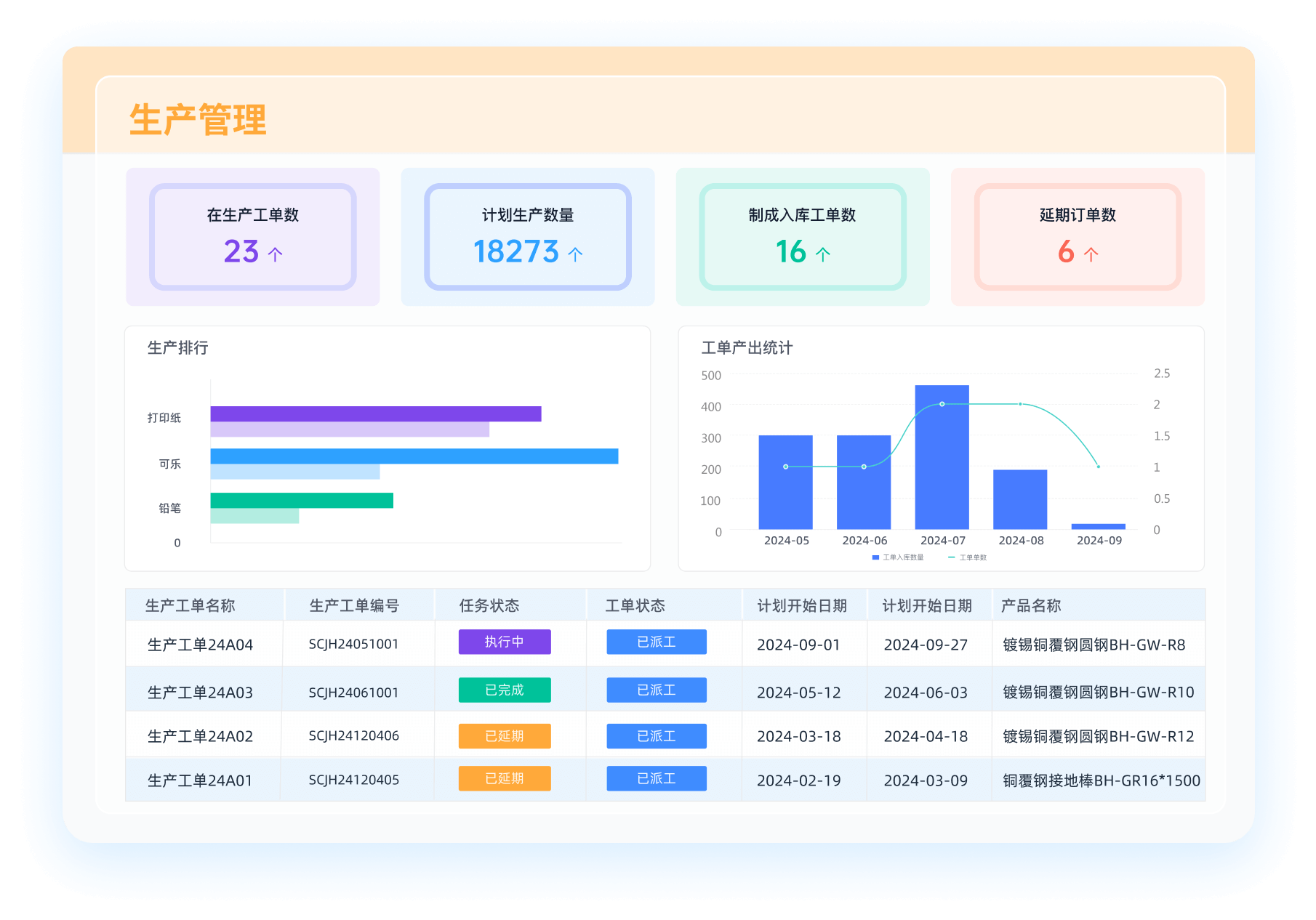
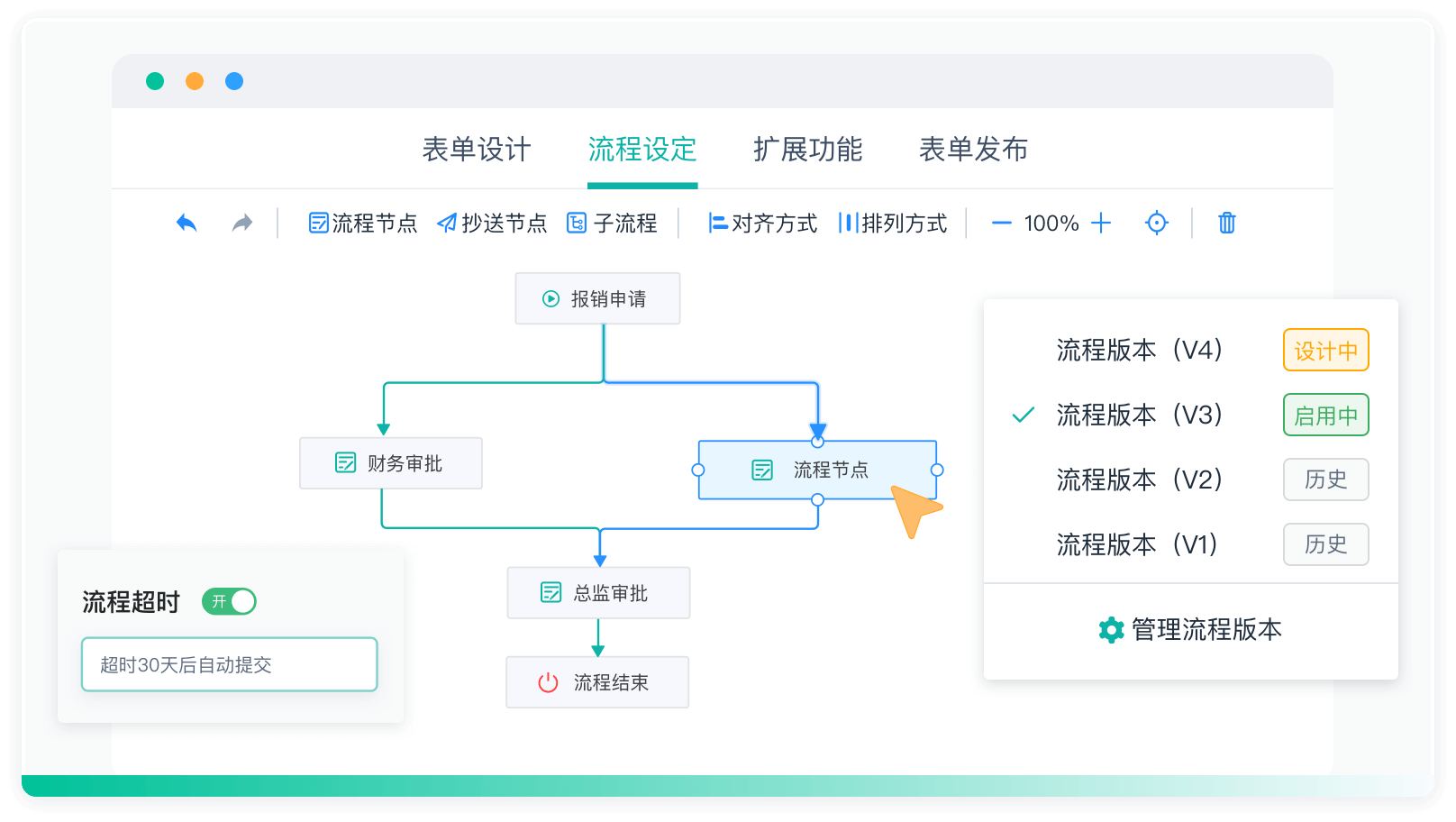
对于那些需要定制化材料设备管理解决方案的企业,简道云是一个非常理想的选择。作为帆软旗下的产品,简道云提供了一系列强大的工具,帮助企业实现个性化的管理需求。通过简道云,企业可以创建自定义的管理流程、表单和报表,灵活适应各种业务场景。例如,在物流行业,企业可以使用简道云定制一个专门的设备追踪系统,实现对货车和货物的全面管理。更多信息请访问简道云官网。
六、移动端支持
随着移动办公的普及,材料设备管理软件的移动端支持变得越来越重要。通过移动应用,管理者和员工可以随时随地访问软件,查看设备和材料的最新状态,进行管理和操作。例如,在野外工作时,员工可以通过手机实时上报设备使用情况和问题,管理者可以立即做出响应,避免因信息延迟而导致的问题。此外,移动端支持还可以提高员工的工作效率,增强团队的协作能力。
七、系统集成
材料设备管理软件的系统集成功能,可以将软件与企业现有的其他系统进行无缝对接,实现信息的统一管理。例如,企业的ERP系统、财务系统和人力资源系统都可以与材料设备管理软件进行集成,共享数据和信息。这不仅提高了数据的准确性和一致性,还能减少重复录入和人为错误。例如,在制造业中,材料设备管理软件可以与ERP系统集成,实现原材料的采购、使用和库存管理的全流程自动化,提高生产效率和管理水平。
八、安全性与权限管理
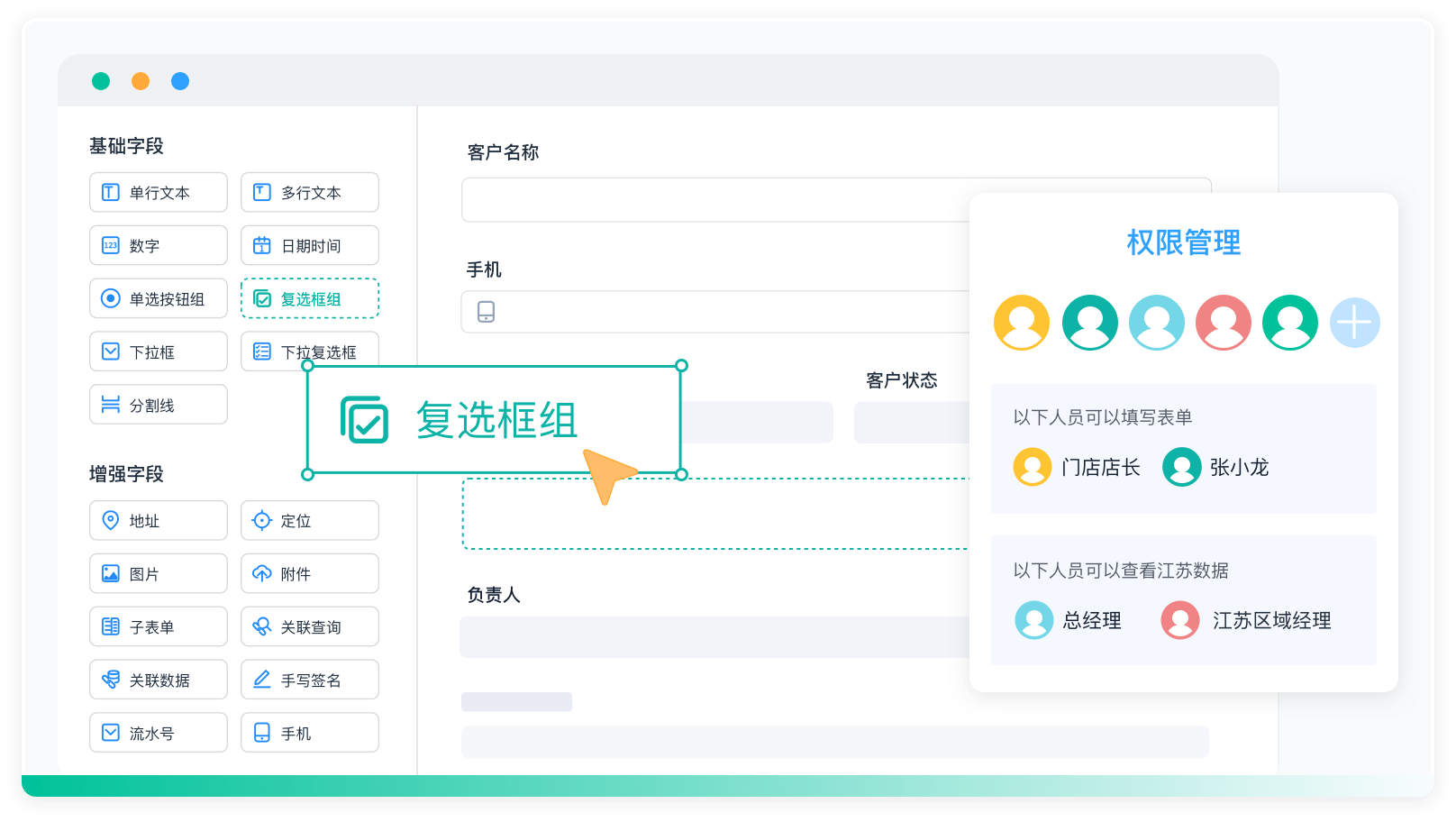
材料设备管理软件的安全性和权限管理功能,可以有效保护企业的核心数据和信息。通过设置不同的权限等级,企业可以控制各个用户对软件的访问和操作权限,确保只有授权人员才能查看和操作敏感信息。例如,只有设备管理部门的人员才能查看和修改设备的维护记录,而其他部门的人员只能查看相关信息。此外,软件还提供数据加密、备份和恢复等安全措施,保障数据的安全性和可靠性。
九、用户培训与支持
为了确保材料设备管理软件的顺利实施和使用,用户培训与支持服务至关重要。通过专业的培训,企业员工可以快速掌握软件的使用方法和技巧,提高工作效率和管理水平。例如,软件供应商可以提供在线培训课程、现场培训和操作手册,帮助用户熟悉软件的各项功能和操作流程。此外,软件的技术支持团队也会提供全天候的服务,解决用户在使用过程中遇到的问题,确保软件的正常运行。
综上所述,材料设备管理软件通过实时跟踪、库存管理、维护计划、数据分析与报表生成、简道云、移动端支持、系统集成、安全性与权限管理、用户培训与支持等功能,帮助企业实现高效的设备和材料管理,提高运营效率,降低成本,增强竞争力。在选择合适的软件时,企业应根据自身的实际需求和业务特点,综合考虑软件的功能、易用性、扩展性和服务支持,确保最佳的管理效果。
相关问答FAQs:
FAQs for Material Equipment Management Software
1. What are the key features to look for in material equipment management software?
When choosing material equipment management software, it's crucial to identify the features that best meet your operational needs. Key functionalities often include:
-
Inventory Tracking: The ability to monitor and manage inventory levels in real-time ensures that materials are always available when needed. This feature often includes barcode scanning, real-time updates, and automated reorder points.
-
Maintenance Scheduling: Effective software should offer tools for scheduling and tracking maintenance activities. This helps prevent equipment downtime and extends the lifespan of assets by ensuring regular upkeep.
-
Asset Management: Look for features that enable you to manage and track the lifecycle of equipment. This includes asset registration, depreciation tracking, and reporting on asset performance and condition.
-
Supplier Management: Good software will integrate supplier data, allowing you to manage orders, track deliveries, and maintain communication with vendors seamlessly.
-
Reporting and Analytics: The ability to generate detailed reports and analyze data helps in making informed decisions. This includes inventory levels, usage patterns, and maintenance costs.
-
User Management: Role-based access controls and permissions ensure that users only have access to the functions they need, enhancing security and efficiency.
2. How can material equipment management software improve operational efficiency?
Material equipment management software significantly enhances operational efficiency through various means:
-
Automation of Routine Tasks: By automating tasks such as inventory updates, order processing, and maintenance scheduling, the software reduces manual workload and minimizes human errors, allowing staff to focus on more strategic activities.
-
Real-Time Data Access: Instant access to accurate data helps in making timely decisions. This includes tracking inventory levels, equipment status, and maintenance needs, which facilitates better resource planning and utilization.
-
Enhanced Coordination: Integration with other systems, such as Enterprise Resource Planning (ERP) or Customer Relationship Management (CRM) software, streamlines workflows and improves coordination between different departments, leading to smoother operations.
-
Predictive Maintenance: Advanced software can analyze historical data and predict when maintenance will be needed, reducing unplanned downtime and extending the life of equipment.
-
Cost Reduction: By optimizing inventory levels and preventing overstocking or stockouts, the software helps in reducing excess inventory costs. Additionally, efficient maintenance scheduling can prevent costly repairs and replacements.
3. What factors should be considered when implementing material equipment management software?
Implementing material equipment management software involves careful planning and consideration of several factors to ensure successful deployment and integration:
-
Compatibility: Ensure that the software is compatible with your existing systems and infrastructure. Integration with current tools and databases is essential for a seamless transition and effective operation.
-
Scalability: Choose software that can grow with your business. As your operations expand, the software should be able to handle increased data volumes and more complex requirements without significant upgrades.
-
User Training: Proper training for staff is crucial for effective software utilization. Ensure that the software provider offers comprehensive training resources and support to help users get up to speed quickly.
-
Customization: Consider whether the software can be tailored to meet your specific needs. Customizable features and workflows ensure that the software aligns with your unique processes and requirements.
-
Vendor Support: Evaluate the level of support provided by the software vendor. Good customer support is essential for troubleshooting issues, receiving updates, and ensuring the software operates smoothly.
-
Cost and ROI: Analyze the total cost of ownership, including licensing, implementation, and maintenance costs. Compare these with the anticipated return on investment to ensure that the software provides value for money.
By addressing these considerations, you can effectively implement material equipment management software that enhances efficiency, reduces costs, and supports your organizational goals.











































 《零代码开发知识图谱》
 《零代码
新动能》案例集
《零代码
新动能》案例集
 《企业零代码系统搭建指南》