 阅读时间:8 分钟
  浏览量:2848次


Key features to consider when selecting device management software include usability, security, scalability, and integration with existing systems. For example, usability ensures that the software is intuitive and easy to navigate, which minimizes the learning curve for new users and allows for quicker deployment. This is crucial because an intuitive interface saves time and reduces errors, leading to more efficient device management across the organization.
I、USABILITY
The usability of device management software is paramount. A user-friendly interface ensures that both technical and non-technical users can navigate the system efficiently. Features such as drag-and-drop functionality, customizable dashboards, and intuitive navigation menus can significantly enhance the user experience. Moreover, detailed documentation and user support are vital for troubleshooting and onboarding. A well-designed interface not only improves efficiency but also reduces the training time required for new users, thus accelerating the overall deployment process.
II、SECURITY
Security is a critical aspect of device management software. The software must provide robust security features to protect sensitive data and ensure compliance with industry standards. Features like encryption, multi-factor authentication, and regular security updates are essential. The software should also include comprehensive auditing and reporting capabilities to monitor access and changes. Advanced security measures, such as threat detection and response, can help mitigate potential risks and ensure that the system remains secure against emerging threats.
III、SCALABILITY
Scalability is another key consideration. As organizations grow, their device management needs evolve. The software should be able to scale seamlessly to accommodate an increasing number of devices and users. This includes the ability to manage different types of devices, such as desktops, laptops, mobile devices, and IoT devices, under a single platform. Scalability also means that the software can handle higher volumes of data and more complex workflows without compromising performance. This flexibility ensures that the software remains useful and efficient as the organization expands.
IV、INTEGRATION WITH EXISTING SYSTEMS
Integration capabilities are essential for device management software. The software should easily integrate with existing IT infrastructure, including other management tools, databases, and cloud services. Seamless integration allows for centralized management and reduces the need for manual data entry, thereby minimizing errors and improving efficiency. Additionally, the ability to integrate with other systems enables better data flow and synchronization across different platforms, enhancing overall operational efficiency. APIs and standardized protocols can facilitate these integrations, ensuring smooth interoperability.
V、CUSTOMIZATION
Customization options are important for tailoring the software to meet specific organizational needs. The software should allow for customizable workflows, reports, and dashboards to suit different user roles and preferences. Customizable alerting and notification systems can help ensure that relevant stakeholders are informed promptly about critical events. This level of flexibility allows organizations to adapt the software to their unique processes and requirements, improving overall effectiveness and user satisfaction.
VI、SUPPORT AND MAINTENANCE
Support and maintenance services are crucial for the long-term success of device management software. Vendors should provide comprehensive support options, including phone, email, and chat support, as well as access to a knowledge base and user community. Regular software updates and patches are essential to address security vulnerabilities and improve functionality. Moreover, having a dedicated account manager or support team can help address specific issues and provide personalized assistance, ensuring that the software remains effective and up-to-date.
VII、COST-EFFICIENCY
Cost-efficiency is an important factor to consider. Organizations should evaluate the total cost of ownership, including licensing fees, implementation costs, and ongoing maintenance expenses. It’s essential to balance cost with the value provided by the software. Features like automation and self-service capabilities can reduce operational costs by minimizing the need for manual intervention and support. Additionally, cloud-based solutions can offer flexible pricing models and reduce the need for significant upfront investments in hardware and infrastructure.
VIII、ANALYTICS AND REPORTING
Robust analytics and reporting features are vital for effective device management. The software should provide detailed insights into device performance, usage patterns, and potential issues. Customizable reports and real-time dashboards can help IT teams monitor the health of the device ecosystem and make data-driven decisions. Advanced analytics capabilities, such as predictive analytics and trend analysis, can also help identify potential problems before they escalate, improving overall device management efficiency.
IX、USER TRAINING AND ONBOARDING
Effective user training and onboarding are essential for maximizing the benefits of device management software. Comprehensive training programs, including online tutorials, webinars, and hands-on workshops, can help users become proficient with the software quickly. Onboarding support should include assistance with initial setup and configuration, as well as guidance on best practices for device management. Investing in thorough training and onboarding ensures that users can fully leverage the software’s capabilities, leading to better outcomes and higher user satisfaction.
X、VENDOR REPUTATION AND REVIEWS
The reputation of the software vendor and user reviews are important considerations. Organizations should research the vendor’s track record, customer satisfaction ratings, and the experiences of other users. Positive reviews and testimonials can provide valuable insights into the software’s reliability, performance, and support quality. Additionally, engaging with user communities and forums can help organizations gather practical advice and real-world experiences from other users, aiding in the decision-making process.
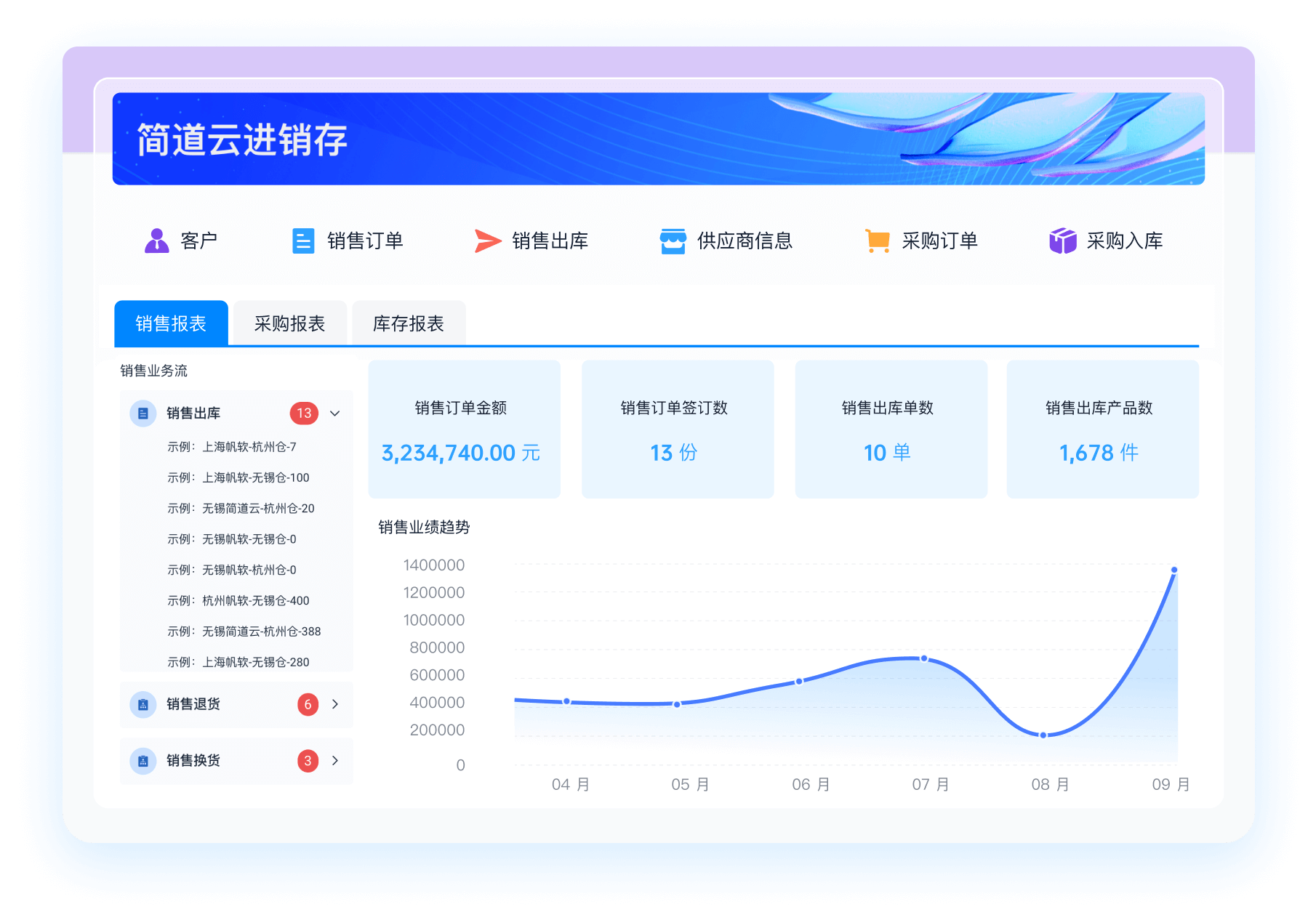
For those looking for a highly efficient device management solution, Fanruan's Jiandao Cloud is a notable option. It offers comprehensive features tailored to various device management needs. More details can be found on their official website.
相关问答FAQs:
1. What is Equipment Management Software and How Does It Benefit Businesses?
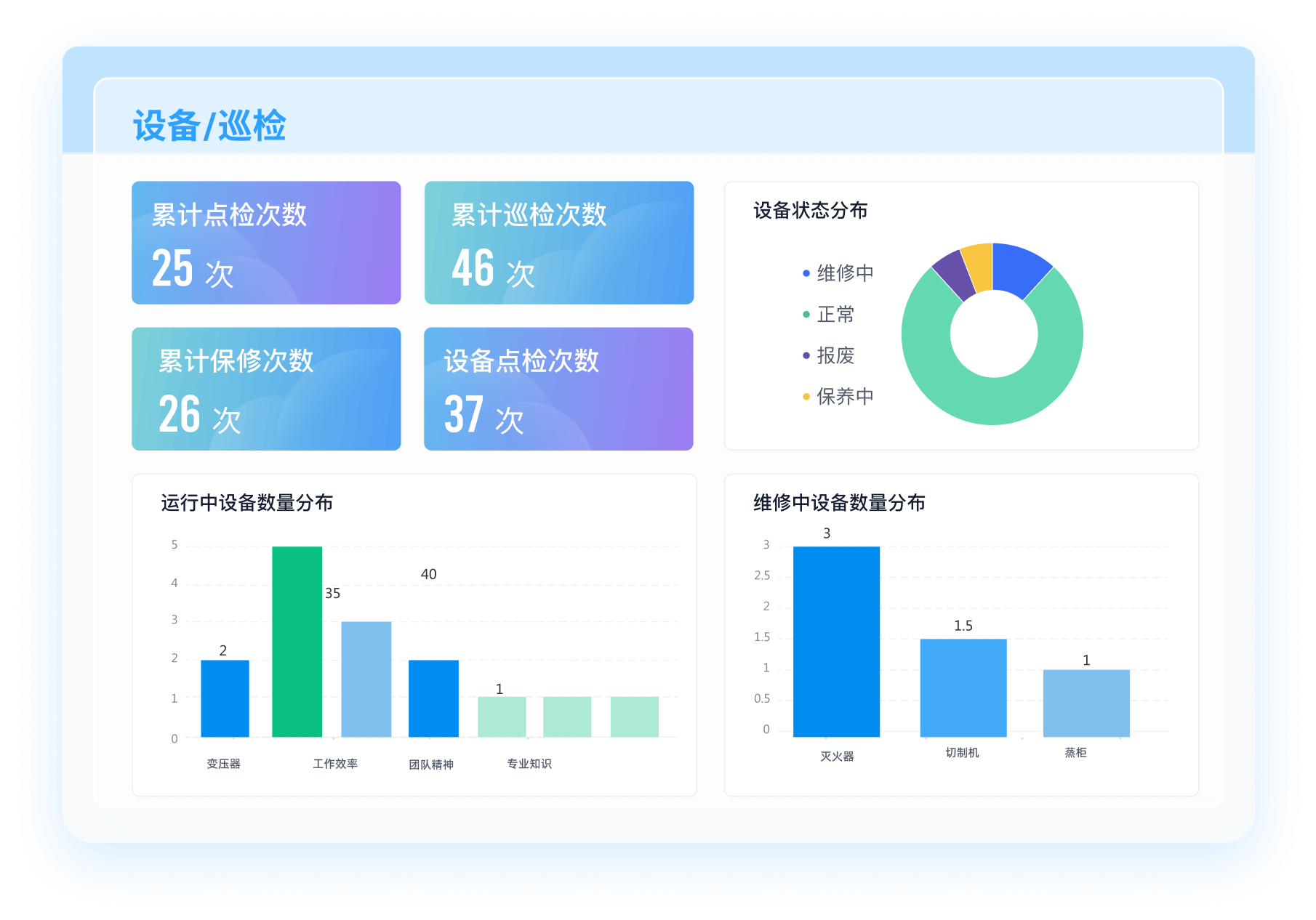
Equipment Management Software (EMS) is a specialized digital solution designed to track, maintain, and optimize the usage of physical assets within an organization. This type of software offers a wide range of benefits to businesses by enhancing operational efficiency and reducing costs associated with equipment management.
One of the primary advantages of EMS is its ability to provide real-time tracking of equipment. This feature helps businesses monitor the location, status, and utilization of their assets, which can be crucial for preventing loss or theft. By having detailed insights into equipment usage, businesses can also make more informed decisions regarding maintenance and repairs. Regular maintenance is essential for extending the lifespan of equipment and avoiding costly breakdowns. EMS often includes scheduling features that automate maintenance reminders and track service history, ensuring that equipment remains in optimal condition.
Furthermore, Equipment Management Software helps organizations optimize their asset allocation. By analyzing usage patterns and performance data, businesses can identify underutilized equipment and make adjustments to improve overall efficiency. This not only maximizes the return on investment but also helps in planning for future equipment needs.
In addition to operational benefits, EMS can also enhance compliance with industry regulations and standards. Many industries have stringent requirements for equipment maintenance and safety. EMS can assist in tracking compliance-related activities and generating reports that demonstrate adherence to these regulations.
Overall, Equipment Management Software is a powerful tool that streamlines asset management processes, reduces operational costs, and improves the overall efficiency of equipment use in a business setting.
2. What Features Should You Look for in Equipment Management Software?
When selecting Equipment Management Software, it's crucial to choose a solution that aligns with your business needs and operational goals. Here are some essential features to consider:
-
Real-Time Asset Tracking: This feature allows businesses to monitor the location, status, and usage of equipment in real-time. It helps prevent loss or theft and ensures that assets are utilized efficiently.
-
Maintenance Scheduling and Tracking: Effective EMS should include tools for scheduling regular maintenance and tracking service history. Automated reminders and detailed logs help ensure that equipment remains in good condition and complies with maintenance requirements.
-
Inventory Management: A comprehensive EMS will offer inventory management capabilities, allowing businesses to keep track of spare parts and supplies. This feature helps avoid shortages and ensures that necessary parts are available when needed.
-
Reporting and Analytics: Advanced reporting and analytics features enable businesses to analyze equipment performance, utilization, and maintenance costs. These insights help in making data-driven decisions and identifying areas for improvement.
-
Integration Capabilities: The ability to integrate with other business systems, such as financial software and enterprise resource planning (ERP) systems, is important for seamless operations and data consistency.
-
User-Friendly Interface: The software should have an intuitive interface that is easy to navigate. A user-friendly design reduces the learning curve and improves overall efficiency.
-
Mobile Accessibility: In today’s fast-paced business environment, mobile access to EMS is becoming increasingly important. Features like mobile apps or responsive web design allow users to manage equipment and access information on the go.
By evaluating these features, businesses can select Equipment Management Software that best meets their needs and supports their operational objectives.
3. How Can Equipment Management Software Help Improve Compliance and Safety Standards?
Equipment Management Software plays a significant role in enhancing compliance and safety standards within an organization. Adhering to industry regulations and maintaining high safety standards are critical for avoiding legal issues and ensuring a safe working environment. Here’s how EMS contributes to these aspects:
-
Regulatory Compliance Tracking: Many industries are subject to strict regulations regarding equipment maintenance and safety. EMS helps track compliance by maintaining records of maintenance activities, inspections, and repairs. It can generate reports that demonstrate adherence to regulatory requirements, making it easier to pass audits and inspections.
-
Safety Inspections and Documentation: EMS often includes features for scheduling and documenting safety inspections. Regular inspections are crucial for identifying potential hazards and ensuring that equipment meets safety standards. The software can store inspection reports and track corrective actions, ensuring that any issues are addressed promptly.
-
Incident Management: In the event of an equipment-related incident, EMS can assist in documenting and managing the incident. This includes recording details of the incident, analyzing root causes, and implementing corrective measures. Effective incident management helps prevent recurrence and improves overall safety.
-
Training and Certification Tracking: Many industries require employees to undergo specific training and obtain certifications to operate certain types of equipment. EMS can track training records and certification statuses, ensuring that all personnel are qualified and up-to-date with their training requirements.
-
Automated Alerts and Reminders: EMS can automate alerts and reminders for critical compliance deadlines, such as expiring certifications or upcoming inspections. These proactive notifications help ensure that important compliance activities are not overlooked.
By leveraging these features, Equipment Management Software helps organizations maintain compliance with industry regulations, enhance safety practices, and create a safer working environment for employees.







































 《零代码开发知识图谱》
 《零代码
新动能》案例集
《零代码
新动能》案例集
 《企业零代码系统搭建指南》