
 阅读时间:7 分钟
  浏览量:5541次


Medical device management software is essential for enhancing operational efficiency, ensuring regulatory compliance, and improving patient safety. These systems provide comprehensive asset tracking, maintenance scheduling, and utilization monitoring, leading to better resource allocation and reduced downtime. For instance, real-time tracking helps in promptly locating devices, which minimizes delays in patient care.
I. ENHANCED OPERATIONAL EFFICIENCY
Operational efficiency is a critical aspect of healthcare facilities, directly impacting service delivery and patient outcomes. Medical device management software automates various tasks such as inventory management, maintenance scheduling, and usage tracking. This automation reduces manual efforts, minimizes errors, and ensures devices are available when needed. By integrating with other hospital information systems, these solutions provide a unified platform for managing all medical devices, streamlining workflows, and freeing up staff to focus on patient care.
Inventory Management: The software provides a centralized database for all medical devices, enabling easy tracking and management. Detailed records of each device, including its location, status, and maintenance history, help in efficient inventory management. Automated alerts for low stock levels ensure timely reordering, preventing shortages that could disrupt services.
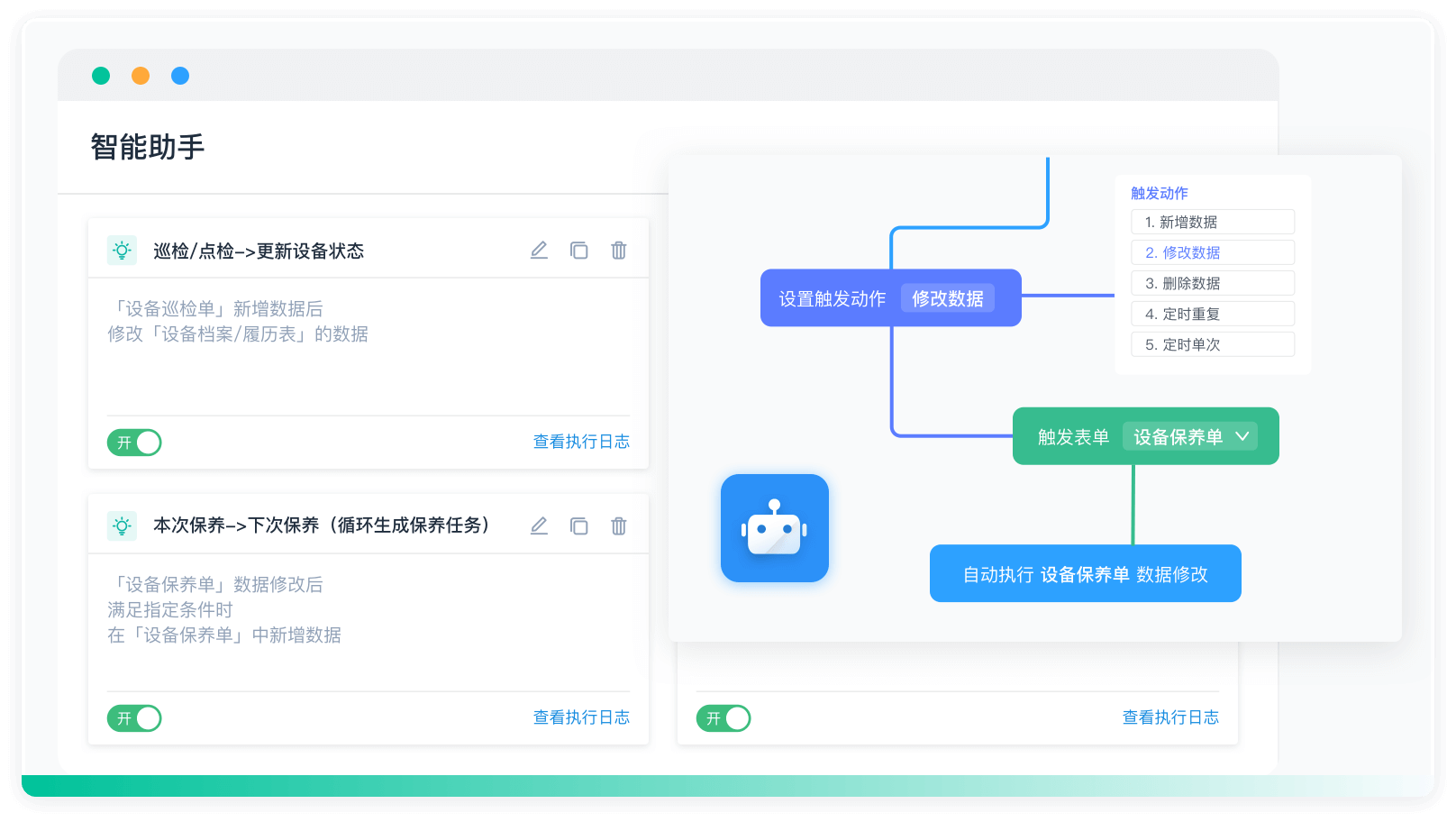
Maintenance Scheduling: Regular maintenance is crucial for the optimal functioning of medical devices. The software schedules and tracks maintenance activities, ensuring compliance with manufacturer recommendations and regulatory requirements. Automated reminders and maintenance logs help in maintaining a detailed history of each device, which is essential for audits and inspections.
Utilization Monitoring: By tracking the usage patterns of medical devices, the software helps in identifying underutilized or overused equipment. This data-driven approach aids in making informed decisions about device procurement, allocation, and retirement. It also helps in optimizing device usage, ensuring that resources are utilized effectively and efficiently.
II. ENSURING REGULATORY COMPLIANCE
Healthcare facilities must adhere to stringent regulatory requirements concerning medical devices. Compliance with these regulations is essential to ensure patient safety and avoid legal and financial repercussions. Medical device management software plays a pivotal role in maintaining compliance by providing robust tracking and documentation capabilities.
Regulatory Documentation: The software maintains comprehensive records of each medical device, including purchase information, maintenance logs, and usage history. These records are crucial during regulatory inspections and audits, providing proof of compliance with safety standards and manufacturer guidelines.
Incident Reporting: In case of device malfunctions or adverse events, the software facilitates prompt reporting and documentation. This ensures that appropriate corrective actions are taken and regulatory bodies are informed in a timely manner. Detailed incident reports help in identifying recurring issues and implementing preventive measures.
Certification and Calibration Tracking: Medical devices often require regular calibration and certification to ensure accurate and safe operation. The software tracks these activities, providing reminders for upcoming certifications and maintaining records of completed calibrations. This ensures that all devices meet regulatory standards and are safe for use.
III. IMPROVING PATIENT SAFETY
Patient safety is paramount in healthcare, and medical device management software significantly contributes to safeguarding patients by ensuring that devices are reliable, well-maintained, and available when needed. By reducing the risk of device-related errors and malfunctions, these systems enhance the overall quality of care.
Real-time Tracking: The software enables real-time tracking of medical devices, ensuring that they are readily available for patient care. This minimizes delays in treatment and reduces the risk of adverse events caused by device unavailability. Quick access to essential devices is particularly critical in emergency situations, where timely intervention can be lifesaving.
Preventive Maintenance: Regular maintenance is essential to prevent device malfunctions that could compromise patient safety. The software schedules preventive maintenance activities, ensuring that all devices are in optimal working condition. Automated alerts for upcoming maintenance tasks help in avoiding missed schedules, which could lead to device failures.
Recall Management: In the event of a device recall, the software facilitates prompt identification and removal of affected devices. This minimizes the risk of using defective equipment, protecting patients from potential harm. Efficient recall management also ensures compliance with regulatory requirements and maintains the facility's reputation.
IV. BETTER RESOURCE ALLOCATION
Effective resource allocation is essential for the efficient operation of healthcare facilities. Medical device management software provides valuable insights into device utilization, helping administrators make informed decisions about resource allocation. This ensures that devices are used optimally, reducing wastage and enhancing operational efficiency.
Usage Analytics: The software generates detailed reports on device usage, highlighting patterns and trends. This data helps in identifying underutilized or overused devices, enabling better allocation of resources. For example, if certain devices are frequently underutilized, they can be relocated to departments where they are needed more.
Cost Management: By tracking the maintenance and operational costs of each device, the software helps in managing expenses effectively. Detailed cost reports enable administrators to identify high-cost devices and take corrective actions, such as negotiating better service contracts or considering replacement options.
Procurement Planning: Data on device utilization and maintenance costs aids in procurement planning. Administrators can make informed decisions about purchasing new devices, ensuring that investments are aligned with the facility's needs. This prevents over-purchasing and ensures that funds are allocated to areas with the highest impact on patient care.
V. INTEGRATION WITH OTHER SYSTEMS
Medical device management software often integrates with other hospital information systems, providing a seamless flow of information across different departments. This integration enhances the overall efficiency of healthcare facilities by enabling better coordination and communication.
Electronic Health Records (EHR): Integration with EHR systems ensures that device usage data is automatically recorded in patient records. This provides a comprehensive view of patient care, enhancing clinical decision-making and improving treatment outcomes. For example, data from infusion pumps can be directly recorded in the patient's chart, providing accurate documentation of medication administration.
Asset Management Systems: Integration with asset management systems provides a unified platform for tracking all hospital assets, including medical devices, furniture, and IT equipment. This holistic approach to asset management ensures efficient utilization and maintenance of all resources, reducing operational costs and improving service delivery.
Supply Chain Management: Integration with supply chain management systems streamlines the procurement and inventory management processes. Automated data exchange between systems ensures that inventory levels are updated in real-time, preventing stockouts and overstocking. This ensures that medical devices and other supplies are always available when needed.
VI. ADVANCED ANALYTICS AND REPORTING
Advanced analytics and reporting capabilities are key features of medical device management software. These tools provide actionable insights that help in optimizing device management processes and improving overall operational efficiency.
Predictive Analytics: By analyzing historical data, the software can predict future trends and maintenance needs. Predictive analytics helps in identifying potential issues before they become critical, enabling proactive maintenance and reducing downtime. For example, if a device shows a pattern of frequent breakdowns, it can be scheduled for early replacement.
Customizable Reports: The software allows administrators to generate customized reports based on specific needs. These reports can include data on device utilization, maintenance costs, incident history, and compliance status. Customizable reports provide valuable insights for decision-making and help in tracking key performance indicators (KPIs).
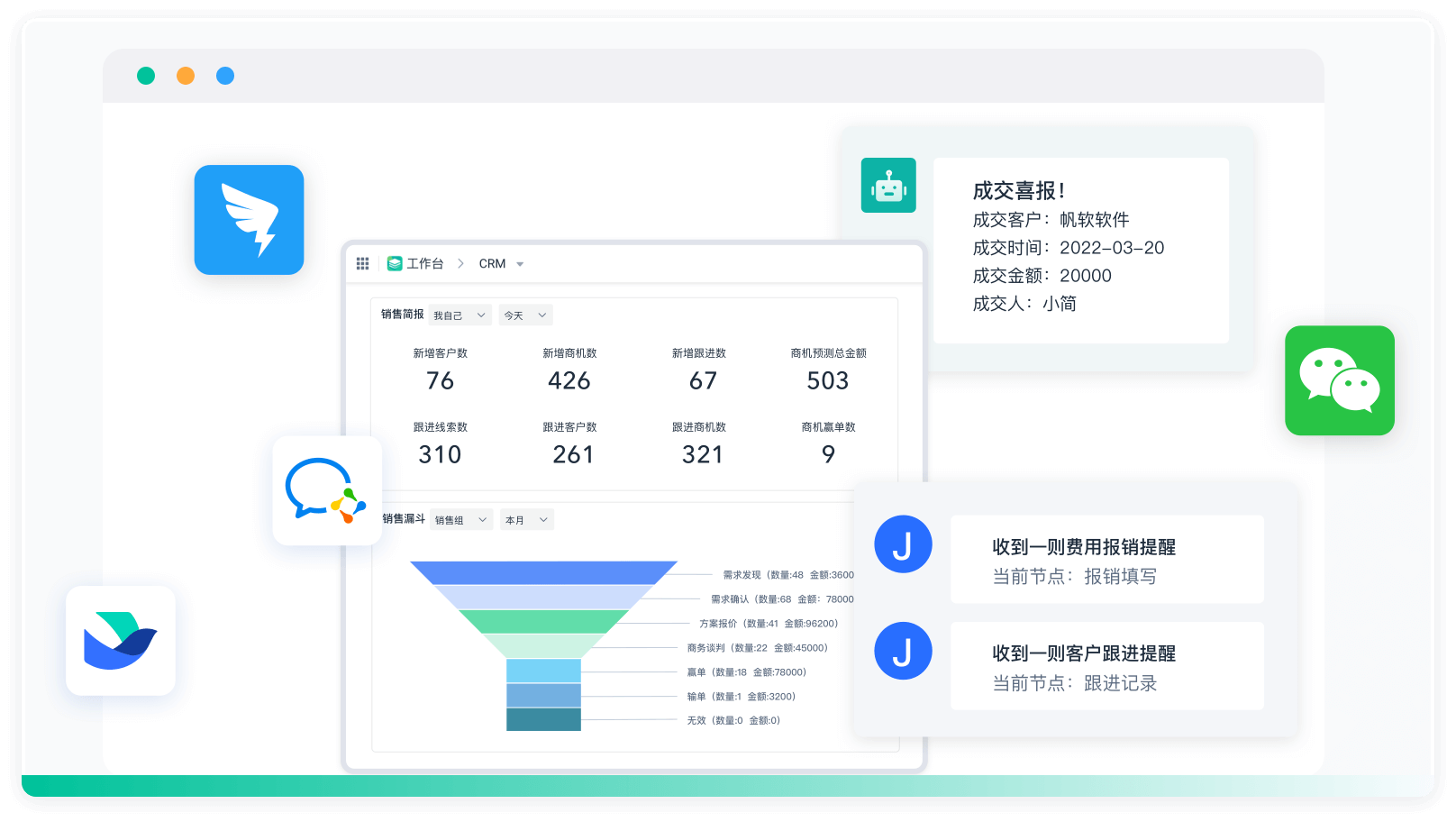
Data Visualization: Advanced data visualization tools, such as dashboards and charts, make it easy to interpret complex data. Visual representations of data help in quickly identifying trends and patterns, enabling better decision-making. For example, a dashboard showing device utilization rates across different departments can help in optimizing resource allocation.
VII. IMPROVED COMMUNICATION AND COORDINATION
Effective communication and coordination are essential for the smooth operation of healthcare facilities. Medical device management software facilitates better communication between different departments and stakeholders, ensuring that everyone is on the same page.
Task Management: The software includes task management features that enable staff to assign and track tasks related to device management. This ensures that all tasks are completed on time and that everyone is aware of their responsibilities. For example, maintenance tasks can be assigned to technicians, with automated reminders and progress tracking.
Collaboration Tools: Collaboration tools, such as messaging and file sharing, enable seamless communication between team members. These tools help in sharing important information, such as maintenance schedules, incident reports, and compliance documentation. Improved collaboration enhances overall efficiency and reduces the risk of errors.
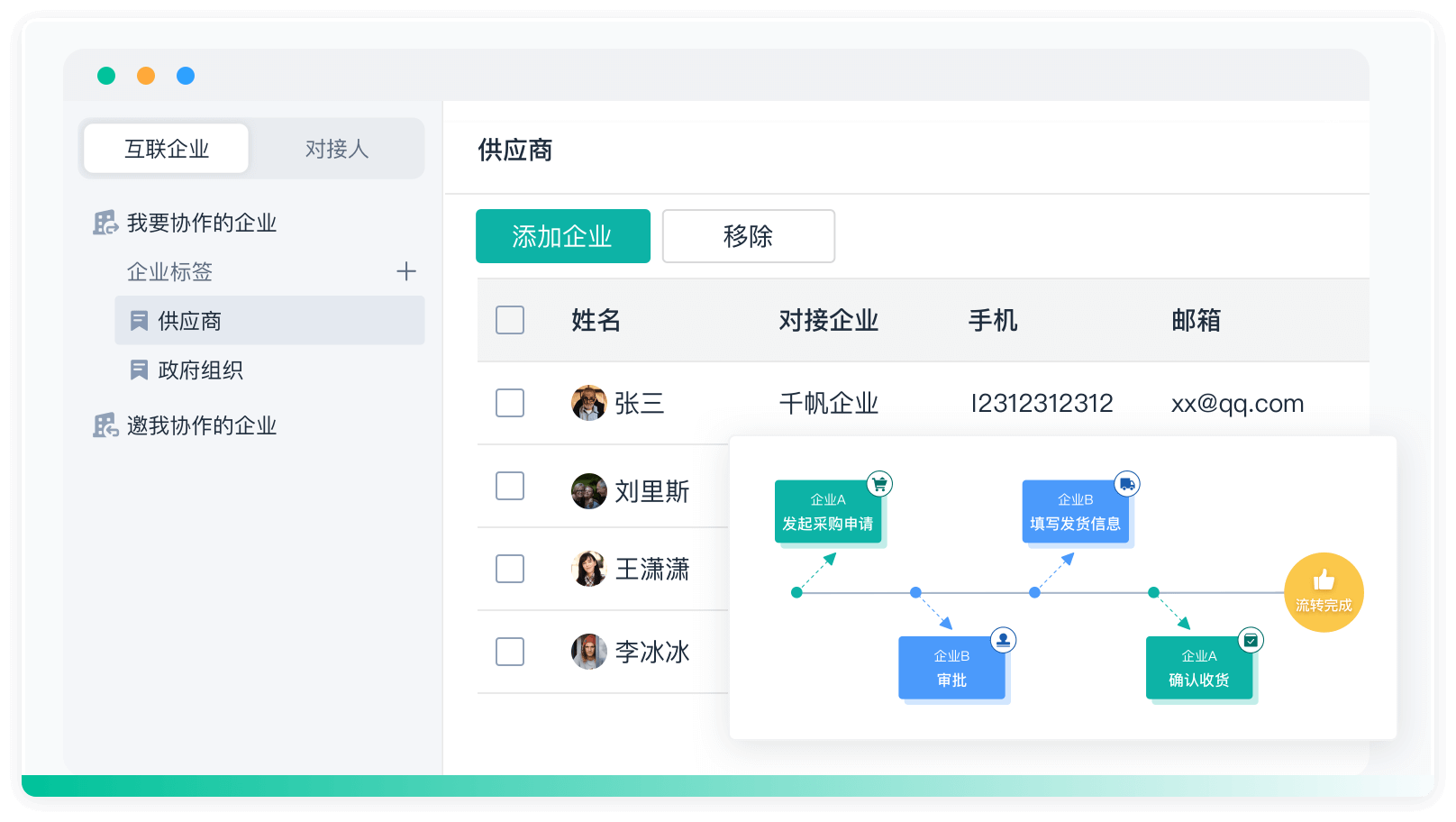
Stakeholder Communication: The software facilitates communication with external stakeholders, such as device manufacturers and service providers. Automated notifications and reminders ensure that all parties are informed about maintenance schedules, recalls, and other important events. This improves coordination and ensures timely resolution of issues.
VIII. COST SAVINGS AND ROI
Implementing medical device management software can lead to significant cost savings and a high return on investment (ROI) for healthcare facilities. By optimizing device management processes, the software reduces operational costs and improves financial performance.
Reduced Maintenance Costs: By ensuring regular maintenance and timely repairs, the software helps in reducing maintenance costs. Preventive maintenance reduces the risk of costly breakdowns, extending the lifespan of devices and minimizing the need for replacements.
Improved Asset Utilization: Better tracking and management of medical devices lead to improved asset utilization. This reduces the need for excess inventory, freeing up capital for other investments. Efficient utilization also reduces the costs associated with storing and maintaining unused devices.
Increased Efficiency: Automation of device management tasks reduces manual efforts, saving time and labor costs. Increased efficiency leads to faster service delivery and improved patient satisfaction, which can positively impact the facility's reputation and revenue.
In conclusion, medical device management software is a vital tool for healthcare facilities, offering numerous benefits such as enhanced operational efficiency, regulatory compliance, improved patient safety, better resource allocation, integration with other systems, advanced analytics, improved communication, and significant cost savings. By implementing such a system, healthcare providers can optimize their device management processes, leading to better patient care and overall operational excellence.
相关问答FAQs:
1. What is medical equipment management software, and how does it benefit healthcare organizations?
Medical equipment management software is a specialized application designed to streamline and enhance the management of medical devices within healthcare facilities. This type of software offers a range of functionalities including inventory management, maintenance scheduling, compliance tracking, and performance monitoring. By using such software, healthcare organizations can efficiently track their equipment assets, ensuring that all devices are properly maintained and in compliance with regulatory standards.
One of the primary benefits is improved operational efficiency. The software automates routine tasks, such as scheduling preventive maintenance and tracking repair histories, which reduces manual effort and minimizes the risk of human error. It also provides real-time data on equipment status, which helps in making informed decisions regarding the replacement or upgrade of devices. Furthermore, it aids in ensuring patient safety by minimizing the chances of equipment malfunction during critical procedures.
Additionally, the software helps healthcare facilities adhere to regulatory requirements by maintaining detailed records of equipment maintenance and compliance. This can be crucial during audits or inspections, as it provides a clear history of all actions taken to ensure equipment functionality and safety. Overall, medical equipment management software enhances the operational efficiency of healthcare organizations, reduces downtime, and supports high standards of patient care.
2. How does medical equipment management software integrate with other hospital systems?
Medical equipment management software is designed to integrate seamlessly with various hospital systems to create a unified management ecosystem. Integration typically involves connecting with Electronic Health Records (EHR) systems, Computerized Maintenance Management Systems (CMMS), and other hospital information systems.
For instance, integration with EHR systems allows for the synchronization of equipment data with patient records. This means that when a patient requires a specific type of medical device, the software can automatically check the availability and readiness of the equipment, thus improving the workflow and efficiency of medical procedures.
Moreover, integration with CMMS facilitates automated maintenance scheduling and tracking. The software can use data from CMMS to generate maintenance tasks based on equipment usage patterns and performance metrics. This integration ensures that maintenance activities are timely and that equipment remains in optimal condition.
Additionally, medical equipment management software often connects with inventory management systems to provide real-time updates on equipment availability and stock levels. This helps in managing spare parts and supplies more effectively, reducing the risk of shortages or overstocking.
Overall, the ability of medical equipment management software to integrate with other hospital systems enhances its functionality and ensures a cohesive approach to managing medical devices, leading to more efficient operations and improved patient care.
3. What are the key features to look for in medical equipment management software?
When selecting medical equipment management software, it is essential to evaluate its features to ensure it meets the specific needs of your healthcare facility. Key features to consider include:
-
Inventory Management: The software should offer robust tools for tracking and managing medical equipment inventory. This includes features for monitoring the quantity, location, and status of each device, as well as tracking usage patterns and asset lifecycle.
-
Maintenance Scheduling: Look for software that provides automated scheduling for preventive and corrective maintenance. This feature should include reminders and alerts for upcoming maintenance tasks, as well as the ability to log and track maintenance activities.
-
Compliance Tracking: The software should help ensure compliance with regulatory requirements by maintaining detailed records of equipment inspections, certifications, and maintenance history. This feature is crucial for passing audits and meeting industry standards.
-
Performance Monitoring: Effective medical equipment management software should include tools for monitoring the performance of medical devices. This may involve real-time tracking of operational metrics, detecting faults or performance issues, and generating reports on equipment efficiency.
-
User Access and Security: Consider software that offers customizable user access levels and robust security features to protect sensitive data. This ensures that only authorized personnel can access or modify critical information related to equipment management.
-
Integration Capabilities: The software should be compatible with other hospital systems such as EHRs, CMMS, and inventory management systems. Integration ensures seamless data flow and enhances the overall efficiency of equipment management processes.
By focusing on these key features, healthcare facilities can select medical equipment management software that enhances operational efficiency, ensures compliance, and supports high standards of patient care.




























































 《零代码开发知识图谱》
 《零代码
新动能》案例集
《零代码
新动能》案例集
 《企业零代码系统搭建指南》